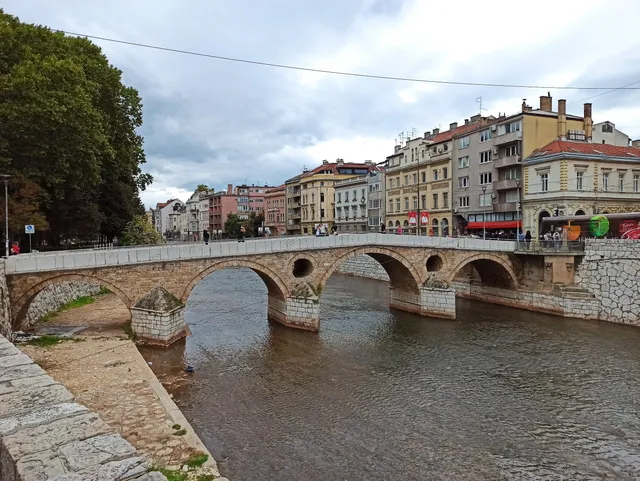
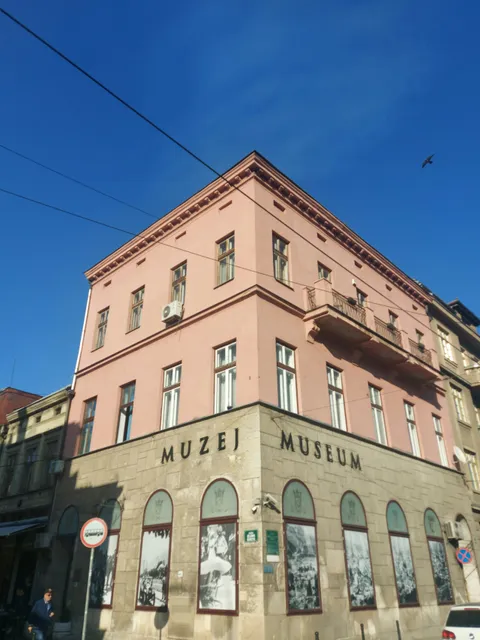
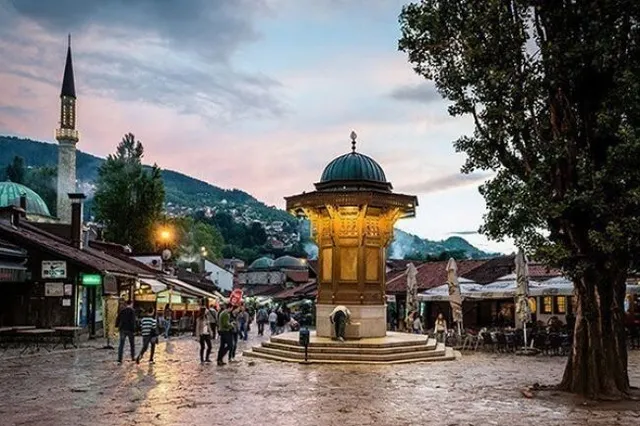
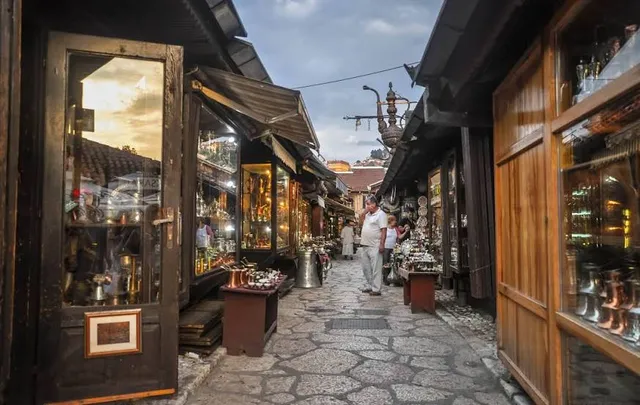
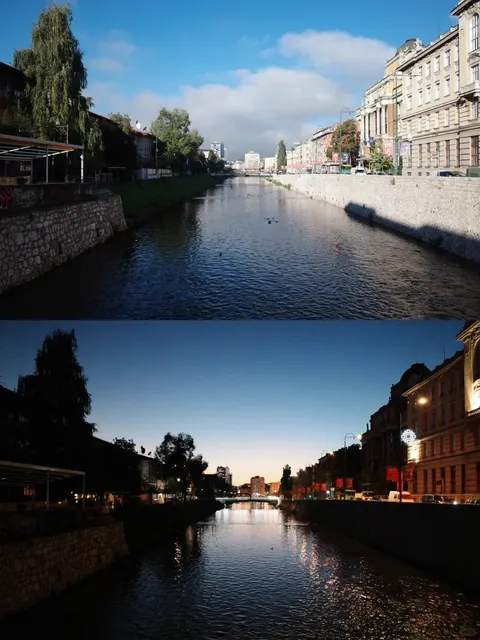
The Latin Bridge in Sarajevo is not just an architectural structure, but a living symbol of history. Here is why it is worth visiting for everyone who finds themselves in this city: An event that changed the course of world history took place here: the assassination of Archduke Franz Ferdinand in 1914, which became the reason for the outbreak of World War I. Nearby, there is a museum with artifacts and detailed exhibitions where you can delve deeper into the context of the tragedy. The bridge, built in the 16th century from stone and limestone, combines simplicity and elegance. Its four semicircular arches, asymmetrical shape (the result of reconstruction) and through holes in the supports create a unique decorative effect. The Latin Bridge is located in the heart of Sarajevo, next to the Baščaršija quarter - a labyrinth of oriental bazaars and cafes. After a walk across the bridge, you can enjoy Bosnian coffee in a traditional cezve. Interestingly, the bridge has undergone many transformations: from a wooden ferry to a stone structure, from being named after Gavrilo Princip to returning its historical name in 1992. This makes it not only a monument, but also a metaphor for resilience — the city’s ability to maintain its identity despite wars and changes. The bridge is entirely pedestrian, allowing you to leisurely examine every detail. Nearby are other key attractions: the City Hall, the Eternal Flame memorial, and the futuristic Festina Lente bridge, which contrasts with the laconicism of the Latin Bridge. This is the perfect starting point for a tour of Sarajevo. Result: The Latin Bridge is a must-see for those who value history, architecture, and authenticity. After visiting, you are left with a feeling of belonging to something great — as if you touched an era that determined the fate of millions. Be sure to include it in...
Read moreDEL CONCORDATO CON SEBIA A LA PRIMERA GUERRA MUNDIAL Respondió a tres factores? 1)Profunda enemistad entre Alemania y Francia, por la derrota francesa de 1871 con la pérdida de Alsacia y Lorena. 2)Diferencias entre Alemania e Inglaterra: feroz competencia económica en industria manufacturera, Alemania vendía sus productos industriales con mejores precios y ademas competencia en política colonial. 3) Por ultimo entre el imperio Austrohúngaro, Serbia y Rusia, por el dominio de los Balcanes. Hechos concomitantes: el 24 de junio de 1914 4 días antes del asesinato del archiduque Francisco Fernando en las proximidades del café MOSTAR, y su esposa en Sarajevo por el terrorista serbio Gavrilop (le hicieron un monumento), la Santa Sede y el gobierno de Serbia firman el “Concordato Serbio”. Con la implicancia que Serbia debía garantizar a la Santa Sede el derecho a imponer el nuevo Código Canónico al clero católico de su país y que los católicos serbios tendrían completa libertad de religión, culto y educación en su territorio. Asumiendo pagar un sueldo al arzobispo de Belgrado, al obispo de Üsküb hoy Skopje y al clero que servía a las comunidades católicas. Hecho que agudizó el conflicto ya existente con Serbia por anular los antiguos derechos que poseía del protectorado el Imperio austro-húngaro sobre los territorios de los católicos ubicados en Serbia. Por la firma del “concordato” a favor de Serbia con anuencia del cardenal Pacelli, se quitan los derechos que asignaba el Vaticano desde la época colonial, de tener la misión de proteger a los católicos que vivían en otro país no católico ejercida por el imperio Austro Húngaro desde más de un siglo. Con el agravante de que Serbia no solo no era de mayoría católica y el Concordato le daba derecho no solo moral de proteger a los fieles, sino también obtenía la potestad de invadir la región ocupada por católicos si se suponía que las comunidades estaban en peligro, perdiéndolo el Imperio Austrohúngaro que lo ganaba Serbia país con influencia de la iglesia ortodoxa, apoyado por Rusia para dominar la zona de los Balcanes. El gran Imperio Austro Húngaro de 675 936 km² con 52.800.000 habitantes no toleraba eso. El Vaticano con el concordato redactado por Pacelli bajo la idea de finalizar la división entre Roma y los ortodoxos destruía el de Austria Hungría su fin era evangelizar Rusia y Grecia firmando con Serbia. En Viena no se acepta el cambio de rol de Serbia. Se la culpa de magnicidio exigiendo una respuesta inmediata, antes de declararle la guerra el 28 de julio. Rusia ante esto responde a Austria con una movilización general, y Alemania que protegía a sus aliados de un conflicto con Rusia, amenaza a Rusia, y a Francia advirtiéndoles previo a declararle la guerra. Inglaterra ingresa exigiéndole a Alemania el libre paso de sus tropas para proteger la neutralidad de Bélgica. Así comenzó la masacre de la primera guerra mundial. Por problemas económicos de predominio de mercados, y una causa: el concordato que precipitó los hechos por sentirse postergado el imperio Austro Húngaro. Todo se descontroló y se enfrentaron 32 naciones, 25 denominadas aliadas, potencias asociadas (Gran Bretaña, Francia, Rusia, Italia y Estados Unidos) contra la coalición (Alemania, Austria-Hungría, Imperio Otomano y Bulgaria) Entre 1914 y 1918 fue la conflagración entre potencias europeas, que implicó a toda la población de los estados contendientes y sus colonias. La primera guerra mundial fue entre la Triple Alianza (Alemania, Imperio austro-húngaro e Italia) y la Triple Entente alianza creada en 1907 (Francia, Gran Bretaña, Rusia y luego Serbia) El 11 de noviembre de 1918 a las 11 horas entró en vigor el armisticio, se ponía el punto final a la guerra. Los aliados, liderados por Francia y Gran Bretaña, derrotaron a las potencias centrales, con Alemania al frente. El 28 de junio de 1919 se firmaría el Tratado de Versalles, sancionando duramente a Alemania y que a la postre acabaría siendo el embrión de la II Guerra Mundial. Preguntamos ¿de qué y para qué sirvió todo? Nadie...
Read moreThe Latin Bridge is a truly remarkable historical landmark that is not to be missed when visiting Sarajevo. As the site of the assassination of Archduke Franz Ferdinand in 1914, the bridge holds a significant place in world history and is an important part of Sarajevo's rich cultural heritage.
Aside from its historical significance, the bridge itself is a striking work of architecture. Its unique design and stunning views of the Miljacka River make it a must-see destination for visitors to Sarajevo. The surrounding area is also picturesque and provides an ideal spot for a leisurely stroll, with numerous cafes and restaurants nearby to enjoy a refreshment.
Visitors can also explore the museum housed in the building adjacent to the bridge, which provides insight into the historical events that occurred on this very spot. The museum is well-curated and informative, providing a deeper understanding of the bridge's importance in world history.
Overall, The Latin Bridge is an essential stop for anyone interested in history, architecture, and culture. Its historical significance, stunning design, and picturesque location make it one of the most fascinating and beautiful landmarks...
Read more