Gazi Husrev-beg Mosque things to do, attractions, restaurants, events info and trip planning
Basic Info
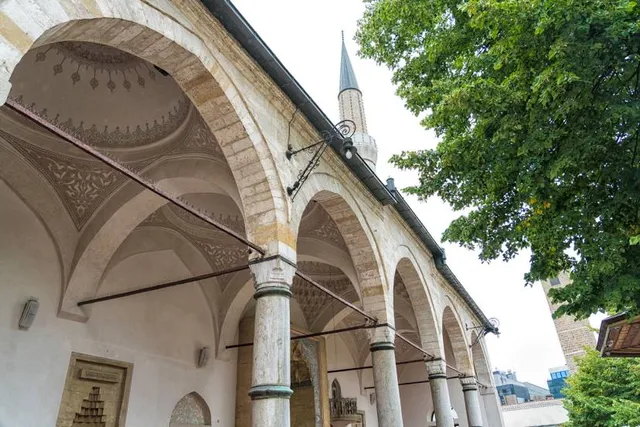
Gazi Husrev-beg Mosque
Sarači 8, Sarajevo 71000, Bosnia & Herzegovina
4.8(2.1K)
Closed

tickets
Save
spot
spot
Ratings & Description
Info
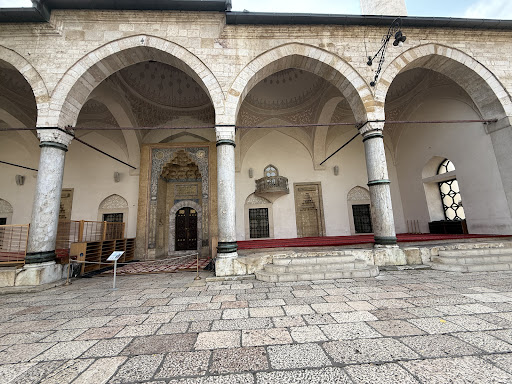
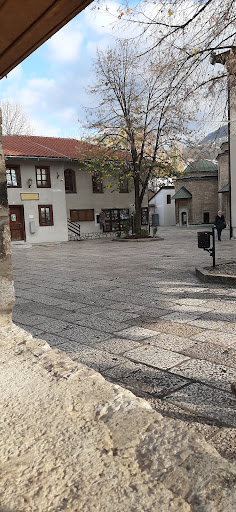
Gazi Husrev-beg Mosque is a mosque in the city of Sarajevo, Bosnia and Herzegovina. Built in the 16th century, it is the largest historical mosque in Bosnia and Herzegovina and one of the most representative Ottoman structures in the Balkans.
Cultural
Accessibility
attractions: Baščaršija, Sebilj, Latin Bridge, Sarajevo Clock Tower, Sarajevo Museum 1878–1918, Old serbian Orthodox Church, Sarajevo Meeting Of Cultures, Tašlihan, Gazi Husrev-Beg's Museum, Museum of Crimes Against Humanity and Genocide, restaurants: Ćevabdžinica Željo, Ćevabdžinica Željo 3, Ćevabdžinica Specijal, Caffe slastičarna Badem, Restoran Careva Ćuprija, Dveri, Barhana, Ćevabdžinica Beg, Miris dunja Baščaršija, Caffe Divan, local businesses: Baščaršija, Sevdah Art House, Old Orthodox Church Museum, Archaeological Park: Bosnian Pyramid of the Sun Foundation, Sarajevska žičara, Sarajevo Eternal Flame, Saint Anthony Franciscan Monastery, Roman Catholic Archdiocese of Vrhbosna, Sarajevo, Apartment Old Town Sarajevo
 Learn more insights from Wanderboat AI.
Phone
+387 33 532-144
Website
begovadzamija.ba
Open hoursSee all hours
Wed9 AM - 12:30 PM, 2 - 4 PM, 5:15 - 7:30 PMClosed
Plan your stay

Pet-friendly Hotels in City of Sarajevo
Find a cozy hotel nearby and make it a full experience.

Affordable Hotels in City of Sarajevo
Find a cozy hotel nearby and make it a full experience.

The Coolest Hotels You Haven't Heard Of (Yet)
Find a cozy hotel nearby and make it a full experience.

Trending Stays Worth the Hype in City of Sarajevo
Find a cozy hotel nearby and make it a full experience.
Reviews
Live events
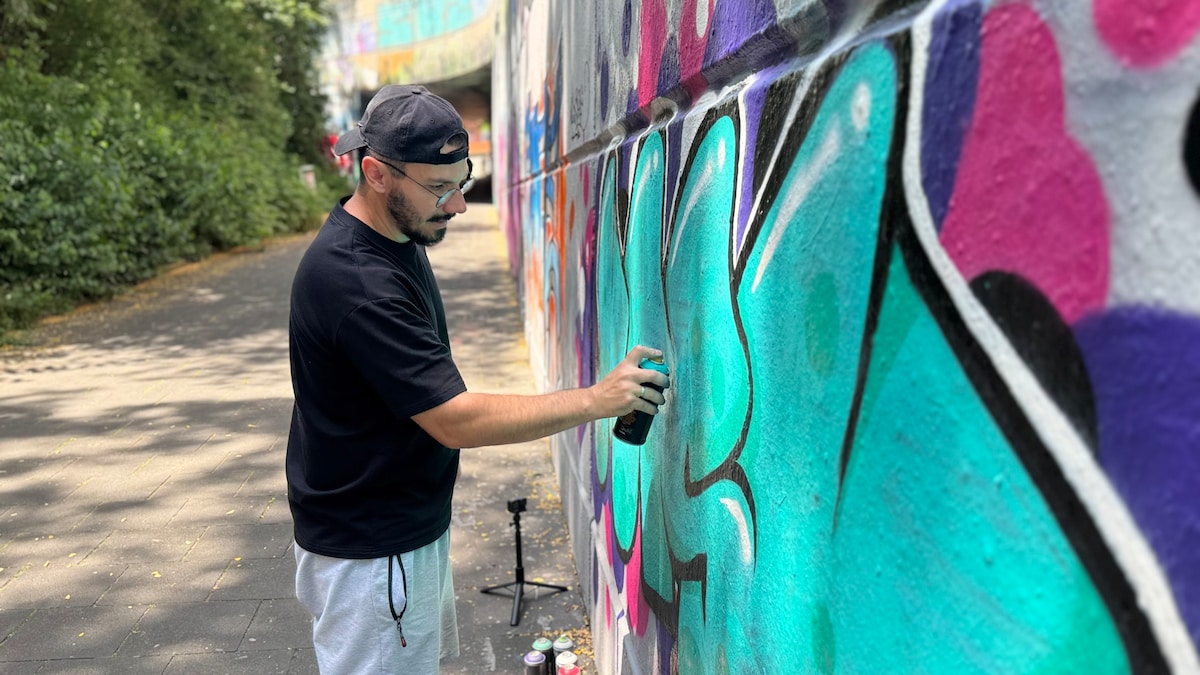
Graffiti workshop on Sarajevos bobsleigh track
Wed, Jan 28 • 10:00 AM
Sarajevo, Federation of Bosnia and Herzegovina 71000, Bosnia & Herzegovina
View details
Nearby attractions of Gazi Husrev-beg Mosque
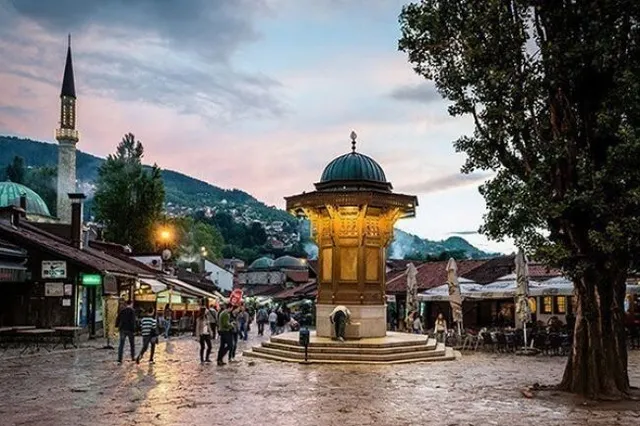
Baščaršija
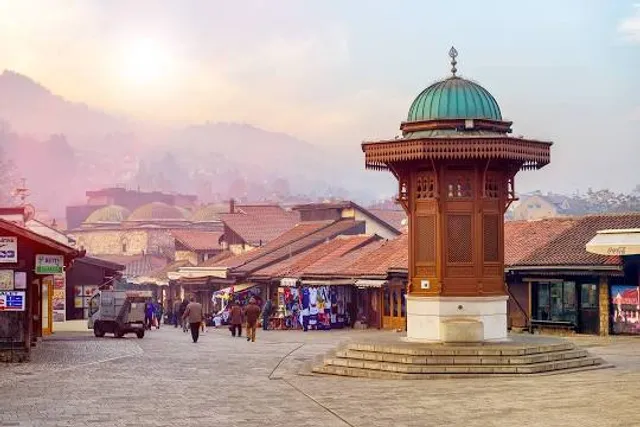
Sebilj
Latin Bridge
Sarajevo Clock Tower
Sarajevo Museum 1878–1918
Old serbian Orthodox Church
Sarajevo Meeting Of Cultures
Tašlihan
Gazi Husrev-Beg's Museum
Museum of Crimes Against Humanity and Genocide
Baščaršija
4.8
(9.4K)
Open until 8:00 PM
Click for details
Sebilj
4.7
(4.5K)
Open until 12:00 AM
Click for details
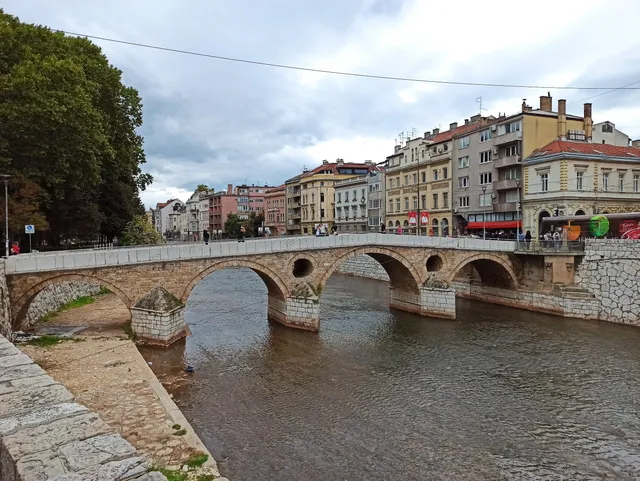
Latin Bridge
4.6
(3.2K)
Open until 12:00 AM
Click for details
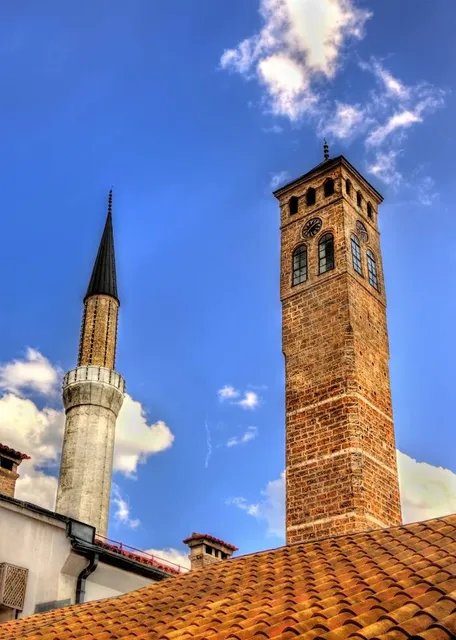
Sarajevo Clock Tower
4.7
(247)
Open until 12:00 AM
Click for details
Nearby restaurants of Gazi Husrev-beg Mosque
Ćevabdžinica Željo
Ćevabdžinica Željo 3
Ćevabdžinica Specijal
Caffe slastičarna Badem
Restoran Careva Ćuprija
Dveri
Barhana
Ćevabdžinica Beg
Miris dunja Baščaršija
Caffe Divan
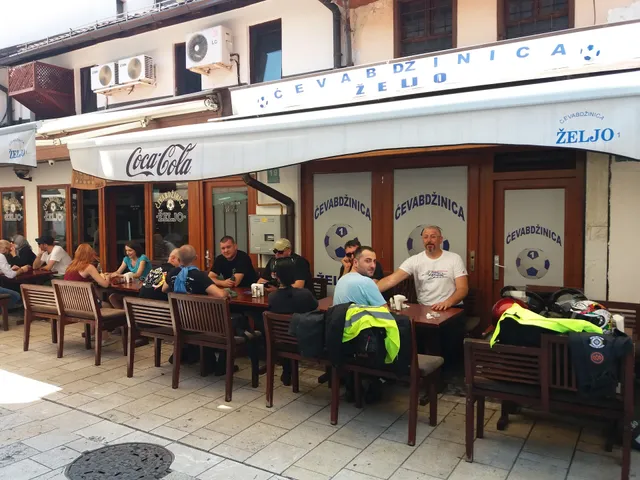
Ćevabdžinica Željo
4.5
(4.8K)
Open until 11:00 PM
Click for details
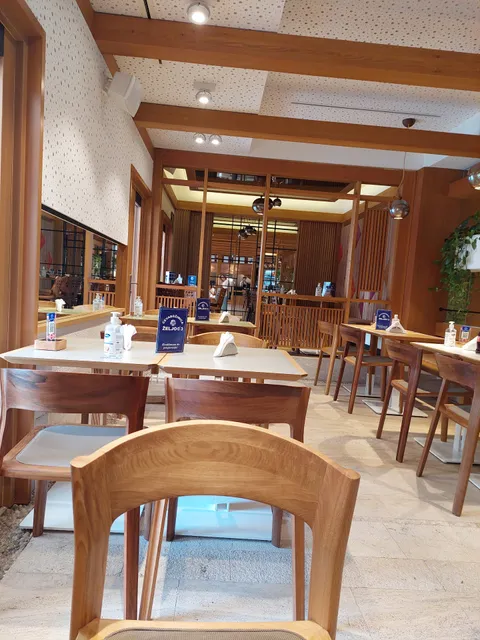
Ćevabdžinica Željo 3
4.4
(1.1K)
Open until 10:00 PM
Click for details
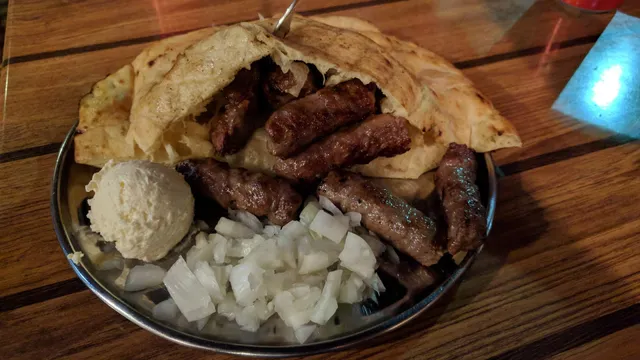
Ćevabdžinica Specijal
4.5
(754)
Open until 12:00 AM
Click for details
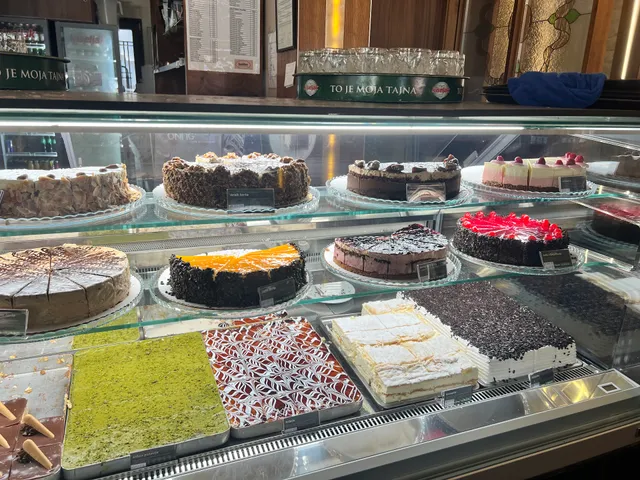
Caffe slastičarna Badem
4.4
(1.7K)
$$
Open until 11:00 PM
Click for details
Nearby local services of Gazi Husrev-beg Mosque
Baščaršija
Sevdah Art House
Old Orthodox Church Museum
Archaeological Park: Bosnian Pyramid of the Sun Foundation
Sarajevska žičara
Sarajevo Eternal Flame
Saint Anthony Franciscan Monastery
Roman Catholic Archdiocese of Vrhbosna
Sarajevo
Apartment Old Town Sarajevo
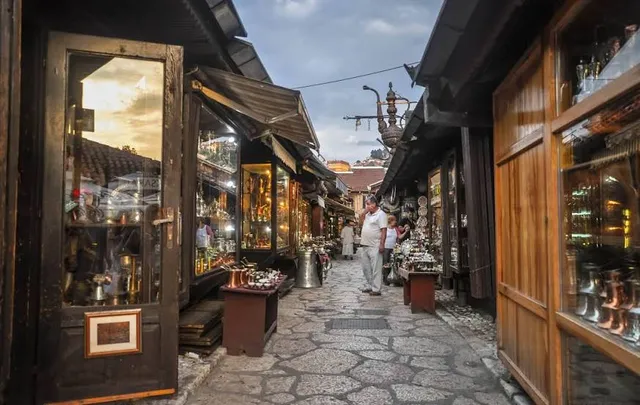
Baščaršija
4.8
(6.3K)
Click for details
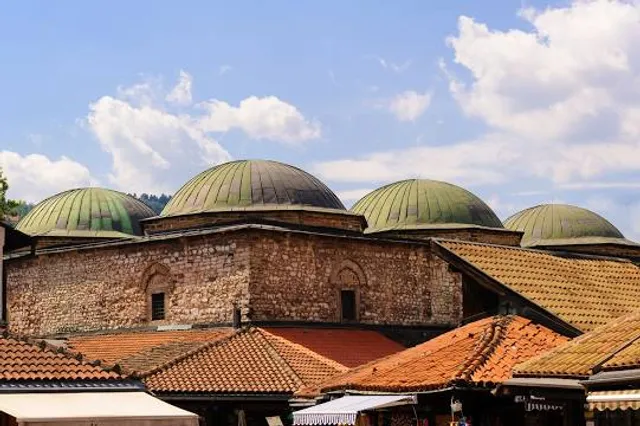
Sevdah Art House
4.6
(701)
Click for details
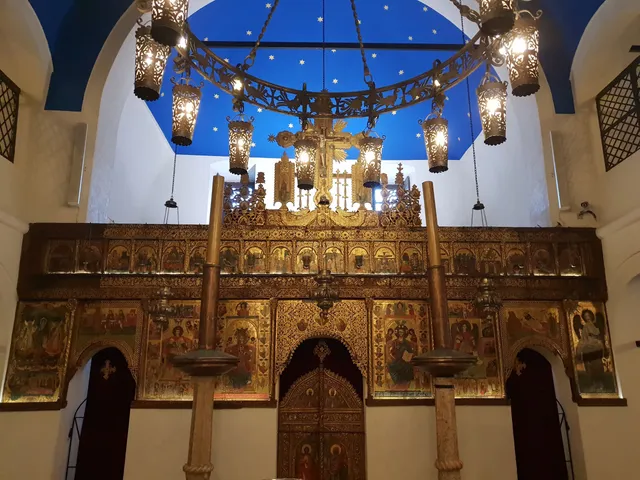
Old Orthodox Church Museum
4.4
(38)
Click for details
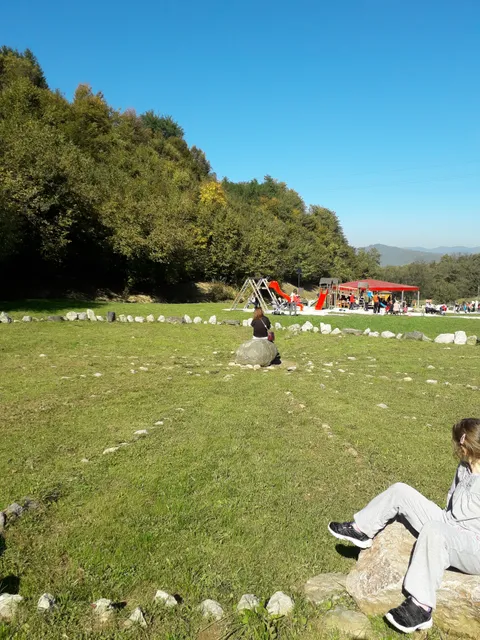
Archaeological Park: Bosnian Pyramid of the Sun Foundation
4.3
(22)
Click for details