Château Ramezay - Musée et site historique de Montréal things to do, attractions, restaurants, events info and trip planning
Basic Info
Château Ramezay - Musée et site historique de Montréal
280 Notre-Dame St. East, Montreal, Quebec H2Y 1E3
4.5(760)
Closed

tickets
Save
spot
spot
Ratings & Description
Info
Cultural
Family friendly
Accessibility
attractions: Bonsecours Market, Vauquelin Place, Le Champ-de-Mars, Voiles en Voiles, Notre-Dame-de-Bon-Secours Chapel, Place de la Dauversière, Le Vieux Montréal, SOS Labyrinthe Vieux-Port de Montréal, Jacques-Cartier Pier, Place Jacques-Cartier, restaurants: L'Usine de Spaghetti, Jardin Nelson, Jacopo, Maggie Oakes, Le Club Chasse et Pêche, BreWskey Pub, Kwizinn Vieux-Montréal, Pub John Michaels, Montréal poutine, Terrasse Perché, local businesses: Château Ramezay - Musée et site historique de Montréal, Souvenir du Québec, Nelson Monument, Souvenir du Quebéc Saint Paul, Bureau d'Accueil Touristique du Vieux-Montréal, Dairy Queen (Treat), Montreal Science Centre, Expériences Infinity, Souvenirs Montréal, Le Bateau-Mouche at the Old Port of Montreal
 Learn more insights from Wanderboat AI.
Phone
(514) 861-3708
Website
chateauramezay.qc.ca
Open hoursSee all hours
Thu10 a.m. - 5 p.m.Closed
Plan your stay

Pet-friendly Hotels in Montreal
Find a cozy hotel nearby and make it a full experience.

Affordable Hotels in Montreal
Find a cozy hotel nearby and make it a full experience.

The Coolest Hotels You Haven't Heard Of (Yet)
Find a cozy hotel nearby and make it a full experience.

Trending Stays Worth the Hype in Montreal
Find a cozy hotel nearby and make it a full experience.
Reviews
Live events
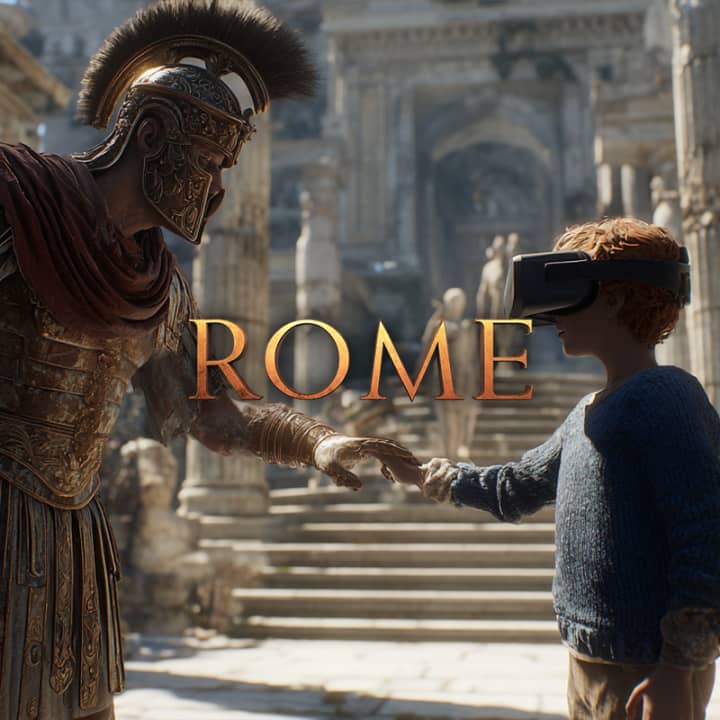
ROME, sur les traces de César
Thu, Feb 26 • 10:00 AM
201 Av. Viger O, Montréal, H2Z 1X7
View details

Les Derniers Remparts: l’expédition médiévale épique
Thu, Feb 26 • 11:00 AM
2 Rue de la Commune Ouest, Montréal, H2Y 4B2
View details
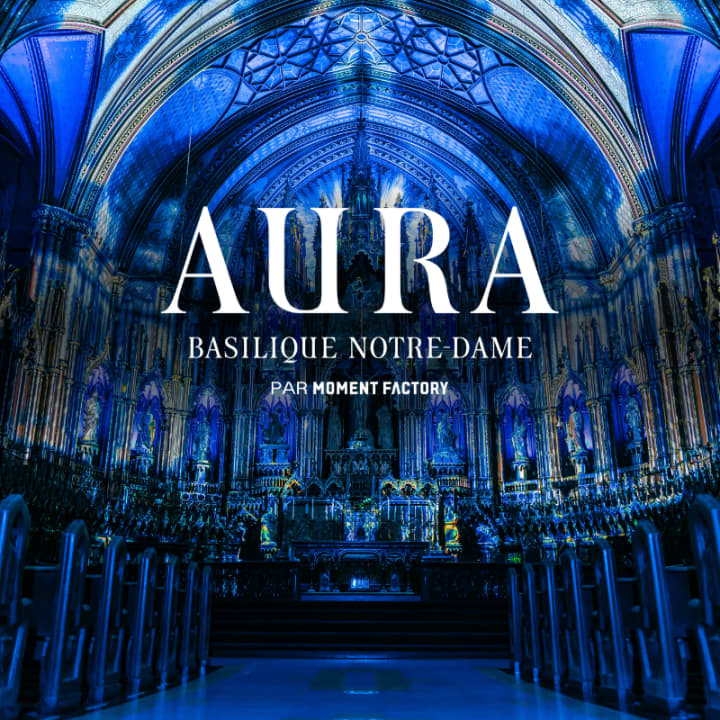
L’expérience AURA à la basilique Notre-Dame de Montréal
Thu, Feb 26 • 6:00 PM
110 Rue Notre-Dame Ouest, Montréal, H2Y 1T1
View details
Nearby attractions of Château Ramezay - Musée et site historique de Montréal
Bonsecours Market
Vauquelin Place
Le Champ-de-Mars
Voiles en Voiles
Notre-Dame-de-Bon-Secours Chapel
Place de la Dauversière
Le Vieux Montréal
SOS Labyrinthe Vieux-Port de Montréal
Jacques-Cartier Pier
Place Jacques-Cartier
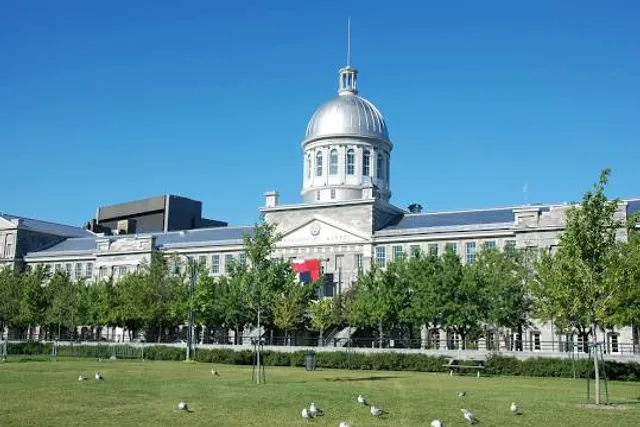
Bonsecours Market
4.1
(3.5K)
Closed
Click for details
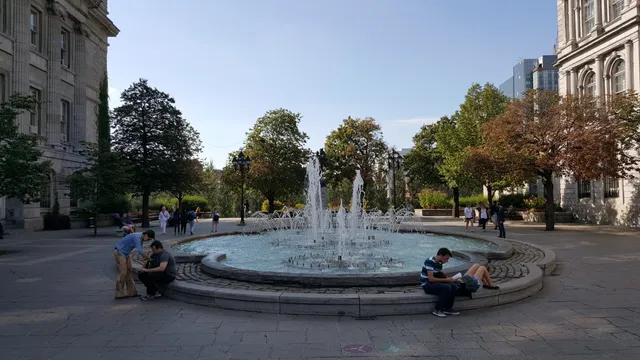
Vauquelin Place
4.6
(358)
Closed
Click for details
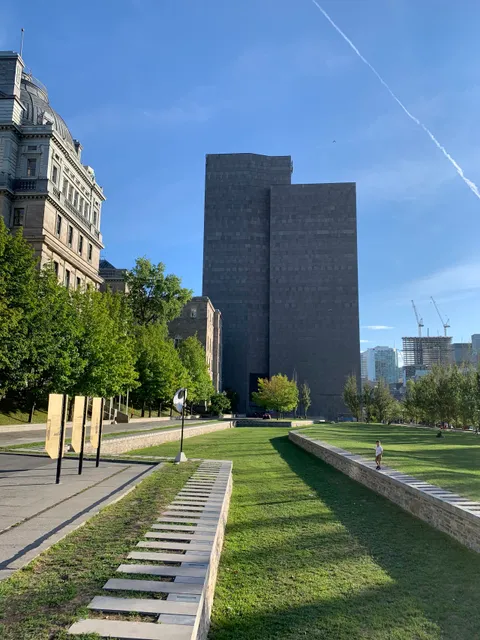
Le Champ-de-Mars
4.5
(671)
Closed
Click for details
Voiles en Voiles
4.4
(903)
Open 24 hours
Click for details
Nearby restaurants of Château Ramezay - Musée et site historique de Montréal
L'Usine de Spaghetti
Jardin Nelson
Jacopo
Maggie Oakes
Le Club Chasse et Pêche
BreWskey Pub
Kwizinn Vieux-Montréal
Pub John Michaels
Montréal poutine
Terrasse Perché
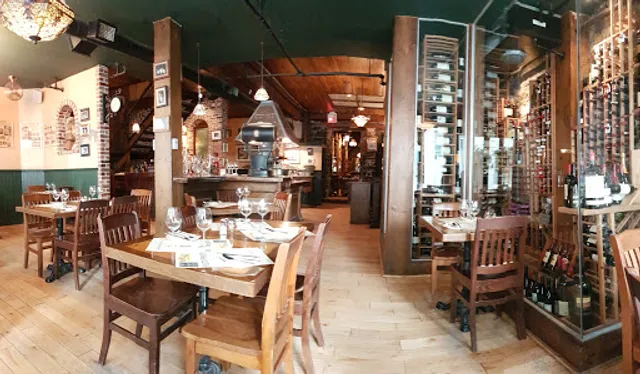
L'Usine de Spaghetti
4.4
(1.5K)
Closed
Click for details
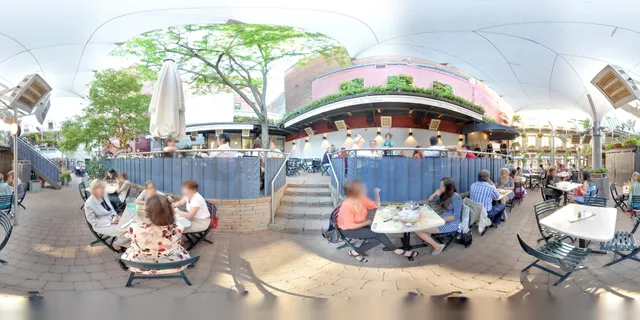
Jardin Nelson
4.4
(1.8K)
$$
Click for details
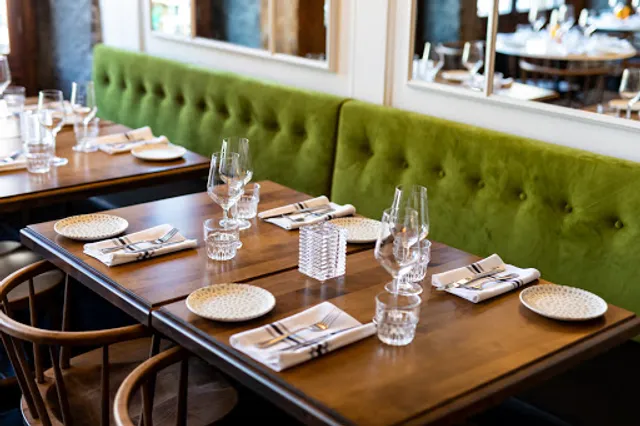
Jacopo
4.5
(1.9K)
$$
Closed
Click for details
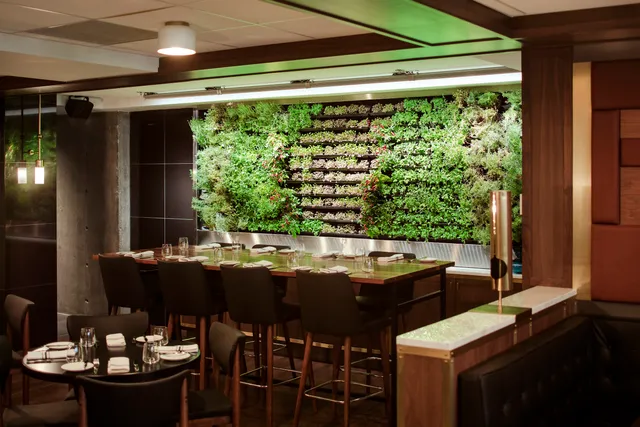
Maggie Oakes
4.3
(1.8K)
$$$
Closed
Click for details
Nearby local services of Château Ramezay - Musée et site historique de Montréal
Château Ramezay - Musée et site historique de Montréal
Souvenir du Québec
Nelson Monument
Souvenir du Quebéc Saint Paul
Bureau d'Accueil Touristique du Vieux-Montréal
Dairy Queen (Treat)
Montreal Science Centre
Expériences Infinity
Souvenirs Montréal
Le Bateau-Mouche at the Old Port of Montreal
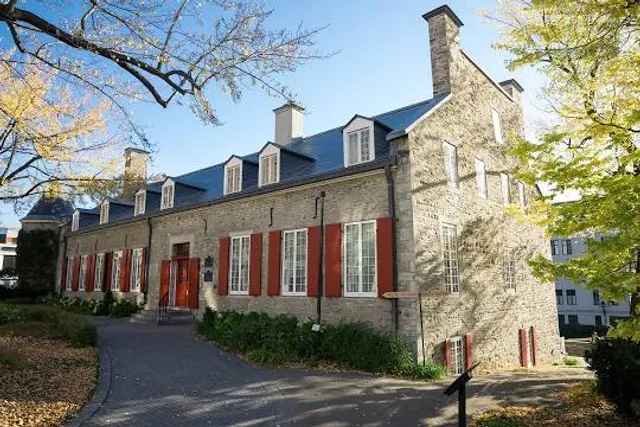
Château Ramezay - Musée et site historique de Montréal
4.4
(617)
Click for details
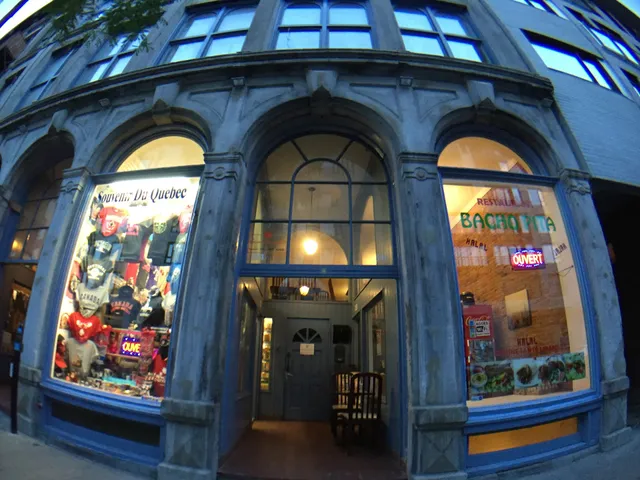
Souvenir du Québec
4.9
(653)
Click for details
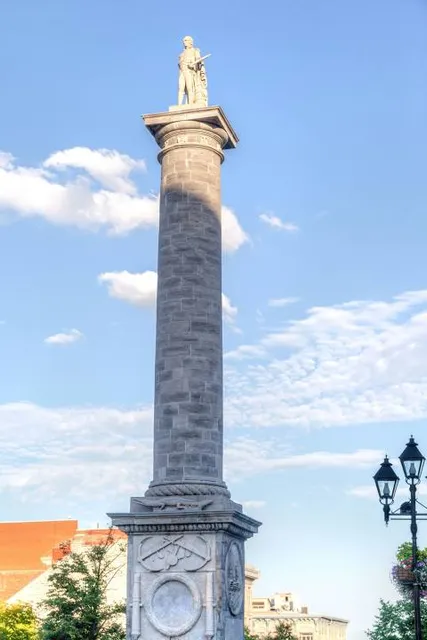
Nelson Monument
4.4
(119)
Click for details

Souvenir du Quebéc Saint Paul
4.9
(156)
Click for details