Museum of Memory and Human Rights things to do, attractions, restaurants, events info and trip planning
Basic Info
Museum of Memory and Human Rights
Av. Matucana 501, 8500000 Santiago, Región Metropolitana, Chile
4.7(5.7K)
Closed
Save
spot
spot
Ratings & Description
Info
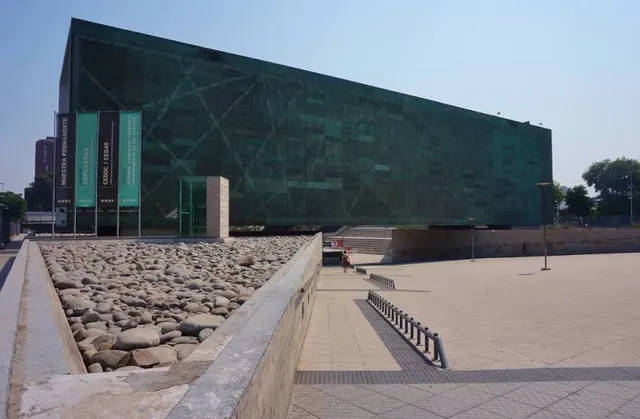
The Museum of Memory and Human Rights is a museum in Santiago, Chile, which commemorates the victims of human rights violations during the military dictatorship led by Augusto Pinochet between 1973 and 1990.
Cultural
Accessibility
attractions: Quinta Normal Park, National Museum of Natural History, Museum Gabriela Mistral Education, Violeta Parra Museum, MAC Quinta Normal, Facultad de Artes, Universidad de Chile, Corporación Cultural Balmaceda Arte Joven (Pabellón Claudio Gay), Museum of Science and Technology, Museo del Sonido, Centro Cultural Matucana 100, Plaza Yungay, restaurants: El Huaso Enrique, Espacio Gárgola, Fuente Mardoqueo, El Chancho Seis, San Camilo, Govinda's Restaurant Vegano Vegetariano, Restaurante Peluquería Francesa - Boulevard Lavaud - Barberia Patrimonial Barrio Yungay, Darkolics Restobar, Mingus Coffee, Café Cité, local businesses: Sabores de Nuni, Parroquia San Saturnino, Centro Comercial China Town Limitada, Veterinaria a Domicilio, Nuestra Señora el Asilo del Carmen, Parroquia San Pablo Apóstol, Handicraft Galleria, Church of the First Monastery of the Visitation
 Learn more insights from Wanderboat AI.
Phone
+56 2 2597 9600
Website
mmdh.cl
Open hoursSee all hours
Sat10 AM - 6 PMClosed
Plan your stay

Pet-friendly Hotels in Santiago
Find a cozy hotel nearby and make it a full experience.

Affordable Hotels in Santiago
Find a cozy hotel nearby and make it a full experience.

The Coolest Hotels You Haven't Heard Of (Yet)
Find a cozy hotel nearby and make it a full experience.

Trending Stays Worth the Hype in Santiago
Find a cozy hotel nearby and make it a full experience.
Reviews
Live events

Dopamine Land: una experiencia multisensorial
Sat, Feb 28 • 10:00 AM
Av. Andrés Bello 2425, Providencia, 7510689
View details
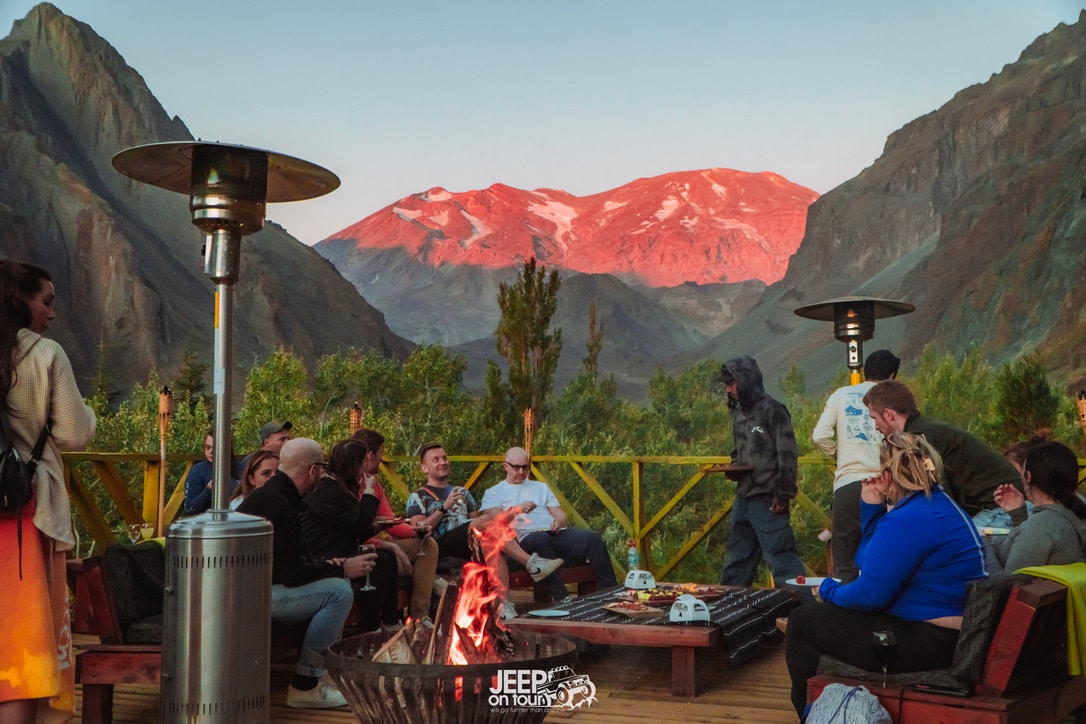
Explore Hot Spring in Andes Mountain whit Barbecue
Mon, Mar 2 • 2:30 PM
8320156, Santiago, Región Metropolitana, Chile
View details
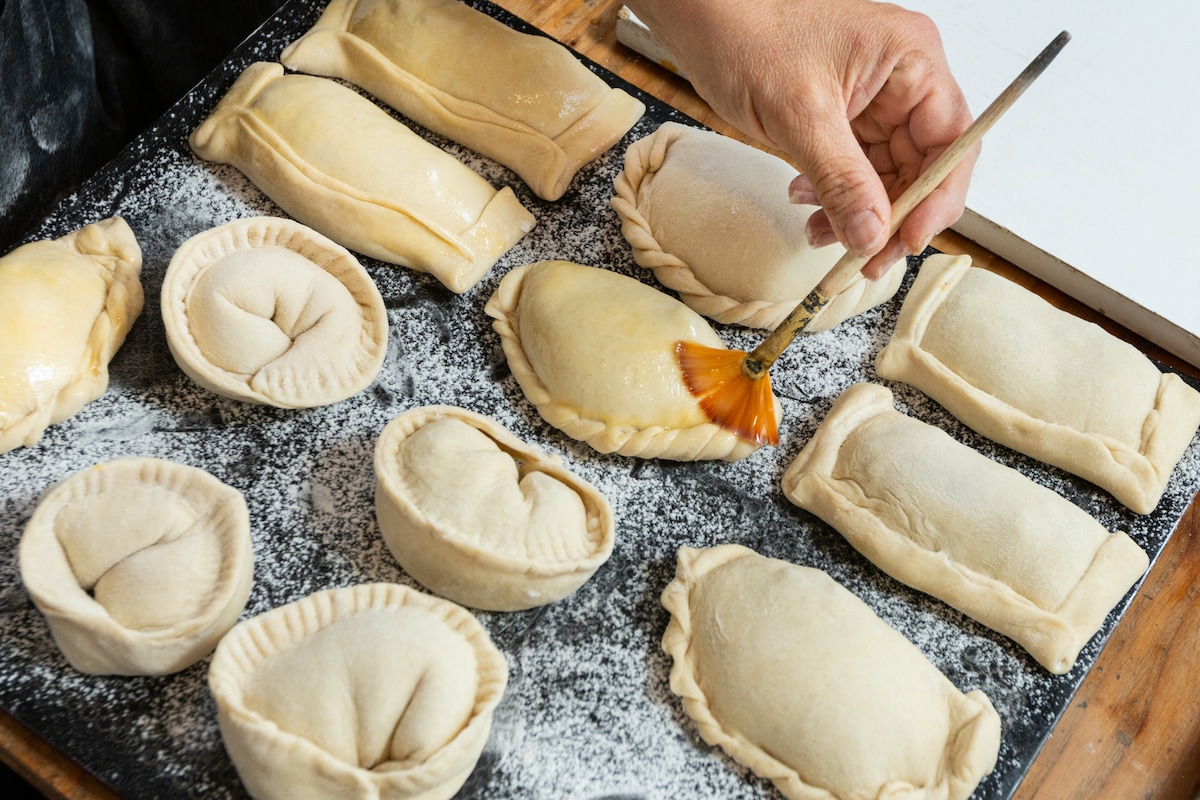
Prepare the famous empanada de pino
Sat, Feb 28 • 6:30 PM
7500000, Providencia, Santiago Metropolitan Region, Chile
View details
Nearby attractions of Museum of Memory and Human Rights
Quinta Normal Park
National Museum of Natural History
Museum Gabriela Mistral Education
Violeta Parra Museum
MAC Quinta Normal, Facultad de Artes, Universidad de Chile
Corporación Cultural Balmaceda Arte Joven (Pabellón Claudio Gay)
Museum of Science and Technology
Museo del Sonido
Centro Cultural Matucana 100
Plaza Yungay
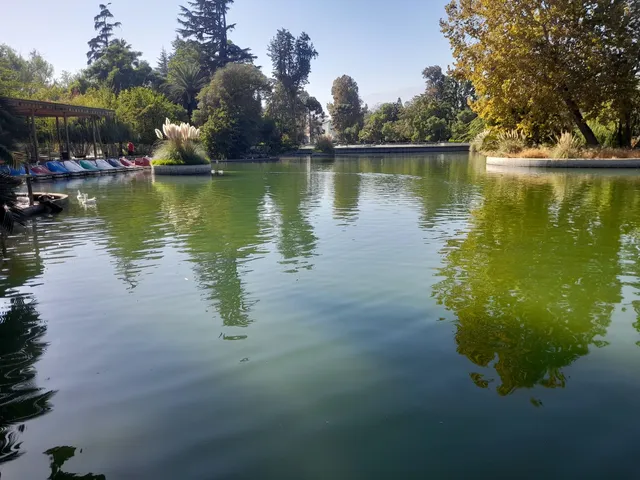
Quinta Normal Park
4.5
(11.5K)
Closed
Click for details
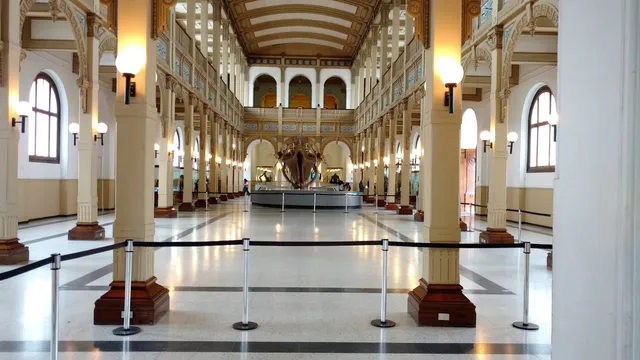
National Museum of Natural History
4.7
(4.7K)
Closed
Click for details
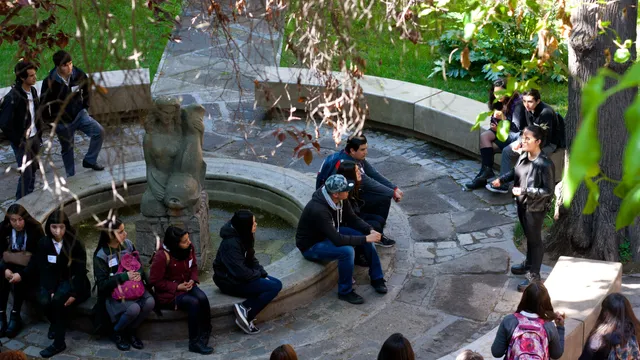
Museum Gabriela Mistral Education
4.7
(522)
Closed
Click for details
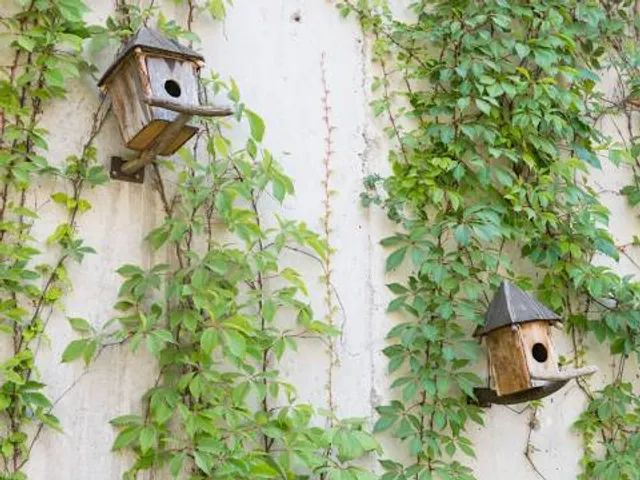
Violeta Parra Museum
4.6
(966)
Open 24 hours
Click for details
Nearby restaurants of Museum of Memory and Human Rights
El Huaso Enrique
Espacio Gárgola
Fuente Mardoqueo
El Chancho Seis
San Camilo
Govinda's Restaurant Vegano Vegetariano
Restaurante Peluquería Francesa - Boulevard Lavaud - Barberia Patrimonial Barrio Yungay
Darkolics Restobar
Mingus Coffee
Café Cité

El Huaso Enrique
4.1
(591)
$$
Closed
Click for details
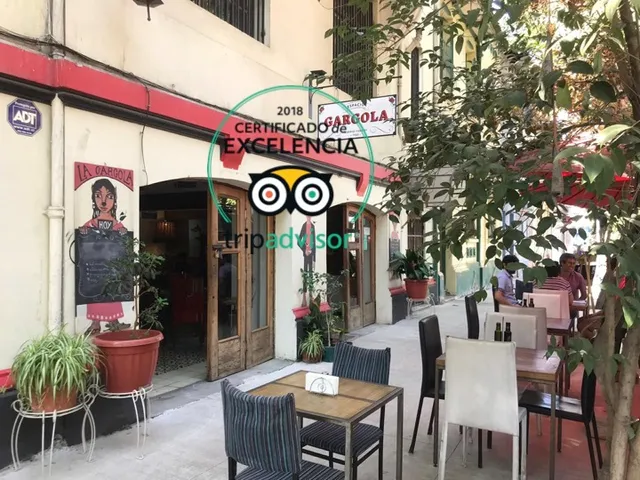
Espacio Gárgola
4.5
(1.0K)
$$
Closed
Click for details
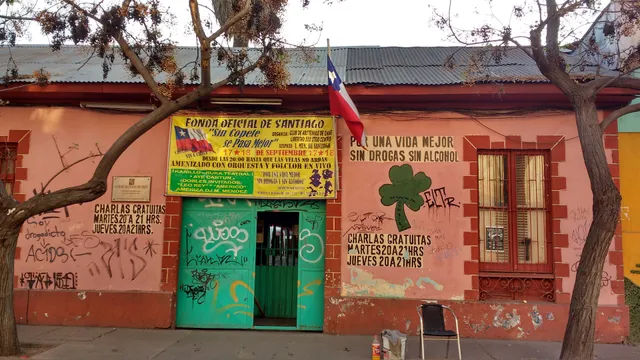
Fuente Mardoqueo
4.6
(5K)
Closed
Click for details
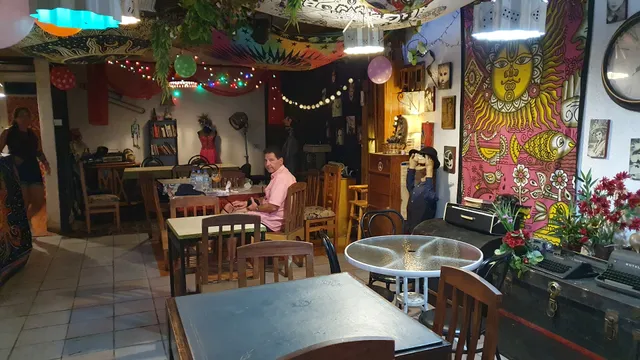
El Chancho Seis
4.3
(547)
Closed
Click for details
Nearby local services of Museum of Memory and Human Rights
Sabores de Nuni
Parroquia San Saturnino
Centro Comercial China Town Limitada
Veterinaria a Domicilio
Nuestra Señora el Asilo del Carmen
Parroquia San Pablo Apóstol
Handicraft Galleria
Church of the First Monastery of the Visitation
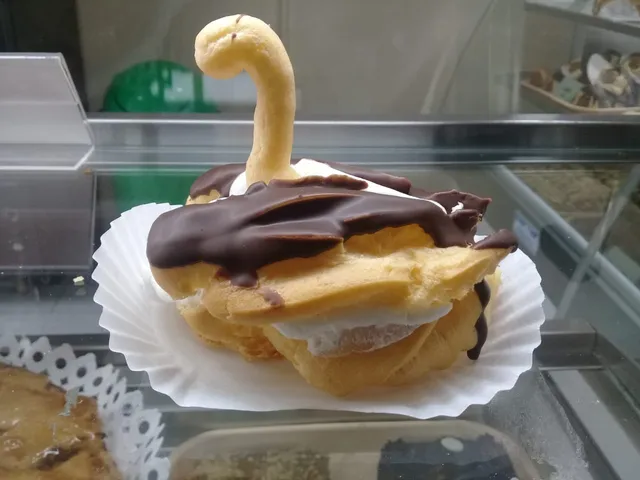
Sabores de Nuni
4.7
(26)
Click for details
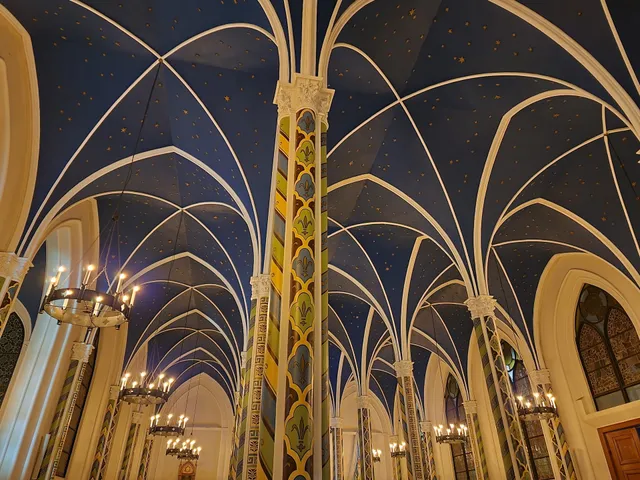
Parroquia San Saturnino
4.8
(73)
Click for details
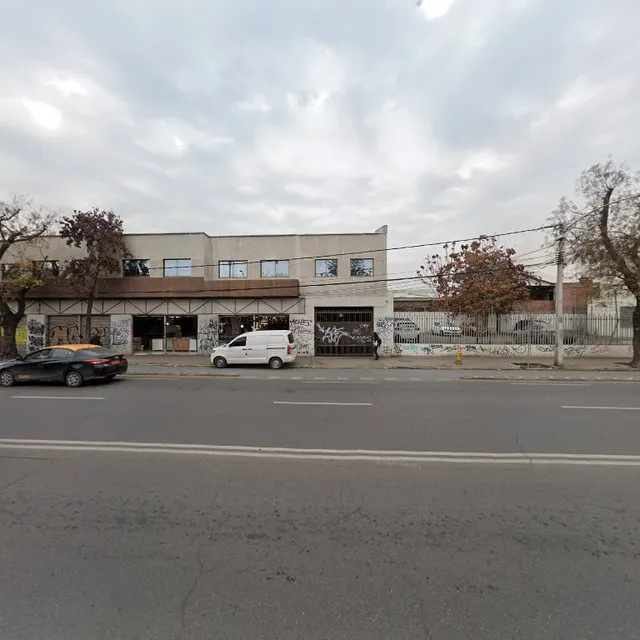
Centro Comercial China Town Limitada
3.7
(9)
Click for details

Veterinaria a Domicilio
3.8
(27)
Click for details