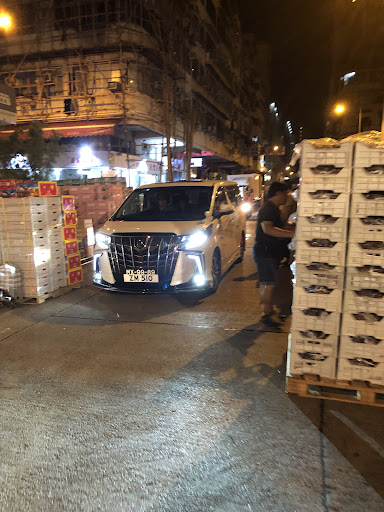
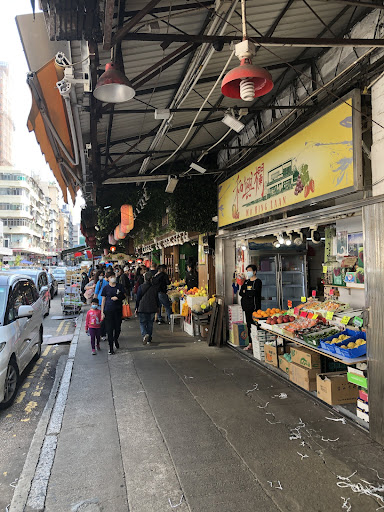
Yau Ma Tei Wholesale Fruit Market things to do, attractions, restaurants, events info and trip planning
Basic Info
Yau Ma Tei Wholesale Fruit Market
202 Reclamation St, Yau Ma Tei, Hong Kong
3.9(1.8K)
Closed
Save
spot
spot
Ratings & Description
Info
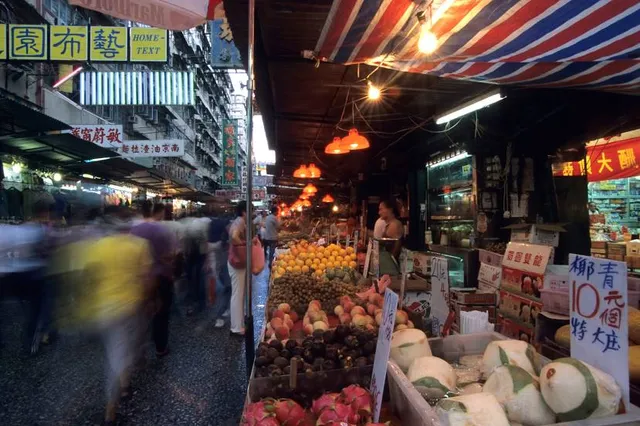
The Yau Ma Tei Fruit Market, officially Yau Ma Tei Wholesale Fruit Market, also simply known as the Fruit Market, is a wholesale fruit market in Yau Ma Tei, Kowloon, Hong Kong.
Cultural
Accessibility
attractions: Portland Street / Man Ming Lane Sitting-Out Area, Yaumatei Tin Hau Temple, Red Brick Building, Portland Street Rest Garden, Hamilton Street Rest Garden, Yau Ma Tei Community Centre Rest Garden, Yau Ma Tei Jade Hawker Bazaar, Cherry Street Park, Temple Street Night Market, Ladies' Market, restaurants: Hing Kee Restaurant, Kubrick, 村爺爺 龍蝦湯泡飯, Hung Ling Restaurant, Tai On Coffee & Tea Shop, Four Seasons Clay Pot Rice, RED TEA Yau Ma Tei Branch, Wing Sing Cafe, Wing Fat Restaurant, Salaam Namaste Curry House, local businesses: Broadway Cinematheque, In's Point, Twins Co., Temple Street Tamagoyaki, Bake at Home, Chung Hwa Bookstore - Yaumatei, Mi Home (Chong Hing Square Store), Omega Plaza, Gala Place, 好燒式串燒專門店 (砵蘭街)
 Learn more insights from Wanderboat AI.
Website
hongkongfuns.com
Open hoursSee all hours
Mon9 a.m. - 6 p.m.Closed
Plan your stay

Pet-friendly Hotels in Hong Kong
Find a cozy hotel nearby and make it a full experience.

Affordable Hotels in Hong Kong
Find a cozy hotel nearby and make it a full experience.

The Coolest Hotels You Haven't Heard Of (Yet)
Find a cozy hotel nearby and make it a full experience.

Trending Stays Worth the Hype in Hong Kong
Find a cozy hotel nearby and make it a full experience.
Reviews
Live events
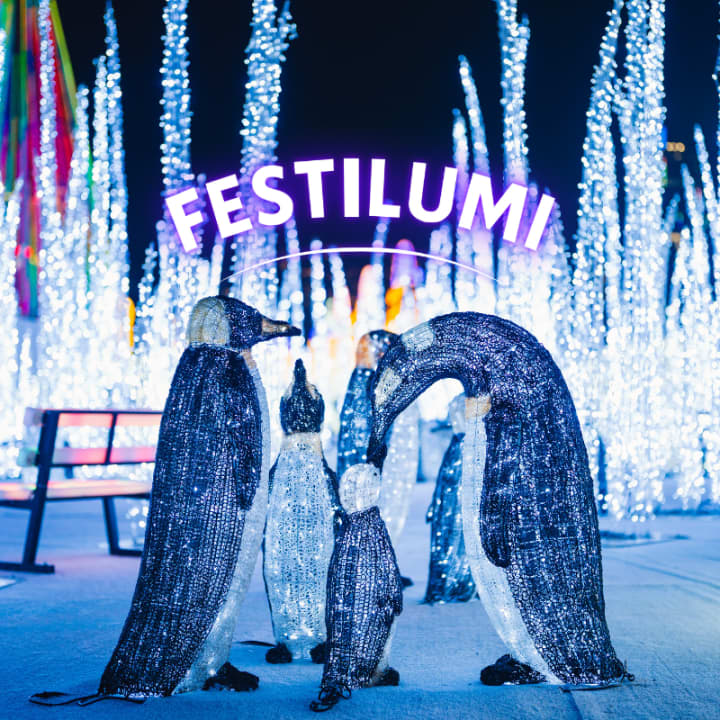
Festilumi - 香港
Tue, Jan 27 • 6:00 PM
3 Hung Hing Rd, Wan Chai, 00000
View details

Hong Kong Murder Mystery 2: Crime on Date Night!
Fri, Jan 23 • 12:00 AM
Chung Kong Rd, Sheung Wan, 999077
View details
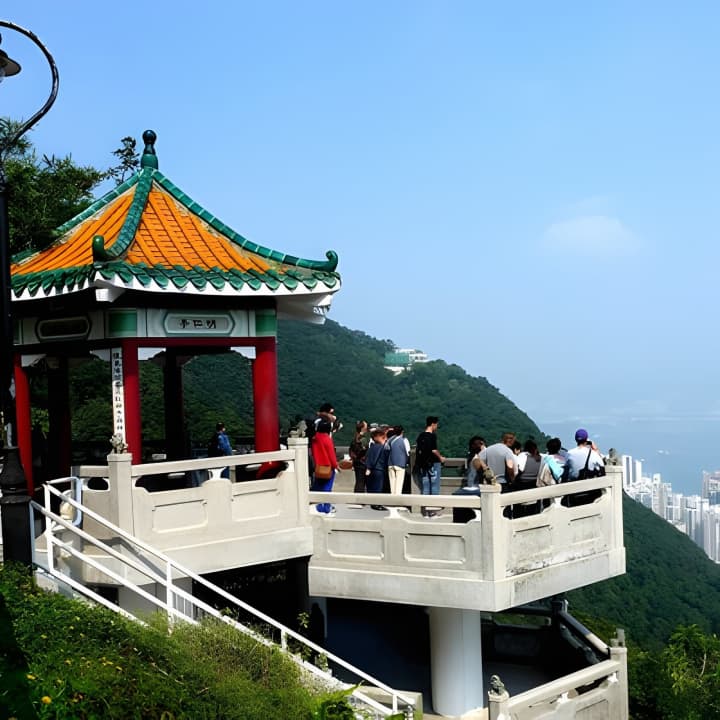
维多利亚山顶参加语音导览,经半山扶手电梯登上山顶
Mon, Jan 26 • 12:00 AM
中環租庇利街
View details
Nearby attractions of Yau Ma Tei Wholesale Fruit Market
Portland Street / Man Ming Lane Sitting-Out Area
Yaumatei Tin Hau Temple
Red Brick Building
Portland Street Rest Garden
Hamilton Street Rest Garden
Yau Ma Tei Community Centre Rest Garden
Yau Ma Tei Jade Hawker Bazaar
Cherry Street Park
Temple Street Night Market
Ladies' Market
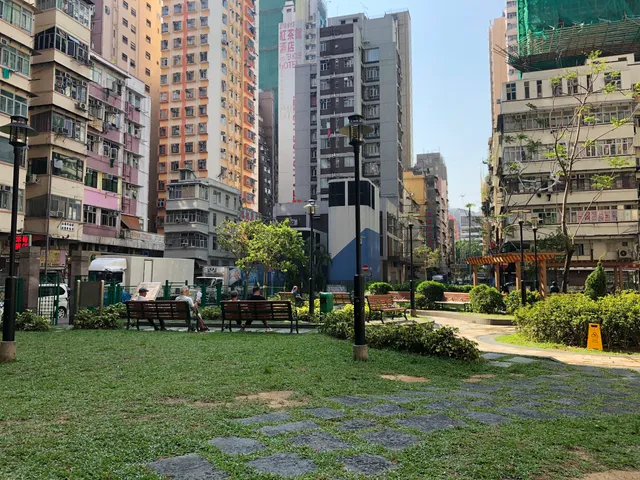
Portland Street / Man Ming Lane Sitting-Out Area
3.3
(276)
Open until 12:00 AM
Click for details
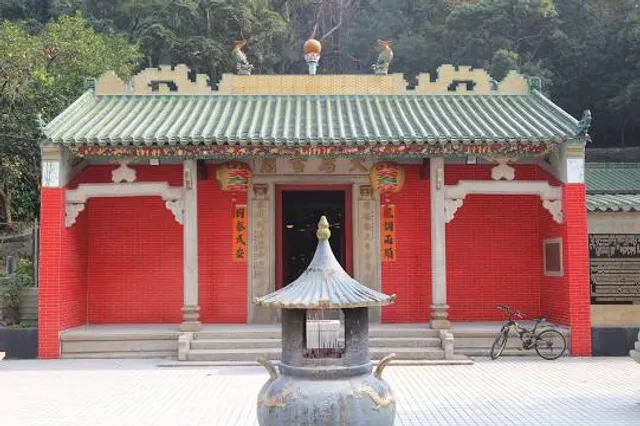
Yaumatei Tin Hau Temple
4.2
(865)
Closed
Click for details
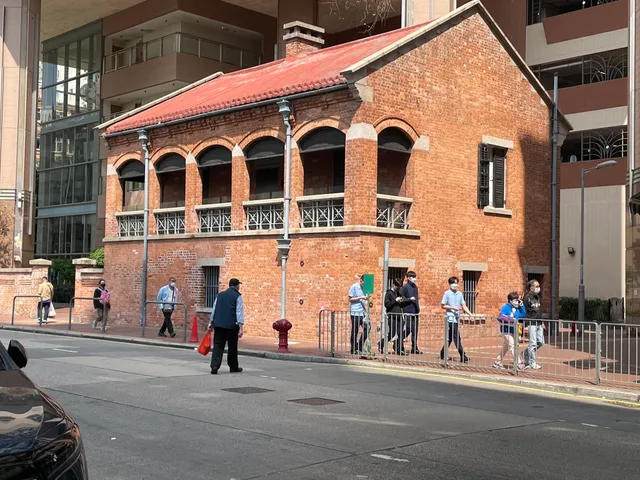
Red Brick Building
3.8
(64)
Open 24 hours
Click for details
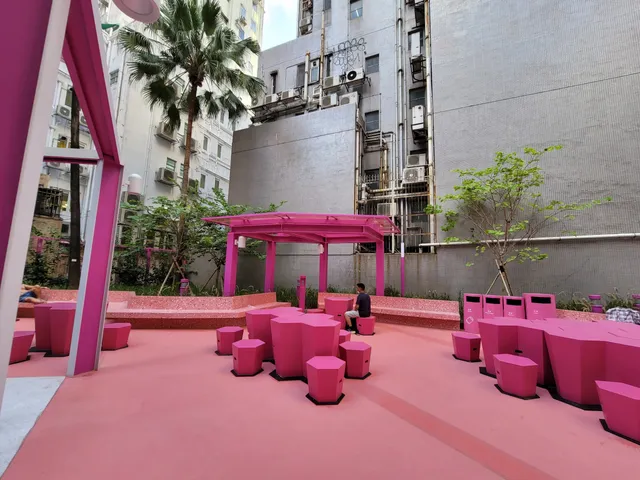
Portland Street Rest Garden
3.0
(92)
Open until 12:00 AM
Click for details
Nearby restaurants of Yau Ma Tei Wholesale Fruit Market
Hing Kee Restaurant
Kubrick
村爺爺 龍蝦湯泡飯
Hung Ling Restaurant
Tai On Coffee & Tea Shop
Four Seasons Clay Pot Rice
RED TEA Yau Ma Tei Branch
Wing Sing Cafe
Wing Fat Restaurant
Salaam Namaste Curry House
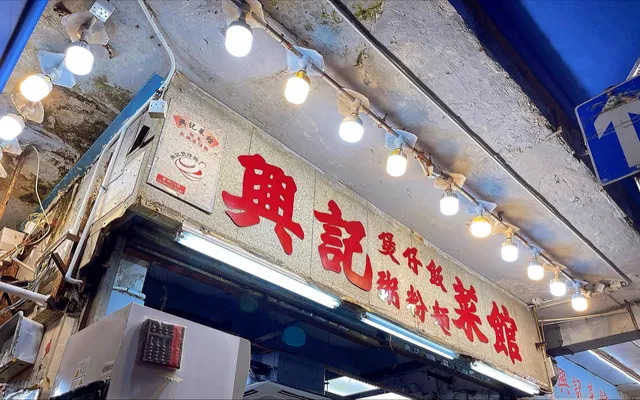
Hing Kee Restaurant
3.7
(1.7K)
Closed
Click for details
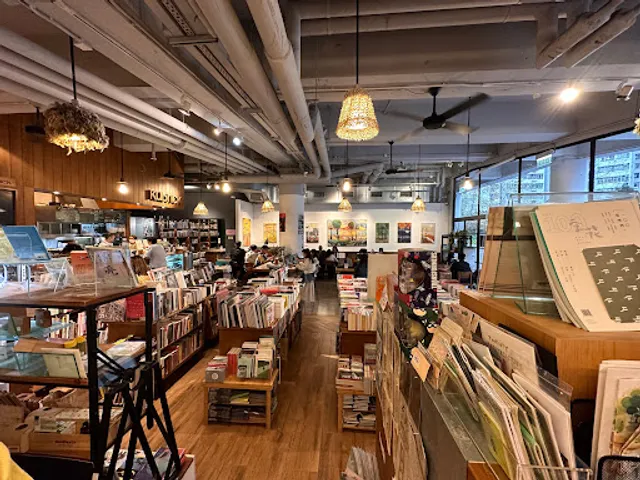
Kubrick
4.1
(342)
Closed
Click for details
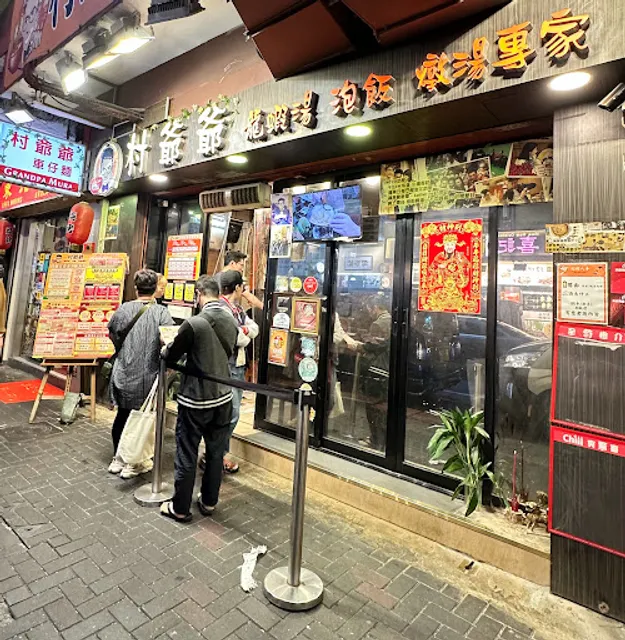
村爺爺 龍蝦湯泡飯
3.9
(896)
Open until 12:00 AM
Click for details
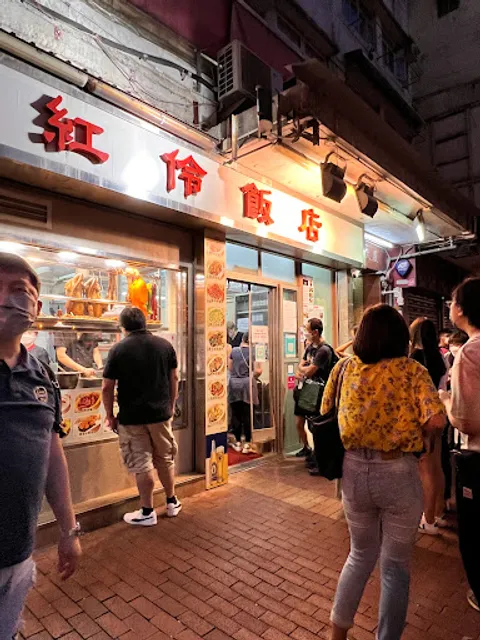
Hung Ling Restaurant
4.0
(330)
$$
Closed
Click for details
Nearby local services of Yau Ma Tei Wholesale Fruit Market
Broadway Cinematheque
In's Point
Twins Co.
Temple Street Tamagoyaki
Bake at Home
Chung Hwa Bookstore - Yaumatei
Mi Home (Chong Hing Square Store)
Omega Plaza
Gala Place
好燒式串燒專門店 (砵蘭街)
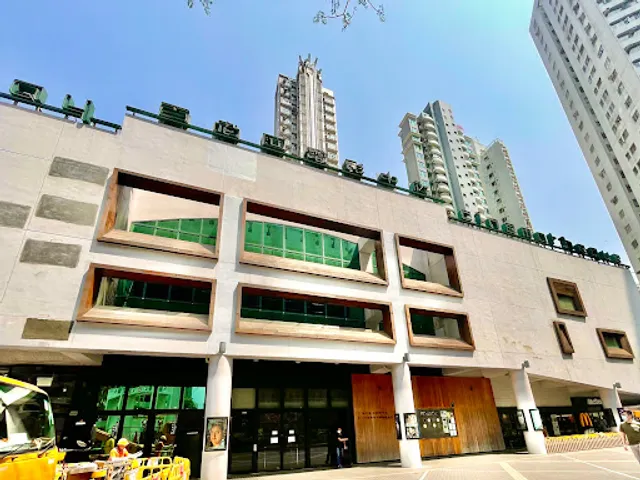
Broadway Cinematheque
4.3
(1.4K)
Click for details
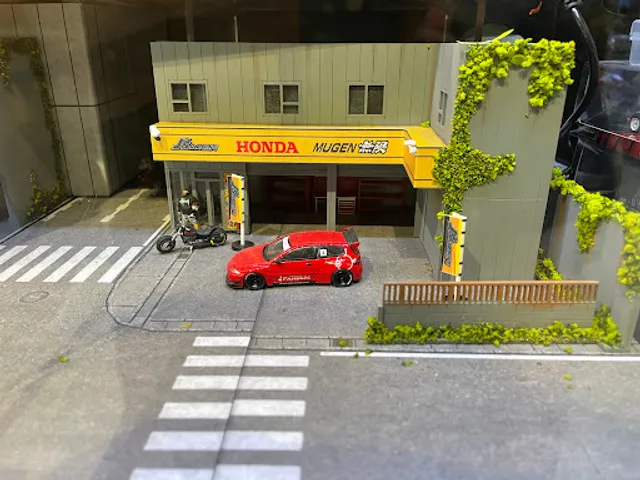
In's Point
4.0
(1.6K)
Click for details
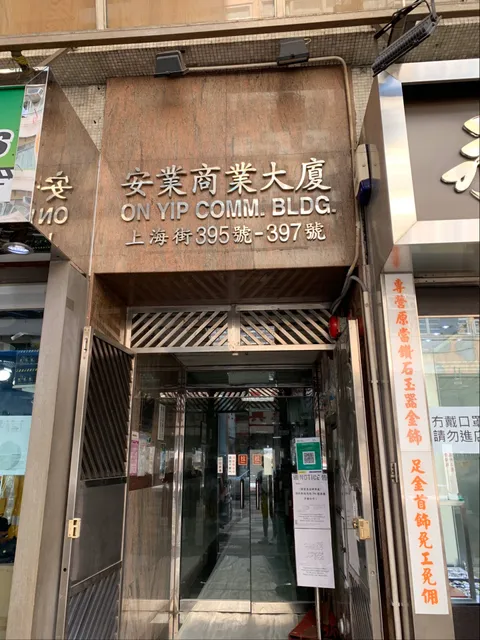
Twins Co.
4.1
(174)
Click for details
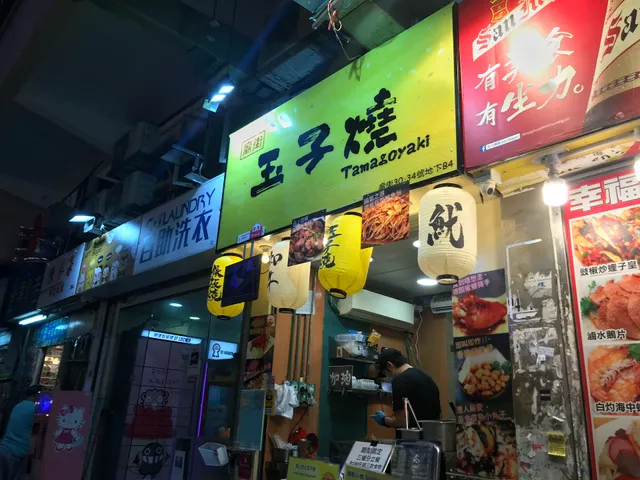
Temple Street Tamagoyaki
4.2
(50)
Click for details