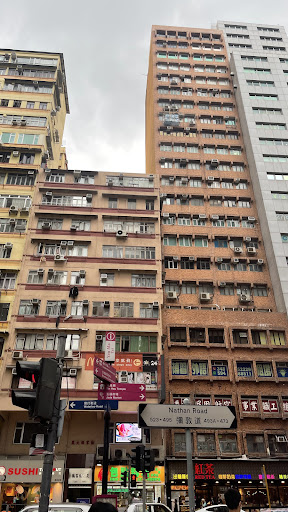
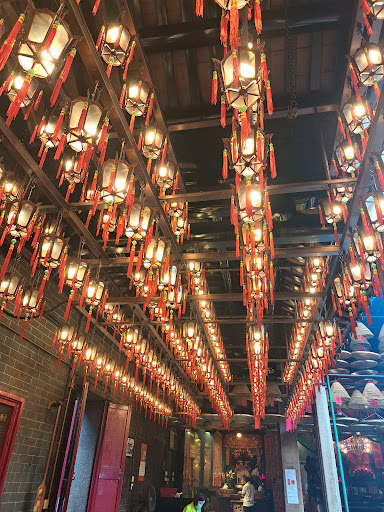
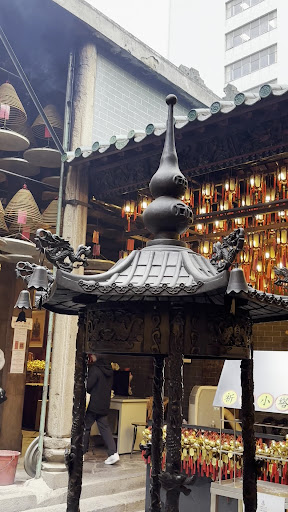
Yaumatei Tin Hau Temple things to do, attractions, restaurants, events info and trip planning
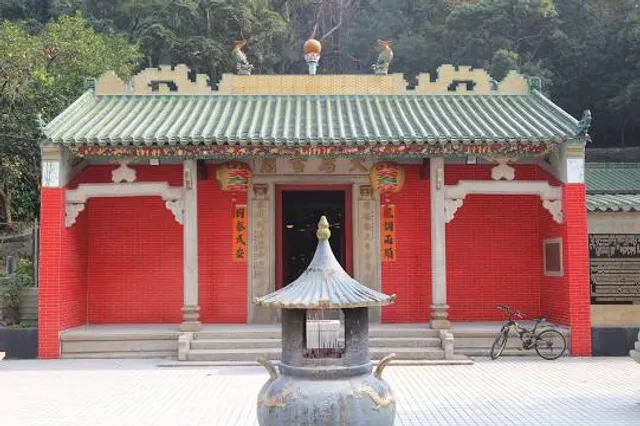
Basic Info
Yaumatei Tin Hau Temple
56-58 Temple Street, 56-58 Temple St, Yau Ma Tei, Hong Kong
4.2(846)
Closed
Save
spot
spot
Ratings & Description
Info
The Tin Hau Temple Complex is a temple in Yau Ma Tei, Kowloon, Hong Kong. It comprises a row of five adjacent buildings: a Tin Hau Temple, a Shing Wong Temple, a Kwun Yum temple, Shea Tan and Hsu Yuen. The nearby Temple Street is named after it.
Cultural
Scenic
Family friendly
Accessibility
attractions: Yau Ma Tei Community Centre Rest Garden, Yau Ma Tei Jade Hawker Bazaar, Temple Street Night Market, Portland Street / Man Ming Lane Sitting-Out Area, Temple Street Archway, Saigon Street Playground, Red Brick Building, Yau Ma Tei Service Reservoir Rest Garden, 480.0 Gender & Art Space 性別 藝術空間, Man Cheong Street Park Pet Garden, restaurants: Hing Kee Restaurant, Mido Cafe, Yamaguchi Shouten, Garden Restaurant, Yokozuna, Four Seasons Clay Pot Rice, RED TEA, Sang Kee Dai Pai Dong, Mitsui Robapay Aki, Q1 Vietnamese Breads & Dessert, local businesses: Chung Hwa Bookstore - Yaumatei, Broadway Cinematheque, Yau Ma Tei Market, Yau Ma Tei Wholesale Fruit Market, Yung Shue Tau, Temple Street Tamagoyaki, Victoria Harbour, Market Street Public Toilet and Bathhouse, In's Point, Kung Wo Tong
 Learn more insights from Wanderboat AI.
Phone
+852 2915 3488
Open hoursSee all hours
Fri8 AM - 5 PMClosed
Plan your stay

Pet-friendly Hotels in Hong Kong
Find a cozy hotel nearby and make it a full experience.

Affordable Hotels in Hong Kong
Find a cozy hotel nearby and make it a full experience.

The Coolest Hotels You Haven't Heard Of (Yet)
Find a cozy hotel nearby and make it a full experience.

Trending Stays Worth the Hype in Hong Kong
Find a cozy hotel nearby and make it a full experience.
Reviews
Live events
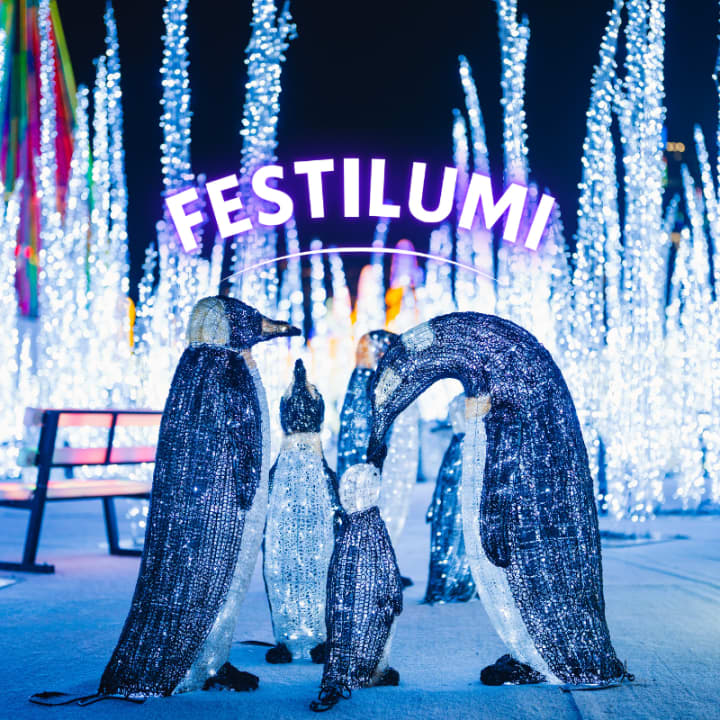
Festilumi - 香港
Fri, Feb 6 • 7:00 PM
3 Hung Hing Rd, Wan Chai, 00000
View details
Hong Kong Detective Game: Join the Secret Society!
Sun, Feb 1 • 12:00 AM
Statue Square, Des Voeux Rd Central, Central, Hong Kong, 75J5+CW
View details
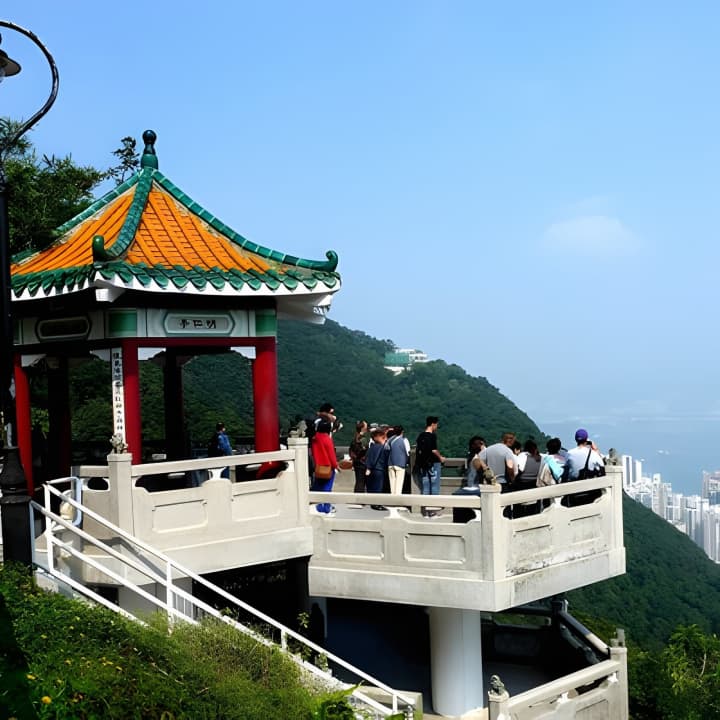
维多利亚山顶参加语音导览,经半山扶手电梯登上山顶
Fri, Feb 6 • 12:00 AM
中環租庇利街
View details
Nearby attractions of Yaumatei Tin Hau Temple
Yau Ma Tei Community Centre Rest Garden
Yau Ma Tei Jade Hawker Bazaar
Temple Street Night Market
Portland Street / Man Ming Lane Sitting-Out Area
Temple Street Archway
Saigon Street Playground
Red Brick Building
Yau Ma Tei Service Reservoir Rest Garden
480.0 Gender & Art Space 性別 藝術空間
Man Cheong Street Park Pet Garden
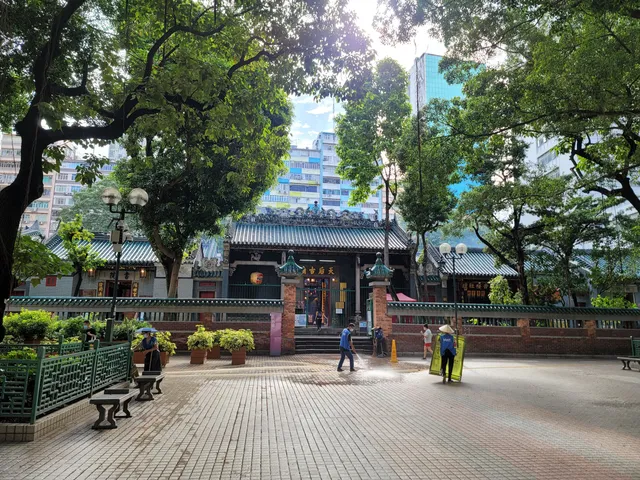
Yau Ma Tei Community Centre Rest Garden
3.7
(235)
Open until 12:00 AM
Click for details
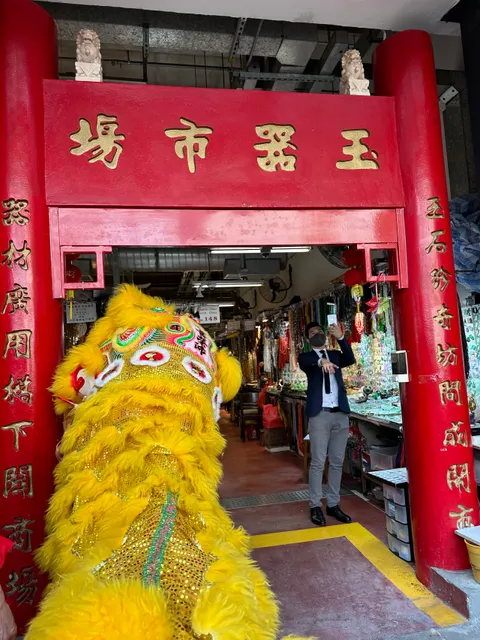
Yau Ma Tei Jade Hawker Bazaar
3.4
(354)
Closed
Click for details
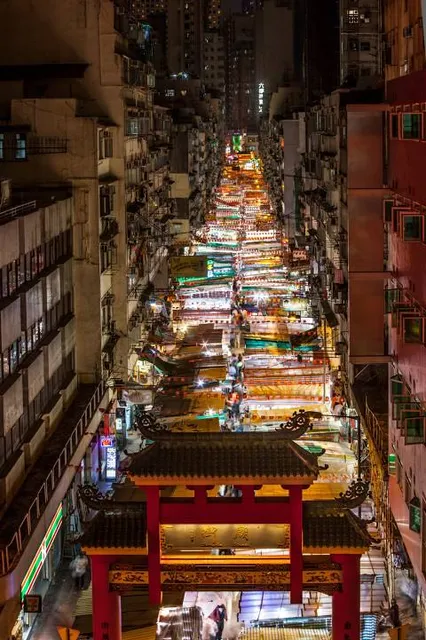
Temple Street Night Market
3.8
(8.3K)
Open until 11:00 PM
Click for details
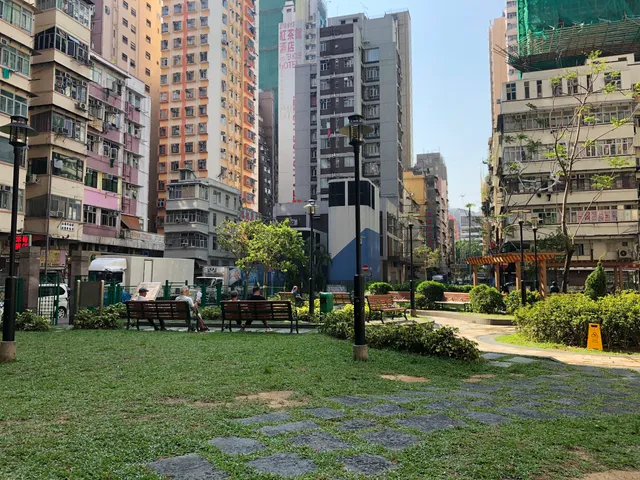
Portland Street / Man Ming Lane Sitting-Out Area
3.3
(289)
Open until 12:00 AM
Click for details
Nearby restaurants of Yaumatei Tin Hau Temple
Hing Kee Restaurant
Mido Cafe
Yamaguchi Shouten
Garden Restaurant
Yokozuna
Four Seasons Clay Pot Rice
RED TEA
Sang Kee Dai Pai Dong
Mitsui Robapay Aki
Q1 Vietnamese Breads & Dessert
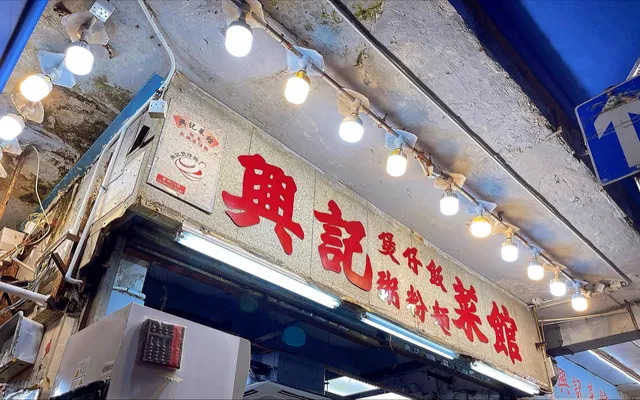
Hing Kee Restaurant
3.7
(1.7K)
Open until 12:00 AM
Click for details
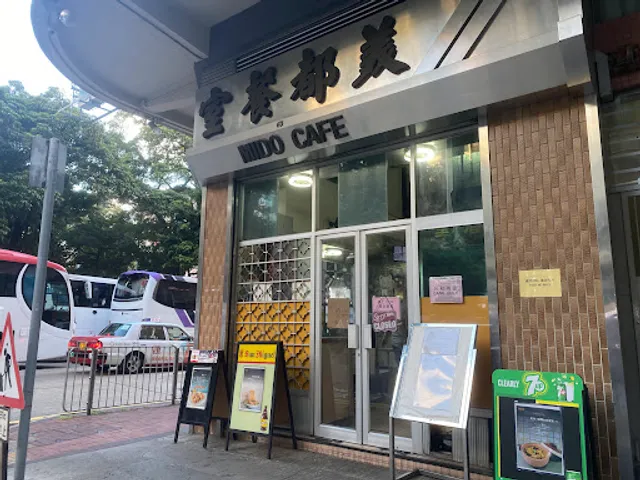
Mido Cafe
3.3
(420)
Closed
Click for details
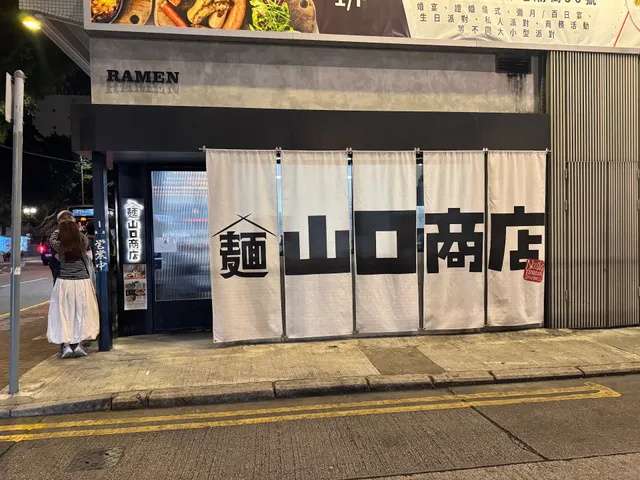
Yamaguchi Shouten
4.2
(99)
Open until 9:00 PM
Click for details
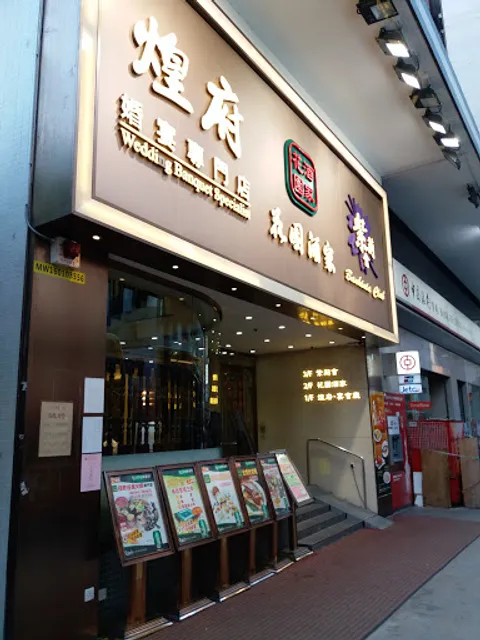
Garden Restaurant
3.5
(727)
$$
Open until 10:00 PM
Click for details
Nearby local services of Yaumatei Tin Hau Temple
Chung Hwa Bookstore - Yaumatei
Broadway Cinematheque
Yau Ma Tei Market
Yau Ma Tei Wholesale Fruit Market
Yung Shue Tau
Temple Street Tamagoyaki
Victoria Harbour
Market Street Public Toilet and Bathhouse
In's Point
Kung Wo Tong
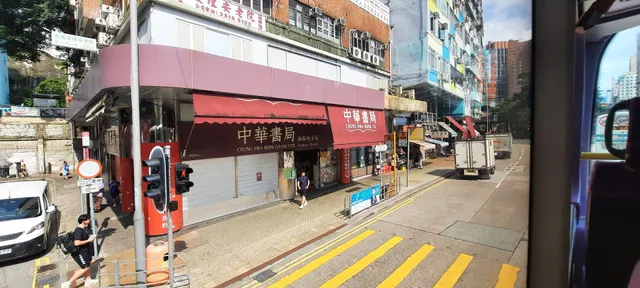
Chung Hwa Bookstore - Yaumatei
3.8
(788)
Click for details
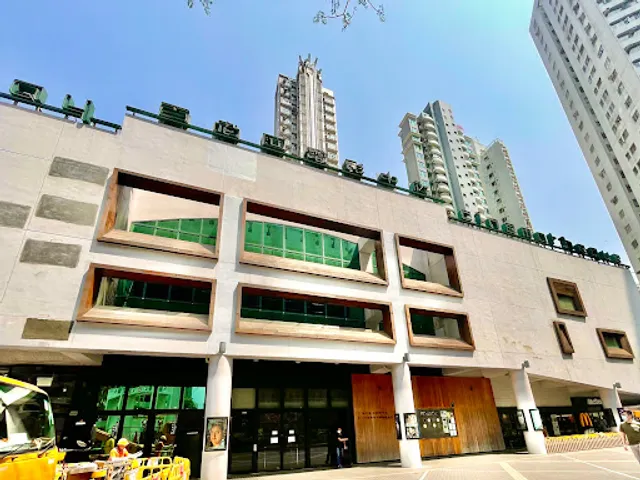
Broadway Cinematheque
4.3
(1.3K)
Click for details
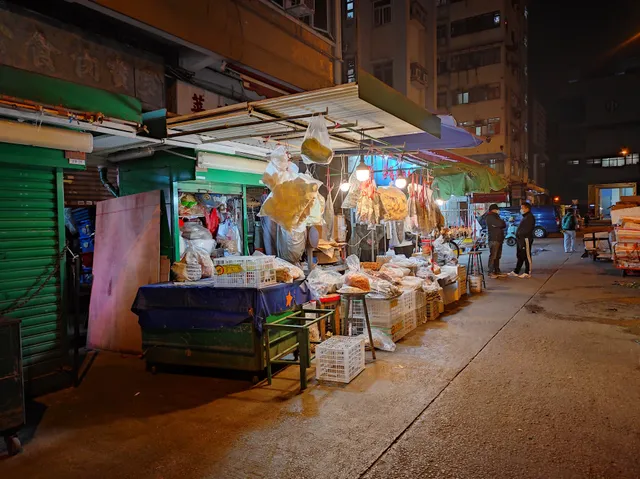
Yau Ma Tei Market
3.7
(592)
Click for details
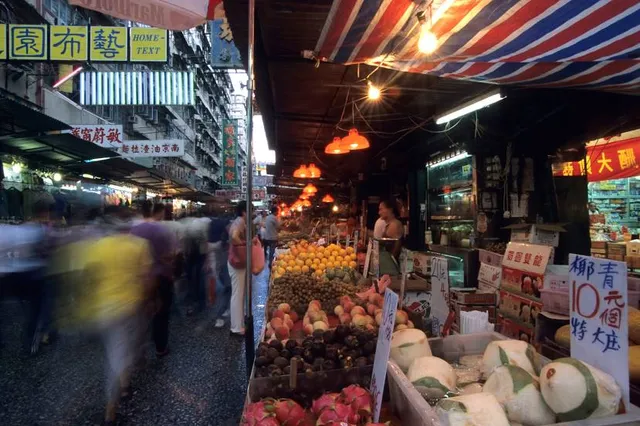
Yau Ma Tei Wholesale Fruit Market
3.9
(1.7K)
Click for details