Mimara Museum things to do, attractions, restaurants, events info and trip planning
Basic Info
Mimara Museum
Rooseveltov trg 5, 10000, Zagreb, Croatia
4.6(1.1K)
Open 24 hours
Save
spot
spot
Ratings & Description
Info
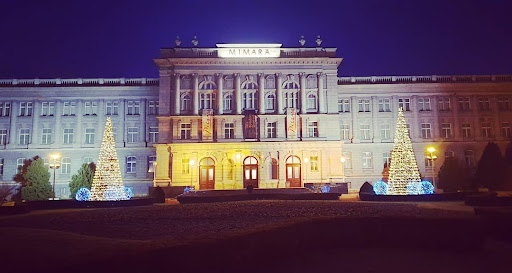
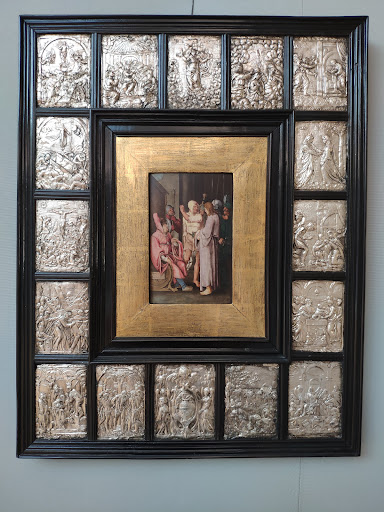
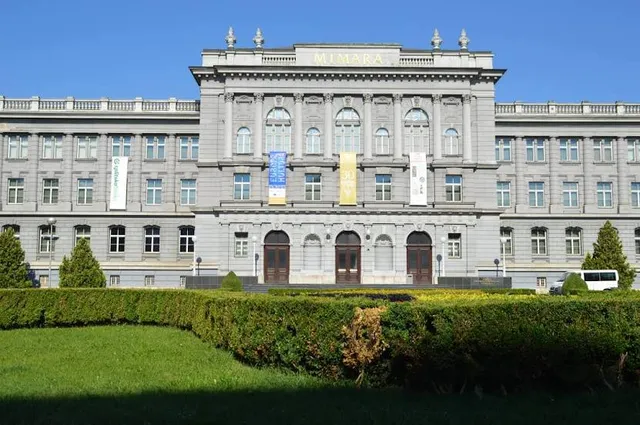
The Mimara Museum is an art museum in the city of Zagreb, Croatia. It is situated on Roosevelt Square, housing the collection by Wiltrud and Ante Topić Mimara. Its full official name is the Art Collection of Ante and Wiltrud Topić Mimara.
Cultural
Accessibility
attractions: Croatian National Theatre, Museum of Arts and Crafts, Zagreb, Ethnography Museum, The Well Of Life, Nikola Tesla Technical Museum, Botanical Garden of the Faculty of Science, University of Zagreb, Museum of Illusions, Croatian Museum of School, Backo Mini Express, Muzejsko Memorijalni Centar Dražen Petrović, restaurants: Chocolat 041, Pekara Dubravica, Ginger Sushi, Cogito Coffee, Korica, VODNJANKA Zagreb, Gallo, SILK - Pan-Asian Fusion and Izakaya, Zagreb, Snogu - Zagreb, Cogito Coffee Shop, local businesses: Ambassade Biologique Recherche Zagreb, Muzej čokolade Zagreb (Chocolate Museum Zagreb), DM - drogerie markt, Beauty Pharmacy, BIPA, Beauty Salon KYNSI | Zagreb, Kallina house, Parfumerija FABUspot Zagreb, AFRODITA beauty centar & shop, Importanne Centar
 Learn more insights from Wanderboat AI.
Phone
+385 1 4828 100
Website
mimara.hr
Plan your stay

Pet-friendly Hotels in City of Zagreb
Find a cozy hotel nearby and make it a full experience.

Affordable Hotels in City of Zagreb
Find a cozy hotel nearby and make it a full experience.

The Coolest Hotels You Haven't Heard Of (Yet)
Find a cozy hotel nearby and make it a full experience.

Trending Stays Worth the Hype in City of Zagreb
Find a cozy hotel nearby and make it a full experience.
Reviews
Live events
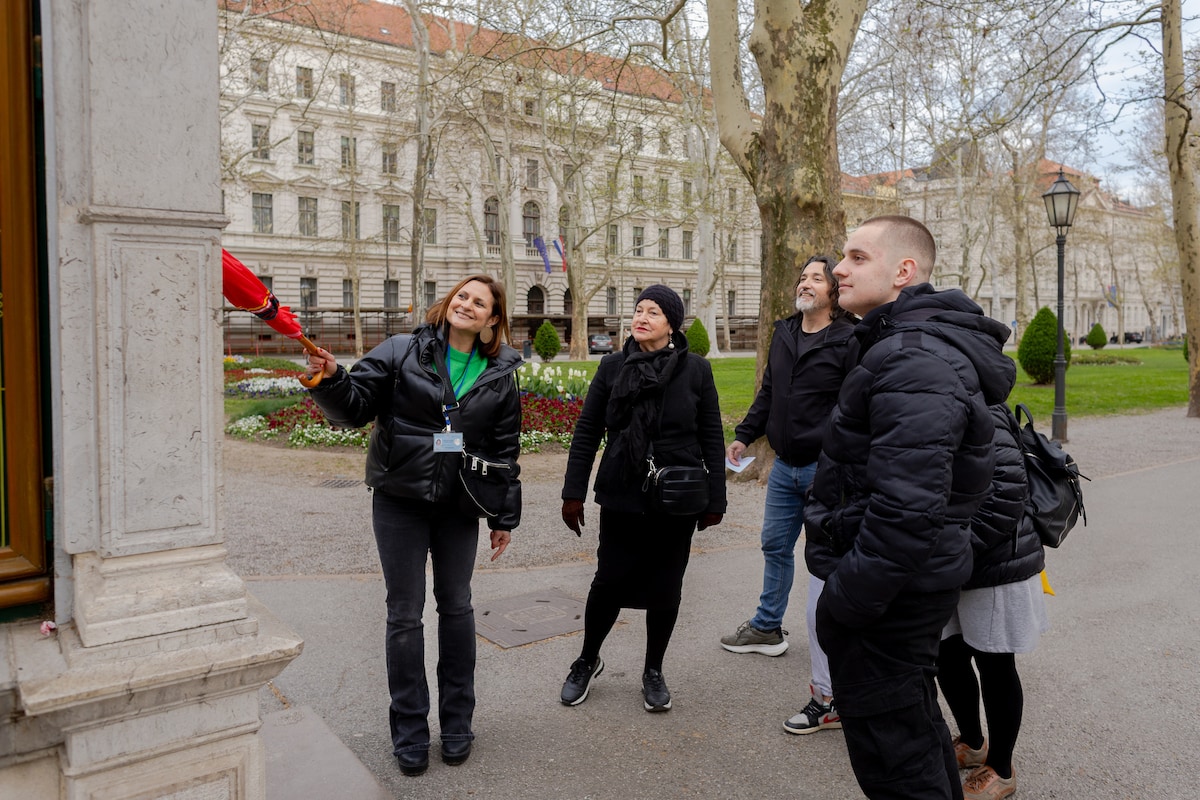
Jump into Zagreb: Small group walking tour
Fri, Feb 20 • 10:00 AM
10000, Zagreb, Croatia
View details
Nearby attractions of Mimara Museum
Croatian National Theatre
Museum of Arts and Crafts, Zagreb
Ethnography Museum
The Well Of Life
Nikola Tesla Technical Museum
Botanical Garden of the Faculty of Science, University of Zagreb
Museum of Illusions
Croatian Museum of School
Backo Mini Express
Muzejsko Memorijalni Centar Dražen Petrović
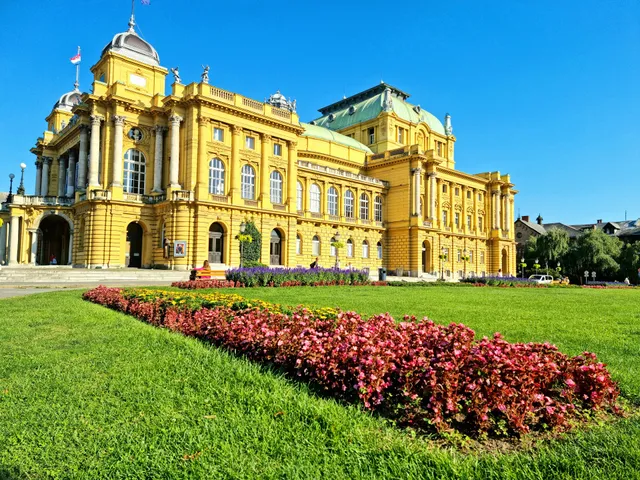
Croatian National Theatre
4.8
(4.1K)
Open 24 hours
Click for details
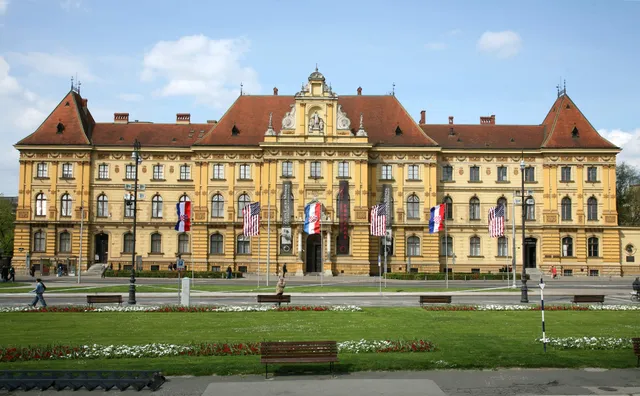
Museum of Arts and Crafts, Zagreb
4.6
(735)
Open 24 hours
Click for details
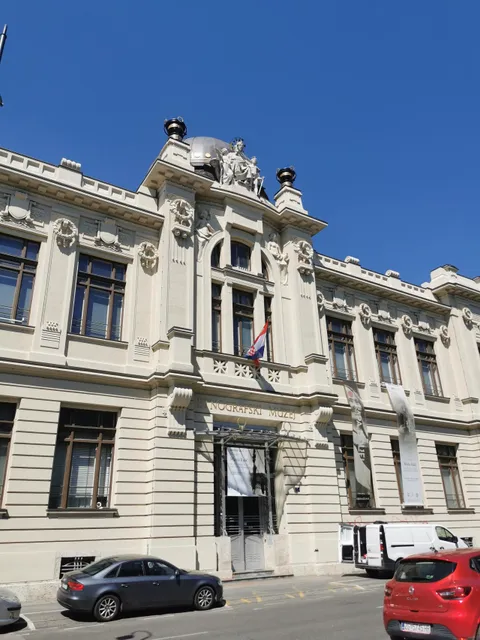
Ethnography Museum
4.5
(340)
Closed
Click for details
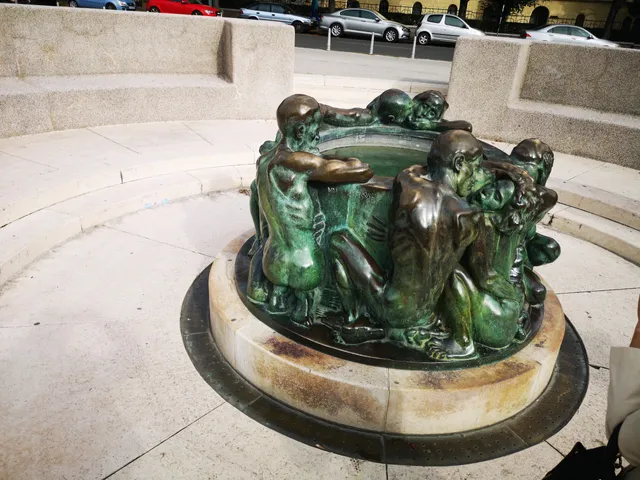
The Well Of Life
4.7
(320)
Open until 12:00 AM
Click for details
Nearby restaurants of Mimara Museum
Chocolat 041
Pekara Dubravica
Ginger Sushi
Cogito Coffee
Korica
VODNJANKA Zagreb
Gallo
SILK - Pan-Asian Fusion and Izakaya, Zagreb
Snogu - Zagreb
Cogito Coffee Shop
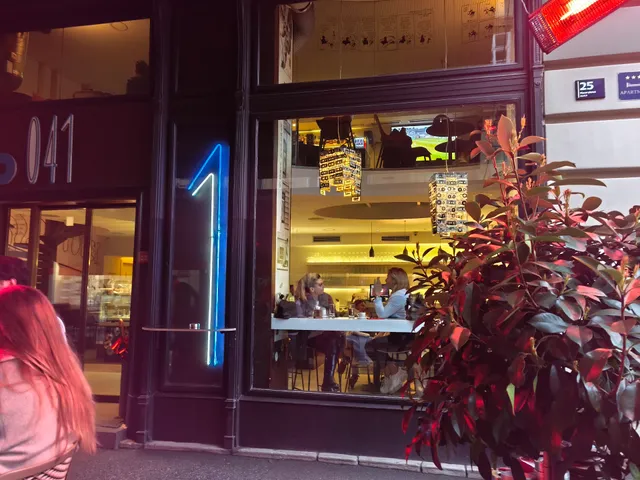
Chocolat 041
4.5
(985)
$$
Closed
Click for details
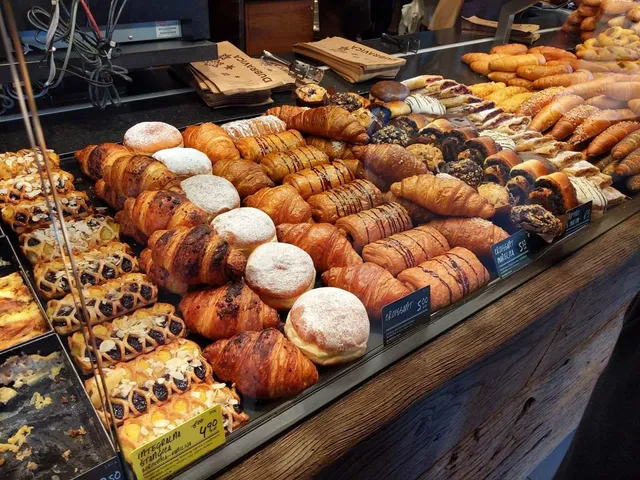
Pekara Dubravica
4.4
(189)
Closed
Click for details
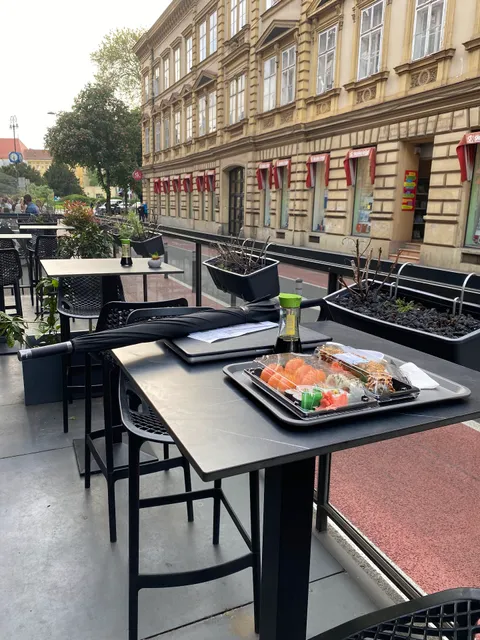
Ginger Sushi
4.4
(601)
Closed
Click for details
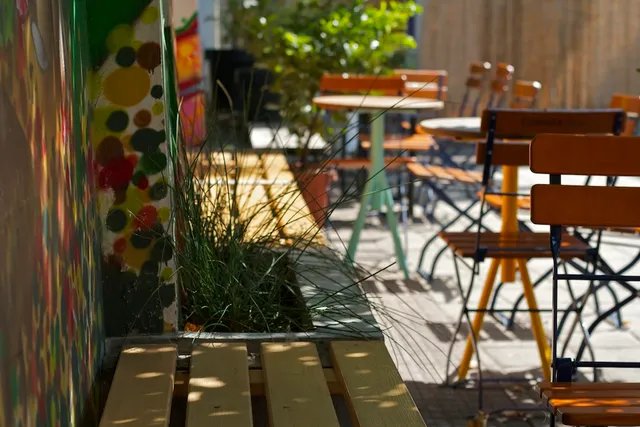
Cogito Coffee
4.7
(611)
Closed
Click for details
Nearby local services of Mimara Museum
Ambassade Biologique Recherche Zagreb
Muzej čokolade Zagreb (Chocolate Museum Zagreb)
DM - drogerie markt
Beauty Pharmacy
BIPA
Beauty Salon KYNSI | Zagreb
Kallina house
Parfumerija FABUspot Zagreb
AFRODITA beauty centar & shop
Importanne Centar
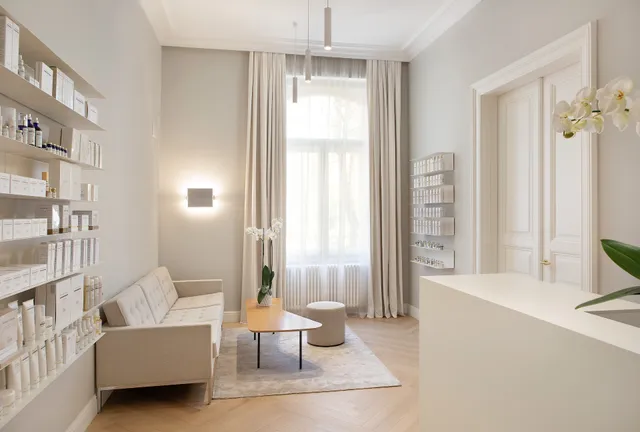
Ambassade Biologique Recherche Zagreb
4.8
(82)
Click for details
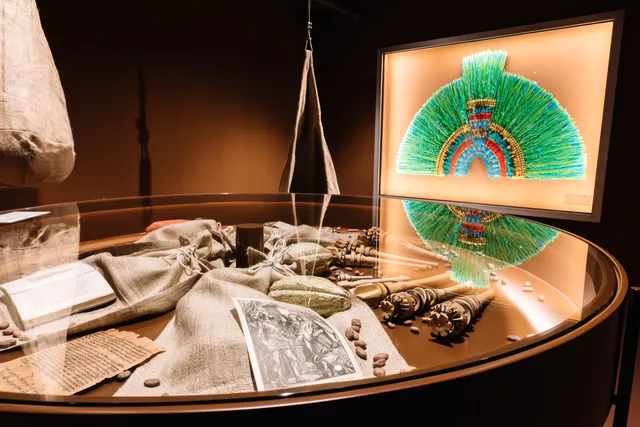
Muzej čokolade Zagreb (Chocolate Museum Zagreb)
4.6
(1.0K)
Click for details
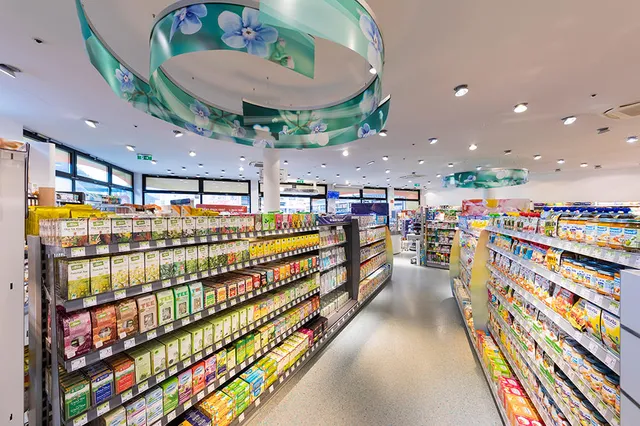
DM - drogerie markt
4.6
(214)
Click for details
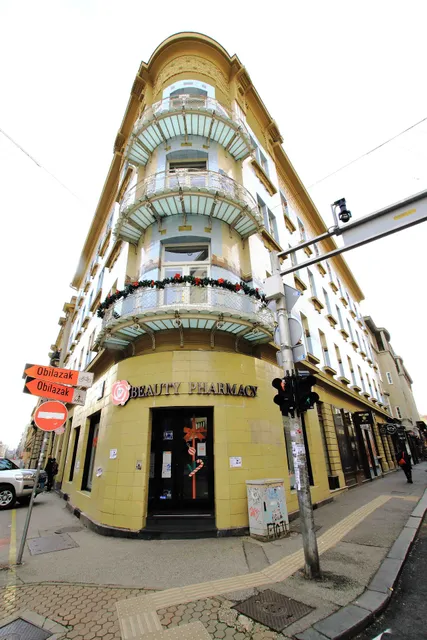
Beauty Pharmacy
4.5
(63)
Click for details