Old Royal Palace things to do, attractions, restaurants, events info and trip planning
Basic Info
Old Royal Palace
Třetí nádvoří Pražského hradu 48, 119 00 Praha 1-Hradčany, Czechia
4.2(887)
Closed


tickets
Save
spot
spot
Ratings & Description
Info
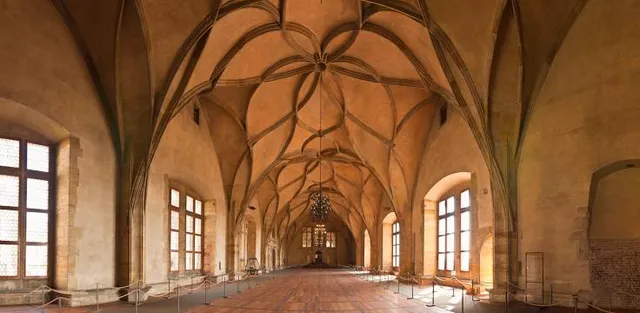
The Old Royal Palace is part of the Prague Castle, Czech Republic. Its history dates back to the 12th century and it is designed in the Gothic and Renaissance styles. Its Vladislav Hall is used for inaugurations, being the most important representative hall in the country. It is also home to a copy of the Czech crown.
Cultural
Scenic
Family friendly
Accessibility
attractions: Prague Castle, St. Vitus Cathedral, St. George's Basilica, The Golden Lane, Great South Tower, Obelisk at Prague Castle, Matthias Gate, Lobkowicz Palace, Story of Prague Castle, Zahrada Na valech, restaurants: Medieval Tavern "U Krále Brabantského", Bistro U Kanovníků, Restaurace U Mlynáře, Vikárka Restaurant, Lore Malastrana, U Tří jelínků, Kuchyň, U Kocoura, U Glaubiců, The Three Fiddles Irish Pub, local businesses: Zlatá ulička u Daliborky, Castle Garden, Golden Lane, Waldstein Palace (Wallenstein Palace), Toy Museum, Fragnerova pharmacy Black Eagle, Galería Nacional de Praga – Palacio Schwarzenberský, Kostel Panny Marie Matky ustavičné pomoci a sv. Kajetána, Ledebur-Garten, Café HAMU
 Learn more insights from Wanderboat AI.
Phone
+420 224 373 584
Website
hrad.cz
Open hoursSee all hours
Thu9 AM - 5 PMClosed
Plan your stay

Pet-friendly Hotels in Prague
Find a cozy hotel nearby and make it a full experience.

Affordable Hotels in Prague
Find a cozy hotel nearby and make it a full experience.

The Coolest Hotels You Haven't Heard Of (Yet)
Find a cozy hotel nearby and make it a full experience.

Trending Stays Worth the Hype in Prague
Find a cozy hotel nearby and make it a full experience.
Reviews
Live events
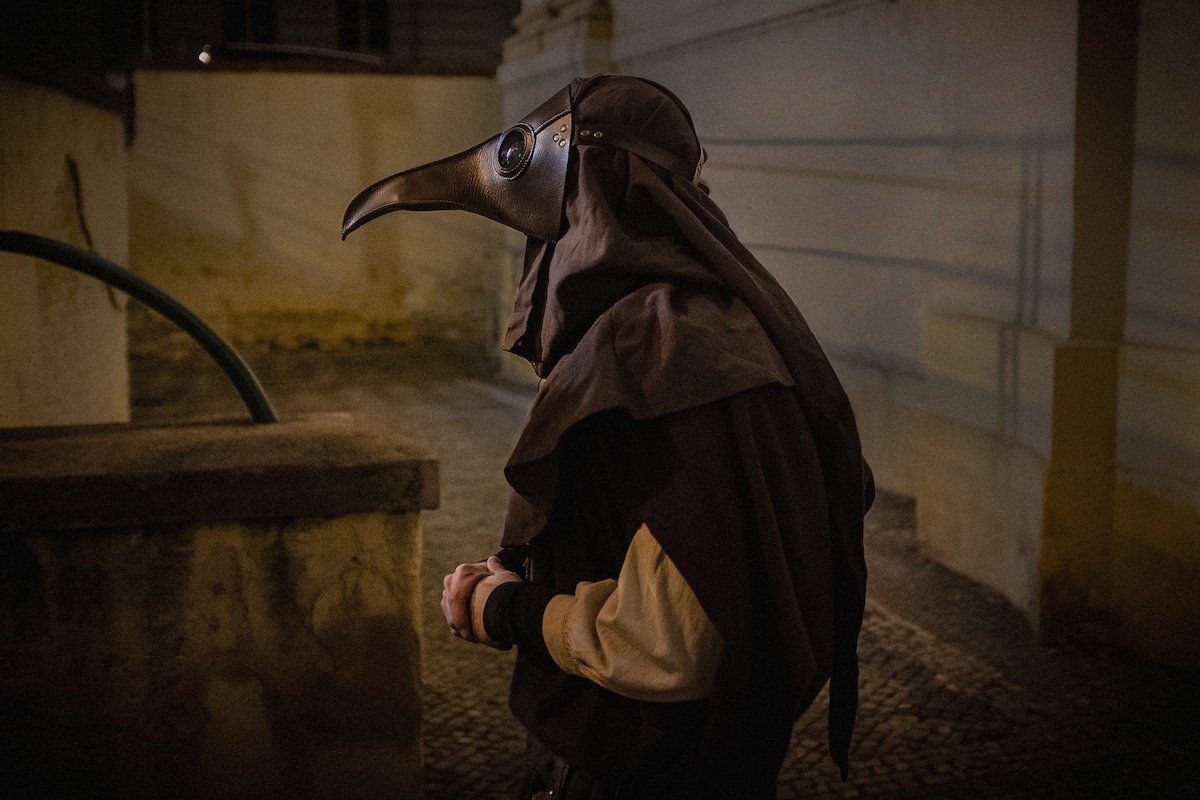
The Plague Doctor of Prague
Sat, Feb 28 • 8:00 PM
110 00, Prague 1, Czechia
View details
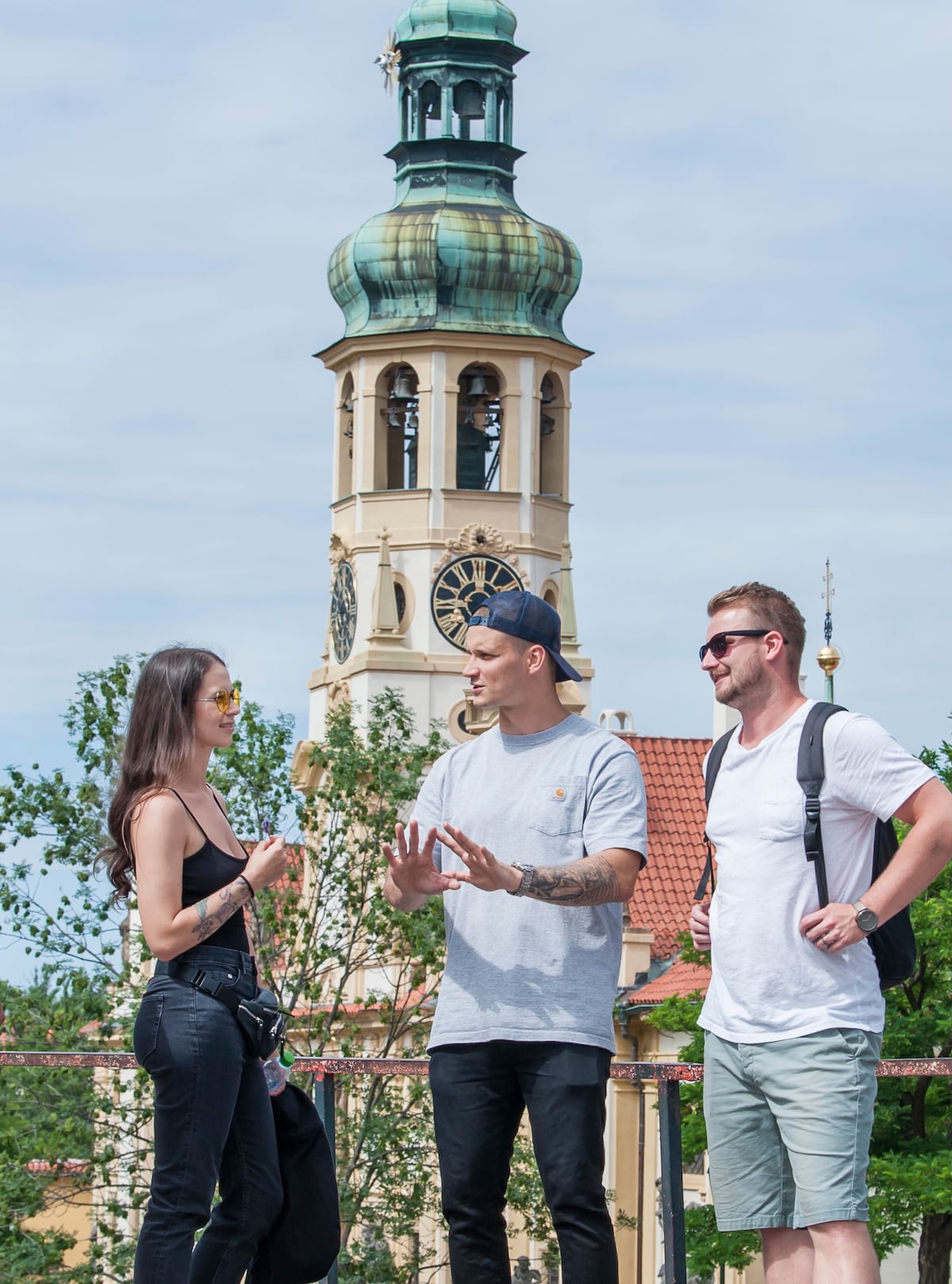
One Tour To Rule Them All ✌
Fri, Feb 27 • 10:30 AM
118 00, Prague 1, Czechia
View details
Nearby attractions of Old Royal Palace
Prague Castle
St. Vitus Cathedral
St. George's Basilica
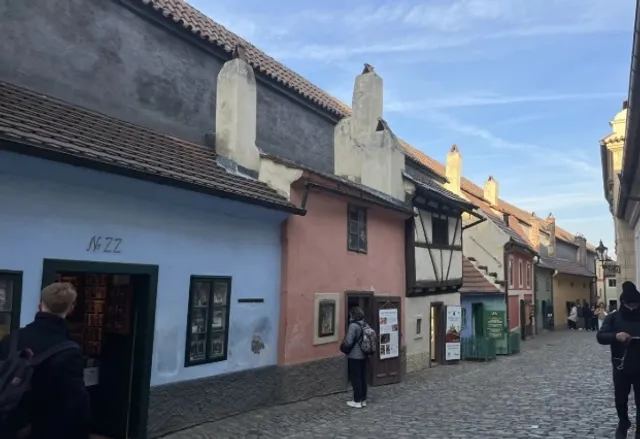
The Golden Lane
Great South Tower
Obelisk at Prague Castle
Matthias Gate
Lobkowicz Palace
Story of Prague Castle
Zahrada Na valech
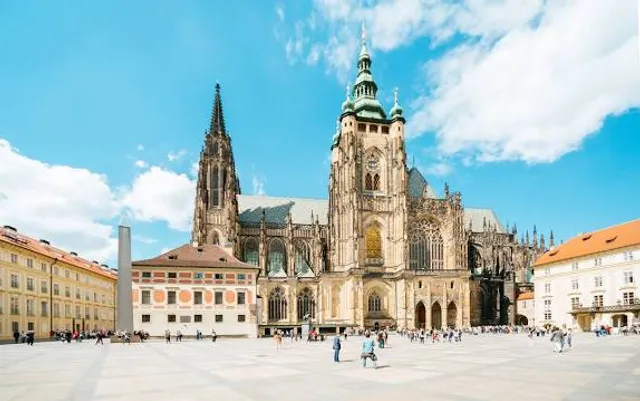
Prague Castle
4.7
(59.2K)
Open until 10:00 PM
Click for details
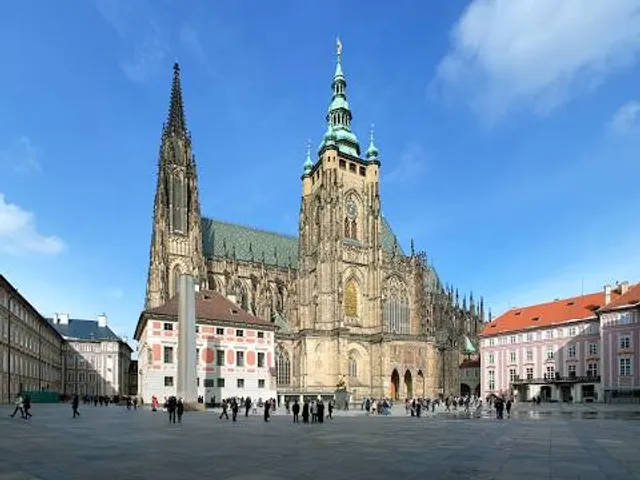
St. Vitus Cathedral
4.8
(30.4K)
Closed
Click for details
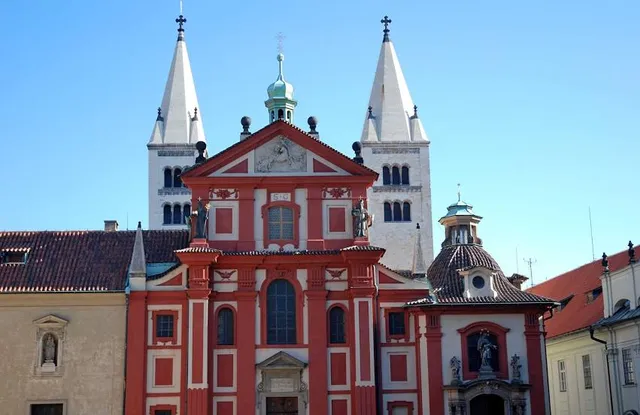
St. George's Basilica
4.4
(1.2K)
Open 24 hours
Click for details
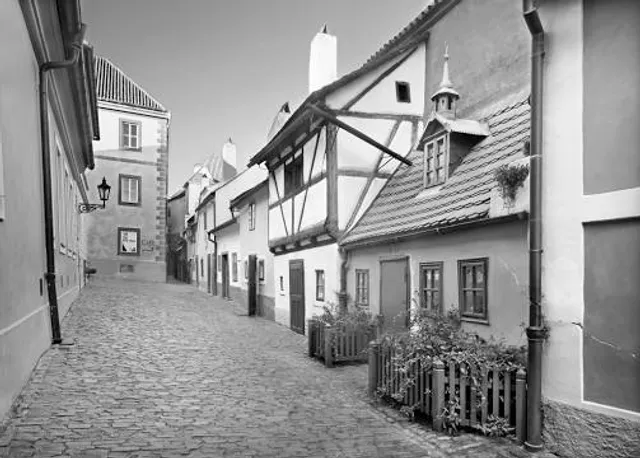
The Golden Lane
4.4
(8.2K)
Closed
Click for details
Nearby restaurants of Old Royal Palace
Medieval Tavern "U Krále Brabantského"
Bistro U Kanovníků
Restaurace U Mlynáře
Vikárka Restaurant
Lore Malastrana
U Tří jelínků
Kuchyň
U Kocoura
U Glaubiců
The Three Fiddles Irish Pub
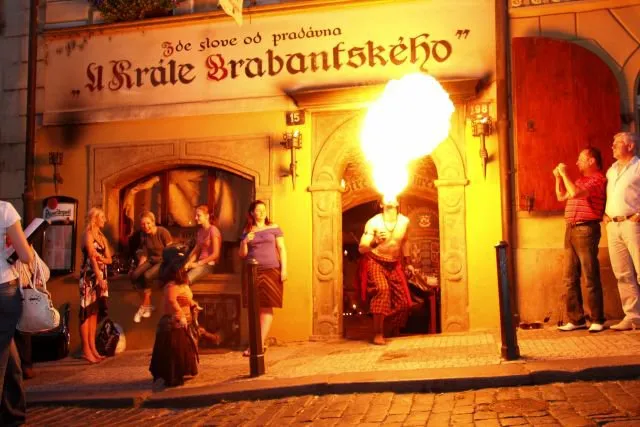
Medieval Tavern "U Krále Brabantského"
4.6
(3K)
$$
Open until 11:00 PM
Click for details
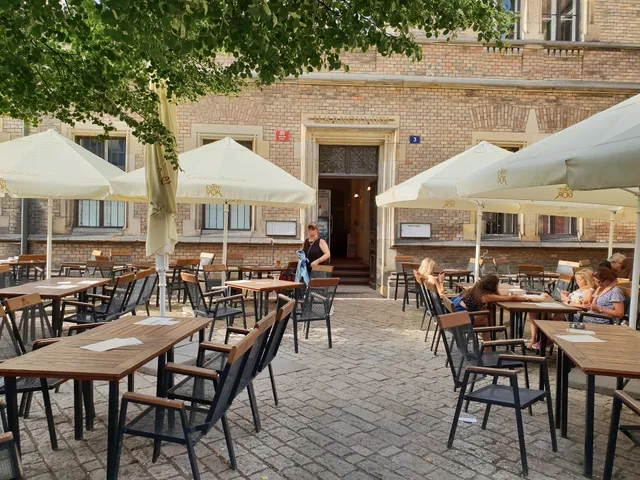
Bistro U Kanovníků
4.5
(425)
Closed
Click for details
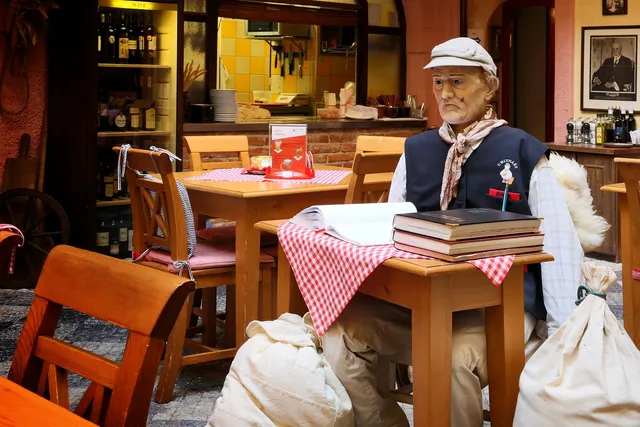
Restaurace U Mlynáře
4.5
(2.1K)
$
Open until 10:00 PM
Click for details
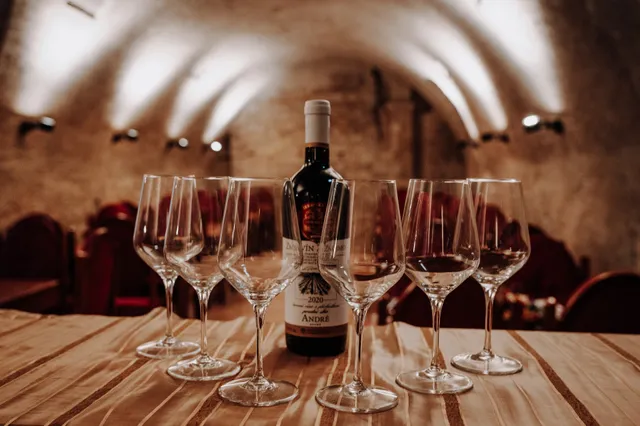
Vikárka Restaurant
4.1
(231)
Open until 6:00 PM
Click for details
Nearby local services of Old Royal Palace
Zlatá ulička u Daliborky
Castle Garden
Golden Lane
Waldstein Palace (Wallenstein Palace)
Toy Museum
Fragnerova pharmacy Black Eagle
Galería Nacional de Praga – Palacio Schwarzenberský
Kostel Panny Marie Matky ustavičné pomoci a sv. Kajetána
Ledebur-Garten
Café HAMU
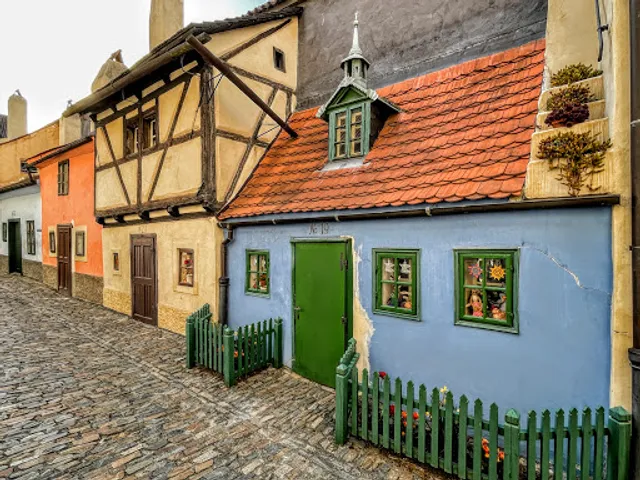
Zlatá ulička u Daliborky
4.1
(499)
Click for details
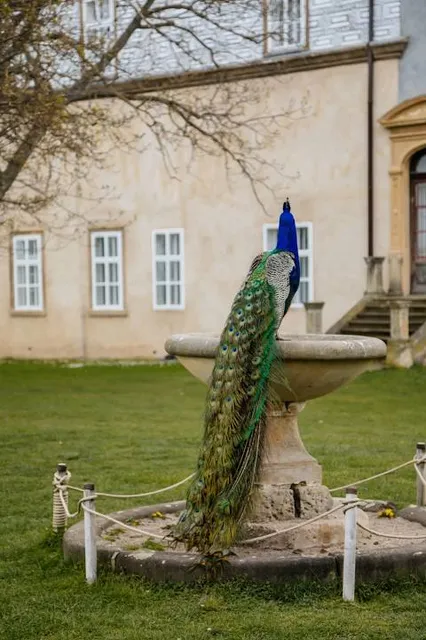
Castle Garden
4.5
(776)
Click for details
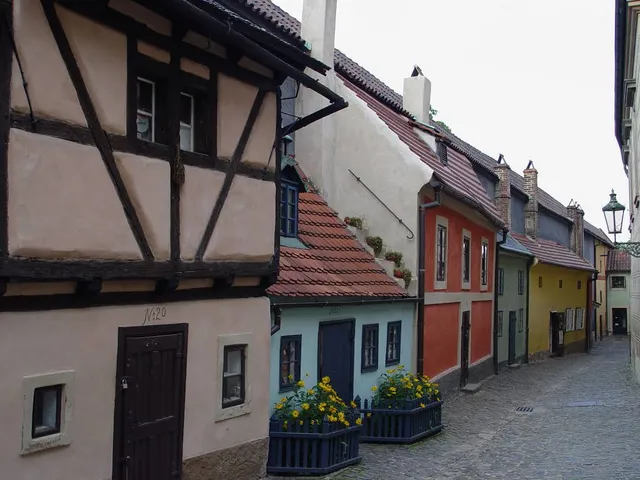
Golden Lane
4.3
(248)
Click for details
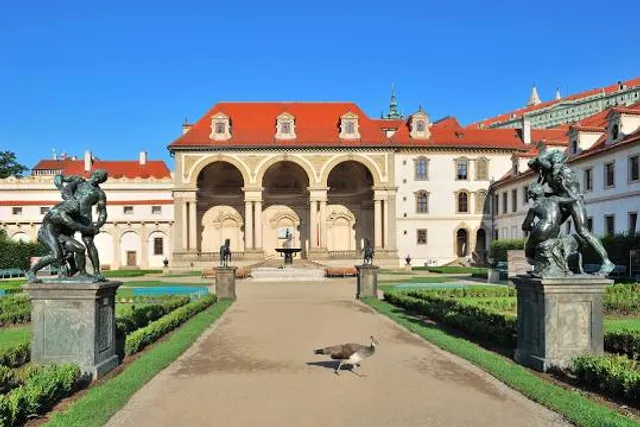
Waldstein Palace (Wallenstein Palace)
4.6
(1.1K)
Click for details