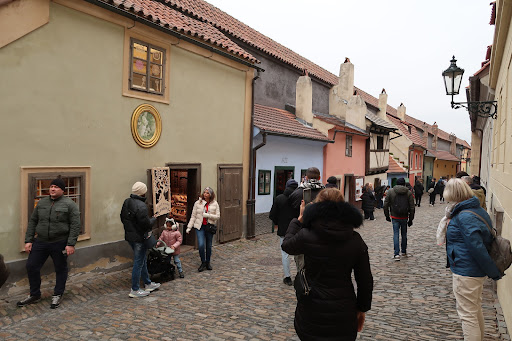
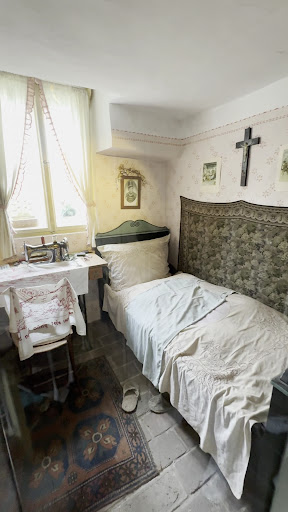
Zlatá ulička u Daliborky things to do, attractions, restaurants, events info and trip planning
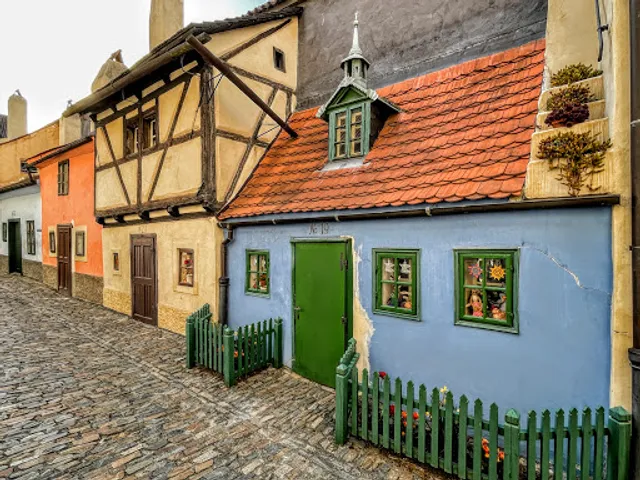
Basic Info
Zlatá ulička u Daliborky
Hradčany, 119 00 Prague 1, Czechia
4.1(520)
Save
spot
spot
Ratings & Description
Info
Cultural
Scenic
attractions: The Golden Lane, Prague Castle, Lobkowicz Palace, St. Vitus Cathedral, St. George's Basilica, Toy Museum, The Royal Garden, The Black Tower, Waldstein Garden, Zahrada Na valech, restaurants: Lobkowicz Palace Restaurant & Café, IPPA CAFE Hrad, Terasa U Zlaté studně, Bistro U Kanovníků, Medieval Tavern "U Krále Brabantského", U Glaubiců, Restaurace Malostranská beseda, Lore Malastrana, Restaurace U Mlynáře, U Tří jelínků, local businesses: Golden Lane, Toy Museum, Castle Garden, Ledebur-Garten, Waldstein Palace (Wallenstein Palace), Fragnerova pharmacy Black Eagle, Museo de Leyendas y Fantasmas Checos, Old Czech Chimney Cake, St. Nicholas Church, Pivovar Mikuláš
 Learn more insights from Wanderboat AI.
Plan your stay

Pet-friendly Hotels in Prague
Find a cozy hotel nearby and make it a full experience.

Affordable Hotels in Prague
Find a cozy hotel nearby and make it a full experience.

The Coolest Hotels You Haven't Heard Of (Yet)
Find a cozy hotel nearby and make it a full experience.

Trending Stays Worth the Hype in Prague
Find a cozy hotel nearby and make it a full experience.
Reviews
Live events
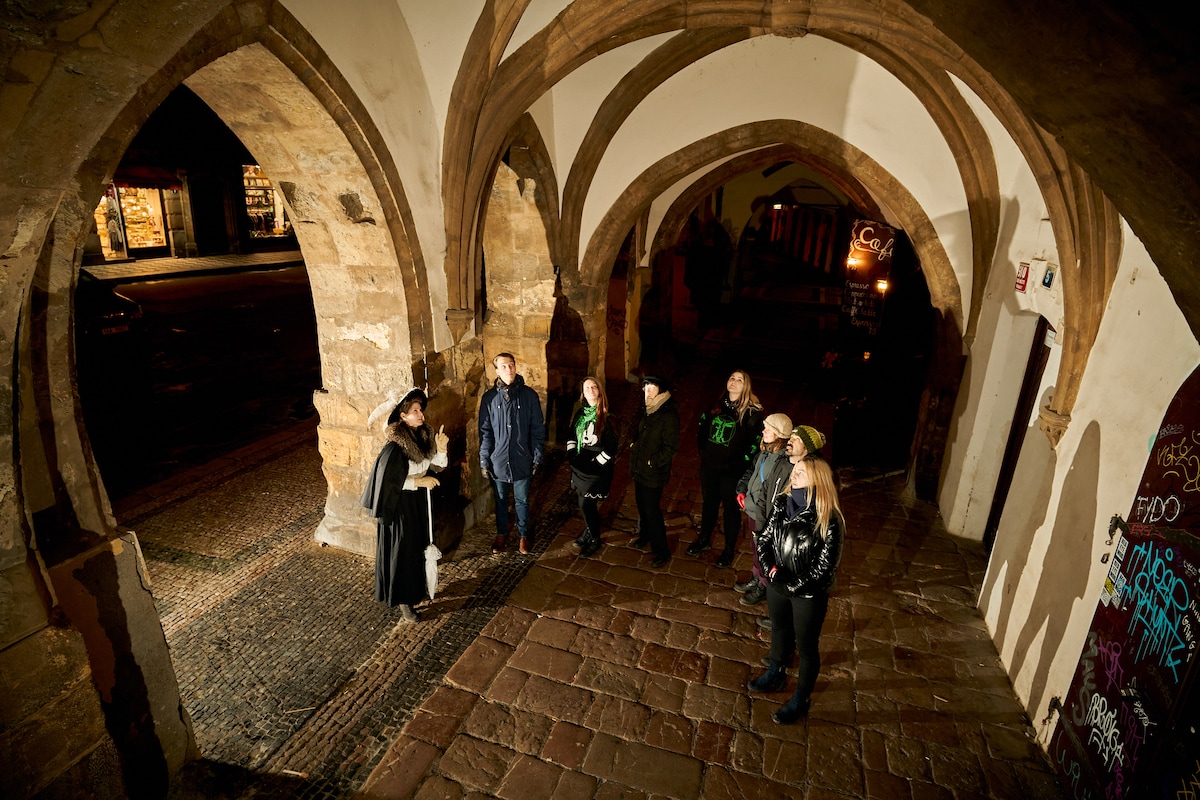
Telltale Ghost Tour
Sun, Jan 25 • 7:00 PM
110 00, Prague 1, Czechia
View details
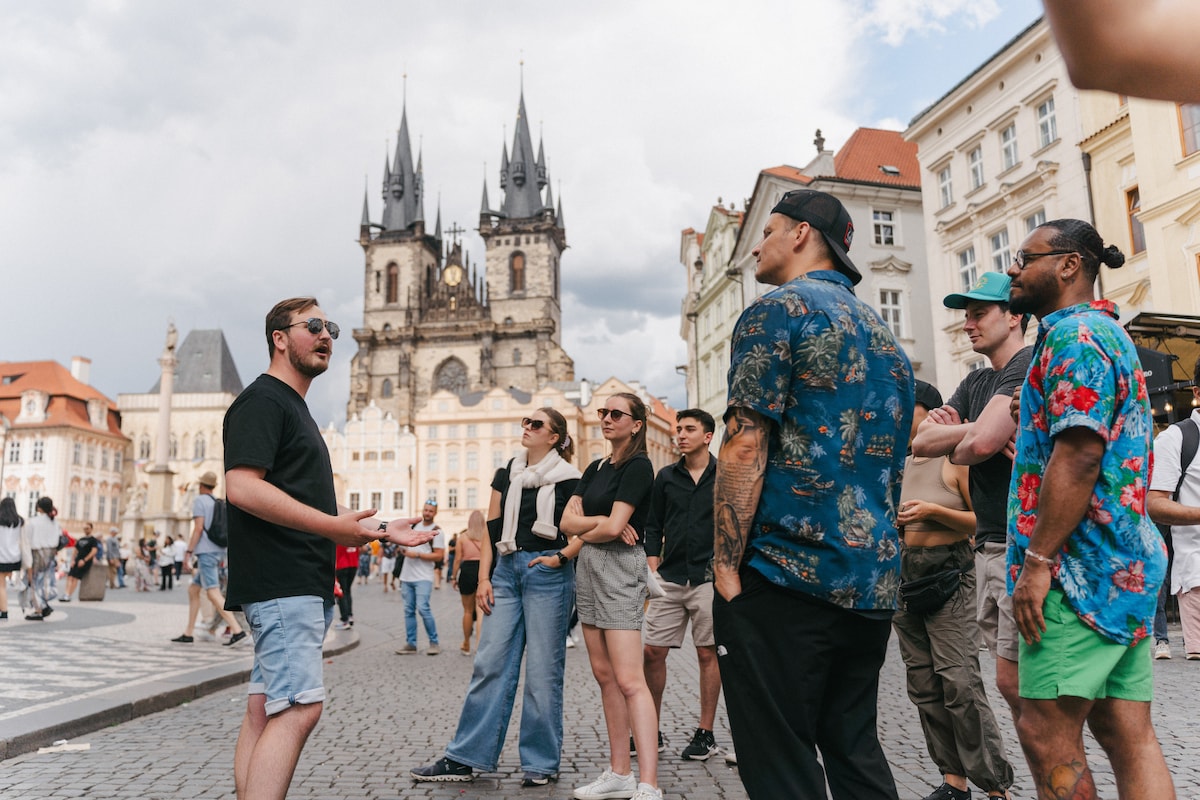
Explore Old Town Highlights & Hidden Gems
Mon, Jan 26 • 10:00 AM
118 00, Prague 1, Czechia
View details
Nearby attractions of Zlatá ulička u Daliborky
The Golden Lane
Prague Castle
Lobkowicz Palace
St. Vitus Cathedral
St. George's Basilica
Toy Museum
The Royal Garden
The Black Tower
Waldstein Garden
Zahrada Na valech
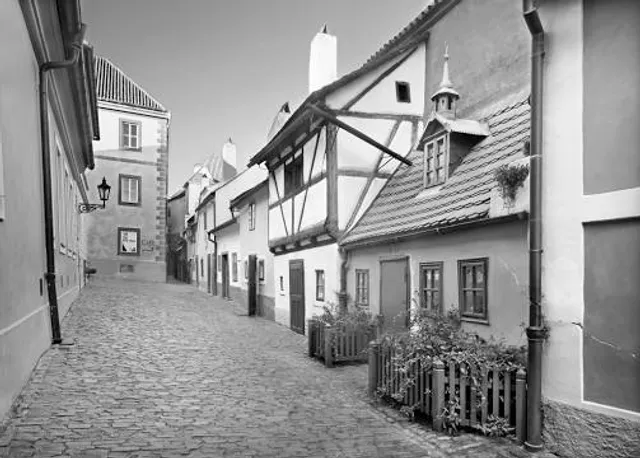
The Golden Lane
4.4
(7.8K)
Closed
Click for details
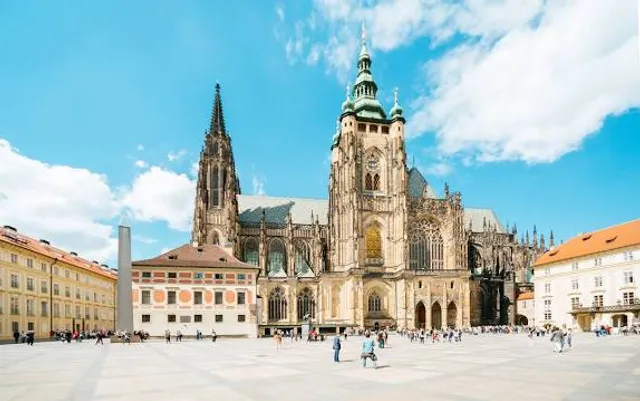
Prague Castle
4.7
(61.1K)
Open until 10:00 PM
Click for details
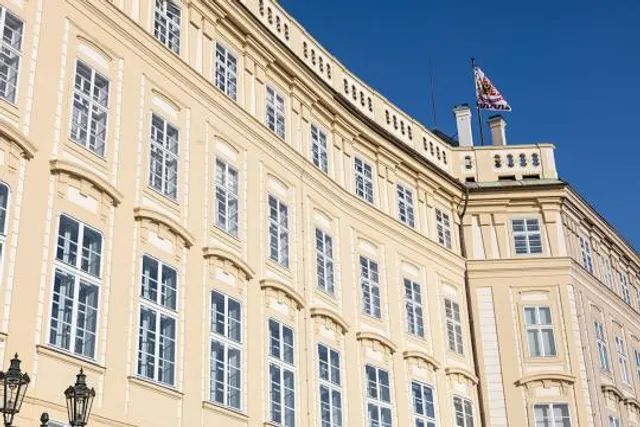
Lobkowicz Palace
4.6
(2.9K)
Closed
Click for details
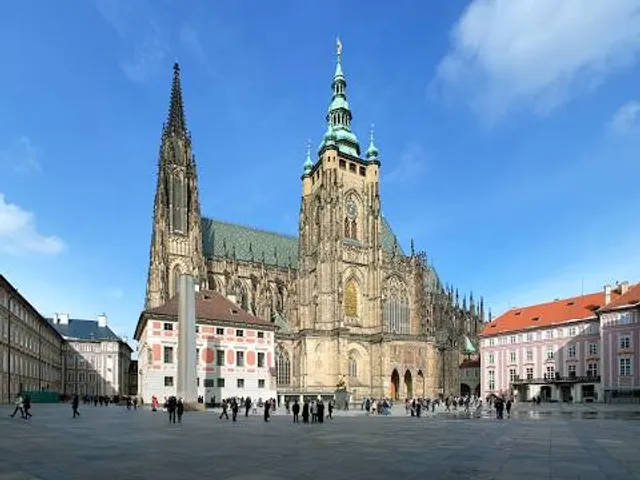
St. Vitus Cathedral
4.8
(32.2K)
Closed
Click for details
Nearby restaurants of Zlatá ulička u Daliborky
Lobkowicz Palace Restaurant & Café
IPPA CAFE Hrad
Terasa U Zlaté studně
Bistro U Kanovníků
Medieval Tavern "U Krále Brabantského"
U Glaubiců
Restaurace Malostranská beseda
Lore Malastrana
Restaurace U Mlynáře
U Tří jelínků
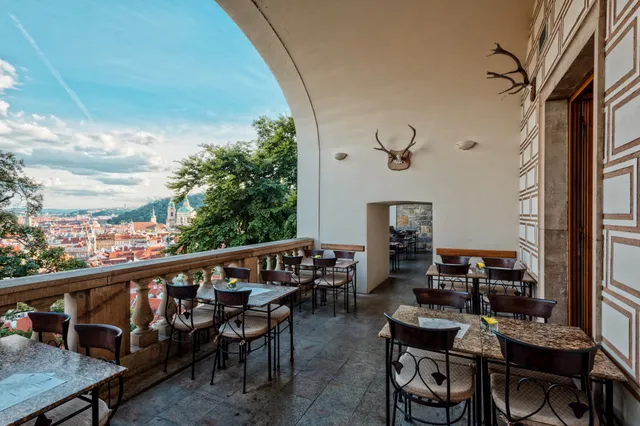
Lobkowicz Palace Restaurant & Café
4.3
(640)
Closed
Click for details
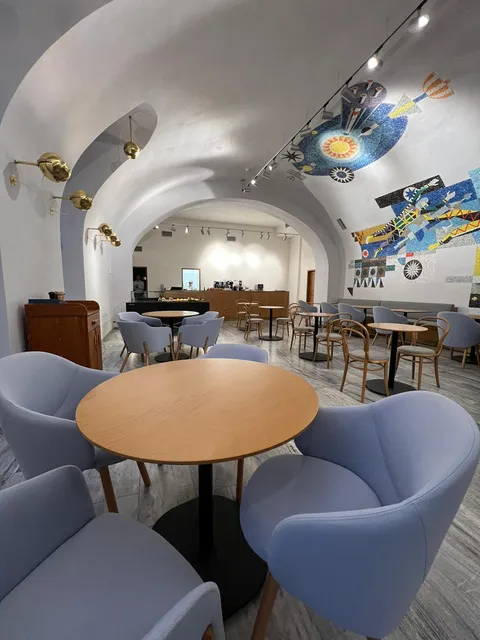
IPPA CAFE Hrad
3.9
(232)
Closed
Click for details
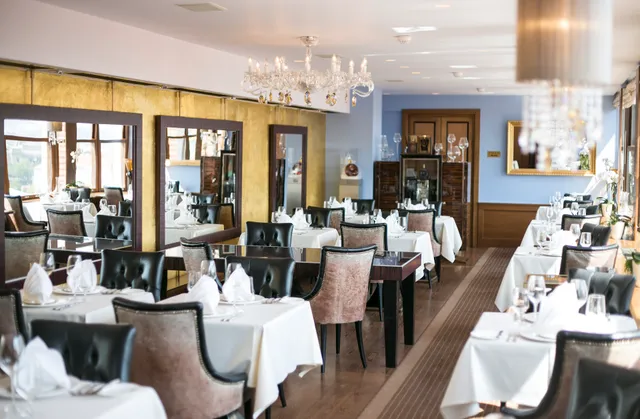
Terasa U Zlaté studně
4.6
(529)
Open until 11:00 PM
Click for details
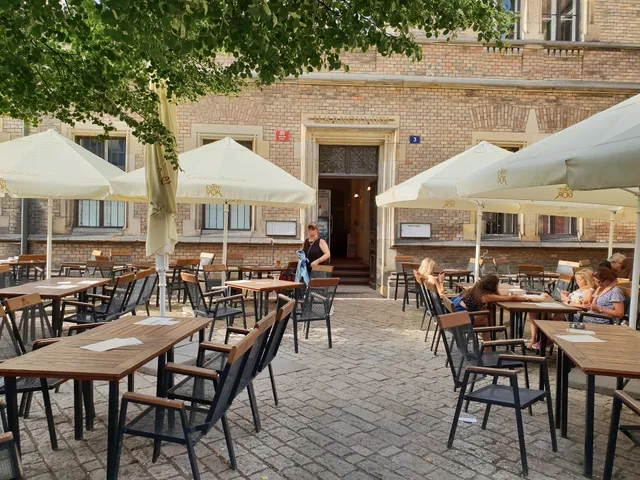
Bistro U Kanovníků
4.5
(444)
Closed
Click for details
Nearby local services of Zlatá ulička u Daliborky
Golden Lane
Toy Museum
Castle Garden
Ledebur-Garten
Waldstein Palace (Wallenstein Palace)
Fragnerova pharmacy Black Eagle
Museo de Leyendas y Fantasmas Checos
Old Czech Chimney Cake
St. Nicholas Church
Pivovar Mikuláš
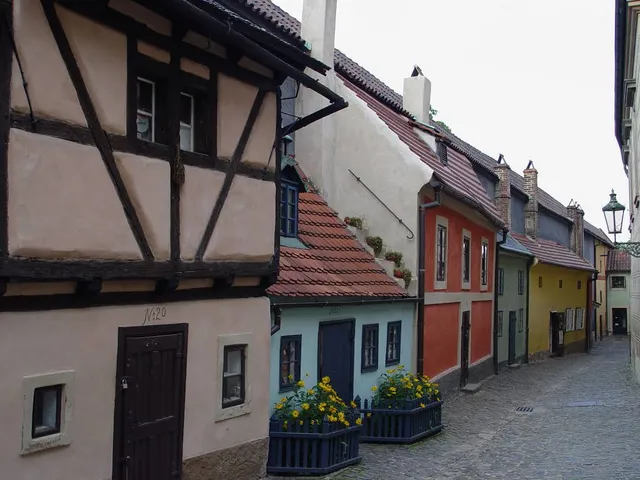
Golden Lane
4.3
(242)
Click for details
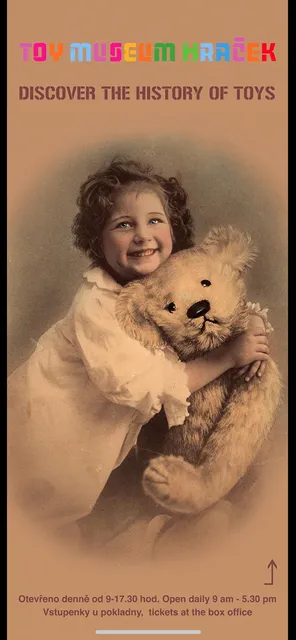
Toy Museum
4.3
(123)
Click for details
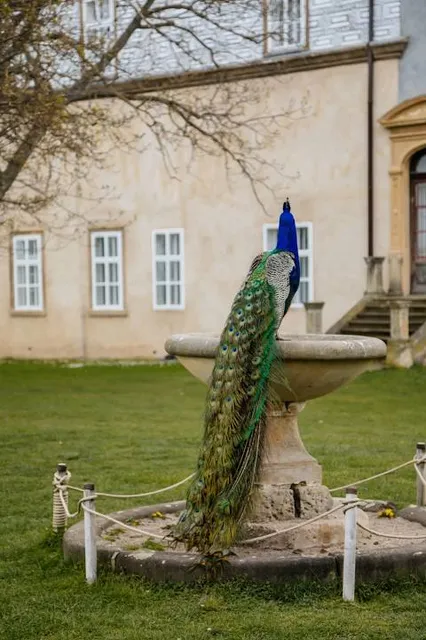
Castle Garden
4.5
(790)
Click for details
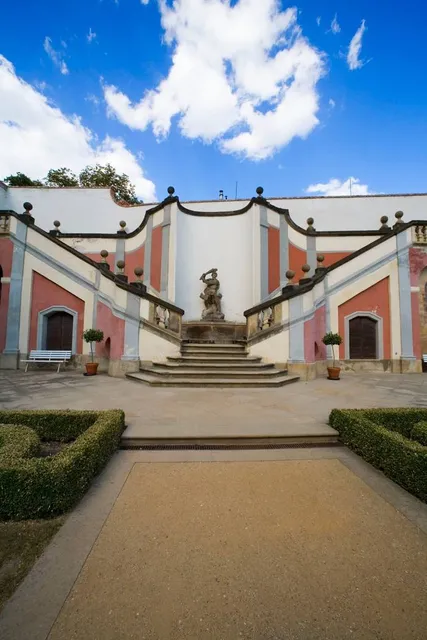
Ledebur-Garten
4.6
(52)
Click for details