Rudolfova štola things to do, attractions, restaurants, events info and trip planning
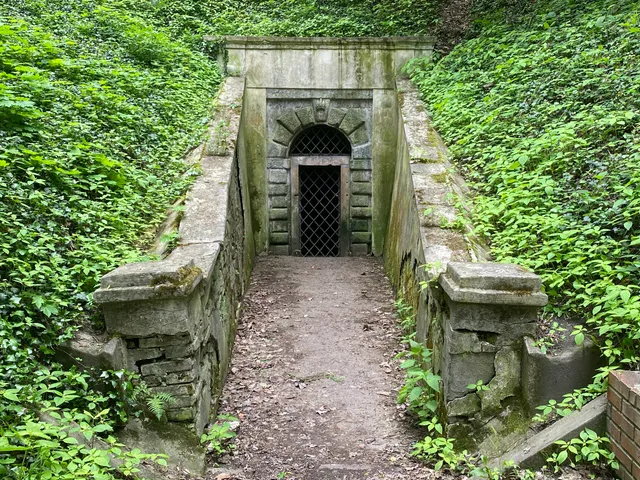
Basic Info
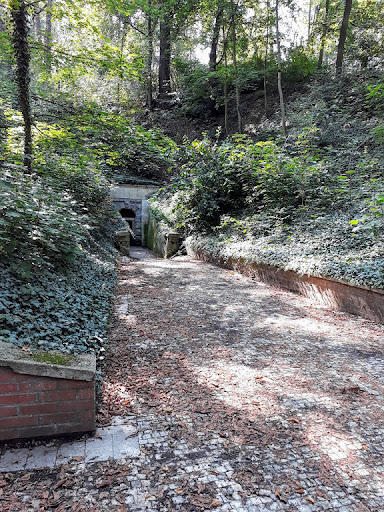
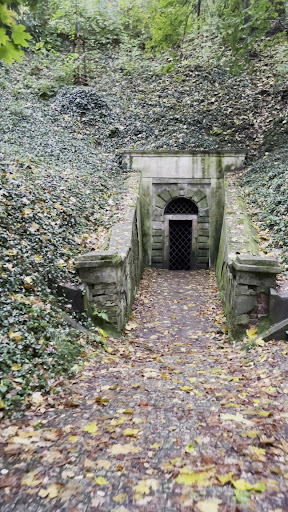
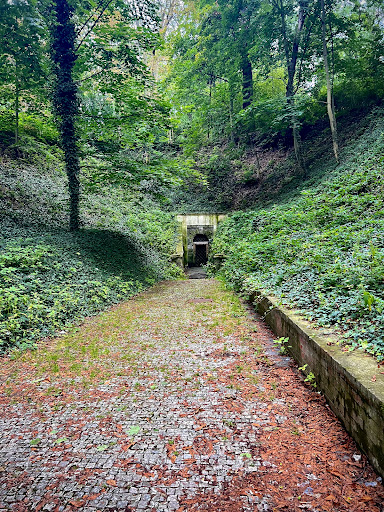
Rudolfova štola
Královská obora 170 00, 170 00 Praha 7-Bubeneč, Czechia
4.5(40)
Open 24 hours
Save
spot
spot
Ratings & Description
Info
Cultural
Adventure
attractions: Královská obora Stromovka, Vodárenská věž Letná, Coffee Museum Prague, Prague Planetarium, Galerie Scarabeus, National Technical Museum, Novogotická vstupní brána do Stromovky, Krizik Fountain, Maroldovo panoráma, Sea World, restaurants: Lokál Nad Stromovkou, THE FARM, Masala Letna Indian restaurant, be craft café, Café Lajka, Ztracený ráj, Pizzeria Einstein, Chang An, Fraktal, Stereo Restaurant, local businesses: TIGER PRINT, Centrum Stromovka, Veřejný Grillpoint Park BBQ 1, Letna Park, Beer Baths Letna, Stromovka - Grill Point, GOJA Music Hall, Courtyard on Letná
 Learn more insights from Wanderboat AI.
Plan your stay

Pet-friendly Hotels in Prague
Find a cozy hotel nearby and make it a full experience.

Affordable Hotels in Prague
Find a cozy hotel nearby and make it a full experience.

The Coolest Hotels You Haven't Heard Of (Yet)
Find a cozy hotel nearby and make it a full experience.

Trending Stays Worth the Hype in Prague
Find a cozy hotel nearby and make it a full experience.
Reviews
Live events
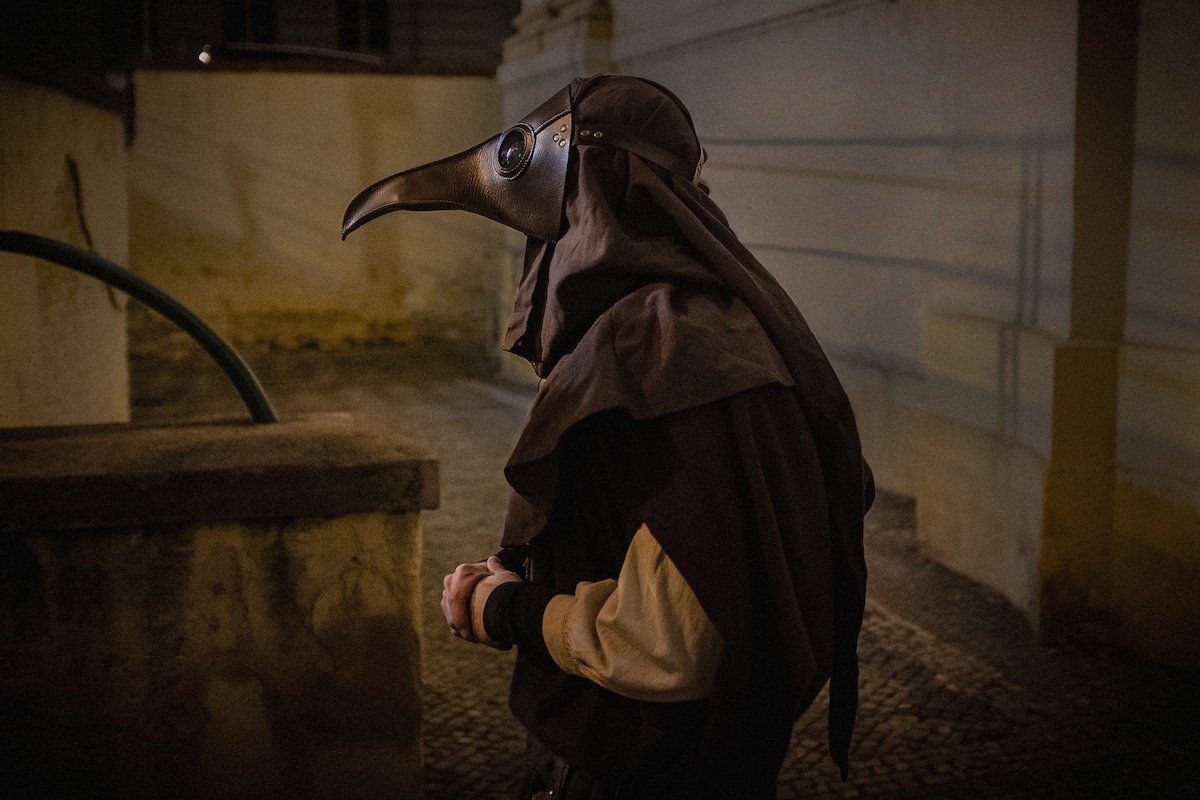
The Plague Doctor of Prague
Sat, Feb 28 • 8:00 PM
110 00, Prague 1, Czechia
View details
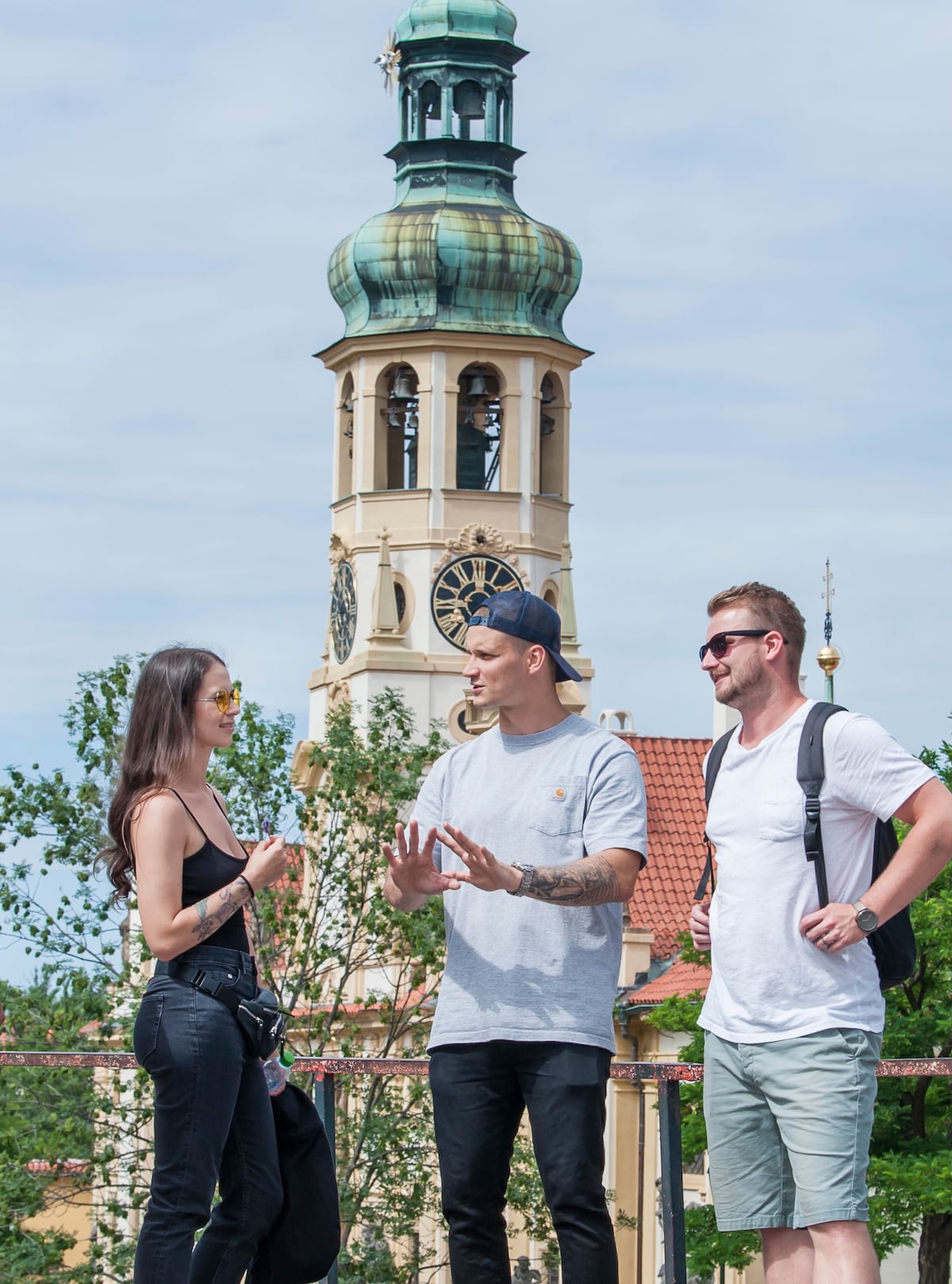
One Tour To Rule Them All ✌
Fri, Feb 27 • 10:30 AM
118 00, Prague 1, Czechia
View details
Nearby attractions of Rudolfova štola
Královská obora Stromovka
Vodárenská věž Letná
Coffee Museum Prague
Prague Planetarium
Galerie Scarabeus
National Technical Museum
Novogotická vstupní brána do Stromovky
Krizik Fountain
Maroldovo panoráma
Sea World
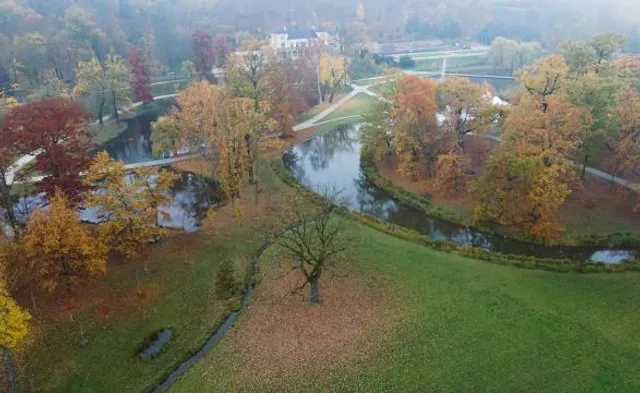
Královská obora Stromovka
4.8
(7.1K)
Open until 12:00 AM
Click for details
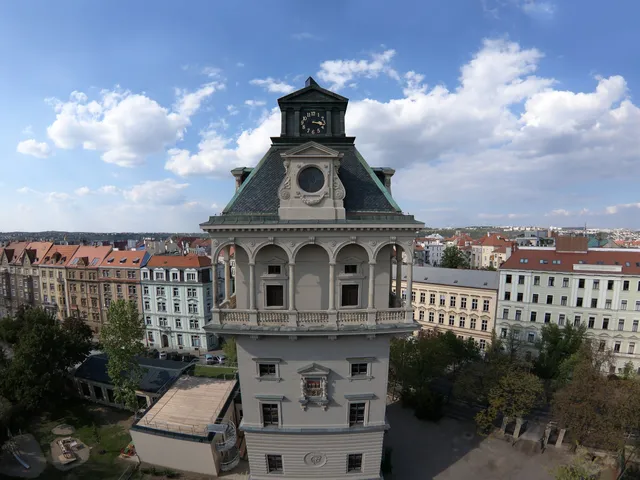
Vodárenská věž Letná
4.7
(199)
Open until 12:00 AM
Click for details
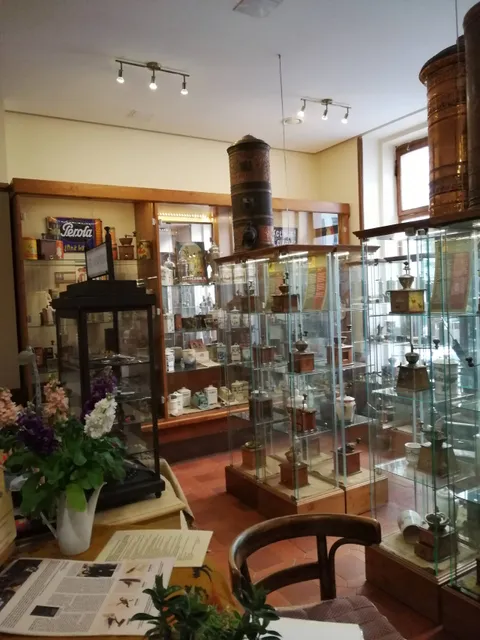
Coffee Museum Prague
4.5
(54)
Open until 12:00 AM
Click for details
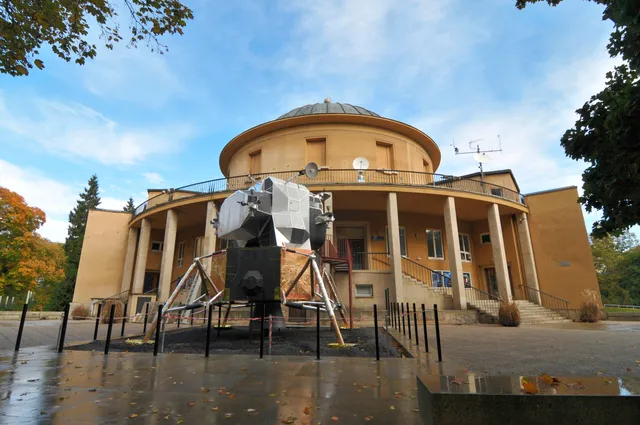
Prague Planetarium
4.3
(654)
Open until 8:30 PM
Click for details
Nearby restaurants of Rudolfova štola
Lokál Nad Stromovkou
THE FARM
Masala Letna Indian restaurant
be craft café
Café Lajka
Ztracený ráj
Pizzeria Einstein
Chang An
Fraktal
Stereo Restaurant
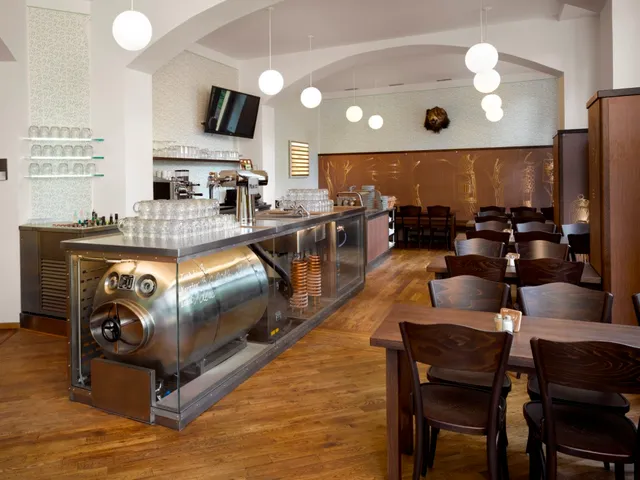
Lokál Nad Stromovkou
4.5
(1.6K)
Open until 11:30 PM
Click for details
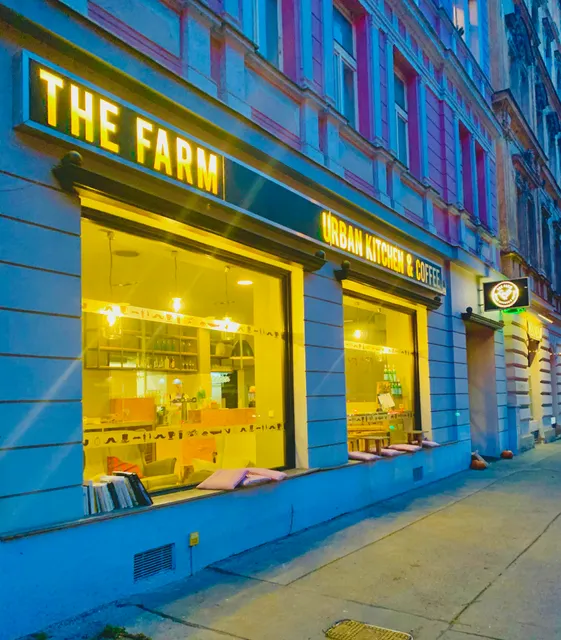
THE FARM
4.3
(752)
Click for details
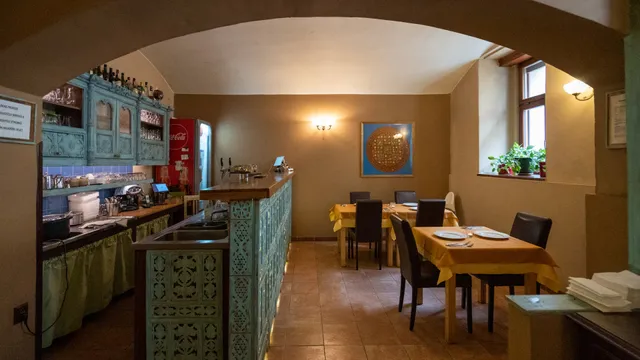
Masala Letna Indian restaurant
4.6
(576)
Open until 10:00 PM
Click for details
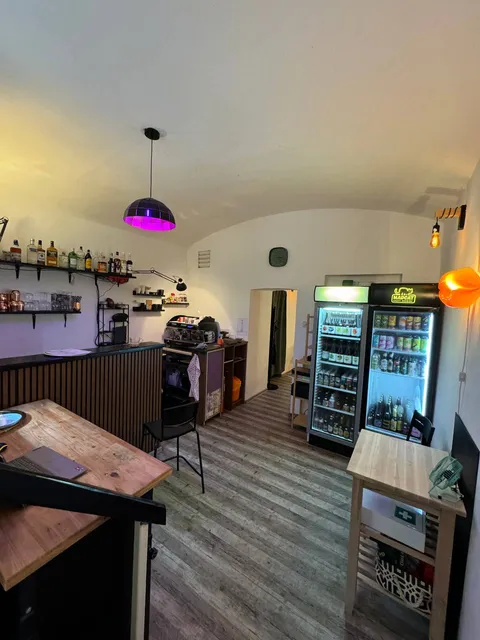
be craft café
4.9
(25)
Open until 12:00 AM
Click for details
Nearby local services of Rudolfova štola
TIGER PRINT
Centrum Stromovka
Veřejný Grillpoint Park BBQ 1
Letna Park
Beer Baths Letna
Stromovka - Grill Point
GOJA Music Hall
Courtyard on Letná
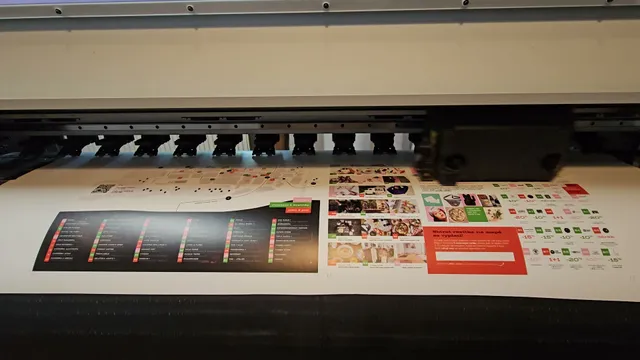
TIGER PRINT
3.8
(149)
Click for details
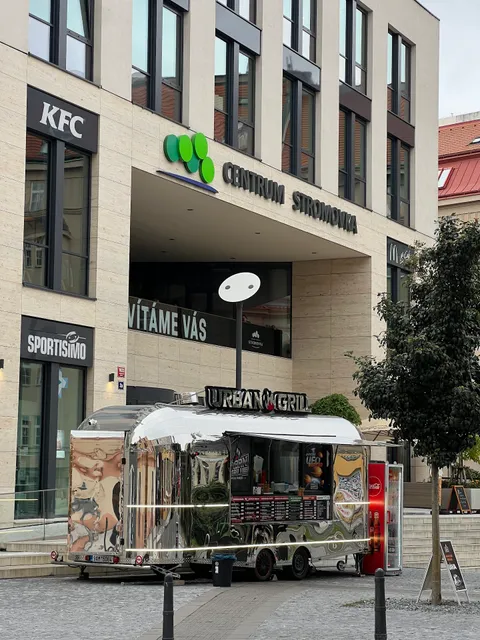
Centrum Stromovka
4.4
(2.1K)
Click for details
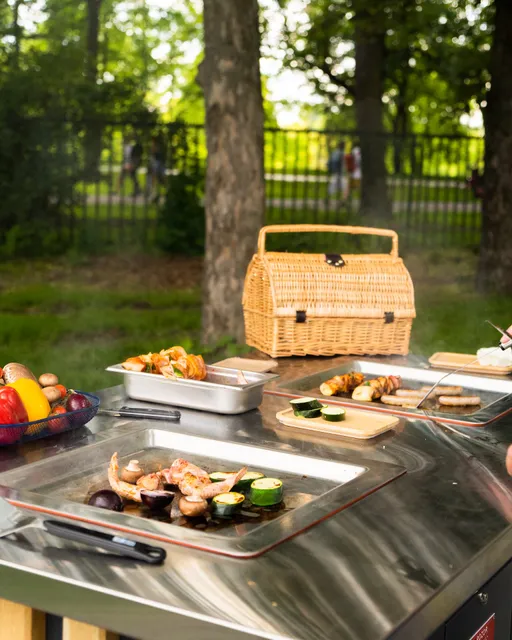
Veřejný Grillpoint Park BBQ 1
4.6
(59)
Click for details
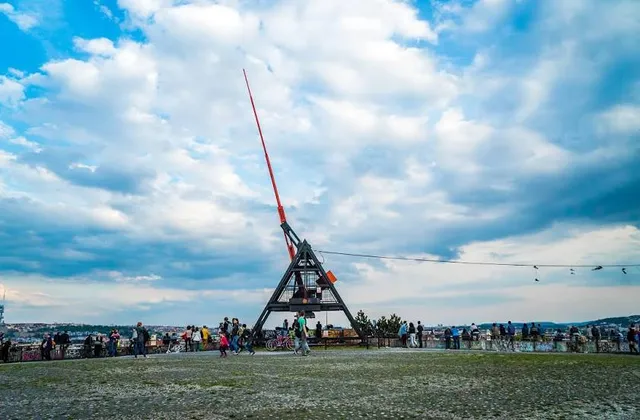
Letna Park
4.6
(9.4K)
Click for details