Christiansborg Palace things to do, attractions, restaurants, events info and trip planning
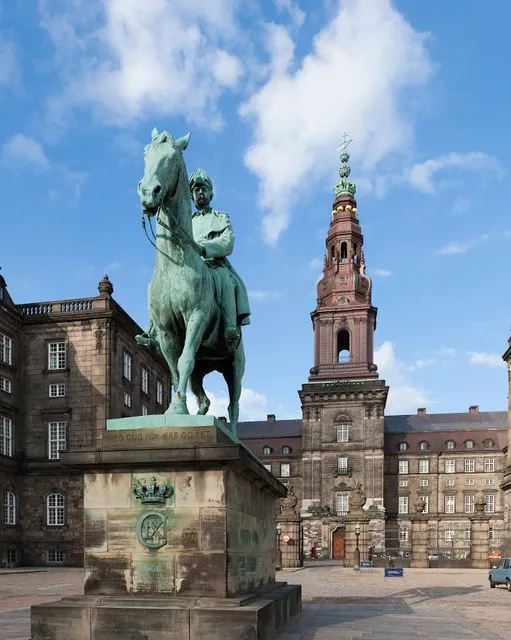
Basic Info
Christiansborg Palace
Prins Jørgens Gård 5, 1218 København, Denmark
4.6(8.5K)
Open until 5:00 PM


tickets
Save
spot
spot
Ratings & Description
Info
Cultural
Accessibility
attractions: Christiansborg Palace, The Christiansborg's Tower, Thorvaldsens Museum, Garden of the Royal Library, Ruinerne under Christiansborg, Bishop Absalon, Christiansborg Slotskirke, The War Museum, Stork Fountain, Church of Holmen, restaurants: Cocks & Cows Gammel Strand, H A N S Coffee, Pizzeria Luca, Ved Stranden 10, KöD Copenhagen, Norrlyst i Tårnet, Marv & Ben, Krogs Fiskerestaurant, Restaurant 1733, The Bird and The Churchkey, local businesses: ILLUM, Gl Strand, Danish Souvenirs, The LEGO® Store Copenhagen, Nikolaj, Copenhagen Contemporary Art Center, National Museum of Denmark, The Royal Stables, Strøget, Kronometertrappen, Danish Souvenirs & Luggages
 Learn more insights from Wanderboat AI.
Phone
+45 73 70 73 10
Website
denkongeligesamling.dk
Open hoursSee all hours
Wed10 AM - 5 PMOpen
Plan your stay

Pet-friendly Hotels in Copenhagen Municipality
Find a cozy hotel nearby and make it a full experience.

Affordable Hotels in Copenhagen Municipality
Find a cozy hotel nearby and make it a full experience.

The Coolest Hotels You Haven't Heard Of (Yet)
Find a cozy hotel nearby and make it a full experience.

Trending Stays Worth the Hype in Copenhagen Municipality
Find a cozy hotel nearby and make it a full experience.
Reviews
Live events
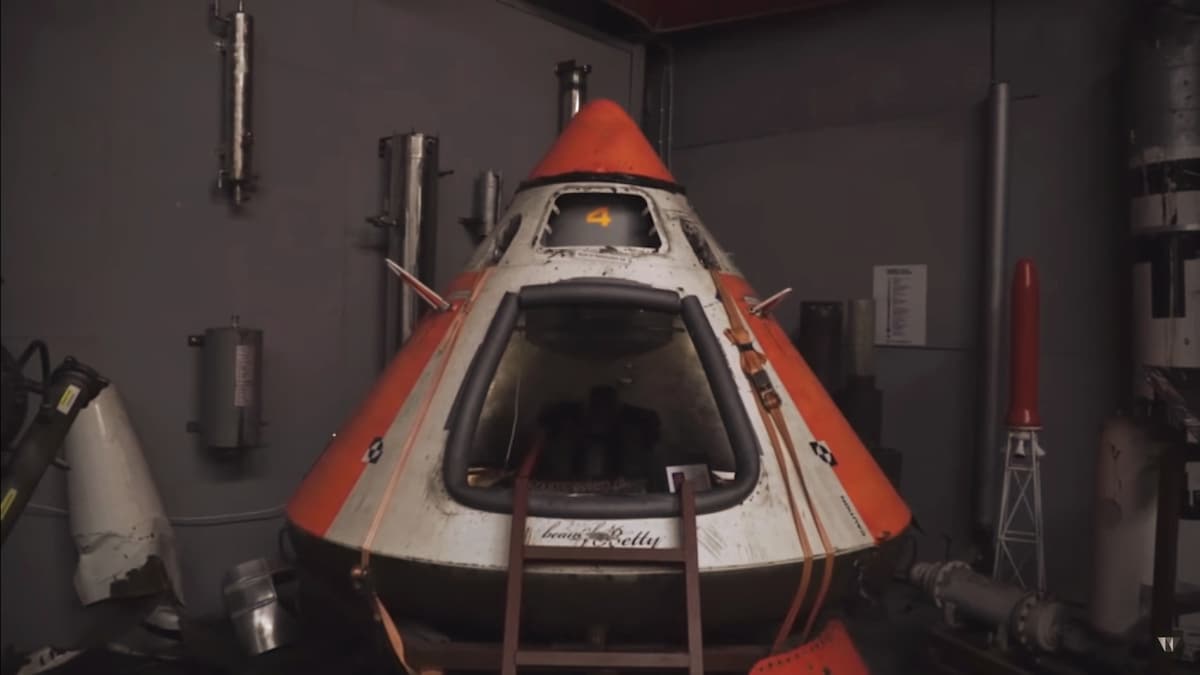
Explore a crowdfunded space program
Sat, Feb 28 • 11:00 AM
1432, Copenhagen, Denmark
View details
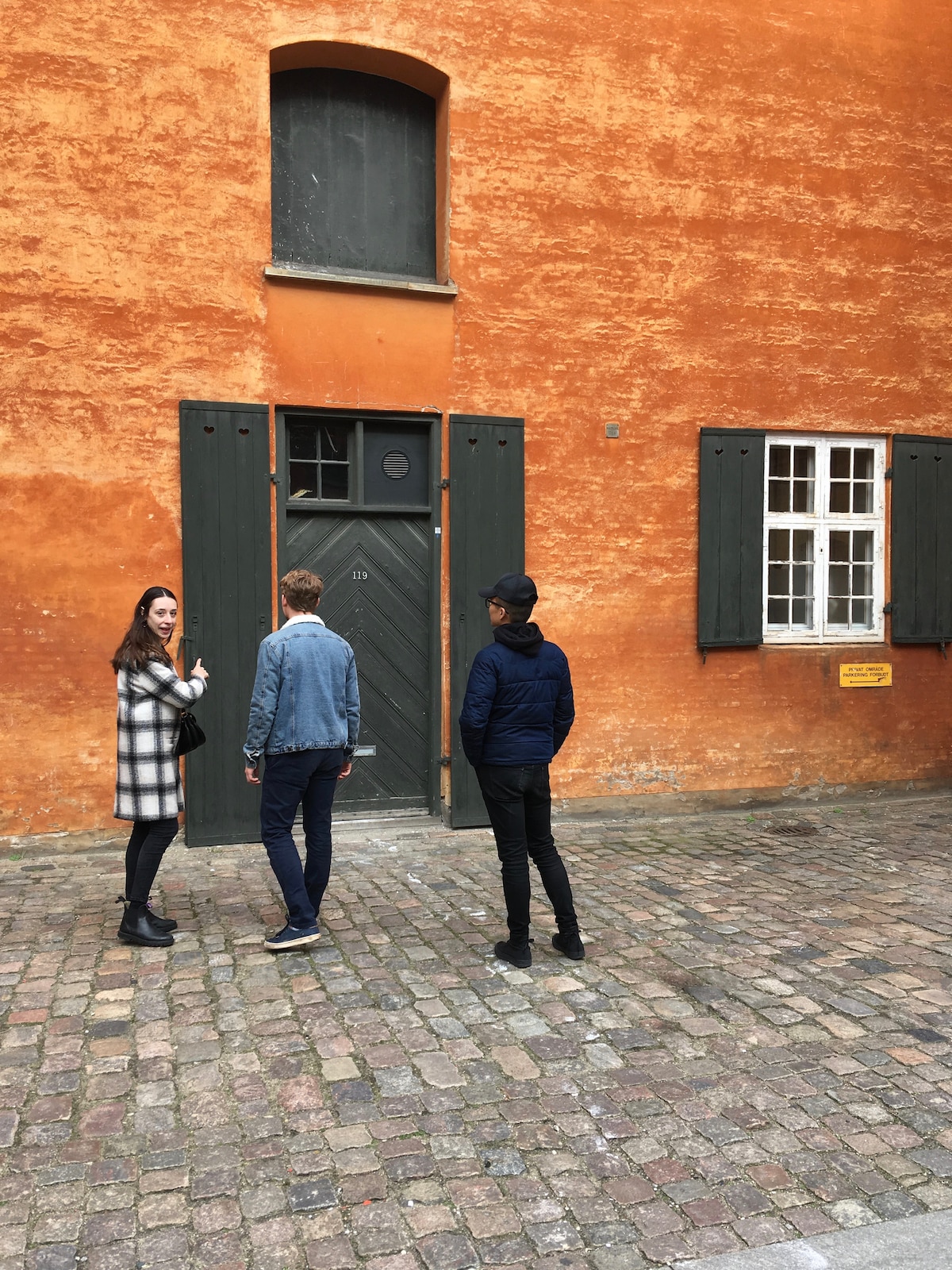
Discover Copenhagens design details
Wed, Feb 25 • 2:00 PM
1550, Copenhagen, Denmark
View details
IKONO Copenhagen
Wed, Feb 25 • 11:45 AM
Frederiksborggade 5, København, 1360
View details
Nearby attractions of Christiansborg Palace
Christiansborg Palace
The Christiansborg's Tower
Thorvaldsens Museum
Garden of the Royal Library
Ruinerne under Christiansborg
Bishop Absalon
Christiansborg Slotskirke
The War Museum
Stork Fountain
Church of Holmen
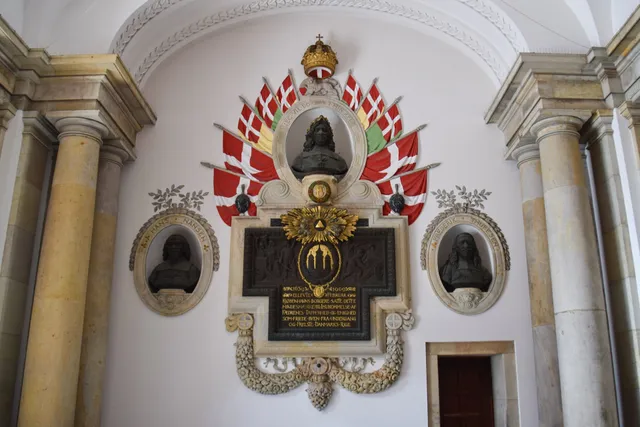
Christiansborg Palace
4.6
(8.2K)
Open until 5:00 PM
Click for details
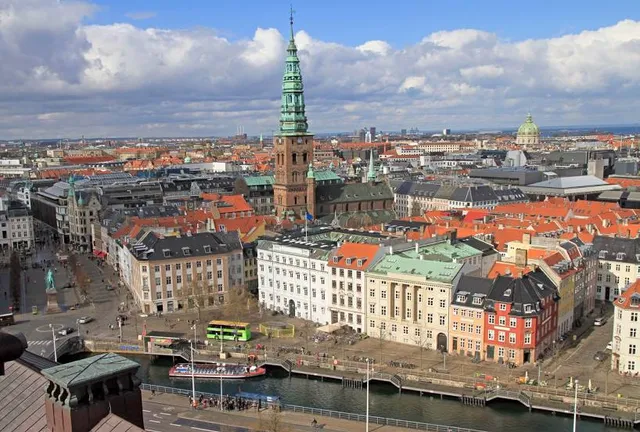
The Christiansborg's Tower
4.6
(1.0K)
Open until 9:00 PM
Click for details
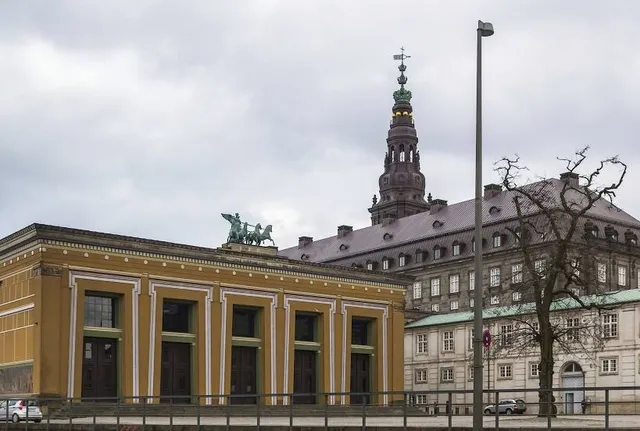
Thorvaldsens Museum
4.5
(838)
Open until 5:00 PM
Click for details
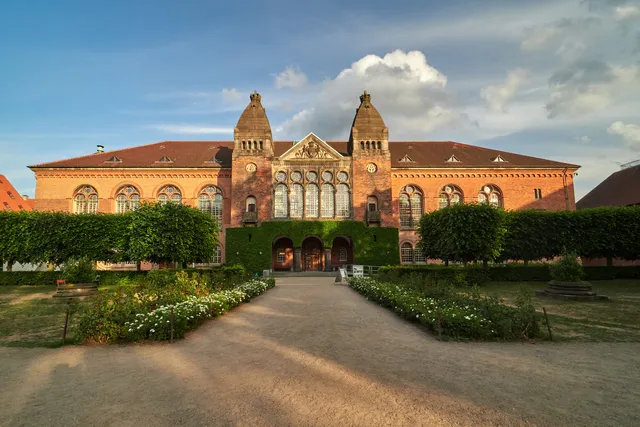
Garden of the Royal Library
4.7
(1.5K)
Open until 10:00 PM
Click for details
Nearby restaurants of Christiansborg Palace
Cocks & Cows Gammel Strand
H A N S Coffee
Pizzeria Luca
Ved Stranden 10
KöD Copenhagen
Norrlyst i Tårnet
Marv & Ben
Krogs Fiskerestaurant
Restaurant 1733
The Bird and The Churchkey
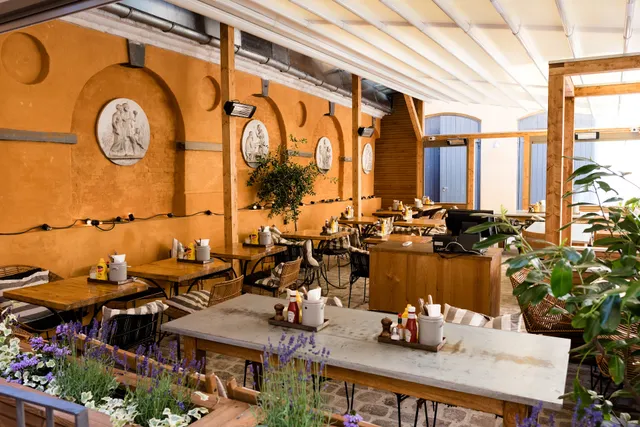
Cocks & Cows Gammel Strand
4.1
(1.2K)
Open until 10:00 PM
Click for details
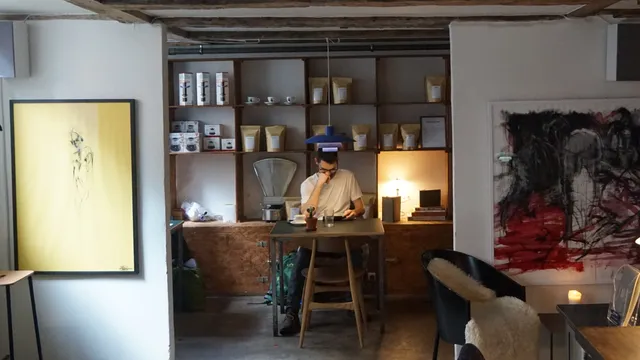
H A N S Coffee
4.6
(560)
Open until 5:00 PM
Click for details
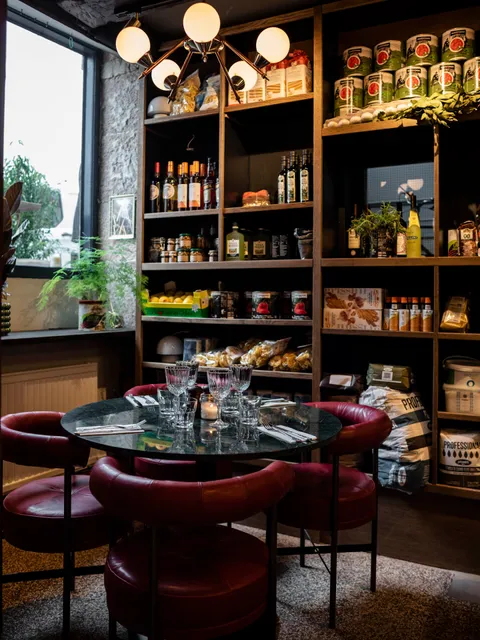
Pizzeria Luca
4.3
(1.1K)
Open until 10:00 PM
Click for details
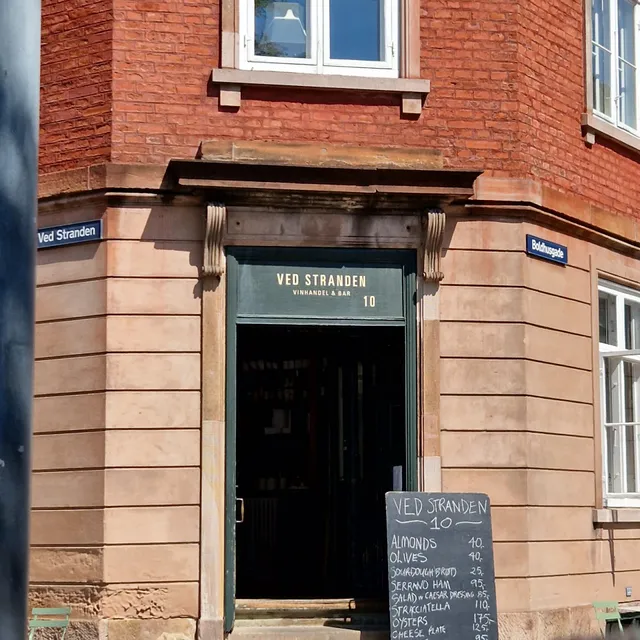
Ved Stranden 10
4.4
(367)
$$
Closed
Click for details
Nearby local services of Christiansborg Palace
ILLUM
Gl Strand
Danish Souvenirs
The LEGO® Store Copenhagen
Nikolaj, Copenhagen Contemporary Art Center
National Museum of Denmark
The Royal Stables
Strøget
Kronometertrappen
Danish Souvenirs & Luggages
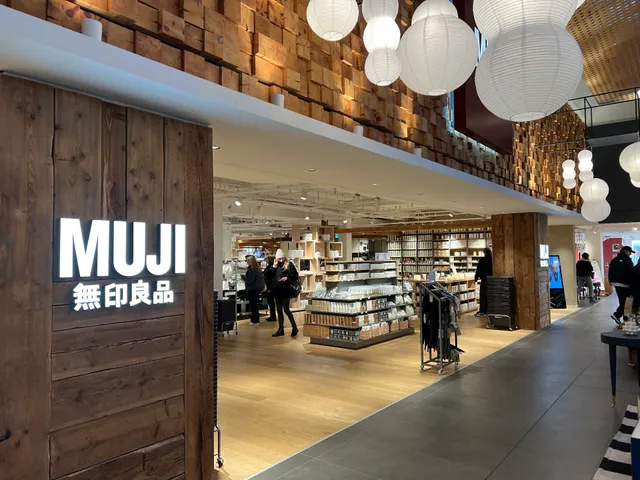
ILLUM
4.2
(3.2K)
Click for details
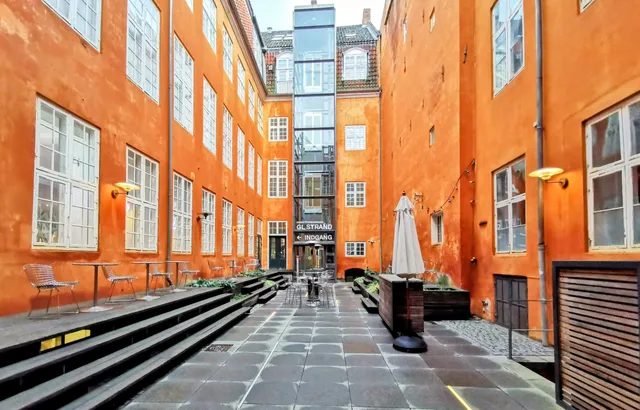
Gl Strand
4.3
(292)
Click for details
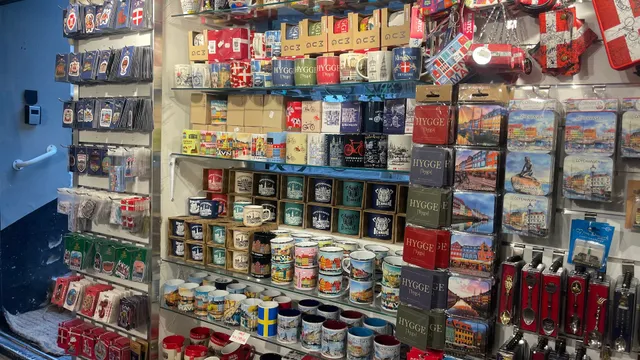
Danish Souvenirs
4.9
(332)
Click for details
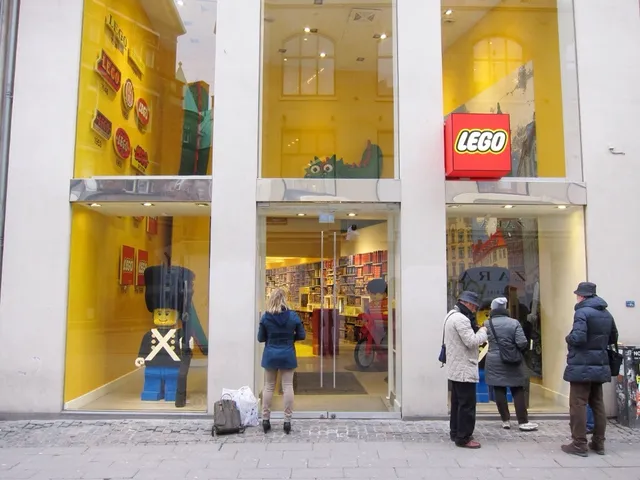
The LEGO® Store Copenhagen
4.5
(2.9K)
Click for details





