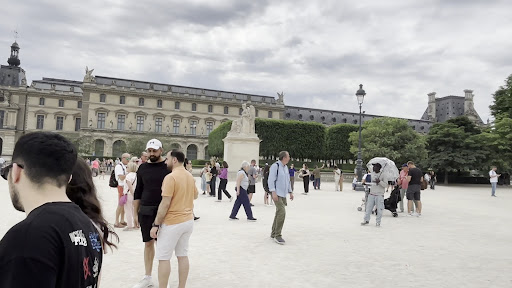
Arc de Triomphe du Carrousel things to do, attractions, restaurants, events info and trip planning
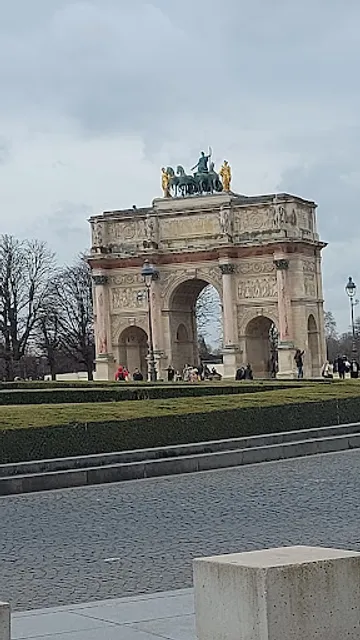
Basic Info
Arc de Triomphe du Carrousel
Pl. du Carrousel, 75001 Paris, France
4.7(1.1K)
Open until 12:00 AM
Save
spot
spot
Ratings & Description
Info
Cultural
Scenic
Family friendly
Accessibility
attractions: Louvre Pyramid, Louvre Museum, Louvre Museum, Louvre Museum, Place du Carrousel, Jardin du Carrousel, Tuileries Garden, Tuileries Garden, Porte des Lions, Domaine National du Palais-Royal, restaurants: Loulou, Le Café Marly, Matin des Oliviers, Boulangerie Eric Kayser - Jardin du Carrousel, Café de la Régence, Caffè Concerto Carrousel du Louvre, McCafé Paris Carrousel du Louvre, Ladurée Carrousel du Louvre, Le Musset, Brioche Dorée - Foodcourt Rivoli, local businesses: Carrousel du Louvre, Paris City Vision, BENLUX, La Petite Manis, Redline, Fondation Cartier pour l'art contemporain, Pylones, Barbier Saint Louis, Rue de Rivoli, Sociedad de amigos del Louvre
 Learn more insights from Wanderboat AI.
Website
fr.wikipedia.org
Open hoursSee all hours
FriOpen 24 hoursOpen
Plan your stay

Pet-friendly Hotels in Paris
Find a cozy hotel nearby and make it a full experience.

Affordable Hotels in Paris
Find a cozy hotel nearby and make it a full experience.

The Coolest Hotels You Haven't Heard Of (Yet)
Find a cozy hotel nearby and make it a full experience.

Trending Stays Worth the Hype in Paris
Find a cozy hotel nearby and make it a full experience.
Reviews
Live events
Dinner Cruise in the Heart of Paris with Music
Sat, Feb 28 • 8:30 PM
Port de la Bourdonnais 75007, Paris, France
View details
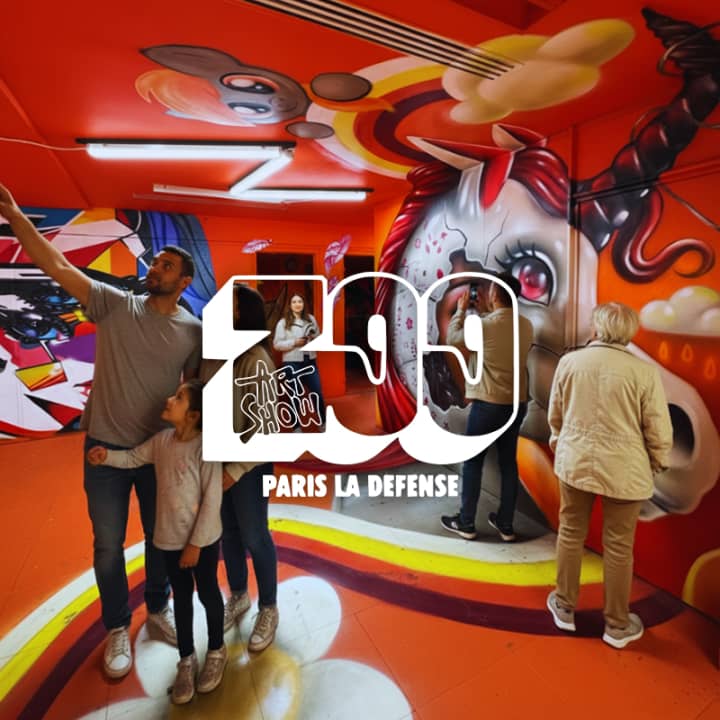
Expo Street art Paris - Zoo Art Show
Fri, Feb 27 • 10:00 AM
92800 Puteaux, France, 92800
View details
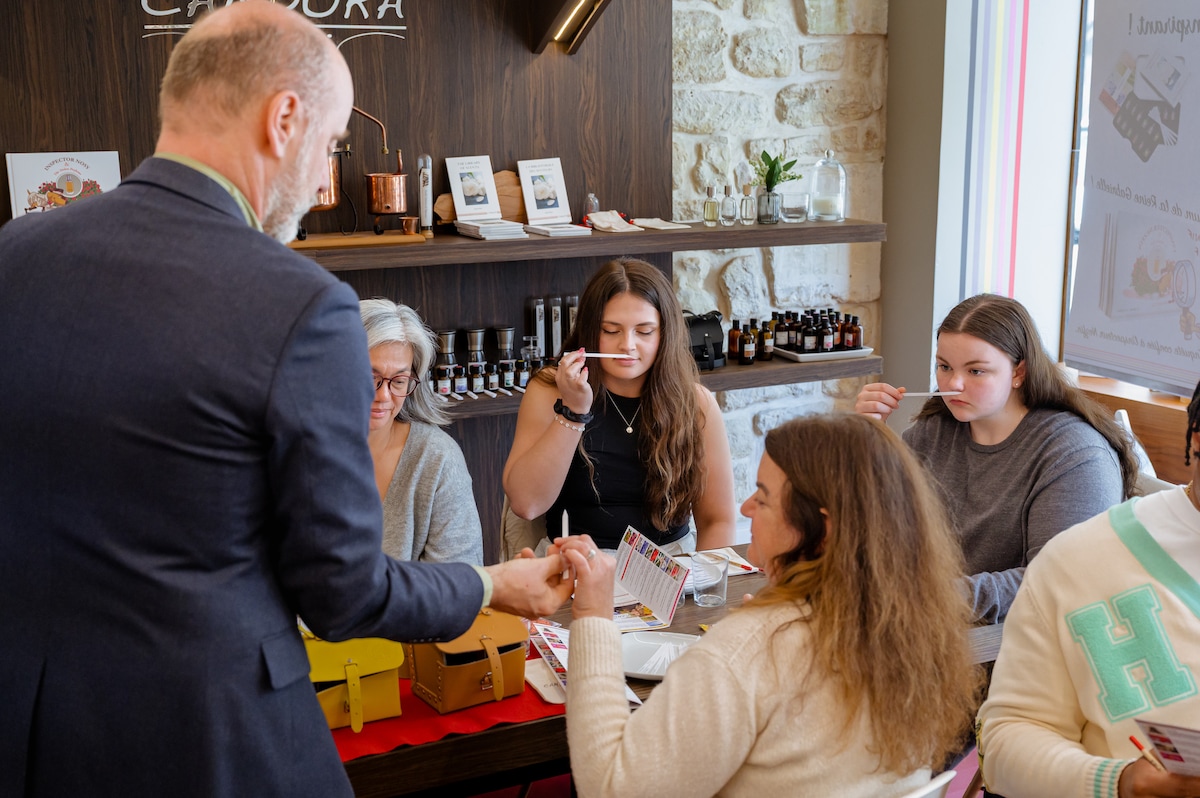
Create your own signature fragrance in Paris
Fri, Feb 27 • 2:30 PM
75004, Paris, France
View details
Nearby attractions of Arc de Triomphe du Carrousel
Louvre Pyramid
Louvre Museum
Louvre Museum
Louvre Museum
Place du Carrousel
Jardin du Carrousel
Tuileries Garden
Tuileries Garden
Porte des Lions
Domaine National du Palais-Royal

Louvre Pyramid
4.7
(27.6K)
Closed
Click for details
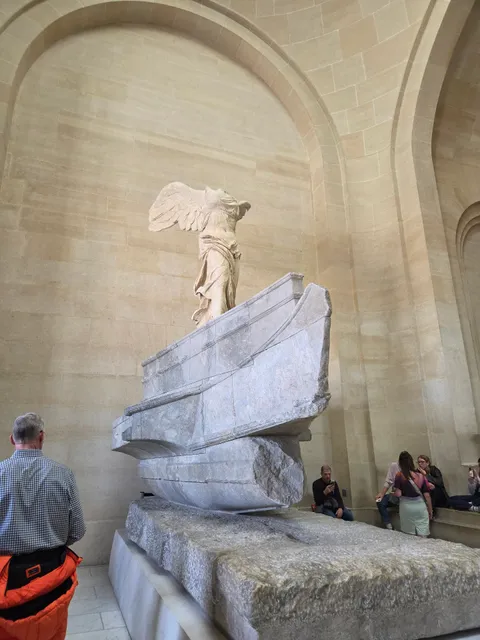
Louvre Museum
4.7
(102K)
Closed
Click for details

Louvre Museum
4.7
(109.8K)
Closed
Click for details
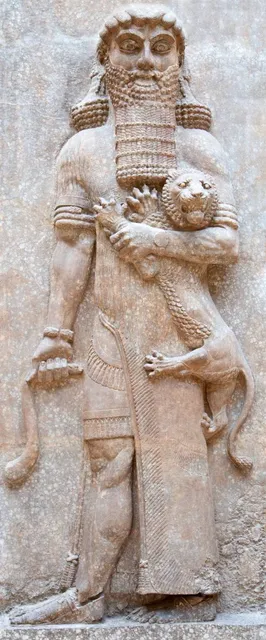
Louvre Museum
4.7
(104.8K)
Closed
Click for details
Nearby restaurants of Arc de Triomphe du Carrousel
Loulou
Le Café Marly
Matin des Oliviers
Boulangerie Eric Kayser - Jardin du Carrousel
Café de la Régence
Caffè Concerto Carrousel du Louvre
McCafé Paris Carrousel du Louvre
Ladurée Carrousel du Louvre
Le Musset
Brioche Dorée - Foodcourt Rivoli
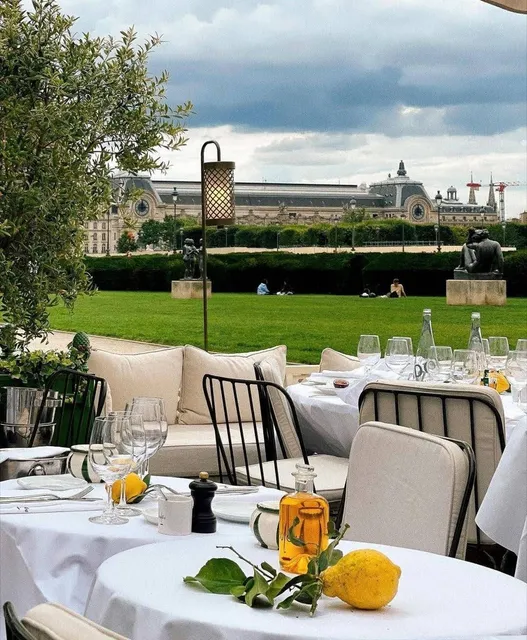
Loulou
4.0
(1.8K)
$$$
Click for details
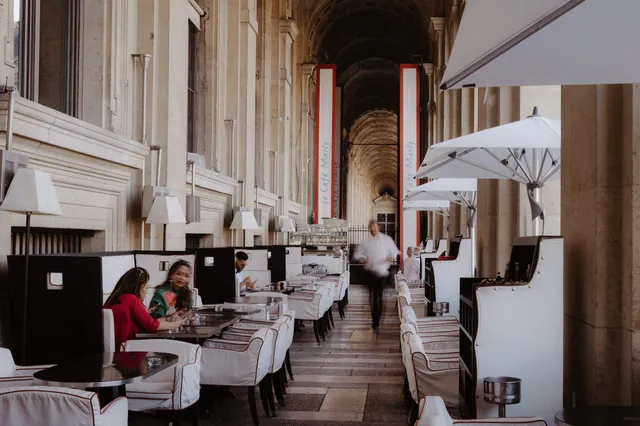
Le Café Marly
3.8
(4.5K)
$$$
Open until 2:00 AM
Click for details

Matin des Oliviers
4.8
(2.8K)
Closed
Click for details
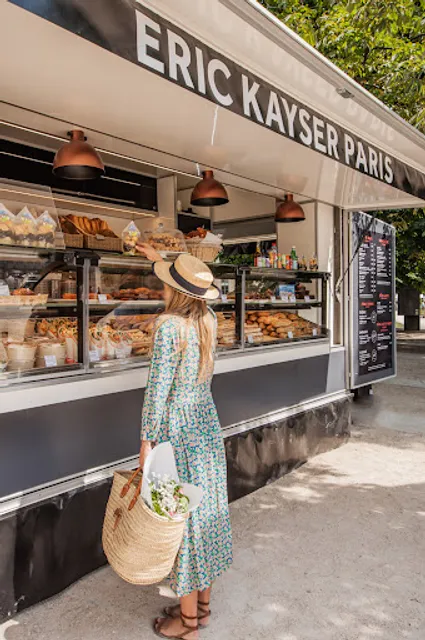
Boulangerie Eric Kayser - Jardin du Carrousel
4.0
(156)
Closed
Click for details
Nearby local services of Arc de Triomphe du Carrousel
Carrousel du Louvre
Paris City Vision
BENLUX
La Petite Manis
Redline
Fondation Cartier pour l'art contemporain
Pylones
Barbier Saint Louis
Rue de Rivoli
Sociedad de amigos del Louvre
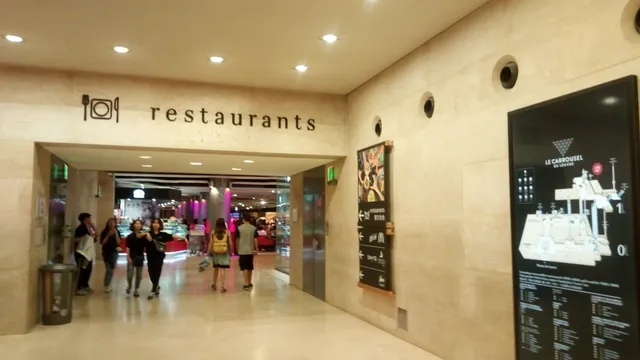
Carrousel du Louvre
4.4
(5.3K)
Click for details

Paris City Vision
4.4
(4K)
Click for details
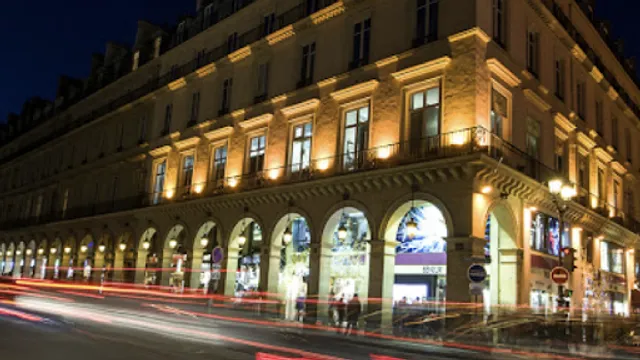
BENLUX
4.2
(641)
Click for details

La Petite Manis
5.0
(57)
Click for details