Alte Nationalgalerie, Berlin – A Step Back Into Artistic History
Berlin’s Alte Nationalgalerie is one of those places that feels like stepping into a time capsule. It’s located on Museum Island, which is already a cultural treasure, but this museum holds something special for anyone who appreciates the beauty of 19th-century art. Whether you're a fan of German Romanticism, French Impressionism, or just want to experience the evolution of art in Europe, the Alte Nationalgalerie offers a rich journey through history.
First Impressions: The Building Itself
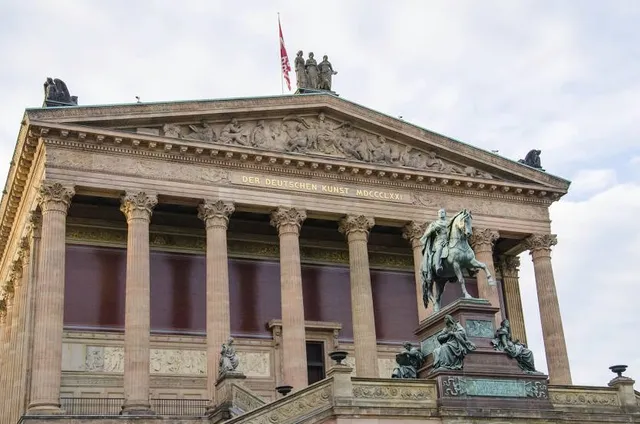
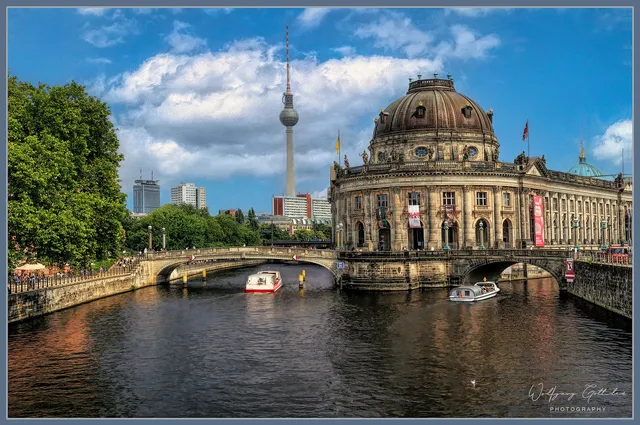
Before even entering the gallery, you’re greeted by the imposing neoclassical architecture of the museum. Built to resemble a temple, with its grand staircase and towering columns, it immediately sets the tone that this is a place where art is revered. The building was designed by Friedrich August Stüler and opened in 1876, but like much of Berlin, it has its scars from World War II. However, the restoration has preserved its regal presence, which blends seamlessly with the other monumental buildings on Museum Island.
The Collection: Art That Tells a Story
Once inside, it’s hard not to be impressed by the sheer range of the collection. The Alte Nationalgalerie focuses on 19th-century art, and the curators have done an excellent job of presenting this period’s rich diversity.
Start with the Romantic works, particularly by Caspar David Friedrich, a painter whose landscapes seem to capture both the vastness of nature and the vulnerability of the human spirit. His Monk by the Sea is a haunting piece that somehow makes you feel both insignificant and part of something greater. It's one of those paintings you can stare at for a long time, letting its stillness draw you in.
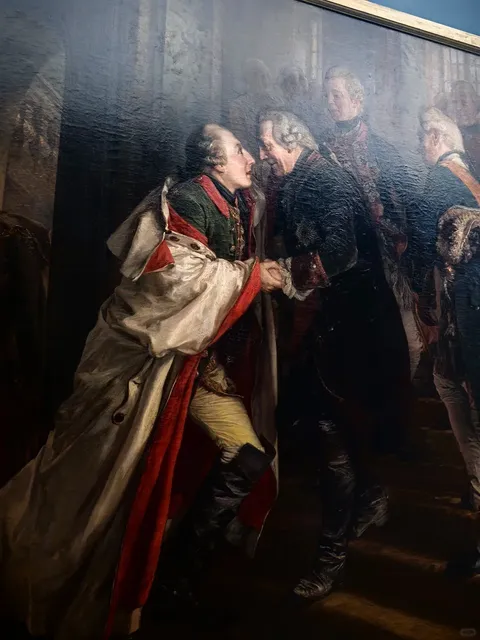
The museum also showcases the transition into Realism, with works by artists like Adolph Menzel, whose detailed depictions of Prussian life give you a sense of the everyday struggles and victories of the people during that time. His famous work The Iron Rolling Mill is one of those pieces that captures the harshness of industrial life, yet there’s a beauty in its precision.
The Sculptures: A Quiet Elegance
Besides paintings, the museum also boasts a significant collection of sculptures. One standout is Johann Gottfried Schadow’s Princesses Luise and Friederike, a graceful statue that shows two young Prussian princesses in a tender, almost intimate moment. The work has a quiet beauty that contrasts with the grandeur of the paintings, and it’s easy to see why it’s a favorite among visitors.
Impressionism: A Touch of France in Berlin
One of the surprises in the Alte Nationalgalerie is the strong presence of Impressionist art. As you wander through the galleries, you come across works by Édouard Manet, Claude Monet, and Pierre-Auguste Renoir. It’s fascinating to see these alongside German artists like Max Liebermann, whose own work was deeply influenced by the French Impressionists. His soft, light-filled paintings are a delight, and they offer a nice contrast to the heavier, more emotional Romantic pieces.
A Peaceful Ambiance
One of the best things about the Alte Nationalgalerie is the atmosphere. Unlike some of the larger, busier museums, it has a calm, reflective vibe. The rooms are spacious and filled with natural light, which makes it easy to lose yourself in the artwork. There’s no rush here—you can take your time moving from one piece to the next, fully appreciating the details and stories each artwork holds.
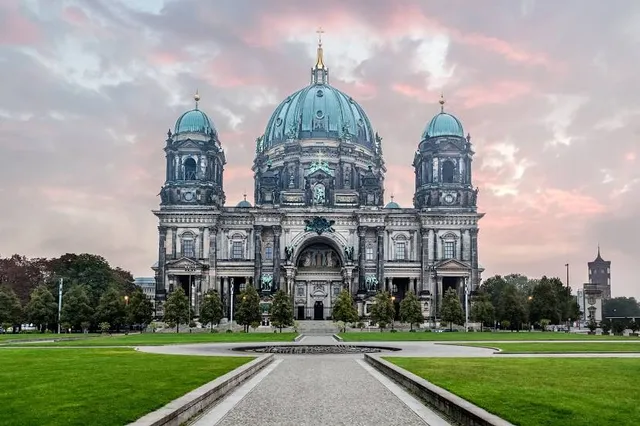
After exploring the galleries, you can step outside onto the terrace, where you’ll be treated to a stunning view of Berlin. From this spot, you can see the Berliner Dom and the bustling city below, offering a nice contrast to the quiet, contemplative experience inside the museum.
Final Thoughts
For anyone visiting Berlin, the Alte Nationalgalerie is a must-see. It’s more than just a collection of beautiful art—it’s a deep dive into a period that shaped much of Europe’s cultural...
Read more“The Alte Nationalgalerie: A Timeless Voyage Through Art”
In the heart of Berlin’s illustrious Museum Island, amidst an ensemble of revered institutions, the Alte Nationalgalerie stands as a testament to Germany’s rich artistic tradition. Housing a magnificent array of 19th-century paintings and sculptures, this grand Neoclassical edifice beckons the curious traveler to embark on a timeless voyage through the annals of artistry.
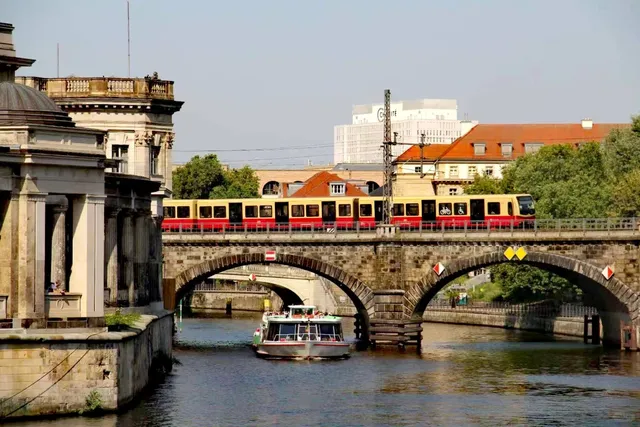
Arrival at the Gallery: Your journey to the Alte Nationalgalerie is a serene preamble to the artistic haven that awaits. Nestled on Museum Island, a UNESCO World Heritage site, the gallery is a short stroll from the Berliner Dom and the tranquil Spree River. The well-connected Berlin public transit system offers a convenient commute, with the U-Bahn (U6) Friedrichstraße station or S-Bahn (S3, S5, S7, S9) Hackescher Markt station leading you to the doorstep of art history .
Historical Silhouette: The inception of the Alte Nationalgalerie traces back to the year 1861, with the seed of an idea to create a public gallery of contemporary art. Over the ensuing years, the edifice designed by Friedrich August Stüler gradually arose, its Neoclassical architecture reminiscent of a Greek temple, evoking a timeless aesthetic charm. As you traverse through its halls, the whispers of the past resonate through the adorned walls, each artwork narrating tales of bygone eras and the creative spirits that once roamed the corridors of time .
Artistic Haven: As you meander through the gallery, the illustrious names of Caspar David Friedrich, Paul Cézanne, and Pierre-Auguste Renoir greet you, each artwork a window to a different realm of creative exploration. The collection, a harmonious blend of Romantic and Impressionist masterpieces, unveils the evolving narrative of 19th-century artistry, the societal shifts mirrored in the strokes of color and sculptural forms .
A Lesser-known Gem: Amidst the celebrated collections, a lesser-known gem awaits the discerning eye. The gallery’s collection of early Modernist works, though often overshadowed by the Romantic and Impressionist pieces, offers a nuanced glimpse into the artistic transitions of the era, a precursor to the avant-garde movements that would soon sweep across the European continent.
A Journey Beyond the Canvas: The Alte Nationalgalerie is not merely a repository of art; it’s a journey beyond the canvas, a voyage through the undulating waves of human creativity. Each room unveils a different chapter, a different era, the artistic dialogues transcending the bounds of time and space.
Reasons to Visit:
Historical Resonance: The gallery’s Neoclassical architecture and its rich collection offer a profound immersion into the artistic and historical narrative of the 19th century. Diverse Artistic Legacy: The vast array of artworks spanning Romanticism, Impressionism, and early Modernism provides a comprehensive insight into the diverse artistic legacy of the period.
A Caveat:
• Popularity: The gallery’s popularity often translates to bustling halls, which might detract from the serene contemplation one might seek amidst the artistic milieu.
The Alte Nationalgalerie is more than a mere gallery; it’s a timeless voyage through the rivulets of human creativity, a sanctuary where the past and present engage in a silent yet profound dialogue, awaiting the curious traveler to join the...
Read moreThe Old National Gallery, also known as the Alte Nationalgalerie, is a remarkable museum located on Berlin's Museum Island. It houses a vast collection of 19th-century art, and visiting this museum leaves visitors with a multitude of positive impressions.
One of the most striking aspects of the Old National Gallery is its architectural beauty. The museum itself is a work of art, with its neoclassical design and grand facade. The building's elegant columns, grand staircase, and ornate detailing create a sense of grandeur and sophistication from the moment you approach it.
Inside the museum, you'll find an extensive collection of paintings and sculptures from the 19th century. The artworks on display represent various artistic movements and styles, including Romanticism, Realism, Impressionism, and Symbolism. The curated selection of masterpieces showcases the evolution of art during this transformative period in history.
The layout and presentation of the artworks in the museum are thoughtfully done. The spacious galleries with high ceilings and ample natural light create an ideal setting to appreciate the art. The museum's design allows visitors to view the artworks from different angles and distances, providing a comprehensive and immersive experience.
One of the highlights of the Old National Gallery is its impressive collection of paintings. You'll encounter iconic works by renowned artists such as Caspar David Friedrich, Karl Friedrich Schinkel, Adolph Menzel, Edouard Manet, Claude Monet, and Auguste Renoir, among others. The collection includes landscapes, portraits, historical scenes, and genre paintings, each offering a glimpse into the artistic genius of the era.
The Old National Gallery also boasts an excellent sculpture collection, featuring magnificent marble and bronze sculptures. These three-dimensional works of art complement the paintings and add another dimension to the museum experience. From delicate and graceful figures to powerful and emotive sculptures, the collection represents the skill and creativity of sculptors from the 19th century.
Another aspect that contributes to the positive impressions of the Old National Gallery is its serene and contemplative atmosphere. The museum provides a peaceful environment, allowing visitors to engage with the artworks without distractions. It's a place where one can appreciate the beauty and artistic expression of the works on display, fostering a sense of tranquility and appreciation for art.
Lastly, the Old National Gallery's location on Museum Island adds to its allure. Surrounded by other world-class museums and cultural institutions, it forms part of a vibrant and intellectually stimulating hub. Visitors have the opportunity to explore multiple museums and immerse themselves in the rich history and cultural heritage of Berlin.
In conclusion, the Old National Gallery is a treasure trove of 19th-century art, offering a captivating journey through the artistic achievements of the era. Its architectural beauty, curated collection, tranquil atmosphere, and prime location make it a must-visit destination for art lovers and cultural...
Read more