Museum Island Berlin: A Journey Through Time, Culture, and Heritage
Berlin, the capital city of Germany, stands as a testament to the rich tapestry of history and culture that has woven itself into the fabric of this metropolis. Among the many treasures that Berlin holds, none is more significant than the Museum Island, a UNESCO World Heritage site that stands at the heart of the city. This unique ensemble of museums is a celebration of human creativity, innovation, and the relentless pursuit of knowledge. Join us on a virtual journey through the corridors of time as we explore the fascinating world of Museum Island Berlin.
A Historical Panorama: Nestled along the River Spree, Museum Island is a small yet powerful archipelago of culture and heritage. Its roots trace back to the 19th century when Prussian King Frederick William IV envisioned a cultural haven that would showcase the richness of human history. The island comprises five world-renowned museums: the Altes Museum, Neues Museum, Alte Nationalgalerie, Bode Museum, and the Pergamon Museum. Each of these institutions houses a treasure trove of artifacts that spans millennia and continents.
Altes Museum: The Temple of Antiquities: Our journey begins with the Altes Museum, the oldest on Museum Island. Designed by Karl Friedrich Schinkel, this neoclassical masterpiece serves as a testament to the fascination with antiquity that gripped 19th-century Europe. The museum's collection boasts an impressive array of classical sculptures, Greek and Roman antiquities, and artifacts that transport visitors back to the cradle of Western civilization.
Neues Museum: The Rise from Ashes: Adjacent to the Altes Museum stands the Neues Museum, a phoenix that rose from the ashes of World War II. Severely damaged during the conflict, the Neues Museum underwent meticulous restoration, culminating in its reopening in 2009. Home to the iconic bust of Queen Nefertiti, the museum encapsulates the essence of ancient civilizations, with exhibits ranging from prehistory to the Byzantine era.
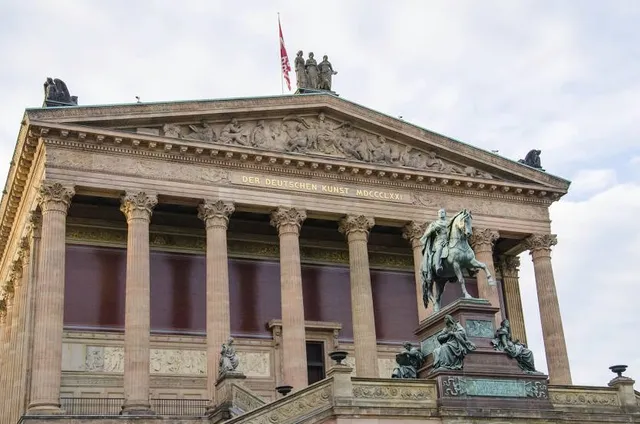
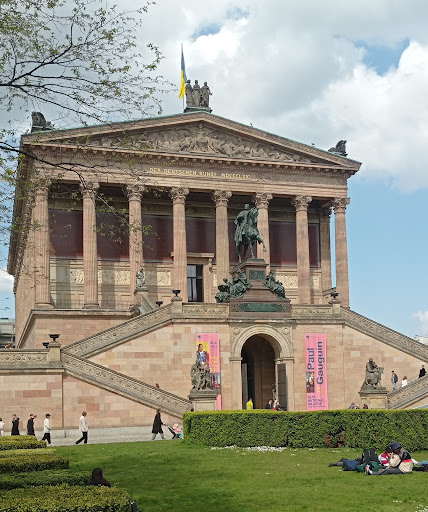
Alte Nationalgalerie: Romanticism and Beyond: Perched atop a majestic staircase, the Alte Nationalgalerie is a temple of art that showcases the evolution of European painting from the 19th to the early 20th century. Romantic landscapes, Realist depictions, and the luminosity of Impressionist works grace the walls, offering a comprehensive view of the artistic movements that shaped the continent during a transformative period.
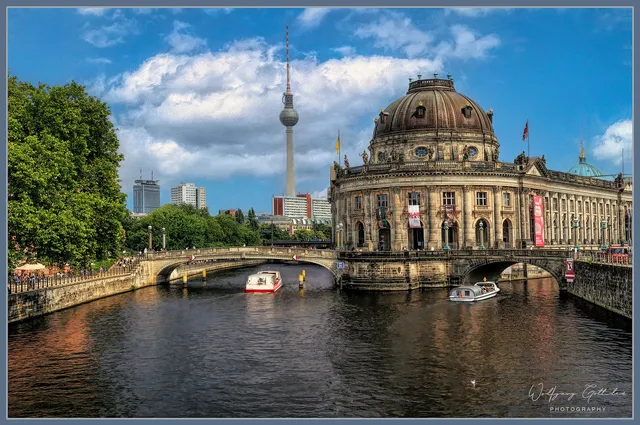
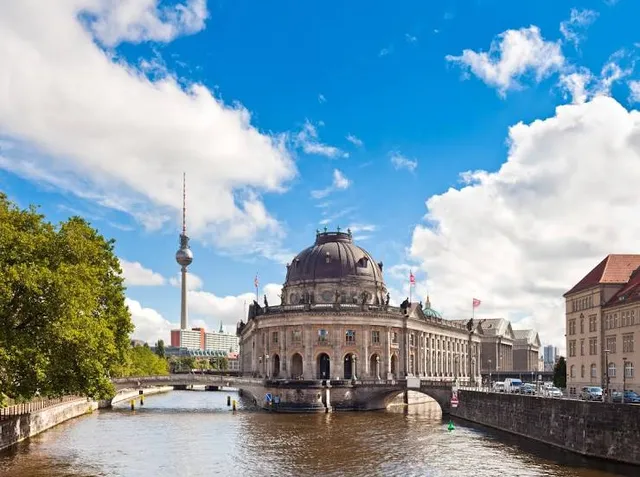
Bode Museum: Bridging Art and Culture: As we traverse the Museum Island landscape, the Bode Museum beckons with its distinctive dome and a diverse collection that blurs the lines between art and artifact. Sculptures, Byzantine art, and a vast numismatic collection find a harmonious home within these walls. The Bode Museum stands as a testament to the interconnectedness of artistic expression across time and space.
Pergamon Museum: Ancient Wonders and Cultural Crossroads: Our journey concludes with the Pergamon Museum, an architectural marvel that transports visitors to the ancient worlds of Mesopotamia, Greece, and Rome. The Pergamon Altar, the Ishtar Gate, and the Market Gate of Miletus stand as awe-inspiring witnesses to the grandeur of ancient civilizations. This museum, named after the ancient city of Pergamon, offers a unique experience of walking through archaeological sites without leaving the heart of Berlin.
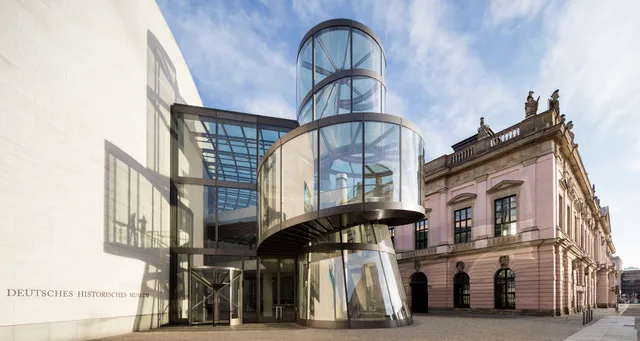
A Modern Vision for the Future: As we reflect on the cultural pilgrimage through Museum Island, it is crucial to acknowledge ongoing efforts to preserve and enhance this cultural haven. The Humboldt Forum, a modern cultural complex adjacent to Museum Island, continues the legacy of knowledge dissemination and cultural exchange. Conceived as a space for dialogue, the Humboldt Forum aims to foster understanding among diverse cultures and promote a global perspective on human history. Usefull? Follow...
Read moreThe Museumsinsel (Museum Island) in Berlin is a UNESCO World Heritage site renowned for its exceptional ensemble of five museums, each showcasing significant collections of art and antiquities. Spanning over 6,000 years of human history, the museums house treasures from ancient civilizations to 19th-century art.
🏛️ Museums on Museum Island
Altes Museum (Old Museum) – Opened in 1830, this neoclassical building exhibits Greek, Etruscan, and Roman antiquities.Condé Nast Traveler
Neues Museum (New Museum) – Home to the famous bust of Queen Nefertiti, this museum focuses on Egyptian and prehistoric collections.Condé Nast Traveler
Alte Nationalgalerie (Old National Gallery) – Features 19th-century art, including works by Monet, Manet, and Renoir.Condé Nast Traveler
Pergamonmuseum (Pergamon Museum) – Currently closed for extensive renovations until at least 2027, it once housed monumental artifacts like the Pergamon Altar and collections from the Middle East and Islamic art.
Bode-Museum – Showcases a vast collection of sculptures, Byzantine art, and coins.
🌍 UNESCO World Heritage Status
Inscribed in 1999, Museumsinsel is recognized for its architectural unity and its role in the evolution of modern museum design. The site is considered a remarkable example of an urban public forum, akin to the Acropolis in its symbolic significance to the city. The integration of museum spaces with their collections reflects a harmonious relationship between architecture and content .
📝 Visitor Experience
Visitors often praise the Museumsinsel for its rich historical context and the quality of its exhibits. However, the closure of the Pergamonmuseum for renovations has been a point of disappointment for many. Despite this, the remaining museums offer a comprehensive and engaging experience for art and history enthusiasts.
Given the extensive collections, it's advisable to allocate ample time to explore each museum. Consider focusing on one or two museums per visit to fully appreciate their offerings. Be prepared for potential crowds, especially during peak tourist seasons.
Overall, Museumsinsel remains a must-visit destination for those interested in experiencing Berlin's rich...
Read moreThe UNESCO World Heritage site in Berlin is the Museum Island (Museumsinsel), a renowned ensemble of five world-famous museums located on the Spree River in the heart of Berlin. The Museum Island is recognized for its outstanding cultural and architectural significance and is a designated UNESCO World Heritage Site.
Key Museums on Museum Island: Altes Museum (Old Museum) – Focuses on classical antiquities. Neues Museum (New Museum) – Houses Egyptian and prehistoric collections, including the Bust of Nefertiti. Alte Nationalgalerie (Old National Gallery) – Features 19th-century art. Bode Museum – Known for Byzantine art and coins. Islander Museum – Exhibits varied collections and special exhibitions.
Highlights: Architectural masterpieces designed by prominent architects like Karl Friedrich Schinkel. A rich collection spanning thousands of years of human history. UNESCO designation emphasizes its cultural importance.
Visiting Tips: Purchase a combined ticket for multiple museums. Check for special exhibitions and guided tours. The island is accessible via public transportation, including...
Read more