DDR Museum things to do, attractions, restaurants, events info and trip planning
Basic Info
DDR Museum
Vera Britain Ufer, Karl-Liebknecht-Str. 1, 10178 Berlin, Germany
4.3(9.7K)
Open until 9:00 PM


tickets
Save
spot
spot
Ratings & Description
Info
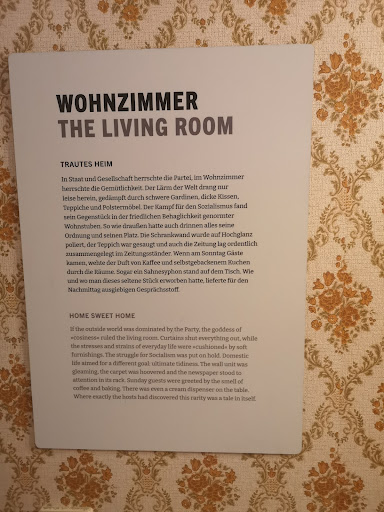
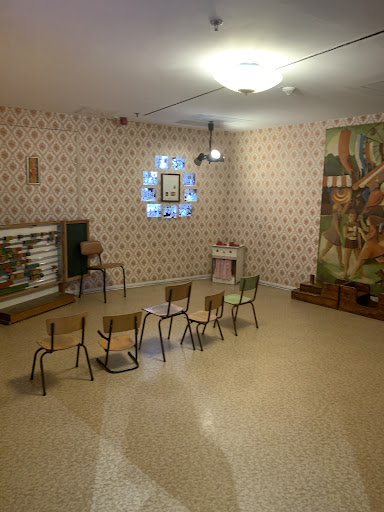
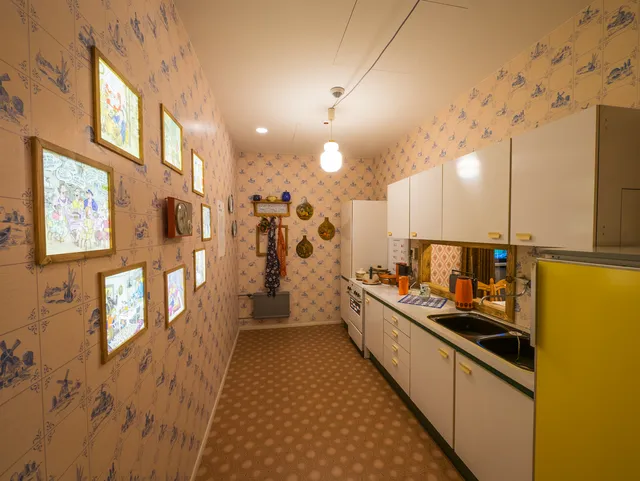
The DDR Museum is a museum in the centre of Berlin. The museum is located in the former governmental district of East Germany, right on the river Spree, opposite the Berlin Cathedral. The museum is the 11th most visited museum in Berlin.
Cultural
Accessibility
attractions: Berlin Cathedral, UNESCO Weltkulturerbe Museumsinsel, Berlin Dungeon, Lustgarten, Neptune Fountain, Marx-Engels-Forum, Altes Museum, Neues Museum, Alte Nationalgalerie, Pergamonmuseum, restaurants: Bandy Brooks - Berlin, Trattoria Peretti, Shi-Mai, Andy's Diner & Bar, BLOCK HOUSE Am Alexanderplatz, Domcafé im Berliner Dom, La Ciccia, NORDSEE Berlin Spandauer Straße, Wilde Matilde Deutsches Restaurant Cafe´ Bar und Variete, San Ena, local businesses: Spandauer Str. 2, Neptunbrunnen, Lindt Boutique Berlin DomAquarée, Museum Island, WrapMe, Ilha de Museus, Fontane nel Giardino della Lussuria, Einkaufsbahnhof Berlin Hackescher Markt, Haus Ungarn, Unlimited Biking (Formerly Fat Tire Tours)
 Learn more insights from Wanderboat AI.
Phone
+49 30 847123730
Website
ddr-museum.de
Open hoursSee all hours
Mon9 AM - 9 PMOpen
Plan your stay

Pet-friendly Hotels in Berlin
Find a cozy hotel nearby and make it a full experience.

Affordable Hotels in Berlin
Find a cozy hotel nearby and make it a full experience.

The Coolest Hotels You Haven't Heard Of (Yet)
Find a cozy hotel nearby and make it a full experience.

Trending Stays Worth the Hype in Berlin
Find a cozy hotel nearby and make it a full experience.
Reviews
Live events
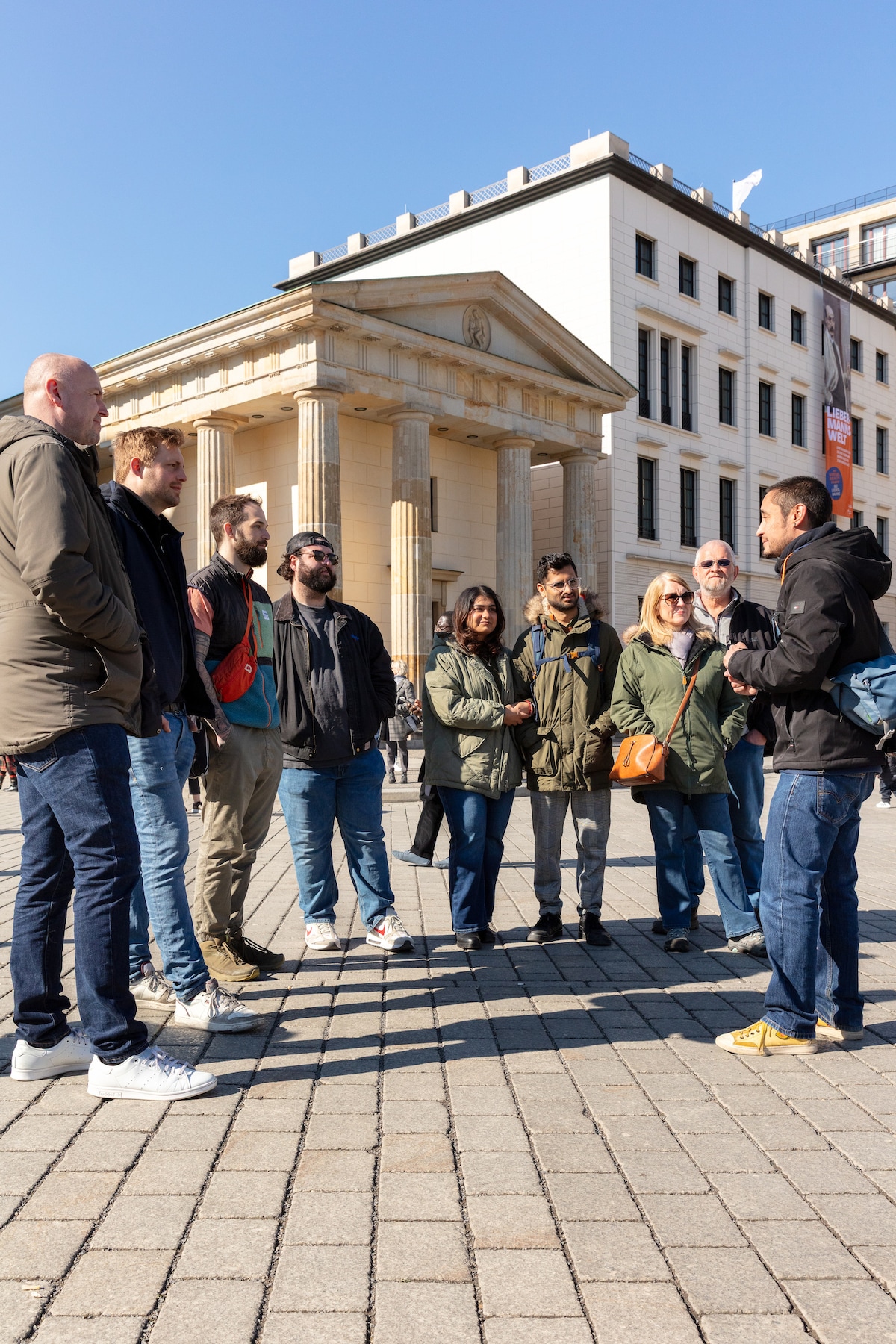
Rude Bastards Tour of® Berlin
Mon, Feb 23 • 10:00 AM
10785, Berlin, Germany
View details
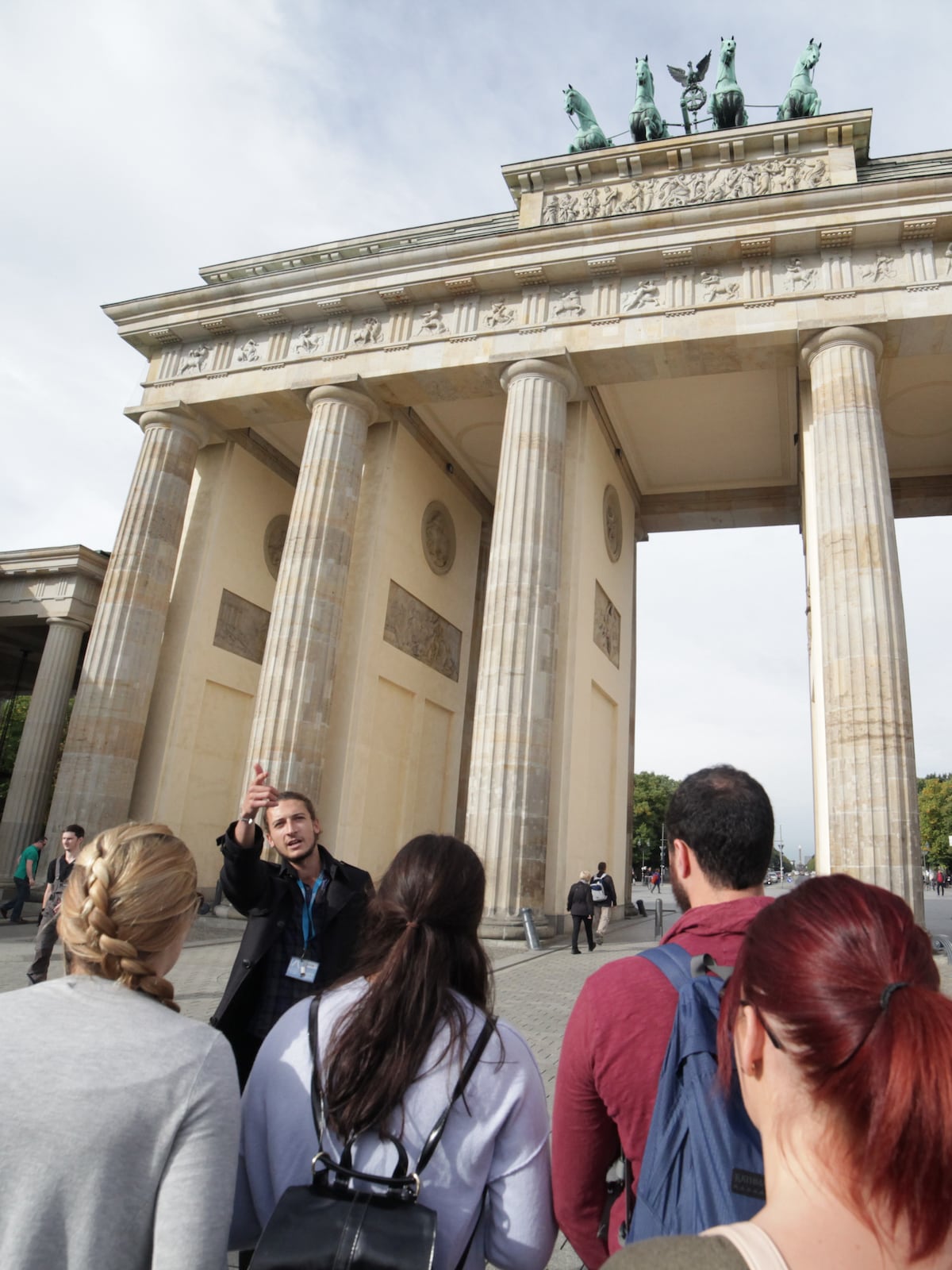
Discover Berlin - Main Sights Tour in English
Mon, Feb 23 • 10:30 AM
10178, Berlin, Germany
View details

Enjoy an English-speaking comedy show
Mon, Feb 23 • 7:45 PM
10117, Berlin, Germany
View details
Nearby attractions of DDR Museum
Berlin Cathedral
UNESCO Weltkulturerbe Museumsinsel
Berlin Dungeon
Lustgarten
Neptune Fountain
Marx-Engels-Forum
Altes Museum
Neues Museum
Alte Nationalgalerie
Pergamonmuseum
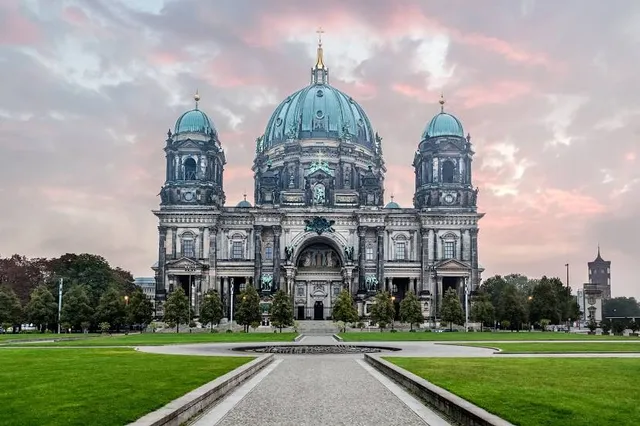
Berlin Cathedral
4.6
(15.6K)
Open until 5:00 PM
Click for details
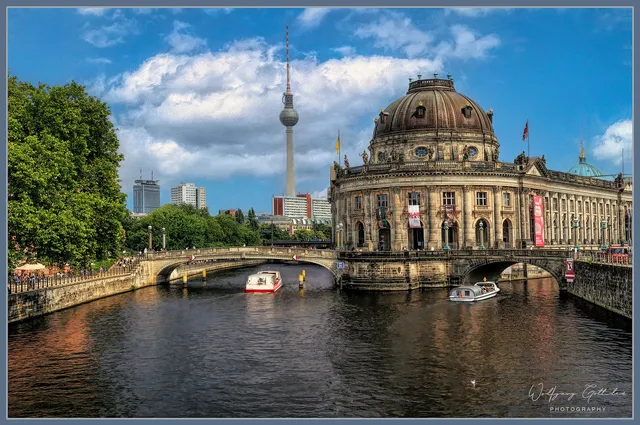
UNESCO Weltkulturerbe Museumsinsel
4.8
(5.7K)
Closed
Click for details

Berlin Dungeon
4.3
(4.6K)
Closed
Click for details
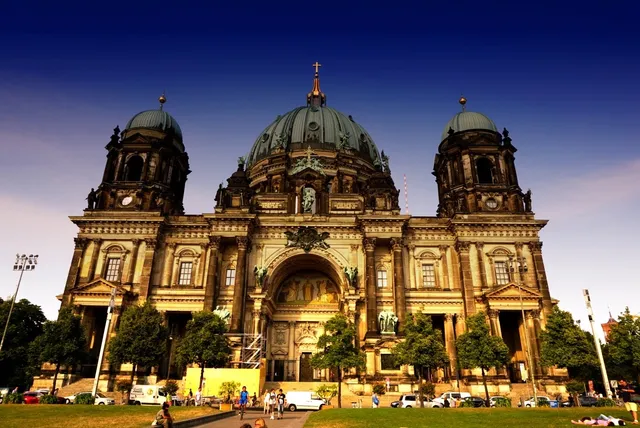
Lustgarten
4.6
(3.9K)
Open until 12:00 AM
Click for details
Nearby restaurants of DDR Museum
Bandy Brooks - Berlin
Trattoria Peretti
Shi-Mai
Andy's Diner & Bar
BLOCK HOUSE Am Alexanderplatz
Domcafé im Berliner Dom
La Ciccia
NORDSEE Berlin Spandauer Straße
Wilde Matilde Deutsches Restaurant Cafe´ Bar und Variete
San Ena
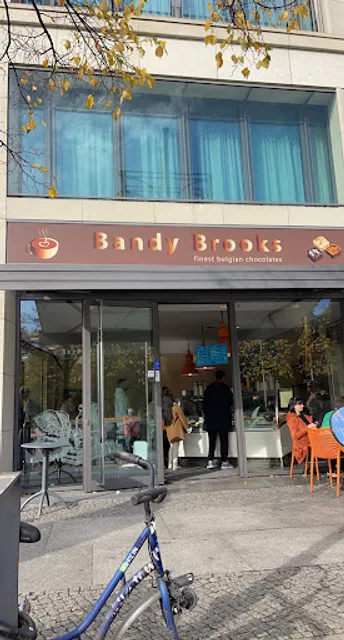
Bandy Brooks - Berlin
3.8
(382)
Closed
Click for details
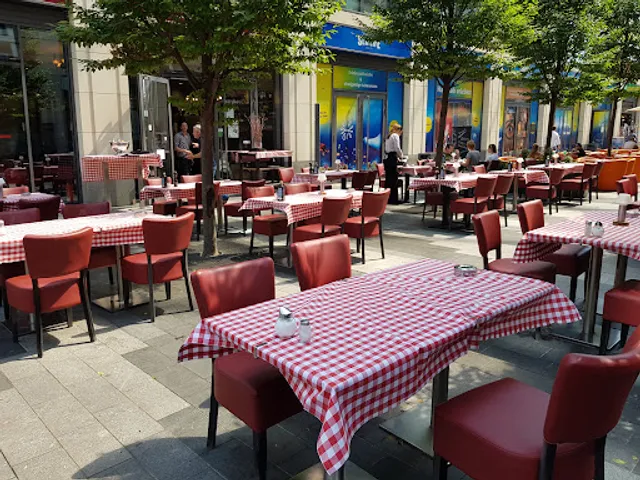
Trattoria Peretti
4.1
(675)
Open until 12:00 AM
Click for details
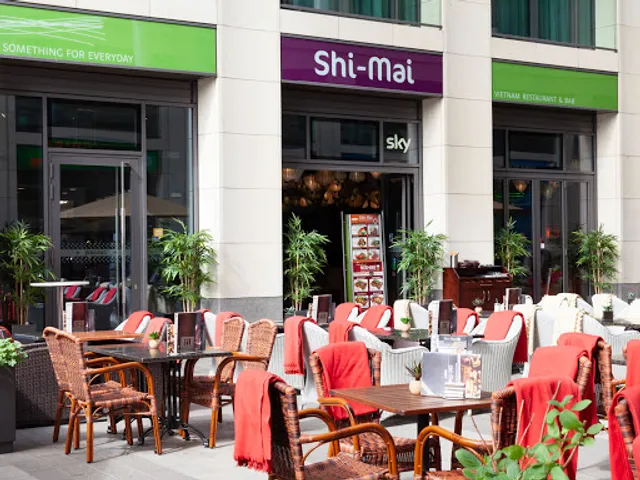
Shi-Mai
4.0
(401)
$$
Click for details
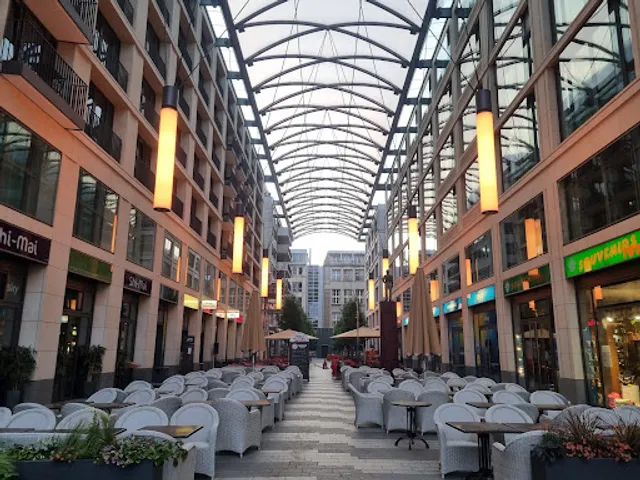
Andy's Diner & Bar
3.6
(454)
Click for details
Nearby local services of DDR Museum
Spandauer Str. 2
Neptunbrunnen
Lindt Boutique Berlin DomAquarée
Museum Island
WrapMe
Ilha de Museus
Fontane nel Giardino della Lussuria
Einkaufsbahnhof Berlin Hackescher Markt
Haus Ungarn
Unlimited Biking (Formerly Fat Tire Tours)
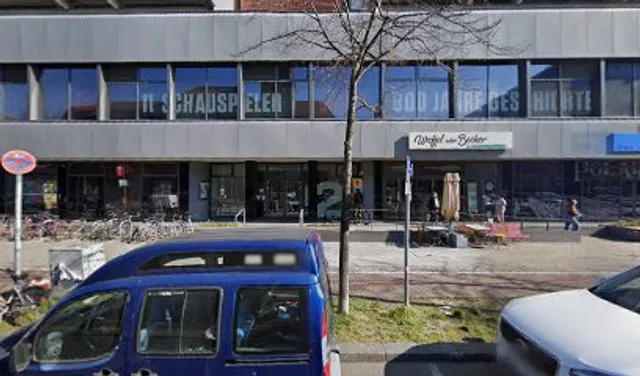
Spandauer Str. 2
4.3
(4.6K)
Click for details
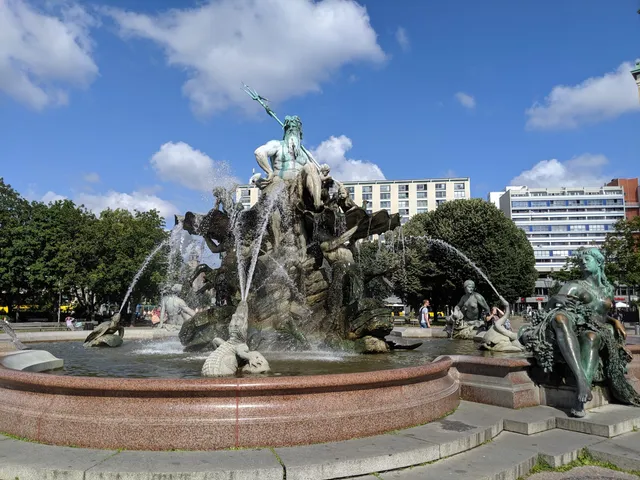
Neptunbrunnen
4.5
(4.4K)
Click for details

Lindt Boutique Berlin DomAquarée
4.7
(98)
Click for details
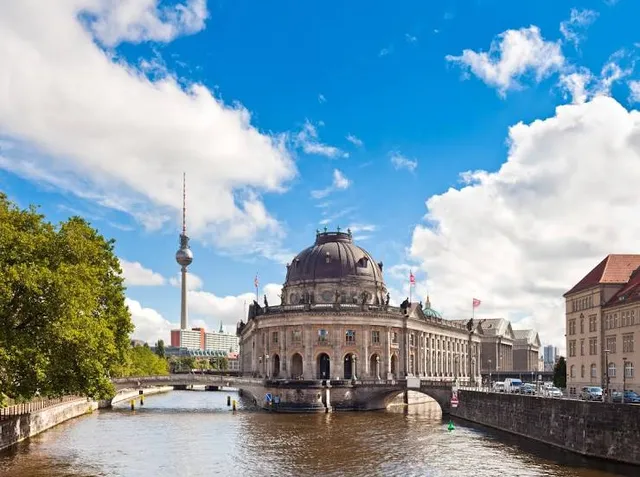
Museum Island
4.7
(1.8K)
Click for details