Neptune Fountain (Neptunbrunnen) – A Fascinating Mix of Art, History, and Tranquility
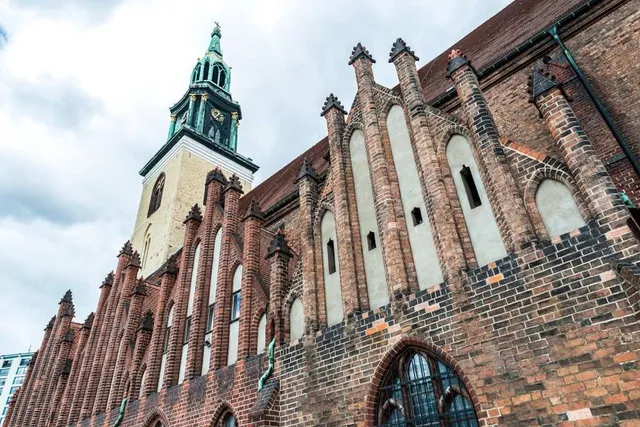
Nestled in the heart of Berlin, the Neptune Fountain (Neptunbrunnen) is a must-see, yet often overlooked, attraction that seamlessly combines art, history, and the charm of a city that thrives on its rich cultural legacy. Located near some of Berlin's most famous sites, such as the towering Fernsehturm, Marienkirche, and the Rotes Rathaus, the fountain is both a tranquil retreat and a hub of history.
History and Symbolism
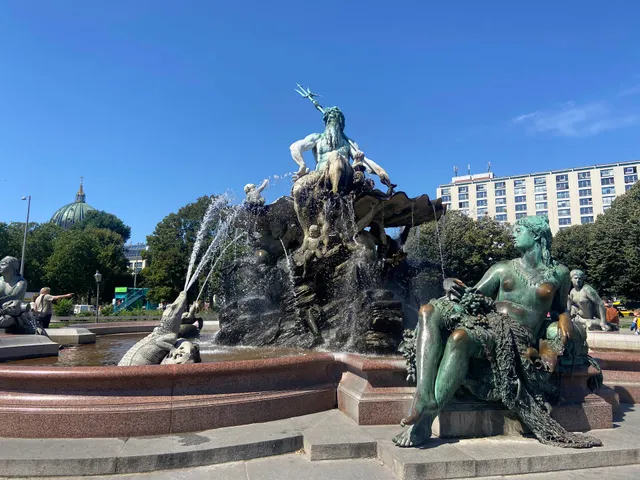
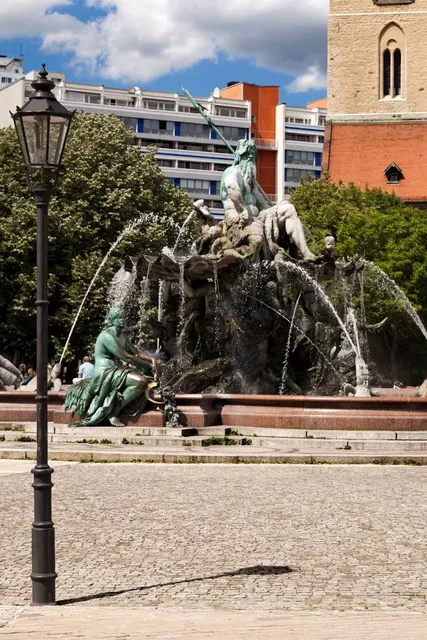
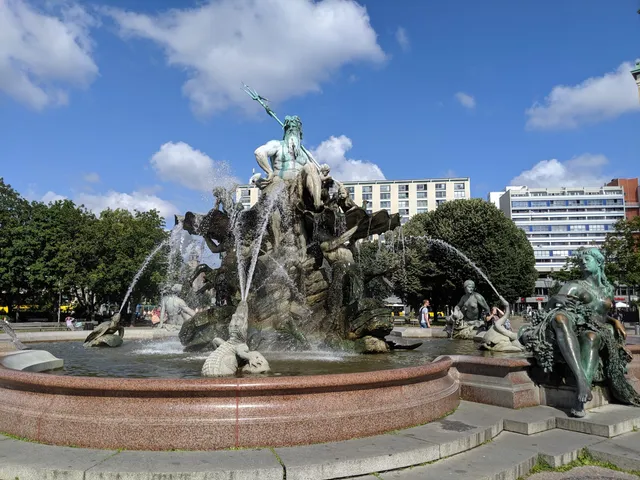
The fountain was created in 1891 by Reinhold Begas, a prominent German sculptor of the time, and was originally commissioned by Kaiser Wilhelm II. The centerpiece is the Roman god Neptune, depicted in a commanding pose holding his signature trident. He is surrounded by four female figures, each representing one of the major rivers of Prussia: the Rhine, the Elbe, the Vistula, and the Oder. These allegorical figures are designed to showcase the beauty and power of these rivers, and they add an extra layer of meaning to the fountain, connecting it to Prussian history and geography.
Artistic Marvel
Beyond its symbolic significance, the artistic craftsmanship of the fountain is stunning. The details in the figures—both human and aquatic—are meticulously rendered. You can spend time admiring the mythical sea creatures, such as fish, crocodiles, and sea turtles, that decorate the base of the fountain. The intricate carvings highlight the artistic movements of the late 19th century, blending classical mythology with German Romanticism.
The fountain's scale is impressive too, standing almost 10 meters tall and spanning a large area. It's the kind of monument that beckons you to take a closer look and appreciate its artistic depth. The play of water cascading from Neptune’s trident into the pool below adds a dynamic quality to the statue, especially on a sunny day when light catches the water droplets.
Perfect Location
Situated in the historic Mitte district, the Neptune Fountain offers a perfect mix of sightseeing, relaxation, and photography opportunities. The location couldn’t be better—you’re just steps away from Alexanderplatz, one of the busiest squares in Berlin, yet the fountain provides a quiet, peaceful escape from the crowds. Nearby, the medieval Marienkirche stands in stark contrast to the modern skyline dominated by the Fernsehturm.
It’s a perfect spot for a break, whether you’re sitting on one of the benches around the fountain or enjoying a picnic on the surrounding lawn. You can also use it as a central point to explore the historical landmarks in the area.
Why You Should Visit
Art and History Enthusiasts: If you’re into classical sculptures or 19th-century art, this fountain offers a wonderful glimpse into the period’s artistry.
Photographers: The fountain, framed by the Fernsehturm or Marienkirche in the background, makes for stunning photos. The play of water and the sculptures offer plenty of opportunities for creative shots.
Families and Relaxation Seekers: It's an ideal place to unwind and relax with children, as the surrounding area is spacious and family-friendly.
Accessibility and Tips
The Neptune Fountain is easily accessible via public transportation, with Alexanderplatz being the nearest U-Bahn and S-Bahn station.
Best times to visit: Early morning for a serene experience or late afternoon for beautiful lighting on the fountain.
There are also plenty of cafes and restaurants nearby, perfect for grabbing a coffee or meal after your visit.
In conclusion, the Neptune Fountain is more than just a quick photo stop—it's a work of art rich with cultural and historical significance. Whether you're a tourist or a local, this gem in the heart of Berlin is worth taking the time...
Read moreThe Neptunbrunnen, or Neptune Fountain, is an iconic landmark situated in the heart of Berlin, not far from Alexanderplatz. Originally constructed in 1891 by Reinhold Begas, a prominent German sculptor, the fountain was intended to be a symbol of Berlin’s connection to its waterways and maritime prowess.
The Neptunbrunnen is a striking example of Berlin's rich history in public art and sculpture. The design features Neptune, the Roman god of water and the sea, majestically positioned in the center atop a giant shell. He is flanked by four female figures representing the major rivers of Prussia at the time—the Elbe, Rhine, Vistula, and Oder. These figures not only add to the aesthetic grandeur of the fountain but also symbolize the power and importance of these waterways in Germany’s geographical and economic landscape.
The fountain itself is an elaborate work of art, with Neptune holding a trident and a rope that controls a fierce sea creature, underlining his dominion over water. The dynamic arrangement of figures and animals in the fountain creates a vivid scene that captures the movement and energy of natural waters.
Positioned originally in front of the Berlin Palace and later moved to its current location near the Rotes Rathaus (Red City Hall) following significant WWII damage and subsequent city planning changes, the Neptunbrunnen not only serves as a decorative city feature but also as a historical artifact that has witnessed and survived the tumultuous changes in Berlin's urban landscape.
Today, the Neptunbrunnen is a popular spot for both locals and tourists. It provides a picturesque backdrop for photographs and is a favored resting place where visitors can enjoy the sound of cascading waters and the sight of meticulously sculpted art. During the summer months, it becomes a lively gathering place that offers a cooling respite from the city's hustle and bustle.
The Neptunbrunnen stands not just as a testament to artistic and architectural achievement but also as a reminder of Berlin’s resilience and enduring charm. It embodies the historical layers of the city and remains one of the cherished public spaces where history, art, and...
Read moreThe Neptunbrunnen, or Neptune Fountain, is a magnificent and historic fountain located in Berlin, Germany. Situated in Alexanderplatz, one of the city's central squares, it is a prominent landmark and a popular gathering place for both locals and tourists.
The Neptunbrunnen was originally constructed in 1891 and underwent several reconstructions over the years. It features a grand statue of Neptune, the Roman god of the sea, surrounded by other mythical sea creatures and allegorical figures. The fountain's design incorporates elements of Baroque and Art Nouveau styles, showcasing intricate details and artistic craftsmanship.
The fountain holds both aesthetic and symbolic significance. Neptune, as the central figure, represents the power and dominion over the seas, while the surrounding sculptures embody various aspects of water and marine life. The allegorical figures portray themes such as the four seasons, abundance, and the triumph of good over evil.
Visitors to the Neptunbrunnen can appreciate its artistic beauty and take in the soothing sound of cascading water. The fountain serves as a focal point for relaxation, reflection, and social gatherings. Its location in Alexanderplatz, surrounded by shops, cafes, and bustling city life, adds to its appeal as a vibrant public space.
Over the years, the Neptunbrunnen has also played a role in historical events and public demonstrations. It has witnessed political rallies, celebrations, and even moments of protest, making it a witness to the city's social and political dynamics.
The Neptunbrunnen has undergone restoration to preserve its historical and artistic value. Today, it continues to enchant visitors with its graceful presence and serves as a reminder of Berlin's rich cultural heritage.
A visit to the Neptunbrunnen offers a chance to appreciate the fusion of art, history, and public space. Whether it's capturing photographs, taking a moment of respite, or simply admiring the intricate details of the fountain, the Neptunbrunnen is a delightful attraction that adds to the charm of...
Read more