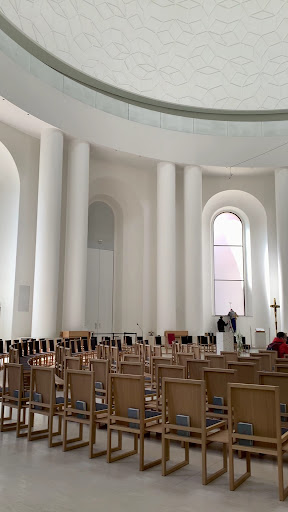
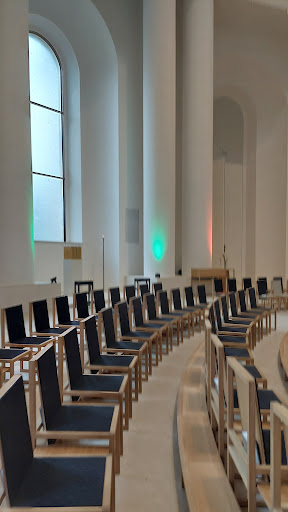
Sankt Hedwigs-Kathedrale things to do, attractions, restaurants, events info and trip planning
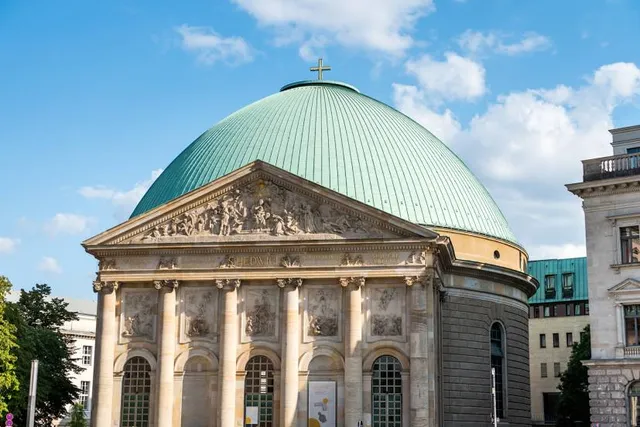
Basic Info
Sankt Hedwigs-Kathedrale
Bebelpl., 10117 Berlin, Germany
4.3(583)
Closed
Save
spot
spot
Ratings & Description
Info
St. Hedwig's Cathedral is a Catholic church on Bebelplatz in the historic centre of Berlin. Dedicated to Hedwig of Silesia, it was erected from 1747 to 1887 by order of Frederick the Great according to plans by Georg Wenzeslaus von Knobelsdorff in Baroque style.
Cultural
Scenic
Accessibility
attractions: Bebelplatz, Memorial to May 10, 1933 Nazi Book Burning, Berlin State Opera, Französischer Dom, PalaisPopulaire, German Historical Museum, Neue Wache, Humboldt University of Berlin, Konzerthaus Berlin, Friedrichswerdersche Church, restaurants: De Rome Restaurant, Julian & Elisa, Beef Grill Club, Augustiner am Gendarmenmarkt, Hauptstadtrestaurant Gendarmerie, Borchardt, NOUMI Mitte, Restaurant Austernbank, Braufactum Hausvogteiplatz, Schinkel Bar, local businesses: Duomo dei Francesi, Reiterstandbild König Friedrich II von Preußen, Schinkel Pavillon, Microsoft Berlin Office, AMPELMANN Shop Unter den Linden, Mensa HU Süd, Deutsches Historisches Museum - Pei-Bau, Unter den Linden, Museum Island, Douglas Berlin Mitte Unter den Linden
 Learn more insights from Wanderboat AI.
Phone
+49 30 3309977100
Website
hedwigs-kathedrale.de
Open hoursSee all hours
Tue11 AM - 6 PMClosed
Plan your stay

Pet-friendly Hotels in Berlin
Find a cozy hotel nearby and make it a full experience.

Affordable Hotels in Berlin
Find a cozy hotel nearby and make it a full experience.

The Coolest Hotels You Haven't Heard Of (Yet)
Find a cozy hotel nearby and make it a full experience.

Trending Stays Worth the Hype in Berlin
Find a cozy hotel nearby and make it a full experience.
Reviews
Live events
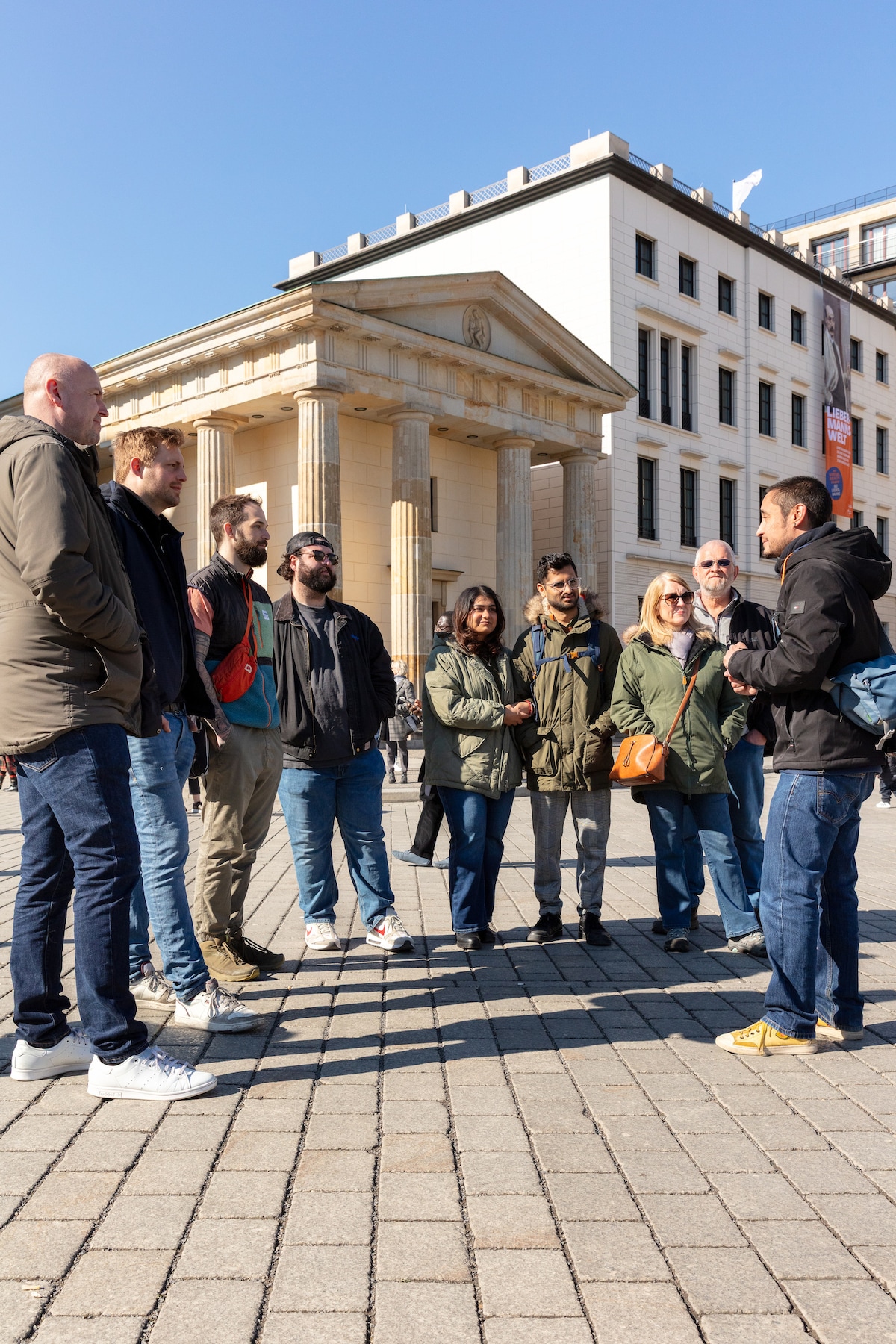
Rude Bastards Tour of® Berlin
Tue, Feb 10 • 10:00 AM
10785, Berlin, Germany
View details
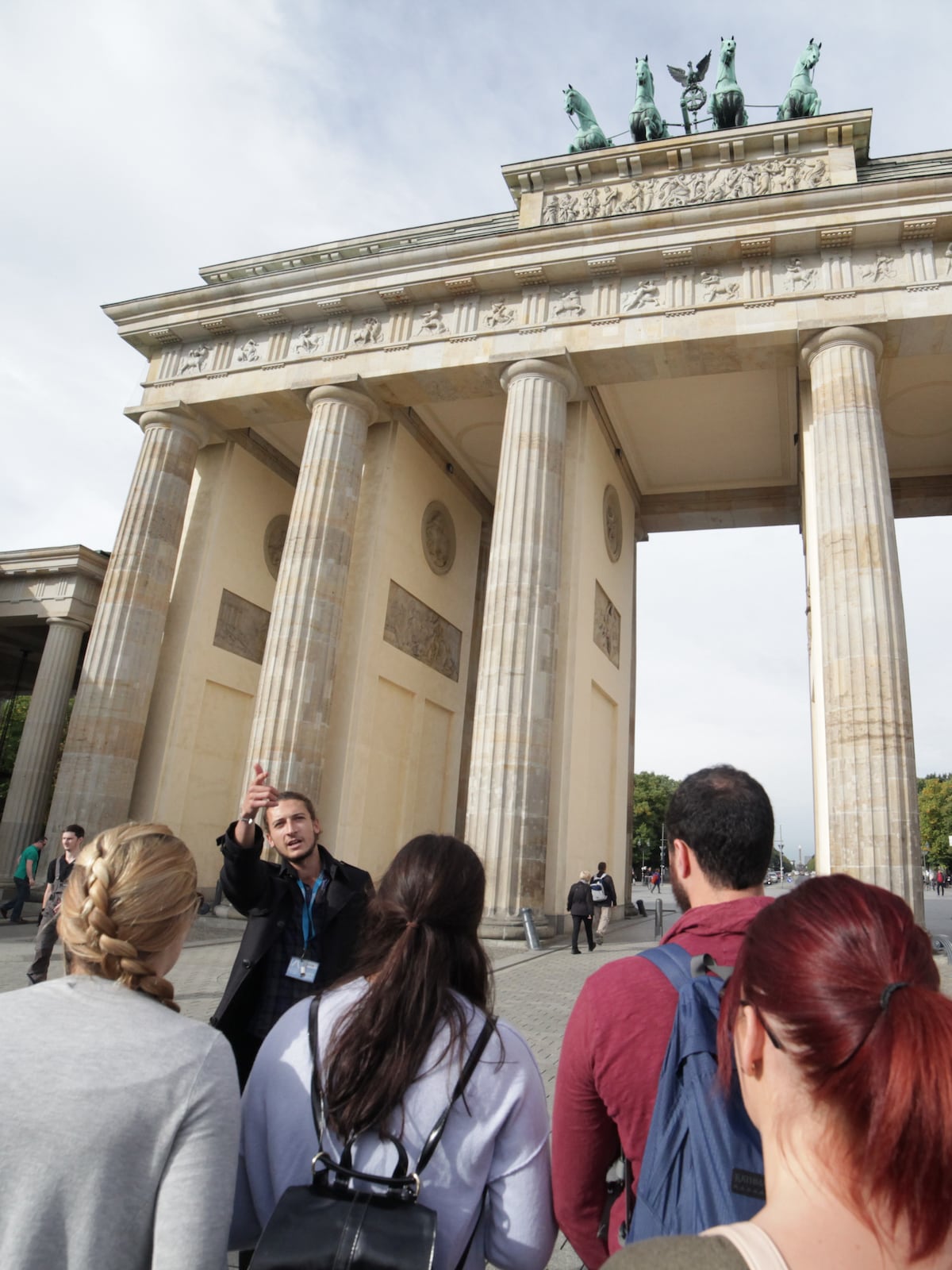
Discover Berlin - Main Sights Tour in English
Tue, Feb 10 • 10:30 AM
10178, Berlin, Germany
View details

Enjoy an English-speaking comedy show
Thu, Feb 12 • 7:45 PM
10117, Berlin, Germany
View details
Nearby attractions of Sankt Hedwigs-Kathedrale
Bebelplatz
Memorial to May 10, 1933 Nazi Book Burning
Berlin State Opera
Französischer Dom
PalaisPopulaire
German Historical Museum
Neue Wache
Humboldt University of Berlin
Konzerthaus Berlin
Friedrichswerdersche Church
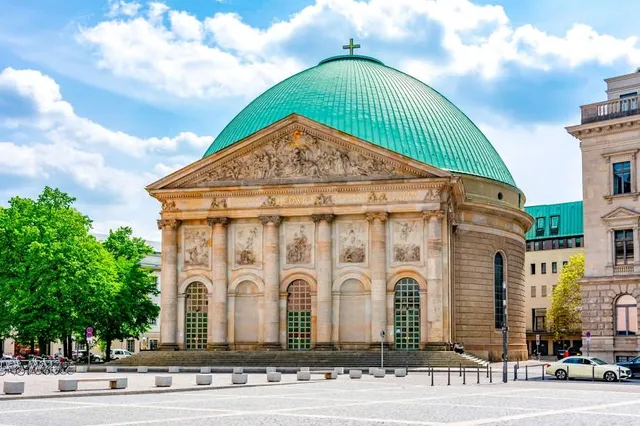
Bebelplatz
4.6
(6.2K)
Open until 12:00 AM
Click for details
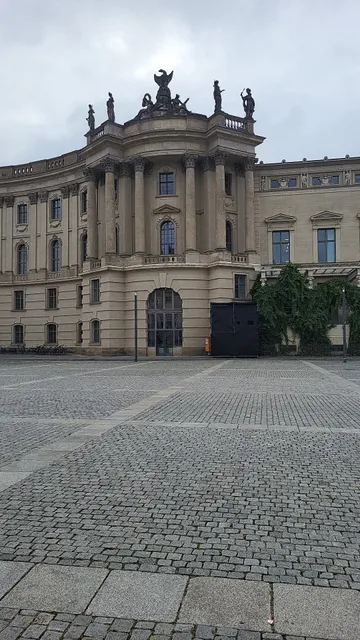
Memorial to May 10, 1933 Nazi Book Burning
4.6
(1.8K)
Open until 12:00 AM
Click for details
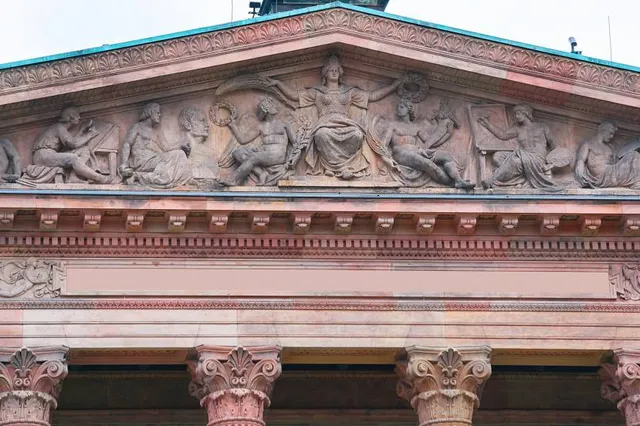
Berlin State Opera
4.7
(2.3K)
Open 24 hours
Click for details
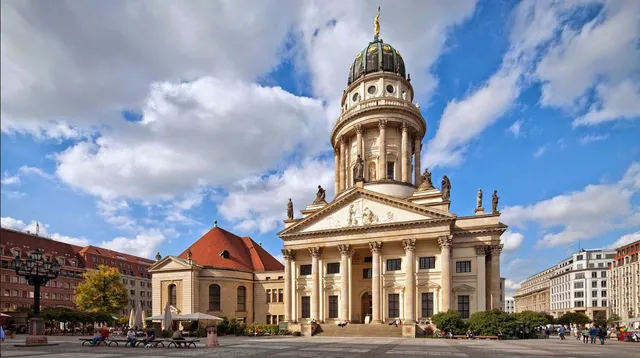
Französischer Dom
4.7
(1.2K)
Open until 12:00 AM
Click for details
Nearby restaurants of Sankt Hedwigs-Kathedrale
De Rome Restaurant
Julian & Elisa
Beef Grill Club
Augustiner am Gendarmenmarkt
Hauptstadtrestaurant Gendarmerie
Borchardt
NOUMI Mitte
Restaurant Austernbank
Braufactum Hausvogteiplatz
Schinkel Bar
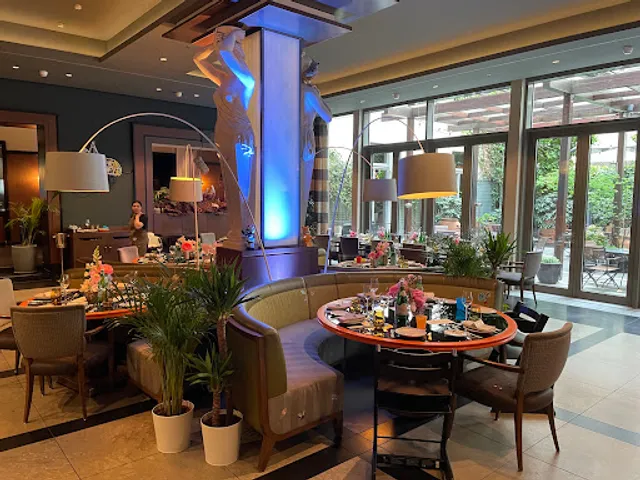
De Rome Restaurant
4.4
(148)
Closed
Click for details
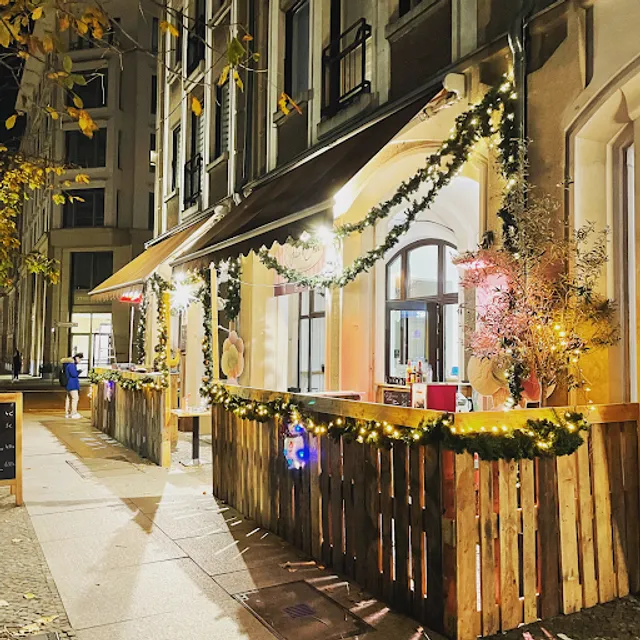
Julian & Elisa
4.5
(380)
$$
Closed
Click for details
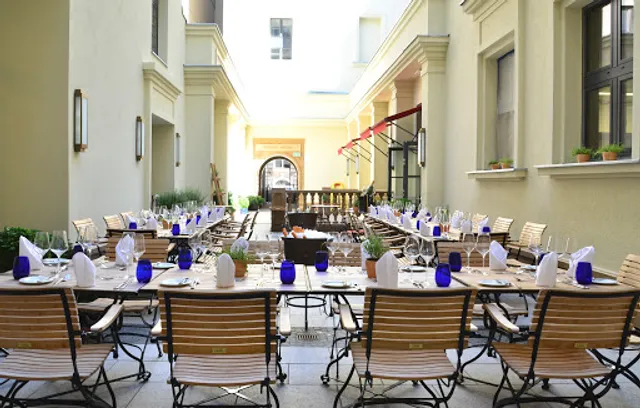
Beef Grill Club
4.2
(193)
Closed
Click for details
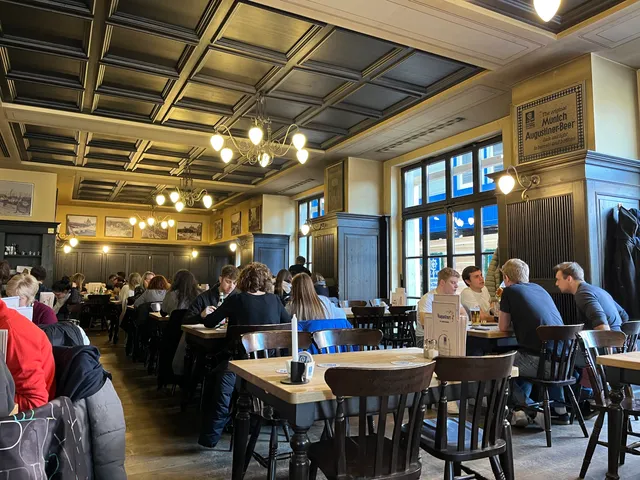
Augustiner am Gendarmenmarkt
4.0
(4.4K)
Closed
Click for details
Nearby local services of Sankt Hedwigs-Kathedrale
Duomo dei Francesi
Reiterstandbild König Friedrich II von Preußen
Schinkel Pavillon
Microsoft Berlin Office
AMPELMANN Shop Unter den Linden
Mensa HU Süd
Deutsches Historisches Museum - Pei-Bau
Unter den Linden
Museum Island
Douglas Berlin Mitte Unter den Linden
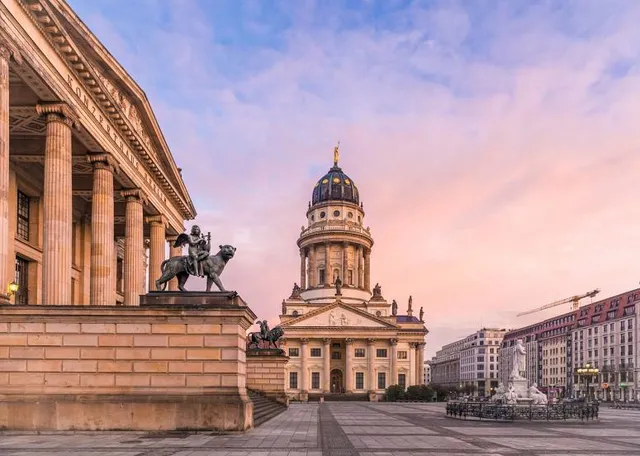
Duomo dei Francesi
4.6
(648)
Click for details
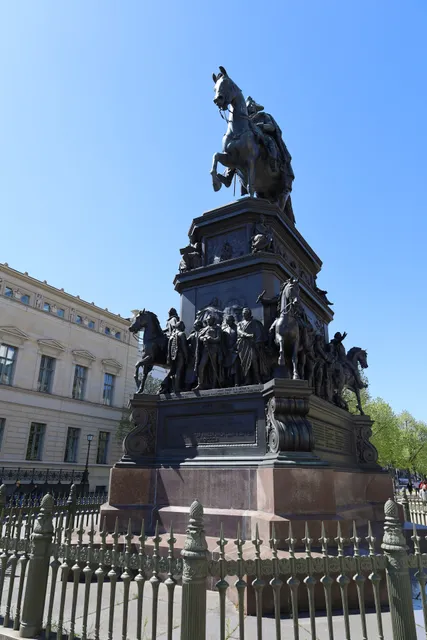
Reiterstandbild König Friedrich II von Preußen
4.5
(304)
Click for details
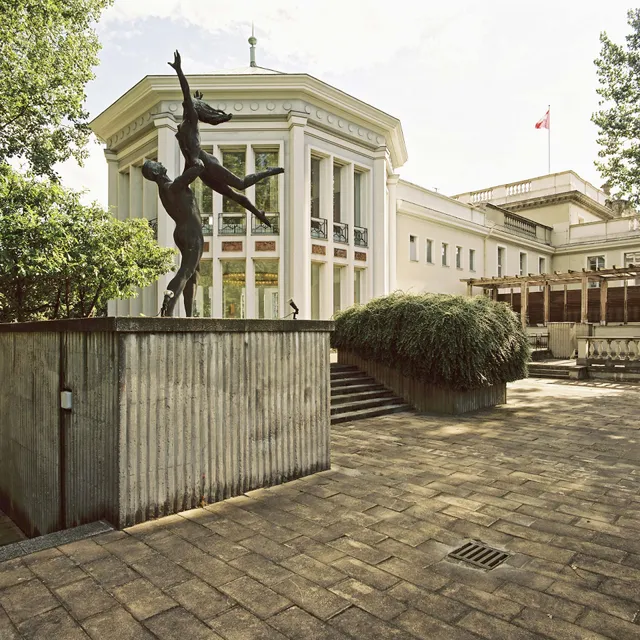
Schinkel Pavillon
4.3
(66)
Click for details
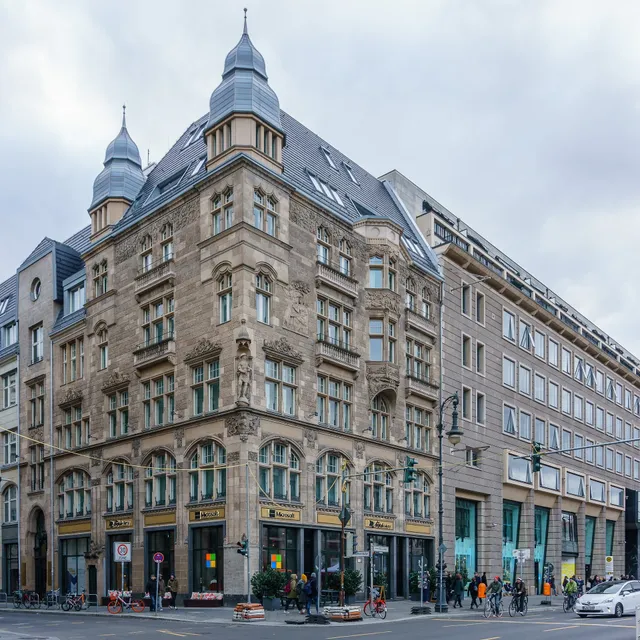
Microsoft Berlin Office
4.4
(377)
Click for details