Feldherrnhalle things to do, attractions, restaurants, events info and trip planning
Basic Info
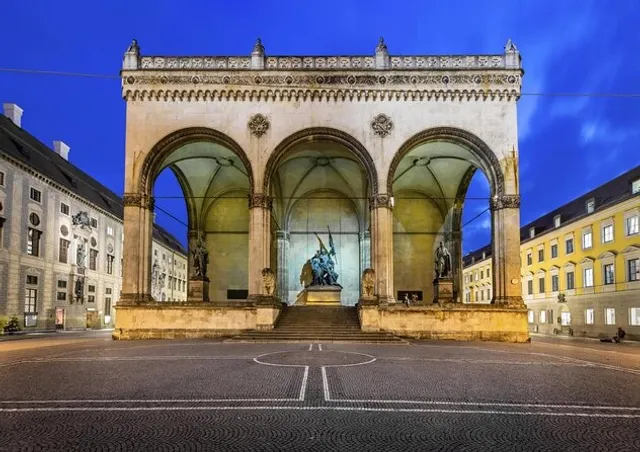
Feldherrnhalle
Residenzstraße 1, 80333 München, Germany
4.5(646)
Open 24 hours
Save
spot
spot
Ratings & Description
Info
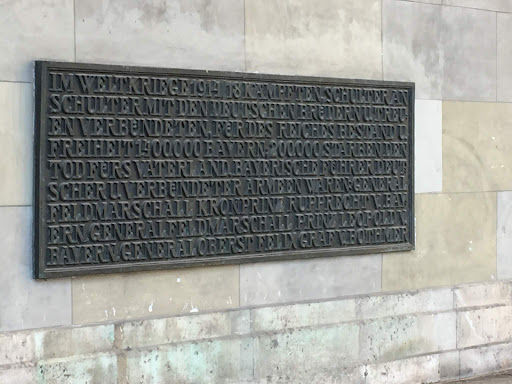
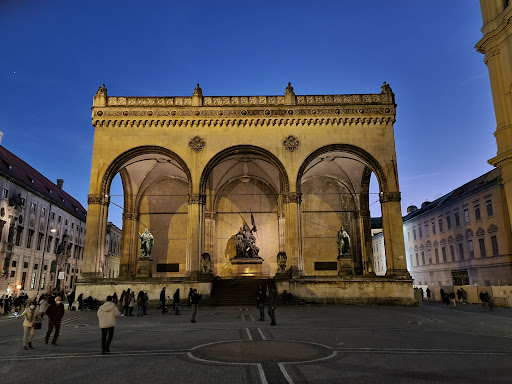
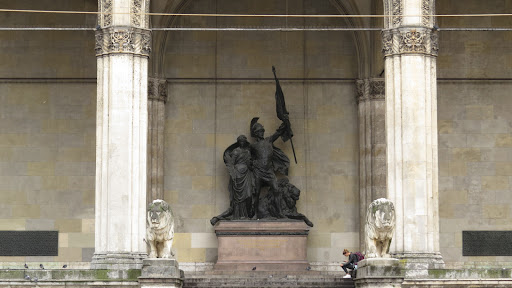
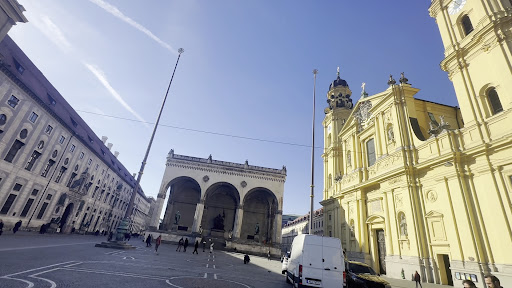
The Feldherrnhalle is a monumental loggia on the Odeonsplatz in Munich, Germany. Modelled after the Loggia dei Lanzi in Florence, it was commissioned in 1841 by King Ludwig I of Bavaria to honour the tradition of the Bavarian Army. In 1923, it was the site of the brief battle that ended Hitler's Beer Hall Putsch.
Cultural
Scenic
attractions: Odeonsplatz, Munich Residenz, Theatine Church, Residenzmuseum, Hofgarten, Wittelsbacherplatz, Kunsthalle der Hypo-Kulturstiftung, Bavarian State Opera, Hercules Hall, Marienplatz, restaurants: Maelu confectionery & café, Pfälzer Residenz Weinstube, TAMBOSI, Spatenhaus at the opera, Frank Weinbar München, VAPIANO München Theatiner Straße, Café Luitpold, Bar Comercial, Zum Franziskaner, aran, local businesses: Douglas München Theatinerstraße, Patrizia Pepe, GALERIA München Marienplatz, Hirmer, Blue Spa Wellness, Douglas München Innovation Flagship Store, Infopoint Museen & Schlösser in Bayern, TimeRide, PRIME TIME fitness Maximilianstrasse, Metzgerei Schäbitz
 Learn more insights from Wanderboat AI.
Phone
+49 89 290671
Website
schloesser.bayern.de
Plan your stay

Pet-friendly Hotels in Munich
Find a cozy hotel nearby and make it a full experience.

Affordable Hotels in Munich
Find a cozy hotel nearby and make it a full experience.

The Coolest Hotels You Haven't Heard Of (Yet)
Find a cozy hotel nearby and make it a full experience.

Trending Stays Worth the Hype in Munich
Find a cozy hotel nearby and make it a full experience.
Reviews
Live events
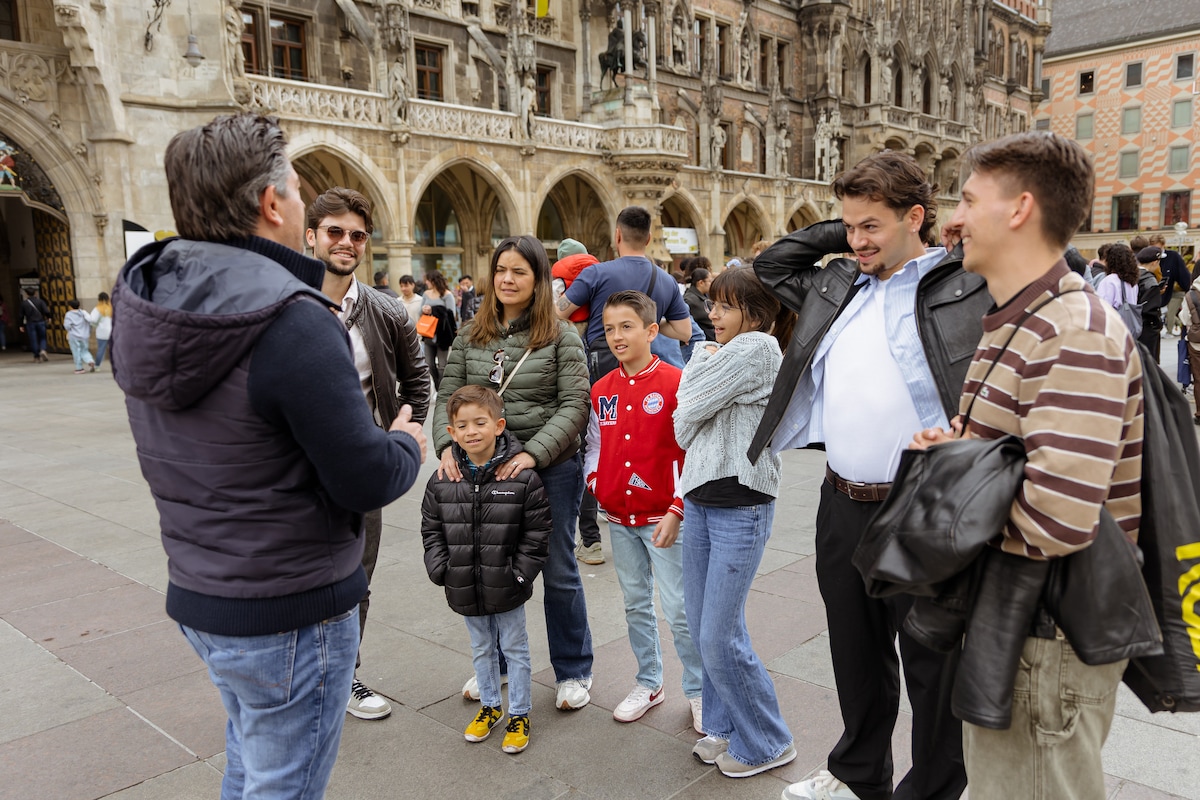
A walk through the history of Munich
Fri, Jan 16 • 10:30 AM
80331, Munich, Germany
View details
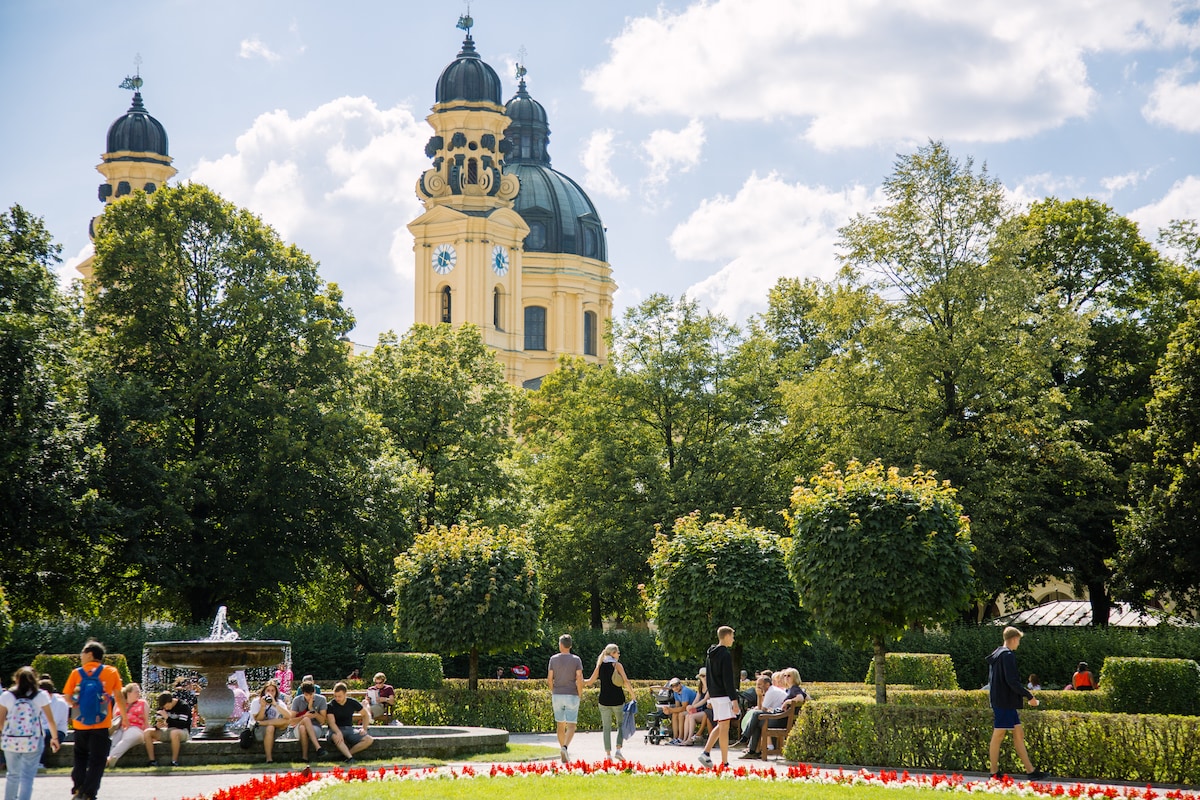
Bike through Munichs beer gardens and highlights
Fri, Jan 16 • 10:30 AM
80335, Munich, Germany
View details
Nearby attractions of Feldherrnhalle
Odeonsplatz
Munich Residenz
Theatine Church
Residenzmuseum
Hofgarten
Wittelsbacherplatz
Kunsthalle der Hypo-Kulturstiftung
Bavarian State Opera
Hercules Hall
Marienplatz
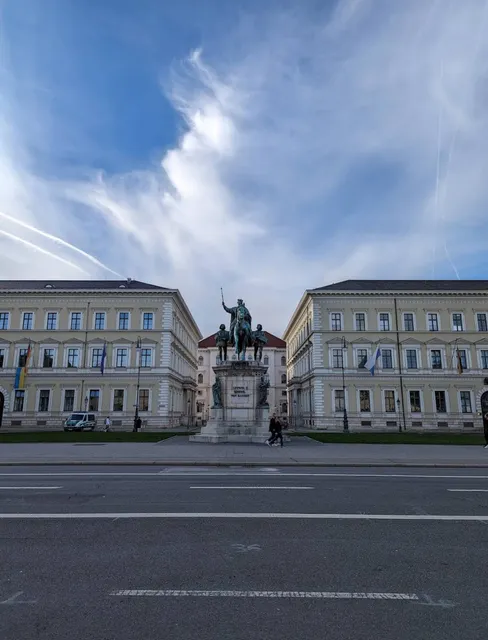
Odeonsplatz
4.6
(8.2K)
Open until 12:00 AM
Click for details
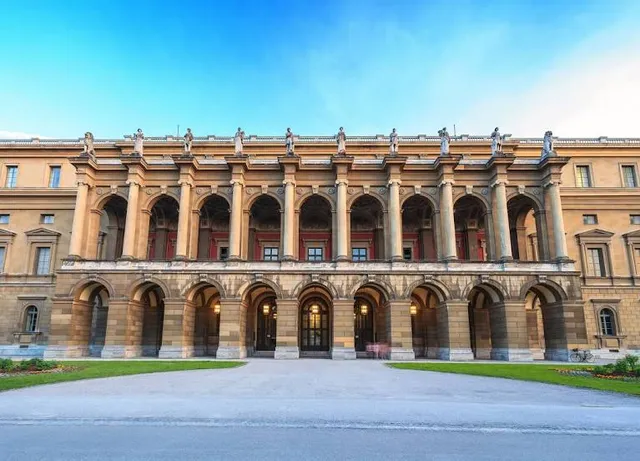
Munich Residenz
4.6
(8.2K)
Open 24 hours
Click for details
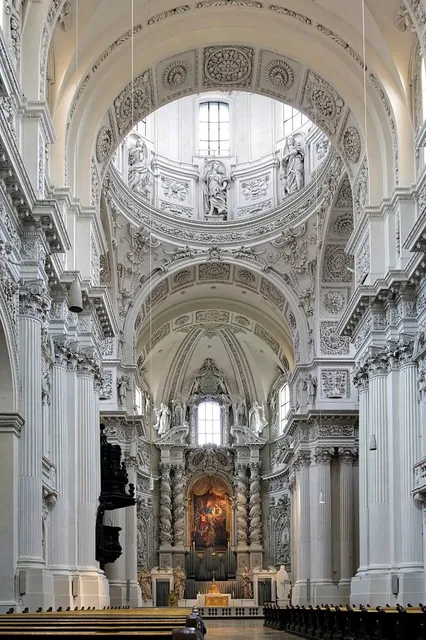
Theatine Church
4.7
(749)
Open 24 hours
Click for details
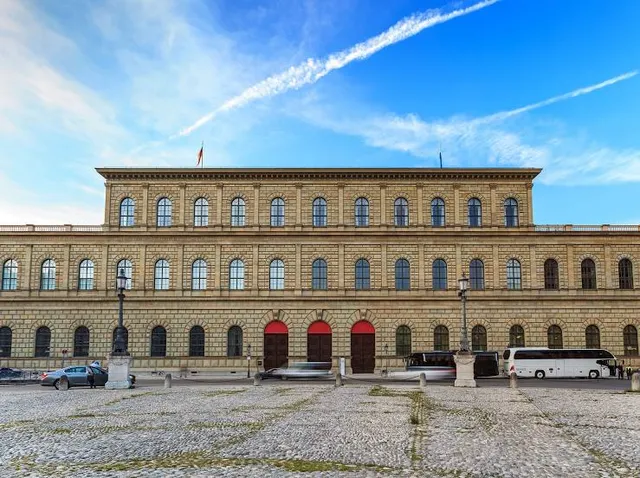
Residenzmuseum
4.7
(1.9K)
Closed
Click for details
Nearby restaurants of Feldherrnhalle
Maelu confectionery & café
Pfälzer Residenz Weinstube
TAMBOSI
Spatenhaus at the opera
Frank Weinbar München
VAPIANO München Theatiner Straße
Café Luitpold
Bar Comercial
Zum Franziskaner
aran
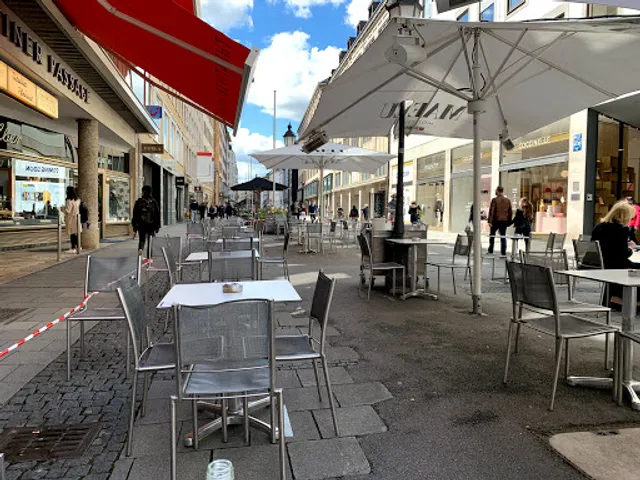
Maelu confectionery & café
4.5
(1.3K)
$$$
Closed
Click for details
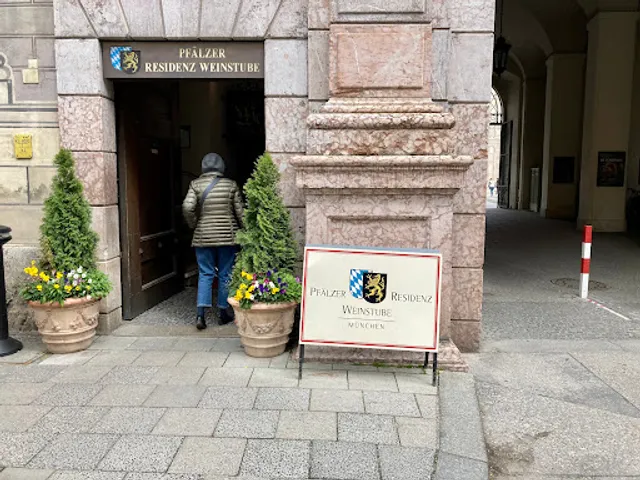
Pfälzer Residenz Weinstube
4.0
(396)
Closed
Click for details
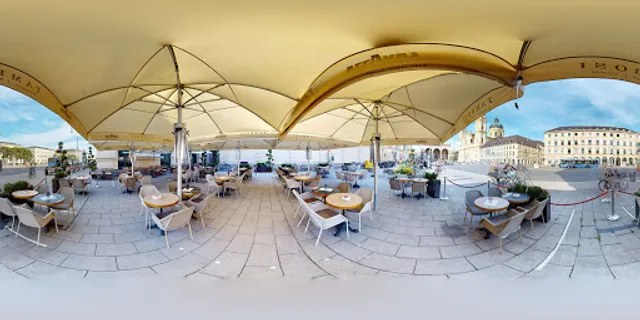
TAMBOSI
3.4
(1.4K)
$$$
Closed
Click for details
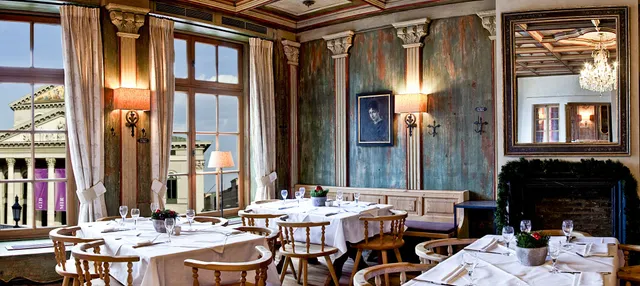
Spatenhaus at the opera
4.3
(2.5K)
$$
Closed
Click for details
Nearby local services of Feldherrnhalle
Douglas München Theatinerstraße
Patrizia Pepe
GALERIA München Marienplatz
Hirmer
Blue Spa Wellness
Douglas München Innovation Flagship Store
Infopoint Museen & Schlösser in Bayern
TimeRide
PRIME TIME fitness Maximilianstrasse
Metzgerei Schäbitz
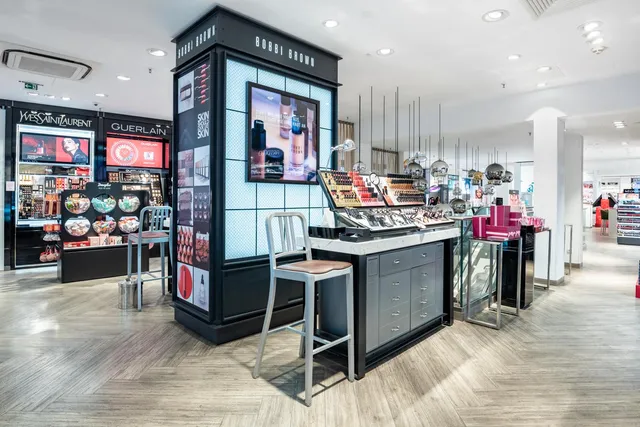
Douglas München Theatinerstraße
4.0
(292)
Click for details
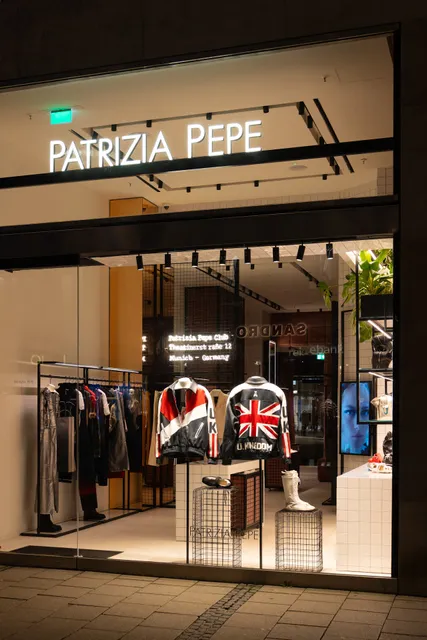
Patrizia Pepe
4.1
(27)
Click for details
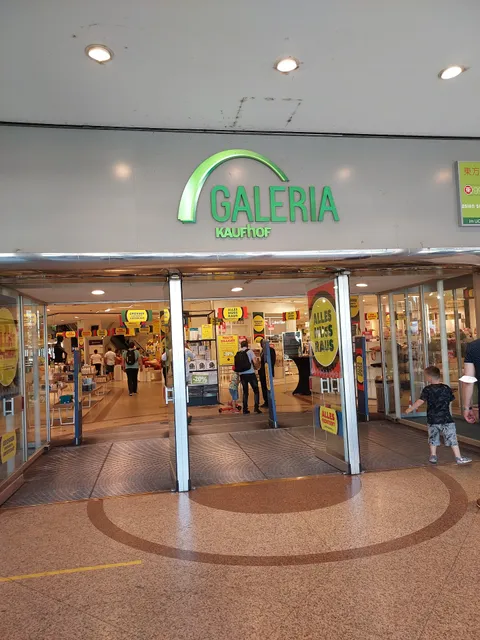
GALERIA München Marienplatz
4.2
(4.6K)
Click for details
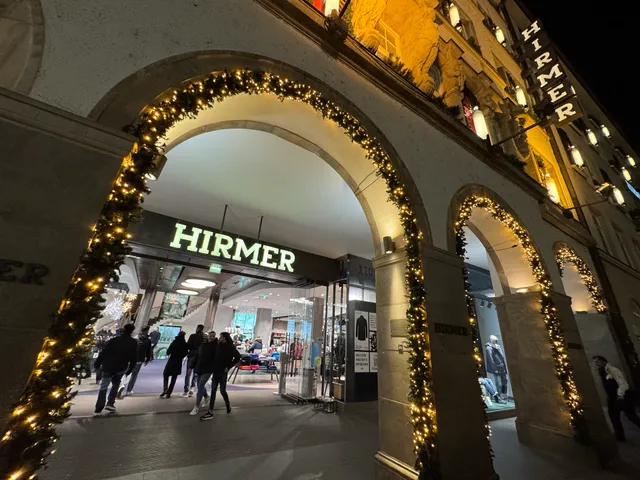
Hirmer
4.5
(1.9K)
Click for details