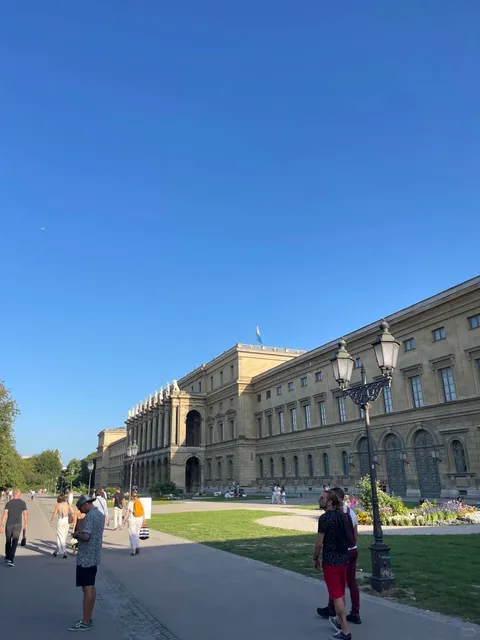
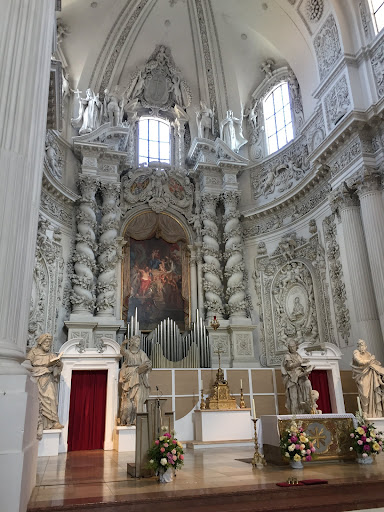
Theatine Church things to do, attractions, restaurants, events info and trip planning
Basic Info
Theatine Church
Theatinerstraße 22, 80333 München, Germany
4.7(742)
Open 24 hours
Save
spot
spot
Ratings & Description
Info
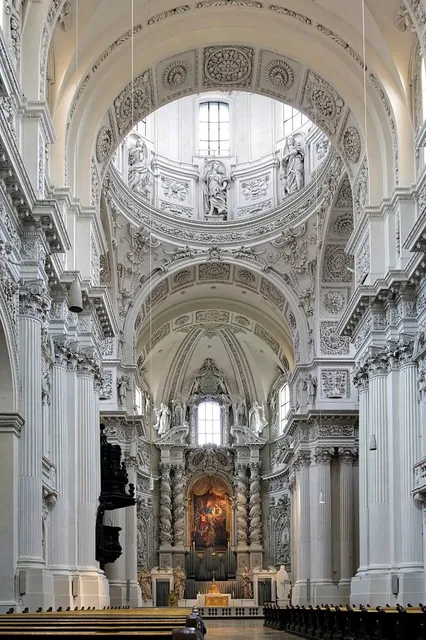
The Theatine Church of St. Cajetan and Adelaide is a Catholic church in Munich, southern Germany. Built from 1663 to 1690, it was founded by Elector Ferdinand Maria and his wife, Henriette Adelaide of ...
Cultural
Scenic
Accessibility
attractions: Odeonsplatz, Munich Residenz, Feldherrnhalle, Wittelsbacherplatz, Residenzmuseum, Kunsthalle der Hypo-Kulturstiftung, Bavarian State Opera, Marienplatz, Hofgarten, Hercules Hall, restaurants: Café Luitpold, Maelu confectionery & café, TAMBOSI, Pfälzer Residenz Weinstube, VAPIANO München Theatiner Straße, KOI Restaurant, Bar Comercial, Spatenhaus at the opera, Brasserie OskarMaria, Sangeet Indisches Restaurant, local businesses: Odeonsplatz, Fünf Höfe, Douglas München Theatinerstraße, Max-Joseph-Platz, Max-Joseph-Platz, Patrizia Pepe, Maximiliansplatz, Elly Seidl chocolates, GALERIA München Marienplatz, Marienplatz
 Learn more insights from Wanderboat AI.
Phone
+49 89 2106960
Website
theatinerkirche.de
Plan your stay

Pet-friendly Hotels in Munich
Find a cozy hotel nearby and make it a full experience.

Affordable Hotels in Munich
Find a cozy hotel nearby and make it a full experience.

The Coolest Hotels You Haven't Heard Of (Yet)
Find a cozy hotel nearby and make it a full experience.

Trending Stays Worth the Hype in Munich
Find a cozy hotel nearby and make it a full experience.
Reviews
Live events
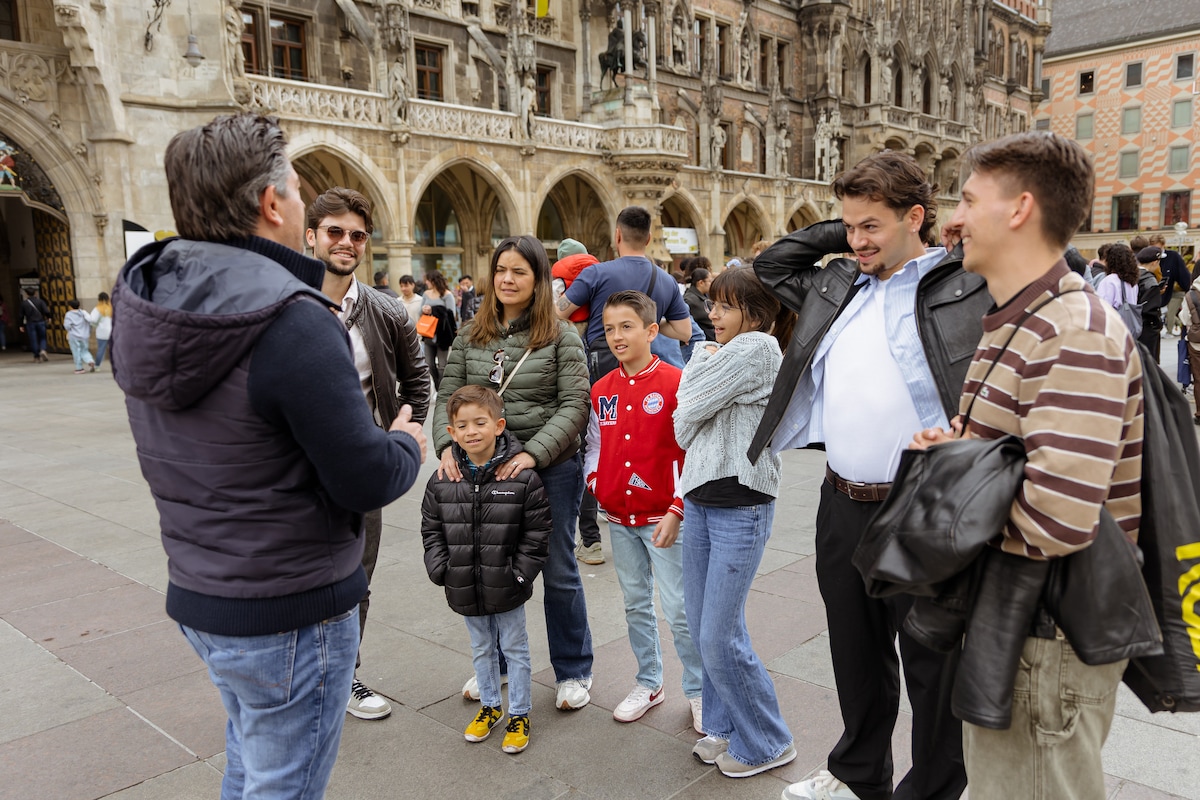
A walk through the history of Munich
Fri, Feb 13 • 10:30 AM
80331, Munich, Germany
View details
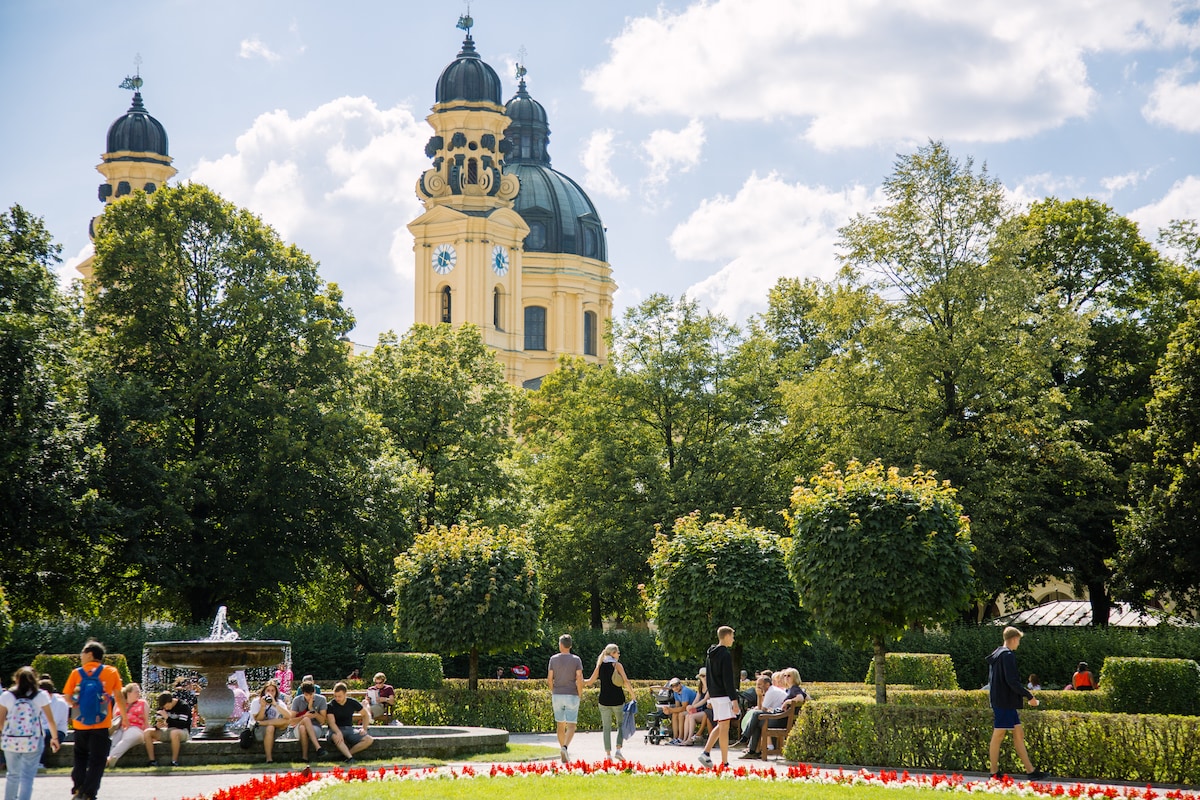
Bike through Munichs beer gardens and highlights
Sat, Feb 14 • 10:30 AM
80335, Munich, Germany
View details
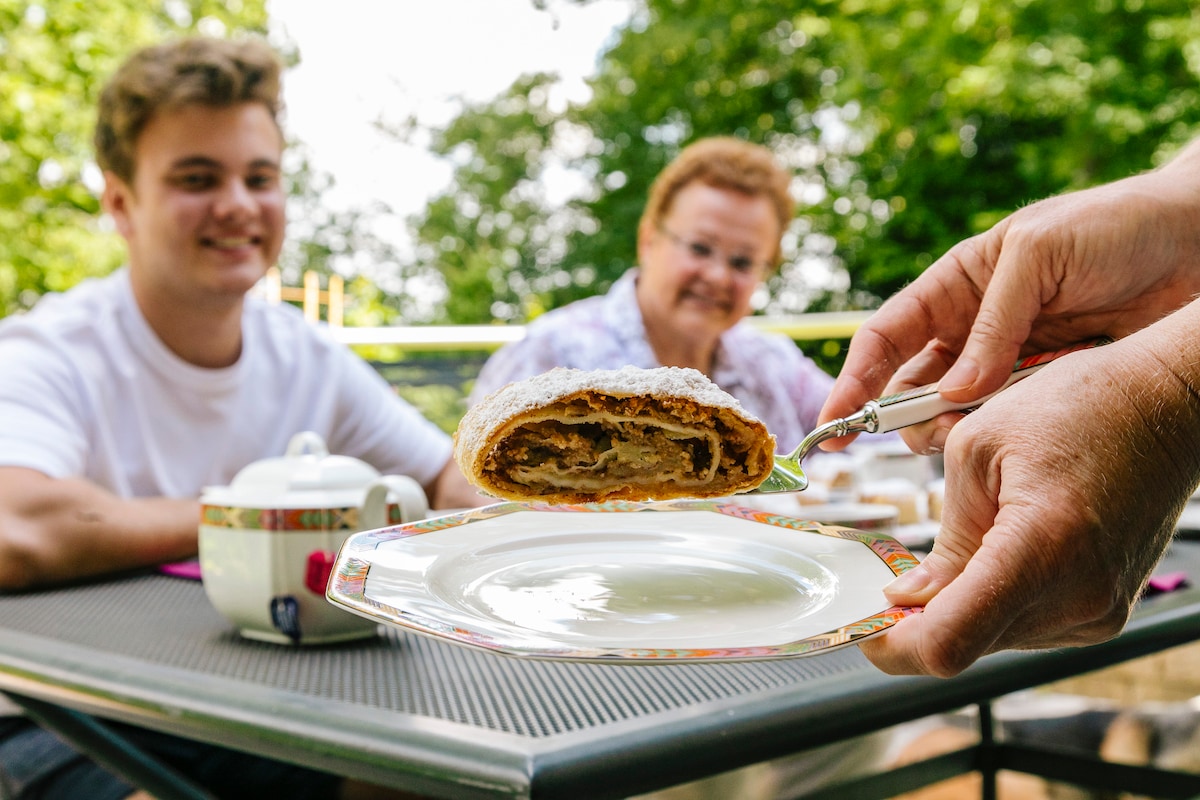
Bake a traditional apple strudel
Tue, Feb 17 • 1:00 PM
85457, Wörth, Germany
View details
Nearby attractions of Theatine Church
Odeonsplatz
Munich Residenz
Feldherrnhalle
Wittelsbacherplatz
Residenzmuseum
Kunsthalle der Hypo-Kulturstiftung
Bavarian State Opera
Marienplatz
Hofgarten
Hercules Hall
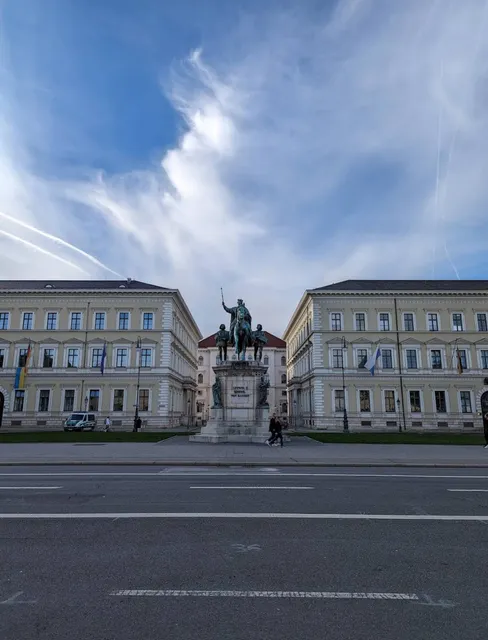
Odeonsplatz
4.6
(8.2K)
Open until 12:00 AM
Click for details
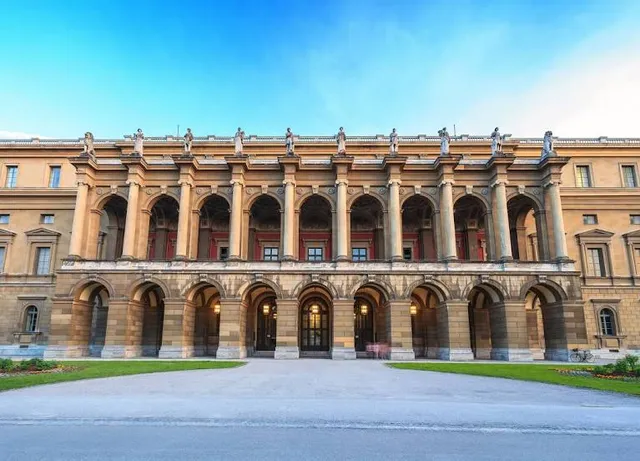
Munich Residenz
4.6
(8K)
Open 24 hours
Click for details
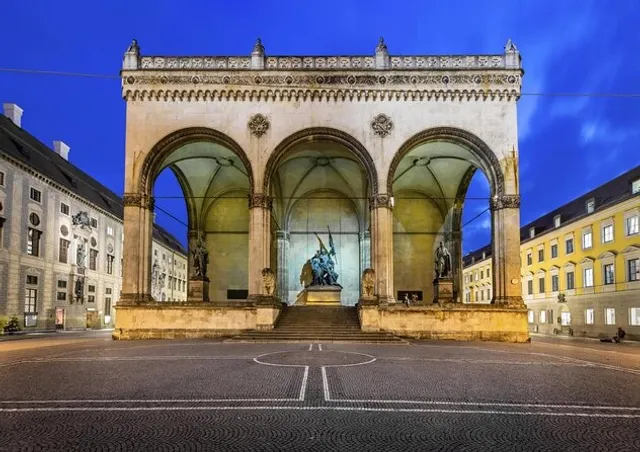
Feldherrnhalle
4.5
(659)
Open 24 hours
Click for details
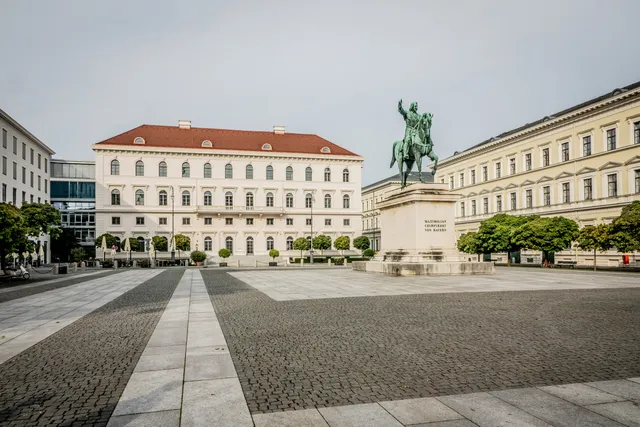
Wittelsbacherplatz
4.5
(1.1K)
Open until 12:00 AM
Click for details
Nearby restaurants of Theatine Church
Café Luitpold
Maelu confectionery & café
TAMBOSI
Pfälzer Residenz Weinstube
VAPIANO München Theatiner Straße
KOI Restaurant
Bar Comercial
Spatenhaus at the opera
Brasserie OskarMaria
Sangeet Indisches Restaurant
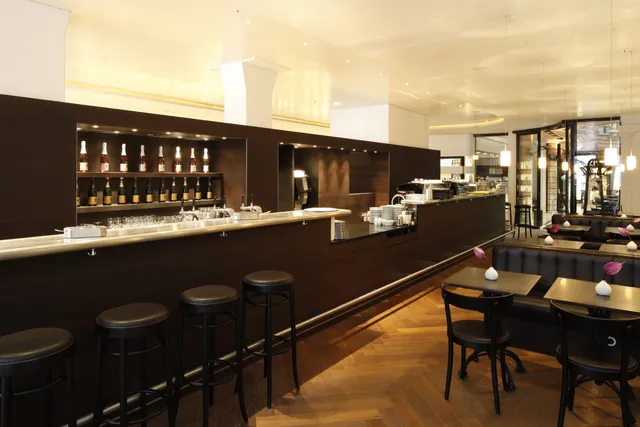
Café Luitpold
3.9
(2K)
Open until 10:00 PM
Click for details
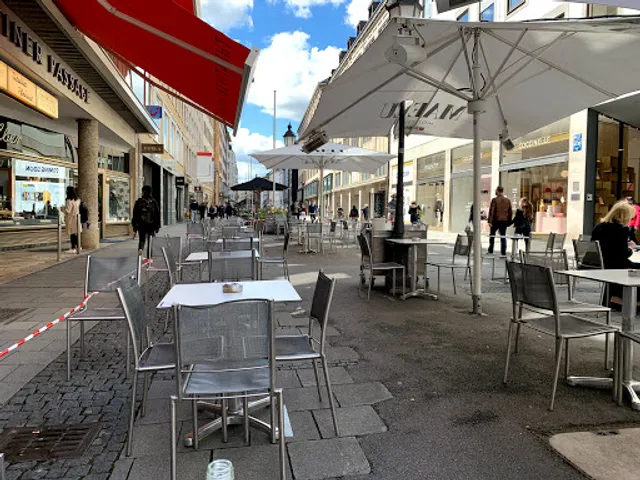
Maelu confectionery & café
4.5
(1.3K)
$$$
Closed
Click for details
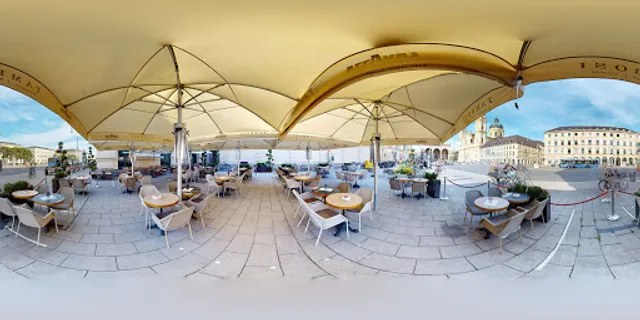
TAMBOSI
3.4
(1.4K)
$$$
Open until 3:00 AM
Click for details
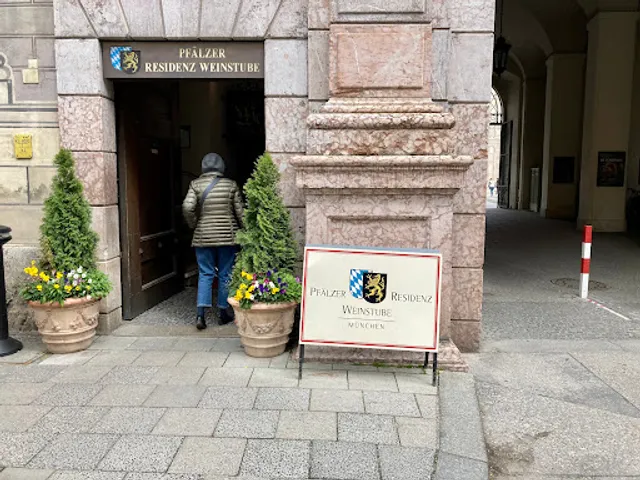
Pfälzer Residenz Weinstube
4.0
(391)
Closed
Click for details
Nearby local services of Theatine Church
Odeonsplatz
Fünf Höfe
Douglas München Theatinerstraße
Max-Joseph-Platz
Max-Joseph-Platz
Patrizia Pepe
Maximiliansplatz
Elly Seidl chocolates
GALERIA München Marienplatz
Marienplatz
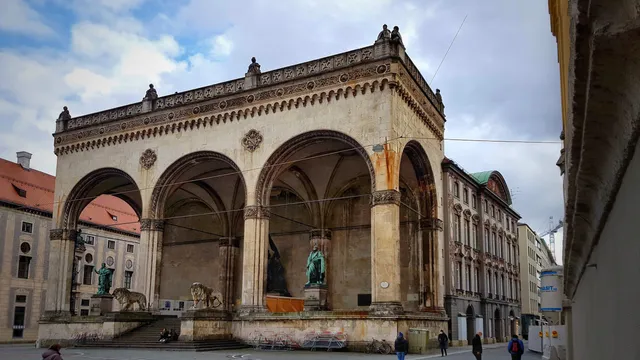
Odeonsplatz
4.6
(6.8K)
Click for details
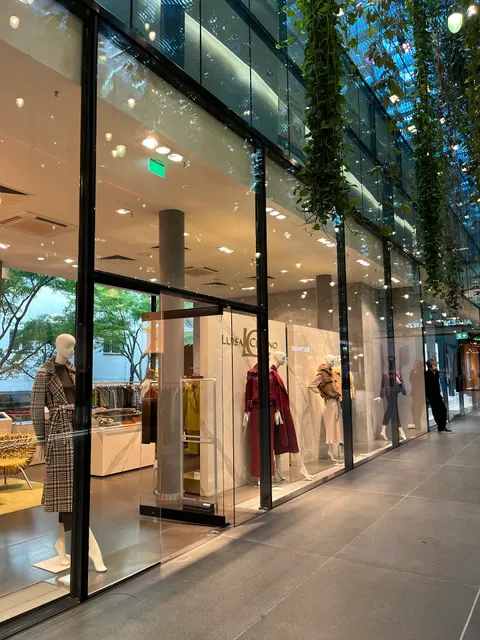
Fünf Höfe
4.4
(2.7K)
Click for details
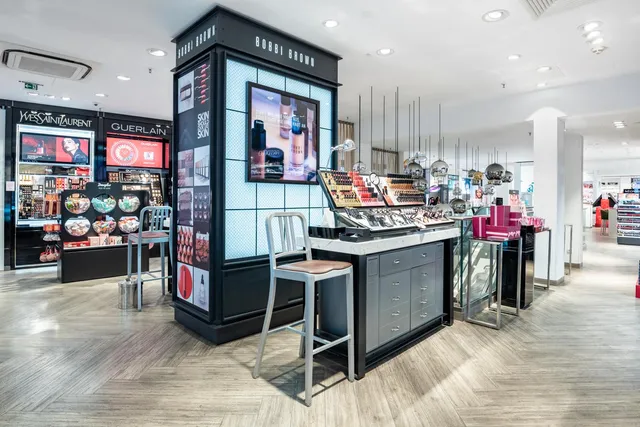
Douglas München Theatinerstraße
4.0
(298)
Click for details
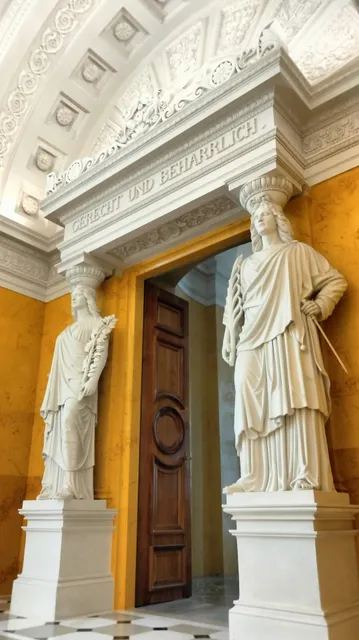
Max-Joseph-Platz
4.6
(457)
Click for details