New Town Hall things to do, attractions, restaurants, events info and trip planning
Basic Info
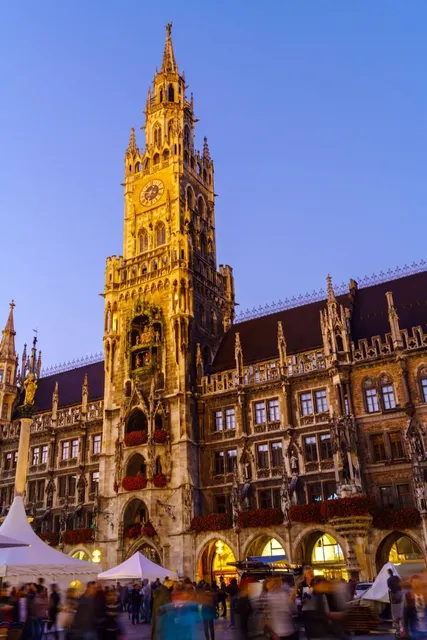
New Town Hall
Marienplatz 8, 80331 München, Germany
4.7(975)
Closed


tickets
Save
spot
spot
Ratings & Description
Info
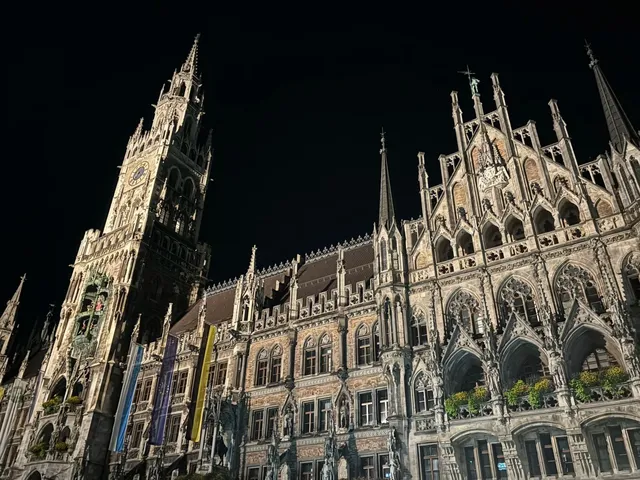
The New Town Hall is a town hall forms the northern part of Marienplatz in Munich, Bavaria, Germany. It hosts the city government including the city council, offices of the mayors and a small portion of the administration. In 1874 the municipality had left the Old Town Hall for its new domicile.
Cultural
Accessibility
attractions: Marienplatz, Rathaus-Glockenspiel, Fischbrunnen, Mariensäule, Toy Museum Munich, Frauenkirche, Juristische Bibliothek, Rathausturm, Heilig Geist, Kunsthalle der Hypo-Kulturstiftung, restaurants: Hofbräuhaus München, Donisl, Wildmosers Restaurant-Cafe am Marienplatz - München, Rischart Café am Marienplatz, Dallmayr Delikatessenhaus, Weisses Bräuhaus im Tal, Cafe Glockenspiel GmbH, Kilians Irish Pub, ALIS SUPERFOOD, Nuernberger Bratwurst Gloeckl am Dom, local businesses: Viktualienmarkt, St. Peter, GALERIA München Marienplatz, Marienplatz, Alter Hof, Sephora Munich, Metzgerei Schäbitz, Fünf Höfe, Confiserie Heinemann, Elly Seidl chocolates
 Learn more insights from Wanderboat AI.
Phone
+49 89 115
Website
muenchen.de
Open hoursSee all hours
Wed10 AM - 7 PMClosed
Plan your stay

Pet-friendly Hotels in Munich
Find a cozy hotel nearby and make it a full experience.

Affordable Hotels in Munich
Find a cozy hotel nearby and make it a full experience.

The Coolest Hotels You Haven't Heard Of (Yet)
Find a cozy hotel nearby and make it a full experience.

Trending Stays Worth the Hype in Munich
Find a cozy hotel nearby and make it a full experience.
Reviews
Live events
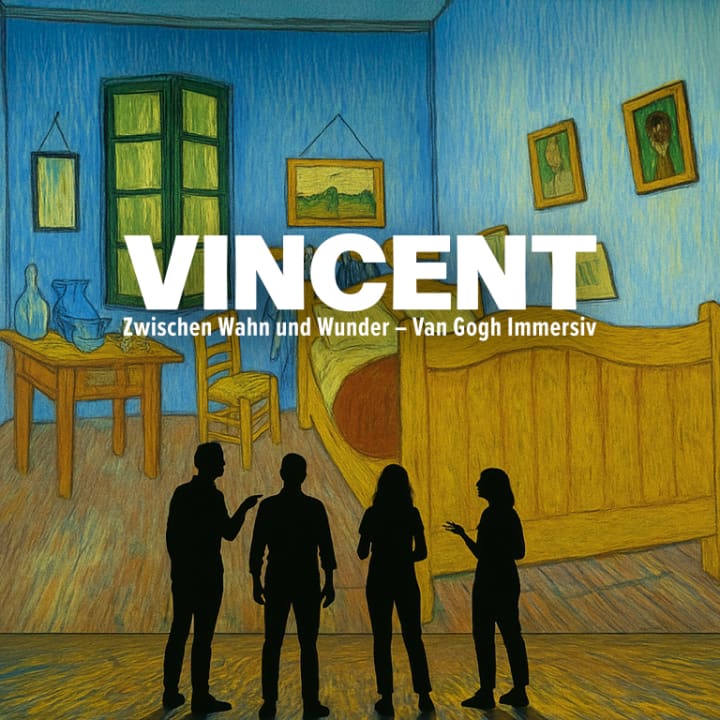
VINCENT - Zwischen Wahn und Wunder
Wed, Feb 11 • 10:00 AM
Heßstraße 132, München-Schwabing-West, 80797
View details
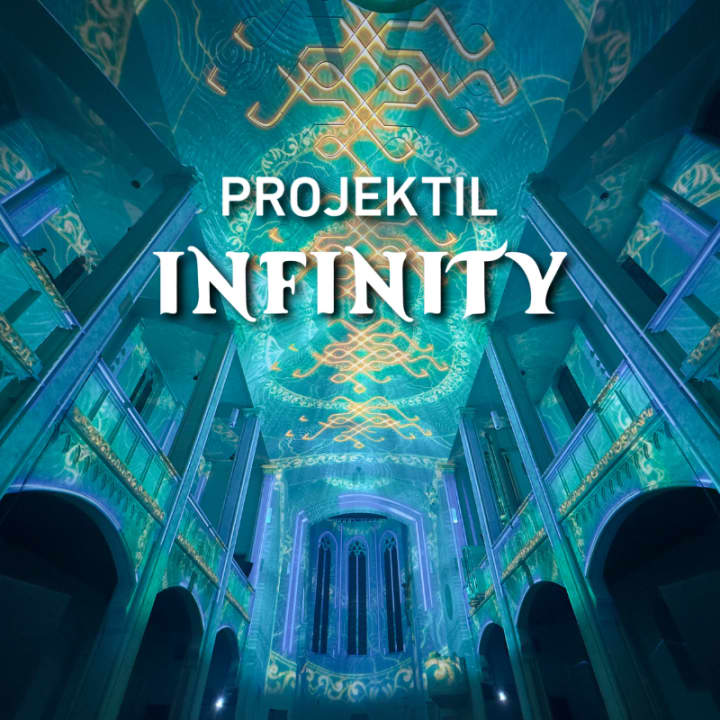
PROJEKTIL presents: INFINITY – Kosmisches Staunen erleben!
Wed, Feb 11 • 6:30 PM
Gabelsbergerstraße 6, München-Maxvorstadt, 80333
View details
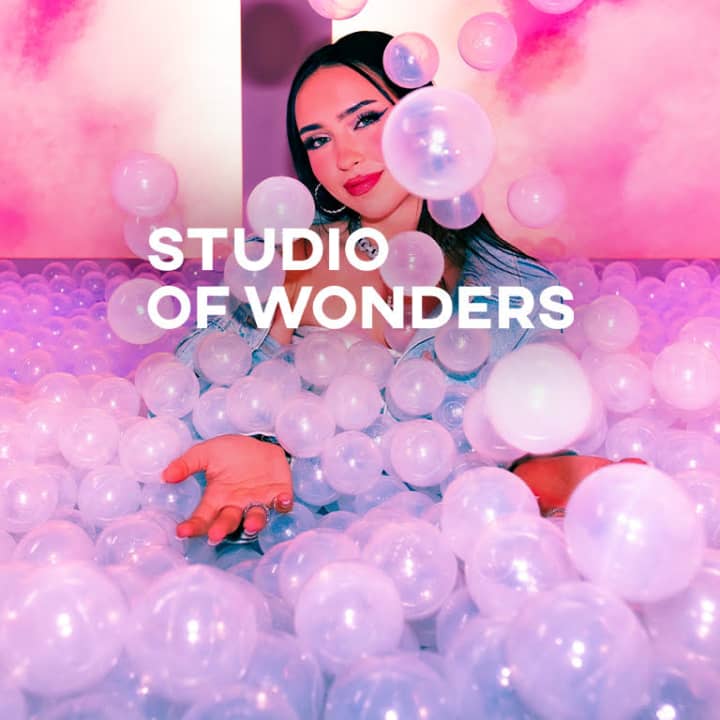
Studio of Wonders: Immersive Experience
Wed, Feb 11 • 11:00 AM
Sendlinger Straße 10, München, 80331
View details
Nearby attractions of New Town Hall
Marienplatz
Rathaus-Glockenspiel
Fischbrunnen
Mariensäule
Toy Museum Munich
Frauenkirche
Juristische Bibliothek
Rathausturm
Heilig Geist
Kunsthalle der Hypo-Kulturstiftung
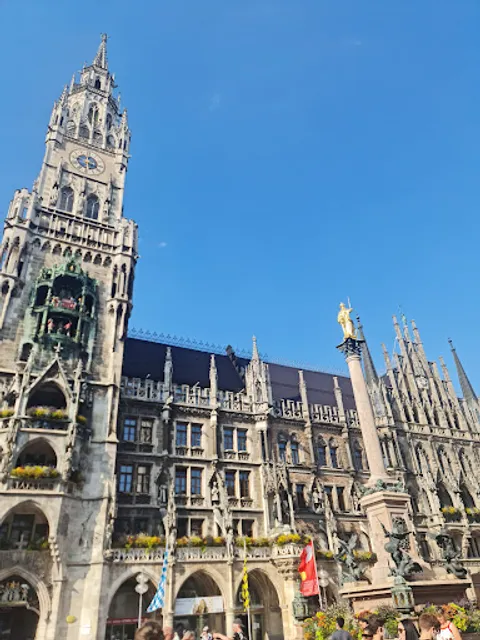
Marienplatz
4.7
(48.6K)
Open 24 hours
Click for details
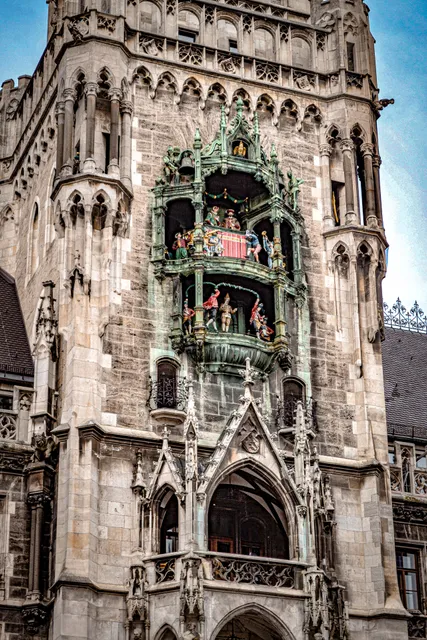
Rathaus-Glockenspiel
4.7
(1.0K)
Closed
Click for details
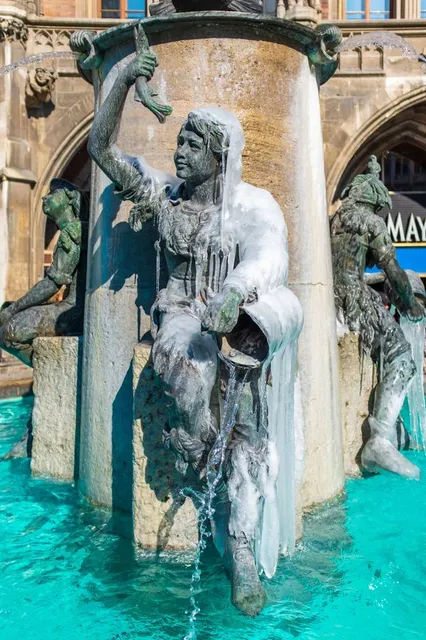
Fischbrunnen
4.6
(636)
Open 24 hours
Click for details
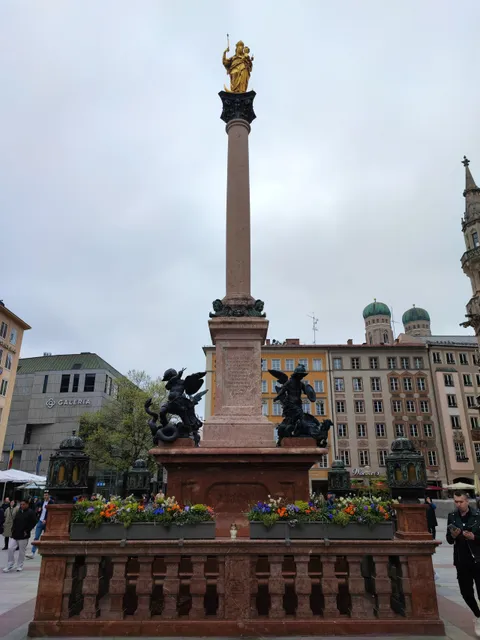
Mariensäule
4.7
(443)
Open until 12:00 AM
Click for details
Nearby restaurants of New Town Hall
Hofbräuhaus München
Donisl
Wildmosers Restaurant-Cafe am Marienplatz - München
Rischart Café am Marienplatz
Dallmayr Delikatessenhaus
Weisses Bräuhaus im Tal
Cafe Glockenspiel GmbH
Kilians Irish Pub
ALIS SUPERFOOD
Nuernberger Bratwurst Gloeckl am Dom
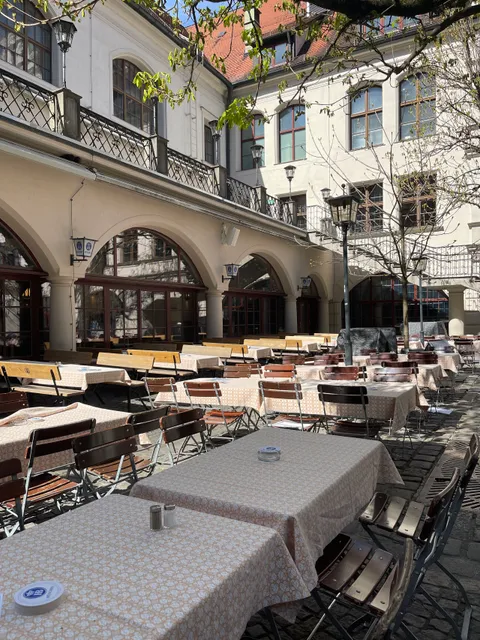
Hofbräuhaus München
4.3
(32.8K)
Closed
Click for details
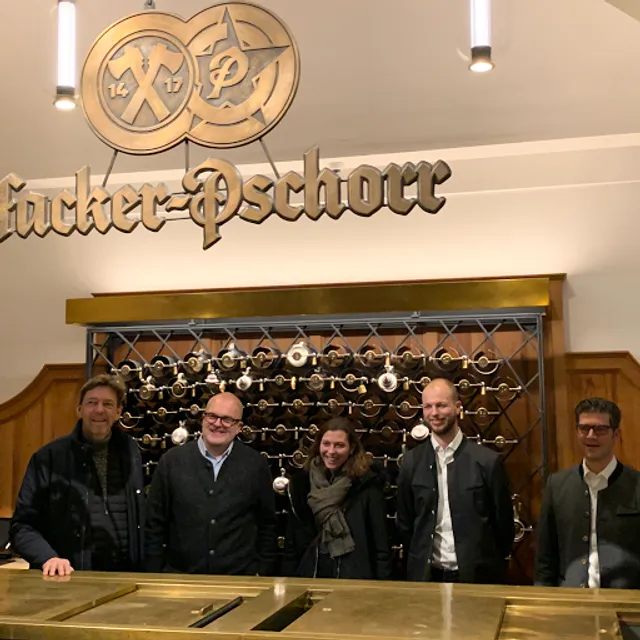
Donisl
3.9
(2.5K)
Closed
Click for details
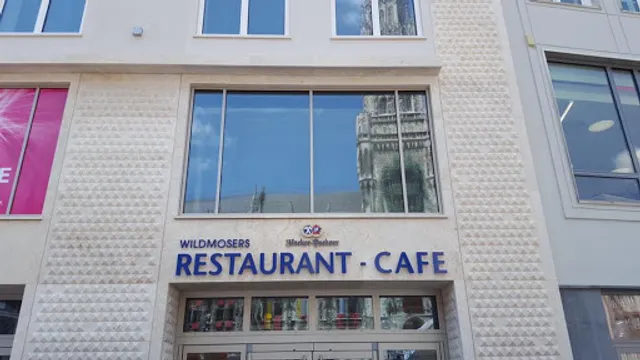
Wildmosers Restaurant-Cafe am Marienplatz - München
4.8
(1.3K)
Closed
Click for details
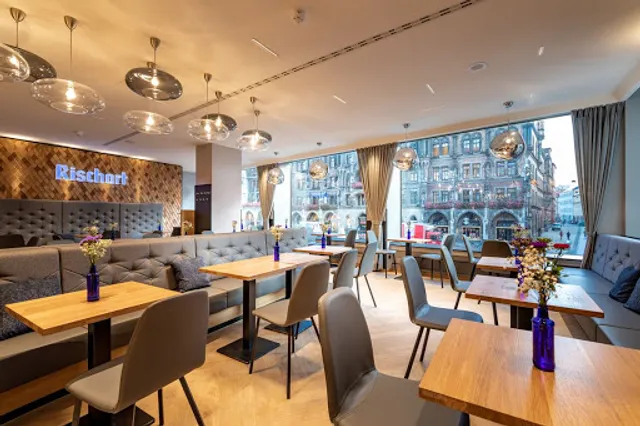
Rischart Café am Marienplatz
3.2
(1.6K)
Closed
Click for details
Nearby local services of New Town Hall
Viktualienmarkt
St. Peter
GALERIA München Marienplatz
Marienplatz
Alter Hof
Sephora Munich
Metzgerei Schäbitz
Fünf Höfe
Confiserie Heinemann
Elly Seidl chocolates
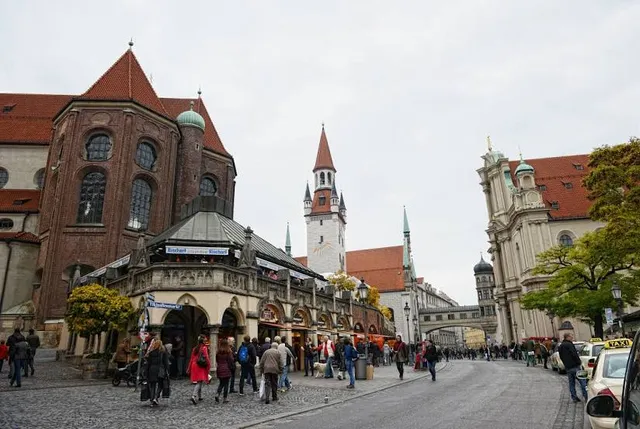
Viktualienmarkt
4.6
(22.3K)
Click for details
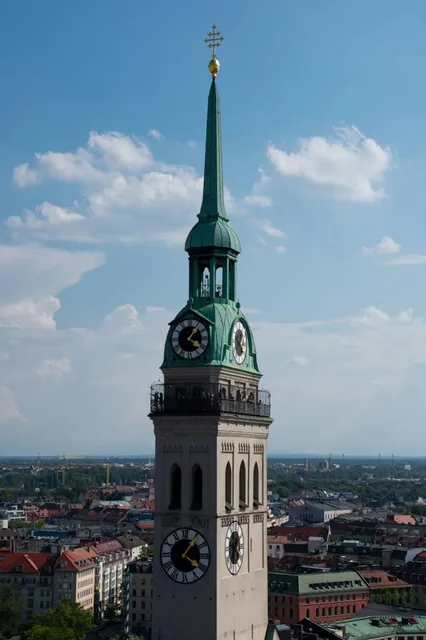
St. Peter
4.7
(2.3K)
Click for details
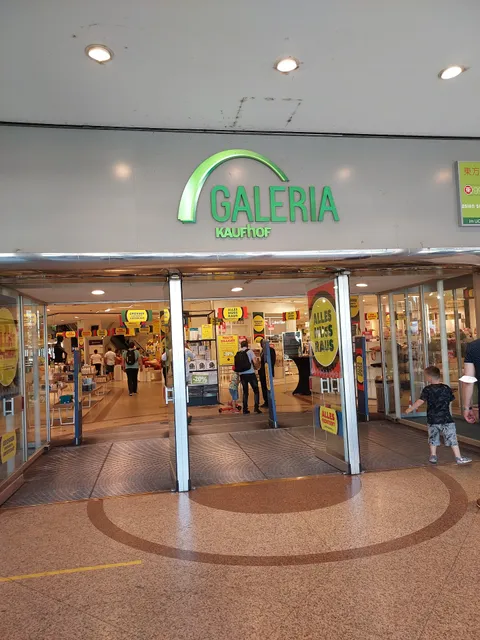
GALERIA München Marienplatz
4.2
(4.6K)
Click for details
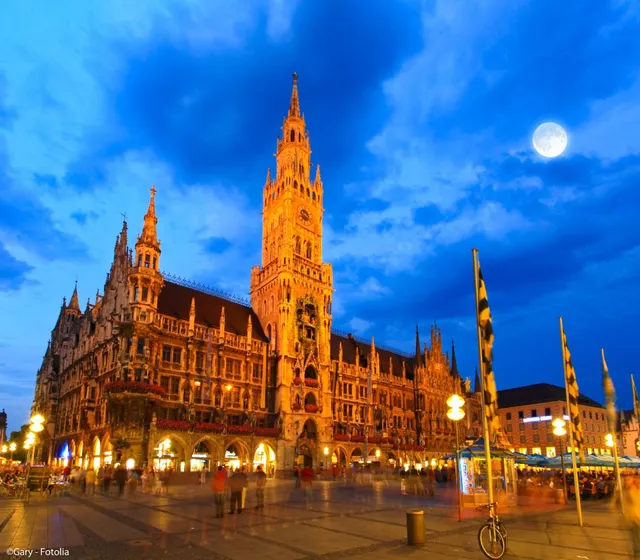
Marienplatz
3.9
(957)
Click for details