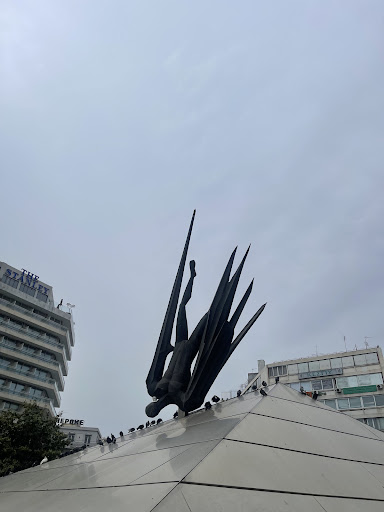
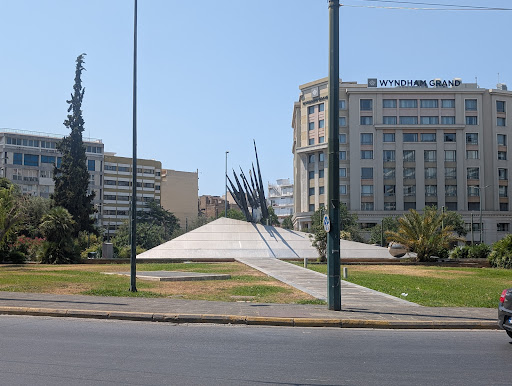
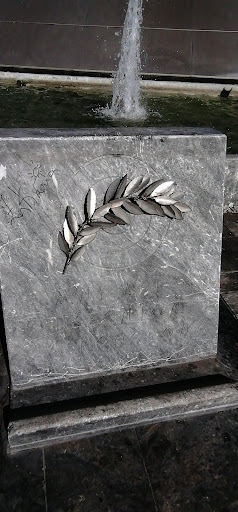
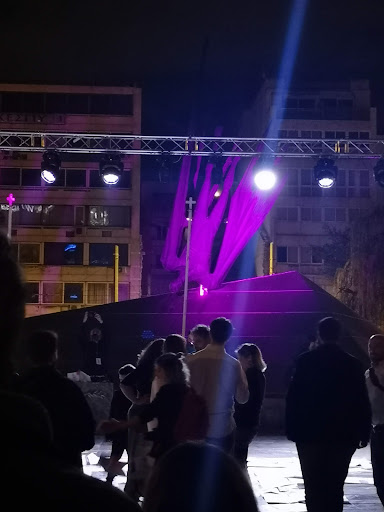
Fallen Aviators Monument things to do, attractions, restaurants, events info and trip planning
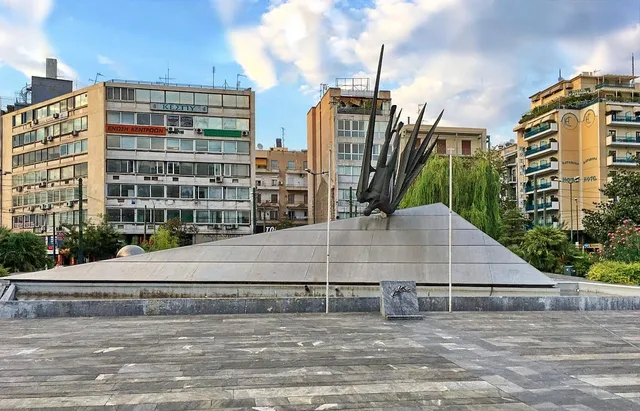
Basic Info
Fallen Aviators Monument
Pl. Karaiskaki 2, Athina 104 37, Greece
4.2(138)
Open until 12:00 AM
Save
spot
spot
Ratings & Description
Info
Cultural
Scenic
attractions: National Theatre of Greece, Rebecca Camhi gallery, Avdi Square, Museo Grecia en Miniatura, Municipal Gallery of Athens, Omonoia Square, Kotzia Square, Alekos Fassianos Museum, Benaki Museum of Islamic Art, Statue of Pericles, restaurants: Bread Factory Μεταξουργείο, MIRONI Restaurant - Greek Kitchen, Alexander The Great, Thang Long Vietnamese Restaurant, P.S restaurant, Grill house central, Thinalos Seafood Restaurant - Θίν'αλος, Ela na sou po, Morgan All Jeans, Sara KURDISH Restaurant (Halal), local businesses: GREEK THING, Archaeological Museum of Kerameikos, Wang Fu Chinese Market, 万家福超市, Hadrian's Arch, Loukoumades Ktistakis, Municipal Art Gallery, Holy Church of Saint Paul on Psaron street (1899), "Ζώτος" Παραδοσιακό Σουβλάκι, Omonia
 Learn more insights from Wanderboat AI.
Open hoursSee all hours
WedOpen 24 hoursOpen
Plan your stay

Pet-friendly Hotels in Athens
Find a cozy hotel nearby and make it a full experience.

Affordable Hotels in Athens
Find a cozy hotel nearby and make it a full experience.

The Coolest Hotels You Haven't Heard Of (Yet)
Find a cozy hotel nearby and make it a full experience.

Trending Stays Worth the Hype in Athens
Find a cozy hotel nearby and make it a full experience.
Reviews
Live events
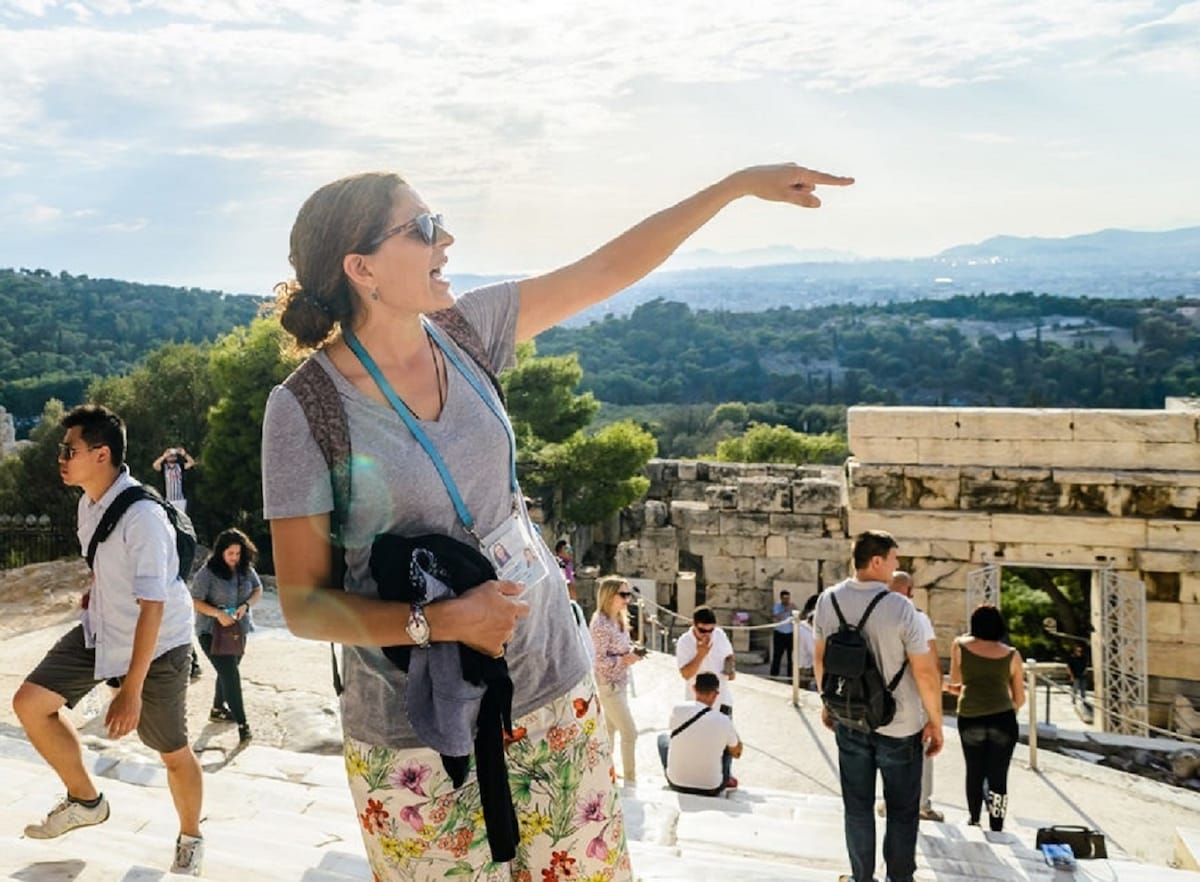
See the Acropolis with a licensed guide
Wed, Feb 25 • 8:00 AM
117 42, Athens, Greece
View details
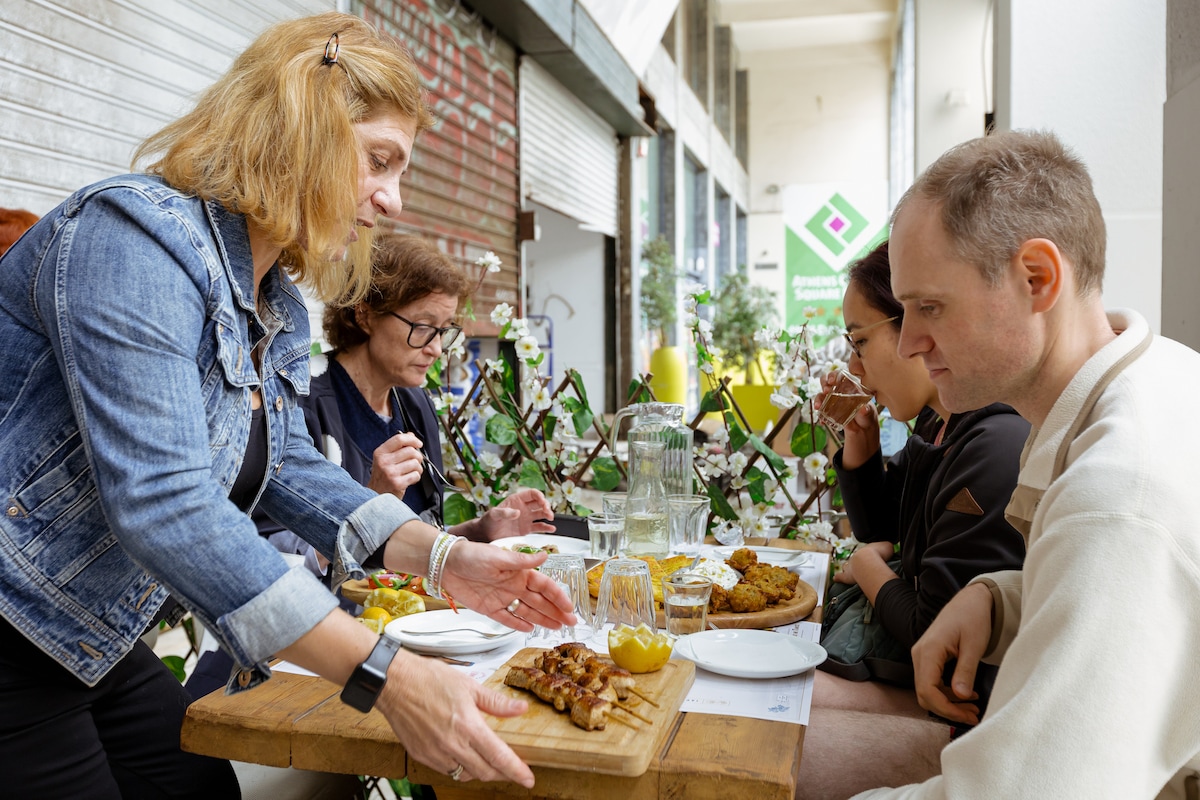
Taste hidden Athenian flavors on culinary romp
Wed, Feb 25 • 11:00 AM
105 54, Athens, Greece
View details
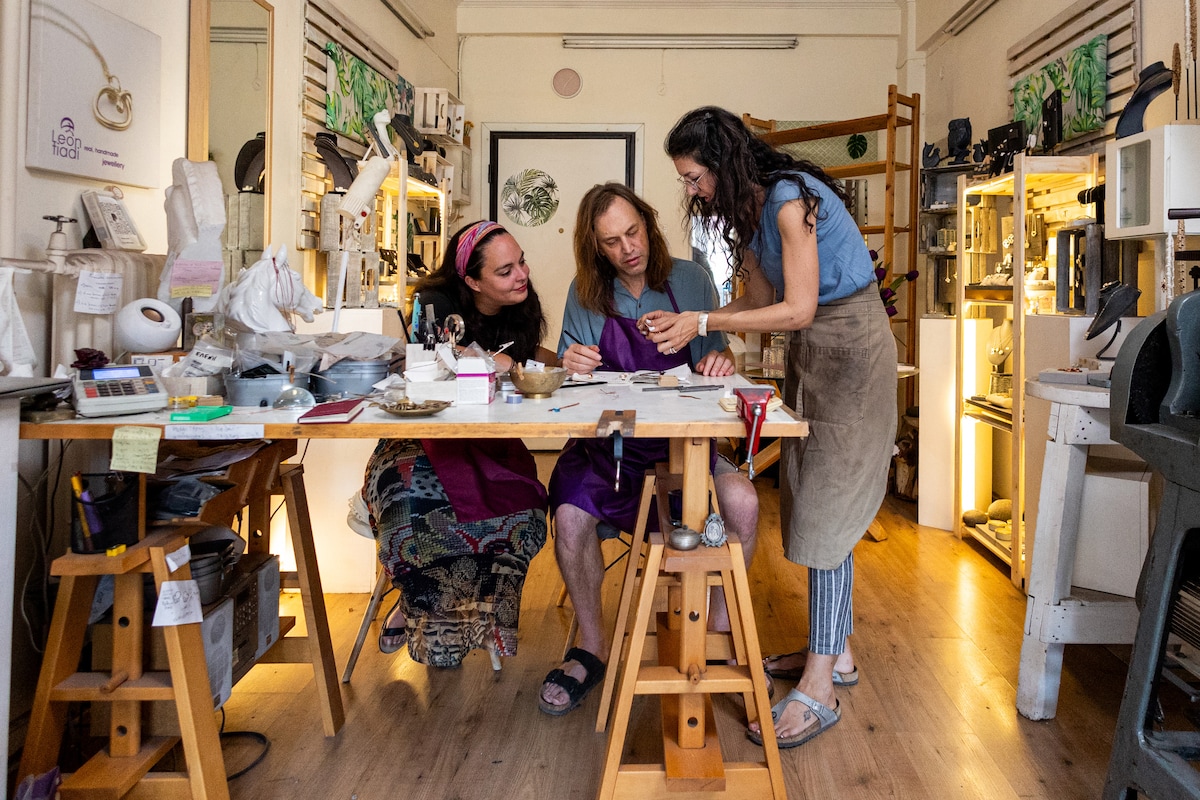
Design and fashion jewelry with a Silversmith
Wed, Feb 25 • 2:00 PM
105 63, Athens, Greece
View details
Nearby attractions of Fallen Aviators Monument
National Theatre of Greece
Rebecca Camhi gallery
Avdi Square
Museo Grecia en Miniatura
Municipal Gallery of Athens
Omonoia Square
Kotzia Square
Alekos Fassianos Museum
Benaki Museum of Islamic Art
Statue of Pericles
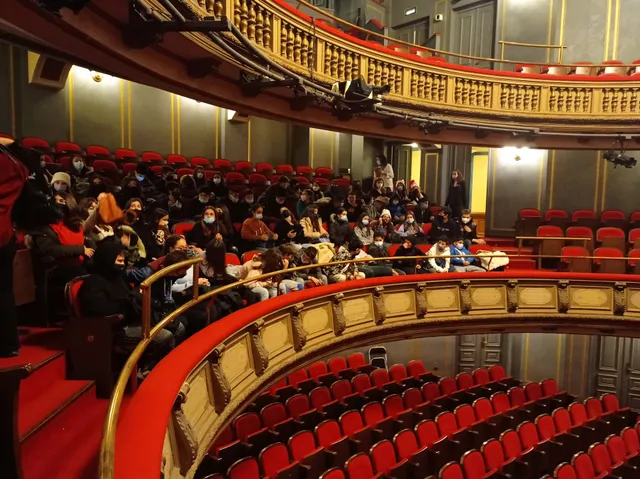
National Theatre of Greece
4.7
(1.8K)
Open 24 hours
Click for details
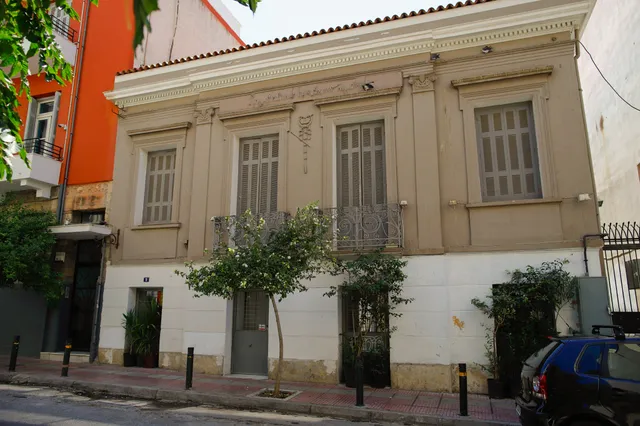
Rebecca Camhi gallery
4.5
(51)
Open until 12:00 AM
Click for details
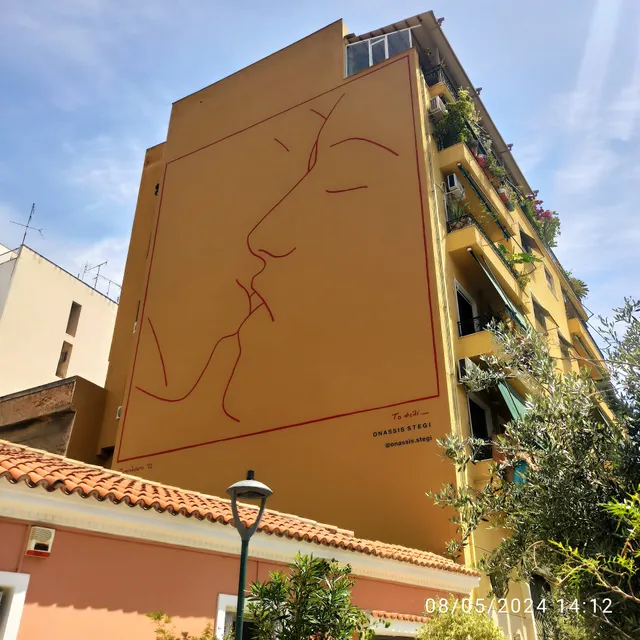
Avdi Square
4.4
(440)
Open 24 hours
Click for details
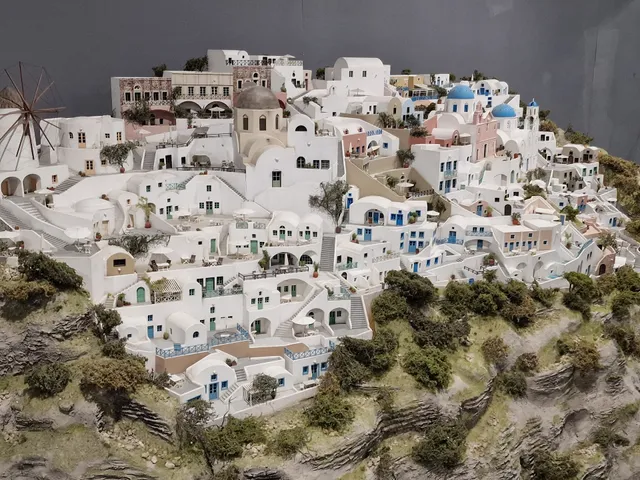
Museo Grecia en Miniatura
4.7
(342)
Closed
Click for details
Nearby restaurants of Fallen Aviators Monument
Bread Factory Μεταξουργείο
MIRONI Restaurant - Greek Kitchen
Alexander The Great
Thang Long Vietnamese Restaurant
P.S restaurant
Grill house central
Thinalos Seafood Restaurant - Θίν'αλος
Ela na sou po
Morgan All Jeans
Sara KURDISH Restaurant (Halal)
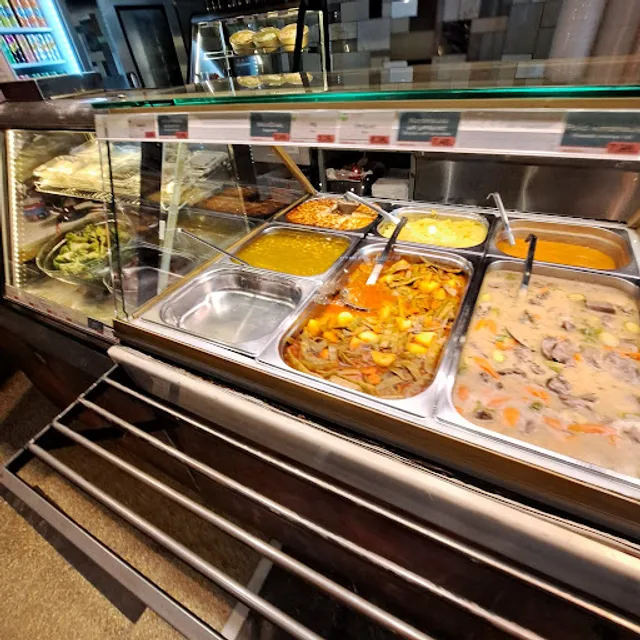
Bread Factory Μεταξουργείο
4.1
(1.9K)
Open until 12:00 AM
Click for details
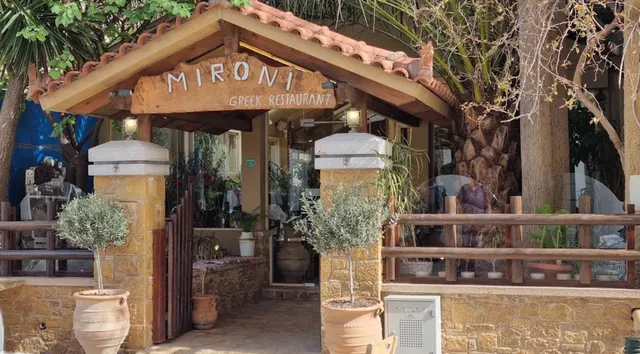
MIRONI Restaurant - Greek Kitchen
4.8
(2.4K)
Closed
Click for details
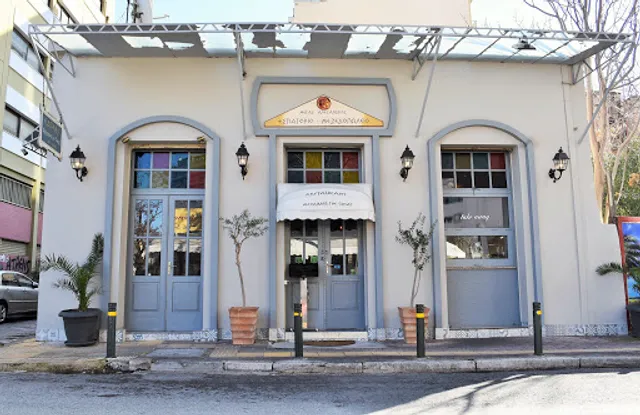
Alexander The Great
4.6
(1.2K)
Closed
Click for details
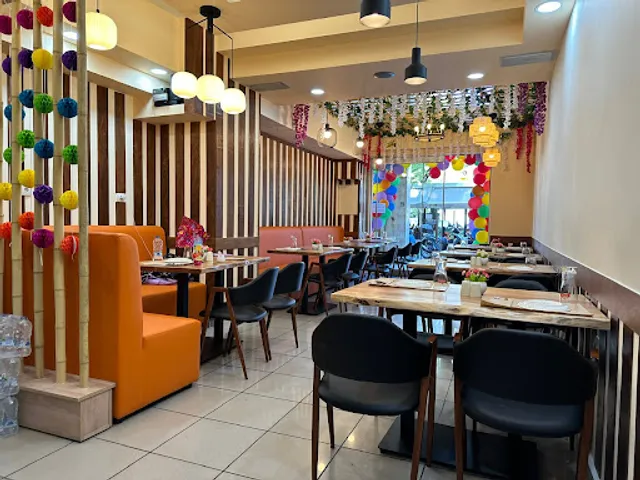
Thang Long Vietnamese Restaurant
4.9
(731)
Closed
Click for details
Nearby local services of Fallen Aviators Monument
GREEK THING
Archaeological Museum of Kerameikos
Wang Fu Chinese Market
万家福超市
Hadrian's Arch
Loukoumades Ktistakis
Municipal Art Gallery
Holy Church of Saint Paul on Psaron street (1899)
"Ζώτος" Παραδοσιακό Σουβλάκι
Omonia
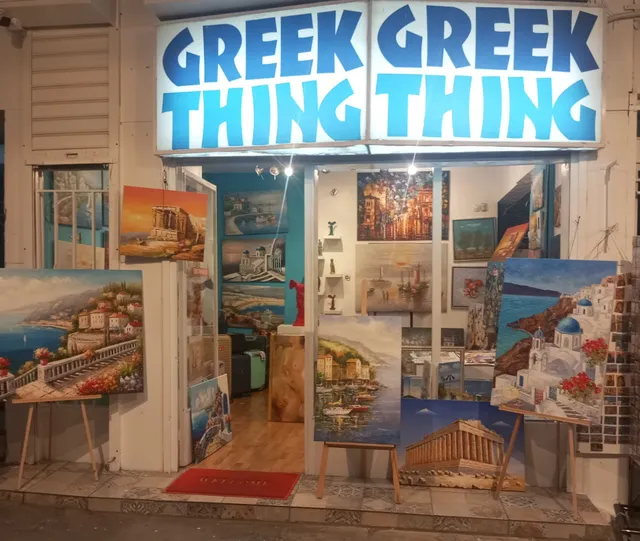
GREEK THING
4.9
(60)
Click for details
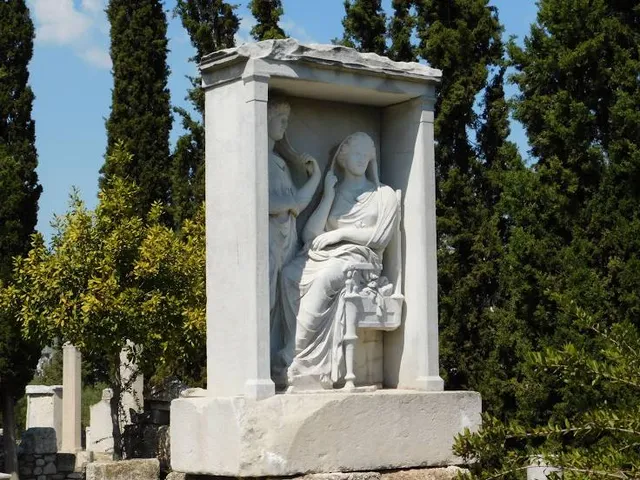
Archaeological Museum of Kerameikos
4.4
(675)
Click for details

Wang Fu Chinese Market
4.2
(263)
Click for details
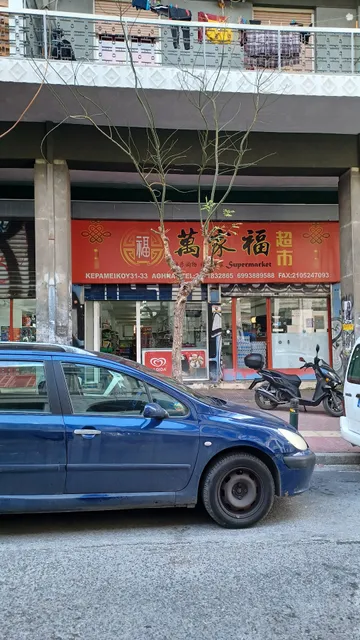
万家福超市
4.3
(95)
Click for details