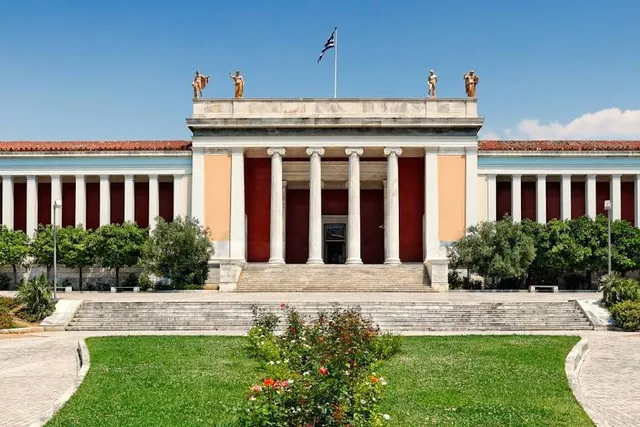
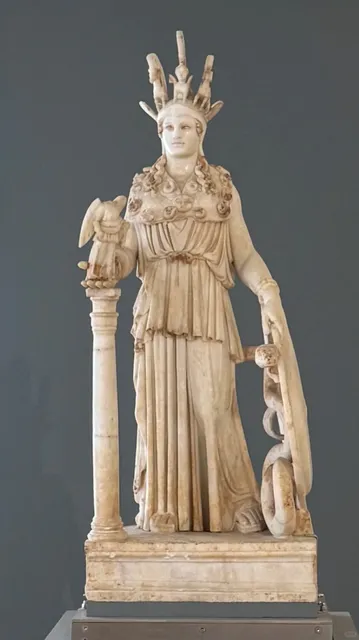
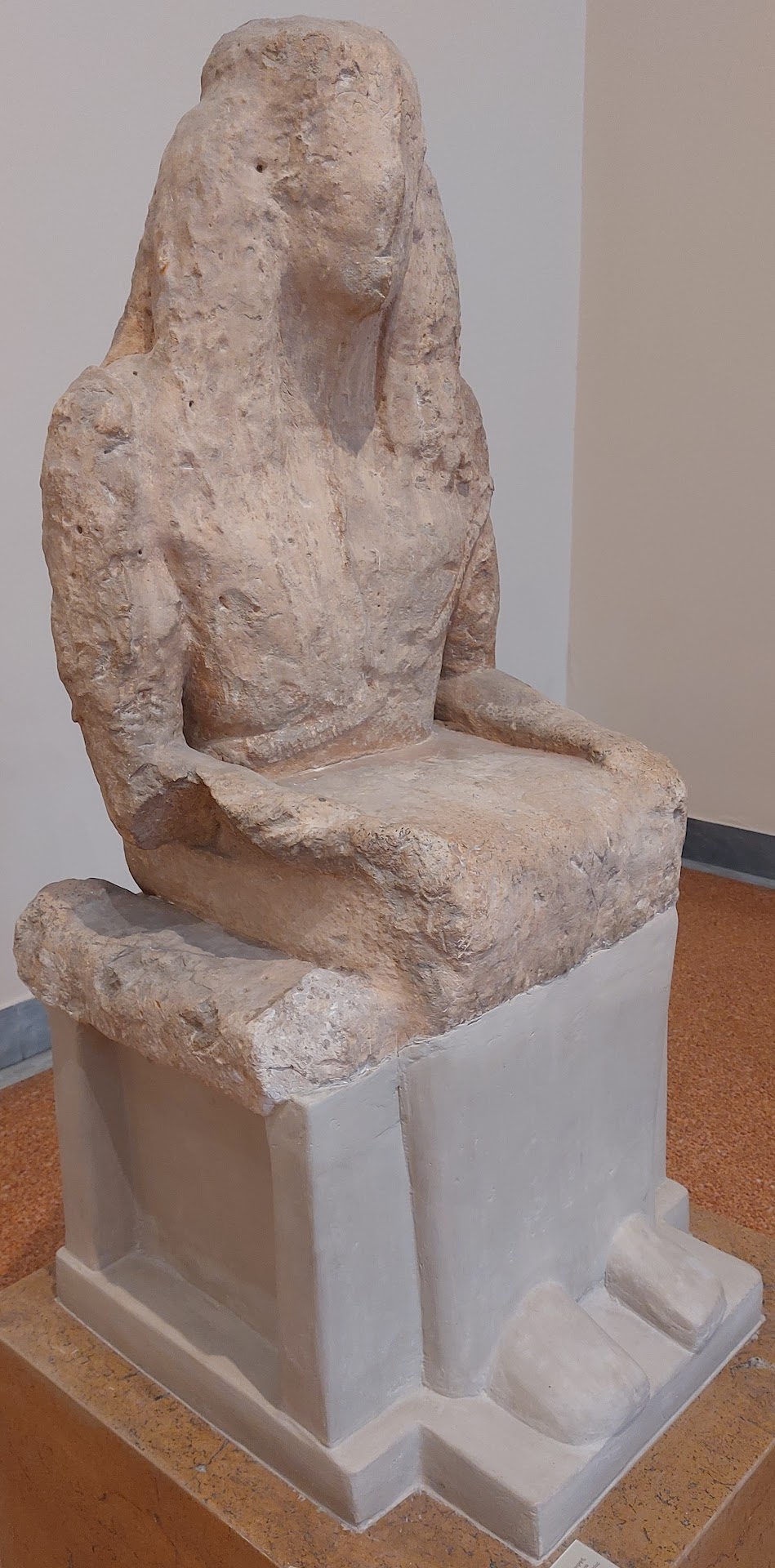
This is a great museum with a vast collection of artifacts from all the periods of ancient Greece and from a variety of different locations. There is a lot of information for history buffs here and, if you read the signs, you will learn a lot. There are various rooms with different ''themes'' like rooms for ancient statues (organised in chronological order and by place of origin), pottery, artifacts made of copper and other metals, the antikithira mechanism, ancient Cycladas, neolithic Thessaly, ancient Mycenae, ancient Thira (now known as Santorini island) and even an egyptian collection. There is so much to see. You should set aside at least one full day for your visit, especially if you want to delve deeply into what the museum has to offer. If you are the type of person who wants to read everything, don't expect to see it all in one day and just visit certain sections each time.
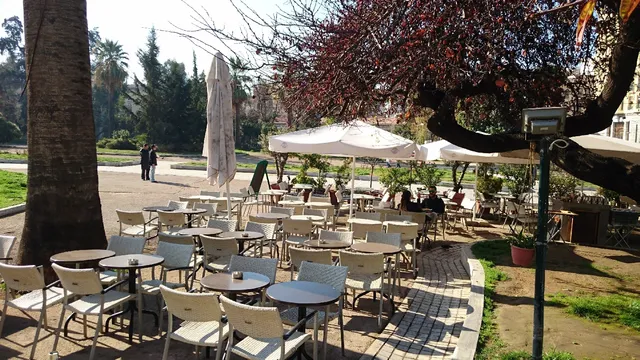
The facilities of the museum are great. It is accessible for people with disabilities, there are various tours offered, the cafe has a good variety of snacks and drinks and the bathrooms are clean and spacious. The staff is mostly polite and friendly too. Sometimes, they might sound a little strict, but they get tons of visitors every day and are overworked, so we should cut them some slack.
If you arrive during peak hours, expect to find a small queue outside that usually moves fast enough. They will also check all your bags and belongings, as if you were at the airport. These checks might be bothersome, but they are necessary for safety.
And now for the few drawbacks of this museum. First of all, the ticket is expensive, especially if you plan to visit with family or to visit many times to see and read everything at your leisure. The price is definitely worth it, but you should keep it in mind. Another minor issue is consistency: I've always visited the museum with the same bag, and some of the staff allowed it in, while others required me to leave it in the front desk. The last minor issue is that the museum's layout can be a little confusing at the first time, as there are many different rooms for different artifacts and there is no clear route between them. You might need a map (provided on their website) or the help from the staff to make sure you didn't miss anything. Also, look up its open hours on their website, because google has some of them wrong.
And now, for the most annoying drawback. Many, and I do mean MANY, of the museum's rooms are closed, especially on the second floor. It has been so for quite a while and, asking the staff, I learned that it is not due to maintenance, but due to understaffing: there simply isn't enough staff to guard all the rooms. This is unacceptable for the largest archaeological museum of Greece. They have taken great effort on advertising the Adrianos collection throughout the museum, only for its room to be closed (thankfully, you can peek inside from a distance). They should definitely hire more people. What's worse is that, most of the open rooms might randomly close in the middle of the day or be closed for the whole day for the same reasons. There is no clear schedule for that, and your only way of knowing is calling the museum on the same day to ask about what rooms will be open at what hours. The only rooms that I've never seen closed are the rooms of the statues and of ancient Mycenae, which, to be fair, have the most impressive artifacts. It is still a pity, however, that there is so much more to see and learn and we just can't because of these illogical decisions.
Despite those drawbacks, however, it is still very worth it to visit the museum. Even if you are unlucky and many rooms are closed on the day you visit, you will still see and learn many important things about ancient greek history....
Read moreThe National Archaeological Museum of Athens is a world-class institution that stands as a testament to the richness and depth of Greek history and culture. For anyone with a passion for archaeology, art, or history, this museum is an absolute treasure trove, offering an unparalleled journey through the millennia of human civilization.
Founded in 1829, the museum was originally intended to house and protect the extensive collection of antiquities unearthed across Greece. Over the years, it has grown into one of the most important museums in the world, boasting an extraordinary collection that spans the prehistoric era through to late antiquity. Each gallery is meticulously curated, allowing visitors to explore the development of Greek art, society, and technology in a comprehensive and engaging manner.
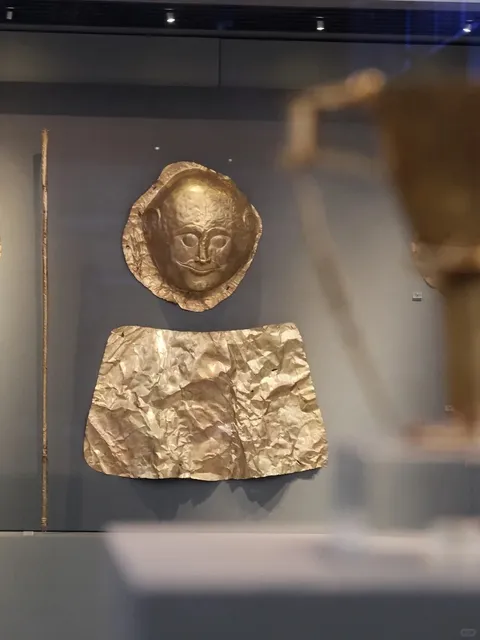
One of the museum’s crown jewels is the collection of Mycenaean artifacts, which includes the famous Mask of Agamemnon. This golden funerary mask, believed to date back to the 16th century BC, is one of the most iconic and recognizable pieces in Greek archaeology. The intricacy and craftsmanship of the mask are astonishing, offering a glimpse into the sophistication of the Mycenaean civilization.
The museum’s sculpture collection is equally impressive, featuring masterpieces from every period of ancient Greek art. Highlights include the Artemision Bronze, a stunning statue of either Zeus or Poseidon, dating to the early classical period, and the exquisite marble statues from the Parthenon. These works are not just artistically significant but also provide invaluable insight into the religious and cultural life of ancient Greece.
Another must-see is the extensive collection of Greek pottery, which showcases the evolution of ceramic art from the Geometric to the Hellenistic periods. The intricate designs and scenes depicted on these vases offer a unique perspective on the daily life, mythology, and beliefs of the ancient Greeks.
The museum also houses an incredible array of artifacts from the Cycladic, Minoan, and Hellenistic civilizations, each offering a distinct lens through which to view the ancient world. The Cycladic figurines, with their minimalist elegance, are particularly noteworthy, as are the colorful frescoes from Thera (Santorini), which provide a rare glimpse into the art and culture of the Aegean Bronze Age.
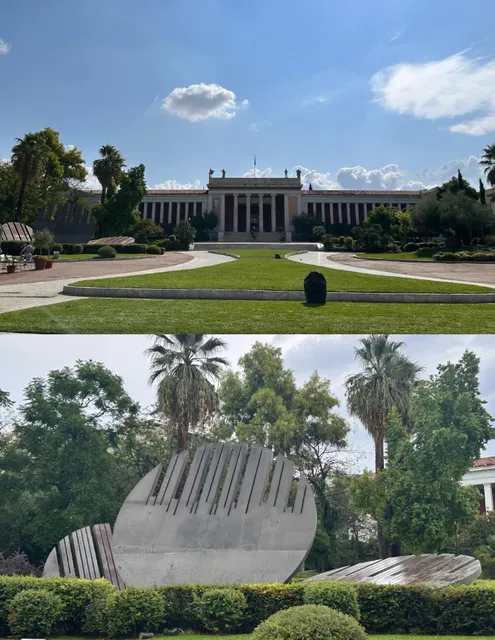
The museum is beautifully designed, with spacious galleries that allow visitors to fully appreciate the scale and detail of the artifacts. The information provided is thorough and well-presented, making it accessible to both casual visitors and serious scholars alike. The museum’s commitment to education is evident in its thoughtful curation and the breadth of its collection, which collectively tells the story of Greece’s enduring influence on Western civilization.
The National Archaeological Museum of Athens is more than just a repository of ancient artifacts; it’s a vital cultural institution that offers a profound connection to the past. It’s a five-star destination that should be at the top of any itinerary for those visiting Athens, providing a deeper understanding of the incredible legacy of...
Read moreVisiting the National Archaeological Museum in Athens was a highlight of my trip to Greece. This museum is an absolute treasure trove for anyone interested in ancient history and archaeology.
The museum’s collection is vast and incredibly well-curated, covering thousands of years of Greek history. From the moment I stepped inside, I was captivated by the impressive array of artifacts on display. The exhibits include everything from intricate jewelry and pottery to grand statues and sculptures, each telling a unique story of Greece’s rich cultural heritage.
One of the standout exhibits is the collection of Mycenaean artifacts, including the famous Mask of Agamemnon. The level of craftsmanship and detail in these ancient items is astonishing. The museum also houses an extensive collection of sculptures from the Archaic, Classical, and Hellenistic periods, providing a comprehensive overview of the evolution of Greek art.
The layout of the museum is logical and easy to navigate, with clear signage and informative descriptions accompanying each exhibit. The audio guides are particularly helpful, offering in-depth information and context that enhances the experience.
The museum is spacious and well-maintained, with a calming ambiance that allows visitors to fully appreciate the historical significance of the collections. There are also several interactive displays and multimedia presentations that make the experience engaging for visitors of all ages.
The staff at the National Archaeological Museum are knowledgeable and friendly, always ready to answer questions and provide additional insights. There is also a lovely café on-site, perfect for a break after exploring the vast museum, and a well-stocked gift shop with a variety of interesting souvenirs and books.
Overall, the National Archaeological Museum in Athens is a must-visit for anyone traveling to the city. It offers a deep and fascinating dive into ancient Greek history and culture, and I highly recommend setting aside a few hours to fully explore its...
Read more