Fortress of Palamidi things to do, attractions, restaurants, events info and trip planning
Basic Info
Fortress of Palamidi
Palamidiou, Nafplio 211 00, Greece
4.7(6K)
Closed


tickets
Save
spot
spot
Ratings & Description
Info
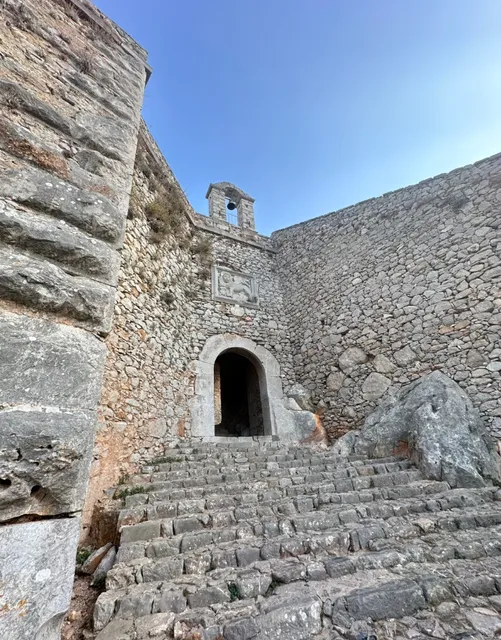
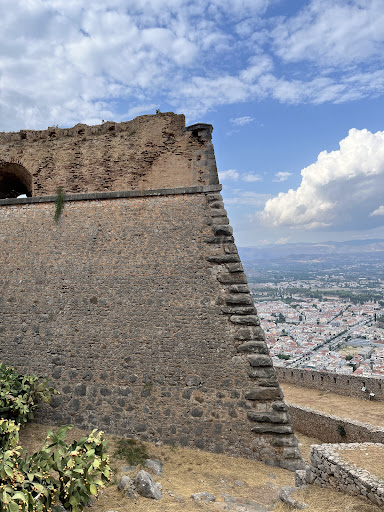
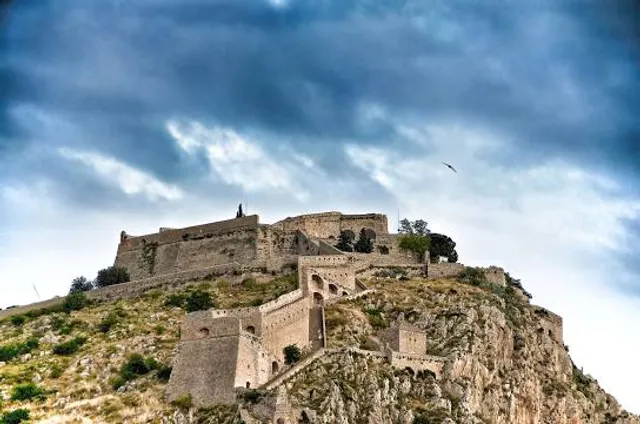
Palamidi is a fortress to the east of the Acronauplia in the town of Nafplio in the Peloponnese region of southern Greece. Nestled on the crest of a 216-metre high hill, the fortress was built by the Venetians during their second occupation of the area.
Cultural
Outdoor
Adventure
Family friendly
attractions: Paralia Arvanitias, Kolokotronis Park, The Land Gate, Church of Saint Spyridon, War Museum Nafplio, Otto Statue, Komboloi Museum, Syntagma Square - Nafplio, Fortress of Acronauplía, Nafplio Port, restaurants: Pidalio Tavern, Blublanc, Σκαρπέτα | Skarpeta, Menta Resto Bar, Zournal, Ar&Ko, Souvlomagies, Gyro-komeio, GastroNoulis, Cafe Σταθμός, local businesses: Robert Bastion, Achilles Bastion, Bastion Fokion, Kallinis, l'amande, Vasileios Papantoniou, Argois 23, Paper Clip, Center for Hellenic Studies in Greece | Harvard University
 Learn more insights from Wanderboat AI.
Phone
+30 2752 028036
Website
argolisculture.gr
Open hoursSee all hours
Sun8:30 AM - 3 PMClosed
Plan your stay

Pet-friendly Hotels in Municipality of Nafplio
Find a cozy hotel nearby and make it a full experience.

Affordable Hotels in Municipality of Nafplio
Find a cozy hotel nearby and make it a full experience.

The Coolest Hotels You Haven't Heard Of (Yet)
Find a cozy hotel nearby and make it a full experience.

Trending Stays Worth the Hype in Municipality of Nafplio
Find a cozy hotel nearby and make it a full experience.
Reviews
Live events
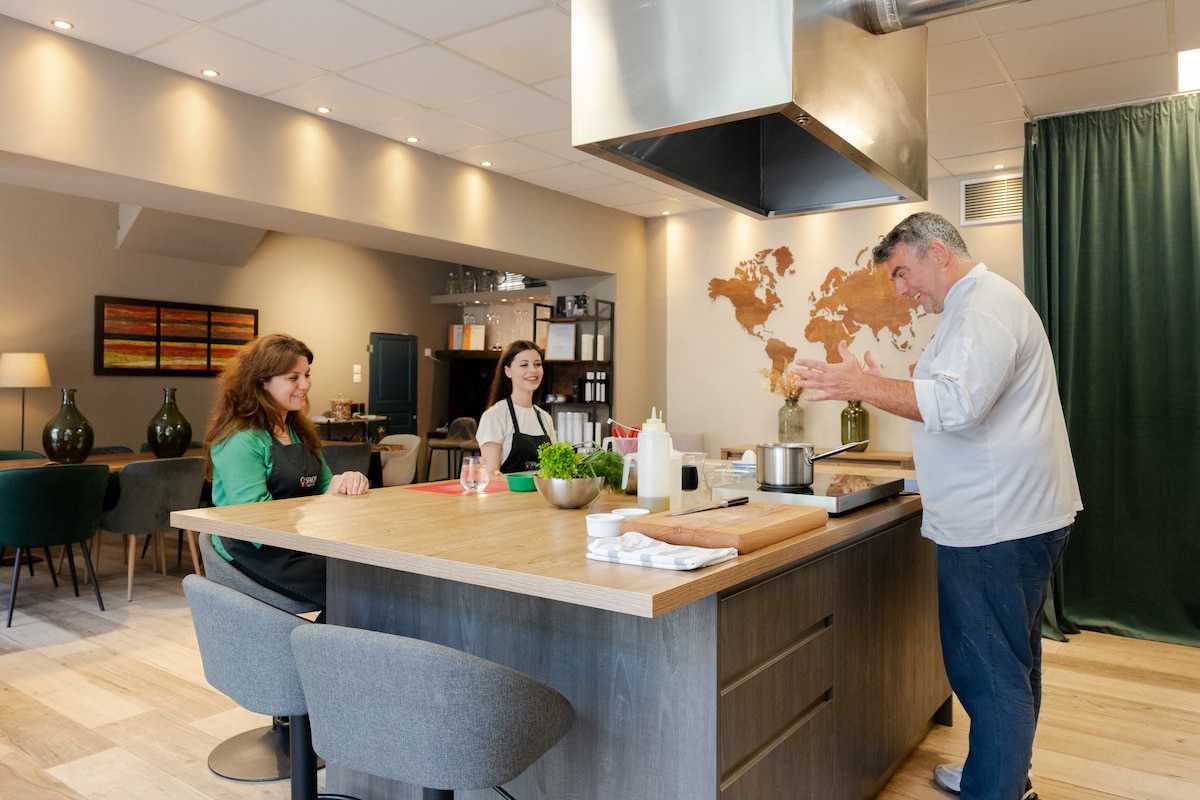
Nafpilo Cooking Class
Mon, Feb 16 • 10:00 AM
211 00, Nafplion, Greece
View details

8ος TRAIL Φανερωμένης Χιλιομοδίου
Sun, Feb 15 • 7:00 AM
καμαρετα , 20008, Καμαρετα, 200 08 Τενέα, Ελλάδα, Corinth, Greece
View details
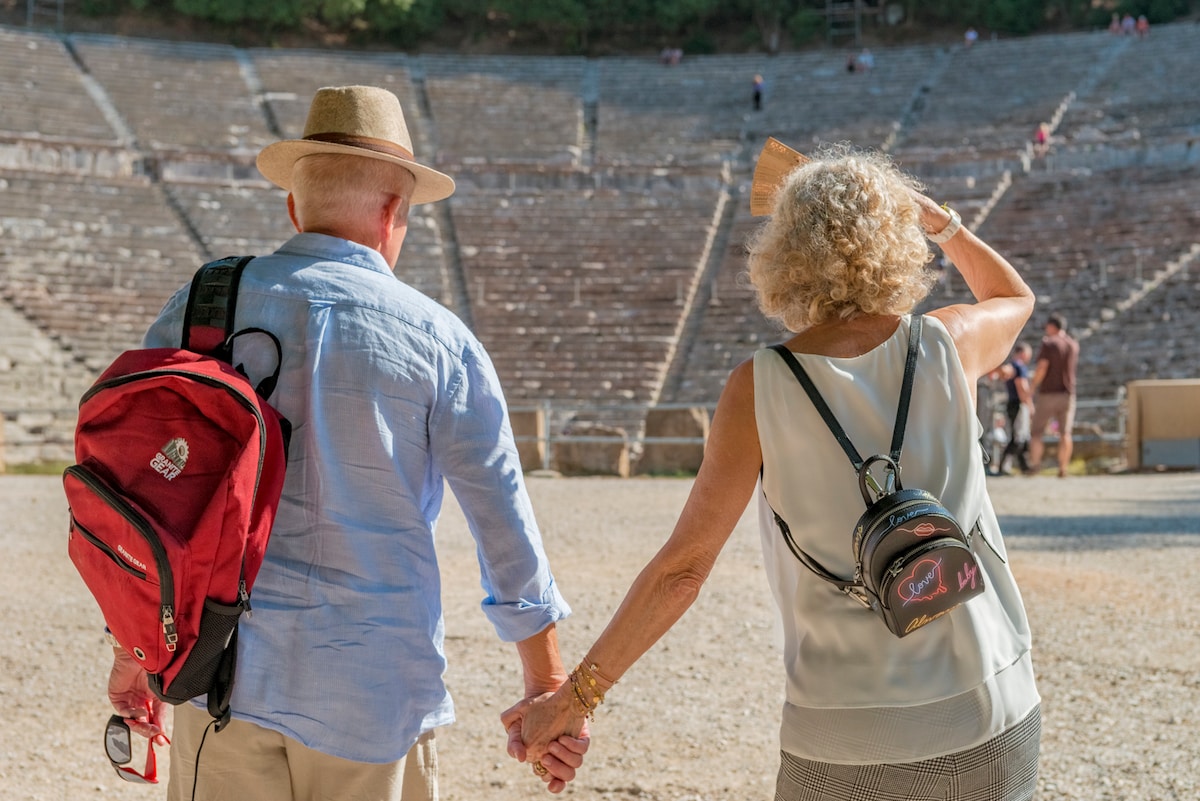
Epidaurus Private Tour with Licensed Guide
Mon, Feb 16 • 7:30 AM
210 52, Epidavros, Greece
View details
Nearby attractions of Fortress of Palamidi
Paralia Arvanitias
Kolokotronis Park
The Land Gate
Church of Saint Spyridon
War Museum Nafplio
Otto Statue
Komboloi Museum
Syntagma Square - Nafplio
Fortress of Acronauplía
Nafplio Port
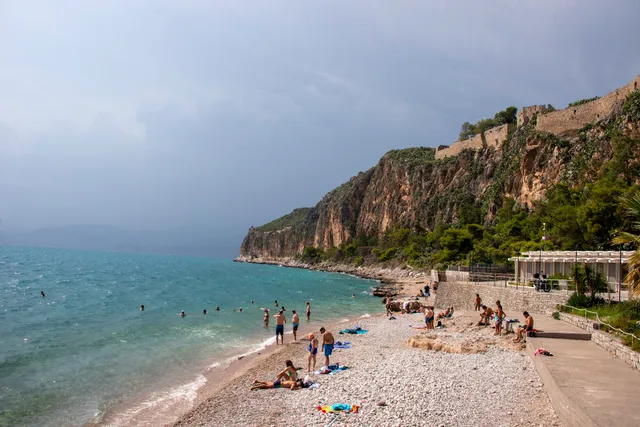
Paralia Arvanitias
4.4
(730)
Open 24 hours
Click for details
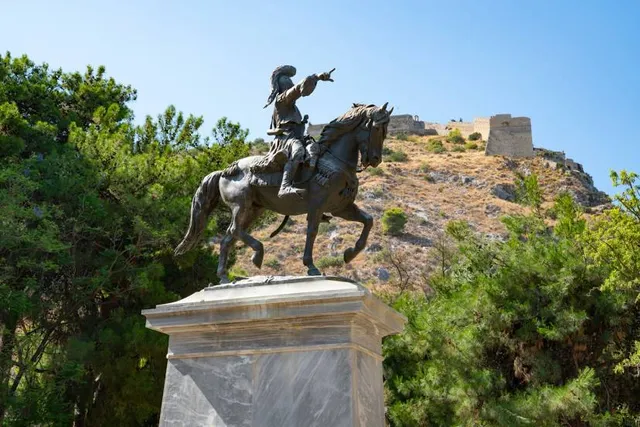
Kolokotronis Park
4.6
(247)
Open until 12:00 AM
Click for details
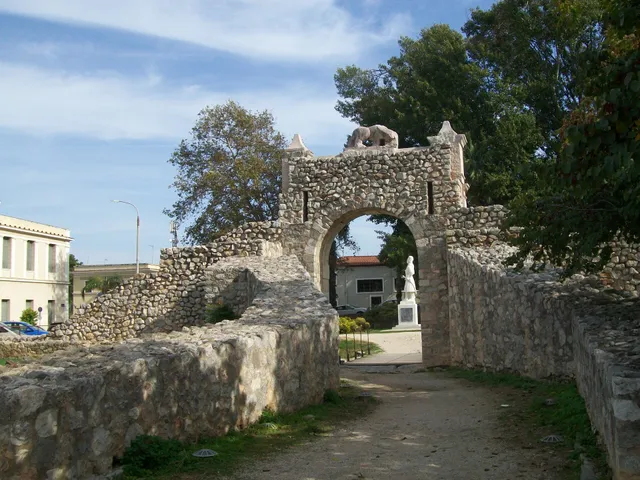
The Land Gate
4.7
(76)
Open 24 hours
Click for details
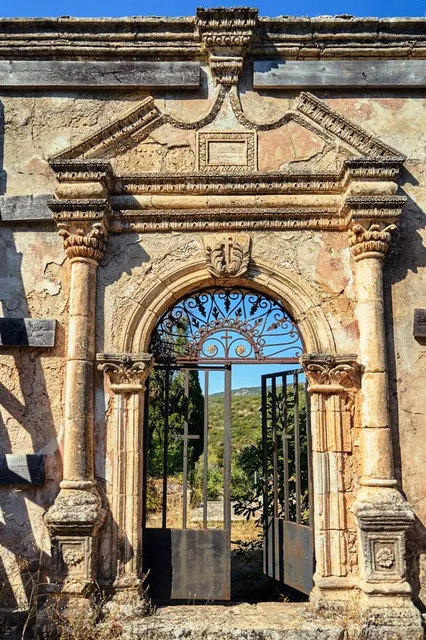
Church of Saint Spyridon
4.8
(474)
Open until 12:00 AM
Click for details
Nearby restaurants of Fortress of Palamidi
Pidalio Tavern
Blublanc
Σκαρπέτα | Skarpeta
Menta Resto Bar
Zournal
Ar&Ko
Souvlomagies
Gyro-komeio
GastroNoulis
Cafe Σταθμός
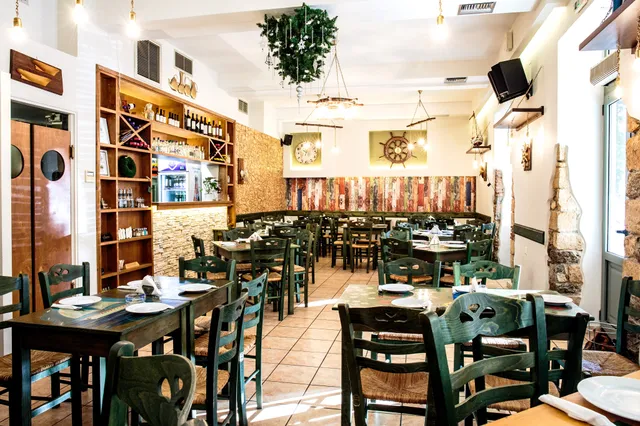
Pidalio Tavern
4.7
(3K)
Open until 11:00 PM
Click for details
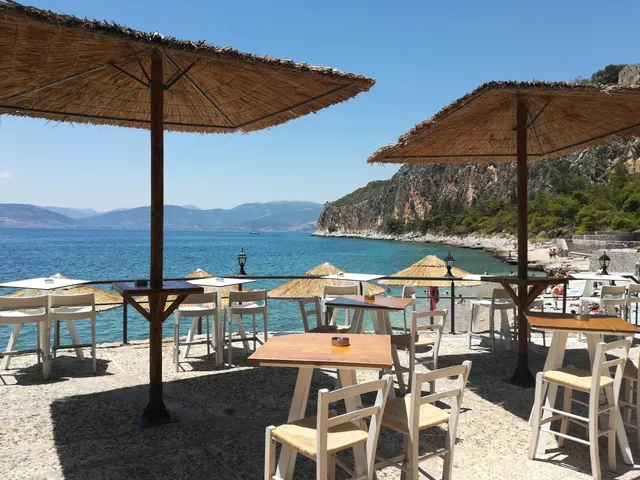
Blublanc
4.1
(1.4K)
Open until 3:00 AM
Click for details
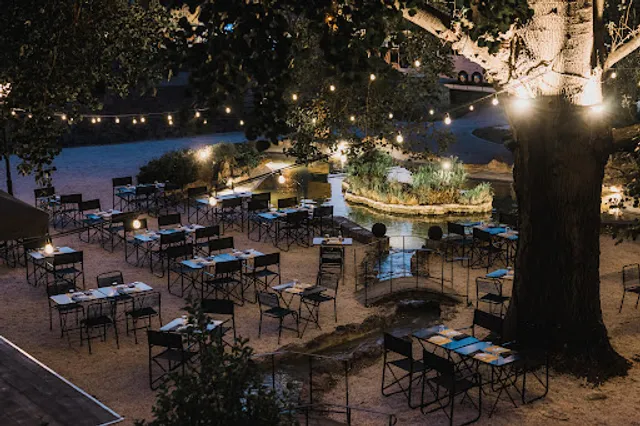
Σκαρπέτα | Skarpeta
4.6
(504)
$$
Open until 1:00 AM
Click for details
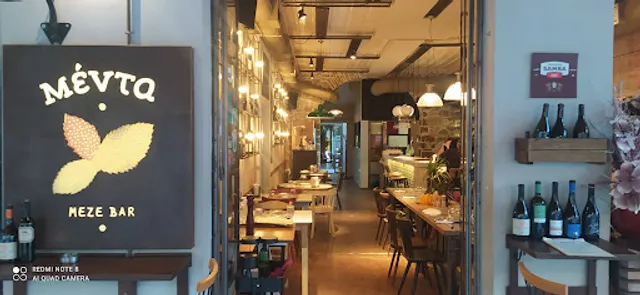
Menta Resto Bar
4.6
(551)
Open until 11:00 PM
Click for details
Nearby local services of Fortress of Palamidi
Robert Bastion
Achilles Bastion
Bastion Fokion
Kallinis
l'amande
Vasileios Papantoniou
Argois 23
Paper Clip
Center for Hellenic Studies in Greece | Harvard University
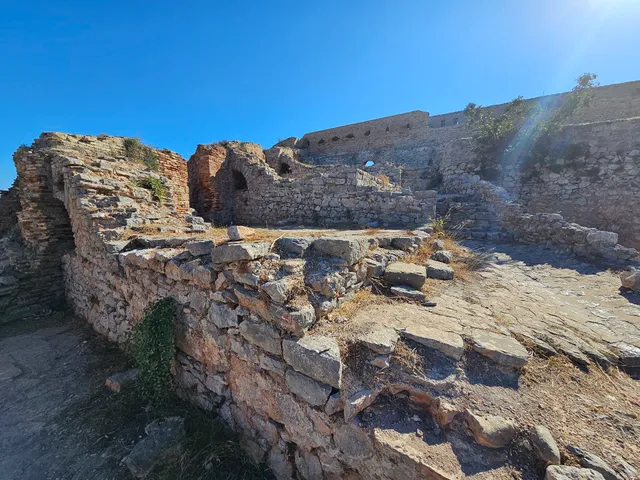
Robert Bastion
4.9
(30)
Click for details
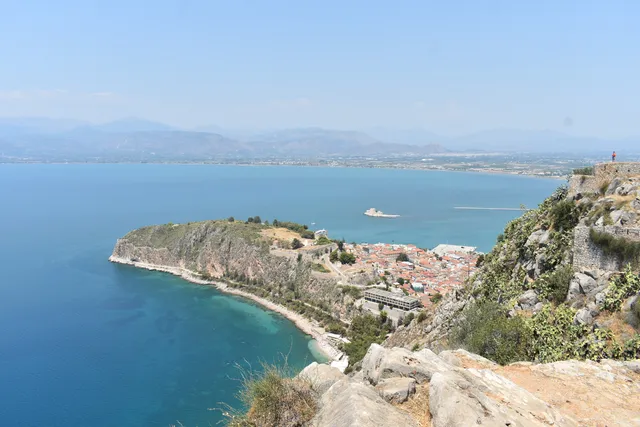
Achilles Bastion
4.5
(29)
Click for details
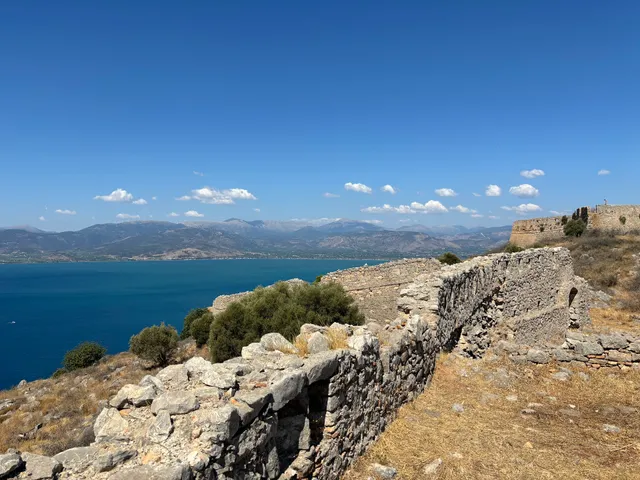
Bastion Fokion
4.7
(34)
Click for details
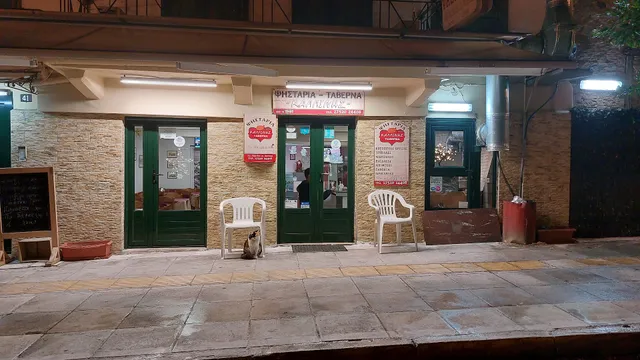
Kallinis
4.7
(337)
Click for details