HTML SitemapExplore
logo
Find Things to DoFind The Best Restaurants

Holy Church of Saint Demetrius, Patron Saint of Thessalonica — Attraction in Municipality of Thessaloniki

Name
Holy Church of Saint Demetrius, Patron Saint of Thessalonica
Description
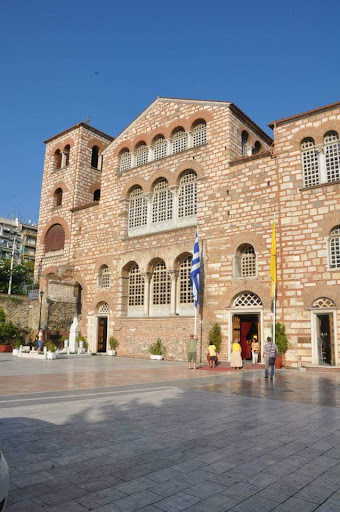
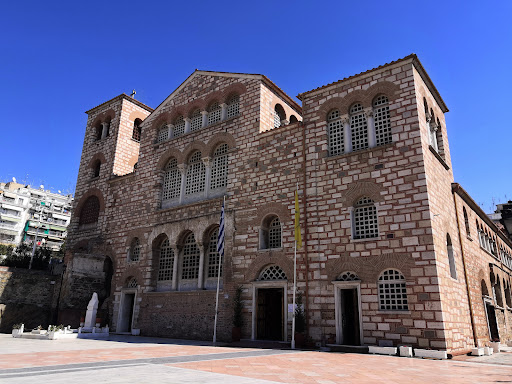
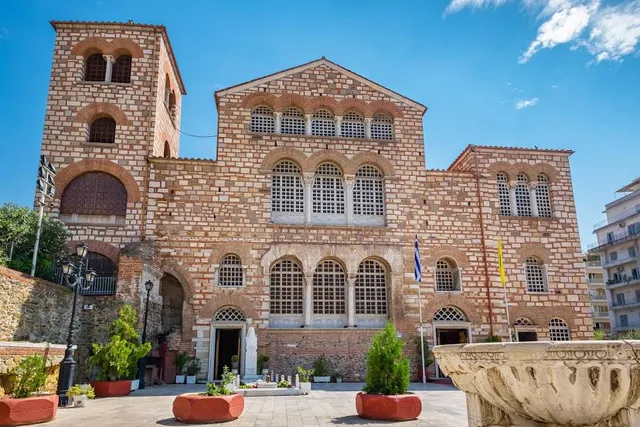
The Church of Saint Demetrius, or Hagios Demetrios, is the main sanctuary dedicated to Saint Demetrius, the patron saint of Thessaloniki, dating from a time when it was the second largest city of the Byzantine Empire.
Nearby attractions
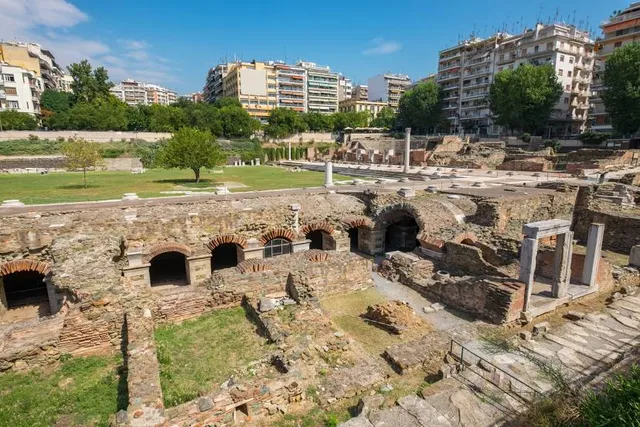
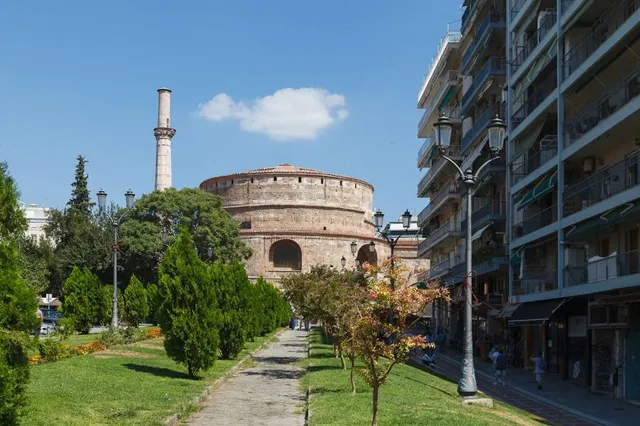
Roman Forum of Thessaloniki
Olympou 75, Thessaloniki 546 31, Greece
Ancient Agora Square
Olympou 75, Thessaloniki 546 31, Greece
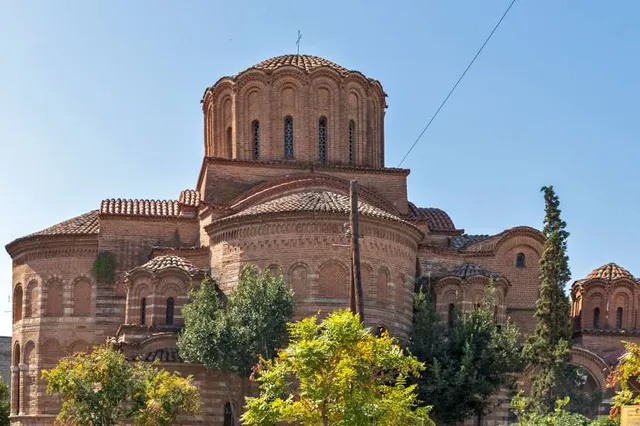
Church of Prophet Elijah
Ολυμπιάδος 53, Thessaloniki 546 33, Greece
Museum of the Roman Forum of Thessaloniki
Οδοί Φιλίππου, Τ.Κ. 54646, Olympou, Thessaloniki 546 31, Greece
Statue of Eleftherios Venizelos
Egnatia 78, Thessaloniki 546 24, Greece
Kapani Market
Vlali, Thessaloniki 546 24, Greece
Archaia Agora Square
Egnatia 78, Thessaloniki 546 24, Greece
Bey Hamam (Paradise Baths)
Egnatia 84, Thessaloniki 546 23, Greece
Church of Panagia Chalkeon
Chalkeon 2, Thessaloniki 546 24, Greece
Church of the Acheiropoietos
Agias Sofias 54 56, Thessaloniki 546 31, Greece
Nearby restaurants
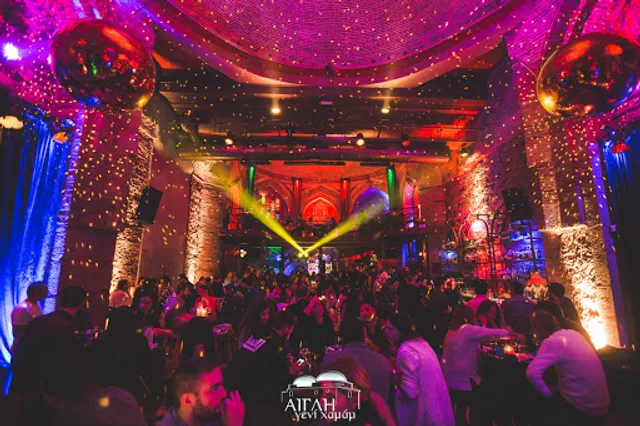
Aigli Geni Hamam
Agiou Nikolaou 3, Thessaloniki 546 33, Greece
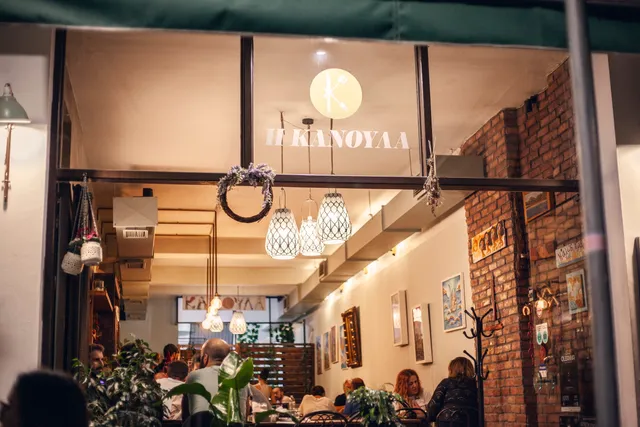
Kanoula
Taskou Papageorgiou 4, Thessaloniki 546 31, Greece
Tsarouchas Restaurant
Olympou 78, Thessaloniki 546 31, Greece
Vradyfageio Soumaki
Olympou 79, Thessaloniki 546 31, Greece
Kits kai s’efaga
Olympou 89, Thessaloniki 546 31, Greece
Μιτάτο μεζεδοπωλείο
Ag. Dimitriou 87, Thessaloniki 546 31, Greece
One Twelve
Ag. Dimitriou 112, Thessaloniki 546 31, Greece
FAVELA Bit Bazar
Olympou 72, Thessaloniki 546 31, Greece
Salento Wood Fired Street Food
El. Venizelou 76, Thessaloniki 546 31, Greece
Gyrismata
Ag. Dimitriou 82, Thessaloniki 546 31, Greece
Related posts
My Celestyal Cruise Journey: Thessaloniki
Keywords
Holy Church of Saint Demetrius, Patron Saint of Thessalonica tourism.Holy Church of Saint Demetrius, Patron Saint of Thessalonica hotels.Holy Church of Saint Demetrius, Patron Saint of Thessalonica bed and breakfast. flights to Holy Church of Saint Demetrius, Patron Saint of Thessalonica.Holy Church of Saint Demetrius, Patron Saint of Thessalonica attractions.Holy Church of Saint Demetrius, Patron Saint of Thessalonica restaurants.Holy Church of Saint Demetrius, Patron Saint of Thessalonica travel.Holy Church of Saint Demetrius, Patron Saint of Thessalonica travel guide.Holy Church of Saint Demetrius, Patron Saint of Thessalonica travel blog.Holy Church of Saint Demetrius, Patron Saint of Thessalonica pictures.Holy Church of Saint Demetrius, Patron Saint of Thessalonica photos.Holy Church of Saint Demetrius, Patron Saint of Thessalonica travel tips.Holy Church of Saint Demetrius, Patron Saint of Thessalonica maps.Holy Church of Saint Demetrius, Patron Saint of Thessalonica things to do.
Holy Church of Saint Demetrius, Patron Saint of Thessalonica things to do, attractions, restaurants, events info and trip planning
Holy Church of Saint Demetrius, Patron Saint of Thessalonica
GreeceMacedonia and ThraceMunicipality of ThessalonikiHoly Church of Saint Demetrius, Patron Saint of Thessalonica

Basic Info

Holy Church of Saint Demetrius, Patron Saint of Thessalonica

Ag. Dimitriou 81-83, Thessaloniki 546 33, Greece
4.9(4.3K)
Open 24 hours
Save
spot

Ratings & Description

Info

The Church of Saint Demetrius, or Hagios Demetrios, is the main sanctuary dedicated to Saint Demetrius, the patron saint of Thessaloniki, dating from a time when it was the second largest city of the Byzantine Empire.

Cultural
Accessibility
attractions: Roman Forum of Thessaloniki, Ancient Agora Square, Church of Prophet Elijah, Museum of the Roman Forum of Thessaloniki, Statue of Eleftherios Venizelos, Kapani Market, Archaia Agora Square, Bey Hamam (Paradise Baths), Church of Panagia Chalkeon, Church of the Acheiropoietos, restaurants: Aigli Geni Hamam, Kanoula, Tsarouchas Restaurant, Vradyfageio Soumaki, Kits kai s’efaga, Μιτάτο μεζεδοπωλείο, One Twelve, FAVELA Bit Bazar, Salento Wood Fired Street Food, Gyrismata
logoLearn more insights from Wanderboat AI.
Phone
+30 231 027 0008
Website
agdimitriosthes.gr

Plan your stay

hotel
Pet-friendly Hotels in Municipality of Thessaloniki
Find a cozy hotel nearby and make it a full experience.

hotel
Affordable Hotels in Municipality of Thessaloniki
Find a cozy hotel nearby and make it a full experience.

hotel
The Coolest Hotels You Haven't Heard Of (Yet)
Find a cozy hotel nearby and make it a full experience.

hotel
Trending Stays Worth the Hype in Municipality of Thessaloniki
Find a cozy hotel nearby and make it a full experience.

Reviews

Nearby attractions of Holy Church of Saint Demetrius, Patron Saint of Thessalonica

Roman Forum of Thessaloniki

Ancient Agora Square

Church of Prophet Elijah

Museum of the Roman Forum of Thessaloniki

Statue of Eleftherios Venizelos

Kapani Market

Archaia Agora Square

Bey Hamam (Paradise Baths)

Church of Panagia Chalkeon
Church of the Acheiropoietos

Roman Forum of Thessaloniki

Roman Forum of Thessaloniki

4.6

(2.5K)

Open 24 hours
Click for details
Ancient Agora Square

Ancient Agora Square

4.5

(929)

Closed
Click for details
Church of Prophet Elijah

Church of Prophet Elijah

4.7

(311)

Closed
Click for details
Museum of the Roman Forum of Thessaloniki

Museum of the Roman Forum of Thessaloniki

4.4

(100)

Open 24 hours
Click for details

Things to do nearby

Your Personal Photographer in Thessaloniki
Thu, Dec 4 • 3:30 PM
546 35, Thessaloniki, Greece
View details
Tour Thessalonikis delicious cuisine with a local
Fri, Dec 5 • 9:00 AM
546 24, Thessaloniki, Greece
View details
Embark on a journey in ancient Greek mythology
Fri, Dec 5 • 9:30 AM
546 30, Thessaloniki, Greece
View details

Nearby restaurants of Holy Church of Saint Demetrius, Patron Saint of Thessalonica

Aigli Geni Hamam

Kanoula

Tsarouchas Restaurant

Vradyfageio Soumaki

Kits kai s’efaga

Μιτάτο μεζεδοπωλείο

One Twelve

FAVELA Bit Bazar

Salento Wood Fired Street Food

Gyrismata

Aigli Geni Hamam

Aigli Geni Hamam

4.5

(947)

$$

Click for details
Kanoula

Kanoula

4.8

(2K)

Click for details
Tsarouchas Restaurant

Tsarouchas Restaurant

4.5

(1.5K)

$

Click for details
Vradyfageio Soumaki

Vradyfageio Soumaki

4.8

(251)

Click for details
Get the Appoverlay
Get the AppOne tap to find yournext favorite spots!
Wanderboat LogoWanderboat

Your everyday Al companion for getaway ideas

CompanyAbout Us
InformationAI Trip PlannerSitemap
SocialXInstagramTiktokLinkedin
LegalTerms of ServicePrivacy Policy

Get the app

© 2025 Wanderboat. All rights reserved.
logo

Reviews of Holy Church of Saint Demetrius, Patron Saint of Thessalonica

4.9
(4,250)
avatar
5.0
6y

The Church of Saint Demetrius, or Hagios Demetrios (Greek: Άγιος Δημήτριος), is the main sanctuary dedicated to Saint Demetrius, the patron saint of Thessaloniki (in Central Macedonia, Greece), dating from a time when it was the second largest city of the Byzantine Empire. It is part of the site Palaeochristian and Byzantine Monuments of Thessaloniki on the list of World Heritage Sites by UNESCO since 1988. The first church on the spot was constructed in the early 4th century AD, replacing a Roman bath. A century later, a prefect named Leontios replaced the small oratory with a larger, three-aisled basilica. Repeatedly gutted by fires, the church eventually was reconstructed as a five-aisled basilica in 629–634. This was the surviving form of the church much as it is today. The most important shrine in the city, it was probably larger than the local cathedral. The historic location of the latter is now unknown. The church had an unusual shrine called the ciborium, a hexagonal, roofed structure at one side of the nave. It was made of or covered with silver. The structure had doors and inside was a couch or bed. Unusually, it did not hold any physical relics of the saint. The ciborium seems to have been a symbolic tomb. It was rebuilt at least once.

The basilica is famous for six extant mosaic panels, dated to the period between the latest reconstruction and the inauguration of the Byzantine Iconoclasm in 730. These mosaics depict St. Demetrius with officials responsible for the restoration of the church (called the founders, ktetors) and with children. An inscription below one of the images glorifies heaven for saving the people of Thessalonica from a pagan Slavic raid in 615. Thessaloniki became part of the Ottoman Empire in 1430. About 60 years later, during the reign of Bayezid II, the church was converted into a mosque, known as the Kasımiye Camii after the local Ottoman mayor, Cezeri Kasım Pasha. Other magnificent mosaics, recorded as covering the church interior, were lost either during the four centuries when it functioned as a mosque (1493–1912) or in the Great Thessaloniki Fire of 1917 that destroyed much of the city. It also destroyed the roof and upper walls of the church. Black-and-white photographs and good watercolour versions give an idea of the early Byzantine craftsmanship lost during the fire. Following the Great Fire of 1917, it took decades to restore the church. Tombstones from the city's Jewish cemetery - destroyed by the Greek and Nazi German authorities - were used as building materials in these restoration efforts in the 1940s. Archeological excavations conducted in the 1930s and 1940s revealed interesting artifacts that may be seen in a museum situated inside the church's crypt. The excavations also uncovered the ruins of a Roman bath, where St. Demetrius was said to have been held prisoner and executed. A Roman well was also discovered. Scholars believe this is where soldiers dropped the body of St. Demetrius after his execution. After restoration, the church was reconsecrated in 1949.

thessaloniki agios dimitrios...

   Read more
avatar
4.0
5y

Saint Dimitrios is one of three churches in Thessaloniki you should definitely visit even if you are not interested in religion.

In the late 3rd century the persecution of christianity was reaching a climax under the Emperors Galerius and Diocletian.

At the same time, in Thessaloniki inhabited a young Roman soldier with a name Dimitrios. Talented, bright and a preacher of christianity. The latter made him very unpopular to the Emperor and Dimitrios found himself prisoner in a Roman bath - it sounds weird, I know.

In the same bath, Dimitrios received a visitor and follower named Nestoras. Nestoras had the fine idea to fight against the undefeated champion of the emperor Liaios. With the blaising of Dimitrios and the will to revenge the christian persecutors, Nestoras, in a David vs Goliath type of battle, managed to defeat his enemy despite the overwhelming odds.

When the emperor asked him how he managed to accomplish such a miraculous did, Nestoras got somewhat cocky: It was the love and power of the one God that aided me - the God of Dimitrios.

Galerios, offended, ordered the execution of both him and Dimitrios with the latter finding a bitter end with 33 spears (symbolic) piercing through his ribs.

In the aftermath of the event, the christians hid his buddy in the well not to be dishonored by the pagans.

Soon later, christianity became a legal religion and at the spot raised a small church. The great basilica was built about a century later by the Leondios, the prefix of the region when he, in a desperate attempt to cure his untreatable disease, tasted the miracle water of Dimitrios and became all well.

Sandly, the church has been entirely destroyed twice with the last one being during the Great Fire of Thessaloniki in 1917. However, the church has been well remade and currently operates with regular services.

If you visit, and you should, make sure to check the crypt: the underground space where the original bath used to be.

Fun fact: the city of Thessaloniki was liberated to the Ottomans on the anniversary of its patron Saint - Dimitrios: 26th of...

   Read more
avatar
5.0
2y

The Church of Saint Demetrius (Greek: Agios Dimitrios) is a prominent religious site located in the city of Thessaloniki, Greece. It is one of the oldest and most significant Christian churches in the city, dedicated to Saint Demetrius, the patron saint of Thessaloniki.

The history of the Church of Saint Demetrius can be traced back to the 4th century AD when the first church was constructed on the site of an ancient Roman bathhouse. The original church was built to honor the memory of Saint Demetrius, a Christian martyr who was killed in the early 4th century by Roman Emperor Galerius for refusing to renounce his faith.

Over the centuries, the church underwent several renovations and additions, with the most significant being the construction of a new basilica in the 7th century. During the Ottoman rule, the church was converted into a mosque but was restored to its former status as a Christian church after the Greek War of Independence.

Today, the Church of Saint Demetrius is a magnificent example of Byzantine architecture, featuring intricate frescoes, mosaics, and sculptures that tell the story of Saint Demetrius and his martyrdom. The church also houses a crypt where the relics of Saint Demetrius are kept, and it is believed that his remains have miraculous healing powers.

The interior of the church is adorned with beautiful artworks, including an impressive mosaic depicting the resurrection of Christ, and stunning frescoes depicting scenes from the life of Saint Demetrius. The walls of the church are decorated with marble and colorful mosaics, while the nave is supported by 12 large columns, each of which represents one of the apostles.

Overall, the Church of Saint Demetrius is a must-visit destination for anyone interested in history, architecture, and religion. Its rich history, stunning artwork, and spiritual significance make it a unique and unforgettable experience for visitors from all...

   Read more
Page 1 of 7
Previous
Next

Posts

My Celestyal Cruise Journey: Thessaloniki
Margot LefèvreMargot Lefèvre
My Celestyal Cruise Journey: Thessaloniki
Fares JildehFares Jildeh
The Church of Saint Demetrius, or Hagios Demetrios (Greek: Άγιος Δημήτριος), is the main sanctuary dedicated to Saint Demetrius, the patron saint of Thessaloniki (in Central Macedonia, Greece), dating from a time when it was the second largest city of the Byzantine Empire. It is part of the site Palaeochristian and Byzantine Monuments of Thessaloniki on the list of World Heritage Sites by UNESCO since 1988. The first church on the spot was constructed in the early 4th century AD, replacing a Roman bath. A century later, a prefect named Leontios replaced the small oratory with a larger, three-aisled basilica. Repeatedly gutted by fires, the church eventually was reconstructed as a five-aisled basilica in 629–634. This was the surviving form of the church much as it is today. The most important shrine in the city, it was probably larger than the local cathedral. The historic location of the latter is now unknown. The church had an unusual shrine called the ciborium, a hexagonal, roofed structure at one side of the nave. It was made of or covered with silver. The structure had doors and inside was a couch or bed. Unusually, it did not hold any physical relics of the saint. The ciborium seems to have been a symbolic tomb. It was rebuilt at least once. The basilica is famous for six extant mosaic panels, dated to the period between the latest reconstruction and the inauguration of the Byzantine Iconoclasm in 730. These mosaics depict St. Demetrius with officials responsible for the restoration of the church (called the founders, ktetors) and with children. An inscription below one of the images glorifies heaven for saving the people of Thessalonica from a pagan Slavic raid in 615. Thessaloniki became part of the Ottoman Empire in 1430. About 60 years later, during the reign of Bayezid II, the church was converted into a mosque, known as the Kasımiye Camii after the local Ottoman mayor, Cezeri Kasım Pasha. Other magnificent mosaics, recorded as covering the church interior, were lost either during the four centuries when it functioned as a mosque (1493–1912) or in the Great Thessaloniki Fire of 1917 that destroyed much of the city. It also destroyed the roof and upper walls of the church. Black-and-white photographs and good watercolour versions give an idea of the early Byzantine craftsmanship lost during the fire. Following the Great Fire of 1917, it took decades to restore the church. Tombstones from the city's Jewish cemetery - destroyed by the Greek and Nazi German authorities - were used as building materials in these restoration efforts in the 1940s. Archeological excavations conducted in the 1930s and 1940s revealed interesting artifacts that may be seen in a museum situated inside the church's crypt. The excavations also uncovered the ruins of a Roman bath, where St. Demetrius was said to have been held prisoner and executed. A Roman well was also discovered. Scholars believe this is where soldiers dropped the body of St. Demetrius after his execution. After restoration, the church was reconsecrated in 1949. thessaloniki agios dimitrios church, 5th century
The Honest ExplorerThe Honest Explorer
Saint Dimitrios is one of three churches in Thessaloniki you should definitely visit even if you are not interested in religion. In the late 3rd century the persecution of christianity was reaching a climax under the Emperors Galerius and Diocletian. At the same time, in Thessaloniki inhabited a young Roman soldier with a name Dimitrios. Talented, bright and a preacher of christianity. The latter made him very unpopular to the Emperor and Dimitrios found himself prisoner in a Roman bath - it sounds weird, I know. In the same bath, Dimitrios received a visitor and follower named Nestoras. Nestoras had the fine idea to fight against the undefeated champion of the emperor Liaios. With the blaising of Dimitrios and the will to revenge the christian persecutors, Nestoras, in a David vs Goliath type of battle, managed to defeat his enemy despite the overwhelming odds. When the emperor asked him how he managed to accomplish such a miraculous did, Nestoras got somewhat cocky: It was the love and power of the one God that aided me - the God of Dimitrios. Galerios, offended, ordered the execution of both him and Dimitrios with the latter finding a bitter end with 33 spears (symbolic) piercing through his ribs. In the aftermath of the event, the christians hid his buddy in the well not to be dishonored by the pagans. Soon later, christianity became a legal religion and at the spot raised a small church. The great basilica was built about a century later by the Leondios, the prefix of the region when he, in a desperate attempt to cure his untreatable disease, tasted the miracle water of Dimitrios and became all well. Sandly, the church has been entirely destroyed twice with the last one being during the Great Fire of Thessaloniki in 1917. However, the church has been well remade and currently operates with regular services. If you visit, and you should, make sure to check the crypt: the underground space where the original bath used to be. Fun fact: the city of Thessaloniki was liberated to the Ottomans on the anniversary of its patron Saint - Dimitrios: 26th of October 1912.
See more posts
See more posts
hotel
Find your stay

Pet-friendly Hotels in Municipality of Thessaloniki

Find a cozy hotel nearby and make it a full experience.

My Celestyal Cruise Journey: Thessaloniki
Margot Lefèvre

Margot Lefèvre

hotel
Find your stay

Affordable Hotels in Municipality of Thessaloniki

Find a cozy hotel nearby and make it a full experience.

Get the Appoverlay
Get the AppOne tap to find yournext favorite spots!
The Church of Saint Demetrius, or Hagios Demetrios (Greek: Άγιος Δημήτριος), is the main sanctuary dedicated to Saint Demetrius, the patron saint of Thessaloniki (in Central Macedonia, Greece), dating from a time when it was the second largest city of the Byzantine Empire. It is part of the site Palaeochristian and Byzantine Monuments of Thessaloniki on the list of World Heritage Sites by UNESCO since 1988. The first church on the spot was constructed in the early 4th century AD, replacing a Roman bath. A century later, a prefect named Leontios replaced the small oratory with a larger, three-aisled basilica. Repeatedly gutted by fires, the church eventually was reconstructed as a five-aisled basilica in 629–634. This was the surviving form of the church much as it is today. The most important shrine in the city, it was probably larger than the local cathedral. The historic location of the latter is now unknown. The church had an unusual shrine called the ciborium, a hexagonal, roofed structure at one side of the nave. It was made of or covered with silver. The structure had doors and inside was a couch or bed. Unusually, it did not hold any physical relics of the saint. The ciborium seems to have been a symbolic tomb. It was rebuilt at least once. The basilica is famous for six extant mosaic panels, dated to the period between the latest reconstruction and the inauguration of the Byzantine Iconoclasm in 730. These mosaics depict St. Demetrius with officials responsible for the restoration of the church (called the founders, ktetors) and with children. An inscription below one of the images glorifies heaven for saving the people of Thessalonica from a pagan Slavic raid in 615. Thessaloniki became part of the Ottoman Empire in 1430. About 60 years later, during the reign of Bayezid II, the church was converted into a mosque, known as the Kasımiye Camii after the local Ottoman mayor, Cezeri Kasım Pasha. Other magnificent mosaics, recorded as covering the church interior, were lost either during the four centuries when it functioned as a mosque (1493–1912) or in the Great Thessaloniki Fire of 1917 that destroyed much of the city. It also destroyed the roof and upper walls of the church. Black-and-white photographs and good watercolour versions give an idea of the early Byzantine craftsmanship lost during the fire. Following the Great Fire of 1917, it took decades to restore the church. Tombstones from the city's Jewish cemetery - destroyed by the Greek and Nazi German authorities - were used as building materials in these restoration efforts in the 1940s. Archeological excavations conducted in the 1930s and 1940s revealed interesting artifacts that may be seen in a museum situated inside the church's crypt. The excavations also uncovered the ruins of a Roman bath, where St. Demetrius was said to have been held prisoner and executed. A Roman well was also discovered. Scholars believe this is where soldiers dropped the body of St. Demetrius after his execution. After restoration, the church was reconsecrated in 1949. thessaloniki agios dimitrios church, 5th century
Fares Jildeh

Fares Jildeh

hotel
Find your stay

The Coolest Hotels You Haven't Heard Of (Yet)

Find a cozy hotel nearby and make it a full experience.

hotel
Find your stay

Trending Stays Worth the Hype in Municipality of Thessaloniki

Find a cozy hotel nearby and make it a full experience.

Saint Dimitrios is one of three churches in Thessaloniki you should definitely visit even if you are not interested in religion. In the late 3rd century the persecution of christianity was reaching a climax under the Emperors Galerius and Diocletian. At the same time, in Thessaloniki inhabited a young Roman soldier with a name Dimitrios. Talented, bright and a preacher of christianity. The latter made him very unpopular to the Emperor and Dimitrios found himself prisoner in a Roman bath - it sounds weird, I know. In the same bath, Dimitrios received a visitor and follower named Nestoras. Nestoras had the fine idea to fight against the undefeated champion of the emperor Liaios. With the blaising of Dimitrios and the will to revenge the christian persecutors, Nestoras, in a David vs Goliath type of battle, managed to defeat his enemy despite the overwhelming odds. When the emperor asked him how he managed to accomplish such a miraculous did, Nestoras got somewhat cocky: It was the love and power of the one God that aided me - the God of Dimitrios. Galerios, offended, ordered the execution of both him and Dimitrios with the latter finding a bitter end with 33 spears (symbolic) piercing through his ribs. In the aftermath of the event, the christians hid his buddy in the well not to be dishonored by the pagans. Soon later, christianity became a legal religion and at the spot raised a small church. The great basilica was built about a century later by the Leondios, the prefix of the region when he, in a desperate attempt to cure his untreatable disease, tasted the miracle water of Dimitrios and became all well. Sandly, the church has been entirely destroyed twice with the last one being during the Great Fire of Thessaloniki in 1917. However, the church has been well remade and currently operates with regular services. If you visit, and you should, make sure to check the crypt: the underground space where the original bath used to be. Fun fact: the city of Thessaloniki was liberated to the Ottomans on the anniversary of its patron Saint - Dimitrios: 26th of October 1912.
The Honest Explorer

The Honest Explorer

See more posts
See more posts