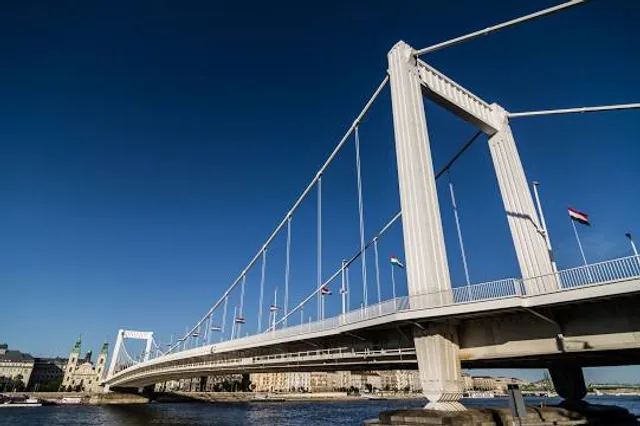
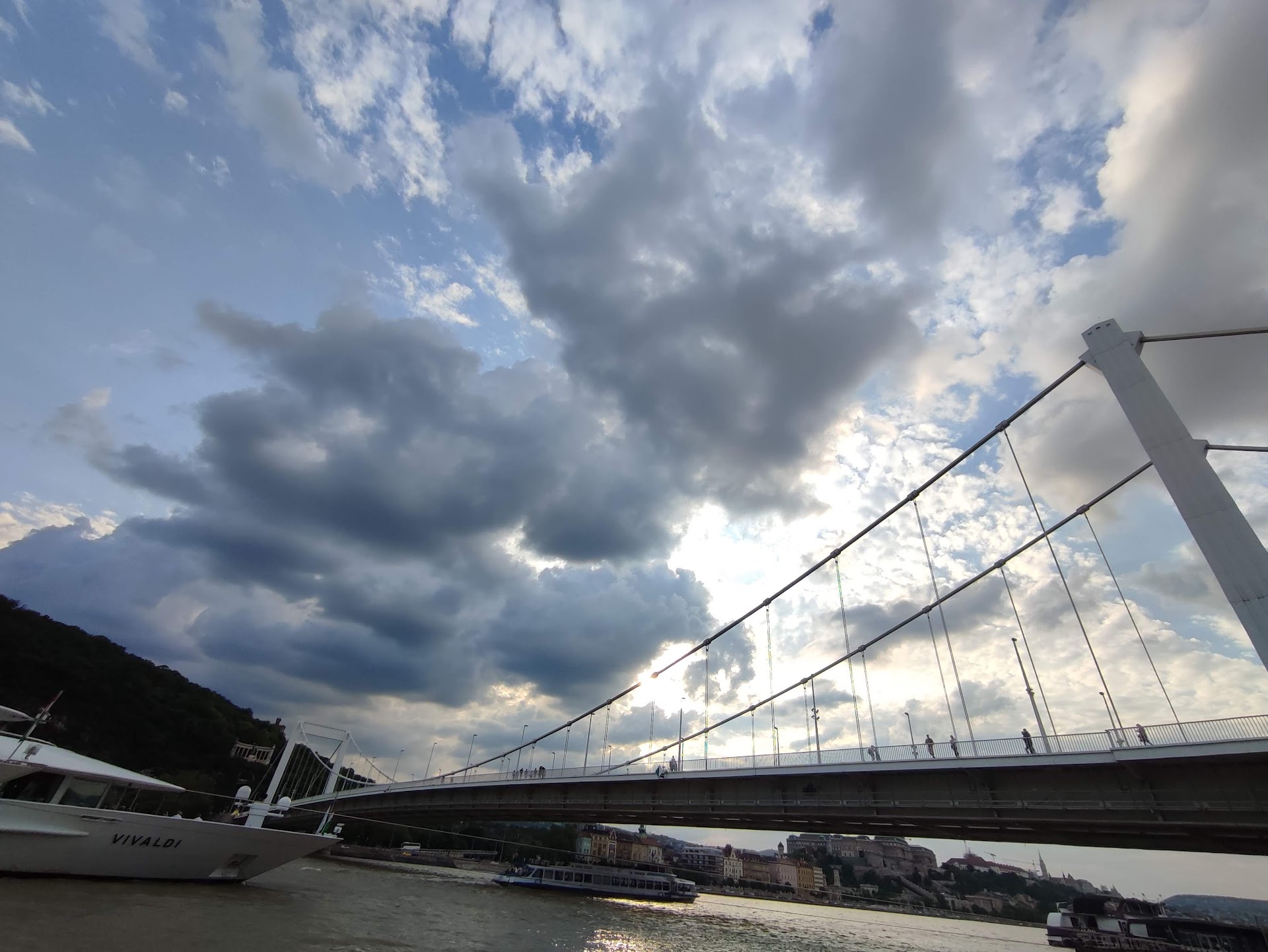
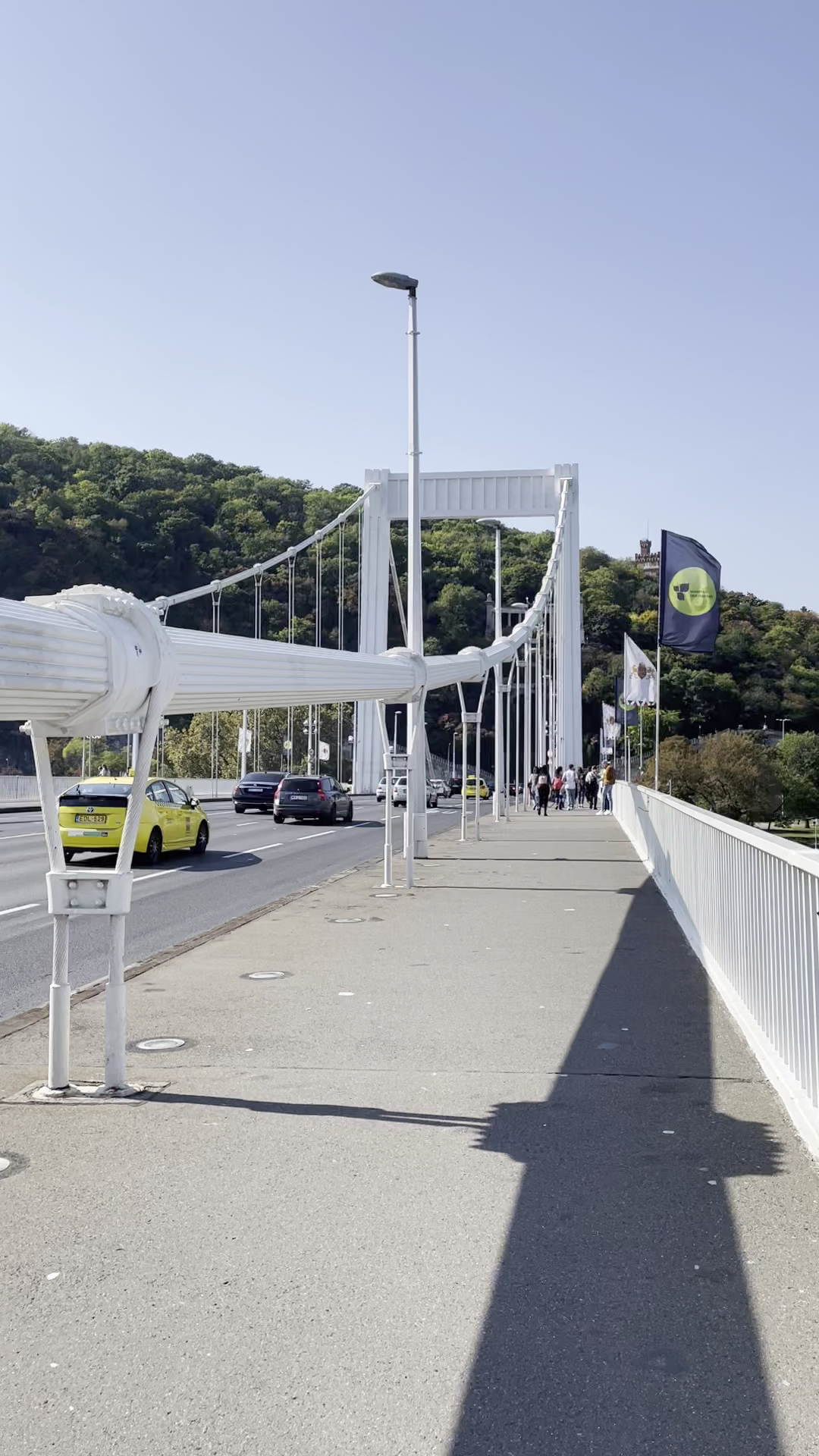
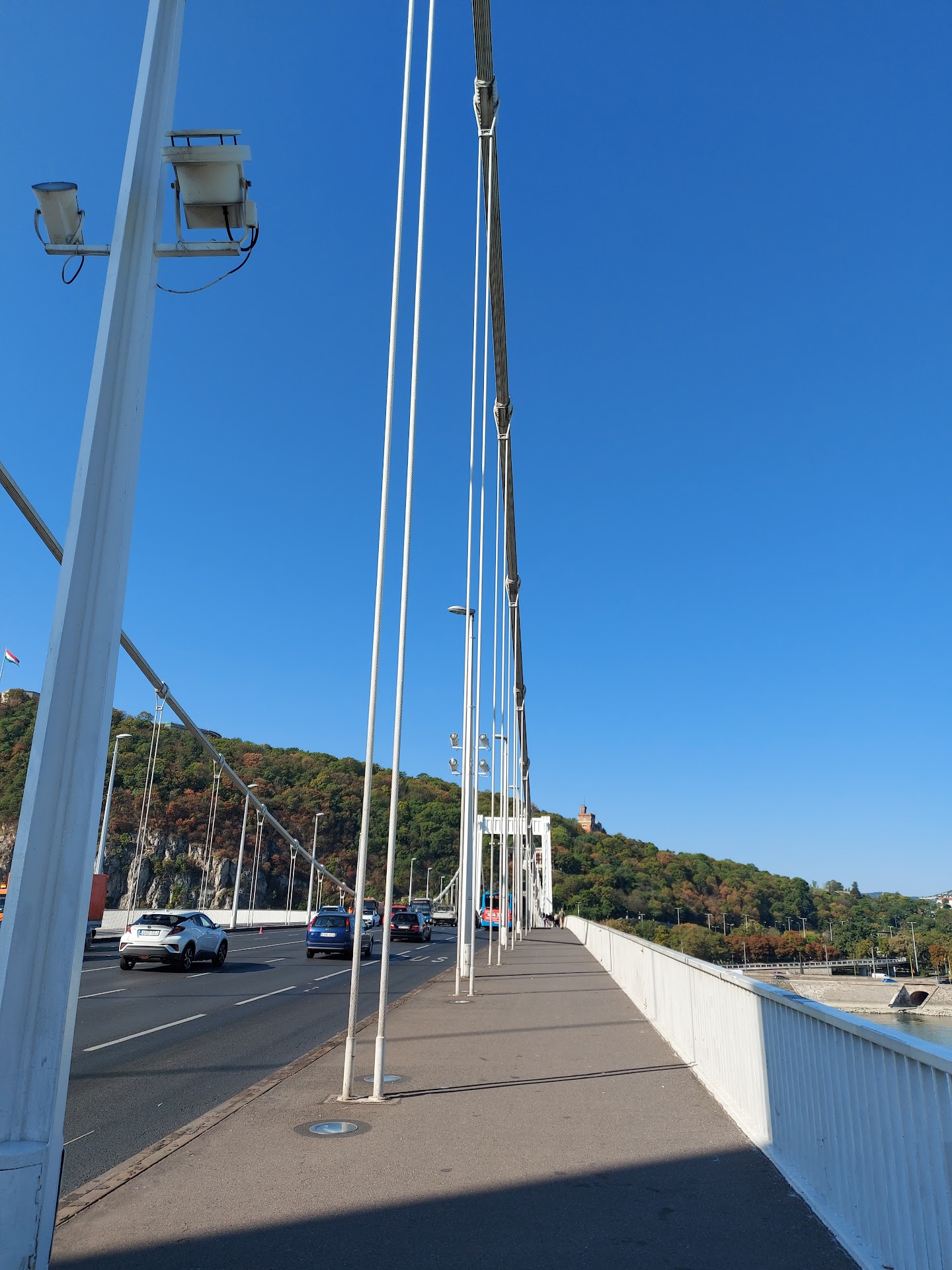
Erzsébet Bridge, also known as Elizabeth Bridge, is an iconic landmark in Budapest that showcases both beauty and fascinating quirks. Built in 1903, this steel structure spans the Danube River, elegantly connecting the districts of Buda and Pest.
Erzsébet Bridge's historical significance adds to its allure. Severely damaged during World War II, the bridge underwent a complete reconstruction in 1964, faithfully preserving its original design while incorporating modern construction techniques. This blend of old and new creates a captivating visual experience for visitors.
At each end of the bridge, you'll encounter the striking Turul bird statues, serving as mythical guardians that enhance the bridge's grandeur. These majestic sculptures contribute to the bridge's unique character and create an atmosphere of awe.
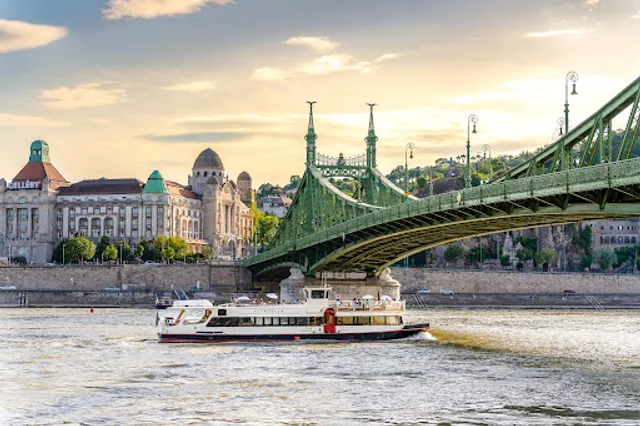
One of the standout features of Erzsébet Bridge is its ability to provide romantic sunset views. As the sun sets over the Danube River, the bridge offers a mesmerizing backdrop, attracting couples and photographers alike. The breathtaking scenery creates unforgettable moments and captures the essence of Budapest's beauty.
Erzsébet Bridge further adds to the city's vibrancy during special occasions and holidays when it is adorned with vibrant illuminations. The bridge transforms into a magnificent spectacle, illuminating the night sky and becoming a symbol of celebration and joy.
Film enthusiasts will appreciate the bridge's appearances in various movies, including the beloved Hungarian film "Hyppolit, the Butler." Its cinematic history adds another layer of charm and intrigue to this already captivating landmark.
Erzsébet Bridge stands not only as a practical and picturesque crossing over the Danube River but also as a symbol of Budapest's rich history and architectural splendor. Its blend of steel structure, mythical guardians, and captivating views make it a must-see destination for locals and visitors alike. Immerse yourself in the allure of Erzsébet Bridge and experience the magic it brings to the heart...
Read moreErzsébet Bridge in Budapest is truly a marvel that captures the essence of this stunning city. Connecting Buda and Pest over the Danube River, the bridge offers breathtaking views that are magnificent both by day and at night. Walking across the Erzsébet Bridge is an experience in itself; the gentle breeze and the sound of water below create a serene atmosphere, making it perfect for leisurely strolls.
During the day, the bridge provides picturesque views of the iconic Buda Castle, the majestic Gellért Hill, and the beautiful architecture lining the riverbanks. The well-maintained walkways make it accessible and enjoyable for pedestrians, allowing you to take in the rich history and vibrant life around you.
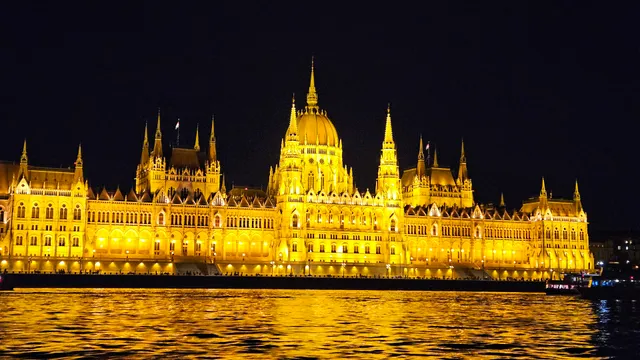
As night falls, the experience transforms into something magical. The illuminated cityscape reflecting on the Danube is breathtaking, and the sight of the famous Parliament Building glowing across the river is something you won’t want to miss. For those looking to elevate their experience, the night river cruises available below the bridge offer a splendid way to enjoy the city lights from the water, making unforgettable memories.
Whether you choose a relaxing afternoon promenade or an enchanting evening cruise, Erzsébet Bridge serves as a perfect gateway to both the vibrant city life and the tranquil beauty of the Danube. This iconic landmark is a must-visit for anyone wanting to experience the captivating charm...
Read moreScroll down for the English version.
Erzsébet híd és környéke története A híd építése és története Az Erzsébet híd Budapest egyik ikonikus hídja, amely a pesti belvárost köti össze a Gellért-heggyel. Az eredeti híd 1903-ban készült el, és nevét Erzsébet királynéról kapta, akit épp a munkálatok kezdetekor gyilkoltak meg. Az első Erzsébet híd egy acélszerkezetű lánchíd volt, amely a maga idejében műszaki szenzációt keltett, mivel egyetlen, 290 méter hosszú nyílással ívelt át a Dunán. A híd a második világháború áldozatává vált: 1945 januárjában a visszavonuló német csapatok felrobbantották.
Az új Erzsébet híd 1961 és 1964 között épült a második világháborúban elpusztított első Erzsébet híd helyére. Az új híd 10 méterrel szélesebb lett, és modern külsejű, de az eredeti pilléreket hasznosító terve alapján készült el.
Érdekes történetek és események Romantikus találkozások: Az Erzsébet híd és környéke mindig is népszerű helyszín volt a szerelmesek számára. A híd gyönyörű kilátást nyújt a Dunára és a városra, különösen naplementekor, ami romantikus sétákra csábítja a párokat. Történelmi események: Az Erzsébet híd számos történelmi esemény tanúja volt. Az 1956-os forradalom idején a híd fontos stratégiai pont volt, és több összecsapás is zajlott itt a forradalmárok és a szovjet csapatok között. Pletykák és mende-mondák: A híd építése során számos pletyka és mende-monda keringett a városban. Az egyik legismertebb történet szerint a híd építése közben egy munkás beleesett a frissen öntött betonba, és a híd egyik pillérébe temették el. A környék változásai Az Erzsébet híd környéke az évek során jelentős változásokon ment keresztül. A híd építése előtt a területet Eskü térnek hívták, és a híd megépítése után kapta az Erzsébet híd nevet. A híd környéke az évek során modernizálódott, és ma már számos étterem, kávézó és üzlet található itt.
History of the Elizabeth Bridge and its Surroundings Construction and History of the Bridge The Elizabeth Bridge is one of Budapest’s iconic bridges, connecting the city center with Gellért Hill. The original bridge was completed in 1903 and was named after Queen Elizabeth, who was assassinated at the beginning of the construction. The first Elizabeth Bridge was a steel suspension bridge, which was a technical sensation at the time, spanning the Danube with a single span of 290 meters. The bridge fell victim to World War II: in January 1945, retreating German troops blew it up.
The new Elizabeth Bridge was built between 1961 and 1964 on the site of the destroyed first Elizabeth Bridge. The new bridge was 10 meters wider and was constructed based on modern designs while utilizing the original pillars.
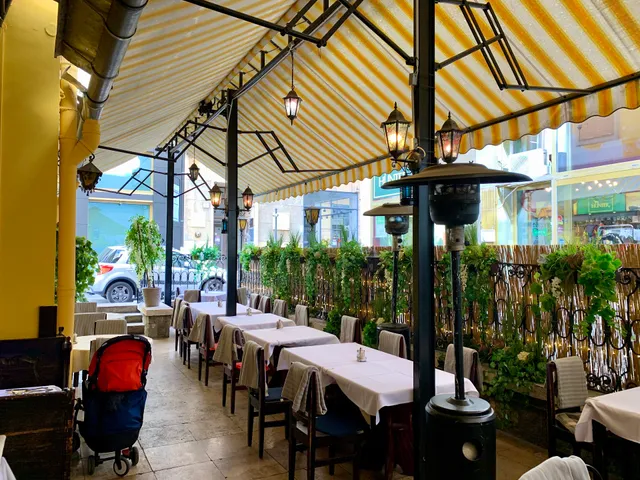
Interesting Stories and Events Romantic Encounters: The Elizabeth Bridge and its surroundings have always been a popular spot for lovers. The bridge offers a beautiful view of the Danube and the city, especially at sunset, making it a perfect place for romantic walks. Historical Events: The Elizabeth Bridge has witnessed numerous historical events. During the 1956 revolution, the bridge was a crucial strategic point, and several clashes occurred here between the revolutionaries and Soviet troops. Rumors and Legends: During the construction of the bridge, many rumors and legends circulated in the city. One of the most famous stories is that a worker fell into the freshly poured concrete during the construction and was buried in one of the bridge’s pillars. Changes in the Area The area around the Elizabeth Bridge has undergone significant changes over the years. Before the bridge was built, the area was called Eskü Square, and it was renamed Elizabeth Bridge after its construction. Over the years, the area has modernized, and today it is home to numerous restaurants, cafes, and shops.
Fotó: 1901 Fortepan / Magyar Földrajzi Múzeum /...
Read more