HTML SitemapExplore
logo
Find Things to DoFind The Best Restaurants

Fiumei Road Graveyard — Attraction in Budapest

Name
Fiumei Road Graveyard
Description
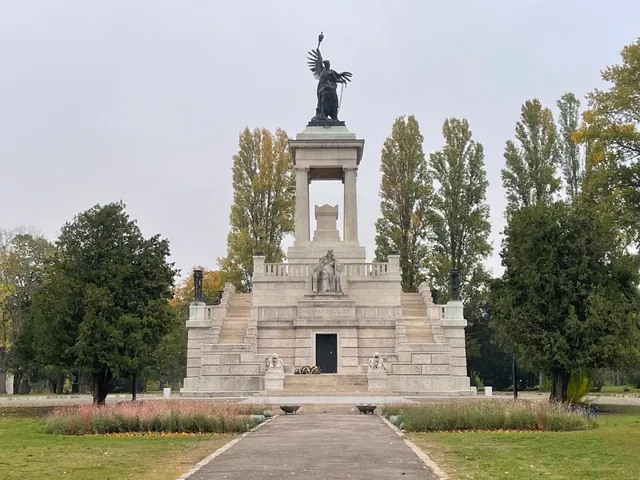
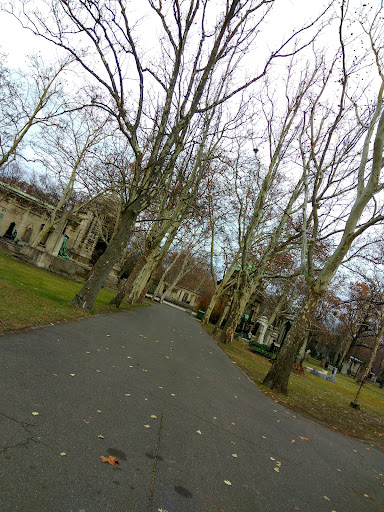
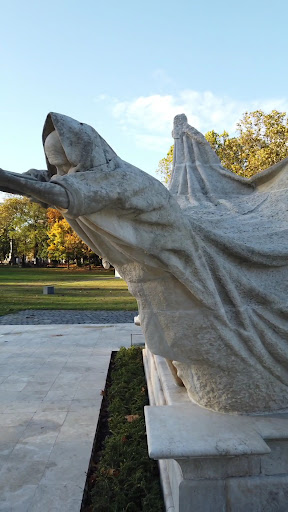
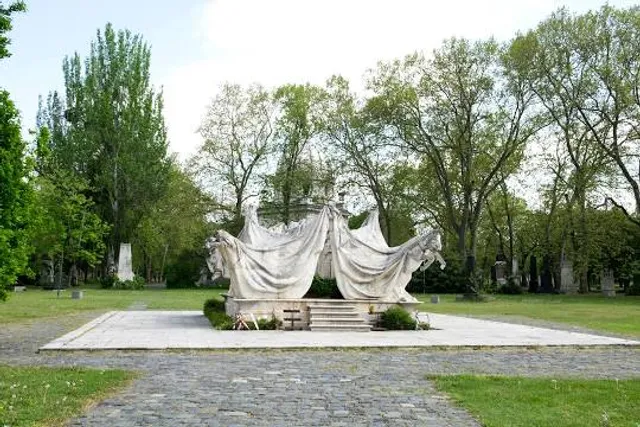
Kerepesi Cemetery is the most famous cemetery in Budapest. It is one of the oldest cemeteries in Hungary, and has been almost completely preserved.
Nearby attractions
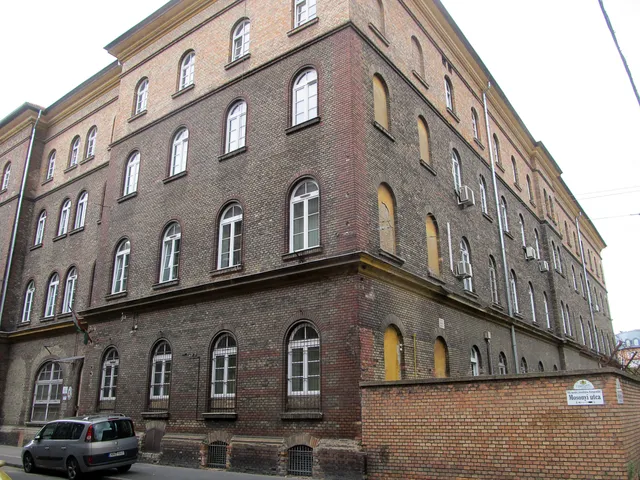
Police Museum
Budapest, Mosonyi u. 5, 1087 Hungary
Nemzeti Emlékezet Múzeuma
Budapest, Fiumei út 16-18, 1086 Hungary
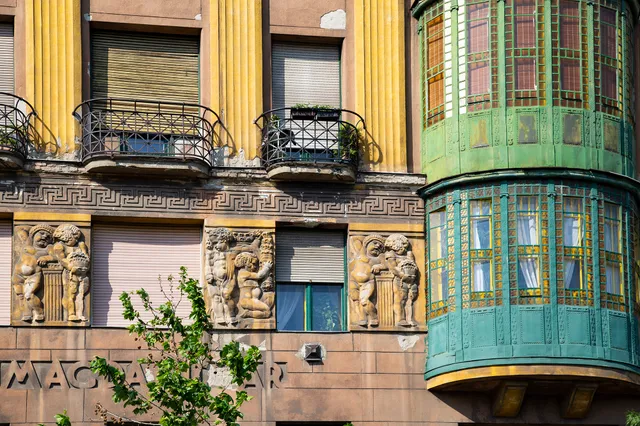
Mátyás tér
Budapest, Mátyás tér, 1084 Hungary
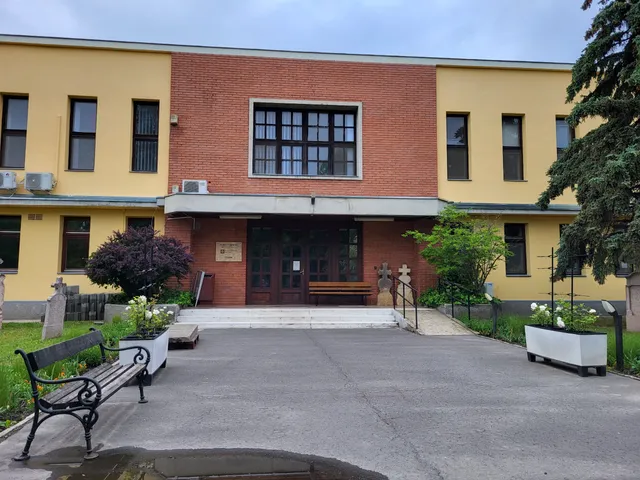
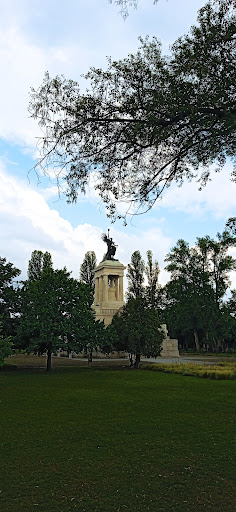
Kossuth Lajos mausoleum
Budapest, Fiumei út 16-18, 1086 Hungary
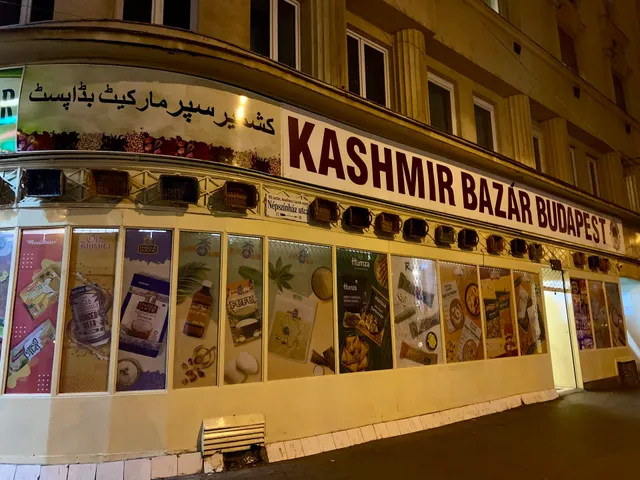
Kashmir Bazar Budapest
Budapest, Népszínház u. 21, 1081 Hungary
Róth Museum
Budapest, Nefelejcs u. 26, 1078 Hungary
Sorsok Háza - Európai Oktatási Központ
Budapest, Fiumei út 22-28, 1086 Hungary
Nearby restaurants
Rosenstein Vendéglő
Budapest, Mosonyi u. 3, 1087 Hungary
Baross Restaurant
Budapest, Kerepesi út 1, 1087 Hungary
Okay Italia Aréna
Budapest, Kerepesi út 9 11, 1087 Hungary
Istambul kebab
Budapest, Thököly út 2, 1076 Hungary
Kao Niaw Ping Kai Restaurant
Budapest, Rákóczi út 69, 1081 Hungary
Rim Thanonh 3 Thai Food
Budapest, Baross tér 5, 1087 Hungary
Buddha Original WOK BAR
Budapest, Kerepesi út 9, 1087 Hungary
La Gare Bistro
Budapest, Baross tér 3, 1077 Hungary
Lakomativ Étterem
Budapest 1078, Verseny u. 2, 1076 Hungary
Asian Street Food Budapest
Budapest, Thököly út 18, 1076 Hungary
Nearby hotels
Atlantic Hotel Budapest
Budapest, Népszínház u. 55, 1081 Hungary
IntercityHotel Budapest
Budapest, Baross tér 7-8, 1087 Hungary
Impulso Fashion Hotel
Budapest, Népszínház u. 39-41, 1081 Hungary
Limehome Budapest Mosonyi u. 4
Budapest, Mosonyi u. 4, 1087 Hungary
Danubius Hotel Hungaria
Budapest, Rákóczi út 88-90, 1074 Hungary
Baross City Hotel
Budapest, Baross tér 15, 1077 Hungary
The Three Corners Hotel Bristol
Budapest, Kenyérmező u. 4, 1081 Hungary
Royal Park Boutique Hotel
Budapest, Nefelejcs u. 6, 1078 Hungary
East Private Rooms
Budapest, Baross tér 3-1st floor 7, 1087 Hungary
Locomotive Light Hostel
Budapest, Baross tér 2, 1082 Hungary
Related posts
Keywords
Fiumei Road Graveyard tourism.Fiumei Road Graveyard hotels.Fiumei Road Graveyard bed and breakfast. flights to Fiumei Road Graveyard.Fiumei Road Graveyard attractions.Fiumei Road Graveyard restaurants.Fiumei Road Graveyard travel.Fiumei Road Graveyard travel guide.Fiumei Road Graveyard travel blog.Fiumei Road Graveyard pictures.Fiumei Road Graveyard photos.Fiumei Road Graveyard travel tips.Fiumei Road Graveyard maps.Fiumei Road Graveyard things to do.
Fiumei Road Graveyard things to do, attractions, restaurants, events info and trip planning
Fiumei Road Graveyard
HungaryCentral HungaryBudapestFiumei Road Graveyard

Basic Info

Fiumei Road Graveyard

Budapest, Fiumei út 16-18, 1086 Hungary
4.7(303)
Open 24 hours
Save
spot

Ratings & Description

Info

Kerepesi Cemetery is the most famous cemetery in Budapest. It is one of the oldest cemeteries in Hungary, and has been almost completely preserved.

Cultural
Outdoor
Scenic
Family friendly
attractions: Police Museum, Nemzeti Emlékezet Múzeuma, Mátyás tér, Kossuth Lajos mausoleum, Kashmir Bazar Budapest, Róth Museum, Sorsok Háza - Európai Oktatási Központ, restaurants: Rosenstein Vendéglő, Baross Restaurant, Okay Italia Aréna, Istambul kebab, Kao Niaw Ping Kai Restaurant, Rim Thanonh 3 Thai Food, Buddha Original WOK BAR, La Gare Bistro, Lakomativ Étterem, Asian Street Food Budapest
logoLearn more insights from Wanderboat AI.
Phone
+36 70 400 8632
Website
fiumeiutisirkert.nori.gov.hu

Plan your stay

hotel
Pet-friendly Hotels in Budapest
Find a cozy hotel nearby and make it a full experience.
hotel
Affordable Hotels in Budapest
Find a cozy hotel nearby and make it a full experience.
hotel
The Coolest Hotels You Haven't Heard Of (Yet)
Find a cozy hotel nearby and make it a full experience.
hotel
Trending Stays Worth the Hype in Budapest
Find a cozy hotel nearby and make it a full experience.

Reviews

Nearby attractions of Fiumei Road Graveyard

Police Museum

Nemzeti Emlékezet Múzeuma

Mátyás tér

Kossuth Lajos mausoleum

Kashmir Bazar Budapest

Róth Museum

Sorsok Háza - Európai Oktatási Központ

Police Museum

Police Museum

4.7

(423)

Closed
Click for details
Nemzeti Emlékezet Múzeuma

Nemzeti Emlékezet Múzeuma

4.5

(17)

Open 24 hours
Click for details
Mátyás tér

Mátyás tér

3.9

(476)

Open 24 hours
Click for details
Kossuth Lajos mausoleum

Kossuth Lajos mausoleum

4.7

(46)

Open 24 hours
Click for details

Things to do nearby

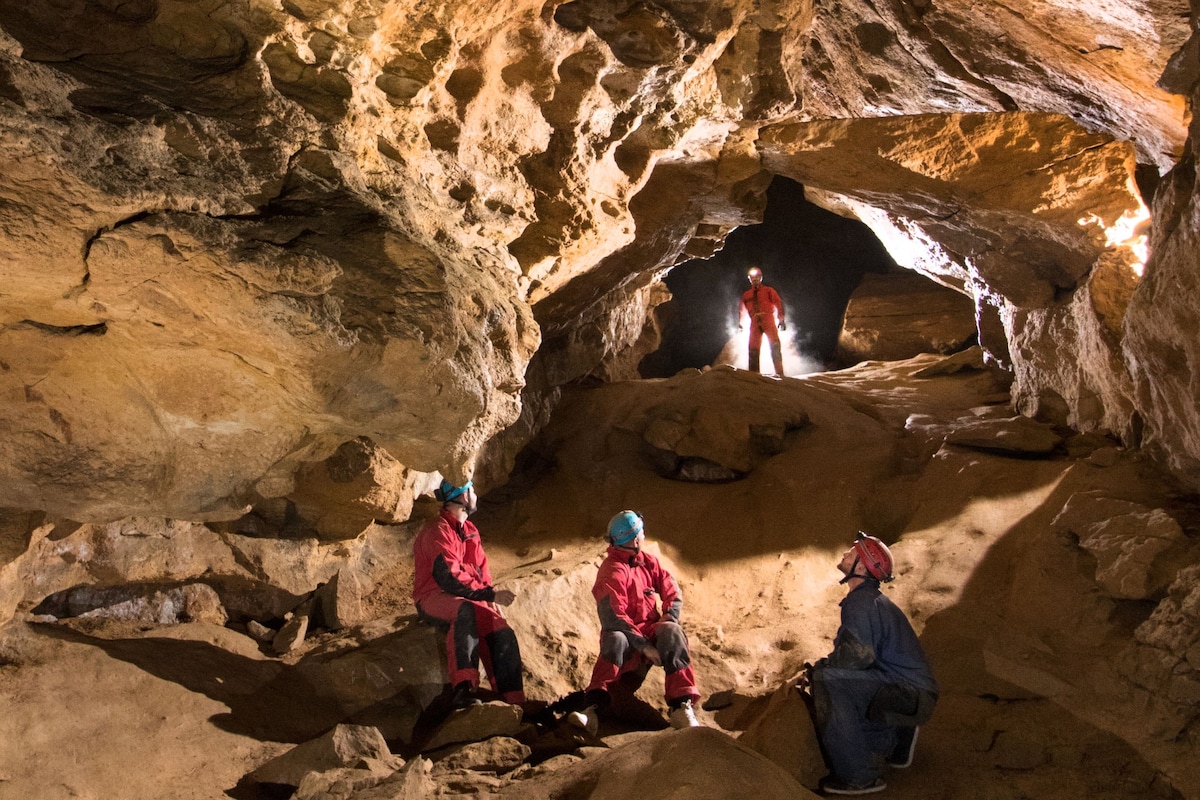
Tours in the longest cave of Budapest
Sat, Dec 6 • 2:00 PM
Budapest, 1025, Hungary
View details
Free tour of downtown Budapest, in Spanish
Sat, Dec 6 • 10:30 AM
Budapest, 1055, Hungary
View details
Amazing Private Photo Shoot in Budapest
Sun, Dec 7 • 10:00 AM
Budapest, 1014, Hungary
View details

Nearby restaurants of Fiumei Road Graveyard

Rosenstein Vendéglő

Baross Restaurant

Okay Italia Aréna

Istambul kebab

Kao Niaw Ping Kai Restaurant

Rim Thanonh 3 Thai Food

Buddha Original WOK BAR

La Gare Bistro

Lakomativ Étterem

Asian Street Food Budapest

Rosenstein Vendéglő

Rosenstein Vendéglő

4.6

(1.9K)

$$

Click for details
Baross Restaurant

Baross Restaurant

4.5

(234)

$$

Closed
Click for details
Okay Italia Aréna

Okay Italia Aréna

3.9

(617)

$$

Click for details
Istambul kebab

Istambul kebab

4.0

(1.1K)

Click for details
Get the Appoverlay
Get the AppOne tap to find yournext favorite spots!
Wanderboat LogoWanderboat

Your everyday Al companion for getaway ideas

CompanyAbout Us
InformationAI Trip PlannerSitemap
SocialXInstagramTiktokLinkedin
LegalTerms of ServicePrivacy Policy

Get the app

© 2025 Wanderboat. All rights reserved.
logo

Reviews of Fiumei Road Graveyard

4.7
(303)
avatar
5.0
4y

Kerepesi Cemetery (Hungarian: Kerepesi úti temető or Kerepesi temető, official name: Fiumei úti nemzeti sírkert, i.e. "Fiume Road National Graveyard") is the most famous cemetery in Budapest. It is one of the oldest cemeteries in Hungary which has been almost completely preserved as an entity.

Kerepesi Cemetery (Hungarian: Kerepesi úti temető or Kerepesi temető, official name: Fiumei úti nemzeti sírkert, i.e. "Fiume Road National Graveyard") is the most famous cemetery in Budapest. It is one of the oldest cemeteries in Hungary which has been almost completely preserved as an entity. Founded in 1847, Kerepesi is located in outer Józsefváros, near Keleti pályaudvar (Eastern Railway Station), and can be reached via Budapest Metro line 2. It is the innermost cemetery of Budapest, although it still lies about 2 km from the downtown centre. Kerepesi is one of the biggest National Pantheons in Europe and the biggest outdoor statue park with its area of about 56 hectares. It is sometimes referred to as the Père Lachaise of Budapest.

The cemetery's first burial took place some two years after its opening, in 1849. Since then numerous Hungarian notables (statesmen, writers, sculptors, architects, artists, composers, scientists, actors and actresses etc.) have been interred there, several of them in ornate tombs or mausoleums. This was encouraged by the decision of the municipal authorities to declare Kerepesi a 'ground of honour' in 1885. The first notable burial was that of Mihály Vörösmarty in 1855. Until the 1940s, several tombs were removed to this cemetery from others in Budapest – for example, it is the fourth resting place of the poet Attila József.

The cemetery was declared closed for burials in 1952. This was partly because it had become damaged during World War II, and partly for political reasons, as the Communist government sought to play down the graves of those who had 'exploited the working class'. At one point it was intended to build a housing estate over the cemetery. Part of the grounds were in fact handed over to a nearby rubber factory and were destroyed in 1953. In 1958, a Mausoleum for the Labour movement was created. During the Communist period (which lasted from 1948 till 1989 in Hungary) this was the only part of the cemetery highlighted or even mentioned by the authorities. After the fall of communism, Kerepesi was still considered by some as a Communist cemetery (for example a son of Béla Bartók forbade his father's ashes to be interred there).

The cemetery, with its extended parks among the graves and monuments, is today open to the public, but interments have ceased. In 1874, a special parcel was established for those who were denied a church funeral (those who committed suicide and those executed). The cemetery is also famous for its Arcades, built between 1908–1911, recalling the style of Northern Italian cemeteries. The artists' sector – in which each tomb contains a notable Hungarian representative of the arts – was created in 1929. Kerepesi contains three mausoleums of leading Hungarian statesmen. There is also a notable mausoleum for Ábrahám Ganz (iron-founder, pioneer in Hungarian heavy industry), built to the plans of Miklós...

   Read more
avatar
5.0
1y

I recently visited Kerepesi Cemetery in Budapest, and I must say it left a profound impression on me. As one of the oldest and most significant cemeteries in Hungary, its grandeur and historical significance are immediately apparent. Walking through the expansive grounds, I was struck by the sheer beauty and solemnity of the place.

The cemetery is not just a resting place for the deceased; it's a veritable open-air museum. Monumental mausoleums and intricately carved gravestones dot the landscape, each telling a story of Hungary's rich cultural and political history. Notable figures such as the revolutionary poet Sándor Petőfi and the esteemed statesman Lajos Kossuth are buried here, making it a pilgrimage site for anyone interested in Hungarian history.

What impressed me most was the artistry and care that went into the design and maintenance of the cemetery. The meticulously manicured gardens and the stunning sculptures provide a peaceful and reflective atmosphere. The majestic trees and the serene pathways create a tranquil environment that invites contemplation and respect.

Kerepesi Cemetery also offers a fascinating glimpse into the architectural styles of different eras. From neo-classical mausoleums to art nouveau memorials, the diversity of styles is both educational and visually captivating. Each section of the cemetery reveals different layers of history and artistry, making it a rewarding experience for anyone with an appreciation for culture and heritage.

Overall, Kerepesi Cemetery is more than just a cemetery; it's a testament to Hungary's history and a place of immense beauty and reverence. My visit there was a deeply moving experience that I would highly recommend to anyone...

   Read more
avatar
5.0
34w

Fiumei Graveyard is one of Budapest’s most atmospheric and underrated sites. Walking through its tree-lined paths feels like stepping into another world—peaceful, eerie, and deeply evocative. It’s not just a cemetery; it’s a vast open-air museum of Hungarian history, art, and remembrance.

The architecture of the graves and mausoleums is genuinely breathtaking. From grand, crumbling stone crypts to finely sculpted statues and monuments, every corner holds something visually striking and emotionally resonant. You’ll find the resting places of poets, politicians, revolutionaries, and ordinary citizens, all surrounded by a quiet, almost gothic ambiance.

What makes it even more powerful is the presence of war scars still visible today. During the grim days of the Siege of Budapest in World War II, this graveyard became a battleground, and some of the damage remains—a haunting reminder of the violence the city endured. It adds a powerful layer of history and solemnity to the visit.

Not your typical tourist stop, but if you appreciate history, architecture, or a bit of ghostly quiet away from the crowds, Fiumei Graveyard is an unforgettable experience. Just bring comfortable shoes—and maybe a bit...

   Read more
Page 1 of 7
Previous
Next

Posts

Shashank ManuShashank Manu
Kerepesi Cemetery (Hungarian: Kerepesi úti temető or Kerepesi temető, official name: Fiumei úti nemzeti sírkert, i.e. "Fiume Road National Graveyard") is the most famous cemetery in Budapest. It is one of the oldest cemeteries in Hungary which has been almost completely preserved as an entity. Kerepesi Cemetery (Hungarian: Kerepesi úti temető or Kerepesi temető, official name: Fiumei úti nemzeti sírkert, i.e. "Fiume Road National Graveyard") is the most famous cemetery in Budapest. It is one of the oldest cemeteries in Hungary which has been almost completely preserved as an entity. Founded in 1847, Kerepesi is located in outer Józsefváros, near Keleti pályaudvar (Eastern Railway Station), and can be reached via Budapest Metro line 2. It is the innermost cemetery of Budapest, although it still lies about 2 km from the downtown centre. Kerepesi is one of the biggest National Pantheons in Europe and the biggest outdoor statue park with its area of about 56 hectares. It is sometimes referred to as the Père Lachaise of Budapest. The cemetery's first burial took place some two years after its opening, in 1849. Since then numerous Hungarian notables (statesmen, writers, sculptors, architects, artists, composers, scientists, actors and actresses etc.) have been interred there, several of them in ornate tombs or mausoleums. This was encouraged by the decision of the municipal authorities to declare Kerepesi a 'ground of honour' in 1885. The first notable burial was that of Mihály Vörösmarty in 1855. Until the 1940s, several tombs were removed to this cemetery from others in Budapest – for example, it is the fourth resting place of the poet Attila József. The cemetery was declared closed for burials in 1952. This was partly because it had become damaged during World War II, and partly for political reasons, as the Communist government sought to play down the graves of those who had 'exploited the working class'. At one point it was intended to build a housing estate over the cemetery. Part of the grounds were in fact handed over to a nearby rubber factory and were destroyed in 1953. In 1958, a Mausoleum for the Labour movement was created. During the Communist period (which lasted from 1948 till 1989 in Hungary) this was the only part of the cemetery highlighted or even mentioned by the authorities. After the fall of communism, Kerepesi was still considered by some as a Communist cemetery (for example a son of Béla Bartók forbade his father's ashes to be interred there). The cemetery, with its extended parks among the graves and monuments, is today open to the public, but interments have ceased. In 1874, a special parcel was established for those who were denied a church funeral (those who committed suicide and those executed). The cemetery is also famous for its Arcades, built between 1908–1911, recalling the style of Northern Italian cemeteries. The artists' sector – in which each tomb contains a notable Hungarian representative of the arts – was created in 1929. Kerepesi contains three mausoleums of leading Hungarian statesmen. There is also a notable mausoleum for Ábrahám Ganz (iron-founder, pioneer in Hungarian heavy industry), built to the plans of Miklós Ybl in 1868.
TaniaTania
I recently visited Kerepesi Cemetery in Budapest, and I must say it left a profound impression on me. As one of the oldest and most significant cemeteries in Hungary, its grandeur and historical significance are immediately apparent. Walking through the expansive grounds, I was struck by the sheer beauty and solemnity of the place. The cemetery is not just a resting place for the deceased; it's a veritable open-air museum. Monumental mausoleums and intricately carved gravestones dot the landscape, each telling a story of Hungary's rich cultural and political history. Notable figures such as the revolutionary poet Sándor Petőfi and the esteemed statesman Lajos Kossuth are buried here, making it a pilgrimage site for anyone interested in Hungarian history. What impressed me most was the artistry and care that went into the design and maintenance of the cemetery. The meticulously manicured gardens and the stunning sculptures provide a peaceful and reflective atmosphere. The majestic trees and the serene pathways create a tranquil environment that invites contemplation and respect. Kerepesi Cemetery also offers a fascinating glimpse into the architectural styles of different eras. From neo-classical mausoleums to art nouveau memorials, the diversity of styles is both educational and visually captivating. Each section of the cemetery reveals different layers of history and artistry, making it a rewarding experience for anyone with an appreciation for culture and heritage. Overall, Kerepesi Cemetery is more than just a cemetery; it's a testament to Hungary's history and a place of immense beauty and reverence. My visit there was a deeply moving experience that I would highly recommend to anyone visiting Budapest.
Jay GallJay Gall
Fiumei Graveyard is one of Budapest’s most atmospheric and underrated sites. Walking through its tree-lined paths feels like stepping into another world—peaceful, eerie, and deeply evocative. It’s not just a cemetery; it’s a vast open-air museum of Hungarian history, art, and remembrance. The architecture of the graves and mausoleums is genuinely breathtaking. From grand, crumbling stone crypts to finely sculpted statues and monuments, every corner holds something visually striking and emotionally resonant. You’ll find the resting places of poets, politicians, revolutionaries, and ordinary citizens, all surrounded by a quiet, almost gothic ambiance. What makes it even more powerful is the presence of war scars still visible today. During the grim days of the Siege of Budapest in World War II, this graveyard became a battleground, and some of the damage remains—a haunting reminder of the violence the city endured. It adds a powerful layer of history and solemnity to the visit. Not your typical tourist stop, but if you appreciate history, architecture, or a bit of ghostly quiet away from the crowds, Fiumei Graveyard is an unforgettable experience. Just bring comfortable shoes—and maybe a bit of reverence.
See more posts
See more posts
hotel
Find your stay

Pet-friendly Hotels in Budapest

Find a cozy hotel nearby and make it a full experience.

Kerepesi Cemetery (Hungarian: Kerepesi úti temető or Kerepesi temető, official name: Fiumei úti nemzeti sírkert, i.e. "Fiume Road National Graveyard") is the most famous cemetery in Budapest. It is one of the oldest cemeteries in Hungary which has been almost completely preserved as an entity. Kerepesi Cemetery (Hungarian: Kerepesi úti temető or Kerepesi temető, official name: Fiumei úti nemzeti sírkert, i.e. "Fiume Road National Graveyard") is the most famous cemetery in Budapest. It is one of the oldest cemeteries in Hungary which has been almost completely preserved as an entity. Founded in 1847, Kerepesi is located in outer Józsefváros, near Keleti pályaudvar (Eastern Railway Station), and can be reached via Budapest Metro line 2. It is the innermost cemetery of Budapest, although it still lies about 2 km from the downtown centre. Kerepesi is one of the biggest National Pantheons in Europe and the biggest outdoor statue park with its area of about 56 hectares. It is sometimes referred to as the Père Lachaise of Budapest. The cemetery's first burial took place some two years after its opening, in 1849. Since then numerous Hungarian notables (statesmen, writers, sculptors, architects, artists, composers, scientists, actors and actresses etc.) have been interred there, several of them in ornate tombs or mausoleums. This was encouraged by the decision of the municipal authorities to declare Kerepesi a 'ground of honour' in 1885. The first notable burial was that of Mihály Vörösmarty in 1855. Until the 1940s, several tombs were removed to this cemetery from others in Budapest – for example, it is the fourth resting place of the poet Attila József. The cemetery was declared closed for burials in 1952. This was partly because it had become damaged during World War II, and partly for political reasons, as the Communist government sought to play down the graves of those who had 'exploited the working class'. At one point it was intended to build a housing estate over the cemetery. Part of the grounds were in fact handed over to a nearby rubber factory and were destroyed in 1953. In 1958, a Mausoleum for the Labour movement was created. During the Communist period (which lasted from 1948 till 1989 in Hungary) this was the only part of the cemetery highlighted or even mentioned by the authorities. After the fall of communism, Kerepesi was still considered by some as a Communist cemetery (for example a son of Béla Bartók forbade his father's ashes to be interred there). The cemetery, with its extended parks among the graves and monuments, is today open to the public, but interments have ceased. In 1874, a special parcel was established for those who were denied a church funeral (those who committed suicide and those executed). The cemetery is also famous for its Arcades, built between 1908–1911, recalling the style of Northern Italian cemeteries. The artists' sector – in which each tomb contains a notable Hungarian representative of the arts – was created in 1929. Kerepesi contains three mausoleums of leading Hungarian statesmen. There is also a notable mausoleum for Ábrahám Ganz (iron-founder, pioneer in Hungarian heavy industry), built to the plans of Miklós Ybl in 1868.
Shashank Manu

Shashank Manu

hotel
Find your stay

Affordable Hotels in Budapest

Find a cozy hotel nearby and make it a full experience.

Get the Appoverlay
Get the AppOne tap to find yournext favorite spots!
I recently visited Kerepesi Cemetery in Budapest, and I must say it left a profound impression on me. As one of the oldest and most significant cemeteries in Hungary, its grandeur and historical significance are immediately apparent. Walking through the expansive grounds, I was struck by the sheer beauty and solemnity of the place. The cemetery is not just a resting place for the deceased; it's a veritable open-air museum. Monumental mausoleums and intricately carved gravestones dot the landscape, each telling a story of Hungary's rich cultural and political history. Notable figures such as the revolutionary poet Sándor Petőfi and the esteemed statesman Lajos Kossuth are buried here, making it a pilgrimage site for anyone interested in Hungarian history. What impressed me most was the artistry and care that went into the design and maintenance of the cemetery. The meticulously manicured gardens and the stunning sculptures provide a peaceful and reflective atmosphere. The majestic trees and the serene pathways create a tranquil environment that invites contemplation and respect. Kerepesi Cemetery also offers a fascinating glimpse into the architectural styles of different eras. From neo-classical mausoleums to art nouveau memorials, the diversity of styles is both educational and visually captivating. Each section of the cemetery reveals different layers of history and artistry, making it a rewarding experience for anyone with an appreciation for culture and heritage. Overall, Kerepesi Cemetery is more than just a cemetery; it's a testament to Hungary's history and a place of immense beauty and reverence. My visit there was a deeply moving experience that I would highly recommend to anyone visiting Budapest.
Tania

Tania

hotel
Find your stay

The Coolest Hotels You Haven't Heard Of (Yet)

Find a cozy hotel nearby and make it a full experience.

hotel
Find your stay

Trending Stays Worth the Hype in Budapest

Find a cozy hotel nearby and make it a full experience.

Fiumei Graveyard is one of Budapest’s most atmospheric and underrated sites. Walking through its tree-lined paths feels like stepping into another world—peaceful, eerie, and deeply evocative. It’s not just a cemetery; it’s a vast open-air museum of Hungarian history, art, and remembrance. The architecture of the graves and mausoleums is genuinely breathtaking. From grand, crumbling stone crypts to finely sculpted statues and monuments, every corner holds something visually striking and emotionally resonant. You’ll find the resting places of poets, politicians, revolutionaries, and ordinary citizens, all surrounded by a quiet, almost gothic ambiance. What makes it even more powerful is the presence of war scars still visible today. During the grim days of the Siege of Budapest in World War II, this graveyard became a battleground, and some of the damage remains—a haunting reminder of the violence the city endured. It adds a powerful layer of history and solemnity to the visit. Not your typical tourist stop, but if you appreciate history, architecture, or a bit of ghostly quiet away from the crowds, Fiumei Graveyard is an unforgettable experience. Just bring comfortable shoes—and maybe a bit of reverence.
Jay Gall

Jay Gall

See more posts
See more posts