The area around Ubud has been inhabited since ancient times, with evidence of settlements dating back to the 8th century. The region was originally inhabited by the Balinese people, who were predominantly farmers and artisans.
Ubud, like the rest of Bali, was heavily influenced by Hindu culture and religion, which arrived in Indonesia around the 1st century CE. Hinduism played a significant role in shaping the cultural and religious landscape of the region, with the construction of temples and shrines dedicated to Hindu deities.
In the 16th century, Ubud became a center of power for the ruling royal family of Gianyar. The royal family played a crucial role in promoting the arts, culture, and spirituality of the region, fostering the development of traditional Balinese dance, music, painting, and crafts.
During the 19th century, Bali came under Dutch colonial rule. While Ubud was not directly administered by the Dutch, the colonial presence had a significant impact on the island's economy and governance.
In the early 20th century, Ubud experienced an artistic renaissance, attracting Western artists and intellectuals who were drawn to the region's natural beauty and vibrant cultural scene. Artists such as Walter Spies and Rudolf Bonnet played a pivotal role in promoting Balinese art internationally and establishing Ubud as a center for artistic expression.
Following Indonesia's independence from Dutch rule in 1945, Ubud continued to thrive as a cultural and artistic hub. Tourism began to flourish in the latter half of the 20th century, with Ubud becoming a popular destination for travelers seeking to experience Bali's rich cultural heritage, spiritual traditions, and natural beauty.
Ubud is considered the cultural heart of Bali, known for its traditional Balinese arts, including dance, music, painting, and crafts. Visitors can explore art galleries, museums, and attend traditional performances.
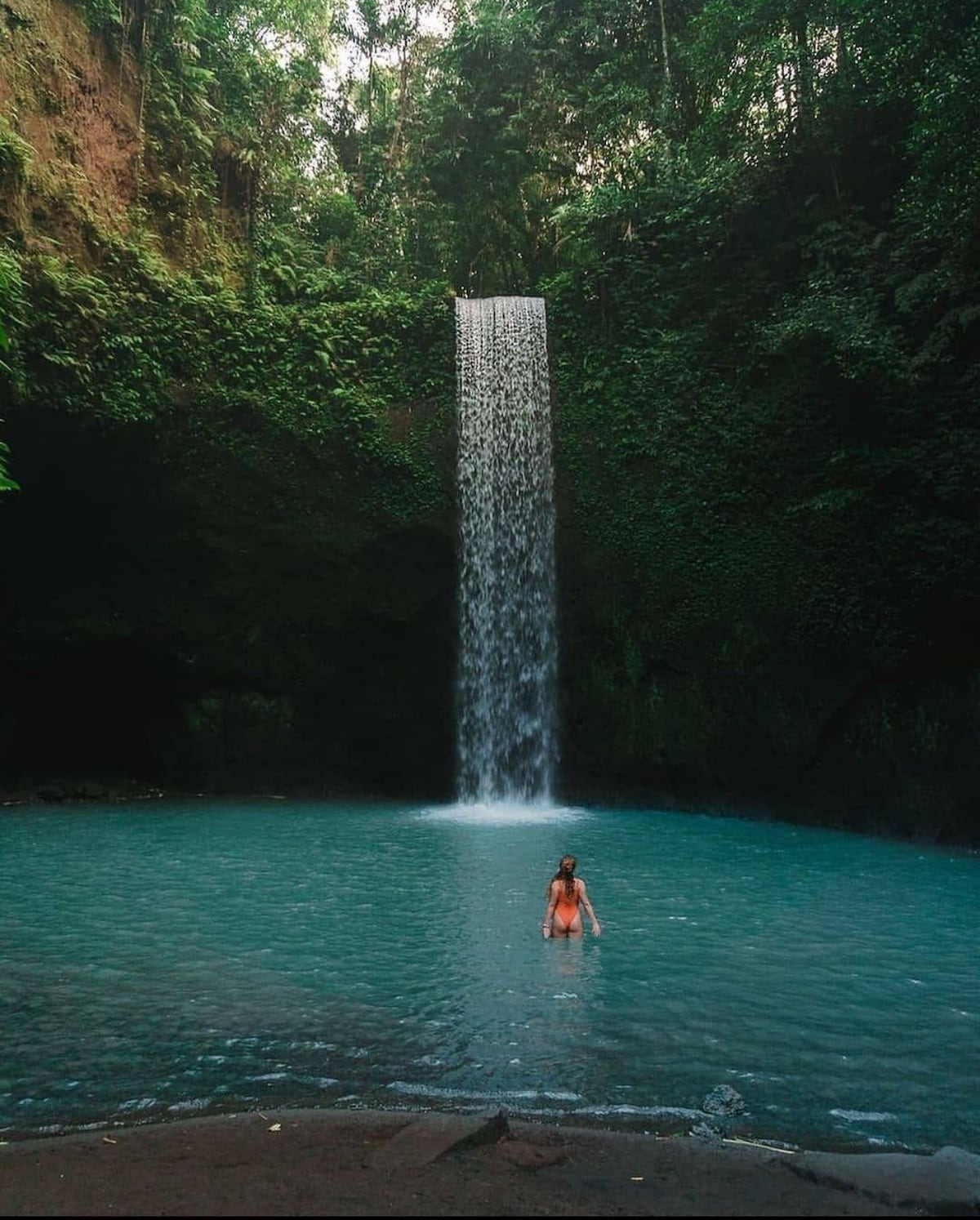
The town is surrounded by lush rice paddies, dense forests, and scenic rivers. Travelers often engage in activities such as trekking, cycling, or rafting to explore the natural beauty of the area.
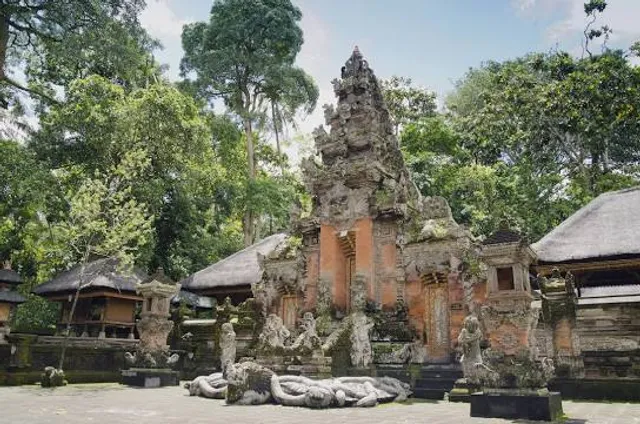
Ubud is home to several ancient Hindu temples and shrines, such as the Goa Gajah (Elephant Cave), Pura Tirta Empul (Holy Water Temple), and the Ubud Monkey Forest, where visitors can observe playful macaques and explore sacred temples.
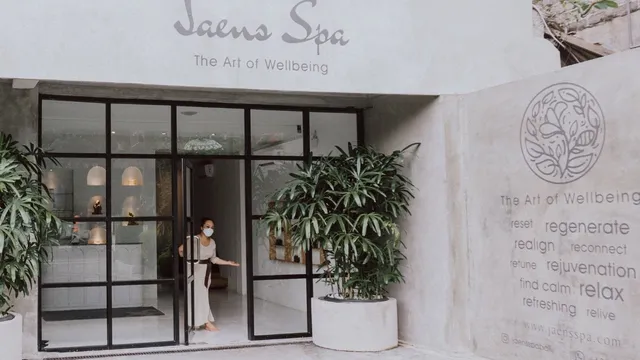
Ubud is a popular destination for wellness and spiritual retreats, offering yoga classes, meditation sessions, and spa treatments amidst serene surroundings.
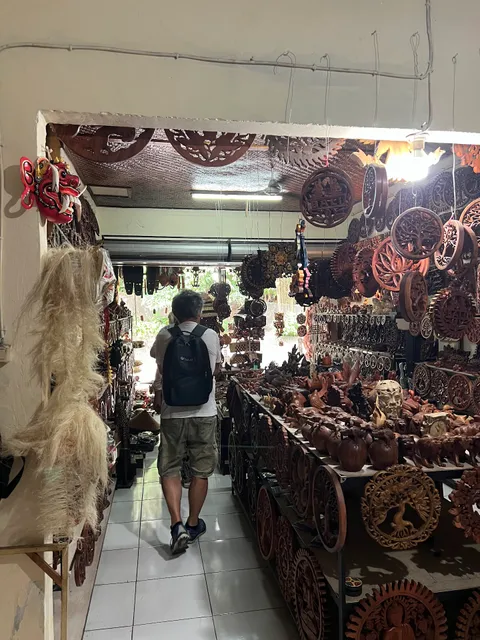
The town boasts a vibrant artisan community, with numerous boutiques, markets, and workshops selling handmade crafts, textiles, jewelry, and souvenirs.
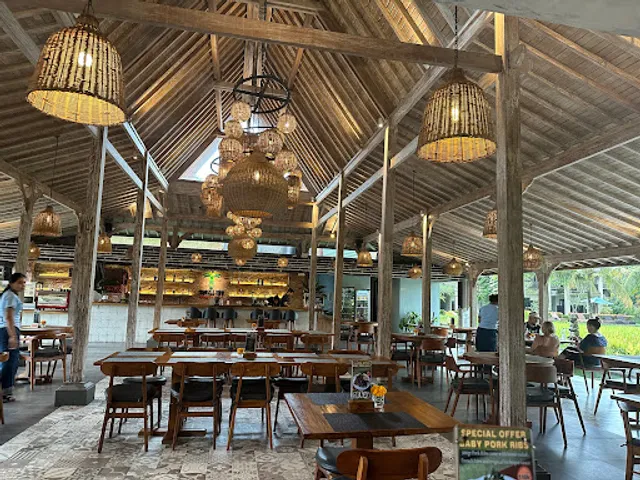
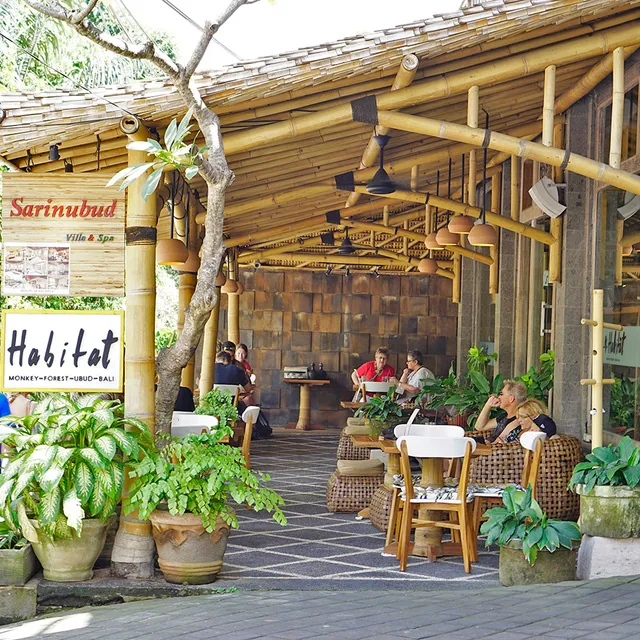
Ubud offers a diverse culinary scene, with an array of restaurants, cafes, and warungs (local eateries) serving both traditional Balinese dishes and...
Read moreThe Sacred Monkey Forest in Bali is nothing short of a thrilling jungle adventure that immerses you in a realm where nature, spirituality, and mischievous monkeys converge. From the moment you step into this enchanting sanctuary, you are greeted by the lively chatter of long-tailed macaques and the lush, vibrant foliage that forms the backdrop to this captivating experience.
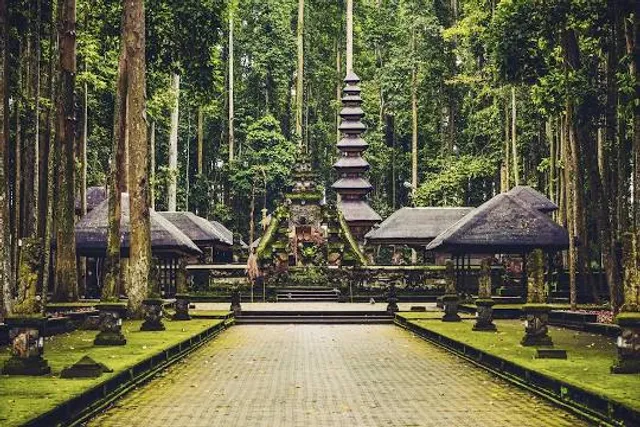
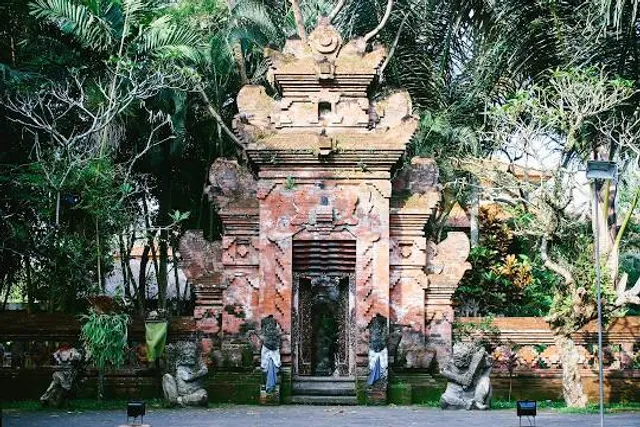
Walking through the ancient moss-covered stone entrance feels like stepping into a mystical realm where centuries-old temples stand in harmony with the playful antics of the resident monkeys. The air is filled with an electric energy, a palpable fusion of the sacred and the wild.
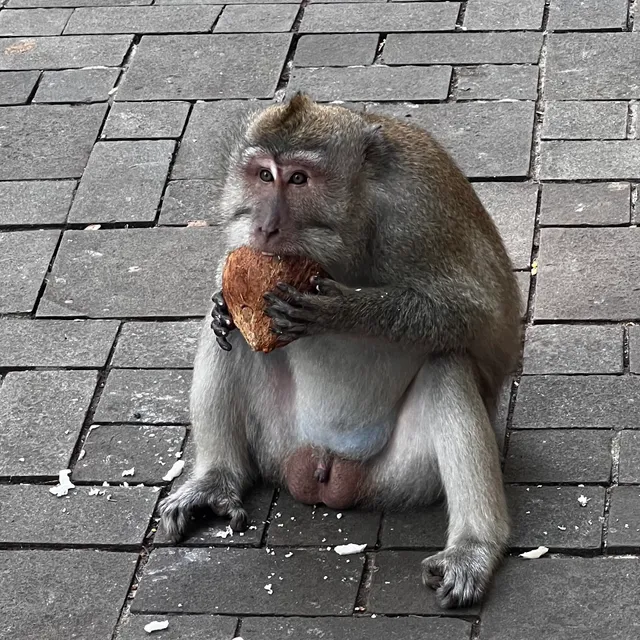
The monkeys, considered sacred guardians of the forest, are the true stars of this show. Their cheeky antics, acrobatic displays, and curious nature create an atmosphere of constant excitement. From adorable infants clinging to their mothers to mischievous adolescents engaging in playful games, every corner of the forest is alive with the dynamic energy of these captivating creatures.
Interacting with the monkeys adds an element of unpredictability to the experience. Whether they're gently accepting a banana from your hand or demonstrating their agility by leaping from branch to branch, each encounter is a unique and exhilarating moment. It's a delightful dance of coexistence between humans and primates, set against the backdrop of ancient mossy temples and towering banyan trees.
The forest itself is a work of art, a carefully preserved ecosystem that invites exploration. The pathways wind through dense foliage, revealing hidden shrines, moss-covered statues, and tranquil streams. The ambient sounds of rustling leaves and distant monkey calls create a symphony that accompanies your journey through this natural wonderland.
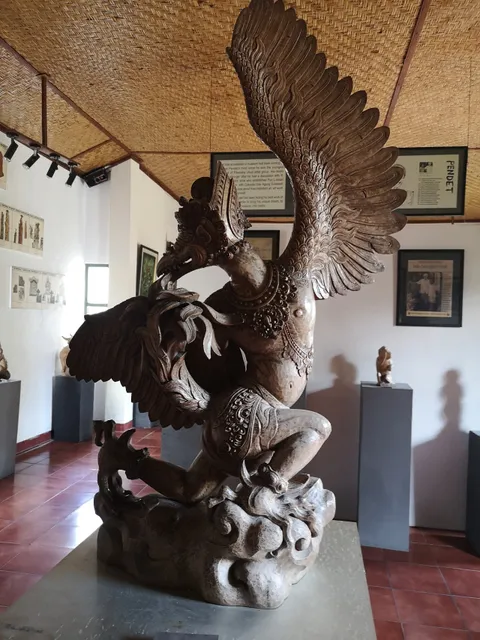
The sacred temples within the forest add a layer of cultural richness to the experience. The intricate stone carvings and ancient architecture transport you back in time, offering a glimpse into Bali's spiritual heritage. The juxtaposition of the sacred and the untamed creates a harmonious balance that is both awe-inspiring and invigorating.
In conclusion, the Sacred Monkey Forest in Bali is not just a tourist attraction; it's a thrilling escapade into a world where nature and spirituality intertwine. The mischievous monkeys, ancient temples, and lush greenery combine to create an experience that is as exhilarating as it is enchanting. If you're seeking adventure, cultural immersion, and a touch of wildlife magic, the Sacred Monkey Forest is a must-visit destination that promises a journey...
Read moreI thought it was nice. I've seen many monkeys before, but not this many interacting like this. They go all over the temple areas. They play, wrestle, pull each other by the tails, and groom each others' every crevice (seriously, they don't miss anywhere). There's also ponds where they jump in the water, splash, and wrestle. They climb trees and backpacks, especially if you have anything plastic or keychains. A baby even tried to take the plastic nubs on my shoelaces (babies are easier to shake off). The babies will just jump or crawl on you if you stay in 1 spot long enough.
The staff look out for you, listen to their instructions. They had me put my bag of tissues and my hand sani inside my backpack. They didn't say about my round watermelon keychain or metal caribeener, but while I was taking photos of 2 monkeys I felt someone gently push my side like they were trying to get my attention. But when I turned toward what I felt, sure enough it was a monkey grabbing my keychain trying to unzip my backpack 😳 The monkey hissed but let me walk away fine. They have fingers like humans, but I didn't see any nails so when they touch you it doesn't hurt.
When a girl got her lipstick in her backpack stolen (she coaxed the monkey onto her backpack, so I'm sure the monkey took it as permission to unzip it), one of the rangers got it back for her. That's also good for the monkey cuz most likely the monkey woulda tried to eat it once he opened it.
There's a few feeding stations around the park where the monkeys are fed yams I think. But they also hunt for themselves, you'll see many trying to crack open nuts and fruits on the ground. They'll also try to crack open plastic objects from humans the same way, not knowing that there's no food inside. Seriously, they really do love plastic, not sure why.
I didn't witness anyone getting more than hissed at. Pay special attention for the moms when around the babies, even if you think it's just you and a baby or 3, the moms will show up quick to hiss you away. They have fingers like humans, but I didn't see any nails so when they touch you it doesn't hurt. They clearly don't want to fight humans, so listen to the monkeys if they hiss at you.
Walkways are easy, paved bridges, and some stairs but not tough. I spent a bit over an hour walking around the whole park.
You get on the public bus back to town nearby where you get dropped off (bus stop location on google maps was wrong when I went).
Entry fee was 80k for foreigners (I expected 50k but all the signs very...
Read more