The Famine Memorial things to do, attractions, restaurants, events info and trip planning
Basic Info
The Famine Memorial
Custom House Quay, North Wall, Dublin, Ireland
4.7(695)
Open until 12:00 AM
Save
spot
spot
Ratings & Description
Info
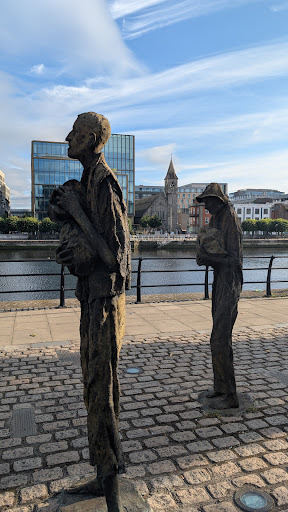
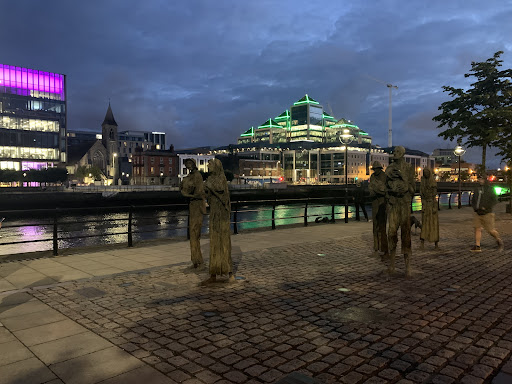
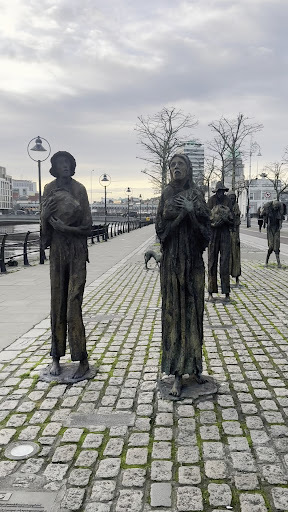
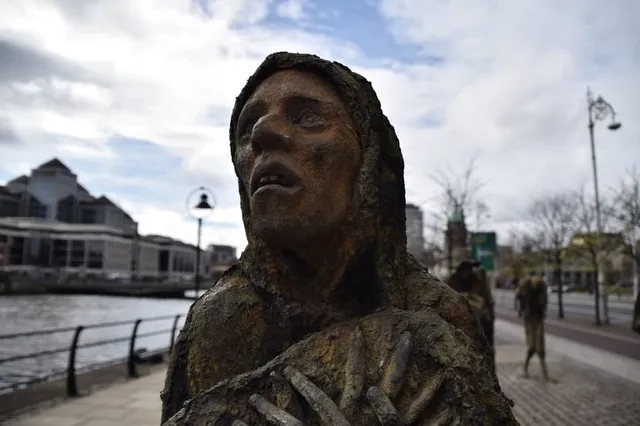
The Famine Memorial, officially titled Famine, is a memorial in Dublin, Ireland. The memorial, which stands on Customs House Quay, is in remembrance of the Great Famine, which saw the population of the country halved through death and emigration.
Cultural
Scenic
Accessibility
attractions: EPIC The Irish Emigration Museum, The Jeanie Johnston: An Irish Famine Story, Seán O'Casey Bridge, Triumphal Arch, The Custom House, Abbey Theatre, Trinity College Dublin, The Book of Kells Experience, The National Wax Museum Plus, St. Andrew's Parish Church, restaurants: Urban Brewing, Harbourmaster Bar & Restaurant, As One, Premier Inn Dublin City Centre (Gloucester Street South) hotel, O'Reilly's bar, Seven Wonders CHQ, The Celt, Bread 41, Il Capo Italian Pizza & Pasta, Mulligan's, local businesses: The Brew Dock, Custom House Visitor Centre, Talbot Memorial Bridge, The Book of Kells, Books Upstairs, O'Connell Bridge, Eason, Ezios Takeaway, Meaghers O’Connell Bridge, Carrolls Irish Gifts
 Learn more insights from Wanderboat AI.
Website
visitdublin.com
Open hoursSee all hours
SatOpen 24 hoursOpen
Plan your stay

Pet-friendly Hotels in Dublin
Find a cozy hotel nearby and make it a full experience.

Affordable Hotels in Dublin
Find a cozy hotel nearby and make it a full experience.

The Coolest Hotels You Haven't Heard Of (Yet)
Find a cozy hotel nearby and make it a full experience.

Trending Stays Worth the Hype in Dublin
Find a cozy hotel nearby and make it a full experience.
Reviews
Live events

Forge a silver ring workshop
Sun, Feb 22 • 7:00 PM
Dublin, County Dublin, D02 V658, Ireland
View details

Mind of a Serial Killer: The Experience
Sat, Feb 21 • 4:15 PM
The Gate Lodge, RDS Grounds, Simmonscourt Rd, Ballsbridge, Dublin, D04 AK83
View details
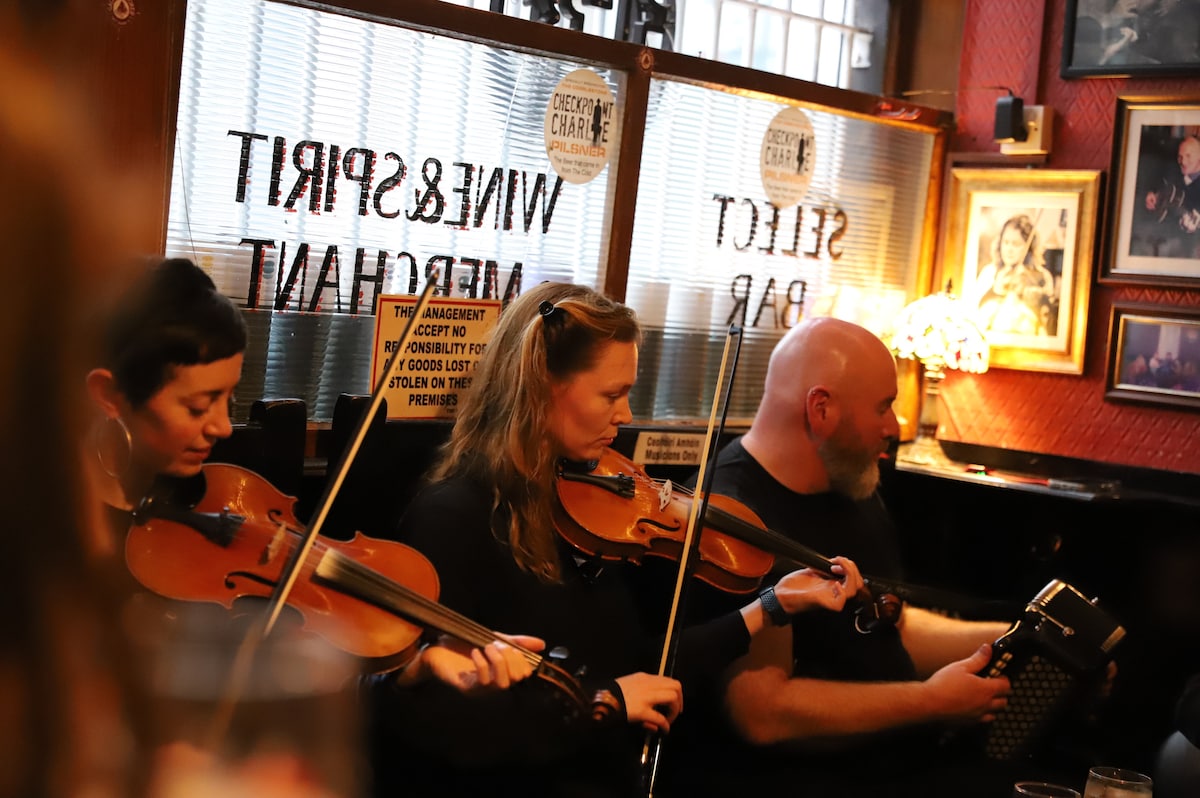
Real Dublin Traditional Music Pub Tour
Sat, Feb 21 • 7:30 PM
Dublin, County Dublin, d7, Ireland
View details
Nearby attractions of The Famine Memorial
EPIC The Irish Emigration Museum
The Jeanie Johnston: An Irish Famine Story
Seán O'Casey Bridge
Triumphal Arch
The Custom House
Abbey Theatre
Trinity College Dublin
The Book of Kells Experience
The National Wax Museum Plus
St. Andrew's Parish Church
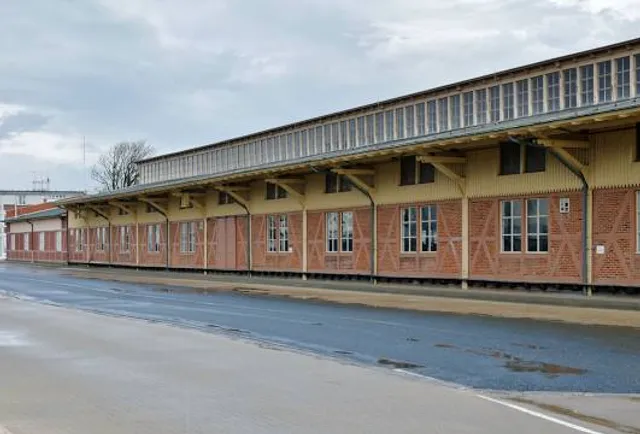
EPIC The Irish Emigration Museum
4.6
(4.5K)
Open until 6:30 PM
Click for details
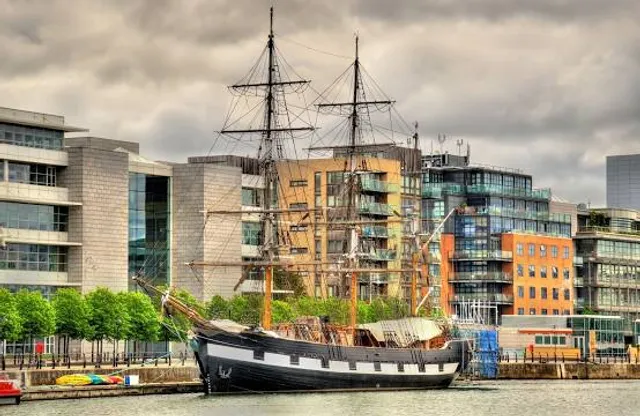
The Jeanie Johnston: An Irish Famine Story
4.7
(926)
Closed
Click for details
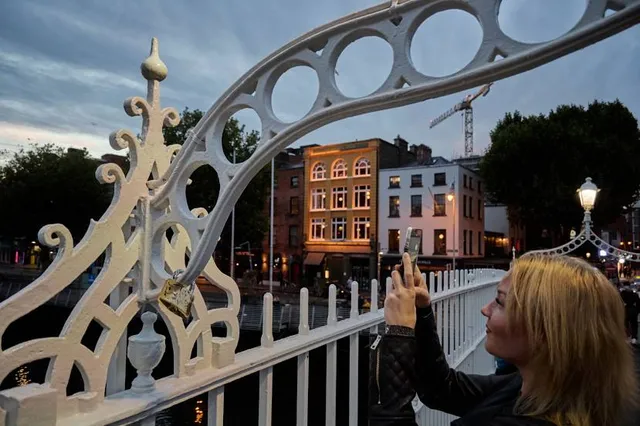
Seán O'Casey Bridge
4.5
(344)
Open until 12:00 AM
Click for details
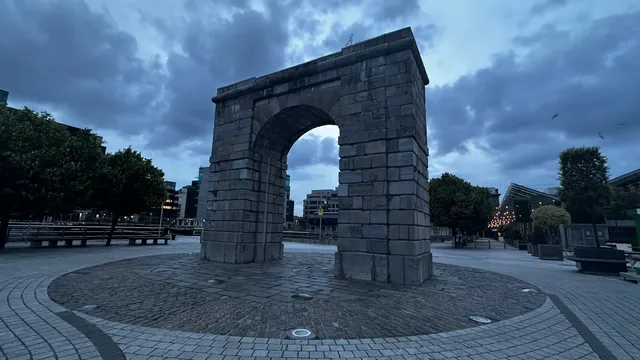
Triumphal Arch
4.0
(37)
Open until 12:00 AM
Click for details
Nearby restaurants of The Famine Memorial
Urban Brewing
Harbourmaster Bar & Restaurant
As One
Premier Inn Dublin City Centre (Gloucester Street South) hotel
O'Reilly's bar
Seven Wonders CHQ
The Celt
Bread 41
Il Capo Italian Pizza & Pasta
Mulligan's
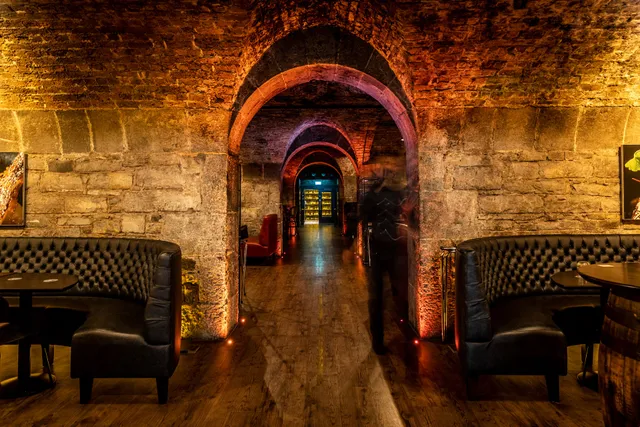
Urban Brewing
4.6
(1.1K)
$$
Open until 11:00 PM
Click for details
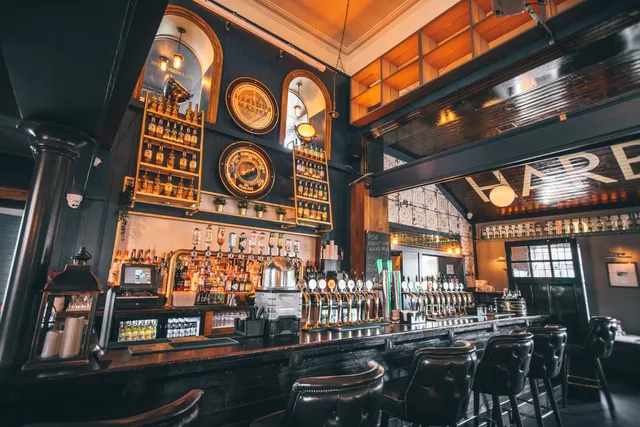
Harbourmaster Bar & Restaurant
4.1
(1.5K)
$$
Open until 11:00 PM
Click for details
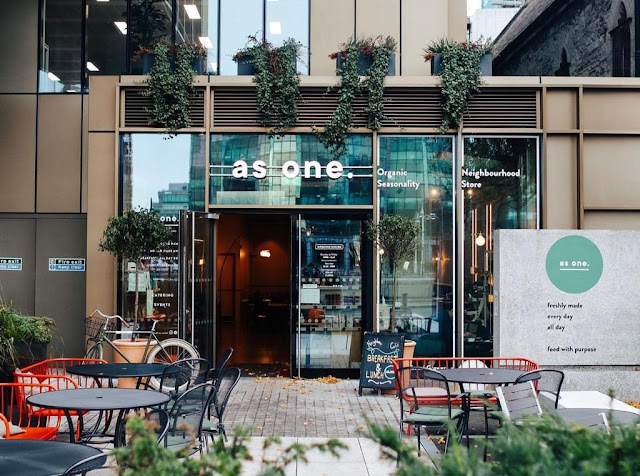
As One
4.6
(368)
Closed
Click for details
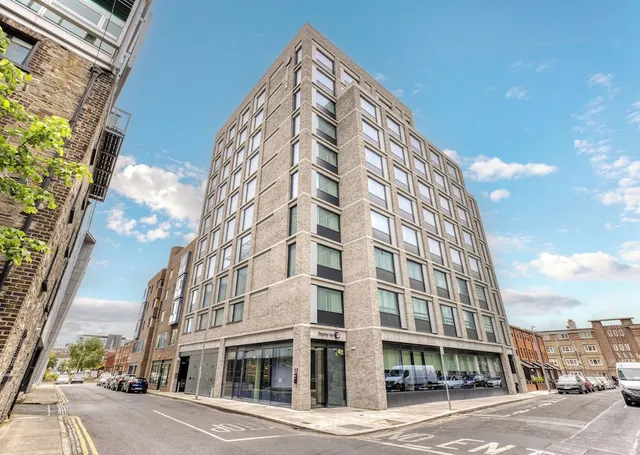
Premier Inn Dublin City Centre (Gloucester Street South) hotel
4.3
(321)
Click for details
Nearby local services of The Famine Memorial
The Brew Dock
Custom House Visitor Centre
Talbot Memorial Bridge
The Book of Kells
Books Upstairs
O'Connell Bridge
Eason
Ezios Takeaway
Meaghers O’Connell Bridge
Carrolls Irish Gifts
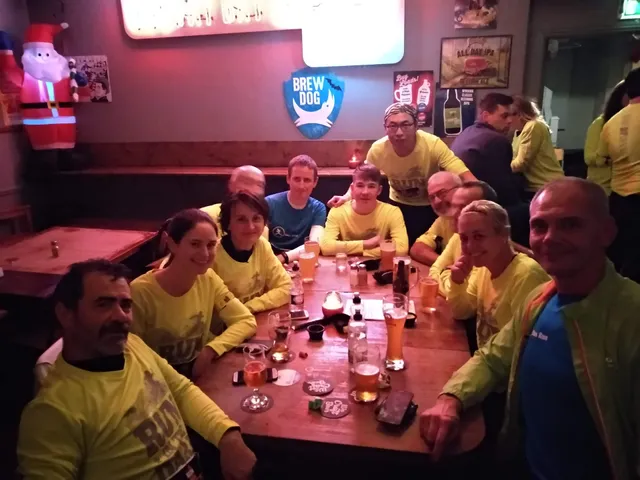
The Brew Dock
4.3
(1.2K)
Click for details
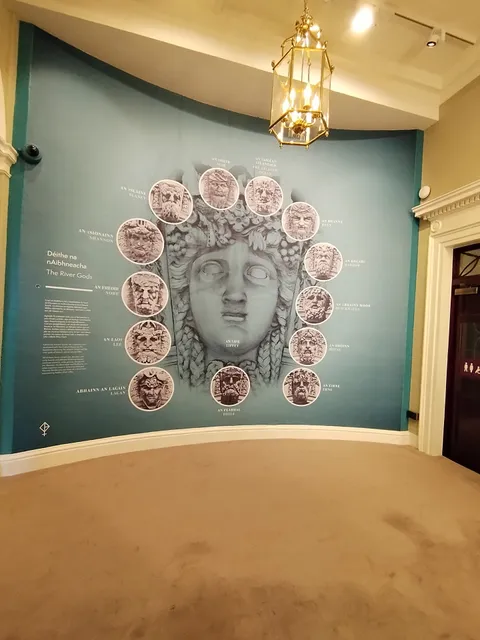
Custom House Visitor Centre
4.6
(103)
Click for details
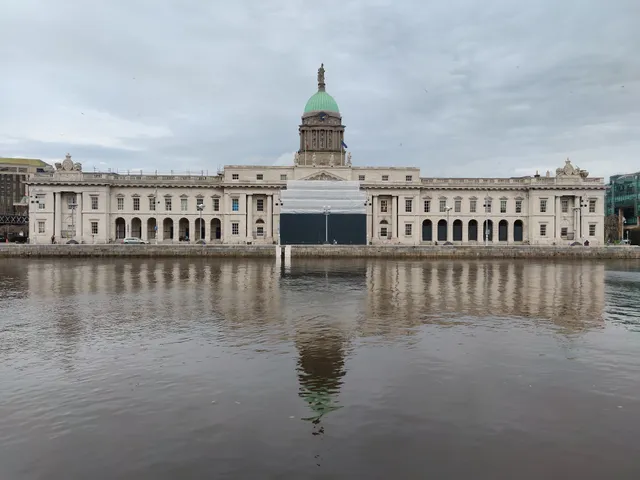
Talbot Memorial Bridge
4.3
(20)
Click for details

The Book of Kells
4.4
(4.8K)
Click for details