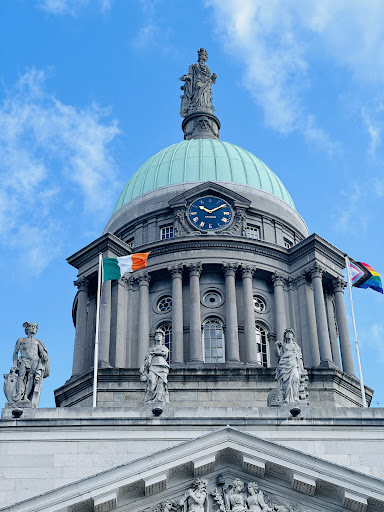
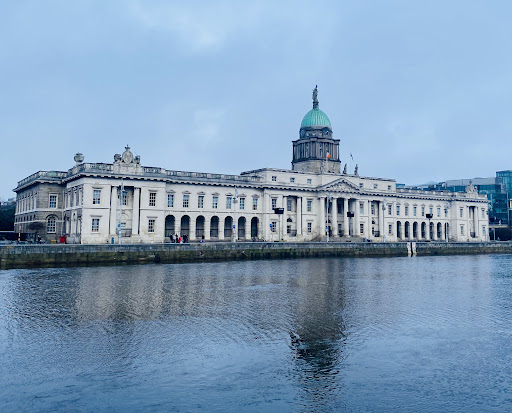
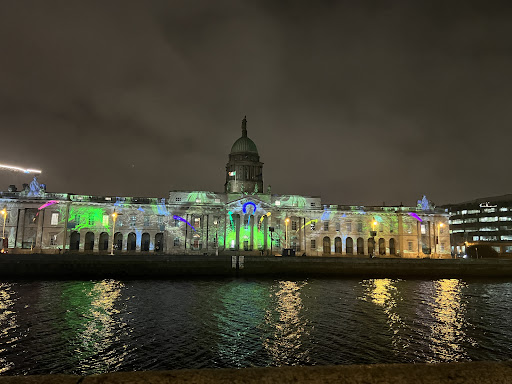
The Custom House things to do, attractions, restaurants, events info and trip planning
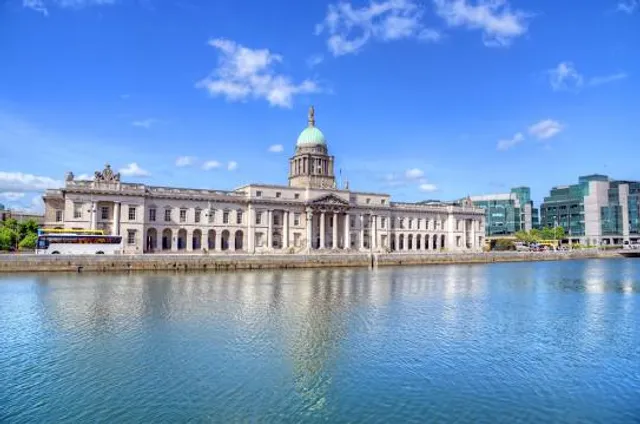
Basic Info
The Custom House
North Wall, Dublin 1, Ireland
4.5(181)
Open until 12:00 AM
Save
spot
spot
Ratings & Description
Info
Cultural
Scenic
Accessibility
attractions: Abbey Theatre, EPIC The Irish Emigration Museum, The Famine Memorial, The National Wax Museum Plus, The Spire, Empire Casino, O'Connell Monument, The Book of Kells Experience, Playland Casino, GPO Museum, restaurants: The Celt, The Wiley Fox, O'Reilly's bar, Mulligan's, The Workshop Pub, The Vintage Kitchen, J.R. Mahon’s Public House & Brewery, Ryan's Bar, The Flowing Tide, Wynn's Hotel Dublin, local businesses: Custom House Visitor Centre, The Brew Dock, Eason, O'Connell Bridge, Meaghers O’Connell Bridge, Books Upstairs, Carrolls Irish Gifts, Pa Pa Pizzeria, The Book of Kells, Talbot Memorial Bridge
 Learn more insights from Wanderboat AI.
Phone
+353 1 888 2000
Website
housing.gov.ie
Open hoursSee all hours
SunClosedOpen
Plan your stay

Pet-friendly Hotels in Dublin
Find a cozy hotel nearby and make it a full experience.

Affordable Hotels in Dublin
Find a cozy hotel nearby and make it a full experience.

The Coolest Hotels You Haven't Heard Of (Yet)
Find a cozy hotel nearby and make it a full experience.

Trending Stays Worth the Hype in Dublin
Find a cozy hotel nearby and make it a full experience.
Reviews
Live events

Forge a silver ring workshop
Sun, Feb 22 • 7:00 PM
Dublin, County Dublin, D02 V658, Ireland
View details

Candlelight: Hans Zimmers Best Works
Fri, Feb 27 • 7:00 PM
44 Westland Row, Dublin 2, D02 W274
View details
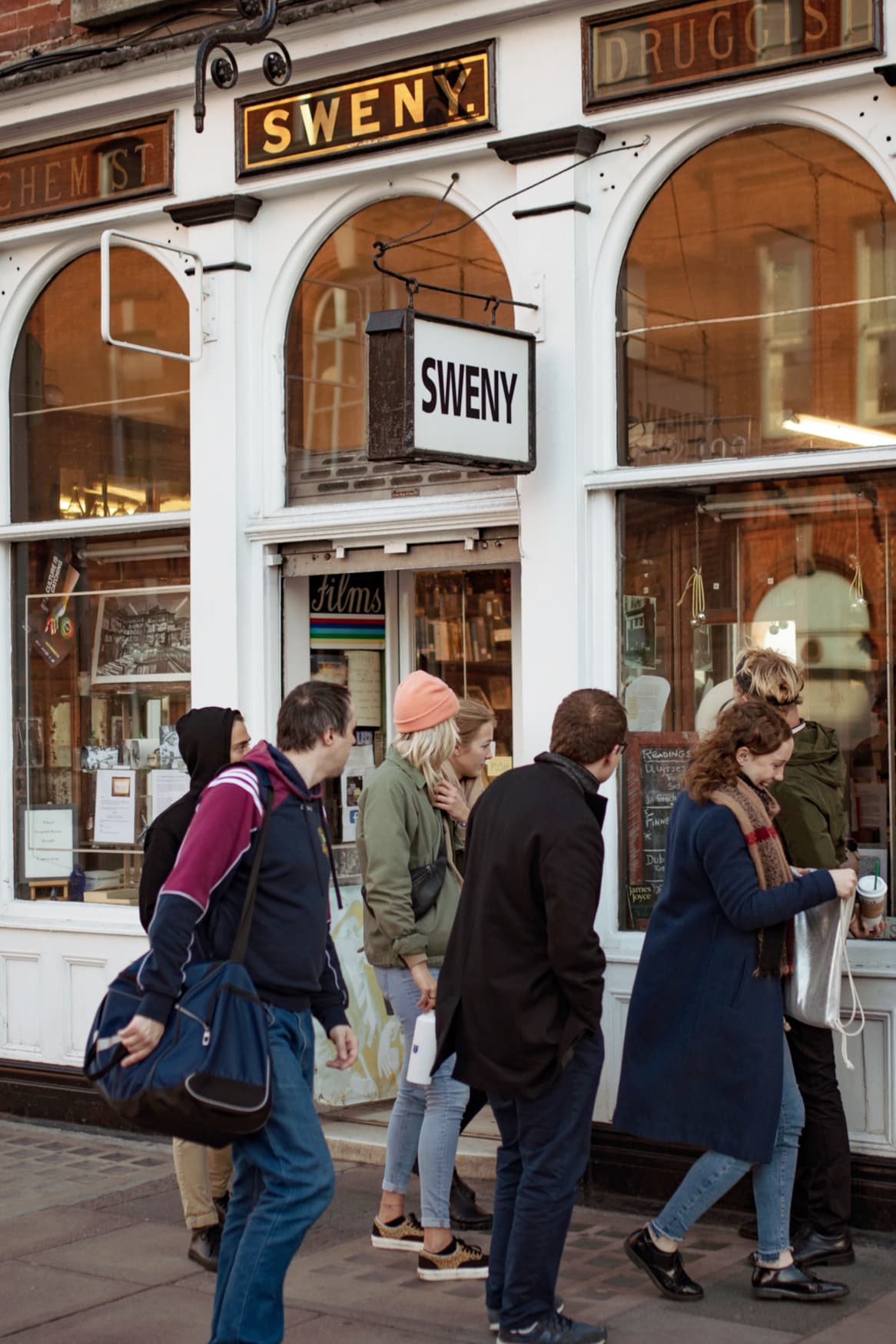
Dublins bestkept secrets tour…
Mon, Feb 23 • 11:30 AM
Dublin, County Dublin, D02 HX65, Ireland
View details
Nearby attractions of The Custom House
Abbey Theatre
EPIC The Irish Emigration Museum
The Famine Memorial
The National Wax Museum Plus
The Spire
Empire Casino
O'Connell Monument
The Book of Kells Experience
Playland Casino
GPO Museum
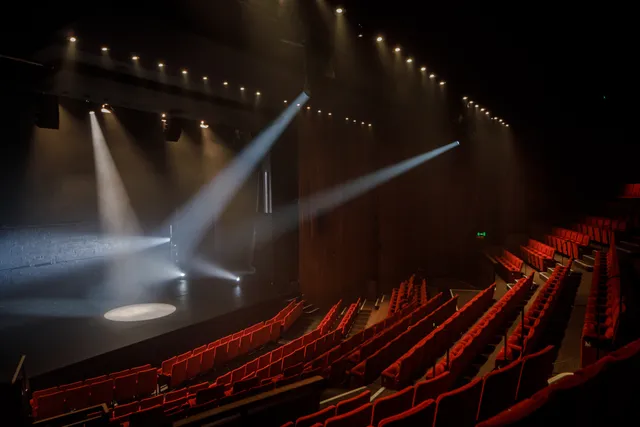
Abbey Theatre
4.7
(932)
Open 24 hours
Click for details
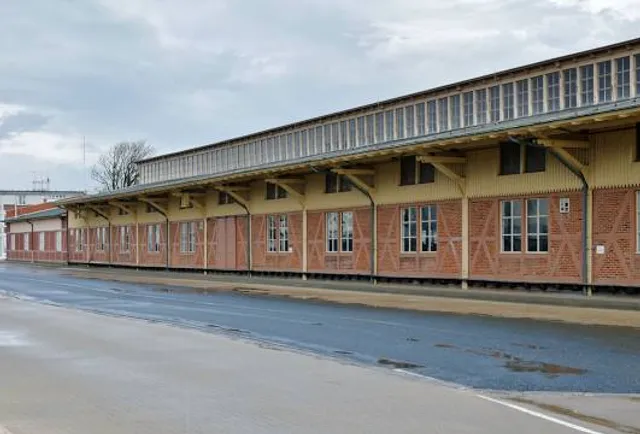
EPIC The Irish Emigration Museum
4.6
(4.5K)
Open until 6:30 PM
Click for details
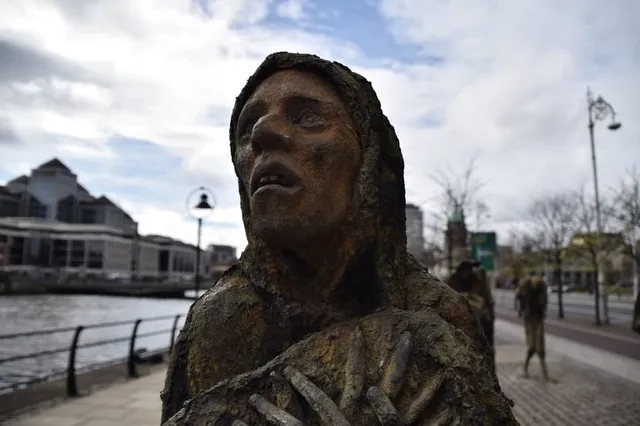
The Famine Memorial
4.7
(695)
Open until 12:00 AM
Click for details
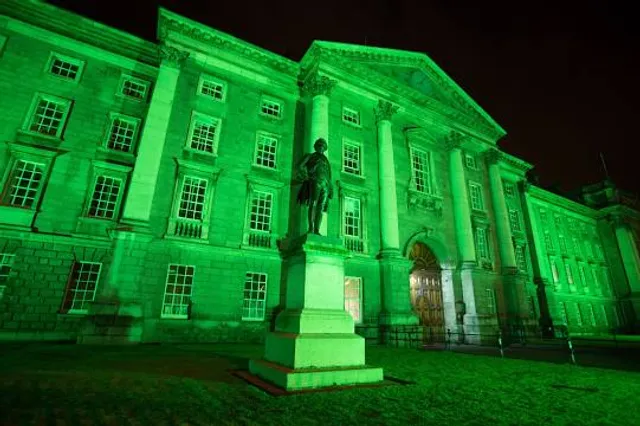
The National Wax Museum Plus
4.1
(2.4K)
Open until 7:00 PM
Click for details
Nearby restaurants of The Custom House
The Celt
The Wiley Fox
O'Reilly's bar
Mulligan's
The Workshop Pub
The Vintage Kitchen
J.R. Mahon’s Public House & Brewery
Ryan's Bar
The Flowing Tide
Wynn's Hotel Dublin
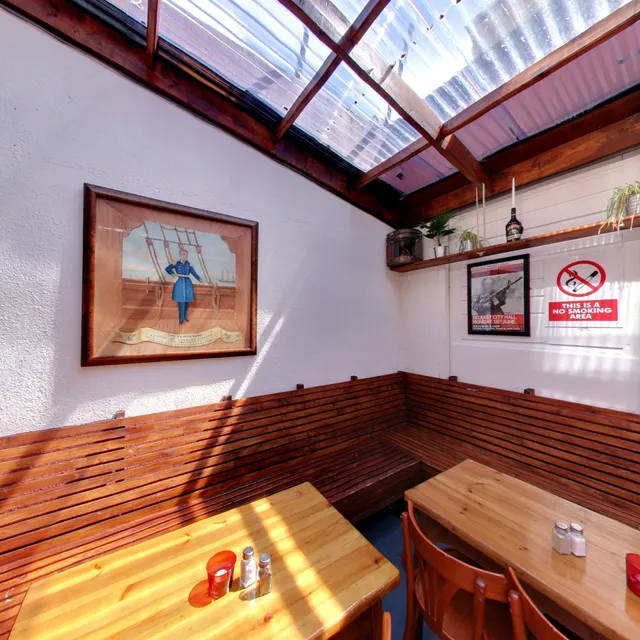
The Celt
4.6
(3.5K)
Open until 11:30 PM
Click for details
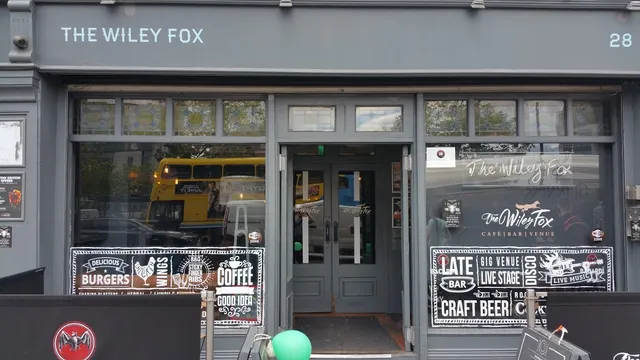
The Wiley Fox
4.3
(662)
Open until 1:30 AM
Click for details
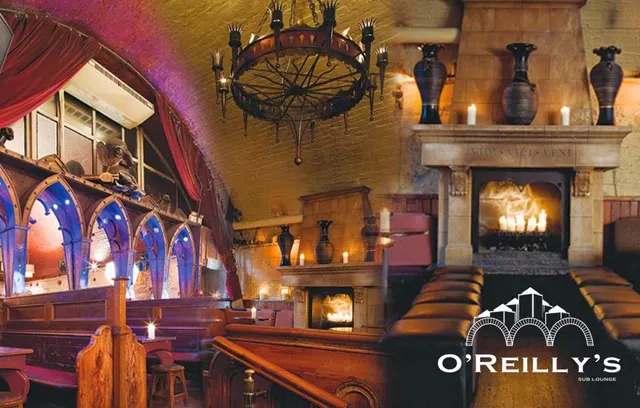
O'Reilly's bar
4.2
(918)
Open until 10:00 PM
Click for details
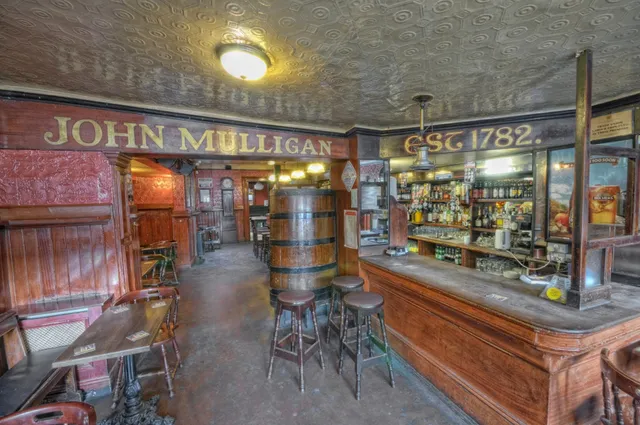
Mulligan's
4.6
(1.8K)
$
Open until 11:00 PM
Click for details
Nearby local services of The Custom House
Custom House Visitor Centre
The Brew Dock
Eason
O'Connell Bridge
Meaghers O’Connell Bridge
Books Upstairs
Carrolls Irish Gifts
Pa Pa Pizzeria
The Book of Kells
Talbot Memorial Bridge
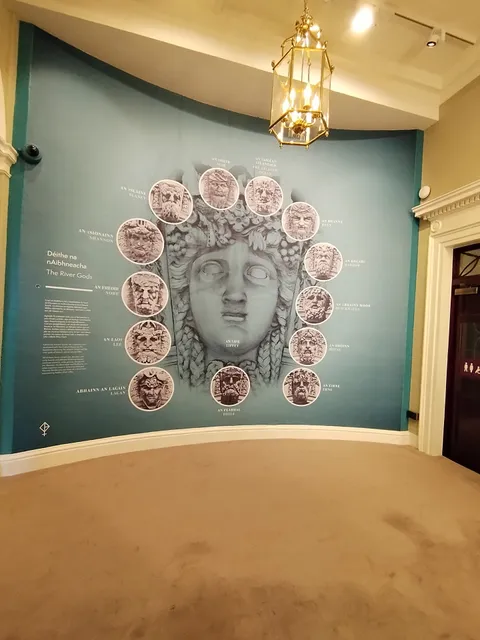
Custom House Visitor Centre
4.6
(103)
Click for details
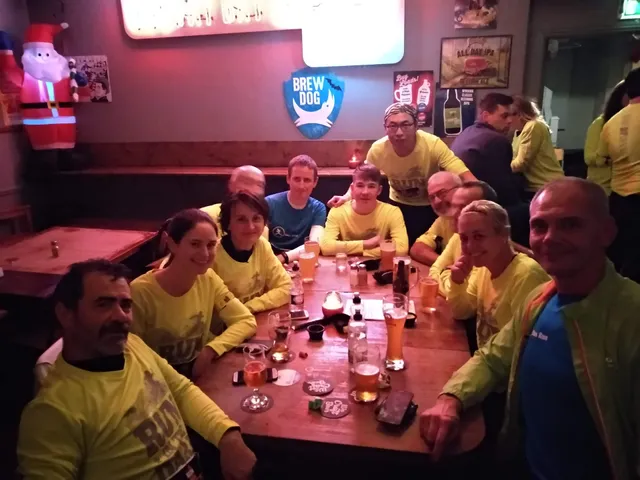
The Brew Dock
4.3
(1.2K)
Click for details
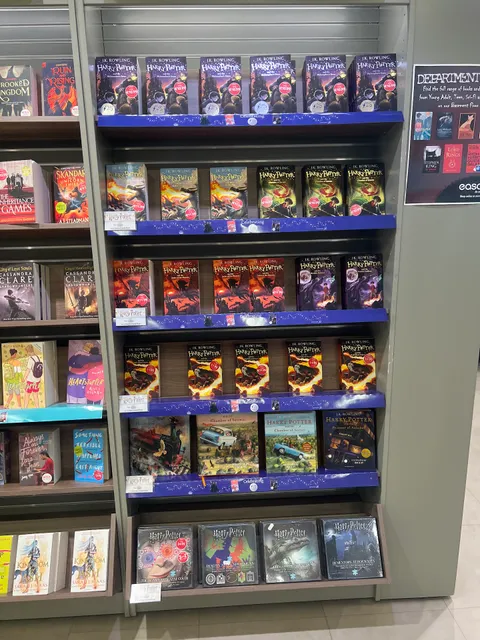
Eason
4.4
(2.4K)
Click for details
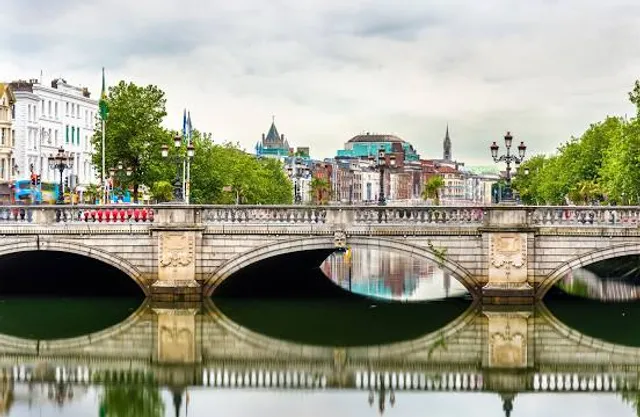
O'Connell Bridge
4.5
(957)
Click for details