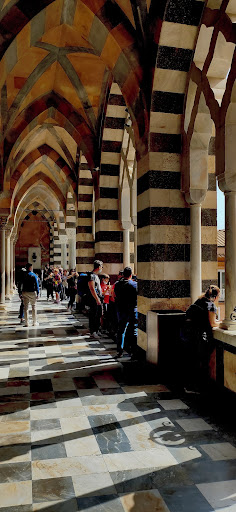
Cathedral of St Andrew Apostle things to do, attractions, restaurants, events info and trip planning
Basic Info
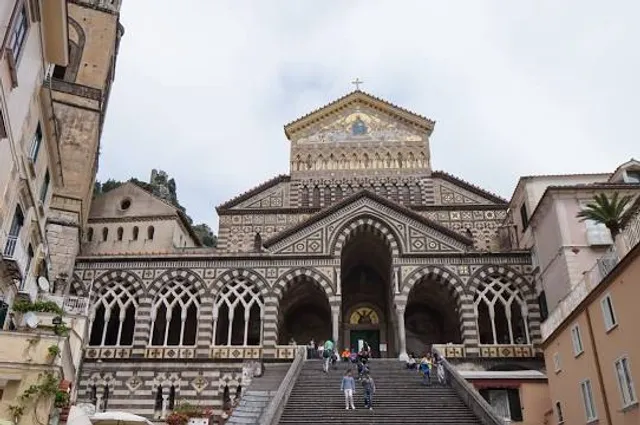
Cathedral of St Andrew Apostle
Piazza Duomo, 1, 84011 Amalfi SA, Italy
4.7(793)
Open until 6:30 PM
Save
spot
spot
Ratings & Description
Info
Amalfi Cathedral is a medieval Roman Catholic cathedral in the Piazza del Duomo, Amalfi, Italy. It is dedicated to the Apostle Saint Andrew whose relics are kept here. Formerly the archiepiscopal seat of the Diocese of Amalfi, it has been since 1986 that of the Diocese of Amalfi-Cava de' Tirreni.
Cultural
Scenic
Family friendly
Accessibility
attractions: Amalfi Coast, Paradise Cloister, Saint Andrew's Fountain Amalfi, Diocesan Museum of Amalfi, Ancient Arsenal of the Republic of Amalfi, Statue Dedicated to Flavio Gioia (Amalfi), Torre dello Ziro, Amalfi Harbor Marina Coppola, Museo della Carta, Amalfi Port, restaurants: Pasticceria Pansa Amalfi, Bar Francese, Da Maria, Taverna degli Apostoli, Da Gemma, Ristorante Sant'Andrea, Ristorante Amalfi | Il Chiostro, Ristorante L'Abside, Locanda del Marinaio, Marina Grande, local businesses: Piazza Duomo, Antichi Sapori d'Amalfi, Mar Di Cobalto, La Rua Pizze e Delizie, Tonino's beach Amalfi Coast, Mandingo beach, parking, Archdiocese - Amalfi - Cava De' Tirreni, JP boutique, Amalfi
 Learn more insights from Wanderboat AI.
Phone
+39 089 873558
Website
parrocchiaamalfi.com
Open hoursSee all hours
Tue9 AM - 6:30 PMOpen
Plan your stay

Pet-friendly Hotels in Amalfi
Find a cozy hotel nearby and make it a full experience.

Affordable Hotels in Amalfi
Find a cozy hotel nearby and make it a full experience.

The Coolest Hotels You Haven't Heard Of (Yet)
Find a cozy hotel nearby and make it a full experience.

Trending Stays Worth the Hype in Amalfi
Find a cozy hotel nearby and make it a full experience.
Reviews
Live events
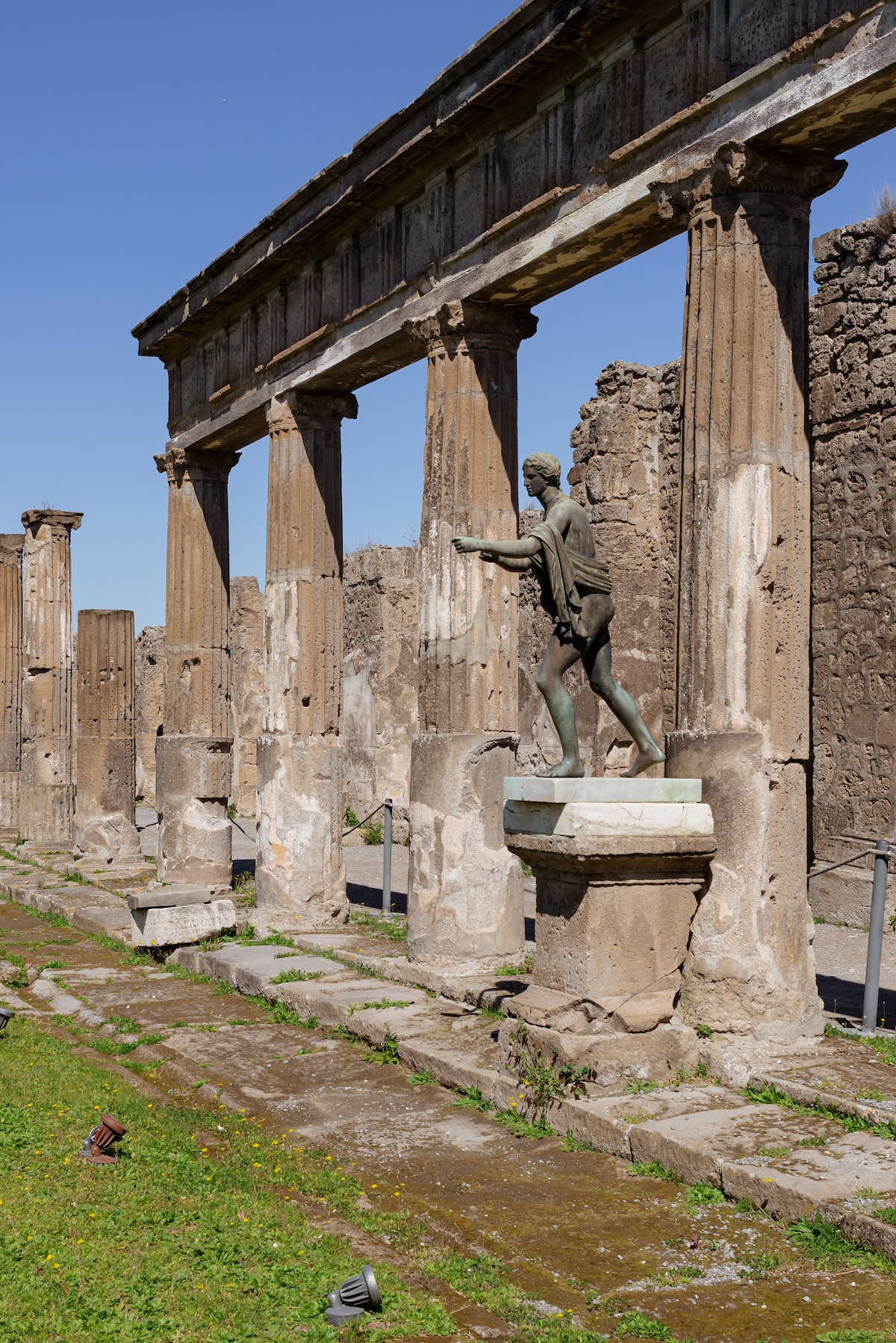
Pompeii VIP Tour with your Archaeologist
Tue, Jan 27 • 9:30 AM
80045, Pompei, Campania, Italy
View details
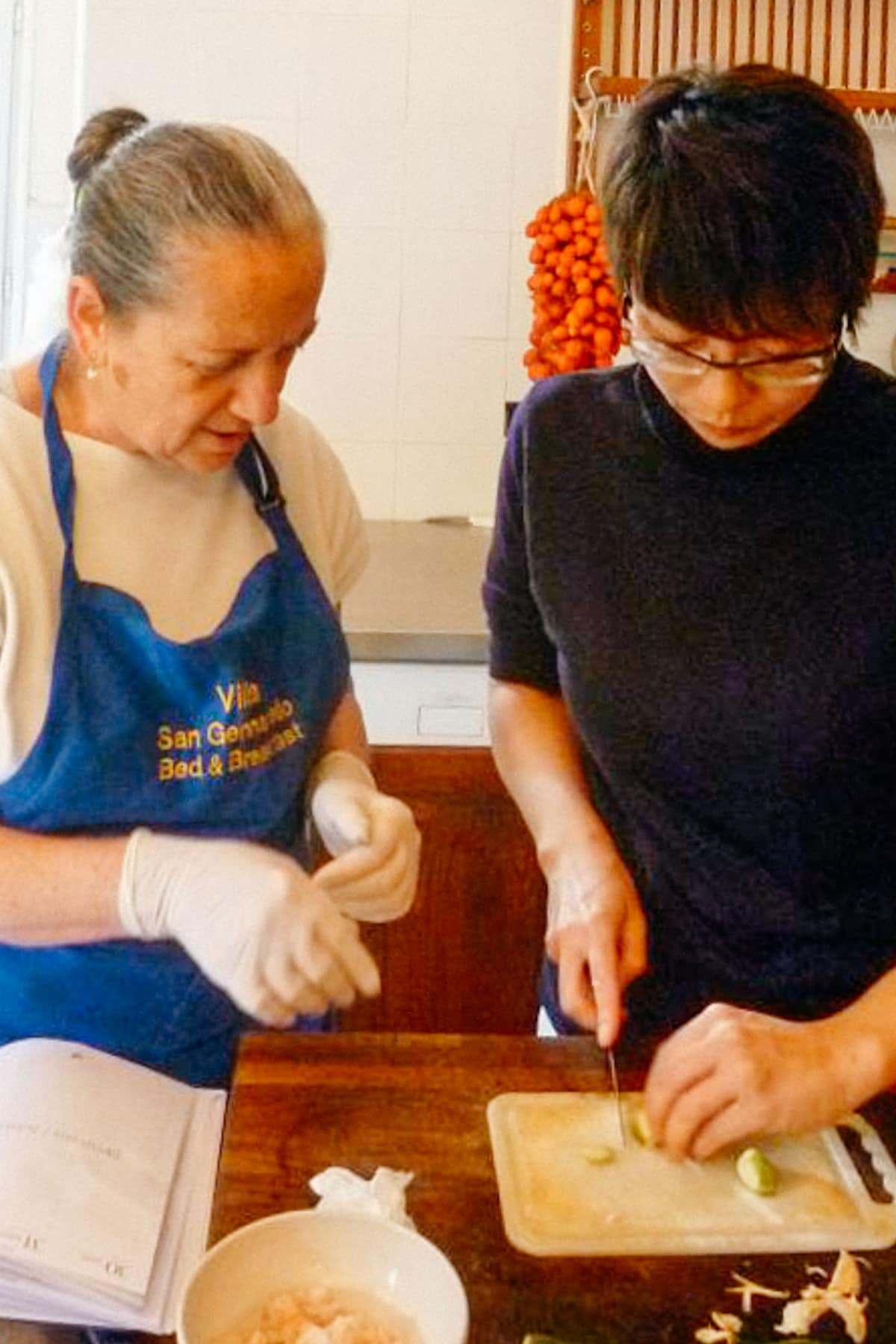
Cooking class in a villa
Tue, Jan 27 • 4:45 PM
80055, Portici, Campania, Italy
View details
Nearby attractions of Cathedral of St Andrew Apostle
Amalfi Coast
Paradise Cloister
Saint Andrew's Fountain Amalfi
Diocesan Museum of Amalfi
Ancient Arsenal of the Republic of Amalfi
Statue Dedicated to Flavio Gioia (Amalfi)
Torre dello Ziro
Amalfi Harbor Marina Coppola
Museo della Carta
Amalfi Port
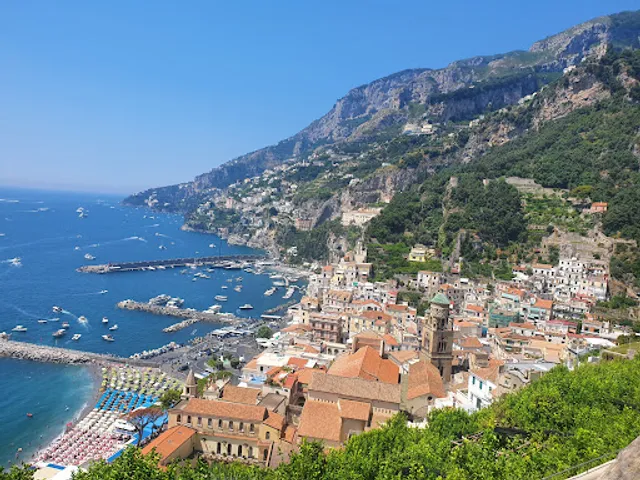
Amalfi Coast
4.7
(31K)
Open 24 hours
Click for details
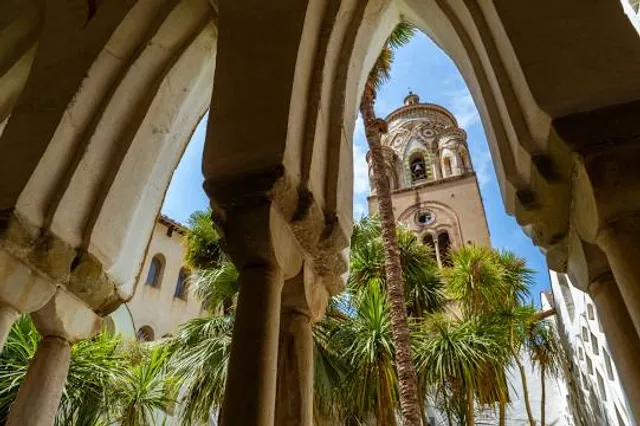
Paradise Cloister
4.5
(145)
Open until 6:30 PM
Click for details
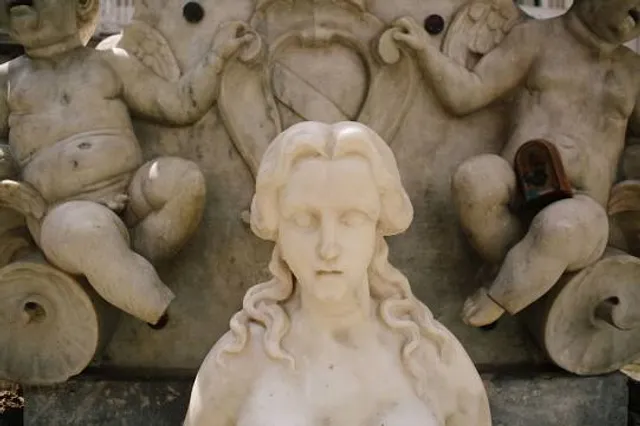
Saint Andrew's Fountain Amalfi
4.6
(158)
Open until 12:00 AM
Click for details
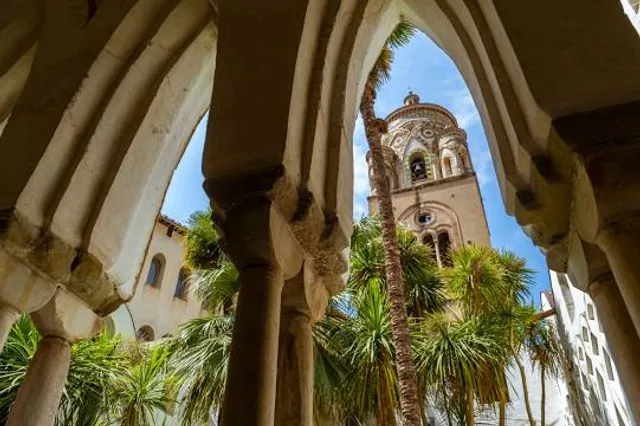
Diocesan Museum of Amalfi
4.3
(54)
Open until 6:55 PM
Click for details
Nearby restaurants of Cathedral of St Andrew Apostle
Pasticceria Pansa Amalfi
Bar Francese
Da Maria
Taverna degli Apostoli
Da Gemma
Ristorante Sant'Andrea
Ristorante Amalfi | Il Chiostro
Ristorante L'Abside
Locanda del Marinaio
Marina Grande
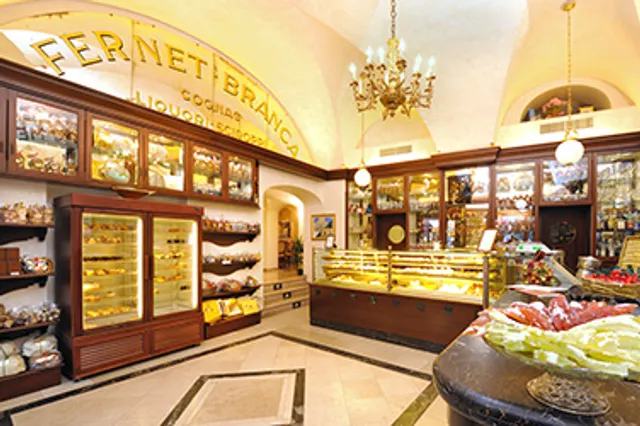
Pasticceria Pansa Amalfi
4.3
(1.2K)
$$
Open until 12:00 AM
Click for details
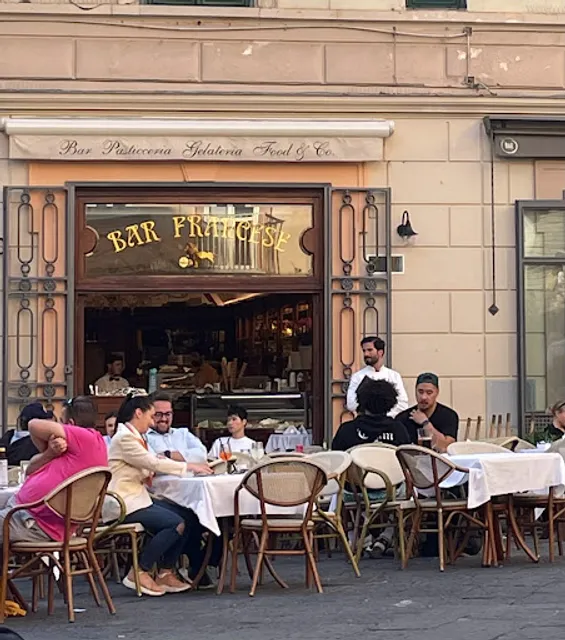
Bar Francese
3.3
(1.2K)
Click for details
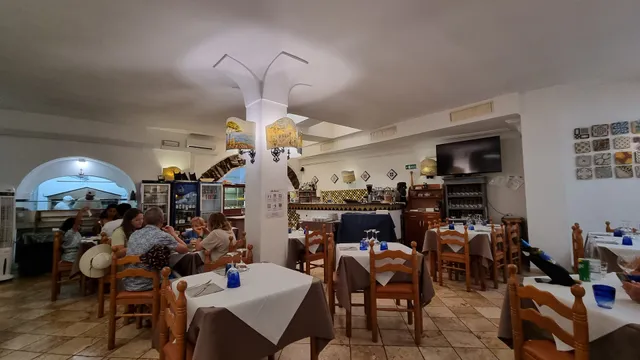
Da Maria
4.6
(1.3K)
Click for details

Taverna degli Apostoli
4.5
(348)
Closed
Click for details
Nearby local services of Cathedral of St Andrew Apostle
Piazza Duomo
Antichi Sapori d'Amalfi
Mar Di Cobalto
La Rua Pizze e Delizie
Tonino's beach Amalfi Coast
Mandingo beach
parking
Archdiocese - Amalfi - Cava De' Tirreni
JP boutique
Amalfi
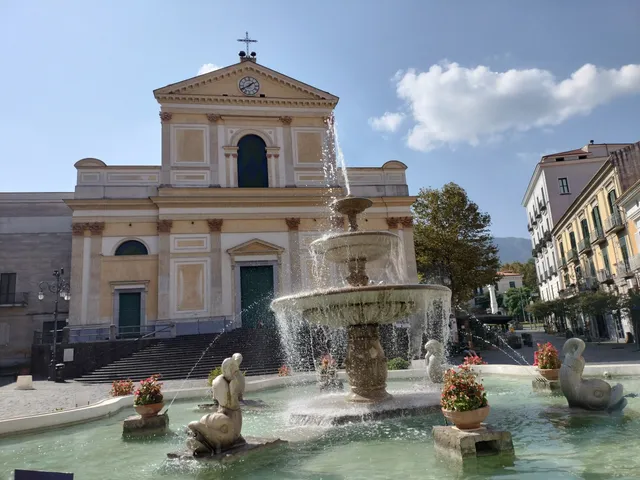
Piazza Duomo
4.6
(665)
Click for details
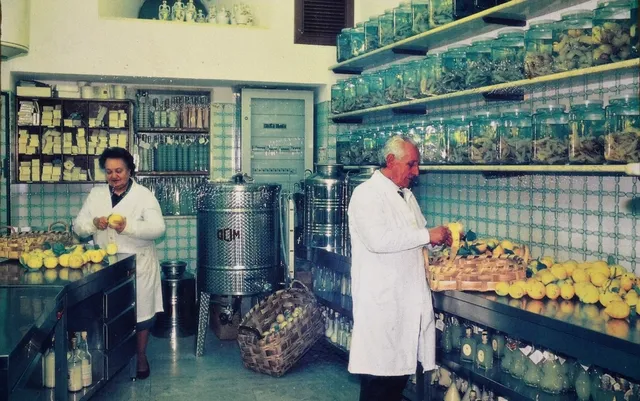
Antichi Sapori d'Amalfi
4.7
(205)
Click for details
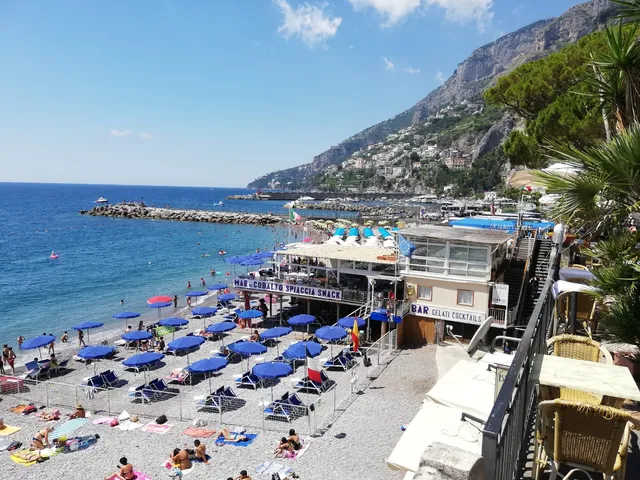
Mar Di Cobalto
4.7
(185)
Click for details
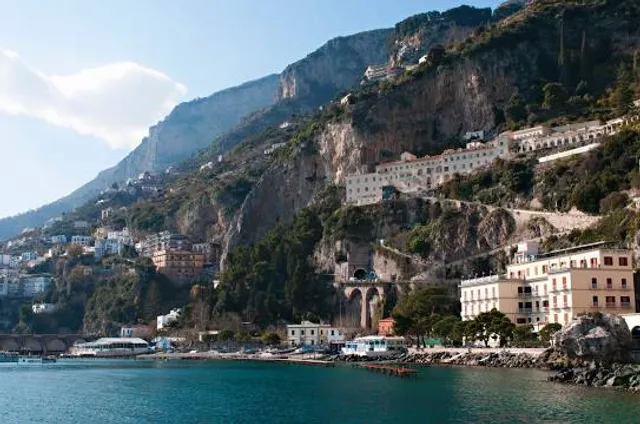
La Rua Pizze e Delizie
4.7
(289)
Click for details