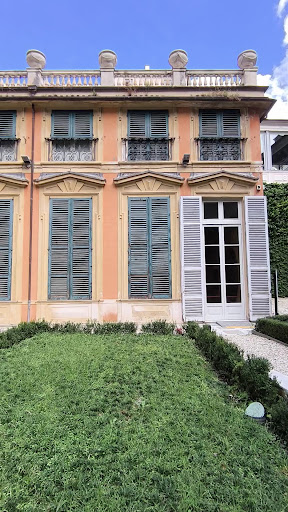
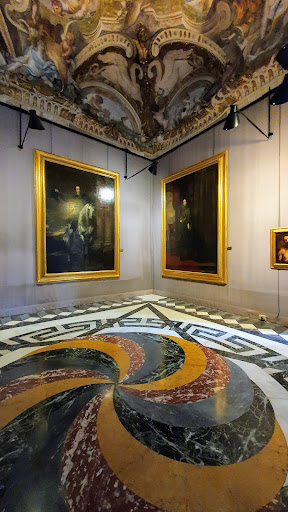
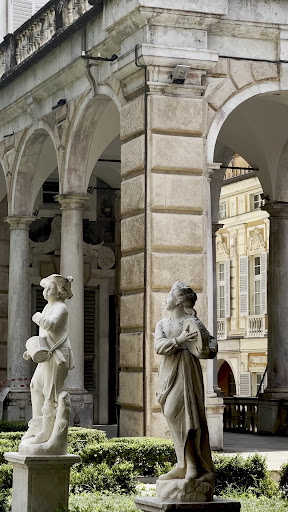
Musei di Strada Nuova - Palazzo Bianco things to do, attractions, restaurants, events info and trip planning
Basic Info
Musei di Strada Nuova - Palazzo Bianco
Via Garibaldi, 11, 16124 Genova GE, Italy
4.5(369)
Open until 6:30 PM


tickets
Save
spot
spot
Ratings & Description
Info
Cultural
Scenic
Family friendly
Accessibility
attractions: Strada Nuova Museums - Palazzo Rosso, Belvedere Castelletto, Palazzo Doria Tursi, Stradanuova Teatro Centrale, Palazzo Spinola National Gallery, Palazzo Grimaldi della Meridiana, Aquarium of Genoa, Palazzo Podestà, Le Strade Nuove and the system of the Palazzi dei Rolli, Santa Maria delle Vigne, restaurants: Gelatina s.a.s. di Martina Francesconi e C., Groove Burger, Mentelocale Bistrot Palazzo Rosso, PASTA STREET, Locanda Spinola, Pizzeria la superba, O Boteco, Osteria Il Cadraio, Jalapeño, Profumo di Rosa, local businesses: Nuova Hifi Prestige, Warhammer, Via Garibaldi 12, Palazzo Gio Carlo Brignole, Tigotà, Confetteria Romanengo Porto Antico Genova, Carrefour Express - Supermarket, Tripperia La Casana, Kids toys and games, La Bottega Dello Stoccafisso
 Learn more insights from Wanderboat AI.
Phone
+39 010 275 9185
Website
museidigenova.it
Open hoursSee all hours
Sun10 a.m. - 6:30 p.m.Open
Plan your stay

Pet-friendly Hotels in Genoa
Find a cozy hotel nearby and make it a full experience.

Affordable Hotels in Genoa
Find a cozy hotel nearby and make it a full experience.

The Coolest Hotels You Haven't Heard Of (Yet)
Find a cozy hotel nearby and make it a full experience.

Trending Stays Worth the Hype in Genoa
Find a cozy hotel nearby and make it a full experience.
Reviews
Live events

BURRACO E VIN BRULÈ | Ostello Bello Genova
Sun, Feb 8 • 4:00 PM
38/a Via Balbi 16126 Genova
View details
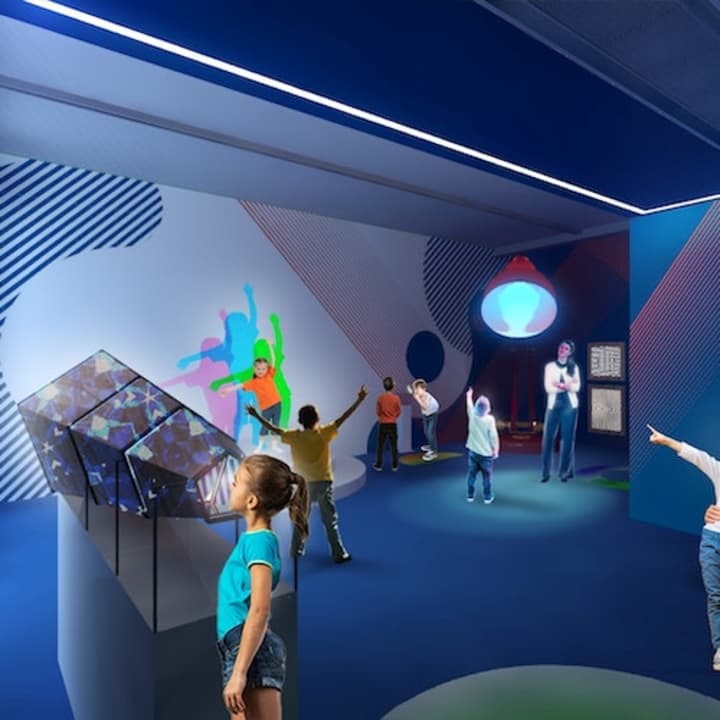
La città dei bambini e dei ragazzi - Museo dellesperienza
Sun, Feb 8 • 10:00 AM
Italy, 16126
View details

Premio d:cult / Evento conclusivo
Mon, Feb 9 • 10:00 AM
2 Nero Via San Luca 16124 Genova
View details
Nearby attractions of Musei di Strada Nuova - Palazzo Bianco
Strada Nuova Museums - Palazzo Rosso
Belvedere Castelletto
Palazzo Doria Tursi
Stradanuova Teatro Centrale
Palazzo Spinola National Gallery
Palazzo Grimaldi della Meridiana
Aquarium of Genoa
Palazzo Podestà
Le Strade Nuove and the system of the Palazzi dei Rolli
Santa Maria delle Vigne
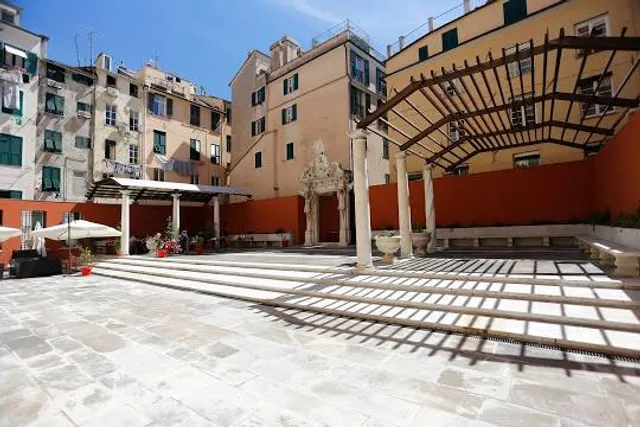
Strada Nuova Museums - Palazzo Rosso
4.6
(719)
Open until 6:30 PM
Click for details
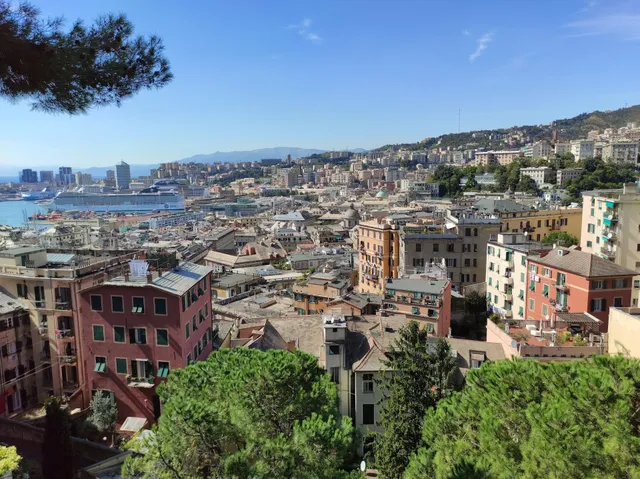
Belvedere Castelletto
4.7
(3.3K)
Open until 12:00 AM
Click for details
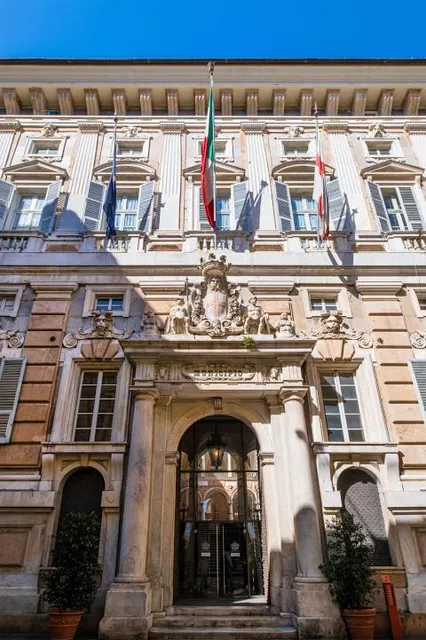
Palazzo Doria Tursi
4.6
(431)
Open 24 hours
Click for details
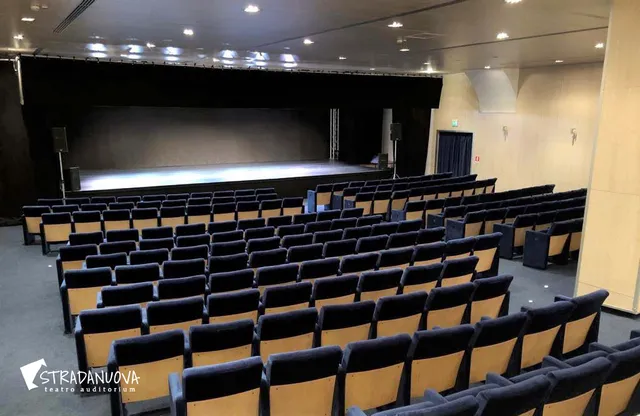
Stradanuova Teatro Centrale
4.6
(306)
Open 24 hours
Click for details
Nearby restaurants of Musei di Strada Nuova - Palazzo Bianco
Gelatina s.a.s. di Martina Francesconi e C.
Groove Burger
Mentelocale Bistrot Palazzo Rosso
PASTA STREET
Locanda Spinola
Pizzeria la superba
O Boteco
Osteria Il Cadraio
Jalapeño
Profumo di Rosa
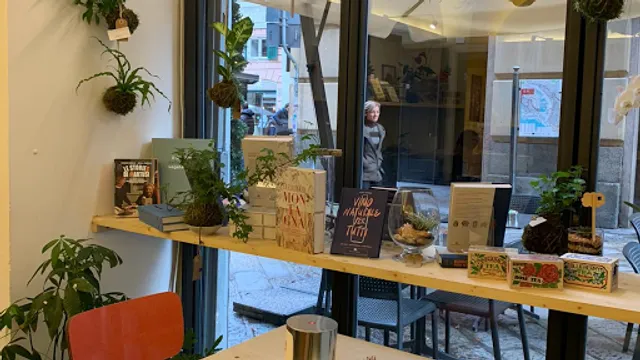
Gelatina s.a.s. di Martina Francesconi e C.
4.5
(303)
$$
Open until 7:00 PM
Click for details
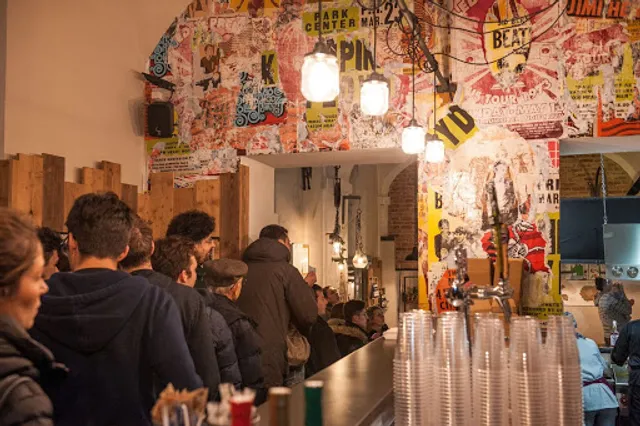
Groove Burger
4.6
(743)
Closed
Click for details
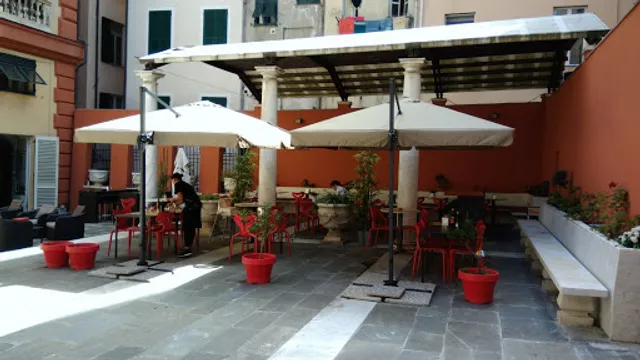
Mentelocale Bistrot Palazzo Rosso
4.2
(223)
Open until 6:00 PM
Click for details
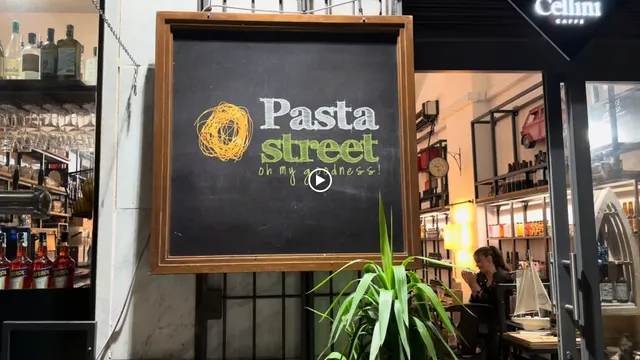
PASTA STREET
4.4
(576)
Click for details
Nearby local services of Musei di Strada Nuova - Palazzo Bianco
Nuova Hifi Prestige
Warhammer
Via Garibaldi 12
Palazzo Gio Carlo Brignole
Tigotà
Confetteria Romanengo Porto Antico Genova
Carrefour Express - Supermarket
Tripperia La Casana
Kids toys and games
La Bottega Dello Stoccafisso
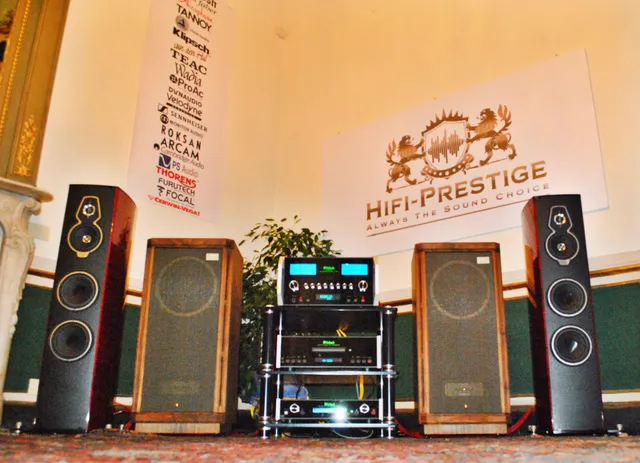
Nuova Hifi Prestige
4.6
(95)
Click for details

Warhammer
4.8
(68)
Click for details

Via Garibaldi 12
4.7
(80)
Click for details
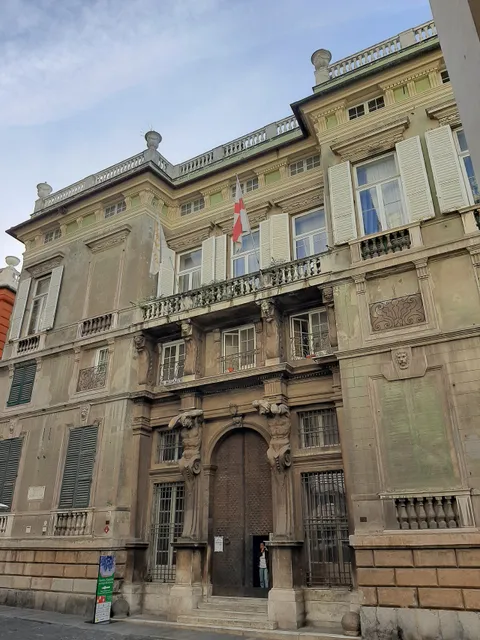
Palazzo Gio Carlo Brignole
4.6
(19)
Click for details