Castel Nuovo things to do, attractions, restaurants, events info and trip planning

Basic Info
Castel Nuovo
V. Vittorio Emanuele III, 80133 Napoli NA, Italy
4.4(74)
Closed
Save
spot
spot
Ratings & Description
Info
Castel Nuovo, often called Maschio Angioino, is a medieval castle located in front of Piazza Municipio and the city hall in central Naples, Campania, Italy. Its scenic location and imposing size makes the castle, first erected in 1279, one of the main architectural landmarks of the city.
Cultural
Accessibility
attractions: Galleria Umberto I, San Carlo Theatre, Fountain of Neptune, Piazza del Plebiscito, Università degli Studi di Napoli Parthenope, Molosiglio Gardens, Gallerie d'Italia - Naples, Giardini di Palazzo Reale, Pino Daniele Alive, Museo della Pace, restaurants: Caffe' Del Professore Add'a Signora, Osteria Da Antonio, Trattoria Castel Nuovo, La Lazzara Trattoria e Pizzeria, Bradem, Sea Front Di Martino Pasta Bar, Trattoria del Golfo - Napoli - Tipica trattoria Napoletana - Genovese - Piatti di Pesce - Spigola fritta in crosta di sale, Trattoria Medina, A Taverna Do Re Di Francesco Parrella, Kirin Sushi, local businesses: Escape Napoli | Escape Room, La fabbrica delle meraviglie, Zara, Farmacia Londra, Zoomiguana Park, Cuori di Sfogliatella, Euronics Tufano, FruitBar, Pintauro, Alì Donner Kebab
 Learn more insights from Wanderboat AI.
Phone
+39 081 795 7722
Website
comune.napoli.it
Open hoursSee all hours
SunClosed
Plan your stay

Pet-friendly Hotels in Naples
Find a cozy hotel nearby and make it a full experience.

Affordable Hotels in Naples
Find a cozy hotel nearby and make it a full experience.

The Coolest Hotels You Haven't Heard Of (Yet)
Find a cozy hotel nearby and make it a full experience.

Trending Stays Worth the Hype in Naples
Find a cozy hotel nearby and make it a full experience.
Reviews
Live events
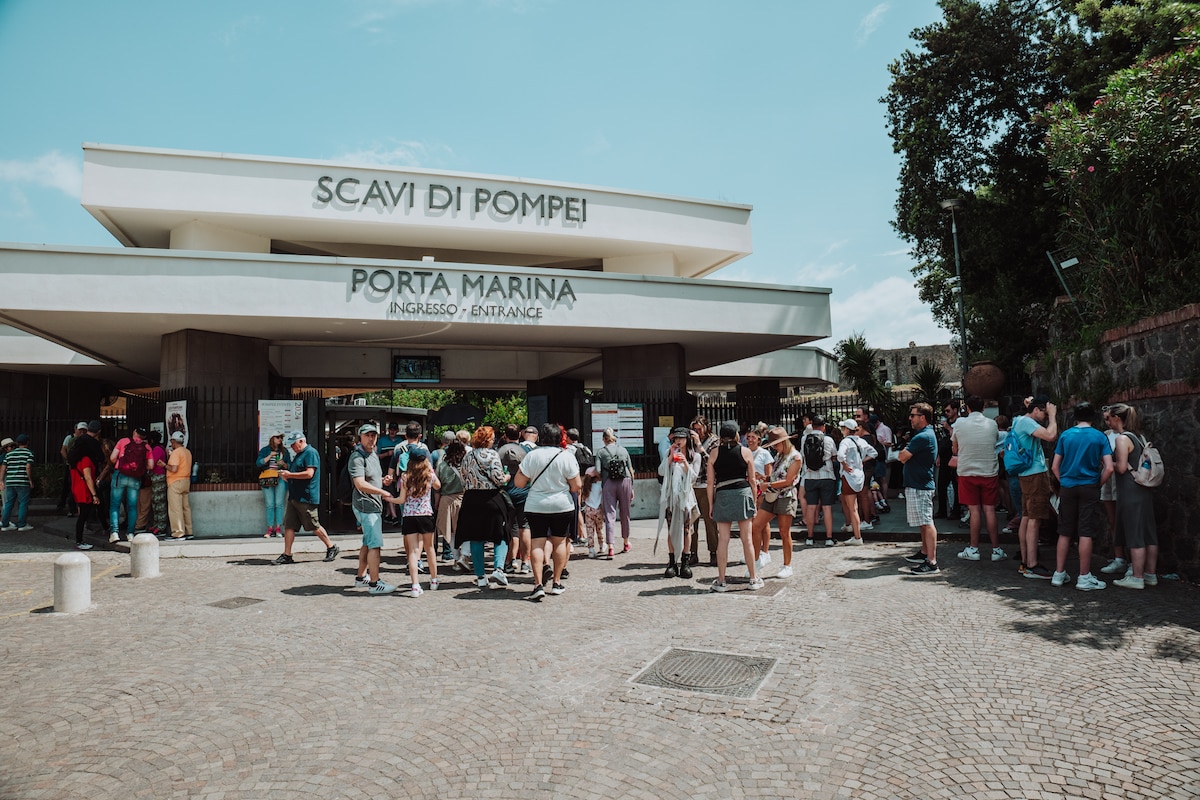
Visit Pompeii with the Villa of the Mysteries
Mon, Feb 23 • 10:30 AM
80045, Pompei, Campania, Italy
View details
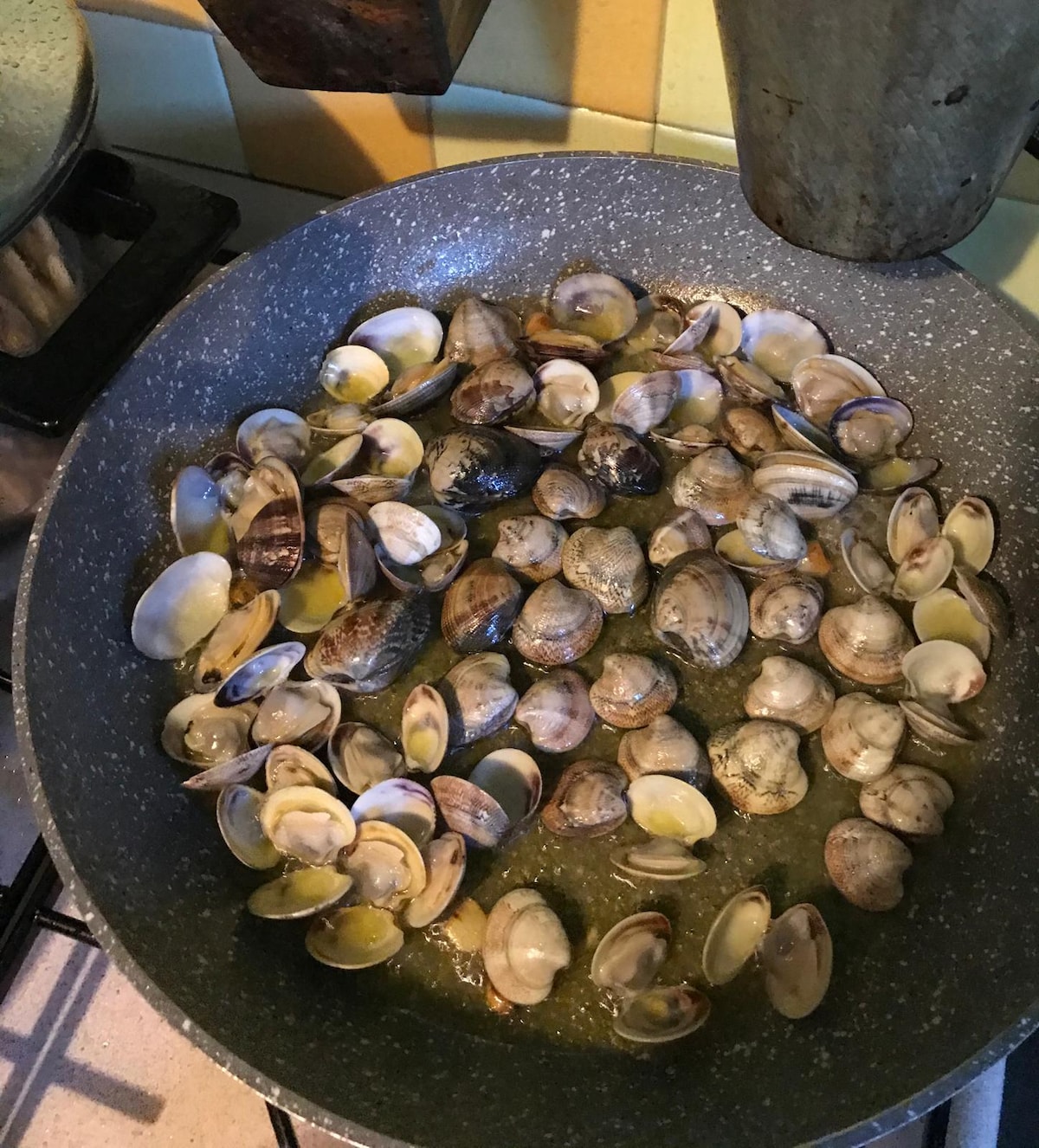
Make Ischia recipes with a local cook
Sun, Feb 22 • 7:00 PM
80077, Ischia, Campania, Italy
View details
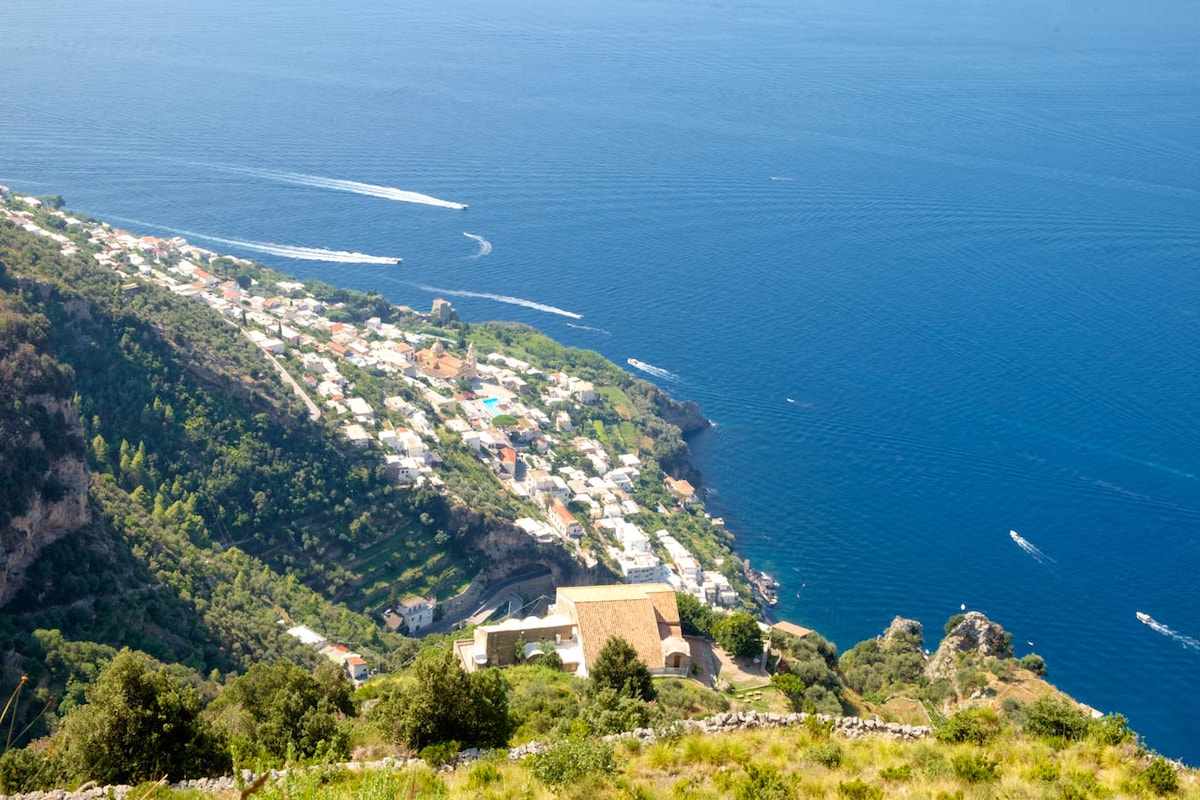
Sorrento Path of the gods with Nino guide&transprt
Sun, Mar 1 • 8:00 AM
80067, Sorrento, Campania, Italy
View details
Nearby attractions of Castel Nuovo
Galleria Umberto I
San Carlo Theatre
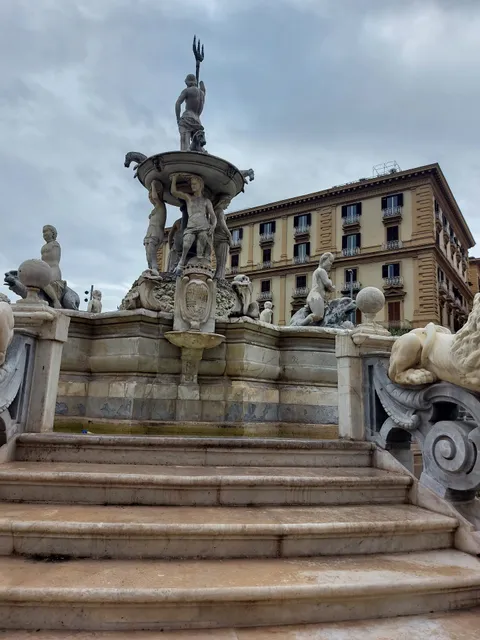
Fountain of Neptune
Piazza del Plebiscito
Università degli Studi di Napoli Parthenope
Molosiglio Gardens
Gallerie d'Italia - Naples
Giardini di Palazzo Reale
Pino Daniele Alive
Museo della Pace

Galleria Umberto I
4.6
(4.9K)
Open until 12:00 AM
Click for details

San Carlo Theatre
4.8
(3.8K)
Open 24 hours
Click for details

Fountain of Neptune
4.5
(1.4K)
Open until 12:00 AM
Click for details

Piazza del Plebiscito
4.7
(28.9K)
Open 24 hours
Click for details
Nearby restaurants of Castel Nuovo
Caffe' Del Professore Add'a Signora
Osteria Da Antonio
Trattoria Castel Nuovo
La Lazzara Trattoria e Pizzeria
Bradem
Sea Front Di Martino Pasta Bar
Trattoria del Golfo - Napoli - Tipica trattoria Napoletana - Genovese - Piatti di Pesce - Spigola fritta in crosta di sale
Trattoria Medina
A Taverna Do Re Di Francesco Parrella
Kirin Sushi
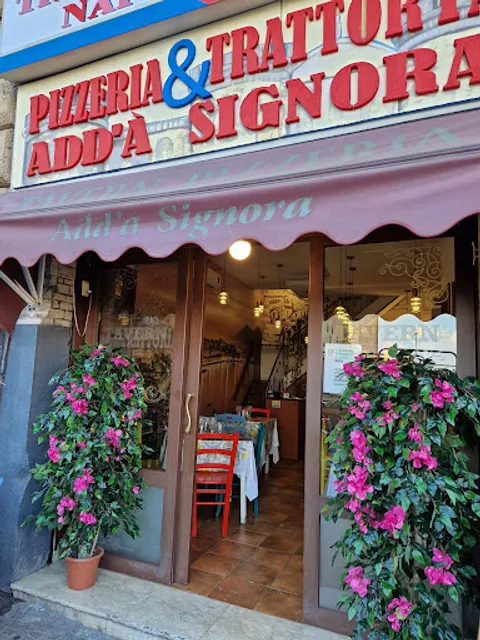
Caffe' Del Professore Add'a Signora
4.8
(1.6K)
Open until 11:00 PM
Click for details
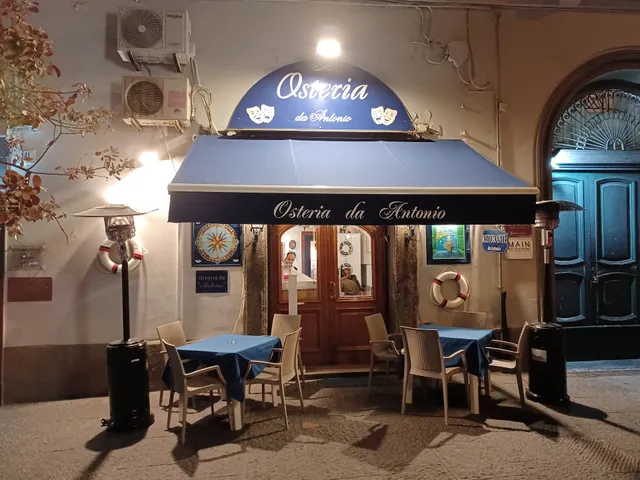
Osteria Da Antonio
4.5
(1.2K)
Open until 3:30 PM
Click for details
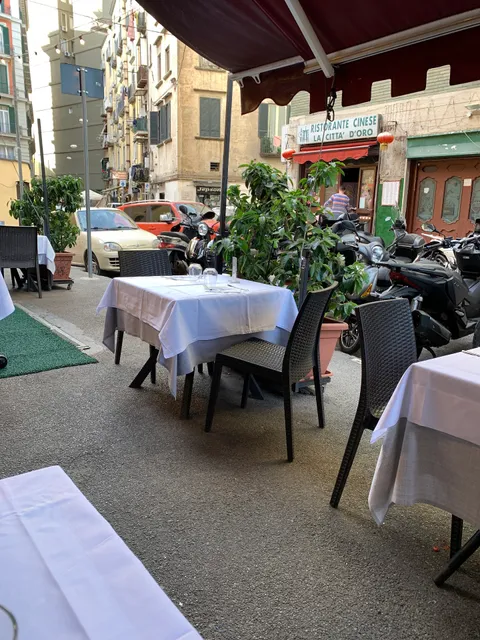
Trattoria Castel Nuovo
4.5
(2K)
Open until 11:30 PM
Click for details
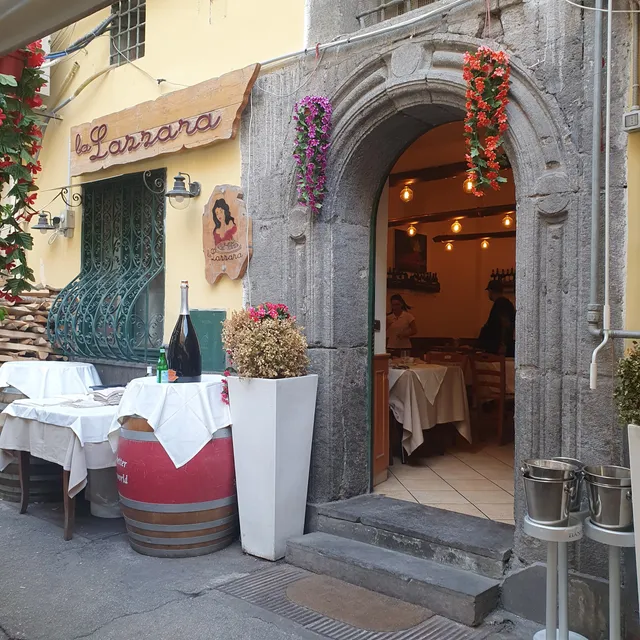
La Lazzara Trattoria e Pizzeria
4.5
(2.9K)
Open until 3:30 PM
Click for details
Nearby local services of Castel Nuovo
Escape Napoli | Escape Room
La fabbrica delle meraviglie
Zara
Farmacia Londra
Zoomiguana Park
Cuori di Sfogliatella
Euronics Tufano
FruitBar
Pintauro
Alì Donner Kebab
Escape Napoli | Escape Room
4.5
(51)
Click for details
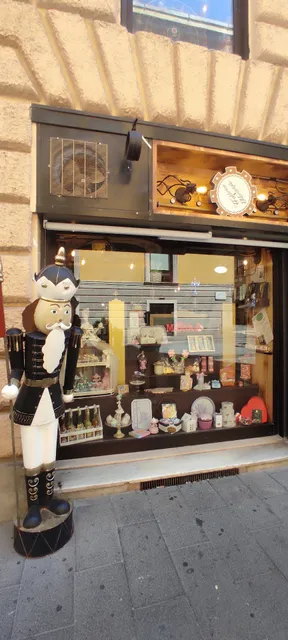
La fabbrica delle meraviglie
4.8
(123)
Click for details

Zara
3.8
(1.1K)
Click for details
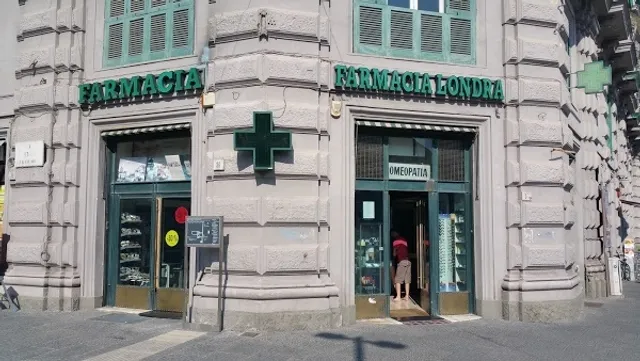
Farmacia Londra
3.5
(66)
Click for details


The hit list



Plan your trip with Wanderboat
Welcome to Wanderboat AI, your AI search for local Eats and Fun, designed to help you explore your city and the world with ease.
Powered by Wanderboat AI trip planner.