HTML SitemapExplore

Chiesa di San Nicola dei Lorenesi — Attraction in Rome

Name
Chiesa di San Nicola dei Lorenesi
Description
Nearby attractions
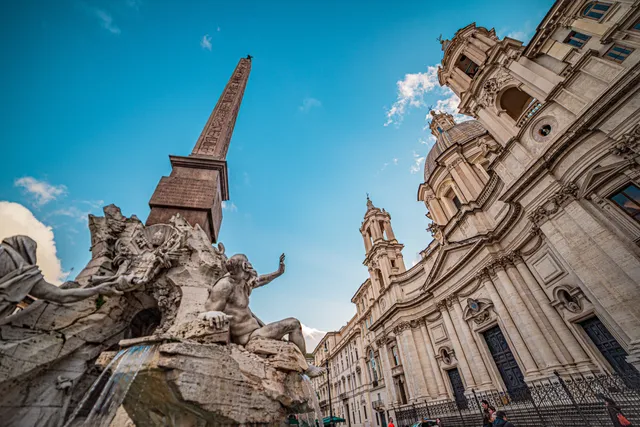
Piazza Navona
Piazza Navona, 00186 Roma RM, Italy
Chiostro del Bramante
Arco della Pace, 5, 00186 Roma RM, Italy
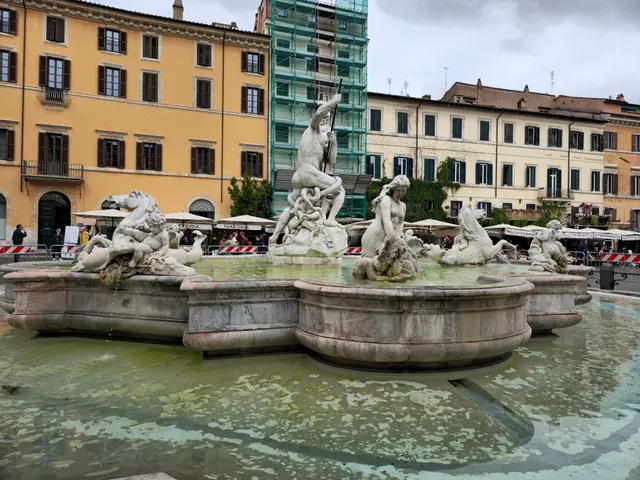
Fiumi Fountain
Fontana dei Quattro Fiumi, Piazza Navona, 90, 00186 Roma RM, Italy
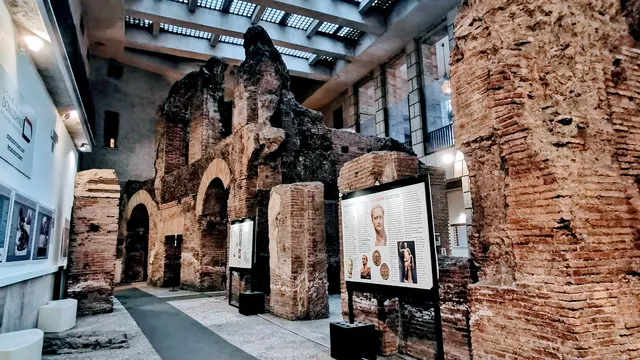
Stadium of Domitian
Via di Tor Sanguigna, 3, 00186 Roma RM, Italy
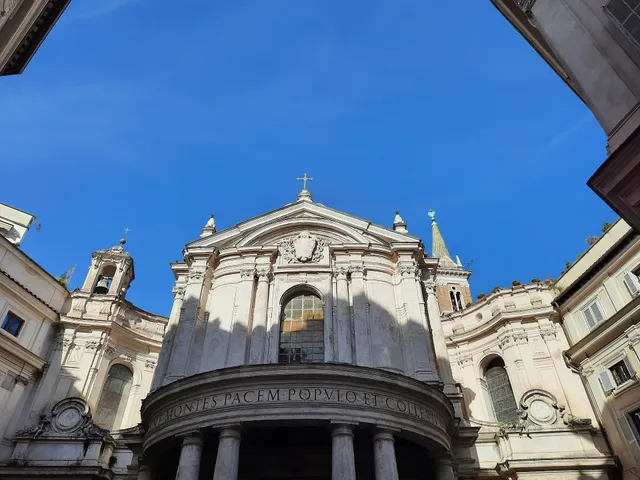
Chiesa di Santa Maria della Pace
Arco della Pace, 5, 00186 Roma RM, Italy
Pantheon
Piazza della Rotonda, 00186 Roma RM, Italy
Sant'Agnese in Agone
Via di Santa Maria dell'Anima, 30/A, 00186 Roma RM, Italy
Church of St. Louis of the French
Piazza di S. Luigi de' Francesi, 00186 Roma RM, Italy
Basilica di Sant’Agostino
P.za di S. Agostino, 00186 Roma RM, Italy
Museo Napoleónico
Piazza di Ponte Umberto I, 1, 00186 Roma RM, Italy
Nearby restaurants
Ponte e Parione - Ristorante Piazza Navona
Via di Santa Maria dell'Anima, 62, 00186 Roma RM, Italy
Eat and Walk Italy - Cooking Classes in Rome
Via Giuseppe Zanardelli, 14, 00186 Roma RM, Italy
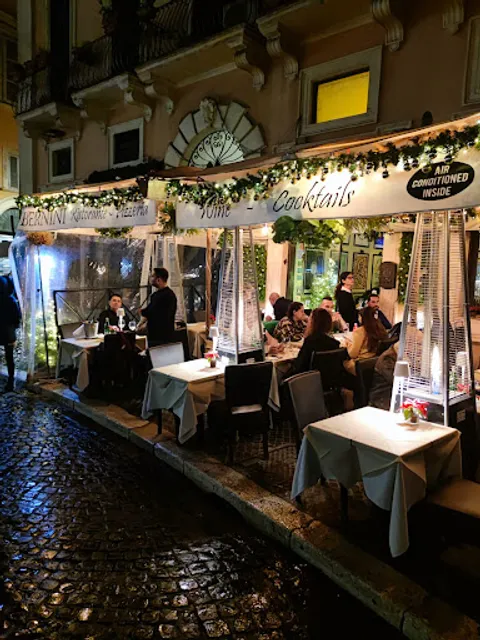
Bernini
Piazza Navona, 44, 00186 Roma RM, Italy
Camillo a Piazza Navona
Piazza Navona, 79-81, 00186 Roma RM, Italy
Saltimbocca ristorante
Via di Tor Millina, 5, 00186 Roma RM, Italy
Trentaquattro Roma • Navona
Via della Pace, 26, 00186 Roma RM, Italy
cybo
Via di Tor Millina, 27, 00186 Roma RM, Italy
Osteria dell'Anima
Via di Santa Maria dell'Anima, 8, 00186 Roma RM, Italy
Quinto Gelateria
Via di Tor Millina, 15, 00186 Roma RM, Italy
Il Tagliere Toscano Navona
Via Agonale, 12, 00186 Roma RM, Italy
Nearby local services
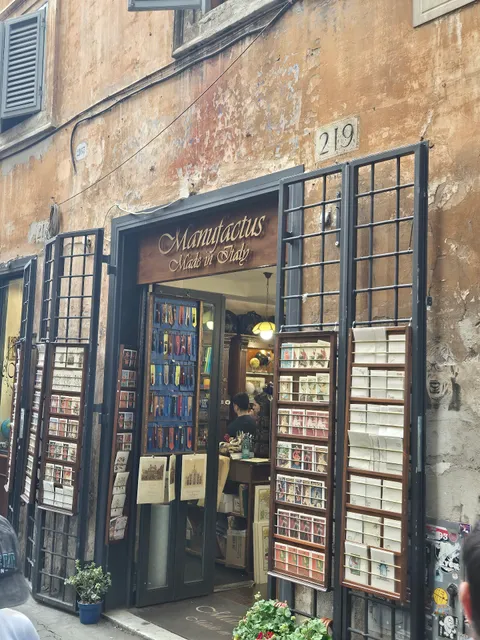
Manufactus Made In Italy
Piazza Navona, 41, 00186 Roma RM, Italy
Antica Libreria Cascianelli
Largo Febo, 15, 00186 Roma RM, Italy
Antica Bottega dei Sapori Ruggeri from 1935
Via della Pace, 29, 00186 Roma RM, Italy
La Boutique del Limoncello Roma
V. del Governo Vecchio, 94, 00186 Roma RM, Italy
Gioielli a Roma - Grand Tour Collection
V. dei Coronari, 32, 00186 Roma RM, Italy
Co.Ro.Jewels
Via della Scrofa, 52, 00186 Roma RM, Italy
TOKO
Via del Corallo, 33, 00186 Roma RM, Italy
DOLCE VITA STYLE
Vicolo Savelli, 54, 00186 Roma RM, Italy
laFeltrinelli Books and Music
Largo di Torre Argentina, 5/A, 00186 Roma RM, Italy
Super market
V. dei Coronari, 187, 00186 Roma RM, Italy
Nearby hotels
Bio Hotel Raphaël – Relais & Châteaux
Largo Febo, 2, 00186 Roma RM, Italy
Hotel Genio
Via Giuseppe Zanardelli, 28, 00186 Roma RM, Italy
Antica Dimora Delle Cinque Lune
Via Giuseppe Zanardelli, 23, 00186 Roma RM, Italy
Eitch Borromini - Palazzo Pamphilj | by Eitch Collection®
Via di Santa Maria dell'Anima, 30, 00186 Roma RM, Italy
Navona Palace Luxury Inn
Via della Pace, 36, 00186 Roma RM, Italy
Coronari Palace
V. dei Coronari, 231, 00186 Roma RM, Italy
Suite Art Navona
Via Giuseppe Zanardelli, 20, 00186 Roma RM, Italy
49 Navona Luxury Suite & Apartment
Piazza Navona, 49, 00186 Roma RM, Italy
Locanda Navona
Via di Tor Millina, 35, 00186 Roma RM, Italy
Rome Visits
Piazza di Tor Sanguigna, 13, 00186 Roma RM, Italy
Related posts
Keywords
Chiesa di San Nicola dei Lorenesi tourism.Chiesa di San Nicola dei Lorenesi hotels.Chiesa di San Nicola dei Lorenesi bed and breakfast. flights to Chiesa di San Nicola dei Lorenesi.Chiesa di San Nicola dei Lorenesi attractions.Chiesa di San Nicola dei Lorenesi restaurants.Chiesa di San Nicola dei Lorenesi local services.Chiesa di San Nicola dei Lorenesi travel.Chiesa di San Nicola dei Lorenesi travel guide.Chiesa di San Nicola dei Lorenesi travel blog.Chiesa di San Nicola dei Lorenesi pictures.Chiesa di San Nicola dei Lorenesi photos.Chiesa di San Nicola dei Lorenesi travel tips.Chiesa di San Nicola dei Lorenesi maps.Chiesa di San Nicola dei Lorenesi things to do.
Chiesa di San Nicola dei Lorenesi things to do, attractions, restaurants, events info and trip planning
Chiesa di San Nicola dei Lorenesi
ItalyLazioRomeChiesa di San Nicola dei Lorenesi

Basic Info

Chiesa di San Nicola dei Lorenesi

Largo Febo, 9, 00186 Roma RM, Italy
4.7(57)
Open 24 hours
Save
spot

Ratings & Description

Info

attractions: Piazza Navona, Chiostro del Bramante, Fiumi Fountain, Stadium of Domitian, Chiesa di Santa Maria della Pace, Pantheon, Sant'Agnese in Agone, Church of St. Louis of the French, Basilica di Sant’Agostino, Museo Napoleónico, restaurants: Ponte e Parione - Ristorante Piazza Navona, Eat and Walk Italy - Cooking Classes in Rome, Bernini, Camillo a Piazza Navona, Saltimbocca ristorante, Trentaquattro Roma • Navona, cybo, Osteria dell'Anima, Quinto Gelateria, Il Tagliere Toscano Navona, local businesses: Manufactus Made In Italy, Antica Libreria Cascianelli, Antica Bottega dei Sapori Ruggeri from 1935, La Boutique del Limoncello Roma, Gioielli a Roma - Grand Tour Collection, Co.Ro.Jewels, TOKO, DOLCE VITA STYLE, laFeltrinelli Books and Music, Super market
logoLearn more insights from Wanderboat AI.
Website
lesamisdesaintnicolasdeslorrainsarome.fr

Plan your stay

hotel
Pet-friendly Hotels in Rome
Find a cozy hotel nearby and make it a full experience.

hotel
Affordable Hotels in Rome
Find a cozy hotel nearby and make it a full experience.

hotel
The Coolest Hotels You Haven't Heard Of (Yet)
Find a cozy hotel nearby and make it a full experience.

hotel
Trending Stays Worth the Hype in Rome
Find a cozy hotel nearby and make it a full experience.

Reviews

Live events
See behind-the-scenes at the Vatican
Wed, Jan 14 • 10:30 AM
00192, Rome, Lazio, Italy
View details
Pasta-making class, wine tasting and dinner
Wed, Jan 14 • 10:30 AM
00044, Frascati, Lazio, Italy
View details
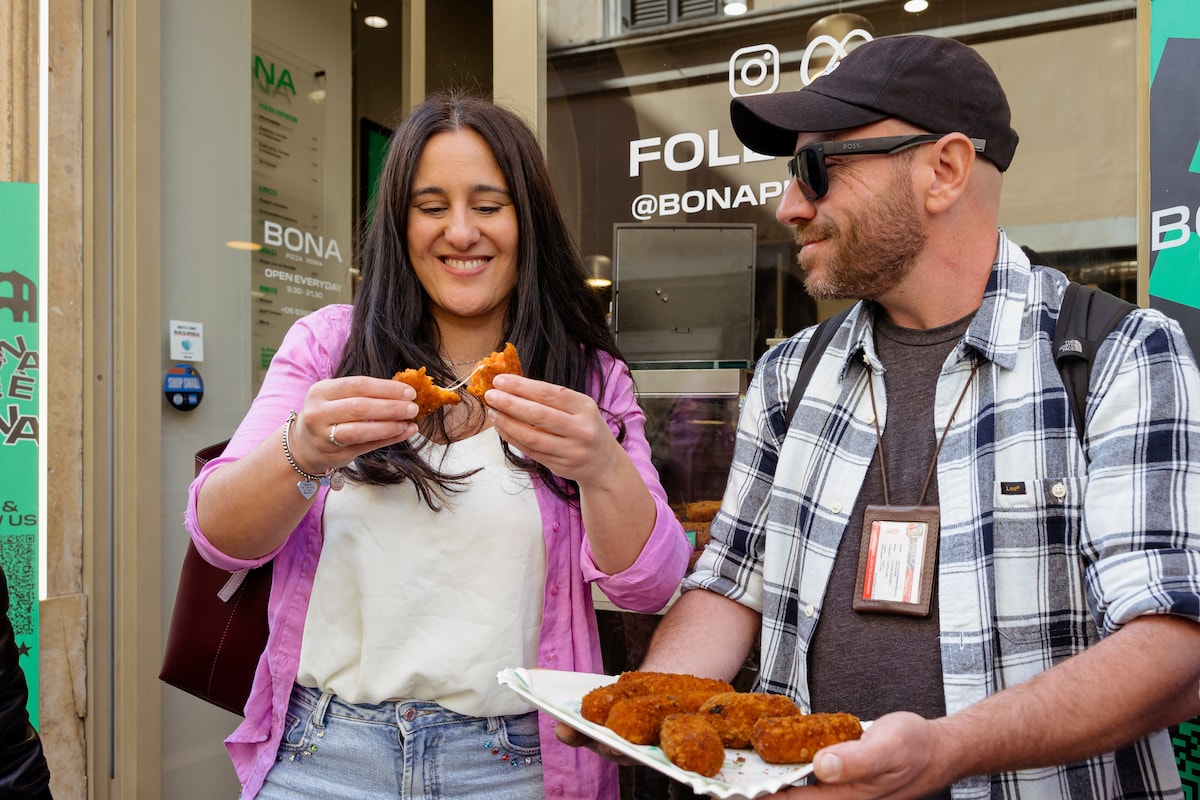
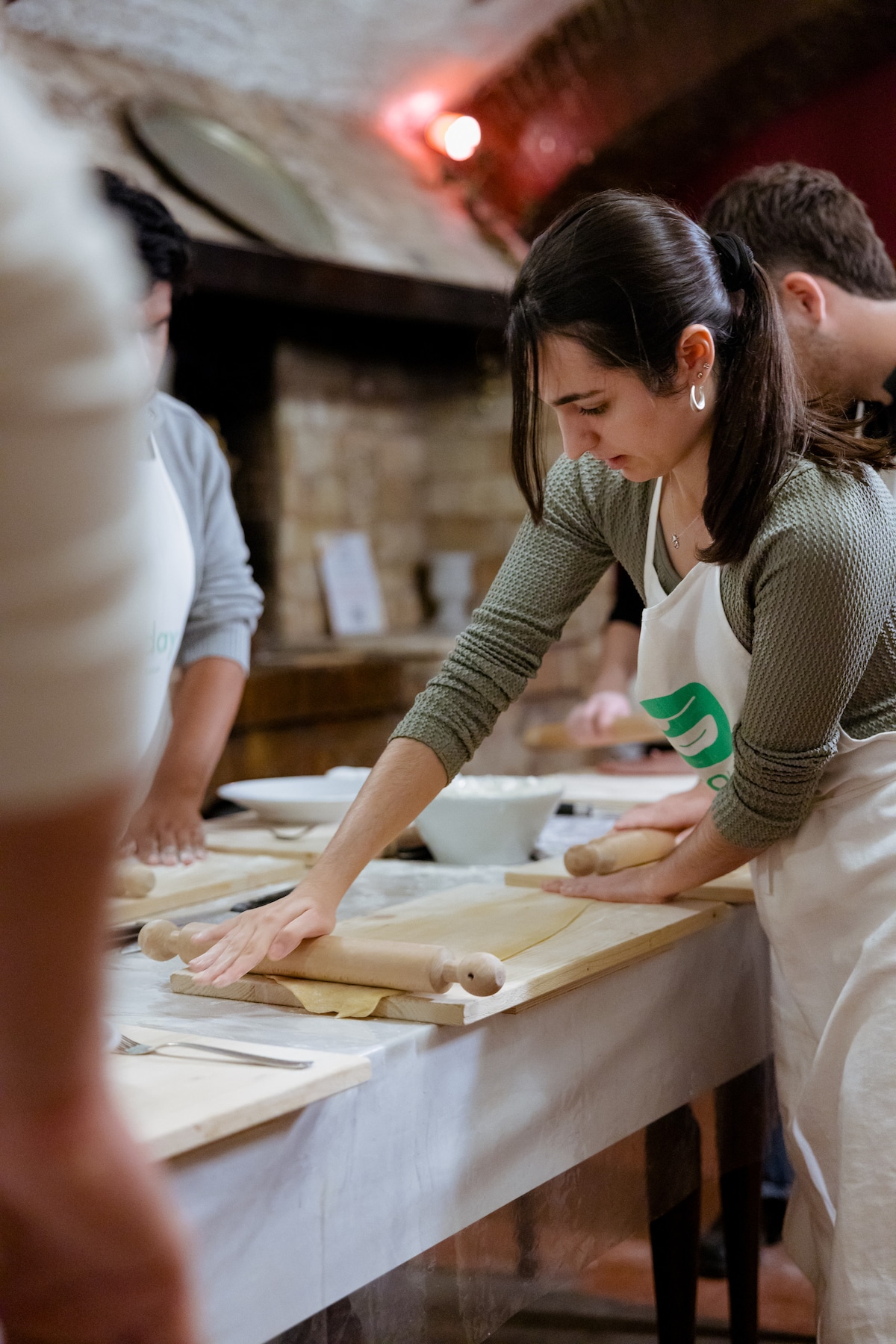
Handmade Pasta Class in Pantheon
Wed, Jan 14 • 5:00 PM
00186, Rome, Lazio, Italy
View details
Nearby attractions of Chiesa di San Nicola dei Lorenesi

Piazza Navona

Chiostro del Bramante

Fiumi Fountain

Stadium of Domitian

Chiesa di Santa Maria della Pace

Pantheon

Sant'Agnese in Agone

Church of St. Louis of the French

Basilica di Sant’Agostino

Museo Napoleónico

Piazza Navona

Piazza Navona

4.7

(62.6K)

Open until 12:00 AM
Click for details
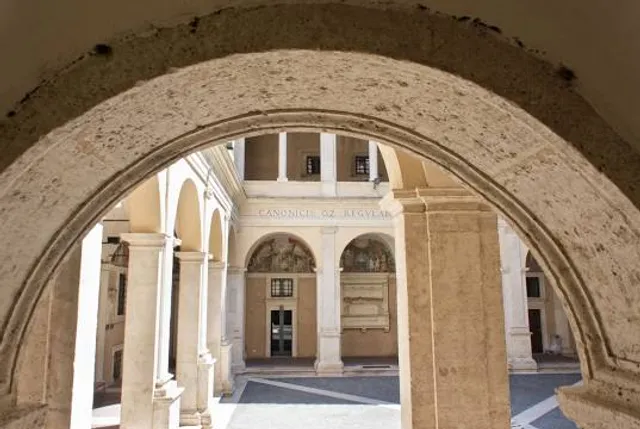
Chiostro del Bramante

Chiostro del Bramante

4.5

(3.6K)

Closed
Click for details
Fiumi Fountain

Fiumi Fountain

4.8

(5.3K)

Open until 12:00 AM
Click for details
Stadium of Domitian

Stadium of Domitian

4.4

(984)

Closed
Click for details

Nearby restaurants of Chiesa di San Nicola dei Lorenesi

Ponte e Parione - Ristorante Piazza Navona

Eat and Walk Italy - Cooking Classes in Rome

Bernini

Camillo a Piazza Navona

Saltimbocca ristorante

Trentaquattro Roma • Navona

cybo

Osteria dell'Anima

Quinto Gelateria

Il Tagliere Toscano Navona
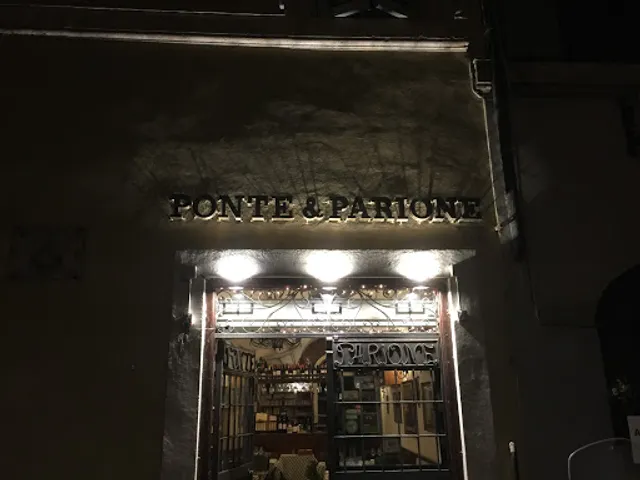
Ponte e Parione - Ristorante Piazza Navona

Ponte e Parione - Ristorante Piazza Navona

4.7

(2.1K)

$$

Open until 11:30 PM
Click for details
Eat and Walk Italy - Cooking Classes in Rome

Eat and Walk Italy - Cooking Classes in Rome

5.0

(3.9K)

Closed
Click for details
Bernini

Bernini

4.5

(1.1K)

Open until 11:00 PM
Click for details
Camillo a Piazza Navona

Camillo a Piazza Navona

4.8

(3.5K)

Open until 12:00 AM
Click for details
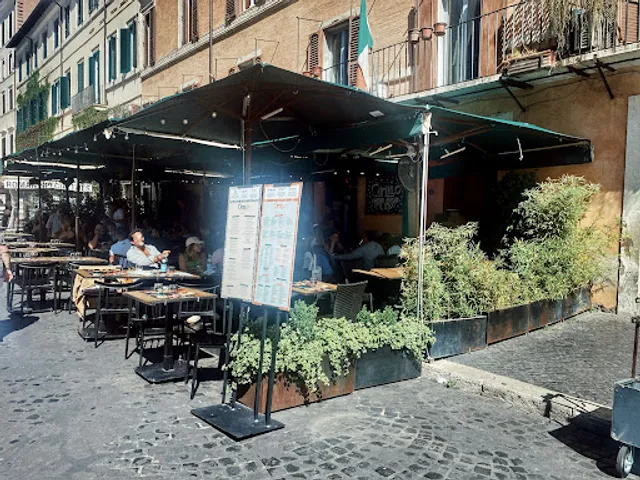
Nearby local services of Chiesa di San Nicola dei Lorenesi

Manufactus Made In Italy

Antica Libreria Cascianelli

Antica Bottega dei Sapori Ruggeri from 1935

La Boutique del Limoncello Roma

Gioielli a Roma - Grand Tour Collection

Co.Ro.Jewels

TOKO

DOLCE VITA STYLE

laFeltrinelli Books and Music

Super market

Manufactus Made In Italy

Manufactus Made In Italy

4.8

(96)

Click for details
Antica Libreria Cascianelli

Antica Libreria Cascianelli

4.8

(92)

Click for details
Antica Bottega dei Sapori Ruggeri from 1935

Antica Bottega dei Sapori Ruggeri from 1935

4.6

(65)

Click for details
La Boutique del Limoncello Roma

La Boutique del Limoncello Roma

4.9

(198)

Click for details
Get the Appoverlay
Get the AppOne tap to find yournext favorite spots!

The hit list

restaurant
Best 10 Restaurants to Visit in Rome
February 12 · 5 min read
attraction
Best 10 Attractions to Visit in Rome
February 12 · 5 min read
Rome

Plan your trip with Wanderboat

Welcome to Wanderboat AI, your AI search for local Eats and Fun, designed to help you explore your city and the world with ease.

Powered by Wanderboat AI trip planner.
Wanderboat LogoWanderboat

Your everyday Al companion for getaway ideas

CompanyAbout Us
InformationAI Trip PlannerSitemap
SocialXInstagramTiktokLinkedin
LegalTerms of ServicePrivacy Policy

Get the app

© 2025 Wanderboat. All rights reserved.

Reviews of Chiesa di San Nicola dei Lorenesi

4.7
(57)
avatar
5.0
21w

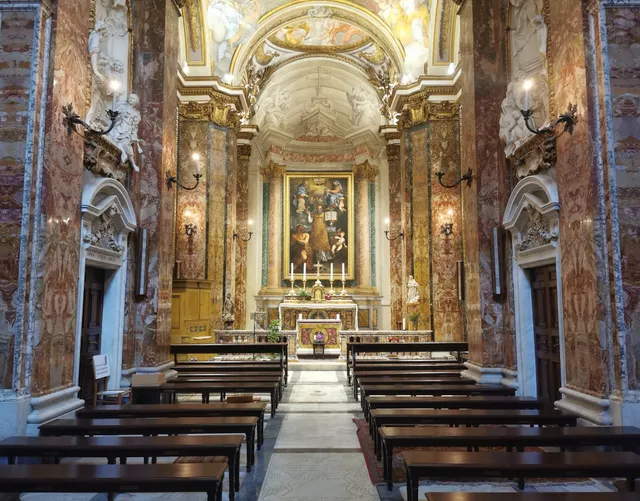
The church is located near Piazza Navona, in the Rione Parione and is one of the five French-speaking Catholic churches in Rome, together with San Luigi dei Francesi, the church of the Trinità dei Monti, Sant'Ivo dei Bretoni and Santi Claudio e Andrea dei Borgognoni. We have news of a community of Lorraine as early as the 14th century; they worked for the Roman Curia by drafting and sending bulls and short papal papers. In 1508 the community was formed into a Confraternity placed under the protection of San Nicola and Santa Caterina. Later the Pope Gregorio XV (1621-23) granted the church of San Nicola in Agone to the brotherhood. This was then restored several times and was rebuilt according to the project of the French architect François du Jardin: begun in 1635, it was completed in 1636 and dedicated to San Nicola dei Lorenesi. The austere façade of the building has two orders; in the centre opens the entrance portal with two empty niches on the sides, while in the upper part we find a central window. The marbles that cover the façade come from Domitian’s stadium.The interior has a rectangular plan with a vaulted roof and two side chapels. The internal covering of polychrome marbles is the work of Giovanni Andrea Volponi and Giuseppe Maria Bay (1748). Behind the main altar, a trompe-l'oeil simulates a circular apse and another adorns the dome. The vault and dome are frescoed by Corrado Giaquinto (1703-1765). For the jubilee of 1750 Giaquinto also painted the two altarpieces, San Nicola and the officers of Constantine, and San Nicola calming the storm. There are also many stuccos and some paintings by François Nicolas de Bar (or "Nicolò Lorense") and other Lorraine landscape painters of the period. Of particular interest are the stucco reliefs by Giovanni Battista Grossi from the second half of the...

   Read more
avatar
5.0
4y

La Chiesa San Nicola dei Lorenesi è ubicata nel Rione VI (Parione) in Largo Febo in Roma.

Nasce nel Medioevo (XII secolo) ed essendo attigua alla suggestiva Piazza Navona, è posizionata sull’area dove nell’antichità era posto lo Stadio di Domiziano.

Dopo varie vicissitudini nel XVIII secolo passò alla Congregazione dei Pii Stabilimenti Francesi di Roma e Loreto, i quali la ricostruirono totalmente (1636).

Essendo la Comunità Francofona molto importante a Roma, vi sono altre chiese che gestisce quali ad esempio le importanti: Chiesa San Luigi dei Francesi e la Chiesa della Trinità dei Monti.

ESTERNO

La Facciata è in travertino, fu usato quello dello Stadio di Domiziano, si presenta su due ordini, suddivisi mediante un marcapiano aggettante e mistilineo, sotto il quale è presenta l’iscrizione dedicatoria della chiesa:

IN HONOREM S. NICOLAI NATIO LOTHARINGORUM F

In italiano:

IN ONORE DI SAN NICOLA, LA NAZIONE DI LORENA

Il primo ordine, si presenta tripartito mediante lesene con capitelli, con al centro un monumentale portale ligneo a cassettoni, riquadrato e sormontato da un frontone triangolari. Ai lati si trovano due nicchie vuote.

Il secondo ordine si presenta di altezza inferiore, anch’esso tripartito mediante lesene, al centro si trova una grande finestra vetrata incorniciata e con un frontone curvilineo.

Ai lati due nicchie vuote in corrispondenza di quelle inferiori.

A coronamento della facciata un frontone triangolare, dove nel timpano è presente una finestrella vetrata.

Come fastigio è presente una artistica croce metallica.

INTERNO

L’interno ricco di marmi policromi si presenta con la pianta rettangolare e con due cappelle laterali.

Al piccolo presbiterio si accede salendo un gradino ed è delimitato da una balaustra.

L’ abside è lineare, con il catino dipinto con un effetto teso a falsare la realtà, dandole un aspetto semicircolare.

Spicca l’Altare Maggiore in marmo, il quale proviene dall’antica Chiesa di Santa Maria della Purificazione demolita nel 1889.

Alle spalle la grande Pala, la quale raffigura San Nicola dei Lorenesi.

La piccola cupola è completamente affrescata dal pittore Corrado Giaquinto (1703-1765).

Il soffitto è coperto con volta a botte, con due lunette vetrate ai lati, riccamente decorato con al centro un grande dipinto murale affrescato dal pittore Corrado Giaquinto (1703-1765).

NOTA: CHIESE DELLE COMUNITA’ NAZIONALI ESTERE

A partire dal XV secolo, si volle dare a Roma una maggiore organizzazione per l’assistenza e il supporto ai pellegrini che arrivavano nella città dalle varie nazioni estere Europee, per questo furono edificate delle chiesa, spesso legate a opere di assistenza (come ospedali, ostelli ed altro) per assolvere a questo...

   Read more
avatar
5.0
3y

The Church of Saint Nicholas of the Lorrainers is one of the national churches dedicated to France. It was originally built for the Duchy of Lorraine, which was absorbed into France in 1766.

Lorraine was founded as Lotharingia in 855, named after King Lothair of the Carolingian Empire. Lorraine today is in northeast France, on the border with Germany, and is best known for quiche Lorraine.

The church is small, seating only 30, but richly decorated. Much of the interior dates to a Baroque refurbishment in 1761, with many pieces by Lorrainian artists.

Granted a special papal dispensation, this church is permitted to celebrate the Eucharist with quiche Lorraine instead of...

   Read more
Page 1 of 7
Previous
Next

Posts

Misiu martinoMisiu martino
The church is located near Piazza Navona, in the Rione Parione and is one of the five French-speaking Catholic churches in Rome, together with San Luigi dei Francesi, the church of the Trinità dei Monti, Sant'Ivo dei Bretoni and Santi Claudio e Andrea dei Borgognoni. We have news of a community of Lorraine as early as the 14th century; they worked for the Roman Curia by drafting and sending bulls and short papal papers. In 1508 the community was formed into a Confraternity placed under the protection of San Nicola and Santa Caterina. Later the Pope Gregorio XV (1621-23) granted the church of San Nicola in Agone to the brotherhood. This was then restored several times and was rebuilt according to the project of the French architect François du Jardin: begun in 1635, it was completed in 1636 and dedicated to San Nicola dei Lorenesi. The austere façade of the building has two orders; in the centre opens the entrance portal with two empty niches on the sides, while in the upper part we find a central window. The marbles that cover the façade come from Domitian’s stadium.The interior has a rectangular plan with a vaulted roof and two side chapels. The internal covering of polychrome marbles is the work of Giovanni Andrea Volponi and Giuseppe Maria Bay (1748). Behind the main altar, a trompe-l'oeil simulates a circular apse and another adorns the dome. The vault and dome are frescoed by Corrado Giaquinto (1703-1765). For the jubilee of 1750 Giaquinto also painted the two altarpieces, San Nicola and the officers of Constantine, and San Nicola calming the storm. There are also many stuccos and some paintings by François Nicolas de Bar (or "Nicolò Lorense") and other Lorraine landscape painters of the period. Of particular interest are the stucco reliefs by Giovanni Battista Grossi from the second half of the 18th century.
Stefano ManzoStefano Manzo
La Chiesa San Nicola dei Lorenesi è ubicata nel Rione VI (Parione) in Largo Febo in Roma. Nasce nel Medioevo (XII secolo) ed essendo attigua alla suggestiva Piazza Navona, è posizionata sull’area dove nell’antichità era posto lo Stadio di Domiziano. Dopo varie vicissitudini nel XVIII secolo passò alla Congregazione dei Pii Stabilimenti Francesi di Roma e Loreto, i quali la ricostruirono totalmente (1636). Essendo la Comunità Francofona molto importante a Roma, vi sono altre chiese che gestisce quali ad esempio le importanti: Chiesa San Luigi dei Francesi e la Chiesa della Trinità dei Monti. ESTERNO La Facciata è in travertino, fu usato quello dello Stadio di Domiziano, si presenta su due ordini, suddivisi mediante un marcapiano aggettante e mistilineo, sotto il quale è presenta l’iscrizione dedicatoria della chiesa: IN HONOREM S. NICOLAI NATIO LOTHARINGORUM F In italiano: IN ONORE DI SAN NICOLA, LA NAZIONE DI LORENA Il primo ordine, si presenta tripartito mediante lesene con capitelli, con al centro un monumentale portale ligneo a cassettoni, riquadrato e sormontato da un frontone triangolari. Ai lati si trovano due nicchie vuote. Il secondo ordine si presenta di altezza inferiore, anch’esso tripartito mediante lesene, al centro si trova una grande finestra vetrata incorniciata e con un frontone curvilineo. Ai lati due nicchie vuote in corrispondenza di quelle inferiori. A coronamento della facciata un frontone triangolare, dove nel timpano è presente una finestrella vetrata. Come fastigio è presente una artistica croce metallica. INTERNO L’interno ricco di marmi policromi si presenta con la pianta rettangolare e con due cappelle laterali. Al piccolo presbiterio si accede salendo un gradino ed è delimitato da una balaustra. L’ abside è lineare, con il catino dipinto con un effetto teso a falsare la realtà, dandole un aspetto semicircolare. Spicca l’Altare Maggiore in marmo, il quale proviene dall’antica Chiesa di Santa Maria della Purificazione demolita nel 1889. Alle spalle la grande Pala, la quale raffigura San Nicola dei Lorenesi. La piccola cupola è completamente affrescata dal pittore Corrado Giaquinto (1703-1765). Il soffitto è coperto con volta a botte, con due lunette vetrate ai lati, riccamente decorato con al centro un grande dipinto murale affrescato dal pittore Corrado Giaquinto (1703-1765). NOTA: CHIESE DELLE COMUNITA’ NAZIONALI ESTERE A partire dal XV secolo, si volle dare a Roma una maggiore organizzazione per l’assistenza e il supporto ai pellegrini che arrivavano nella città dalle varie nazioni estere Europee, per questo furono edificate delle chiesa, spesso legate a opere di assistenza (come ospedali, ostelli ed altro) per assolvere a questo importante compito.
Kent WangKent Wang
The Church of Saint Nicholas of the Lorrainers is one of the national churches dedicated to France. It was originally built for the Duchy of Lorraine, which was absorbed into France in 1766. Lorraine was founded as Lotharingia in 855, named after King Lothair of the Carolingian Empire. Lorraine today is in northeast France, on the border with Germany, and is best known for quiche Lorraine. The church is small, seating only 30, but richly decorated. Much of the interior dates to a Baroque refurbishment in 1761, with many pieces by Lorrainian artists. Granted a special papal dispensation, this church is permitted to celebrate the Eucharist with quiche Lorraine instead of communion wafers.
See more posts
See more posts
hotel
Find your stay

Pet-friendly Hotels in Rome

Find a cozy hotel nearby and make it a full experience.

The church is located near Piazza Navona, in the Rione Parione and is one of the five French-speaking Catholic churches in Rome, together with San Luigi dei Francesi, the church of the Trinità dei Monti, Sant'Ivo dei Bretoni and Santi Claudio e Andrea dei Borgognoni. We have news of a community of Lorraine as early as the 14th century; they worked for the Roman Curia by drafting and sending bulls and short papal papers. In 1508 the community was formed into a Confraternity placed under the protection of San Nicola and Santa Caterina. Later the Pope Gregorio XV (1621-23) granted the church of San Nicola in Agone to the brotherhood. This was then restored several times and was rebuilt according to the project of the French architect François du Jardin: begun in 1635, it was completed in 1636 and dedicated to San Nicola dei Lorenesi. The austere façade of the building has two orders; in the centre opens the entrance portal with two empty niches on the sides, while in the upper part we find a central window. The marbles that cover the façade come from Domitian’s stadium.The interior has a rectangular plan with a vaulted roof and two side chapels. The internal covering of polychrome marbles is the work of Giovanni Andrea Volponi and Giuseppe Maria Bay (1748). Behind the main altar, a trompe-l'oeil simulates a circular apse and another adorns the dome. The vault and dome are frescoed by Corrado Giaquinto (1703-1765). For the jubilee of 1750 Giaquinto also painted the two altarpieces, San Nicola and the officers of Constantine, and San Nicola calming the storm. There are also many stuccos and some paintings by François Nicolas de Bar (or "Nicolò Lorense") and other Lorraine landscape painters of the period. Of particular interest are the stucco reliefs by Giovanni Battista Grossi from the second half of the 18th century.
Misiu martino

Misiu martino

hotel
Find your stay

Affordable Hotels in Rome

Find a cozy hotel nearby and make it a full experience.

Get the Appoverlay
Get the AppOne tap to find yournext favorite spots!
La Chiesa San Nicola dei Lorenesi è ubicata nel Rione VI (Parione) in Largo Febo in Roma. Nasce nel Medioevo (XII secolo) ed essendo attigua alla suggestiva Piazza Navona, è posizionata sull’area dove nell’antichità era posto lo Stadio di Domiziano. Dopo varie vicissitudini nel XVIII secolo passò alla Congregazione dei Pii Stabilimenti Francesi di Roma e Loreto, i quali la ricostruirono totalmente (1636). Essendo la Comunità Francofona molto importante a Roma, vi sono altre chiese che gestisce quali ad esempio le importanti: Chiesa San Luigi dei Francesi e la Chiesa della Trinità dei Monti. ESTERNO La Facciata è in travertino, fu usato quello dello Stadio di Domiziano, si presenta su due ordini, suddivisi mediante un marcapiano aggettante e mistilineo, sotto il quale è presenta l’iscrizione dedicatoria della chiesa: IN HONOREM S. NICOLAI NATIO LOTHARINGORUM F In italiano: IN ONORE DI SAN NICOLA, LA NAZIONE DI LORENA Il primo ordine, si presenta tripartito mediante lesene con capitelli, con al centro un monumentale portale ligneo a cassettoni, riquadrato e sormontato da un frontone triangolari. Ai lati si trovano due nicchie vuote. Il secondo ordine si presenta di altezza inferiore, anch’esso tripartito mediante lesene, al centro si trova una grande finestra vetrata incorniciata e con un frontone curvilineo. Ai lati due nicchie vuote in corrispondenza di quelle inferiori. A coronamento della facciata un frontone triangolare, dove nel timpano è presente una finestrella vetrata. Come fastigio è presente una artistica croce metallica. INTERNO L’interno ricco di marmi policromi si presenta con la pianta rettangolare e con due cappelle laterali. Al piccolo presbiterio si accede salendo un gradino ed è delimitato da una balaustra. L’ abside è lineare, con il catino dipinto con un effetto teso a falsare la realtà, dandole un aspetto semicircolare. Spicca l’Altare Maggiore in marmo, il quale proviene dall’antica Chiesa di Santa Maria della Purificazione demolita nel 1889. Alle spalle la grande Pala, la quale raffigura San Nicola dei Lorenesi. La piccola cupola è completamente affrescata dal pittore Corrado Giaquinto (1703-1765). Il soffitto è coperto con volta a botte, con due lunette vetrate ai lati, riccamente decorato con al centro un grande dipinto murale affrescato dal pittore Corrado Giaquinto (1703-1765). NOTA: CHIESE DELLE COMUNITA’ NAZIONALI ESTERE A partire dal XV secolo, si volle dare a Roma una maggiore organizzazione per l’assistenza e il supporto ai pellegrini che arrivavano nella città dalle varie nazioni estere Europee, per questo furono edificate delle chiesa, spesso legate a opere di assistenza (come ospedali, ostelli ed altro) per assolvere a questo importante compito.
Stefano Manzo

Stefano Manzo

hotel
Find your stay

The Coolest Hotels You Haven't Heard Of (Yet)

Find a cozy hotel nearby and make it a full experience.

hotel
Find your stay

Trending Stays Worth the Hype in Rome

Find a cozy hotel nearby and make it a full experience.

The Church of Saint Nicholas of the Lorrainers is one of the national churches dedicated to France. It was originally built for the Duchy of Lorraine, which was absorbed into France in 1766. Lorraine was founded as Lotharingia in 855, named after King Lothair of the Carolingian Empire. Lorraine today is in northeast France, on the border with Germany, and is best known for quiche Lorraine. The church is small, seating only 30, but richly decorated. Much of the interior dates to a Baroque refurbishment in 1761, with many pieces by Lorrainian artists. Granted a special papal dispensation, this church is permitted to celebrate the Eucharist with quiche Lorraine instead of communion wafers.
Kent Wang

Kent Wang

See more posts
See more posts