Museo Storico della Liberazione things to do, attractions, restaurants, events info and trip planning
Basic Info
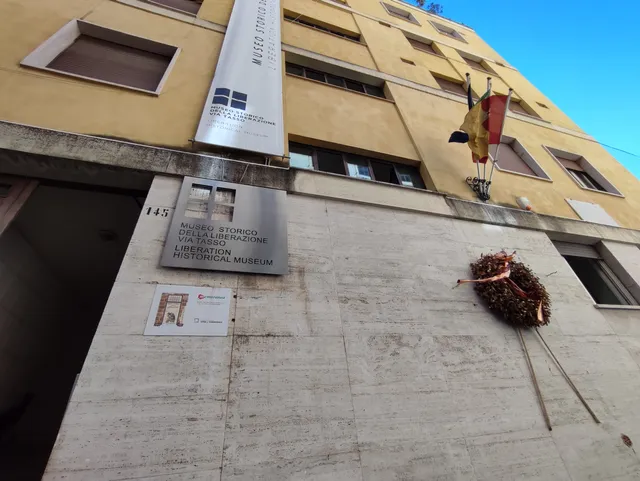
Museo Storico della Liberazione
Via Torquato Tasso, 145, 00185 Roma RM, Italy
4.7(207)
Open until 7:00 PM
Save
spot
spot
Ratings & Description
Info
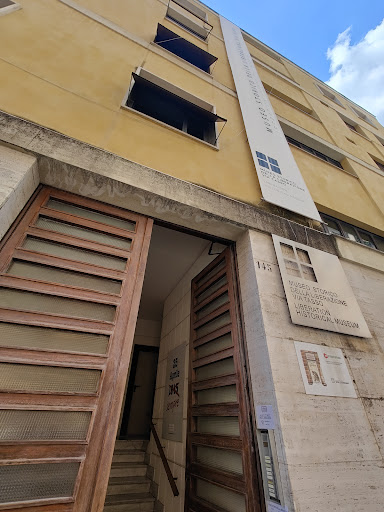
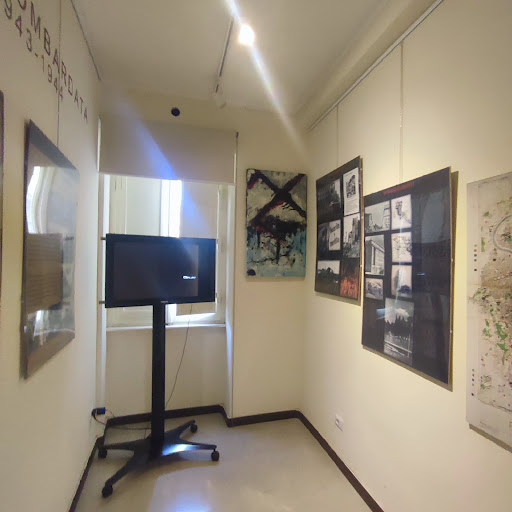
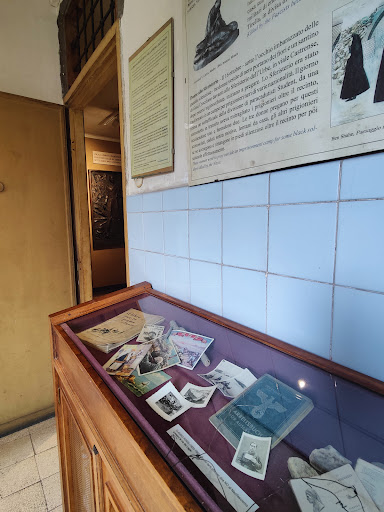
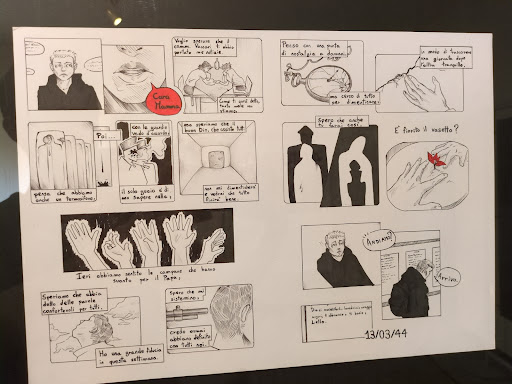
The Museum of the Liberation of Rome is located in an apartment building at Via Tasso 145, Rome, close to the basilica of St. John Lateran. It records the period of German occupation of Rome in the Second World War and its subsequent liberation.
Cultural
Accessibility
attractions: Pontificio Santuario della Scala Santa, Basilica di San Giovanni in Laterano, Casino Massimo Lancellotti (in Villa Giustiniani Massimo), Lateranense Palace, Sala 1- Centro internazionale d'arte contemporanea, Chaos Lab, Giardini Viale Carlo Felice, Rome Via Sannio Flea Market, Vittorio Emanuele II Square, Basilica of San Clemente, restaurants: Moki Japanese Restaurant, Le virtù in tavola, Bussarakham, Marco G Osteria, Ristorante Cinese Piccola Hong Kong, I Buoni Amici Roma, Sampietrino - L'Osteria di San Giovanni, Sangio' - L'Antico Forno, Hosteria Cannavota, Merulana Cafè, local businesses: Carpe Diem Tours, Scala Santa, Centro Sportivo Santa Maria, Diocese of Rome, LO CASCIO custom furniture STUDIO, Magic Escape Room Roma 2, Pontifical Lateran University, Alice Pizza Magna Grecia, Le Cinquine - Pizza e Tradizione Cecchini, Piazza Vittorio Emanuele II
 Learn more insights from Wanderboat AI.
Phone
+39 06 700 3866
Website
museoliberazione.it
Open hoursSee all hours
Sat9 AM - 7 PMOpen
Plan your stay

Pet-friendly Hotels in Rome
Find a cozy hotel nearby and make it a full experience.

Affordable Hotels in Rome
Find a cozy hotel nearby and make it a full experience.

The Coolest Hotels You Haven't Heard Of (Yet)
Find a cozy hotel nearby and make it a full experience.

Trending Stays Worth the Hype in Rome
Find a cozy hotel nearby and make it a full experience.
Reviews
Live events
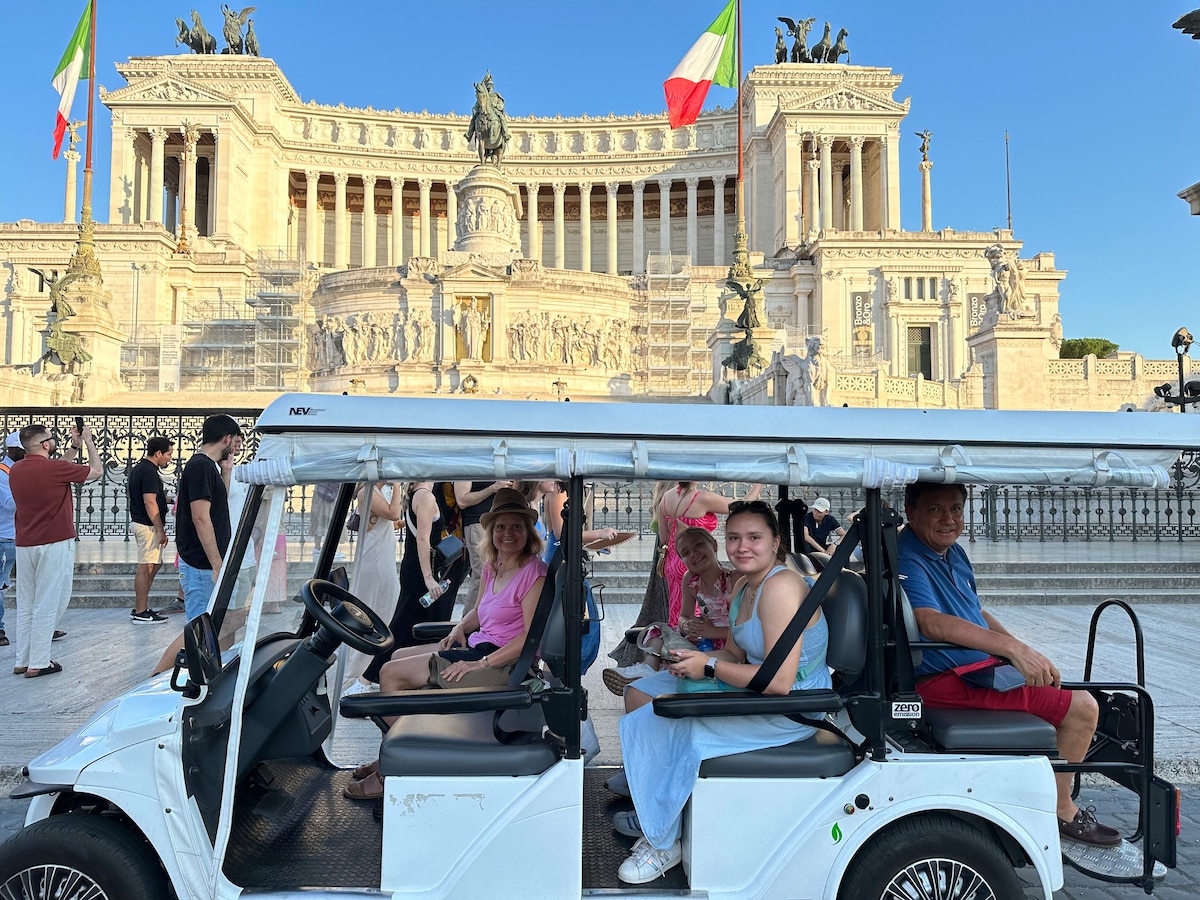
Discover Rome Highlights by Golf Cart
Sun, Feb 22 • 1:00 PM
00184, Rome, Lazio, Italy
View details

Festa di Capodanno Cinese a Roma - Anno del Cavallo 2026
Sat, Feb 21 • 9:00 AM
Piazza Vittorio Emanuele II 00185 Roma
View details

Indian Film Festival - Bajirao Mastani
Fri, Feb 27 • 6:30 PM
43 Piazza della Repubblica #45 00184 Roma
View details
Nearby attractions of Museo Storico della Liberazione
Pontificio Santuario della Scala Santa
Basilica di San Giovanni in Laterano
Casino Massimo Lancellotti (in Villa Giustiniani Massimo)
Lateranense Palace
Sala 1- Centro internazionale d'arte contemporanea
Chaos Lab
Giardini Viale Carlo Felice
Rome Via Sannio Flea Market
Vittorio Emanuele II Square
Basilica of San Clemente
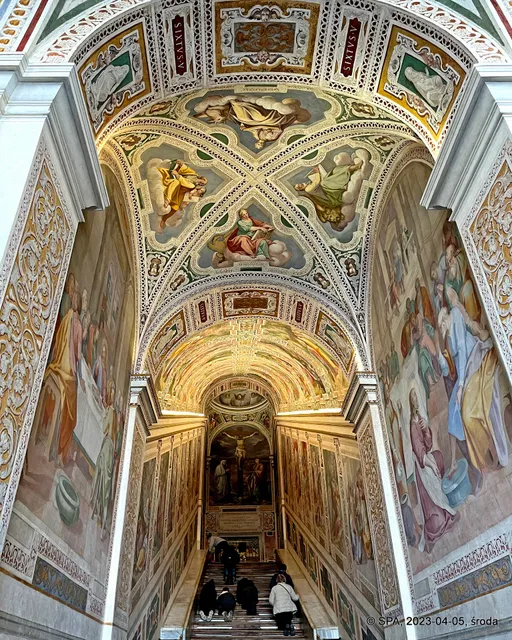
Pontificio Santuario della Scala Santa
4.7
(2.1K)
Closed
Click for details
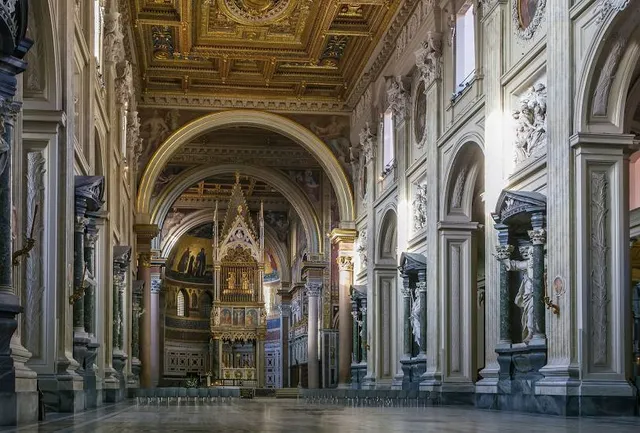
Basilica di San Giovanni in Laterano
4.8
(12.1K)
Closed
Click for details
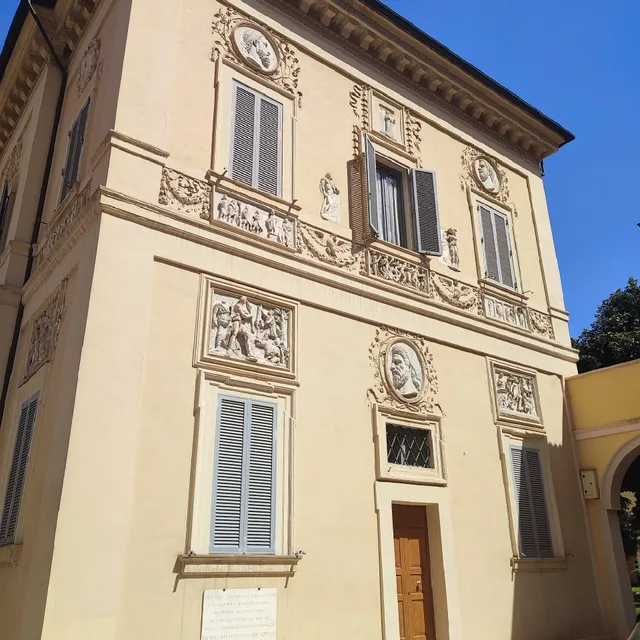
Casino Massimo Lancellotti (in Villa Giustiniani Massimo)
4.6
(94)
Open until 12:00 AM
Click for details
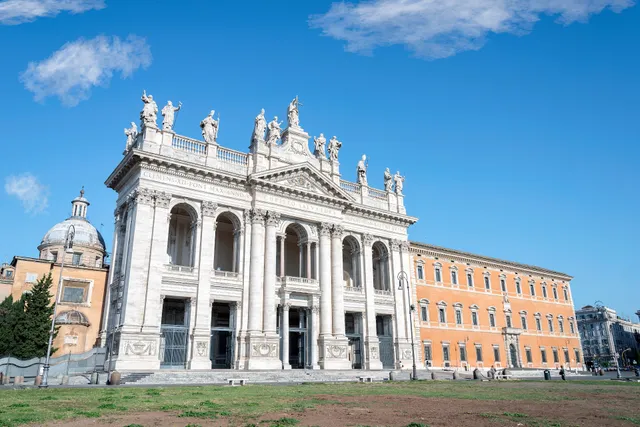
Lateranense Palace
4.7
(587)
Closed
Click for details
Nearby restaurants of Museo Storico della Liberazione
Moki Japanese Restaurant
Le virtù in tavola
Bussarakham
Marco G Osteria
Ristorante Cinese Piccola Hong Kong
I Buoni Amici Roma
Sampietrino - L'Osteria di San Giovanni
Sangio' - L'Antico Forno
Hosteria Cannavota
Merulana Cafè
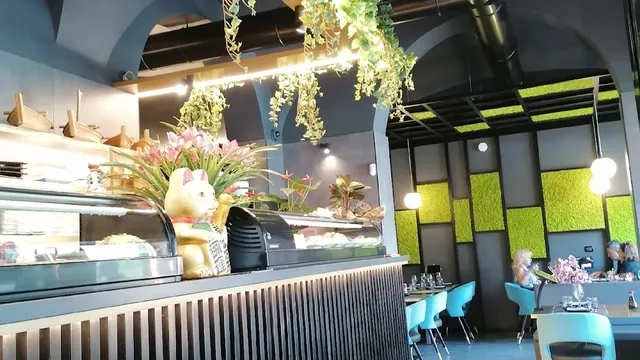
Moki Japanese Restaurant
4.3
(759)
Open until 12:00 AM
Click for details
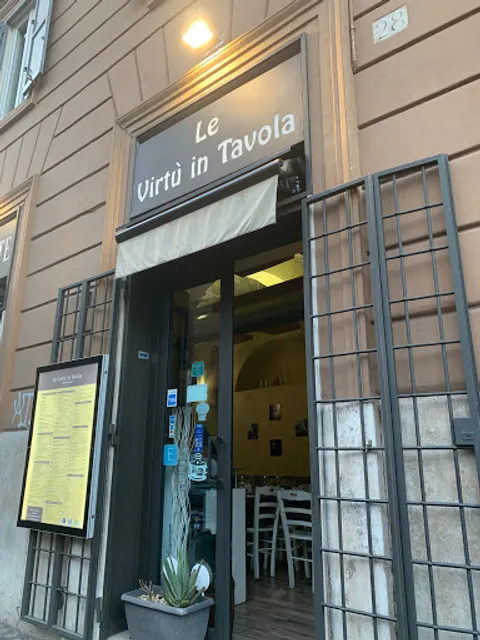
Le virtù in tavola
4.5
(616)
Click for details
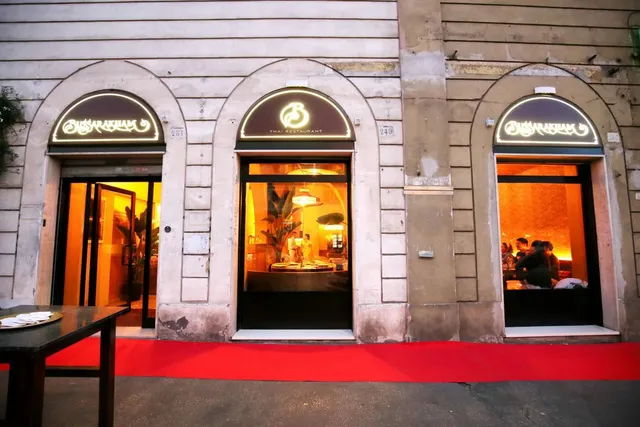
Bussarakham
4.5
(315)
Closed
Click for details
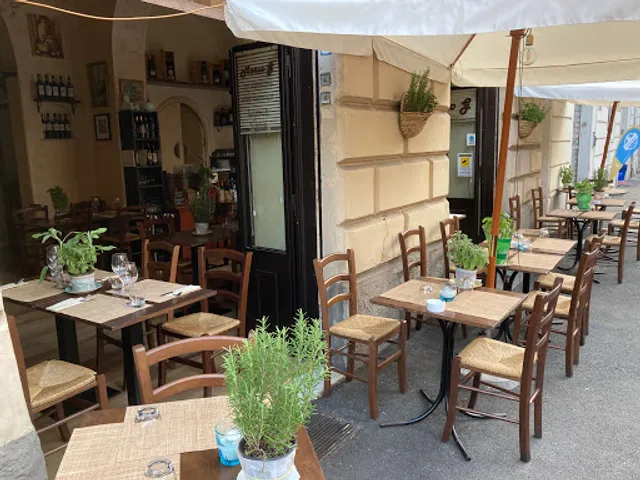
Marco G Osteria
4.6
(865)
Open until 12:00 AM
Click for details
Nearby local services of Museo Storico della Liberazione
Carpe Diem Tours
Scala Santa
Centro Sportivo Santa Maria
Diocese of Rome
LO CASCIO custom furniture STUDIO
Magic Escape Room Roma 2
Pontifical Lateran University
Alice Pizza Magna Grecia
Le Cinquine - Pizza e Tradizione Cecchini
Piazza Vittorio Emanuele II
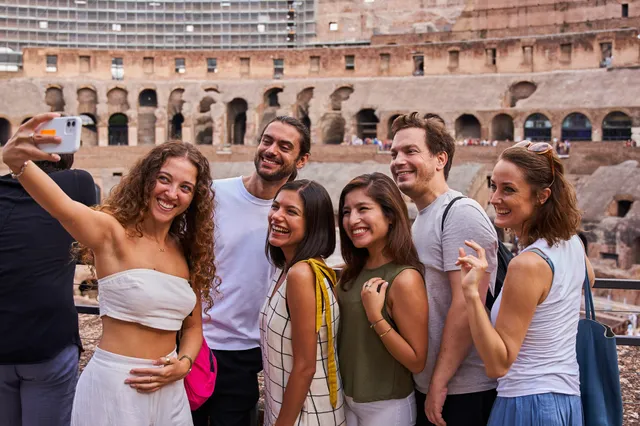
Carpe Diem Tours
5.0
(3.1K)
Click for details
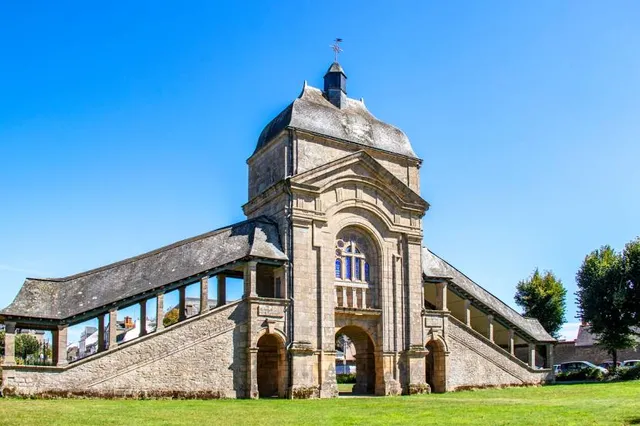
Scala Santa
4.7
(1.5K)
Click for details
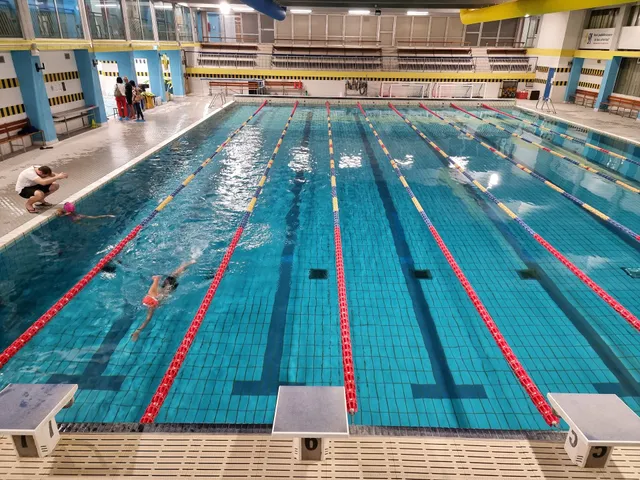
Centro Sportivo Santa Maria
4.2
(294)
Click for details
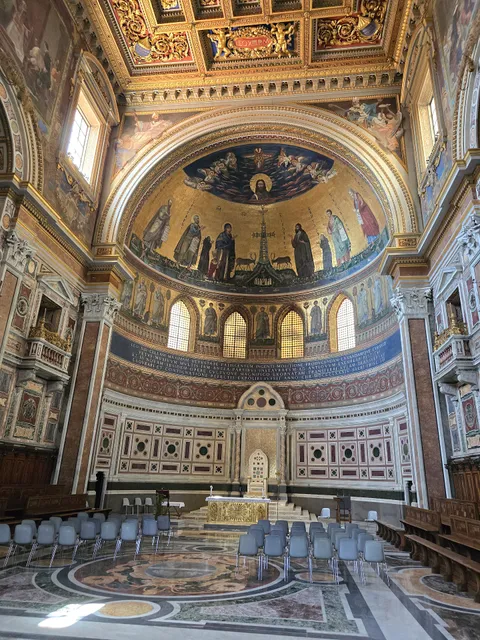
Diocese of Rome
4.7
(97)
Click for details


The hit list

Plan your trip with Wanderboat
Welcome to Wanderboat AI, your AI search for local Eats and Fun, designed to help you explore your city and the world with ease.
Powered by Wanderboat AI trip planner.