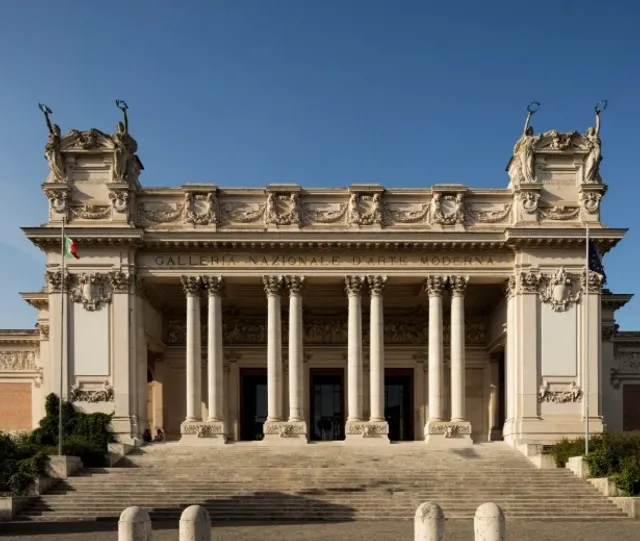
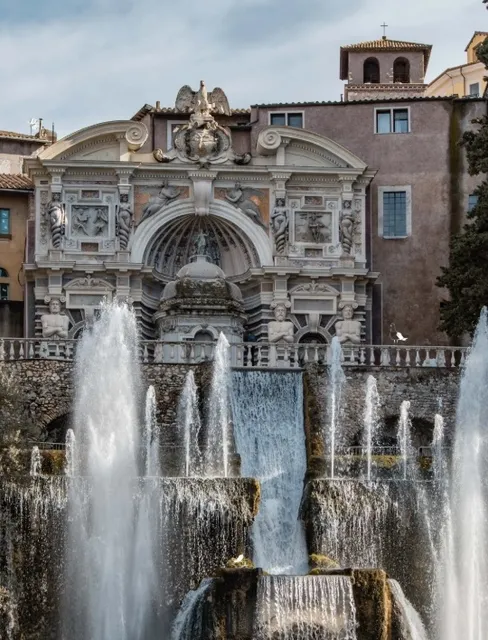
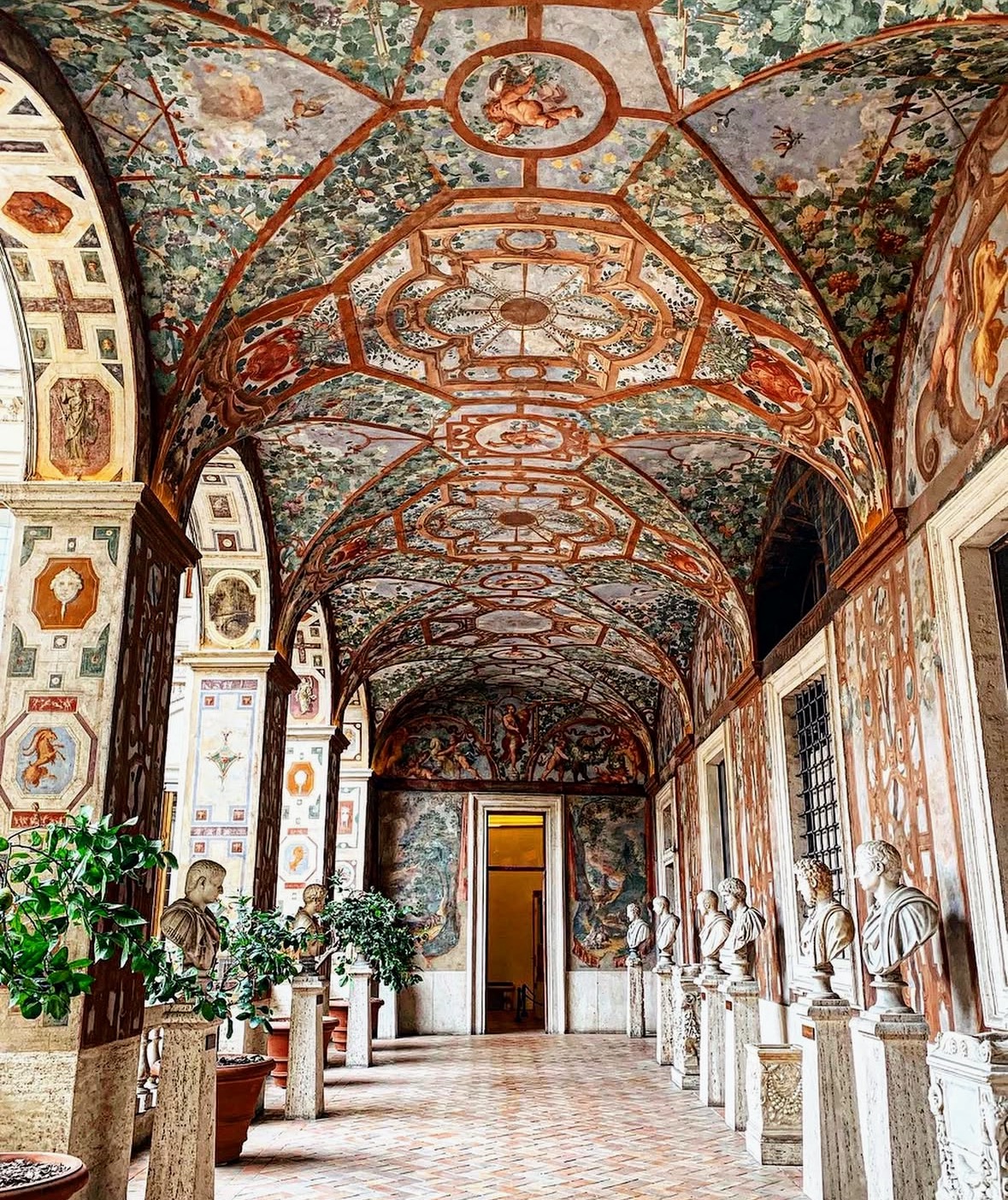
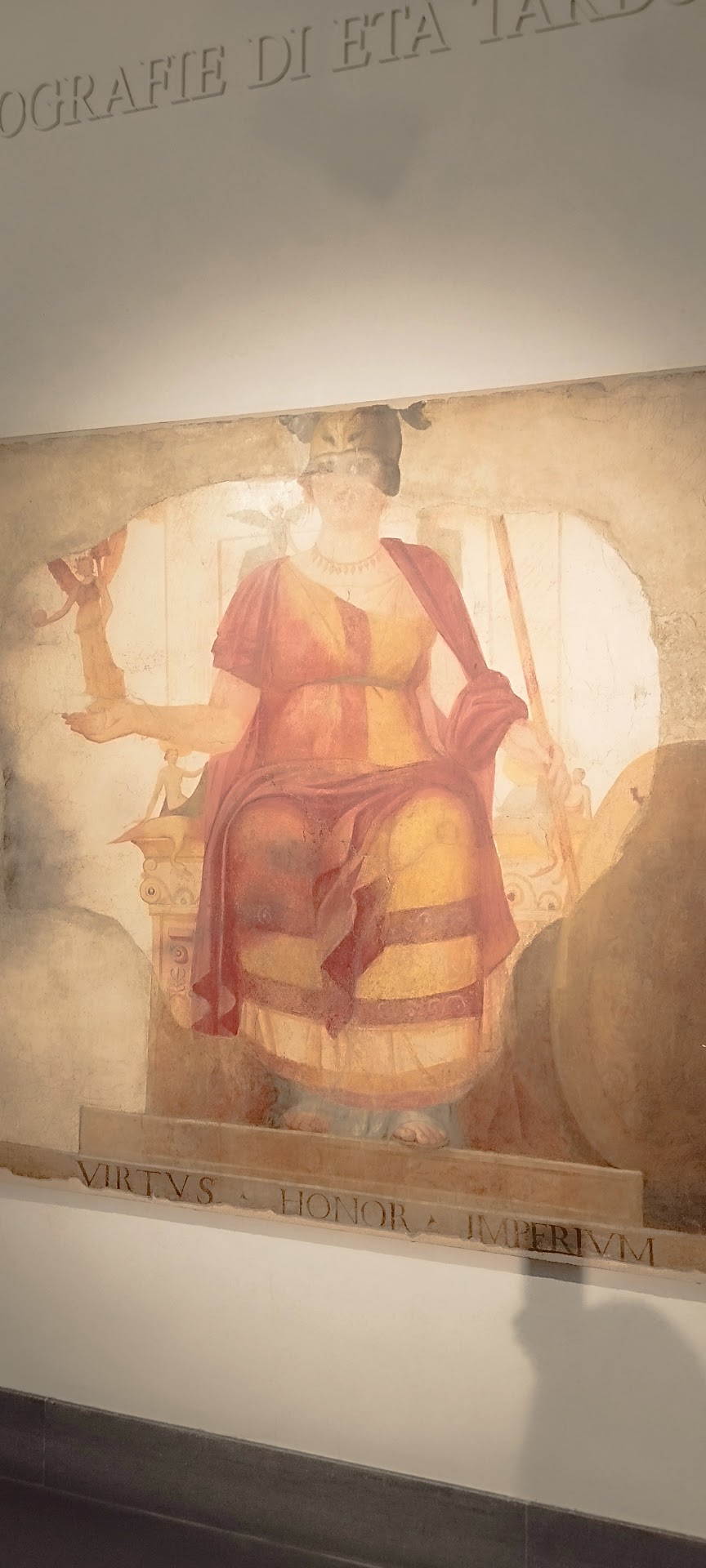
National Roman Museum - Palazzo Massimo things to do, attractions, restaurants, events info and trip planning
Basic Info
National Roman Museum - Palazzo Massimo
Largo di Villa Peretti, 2, 00185 Roma RM, Italy
4.6(2.6K)
Closed


tickets
Save
spot
spot
Ratings & Description
Info
Cultural
Accessibility
attractions: Basilica of Saint Mary of the Angels and Martyrs, GAMM Game Museum, Teatro dell'Opera di Roma, Basilica Papale di Santa Maria Maggiore, Piazza della Repubblica, St. Paul's Within the Walls, Church of Santa Maria della Vittoria, Capital Luggage Deposit - Termini Station Luggage Storage, Basilica of Saint Pudentiana, Meridiana di Santa Maria degli Angeli, restaurants: Vattani Elegant Italian Restaurant & Cocktail Bar, Nerone, Ristorante Alessio, Ristorante Amedeo, Ristorante Cinese Wang xiang lou, Ristorante Terme di Diocleziano, Cafe Washington, Er Buchetto, il Gallo Nero, Caffetteria Massimo, local businesses: National Museum of Rome - Baths of Diocletian, National Roman Museum, Baths of Diocletian, The Space Cinema Moderno Roma, Tipsy Tours Rome, TUDAY CONAD, Piazza della Repubblica, Oh My Gold Italia (Roma), Freccia Lounge, Lounge Italo Club Roma Termini, Giocattoli/Souvenir
 Learn more insights from Wanderboat AI.
Phone
+39 06 480201
Website
beniculturali.it
Open hoursSee all hours
Fri9:30 AM - 7 PMClosed
Plan your stay

Pet-friendly Hotels in Rome
Find a cozy hotel nearby and make it a full experience.

Affordable Hotels in Rome
Find a cozy hotel nearby and make it a full experience.

The Coolest Hotels You Haven't Heard Of (Yet)
Find a cozy hotel nearby and make it a full experience.

Trending Stays Worth the Hype in Rome
Find a cozy hotel nearby and make it a full experience.
Reviews
Live events
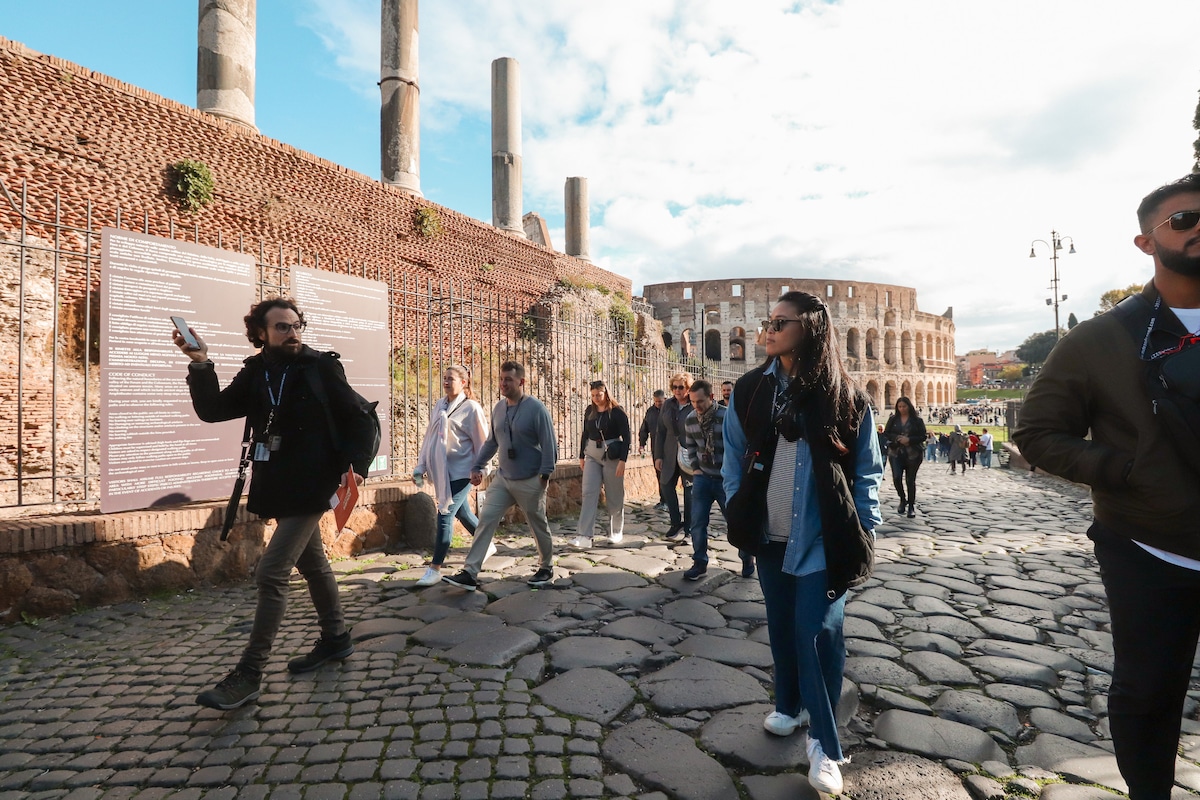
Colosseum, Forum, and Palatine Hill Guided Tour
Sun, Feb 22 • 9:30 AM
00184, Rome, Lazio, Italy
View details

Handmade Pasta Class in Pantheon
Wed, Feb 25 • 11:00 AM
00186, Rome, Lazio, Italy
View details
LUNA: A Journey to the Moon – un’esperienza immersiva in realtà virtuale a Roma
Fri, Feb 20 • 4:00 PM
Via Trionfale, 7400, Roma, 00136
View details
Nearby attractions of National Roman Museum - Palazzo Massimo
Basilica of Saint Mary of the Angels and Martyrs
GAMM Game Museum
Teatro dell'Opera di Roma
Basilica Papale di Santa Maria Maggiore
Piazza della Repubblica
St. Paul's Within the Walls
Church of Santa Maria della Vittoria
Capital Luggage Deposit - Termini Station Luggage Storage
Basilica of Saint Pudentiana
Meridiana di Santa Maria degli Angeli
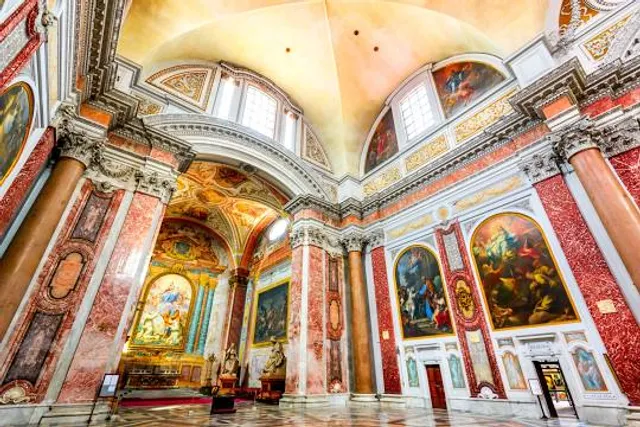
Basilica of Saint Mary of the Angels and Martyrs
4.7
(3.8K)
Closed
Click for details
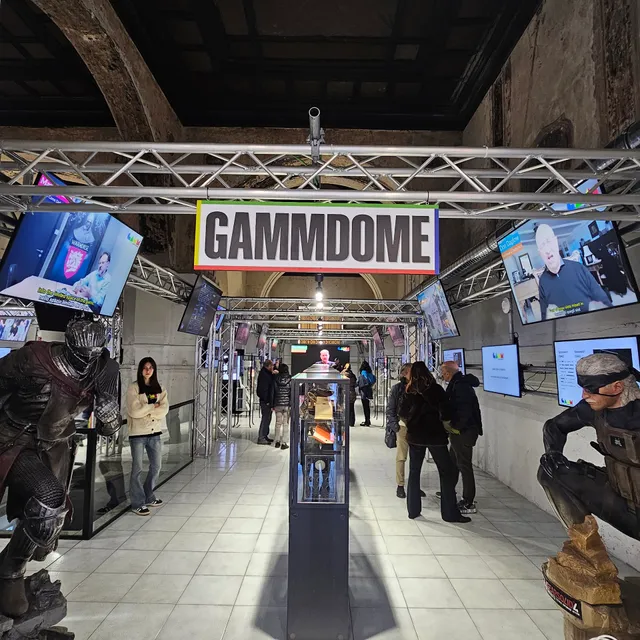
GAMM Game Museum
4.3
(879)
Closed
Click for details
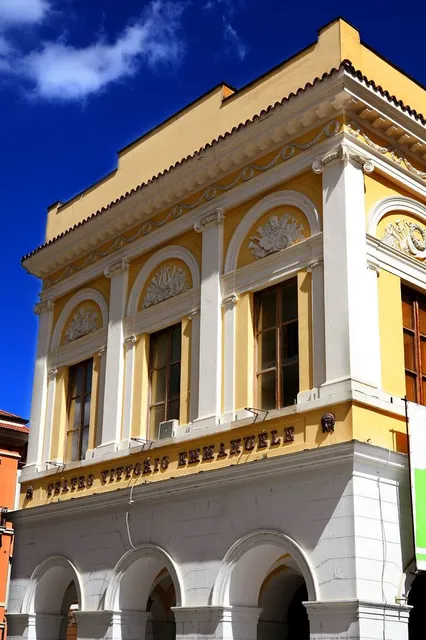
Teatro dell'Opera di Roma
4.7
(2.5K)
Open 24 hours
Click for details
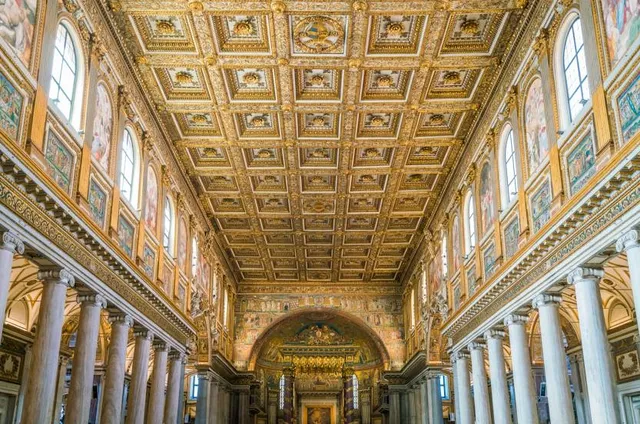
Basilica Papale di Santa Maria Maggiore
4.8
(17.8K)
Closed
Click for details
Nearby restaurants of National Roman Museum - Palazzo Massimo
Vattani Elegant Italian Restaurant & Cocktail Bar
Nerone
Ristorante Alessio
Ristorante Amedeo
Ristorante Cinese Wang xiang lou
Ristorante Terme di Diocleziano
Cafe Washington
Er Buchetto
il Gallo Nero
Caffetteria Massimo
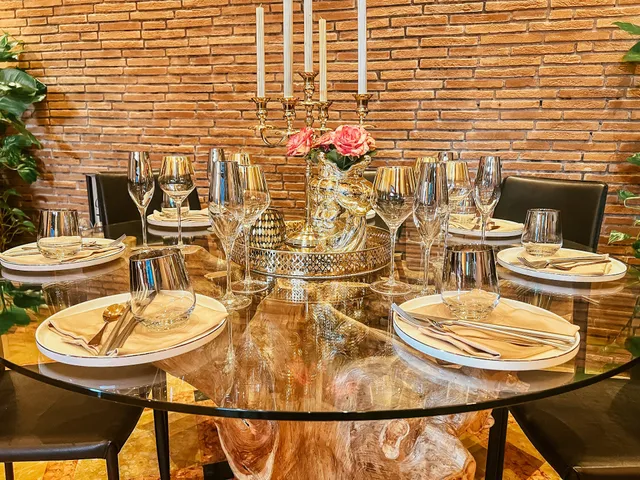
Vattani Elegant Italian Restaurant & Cocktail Bar
4.7
(3K)
$$
Closed
Click for details
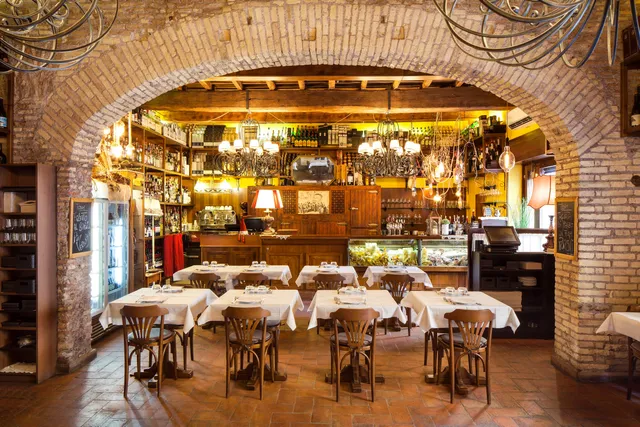
Nerone
4.7
(2K)
Closed
Click for details
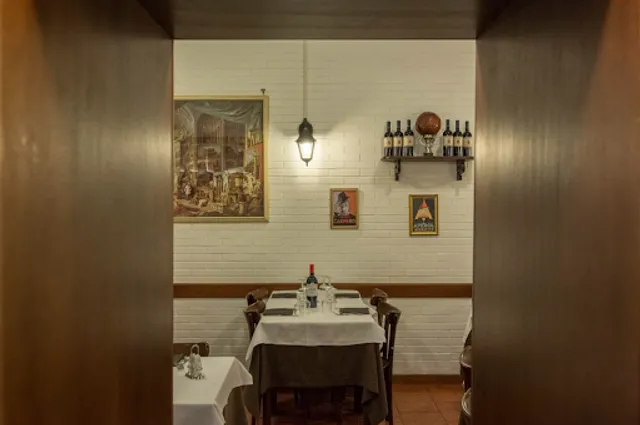
Ristorante Alessio
4.3
(1.4K)
Closed
Click for details
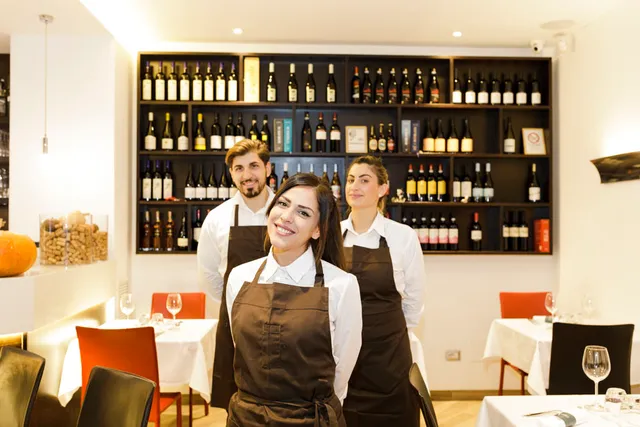
Ristorante Amedeo
4.4
(1.8K)
Closed
Click for details
Nearby local services of National Roman Museum - Palazzo Massimo
National Museum of Rome - Baths of Diocletian
National Roman Museum, Baths of Diocletian
The Space Cinema Moderno Roma
Tipsy Tours Rome
TUDAY CONAD
Piazza della Repubblica
Oh My Gold Italia (Roma)
Freccia Lounge
Lounge Italo Club Roma Termini
Giocattoli/Souvenir
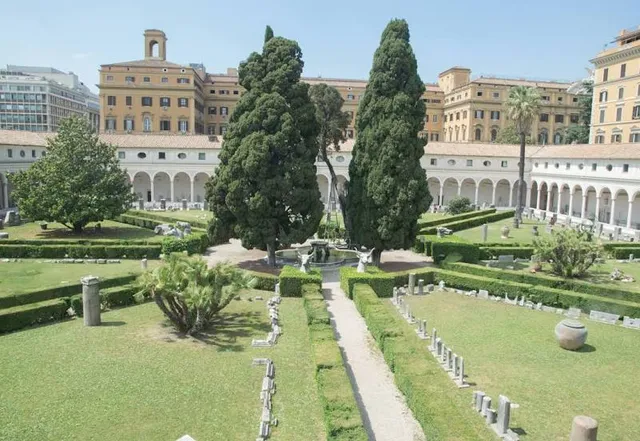
National Museum of Rome - Baths of Diocletian
4.5
(1.6K)
Click for details
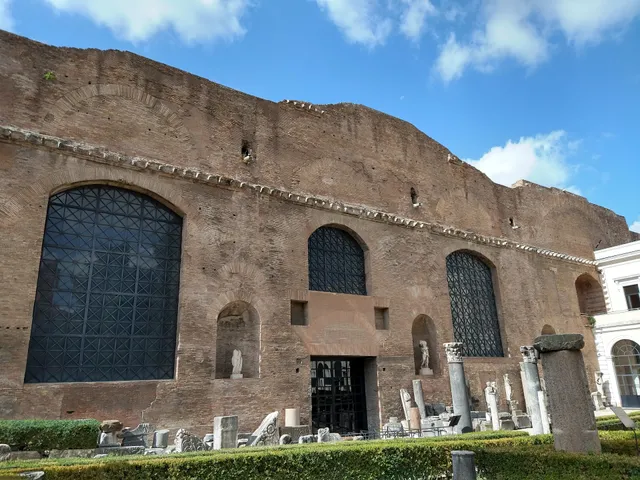
National Roman Museum, Baths of Diocletian
4.5
(2.2K)
Click for details
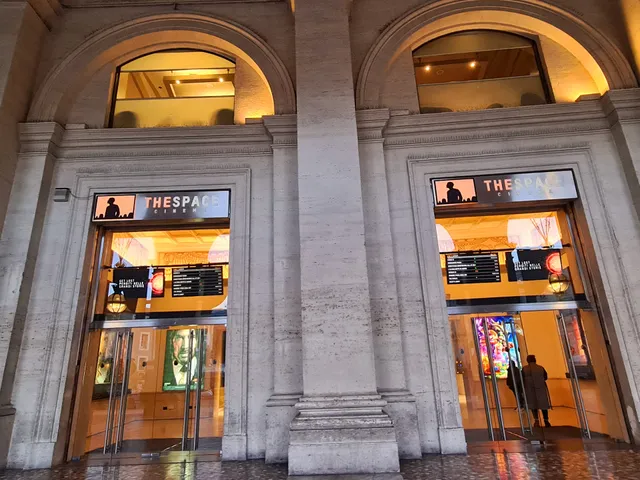
The Space Cinema Moderno Roma
4.1
(1.8K)
Click for details
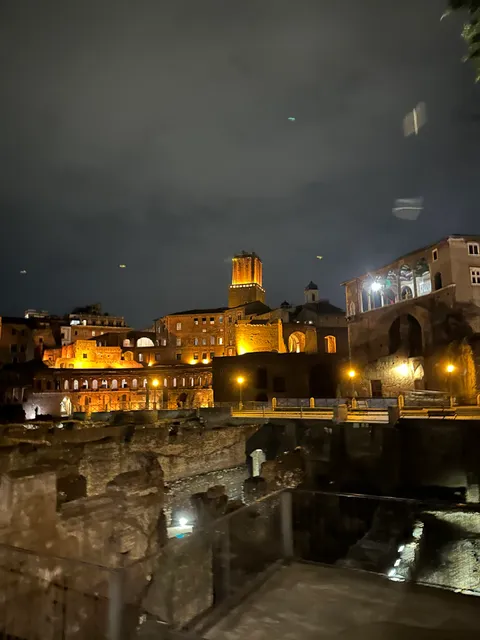
Tipsy Tours Rome
5.0
(1.3K)
Click for details


The hit list
Plan your trip with Wanderboat
Welcome to Wanderboat AI, your AI search for local Eats and Fun, designed to help you explore your city and the world with ease.
Powered by Wanderboat AI trip planner.