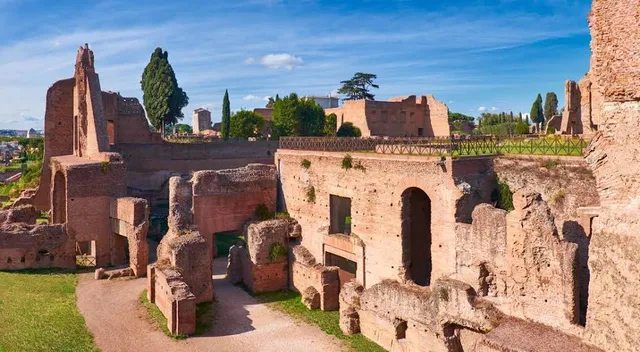
Palatine Hill (Palatino) is one of the Seven Hills of Rome and holds great historical, archaeological, and cultural significance. Situated in the heart of ancient Rome, it is widely regarded as the birthplace of the city and has been a symbol of Roman power, prestige, and civilization for over two millennia.
Key Features of Palatine Hill
Historical and Mythological Significance: • Founding of Rome: According to Roman mythology, the city of Rome was founded in 753 BC by Romulus and Remus, twin brothers who were said to have been raised by a she-wolf on the Palatine Hill. • Myth of Romulus and Remus: The hill is traditionally considered the location where Romulus established the first settlement, and it was thus the heart of ancient Roman civilization.
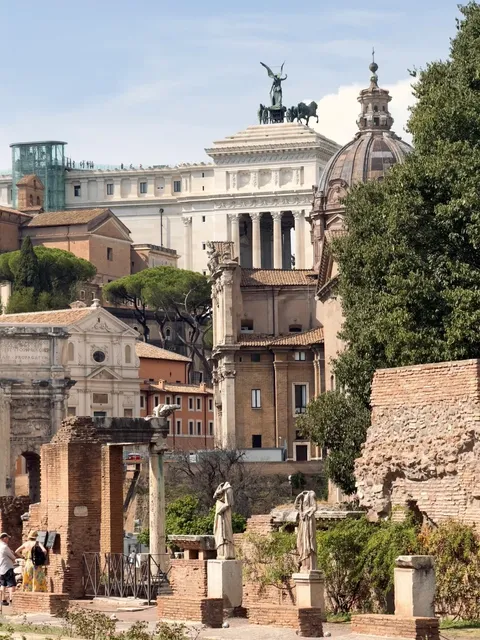
Archaeological Site: • The Palatine Hill is home to some of the most important archaeological ruins in Rome, with extensive remains of palaces, temples, and gardens from the Roman Empire. • The site is rich with monuments, including the remnants of imperial palaces built by emperors such as Augustus, Tiberius, and Domitian.
Palaces and Buildings: • The House of Augustus: The residence of Emperor Augustus, Rome’s first emperor, which features well-preserved frescoes and ancient rooms that offer insight into the early imperial lifestyle. • The Domus Flavia and Domus Augustana: These were the imperial palaces of the Flavian dynasty, built by Emperor Domitian in the 1st century AD. The Domus Flavia was used for official functions, while the Domus Augustana served as the emperor’s private residence. • Temple of Apollo: Built by Augustus in honor of the god Apollo, this temple housed sacred relics and served as an important religious site on the hill. • The Stadium of Domitian: An ancient racecourse, now largely in ruins, which is part of the Domitianic construction on the hill. It was used for athletic events and other public spectacles.
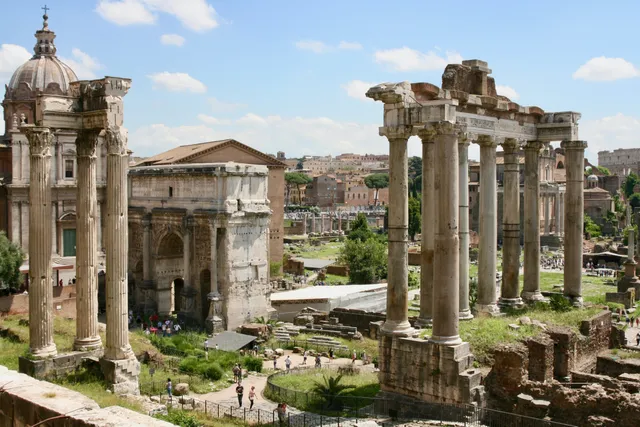
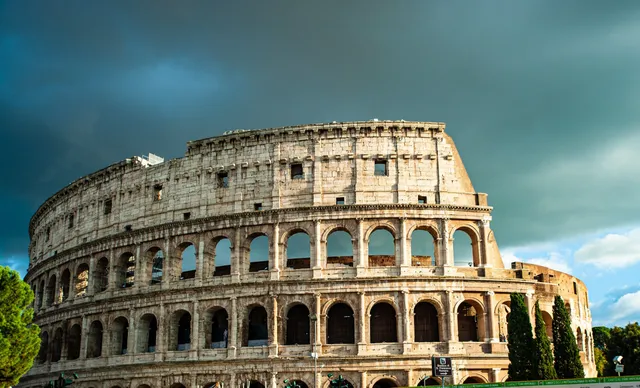
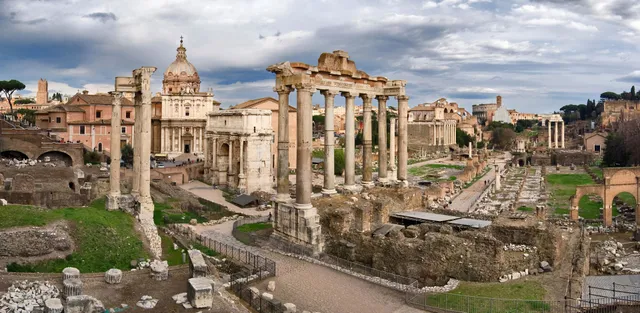
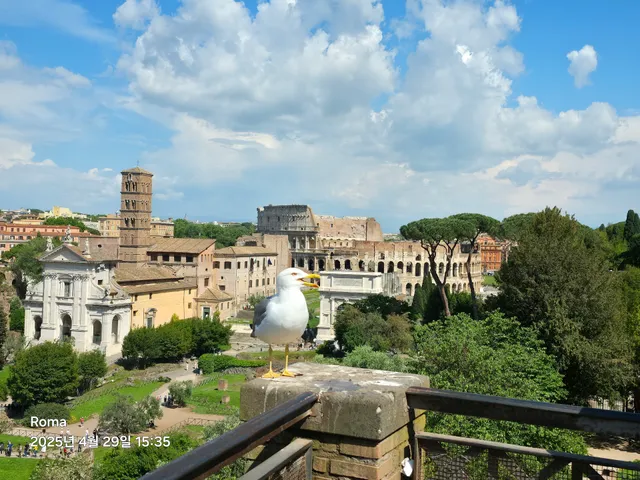
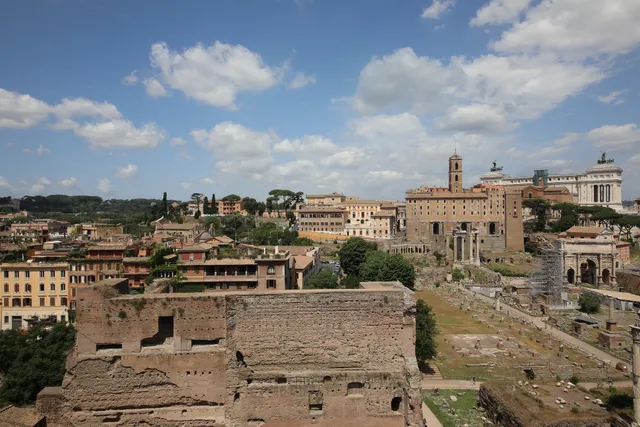
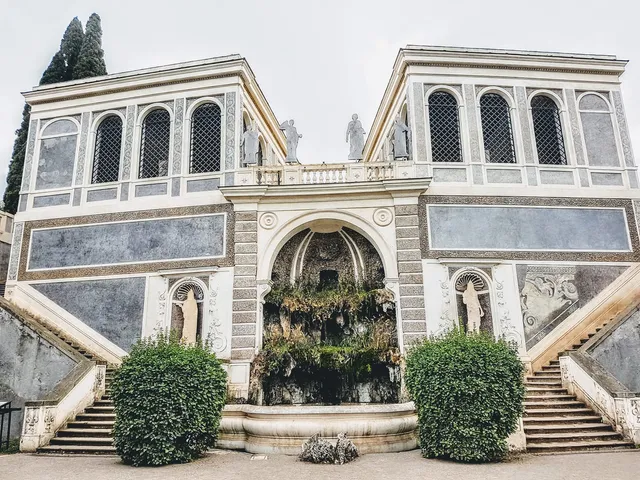
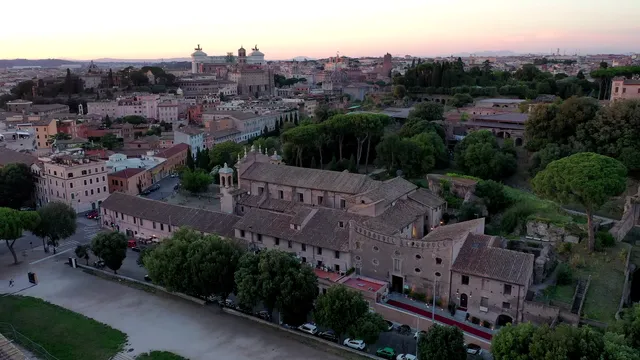
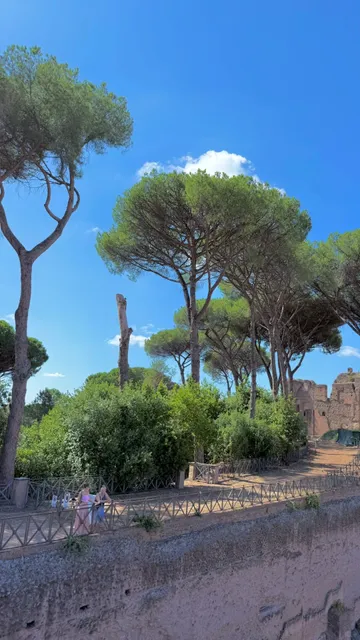
Gardens and Views: • The Palatine Hill offers stunning views of the Roman Forum, the Colosseum, and the rest of the city of Rome. Its elevated position provides a unique perspective of the city’s ancient landscape. • The Palatine Gardens, originally laid out by emperors, were designed to be a tranquil retreat filled with lush greenery and exotic plants.
Role in Roman Society: • Elite Residences: The Palatine Hill was traditionally the home of Rome’s wealthy and powerful, including its early kings, the patrician class, and later, the imperial family. • It was the center of Rome’s political life and served as the seat of imperial authority. The emperors lived here and wielded their power from this strategic, symbolic location.
Palatine Hill Today: • Today, the Palatine Hill is a major tourist attraction and part of the Roman Forum archaeological area. It offers visitors an opportunity to explore the ruins of the emperors’ palaces, the temples, and the gardens, as well as the Palatine Museum, which houses various artifacts from the hill’s excavations. • It is often visited together with the Roman Forum and Colosseum, creating a broader understanding of Rome’s ancient history.
In Summary:
Palatine Hill is not only an important archaeological site but also a symbol of Rome’s imperial legacy. Its rich historical and mythological significance, combined with the remnants of grand palaces, temples, and gardens, makes it one of the most compelling destinations for anyone interested in...
Read moreMy visit to Palatine Hill in Rome left me in awe of its historical significance and breathtaking views, but it did come with its fair share of challenges. While the experience was ultimately amazing, the initial struggle to locate the site was somewhat frustrating.
Upon arrival, the lack of clear signage made it challenging to find the exact entrance to Palatine Hill. We managed to catch glimpses of some historical sights, but the pathway to ascend the hill was elusive, leaving us somewhat disoriented.
Additionally, it's crucial to note that purchasing tickets in advance is advisable. The disappointment of potentially missing out on this historical gem due to ticket availability could have been avoided with better preparation.
However, once we overcame these initial obstacles and gained access to Palatine Hill, it was a mesmerizing journey through ancient Roman history. The ruins, panoramic views of the city, and the rich historical context were simply incredible.
In retrospect, I'd recommend researching the site's location thoroughly and securing tickets in advance to ensure a smoother and more fulfilling visit. Despite the initial challenges, Palatine Hill's historical significance and beauty make it a must-see attraction for anyone interested in Rome's...
Read more40-м холм, с которого открываются прекрасные панорамные виды на форумы, Капитолийский холм, Авентин, Велабр, да весь Рим у твоих ног. Необыкновенная энергетика у этого места, не случайно выбрали его для своего поселения основатель Рима Ромул, а потом и Октавиан Август, который всячески подчеркивал свою связь с легендарным основателем. Его первые апартаменты были весьма скромны: дом Августа (Casa di Augusto) давно раскопан археологами и сейчас открыт для посещения. Находится на юго-востоке Палатина, рядом с шалашом Ромула, сбоку от храма Великой Матери. Как пишет Светоний, обитель его была небольшой и скромной. Спал он 40 лет в одной и той же комнате на узком ложе, даже зимой укрываясь одним покрывалом. Для работы поднимался на второй этаж, эти небольшие апартаменты называл «моя Сиракуза». Дом Августа - типичный римский дом республиканской эпохи (узкий коридор-вестибул ведет через таблинум в атриум, небольшие комнаты группируются вокруг внутреннего двора). Сохранились следы фресок во втором стиле в комнате Театральных Масок и в комнате Гирлянд. Это так называемый архитектурный стиль: плоскость стены разделена на три пояса, нижний имитирует мраморный цоколь, средний - причудливую ордерную архитектуру, в центре - сакральные пейзажи. Потолки с цилиндрическими сводами декорированы геометрическими формами в виде ромб и квадратов. На полу - цветная мозаика в геометрическом узоре. Рядом находится дом его супруги Ливии (Casa di Livia), он также отрыт для посещения. Вход в виде узкого коридора, сохранилась напольная мозаика в виде черно-белых геометрических узоров. В атриуме сохранились пилястры. Далее идет таблинум, по бокам две комнаты, в одной их них охранялась фресковая декорация 30 г до н э . Потолок расписан в виде касетонов, иллюзионизм повторен в напольной плитке. Театральный эффект декорации достигается в прекрасно сохранившейся фреске с изображениями Меркурия и Аргуса. Верхний декоративный пояс содержит множество мифологических фигур: парящие виктории, сфинксы, антропоморфные канделябры. Встречаются египетские мотивы, посвященные Исиде. Сейчас оба маленьких музея дополнены аудио и визуальной лазерной инсталляцией, что позволяет восстановить великолепие декорации ушедшей эпохи. Впоследствии Октавиан Август начинает приобретать и другие дома на Палатине, постепенно расширяя свою резиденцию (в 28 г до н э она достигнет 22.348 м кв). Центральное ядро его дворца составит Храм Аполлона Палатинского, основанный в 36 году до н э и освящённый 9 октября 28 года до н э как вотивный дар Аполлону после его победы над Марком Антонием под Акцием 2 сентября 31 г до н э (рядом находилось святилище Аполлона Актийского, который помог Октавиану, в честь этого события были учреждены игры, которые проводились вплоть до 4 века.) Храм раскапывался в 1863, 1937, 1965 гг, ведутся раскопки и сейчас. Конструктивно он располагался на искусственной террасе 70 на 30 м. На высоком подиуме из блоков туфа, облицованных травертином и скрепленных римским цементом, находился храм, построенный из белоснежного каррарского мрамора. Это был периптер с глубоким входным портиком с 6 колоннами, по бокам полуколонны. Сохранились следы мраморного пола, колон, коринфских капителей. Перед храмом была обширная терраса с колонами из античного желтого мрамора. Статуи дочерей царя Даная из черного базальта и красного порфира в качестве кариатид украшали портик (выставлены в Палатинском музее), что символизировало победу Октавиана над Марком Антонием, олицетворяющим Египет. Перед храмом был алтарь со статей Аполлона из греческого мрамора (от него в музее сохранилась внушительная ступня). Перед храмом с юго-восточного склона росла Священная роща. До нас дошли многочисленные керамические плитки с полихромными рельефами (также в музее на...
Read more