HTML SitemapExplore
logo
Find Things to DoFind The Best Restaurants

Portico of Octavia — Attraction in Rome

Name
Portico of Octavia
Description
Nearby attractions
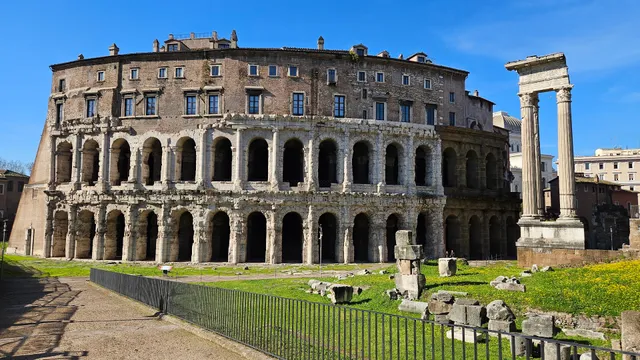
Teatro di Marcello
Via del Teatro di Marcello, 00186 Roma RM, Italy
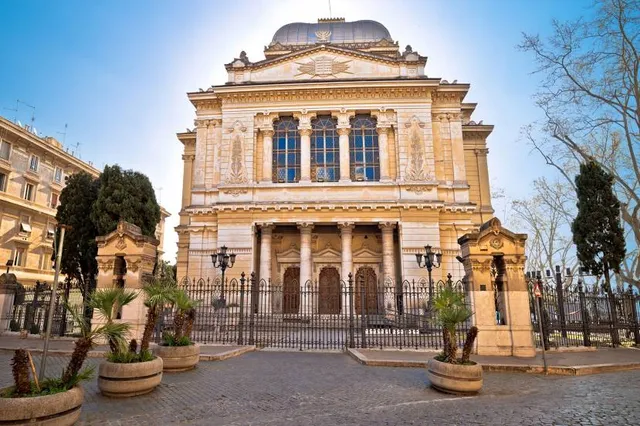
Tempio Maggiore
Lungotevere de' Cenci, 00186 Roma RM, Italy
Jewish Museum
Via Catalana, 00186 Roma RM, Italy
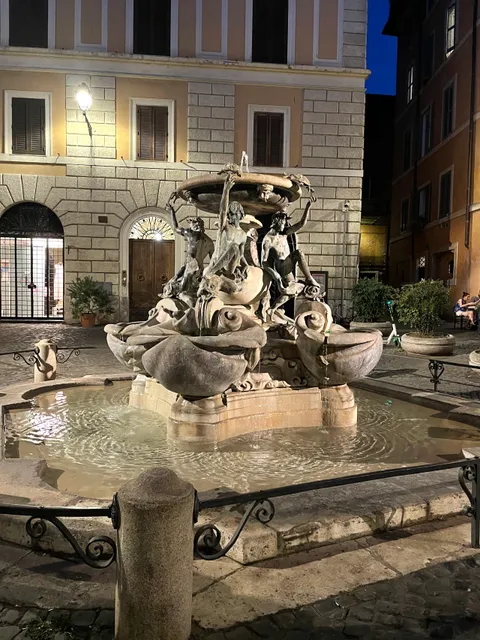
Turtle Fountain
Piazza Mattei, 5, 00186 Roma RM, Italy
Chiesa di Santa Maria in Portico in Campitelli
Piazza di Campitelli, 9, 00186 Roma RM, Italy
Ponte Fabricio
Ponte Fabricio, 00186 Roma RM, Italy
Largo di Torre Argentina
Largo di Torre Argentina, 00186 Roma RM, Italy
Chiesa di Sant'Angelo in Pescheria
Via di S. Angelo in Pescheria, 6, 00186 Roma RM, Italy
Capitoline Museums
Piazza del Campidoglio, 1, 00186 Roma RM, Italy
Piazza del Campidoglio
Piazza del Campidoglio, 00186 Roma RM, Italy
Nearby restaurants
Giggetto
Via del Portico d`Ottavia, 21/a, 00186 Roma RM, Italy
BaGhetto Ristorante Kosher-Portico d'Ottavia
Via del Portico d'Ottavia, 57, 00186 Roma RM, Italy
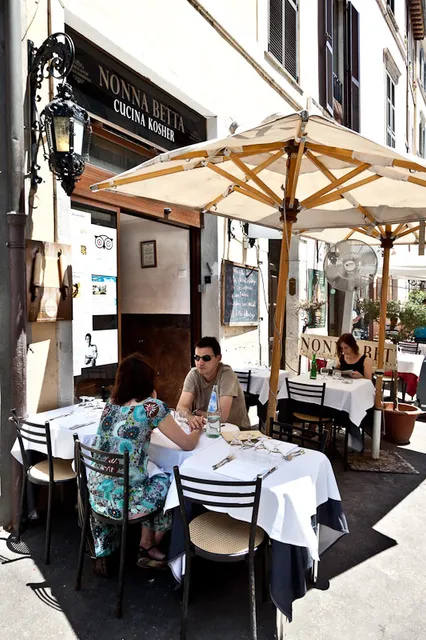
Nonna Betta
Via del Portico d'Ottavia, 16, 00186 Roma RM, Italy
Il Giardino Romano
Via del Portico d'Ottavia, 18, 00186 Roma RM, Italy
Taverna del Ghetto
Via del Portico d'Ottavia, 8, 00186 Roma RM, Italy
Bona | Pizza Roma [ Portico D'Ottavia ]
Via del Portico d'Ottavia, 7, 00186 Roma RM, Italy
Sora Margherita
Piazza delle Cinque Scole, 30, 00186 Roma RM, Italy
BaGhetto Milky
Via del Portico d'Ottavia, 2/A, 00186 Roma RM, Italy
Su Ghetto Kosher Restaurant
Via del Portico d'Ottavia, 1C, 00186 Roma RM, Italy
Antico caffè del teatro di Marcello
Via del Teatro di Marcello, 42, 00186 Roma RM, Italy
Nearby hotels
HT6 Hotel Rome
Via del Tempio, 6, 00186 Roma RM, Italy
LEA Luxury Rooms Roma
Via del Tempio, 4, 00186 Roma RM, Italy
NEMAN Maison Experience I Pantheon
Via del Portico d'Ottavia, 9, 00186 Roma RM, Italy
Guest House Il Tempio della Capitale
Via del Tempio, 3, 00186 Roma RM, Italy
citizenM Roma Isola Tiberina
Lungotevere de' Cenci, 5-8, 00186 Roma RM, Italy
Almait Guest House
Via del Portico d'Ottavia, 7/A, 00186 Roma RM, Italy
Hotel Monte Cenci
Via Beatrice Cenci, 10, 00186 Roma RM, Italy
Hotel Chapter Roma
Via di S. Maria de' Calderari, 47, 00186 Roma RM, Italy
Sant'Angelo Apartments
Via di S. Angelo in Pescheria, 28, 00186 Roma RM, Italy
Roxyluxury house rome
Via Elio Toaff, 4, 00186 Roma RM, Italy
Related posts
Keywords
Portico of Octavia tourism.Portico of Octavia hotels.Portico of Octavia bed and breakfast. flights to Portico of Octavia.Portico of Octavia attractions.Portico of Octavia restaurants.Portico of Octavia travel.Portico of Octavia travel guide.Portico of Octavia travel blog.Portico of Octavia pictures.Portico of Octavia photos.Portico of Octavia travel tips.Portico of Octavia maps.Portico of Octavia things to do.
Portico of Octavia things to do, attractions, restaurants, events info and trip planning
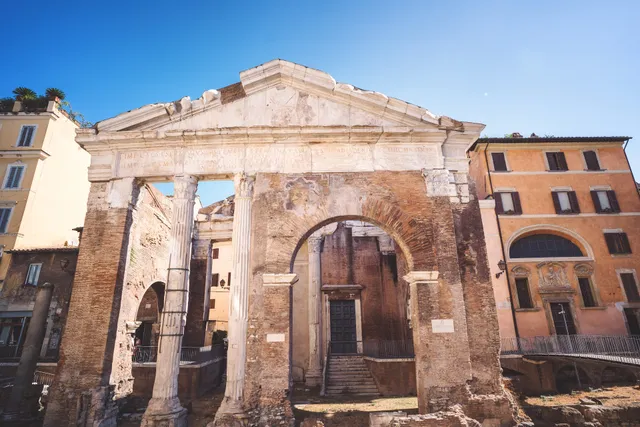
Portico of Octavia
ItalyLazioRomePortico of Octavia

Basic Info

Portico of Octavia

Via del Portico d'Ottavia, 29, 00186 Roma RM, Italy
4.7(1.2K)
Open until 12:00 AM
Save
spot

Ratings & Description

Info

Cultural
Scenic
Family friendly
Accessibility
attractions: Teatro di Marcello, Tempio Maggiore, Jewish Museum, Turtle Fountain, Chiesa di Santa Maria in Portico in Campitelli, Ponte Fabricio, Largo di Torre Argentina, Chiesa di Sant'Angelo in Pescheria, Capitoline Museums, Piazza del Campidoglio, restaurants: Giggetto, BaGhetto Ristorante Kosher-Portico d'Ottavia, Nonna Betta, Il Giardino Romano, Taverna del Ghetto, Bona | Pizza Roma [ Portico D'Ottavia ], Sora Margherita, BaGhetto Milky, Su Ghetto Kosher Restaurant, Antico caffè del teatro di Marcello
logoLearn more insights from Wanderboat AI.
Phone
+39 06 0608
Website
turismoroma.it
Open hoursSee all hours
SatOpen 24 hoursOpen

Plan your stay

hotel
Pet-friendly Hotels in Rome
Find a cozy hotel nearby and make it a full experience.

hotel
Affordable Hotels in Rome
Find a cozy hotel nearby and make it a full experience.

hotel
The Coolest Hotels You Haven't Heard Of (Yet)
Find a cozy hotel nearby and make it a full experience.

hotel
Trending Stays Worth the Hype in Rome
Find a cozy hotel nearby and make it a full experience.

Reviews

Nearby attractions of Portico of Octavia

Teatro di Marcello

Tempio Maggiore

Jewish Museum

Turtle Fountain

Chiesa di Santa Maria in Portico in Campitelli

Ponte Fabricio

Largo di Torre Argentina

Chiesa di Sant'Angelo in Pescheria

Capitoline Museums

Piazza del Campidoglio

Teatro di Marcello

Teatro di Marcello

4.6

(4.4K)

Open 24 hours
Click for details
Tempio Maggiore

Tempio Maggiore

4.6

(1.6K)

Closed
Click for details
Jewish Museum

Jewish Museum

4.6

(1.1K)

Open 24 hours
Click for details
Turtle Fountain

Turtle Fountain

4.5

(2.8K)

Open until 12:00 AM
Click for details

Things to do nearby

Catacombs: The Coolest Underground Tour in Rome
Sat, Dec 6 • 3:00 PM
00147, Rome, Lazio, Italy
View details
Pasta-making class, wine tasting and dinner
Sat, Dec 6 • 2:30 PM
00044, Frascati, Lazio, Italy
View details
Pasta and Pizza cooking class with wine and more
Sun, Dec 7 • 10:30 AM
00142, Rome, Lazio, Italy
View details

Nearby restaurants of Portico of Octavia

Giggetto

BaGhetto Ristorante Kosher-Portico d'Ottavia

Nonna Betta

Il Giardino Romano

Taverna del Ghetto

Bona | Pizza Roma [ Portico D'Ottavia ]

Sora Margherita

BaGhetto Milky

Su Ghetto Kosher Restaurant
Antico caffè del teatro di Marcello

Giggetto

Giggetto

3.9

(1.9K)

$$

Closed
Click for details
BaGhetto Ristorante Kosher-Portico d'Ottavia

BaGhetto Ristorante Kosher-Portico d'Ottavia

4.0

(2.6K)

Click for details
Nonna Betta

Nonna Betta

4.0

(1.4K)

Click for details
Il Giardino Romano

Il Giardino Romano

4.0

(779)

$$

Click for details
Get the Appoverlay
Get the AppOne tap to find yournext favorite spots!

The hit list

restaurant
Best 10 Restaurants to Visit in Rome
February 12 · 5 min read
attraction
Best 10 Attractions to Visit in Rome
February 12 · 5 min read
Rome

Plan your trip with Wanderboat

Welcome to Wanderboat AI, your AI search for local Eats and Fun, designed to help you explore your city and the world with ease.

Powered by Wanderboat AI trip planner.
Wanderboat LogoWanderboat

Your everyday Al companion for getaway ideas

CompanyAbout Us
InformationAI Trip PlannerSitemap
SocialXInstagramTiktokLinkedin
LegalTerms of ServicePrivacy Policy

Get the app

© 2025 Wanderboat. All rights reserved.
logo

Reviews of Portico of Octavia

4.7
(1,247)
avatar
5.0
16w

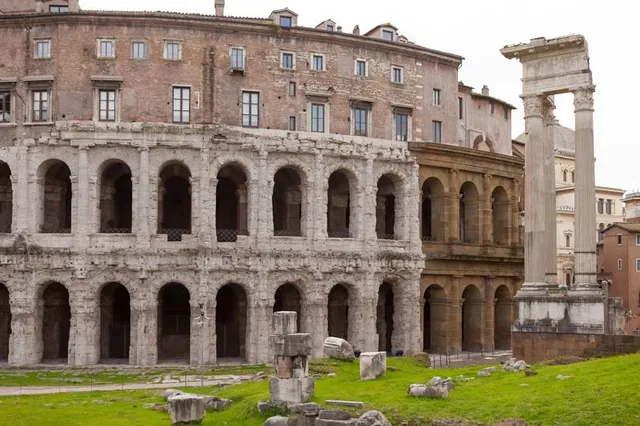
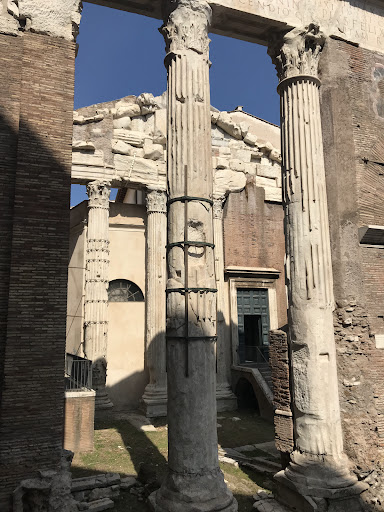
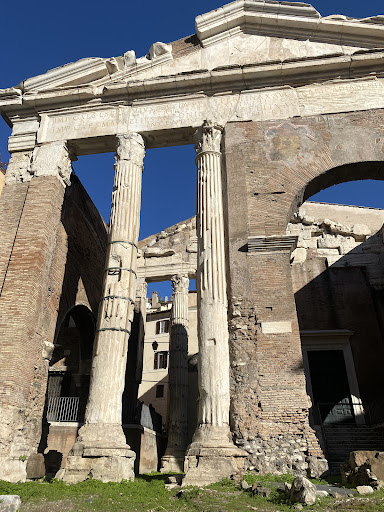
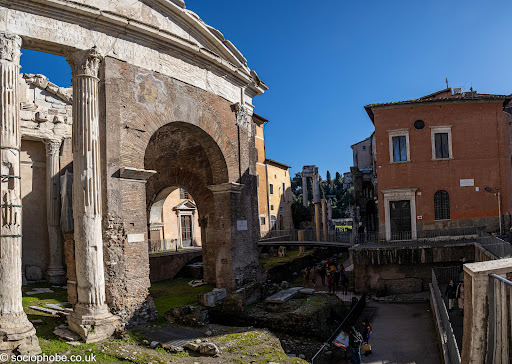
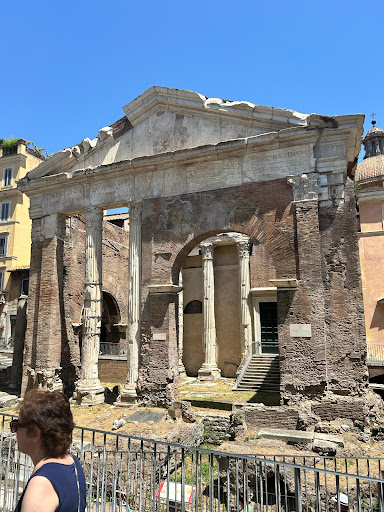
The complex of the Portico d'Ottavia is the only one preserved of the large porticoes that limited the square of the "Circo Flaminio" on the northern side. This area today corresponds to the ancient Ghetto. Between 27 and 23 BC, it was rebuilt by Augustus, in place of the oldest Portico of Metellus, and dedicated to his sister Ottavia.It was later restored and partially rebuilt in 203 by Septimius Severus, after a fire in 191, a period to which most of the currently visible remains belong.The complex, a four-sided portico of 119 x 132 meters, included the "Temple of Juno Regina", which was then joined by the "Temple of Jupiter Stator", the first in Rome entirely in marble, two libraries, Greek and Latin, and the Curia Octaviae, a large public meeting space. Today, only the south-eastern corner and the entrance vestibule of the complex remain.In ancient times, its interior was a sort of open-air museum, because it housed a large number of artworks, such as the turma Alexandri, a bronze work depicting Alexander the Great and his knights, created by Lysippos.In the Late Antique and Medieval Age, the porticoed spaces of the monument were used for the sale of fish, characterizing this area as "Forum piscium" or "Pescheria Vecchia", the main city fish market that remained active until the end of the 800. The stone to be found to the right of the Portico’s great arch is all that has survived. The Latin inscription on the arch speaks of the tradition whereby the Conservatori or Magistrates of the Capitoline Hill should be given every fish, from the head down to the first fin, whose length was longer than this stone.In the last quarter of the 8th century, the spaces of the church of S. Angelo in Pescheria were built on the structures of the Portico and the adjacent monuments, incorporating one of the rear columns and part of the tympanum, still visible inside the church.It was from the Portico of Octavia that, in 1347, Mid-14th century Politician Cola di Rienzo set out to conquer the Capitoline Hill on the day of Pentecost. The monument is now accessible through a ramp (also accessible by disabled people) in the continuation of Via del Portico d'Ottavia in front of the entrance columns and a staircase connecting the area to the entrance of the church of Sant'Angelo in Pescheria and to a small passage that allows connection with the buildings in via di Foro Piscario and the nearby Teatro...

   Read more
avatar
4.0
7y

The portico was an impressive, monumental passageway. 119 meters wide and 132 meters long, it was larger than a football field! It was probably clad entirely in marble, and its interior undoubtedly housed many works of art. Only a few decorations remain visible on the walls of surrounding houses, including various parts of the monument, capitals, and an architrave. According to an inscription, Septimius Severus and Caracalla were responsible for another important restoration at the complex in 204 A.D. And in the 5thcentury, the portico was reconfigured because of an earthquake. This time, the entrance columns were replaced with a large arch, and a church dedicated to St. Paul was built, which later became Sant'Angelo in Pescheria. The name comes from the fact that from the Middle Ages through the late 1800s, the area just below the arch was a fish market. Curiously, the Medieval Latin inscription on the side of the arch advises that fish with heads and fins longer than the marble slab must be given to the Custodians. In the Middle Ages, the Via del Portico d'Ottavia became part of the pilgrim route. Because of its proximity to Tiber bridges and possible enemy access points, many buildings in this area were fortified. One of these was the Theatre of Marcellus, across from the Portico. In the 13th century, an important event changed the destiny of this area: the Roman Jewish Community began to move here from Trastevere. In 1555, following the example set by Venice, Pope Paul IV issued a Papal bull that established this area as the Jewish Ghetto, making it mandatory for Roman Jews to live here. The area was enclosed by walls and became so densely populated that the palazzos were tightly packed side by side. Built up to 6 or 7 stories high, they began to spill over into the streets. This overcrowding led to a...

   Read more
avatar
5.0
51w

The Portico of Octavia is a striking reminder of Rome’s layered history, blending grandeur with the quiet decay of time. Built in 27 BCE by Emperor Augustus and dedicated to his sister Octavia Minor, it was once a bustling center of cultural and religious life, housing libraries, temples, and even the Roman Senate at times. The surviving structure still holds much of its majesty. The fluted Corinthian columns, though weathered and partially restored, command attention, supporting an elegant entablature inscribed with references to the emperors who maintained it. The brick and marble archways evoke a sense of strength, softened by the gentle sunlight that dances on the ancient stones. The portico’s later history adds complexity to its narrative. After falling into disrepair, it was repurposed in the Middle Ages as part of the local fish market, and its walls still carry the weight of centuries...

   Read more
Page 1 of 7
Previous
Next

Posts

Misiu martinoMisiu martino
The complex of the Portico d'Ottavia is the only one preserved of the large porticoes that limited the square of the "Circo Flaminio" on the northern side. This area today corresponds to the ancient Ghetto. Between 27 and 23 BC, it was rebuilt by Augustus, in place of the oldest Portico of Metellus, and dedicated to his sister Ottavia.It was later restored and partially rebuilt in 203 by Septimius Severus, after a fire in 191, a period to which most of the currently visible remains belong.The complex, a four-sided portico of 119 x 132 meters, included the "Temple of Juno Regina", which was then joined by the "Temple of Jupiter Stator", the first in Rome entirely in marble, two libraries, Greek and Latin, and the Curia Octaviae, a large public meeting space. Today, only the south-eastern corner and the entrance vestibule of the complex remain.In ancient times, its interior was a sort of open-air museum, because it housed a large number of artworks, such as the turma Alexandri, a bronze work depicting Alexander the Great and his knights, created by Lysippos.In the Late Antique and Medieval Age, the porticoed spaces of the monument were used for the sale of fish, characterizing this area as "Forum piscium" or "Pescheria Vecchia", the main city fish market that remained active until the end of the 800. The stone to be found to the right of the Portico’s great arch is all that has survived. The Latin inscription on the arch speaks of the tradition whereby the Conservatori or Magistrates of the Capitoline Hill should be given every fish, from the head down to the first fin, whose length was longer than this stone.In the last quarter of the 8th century, the spaces of the church of S. Angelo in Pescheria were built on the structures of the Portico and the adjacent monuments, incorporating one of the rear columns and part of the tympanum, still visible inside the church.It was from the Portico of Octavia that, in 1347, Mid-14th century Politician Cola di Rienzo set out to conquer the Capitoline Hill on the day of Pentecost. The monument is now accessible through a ramp (also accessible by disabled people) in the continuation of Via del Portico d'Ottavia in front of the entrance columns and a staircase connecting the area to the entrance of the church of Sant'Angelo in Pescheria and to a small passage that allows connection with the buildings in via di Foro Piscario and the nearby Teatro di Marcello.
Stefano PrinaStefano Prina
The portico was an impressive, monumental passageway. 119 meters wide and 132 meters long, it was larger than a football field! It was probably clad entirely in marble, and its interior undoubtedly housed many works of art. Only a few decorations remain visible on the walls of surrounding houses, including various parts of the monument, capitals, and an architrave. According to an inscription, Septimius Severus and Caracalla were responsible for another important restoration at the complex in 204 A.D. And in the 5thcentury, the portico was reconfigured because of an earthquake. This time, the entrance columns were replaced with a large arch, and a church dedicated to St. Paul was built, which later became Sant'Angelo in Pescheria. The name comes from the fact that from the Middle Ages through the late 1800s, the area just below the arch was a fish market. Curiously, the Medieval Latin inscription on the side of the arch advises that fish with heads and fins longer than the marble slab must be given to the Custodians. In the Middle Ages, the Via del Portico d'Ottavia became part of the pilgrim route. Because of its proximity to Tiber bridges and possible enemy access points, many buildings in this area were fortified. One of these was the Theatre of Marcellus, across from the Portico. In the 13th century, an important event changed the destiny of this area: the Roman Jewish Community began to move here from Trastevere. In 1555, following the example set by Venice, Pope Paul IV issued a Papal bull that established this area as the Jewish Ghetto, making it mandatory for Roman Jews to live here. The area was enclosed by walls and became so densely populated that the palazzos were tightly packed side by side. Built up to 6 or 7 stories high, they began to spill over into the streets. This overcrowding led to a grim decline.
Camilo A. PosadaCamilo A. Posada
The Portico of Octavia is a striking reminder of Rome’s layered history, blending grandeur with the quiet decay of time. Built in 27 BCE by Emperor Augustus and dedicated to his sister Octavia Minor, it was once a bustling center of cultural and religious life, housing libraries, temples, and even the Roman Senate at times. The surviving structure still holds much of its majesty. The fluted Corinthian columns, though weathered and partially restored, command attention, supporting an elegant entablature inscribed with references to the emperors who maintained it. The brick and marble archways evoke a sense of strength, softened by the gentle sunlight that dances on the ancient stones. The portico’s later history adds complexity to its narrative. After falling into disrepair, it was repurposed in the Middle Ages as part of the local fish market, and its walls still carry the weight of centuries of adaptation.
See more posts
See more posts
hotel
Find your stay

Pet-friendly Hotels in Rome

Find a cozy hotel nearby and make it a full experience.

The complex of the Portico d'Ottavia is the only one preserved of the large porticoes that limited the square of the "Circo Flaminio" on the northern side. This area today corresponds to the ancient Ghetto. Between 27 and 23 BC, it was rebuilt by Augustus, in place of the oldest Portico of Metellus, and dedicated to his sister Ottavia.It was later restored and partially rebuilt in 203 by Septimius Severus, after a fire in 191, a period to which most of the currently visible remains belong.The complex, a four-sided portico of 119 x 132 meters, included the "Temple of Juno Regina", which was then joined by the "Temple of Jupiter Stator", the first in Rome entirely in marble, two libraries, Greek and Latin, and the Curia Octaviae, a large public meeting space. Today, only the south-eastern corner and the entrance vestibule of the complex remain.In ancient times, its interior was a sort of open-air museum, because it housed a large number of artworks, such as the turma Alexandri, a bronze work depicting Alexander the Great and his knights, created by Lysippos.In the Late Antique and Medieval Age, the porticoed spaces of the monument were used for the sale of fish, characterizing this area as "Forum piscium" or "Pescheria Vecchia", the main city fish market that remained active until the end of the 800. The stone to be found to the right of the Portico’s great arch is all that has survived. The Latin inscription on the arch speaks of the tradition whereby the Conservatori or Magistrates of the Capitoline Hill should be given every fish, from the head down to the first fin, whose length was longer than this stone.In the last quarter of the 8th century, the spaces of the church of S. Angelo in Pescheria were built on the structures of the Portico and the adjacent monuments, incorporating one of the rear columns and part of the tympanum, still visible inside the church.It was from the Portico of Octavia that, in 1347, Mid-14th century Politician Cola di Rienzo set out to conquer the Capitoline Hill on the day of Pentecost. The monument is now accessible through a ramp (also accessible by disabled people) in the continuation of Via del Portico d'Ottavia in front of the entrance columns and a staircase connecting the area to the entrance of the church of Sant'Angelo in Pescheria and to a small passage that allows connection with the buildings in via di Foro Piscario and the nearby Teatro di Marcello.
Misiu martino

Misiu martino

hotel
Find your stay

Affordable Hotels in Rome

Find a cozy hotel nearby and make it a full experience.

Get the Appoverlay
Get the AppOne tap to find yournext favorite spots!
The portico was an impressive, monumental passageway. 119 meters wide and 132 meters long, it was larger than a football field! It was probably clad entirely in marble, and its interior undoubtedly housed many works of art. Only a few decorations remain visible on the walls of surrounding houses, including various parts of the monument, capitals, and an architrave. According to an inscription, Septimius Severus and Caracalla were responsible for another important restoration at the complex in 204 A.D. And in the 5thcentury, the portico was reconfigured because of an earthquake. This time, the entrance columns were replaced with a large arch, and a church dedicated to St. Paul was built, which later became Sant'Angelo in Pescheria. The name comes from the fact that from the Middle Ages through the late 1800s, the area just below the arch was a fish market. Curiously, the Medieval Latin inscription on the side of the arch advises that fish with heads and fins longer than the marble slab must be given to the Custodians. In the Middle Ages, the Via del Portico d'Ottavia became part of the pilgrim route. Because of its proximity to Tiber bridges and possible enemy access points, many buildings in this area were fortified. One of these was the Theatre of Marcellus, across from the Portico. In the 13th century, an important event changed the destiny of this area: the Roman Jewish Community began to move here from Trastevere. In 1555, following the example set by Venice, Pope Paul IV issued a Papal bull that established this area as the Jewish Ghetto, making it mandatory for Roman Jews to live here. The area was enclosed by walls and became so densely populated that the palazzos were tightly packed side by side. Built up to 6 or 7 stories high, they began to spill over into the streets. This overcrowding led to a grim decline.
Stefano Prina

Stefano Prina

hotel
Find your stay

The Coolest Hotels You Haven't Heard Of (Yet)

Find a cozy hotel nearby and make it a full experience.

hotel
Find your stay

Trending Stays Worth the Hype in Rome

Find a cozy hotel nearby and make it a full experience.

The Portico of Octavia is a striking reminder of Rome’s layered history, blending grandeur with the quiet decay of time. Built in 27 BCE by Emperor Augustus and dedicated to his sister Octavia Minor, it was once a bustling center of cultural and religious life, housing libraries, temples, and even the Roman Senate at times. The surviving structure still holds much of its majesty. The fluted Corinthian columns, though weathered and partially restored, command attention, supporting an elegant entablature inscribed with references to the emperors who maintained it. The brick and marble archways evoke a sense of strength, softened by the gentle sunlight that dances on the ancient stones. The portico’s later history adds complexity to its narrative. After falling into disrepair, it was repurposed in the Middle Ages as part of the local fish market, and its walls still carry the weight of centuries of adaptation.
Camilo A. Posada

Camilo A. Posada

See more posts
See more posts