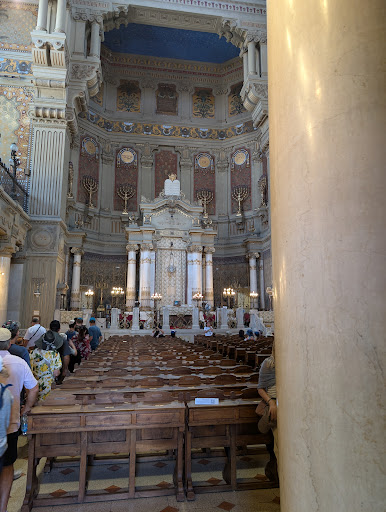
Tempio Maggiore things to do, attractions, restaurants, events info and trip planning
Basic Info
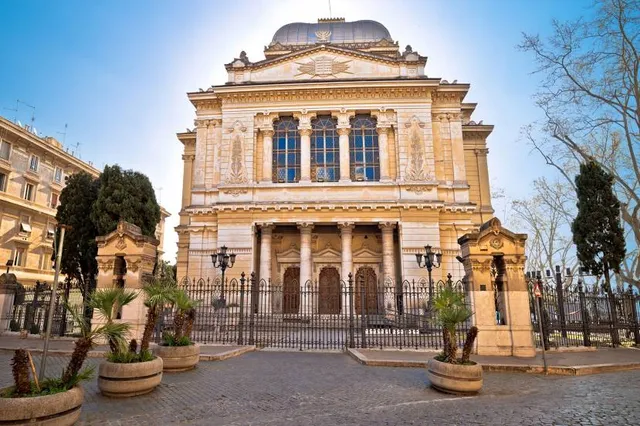
Tempio Maggiore
Lungotevere de' Cenci, 00186 Roma RM, Italy
4.6(1.1K)
Closed

tickets
Save
spot
spot
Ratings & Description
Info
The Great Synagogue of Rome is the largest synagogue in Rome.
Cultural
Accessibility
attractions: Jewish Museum, Teatro di Marcello, Portico of Octavia, Ponte Fabricio, Borgia Gallery Arena Magna, Turtle Fountain, Basilica di San Bartolomeo all'Isola Tiberina, Chiesa di Santa Maria in Portico in Campitelli, Chiesa di Sant'Angelo in Pescheria, Ponte Cestio, restaurants: BaGhetto Ristorante Kosher-Portico d'Ottavia, Giggetto, Nonna Betta, Il Giardino Romano, Taverna del Ghetto, Tiberino Ristorante, Bona | Pizza Roma [ Portico D'Ottavia ], Sora Margherita, BaGhetto Milky, Su Ghetto Kosher Restaurant, local businesses: Teatro Marcello, Ponte Fabricio, Fatebenefratelli Isola Tiberina, Tiber Island, Isola del Cinema, Campidoglio, Crypta Balbi, Basilica San Bartolomeo, Chiostro di Campitelli, laFeltrinelli Books and Music
 Learn more insights from Wanderboat AI.
Phone
+39 06 6840 0661
Website
romaebraica.it
Open hoursSee all hours
ThuClosed
Plan your stay

Pet-friendly Hotels in Rome
Find a cozy hotel nearby and make it a full experience.

Affordable Hotels in Rome
Find a cozy hotel nearby and make it a full experience.

The Coolest Hotels You Haven't Heard Of (Yet)
Find a cozy hotel nearby and make it a full experience.

Trending Stays Worth the Hype in Rome
Find a cozy hotel nearby and make it a full experience.
Reviews
Live events
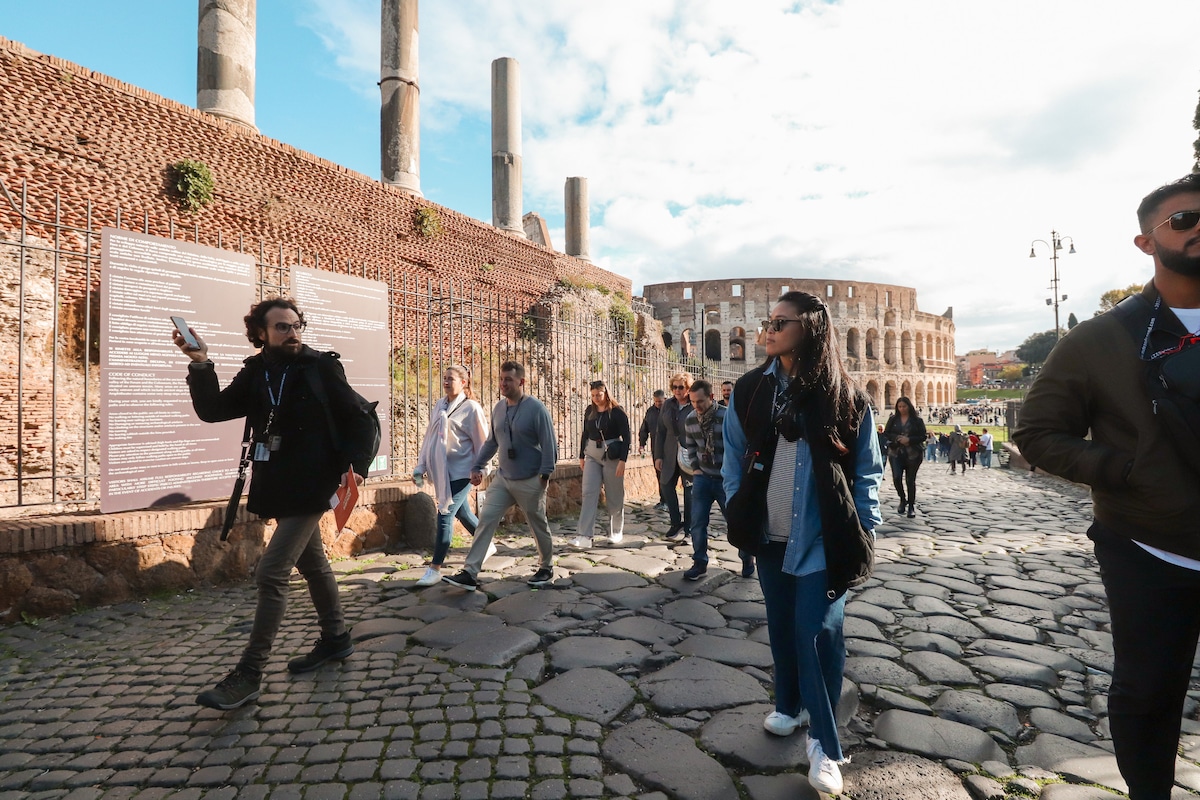
Colosseum, Forum, and Palatine Hill Guided Tour
Fri, Feb 13 • 1:00 PM
00184, Rome, Lazio, Italy
View details

A distanza Leica di Stefano Mirabella
Thu, Feb 12 • 6:30 PM
57 Via dei Due Macelli 00187 Roma
View details
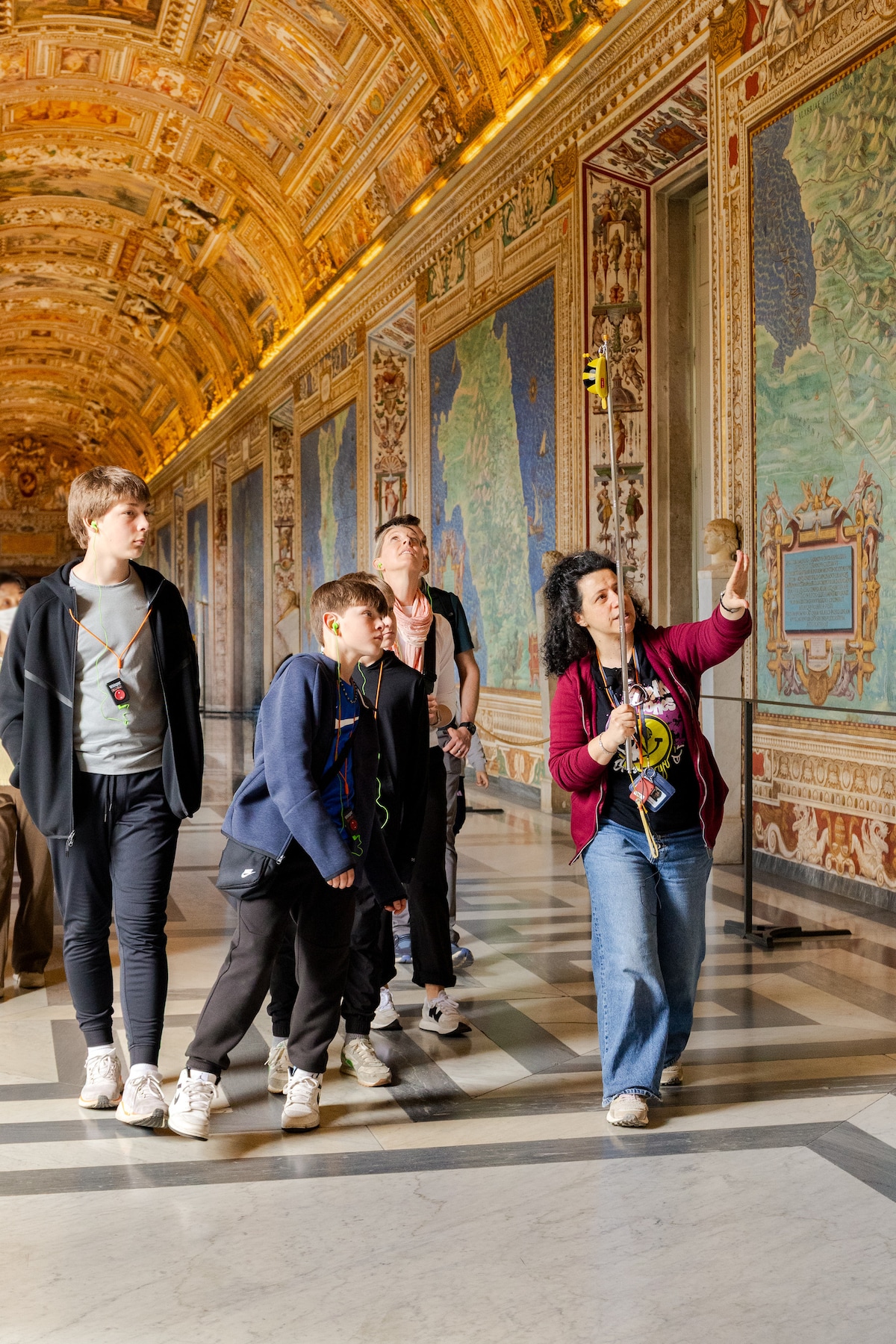
Complete Vatican Tour: Museums, Sistine & Basilica
Thu, Feb 12 • 9:15 AM
00192, Rome, Lazio, Italy
View details
Nearby attractions of Tempio Maggiore
Jewish Museum
Teatro di Marcello
Portico of Octavia
Ponte Fabricio
Borgia Gallery Arena Magna
Turtle Fountain
Basilica di San Bartolomeo all'Isola Tiberina
Chiesa di Santa Maria in Portico in Campitelli
Chiesa di Sant'Angelo in Pescheria
Ponte Cestio
Jewish Museum
4.6
(1.1K)
Closed
Click for details
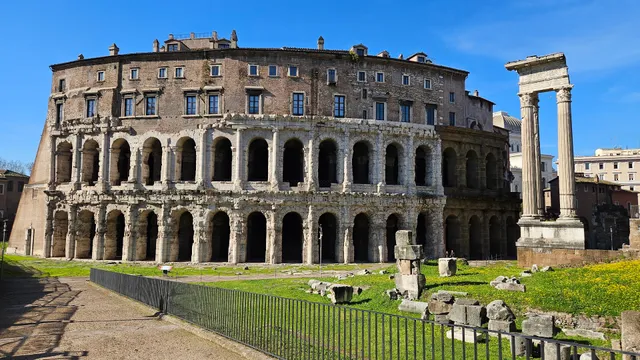
Teatro di Marcello
4.6
(4.3K)
Closed
Click for details
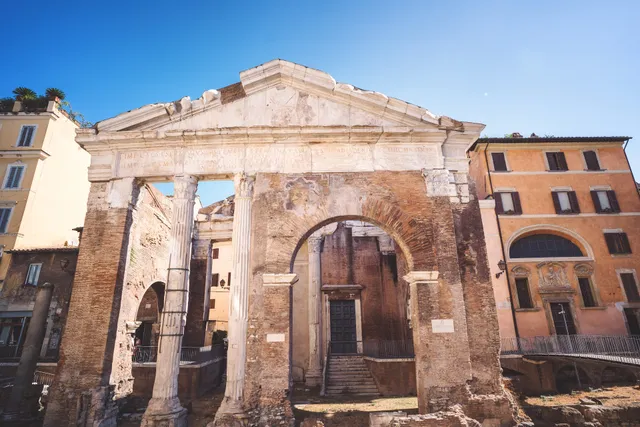
Portico of Octavia
4.7
(1.2K)
Open until 12:00 AM
Click for details
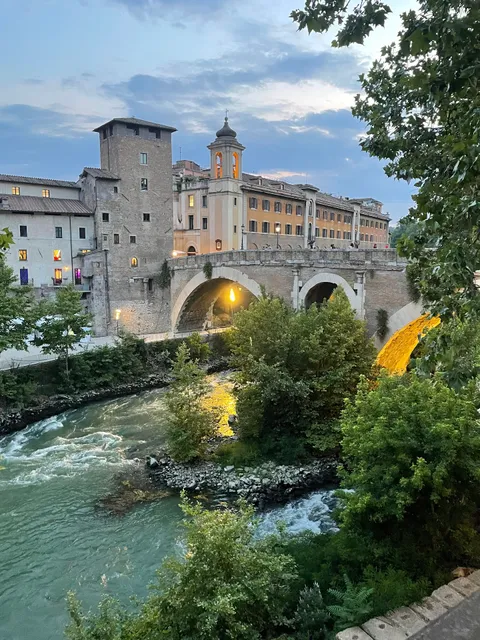
Ponte Fabricio
4.6
(1.6K)
Open until 12:00 AM
Click for details
Nearby restaurants of Tempio Maggiore
BaGhetto Ristorante Kosher-Portico d'Ottavia
Giggetto
Nonna Betta
Il Giardino Romano
Taverna del Ghetto
Tiberino Ristorante
Bona | Pizza Roma [ Portico D'Ottavia ]
Sora Margherita
BaGhetto Milky
Su Ghetto Kosher Restaurant
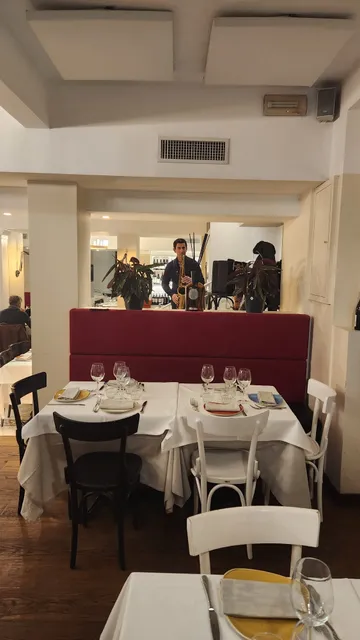
BaGhetto Ristorante Kosher-Portico d'Ottavia
4.0
(2.6K)
Closed
Click for details
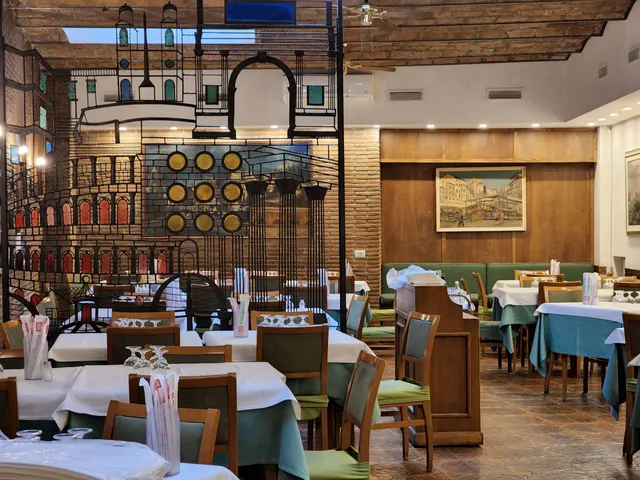
Giggetto
3.9
(2K)
Closed
Click for details
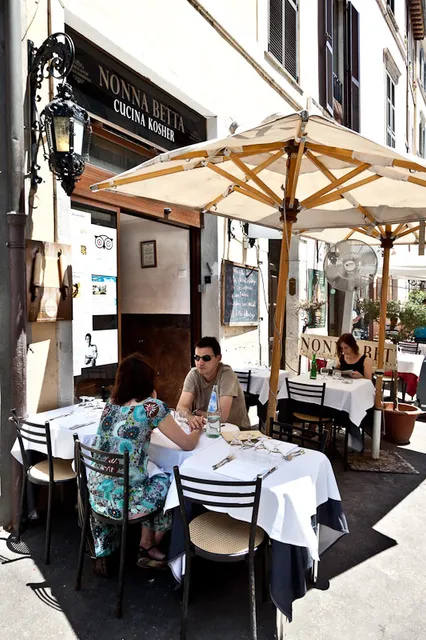
Nonna Betta
4.0
(1.5K)
Open until 12:00 AM
Click for details
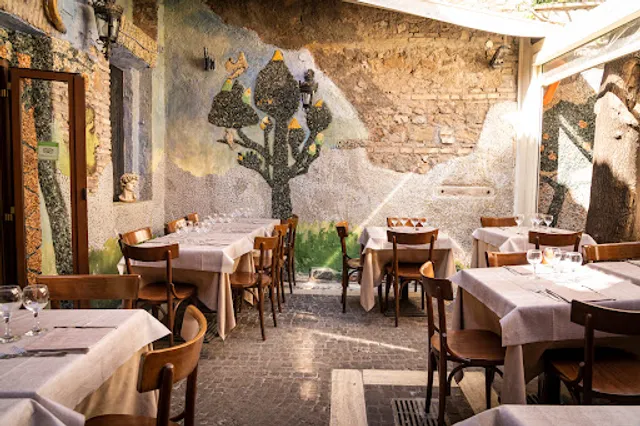
Il Giardino Romano
4.0
(780)
Open until 12:00 AM
Click for details
Nearby local services of Tempio Maggiore
Teatro Marcello
Ponte Fabricio
Fatebenefratelli Isola Tiberina
Tiber Island
Isola del Cinema
Campidoglio
Crypta Balbi
Basilica San Bartolomeo
Chiostro di Campitelli
laFeltrinelli Books and Music
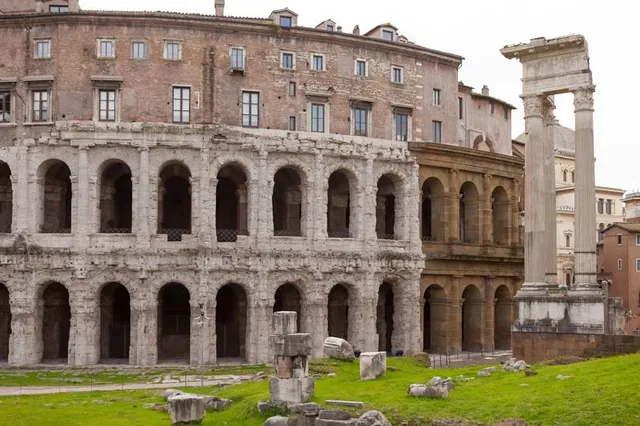
Teatro Marcello
4.6
(4K)
Click for details
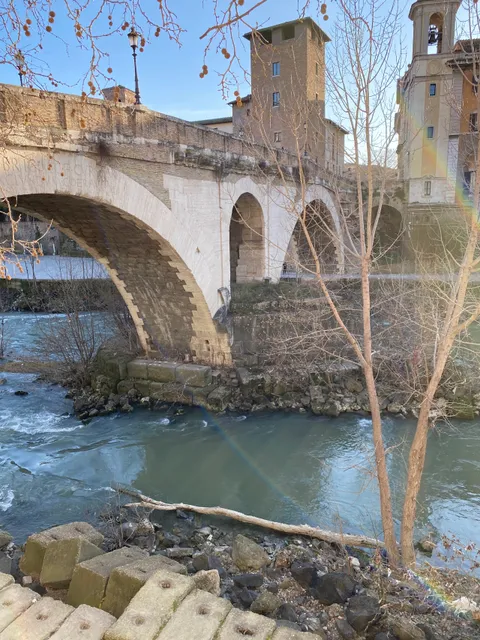
Ponte Fabricio
4.6
(1.3K)
Click for details
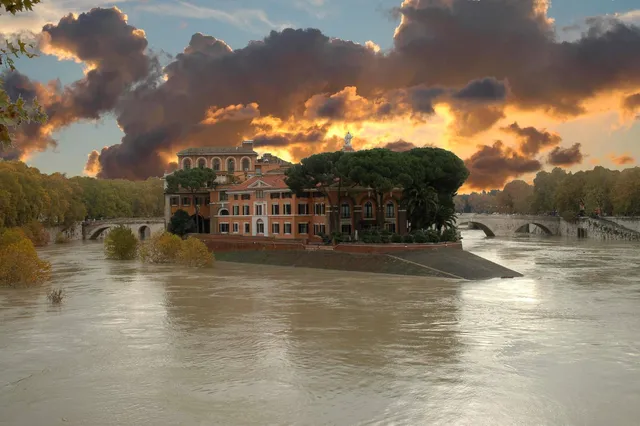
Fatebenefratelli Isola Tiberina
4.3
(1.1K)
Click for details
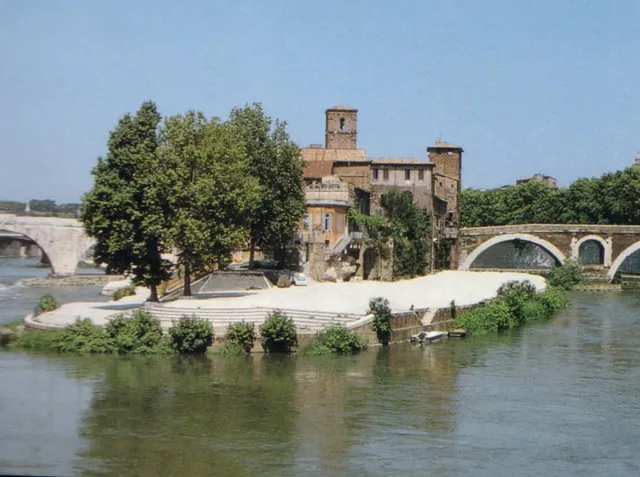
Tiber Island
4.6
(1.3K)
Click for details


The hit list

Plan your trip with Wanderboat
Welcome to Wanderboat AI, your AI search for local Eats and Fun, designed to help you explore your city and the world with ease.
Powered by Wanderboat AI trip planner.