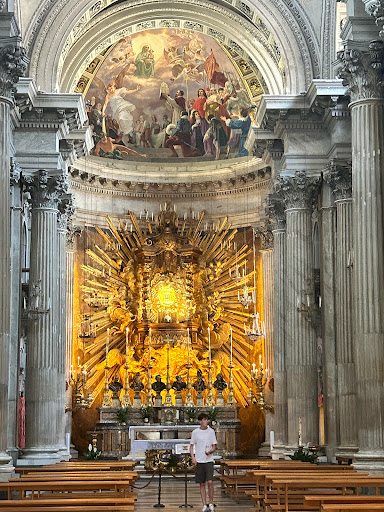
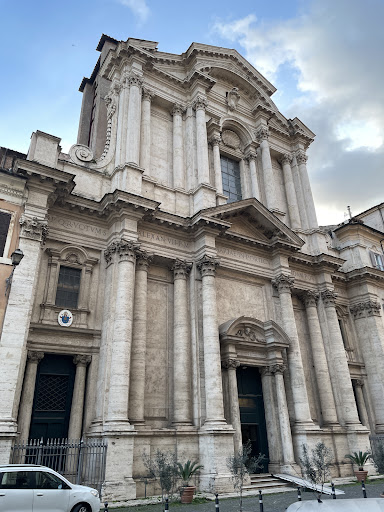
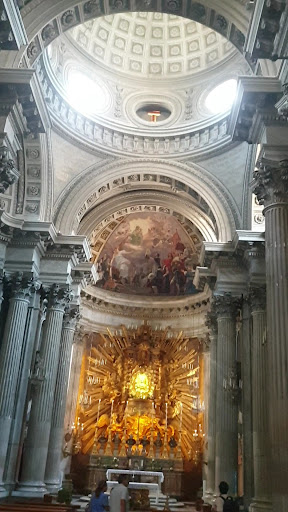
Chiesa di Santa Maria in Portico in Campitelli things to do, attractions, restaurants, events info and trip planning
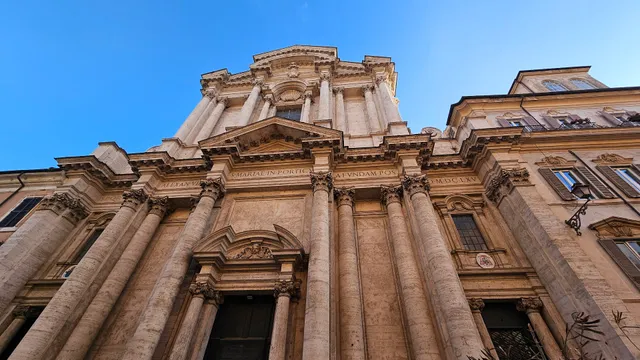
Basic Info
Chiesa di Santa Maria in Portico in Campitelli
Piazza di Campitelli, 9, 00186 Roma RM, Italy
4.7(513)
Closed
Save
spot
spot
Ratings & Description
Info
Cultural
Scenic
Accessibility
attractions: Teatro di Marcello, Portico of Octavia, Turtle Fountain, Tempio Maggiore, Largo di Torre Argentina, Jewish Museum, Capitoline Museums, Monument to Victor Emmanuel II, Altare della Patria, Ponte Fabricio, restaurants: Giggetto, BaGhetto Ristorante Kosher-Portico d'Ottavia, Nonna Betta, Il Giardino Romano, Taverna del Ghetto, Ristorante Vecchia Roma, Antico caffè del teatro di Marcello, Antica Trattoria Angelino, Bona | Pizza Roma [ Portico D'Ottavia ], Vinando A Tor Margana, local businesses: Teatro Marcello, Campidoglio, Ponte Fabricio, Crypta Balbi, Chiostro di Campitelli, Fatebenefratelli Isola Tiberina, Tiber Island, Isola del Cinema, laFeltrinelli Books and Music, Palazzo Caffarelli al Campidoglio
 Learn more insights from Wanderboat AI.
Phone
+39 06 6880 3978
Website
santamariainportico.it
Open hoursSee all hours
Tue7 AM - 8 PMClosed
Plan your stay

Pet-friendly Hotels in Rome
Find a cozy hotel nearby and make it a full experience.

Affordable Hotels in Rome
Find a cozy hotel nearby and make it a full experience.

The Coolest Hotels You Haven't Heard Of (Yet)
Find a cozy hotel nearby and make it a full experience.

Trending Stays Worth the Hype in Rome
Find a cozy hotel nearby and make it a full experience.
Reviews
Live events
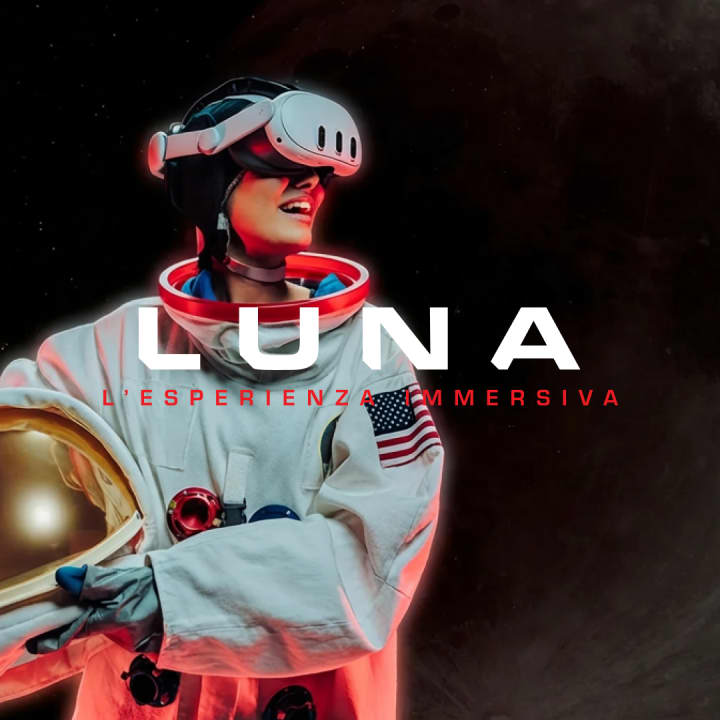
LUNA: A Journey to the Moon – un’esperienza immersiva in realtà virtuale a Roma
Wed, Feb 25 • 4:00 PM
Via Trionfale, 7400, Roma, 00136
View details
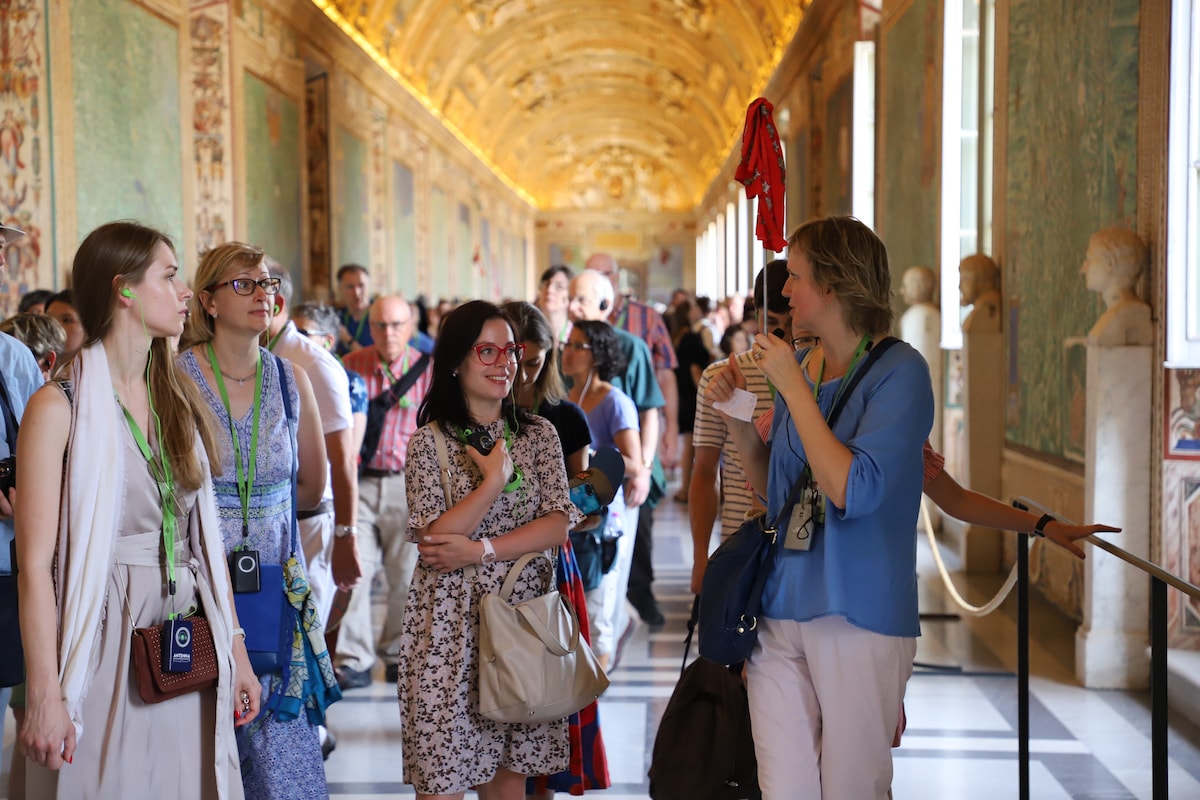
Vatican & St Peters Basilica: unlock the wonders
Wed, Feb 25 • 1:00 PM
00192, Rome, Lazio, Italy
View details
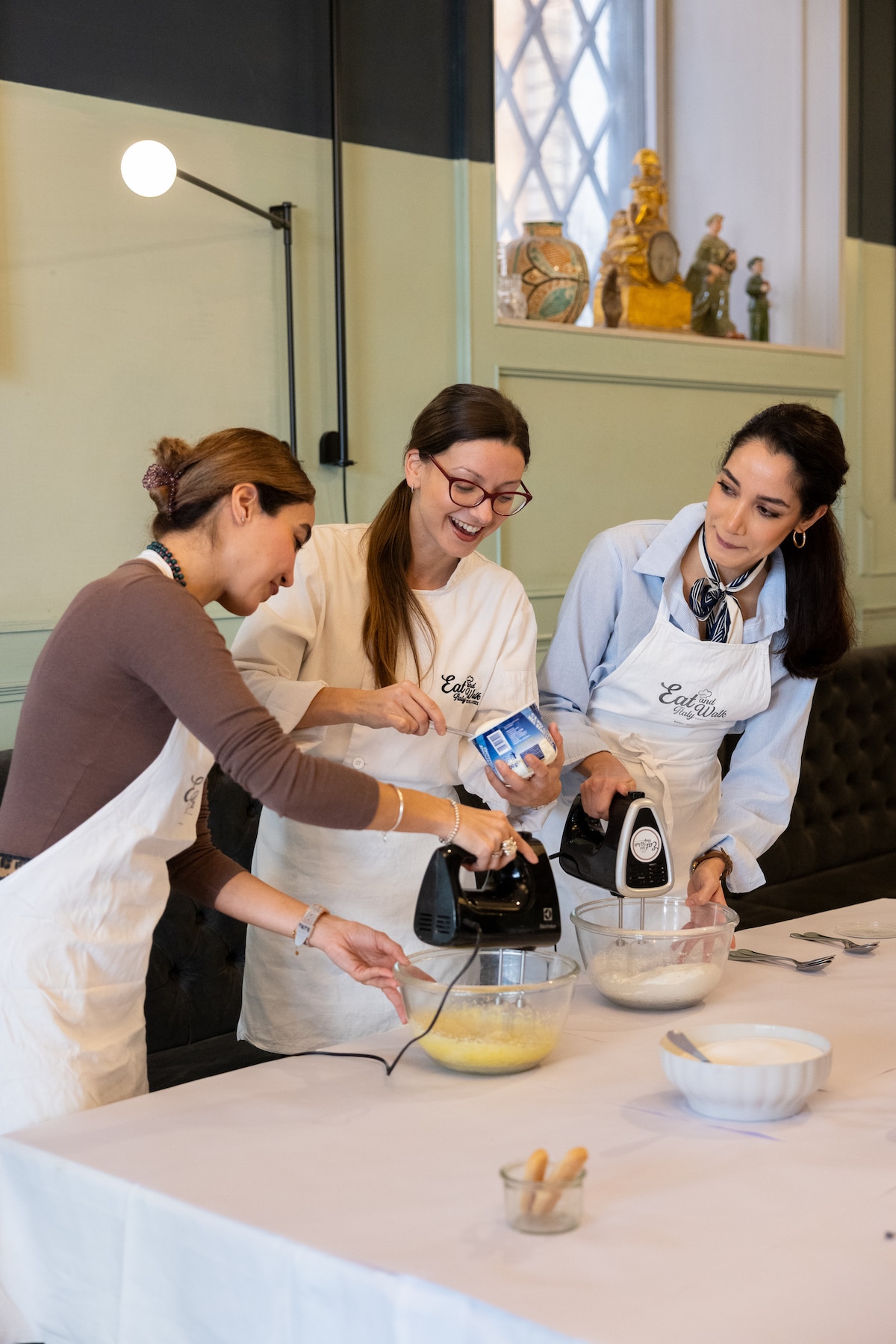
Make Pasta & Tiramisù with Wine and Limoncello
Tue, Feb 24 • 7:30 PM
00186, Rome, Lazio, Italy
View details
Nearby attractions of Chiesa di Santa Maria in Portico in Campitelli
Teatro di Marcello
Portico of Octavia
Turtle Fountain
Tempio Maggiore
Largo di Torre Argentina
Jewish Museum
Capitoline Museums
Monument to Victor Emmanuel II
Altare della Patria
Ponte Fabricio
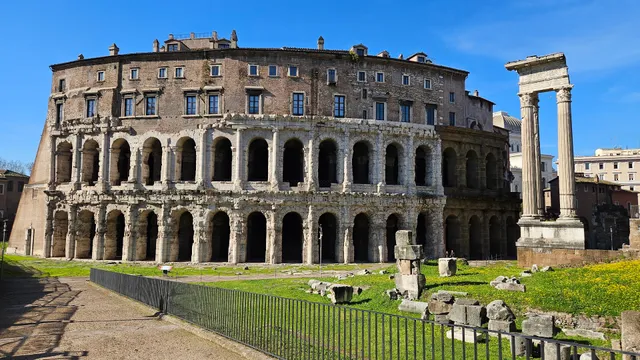
Teatro di Marcello
4.6
(4.6K)
Closed
Click for details
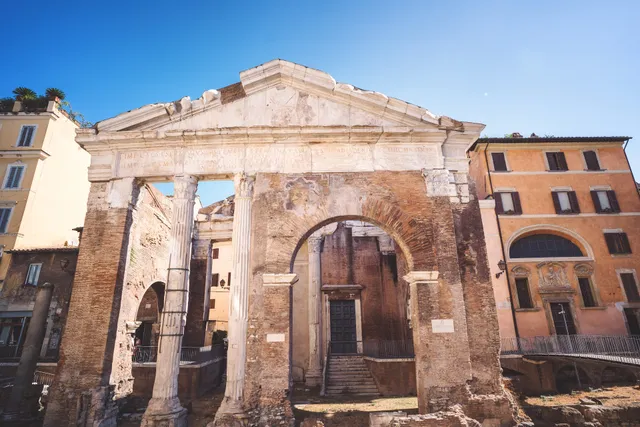
Portico of Octavia
4.7
(1.3K)
Open until 12:00 AM
Click for details
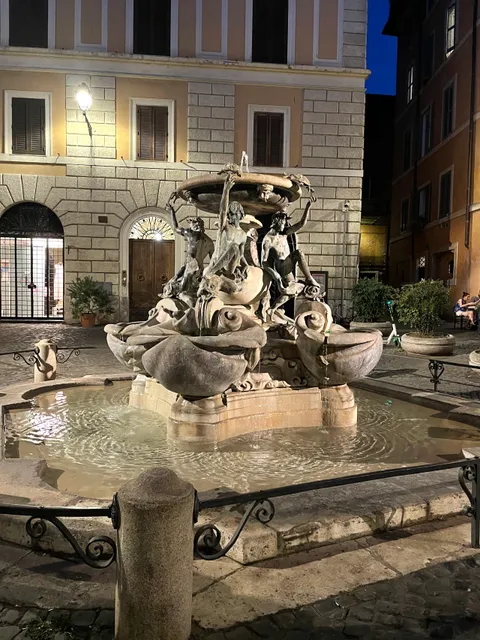
Turtle Fountain
4.5
(2.8K)
Open until 12:00 AM
Click for details
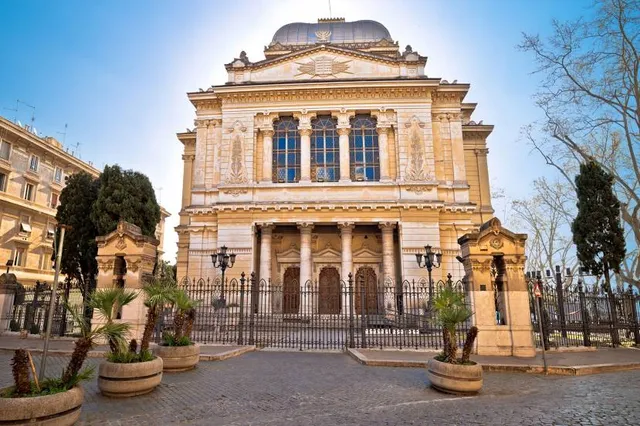
Tempio Maggiore
4.6
(1.6K)
Closed
Click for details
Nearby restaurants of Chiesa di Santa Maria in Portico in Campitelli
Giggetto
BaGhetto Ristorante Kosher-Portico d'Ottavia
Nonna Betta
Il Giardino Romano
Taverna del Ghetto
Ristorante Vecchia Roma
Antico caffè del teatro di Marcello
Antica Trattoria Angelino
Bona | Pizza Roma [ Portico D'Ottavia ]
Vinando A Tor Margana
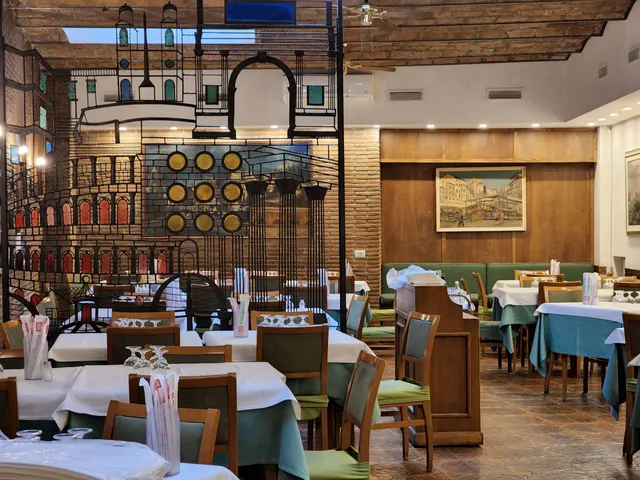
Giggetto
3.9
(2K)
Open until 12:00 AM
Click for details
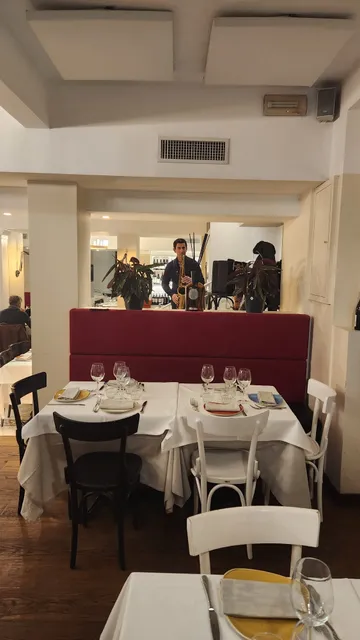
BaGhetto Ristorante Kosher-Portico d'Ottavia
4.0
(2.5K)
Open until 11:00 PM
Click for details
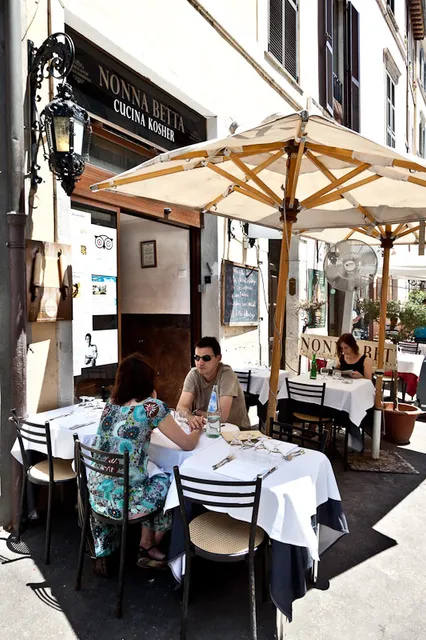
Nonna Betta
4.0
(1.5K)
Open until 12:00 AM
Click for details
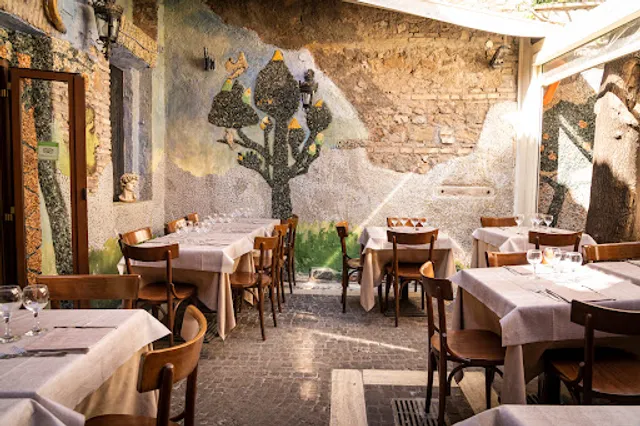
Il Giardino Romano
4.0
(790)
Open until 11:00 PM
Click for details
Nearby local services of Chiesa di Santa Maria in Portico in Campitelli
Teatro Marcello
Campidoglio
Ponte Fabricio
Crypta Balbi
Chiostro di Campitelli
Fatebenefratelli Isola Tiberina
Tiber Island
Isola del Cinema
laFeltrinelli Books and Music
Palazzo Caffarelli al Campidoglio
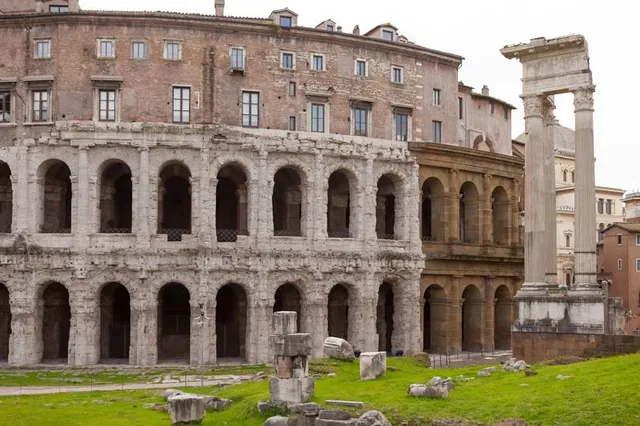
Teatro Marcello
4.6
(3.9K)
Click for details
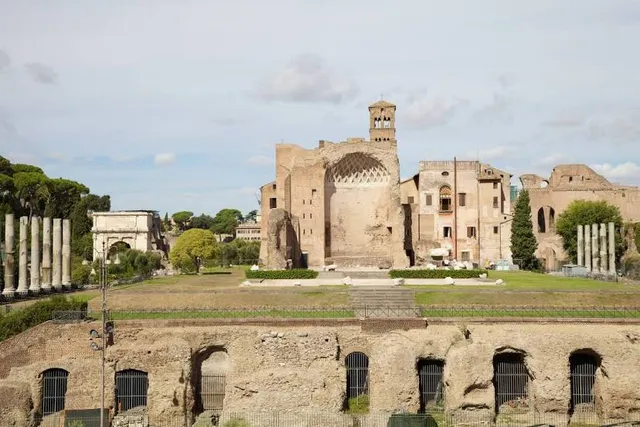
Campidoglio
4.7
(7.8K)
Click for details
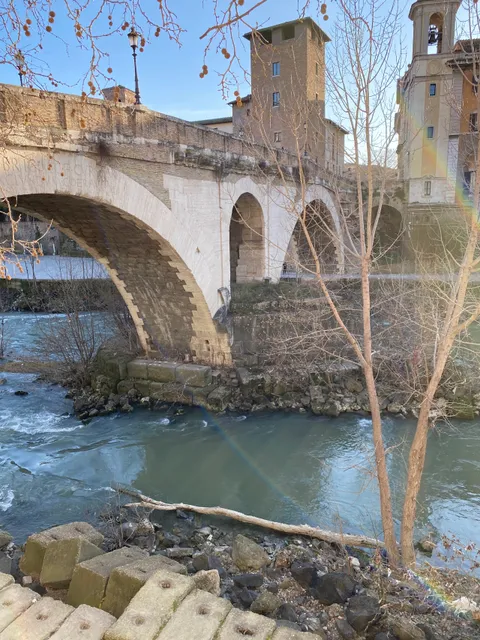
Ponte Fabricio
4.6
(1.3K)
Click for details
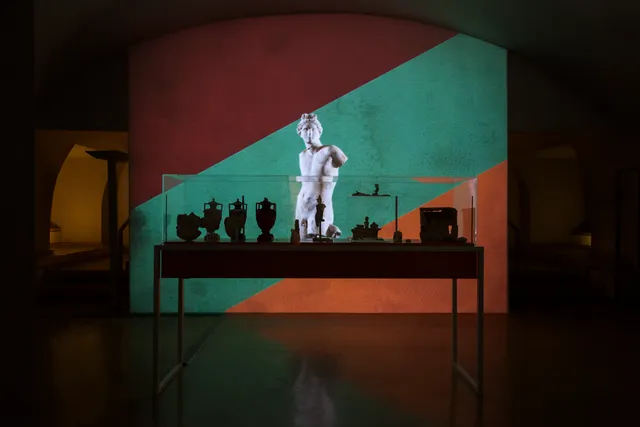
Crypta Balbi
4.1
(465)
Click for details


The hit list


Plan your trip with Wanderboat
Welcome to Wanderboat AI, your AI search for local Eats and Fun, designed to help you explore your city and the world with ease.
Powered by Wanderboat AI trip planner.