Sant'Agnese in Agone things to do, attractions, restaurants, events info and trip planning
Basic Info
Sant'Agnese in Agone
Via di Santa Maria dell'Anima, 30/A, 00186 Roma RM, Italy
4.8(1.1K)
Closed
Save
spot
spot
Ratings & Description
Info
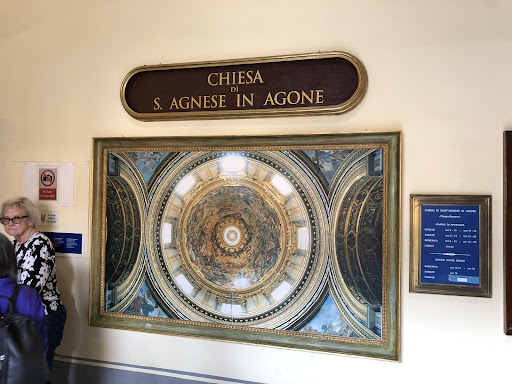
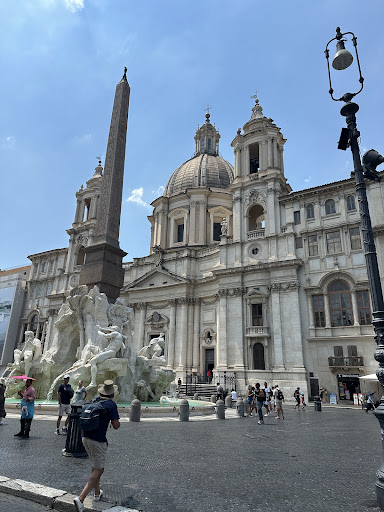
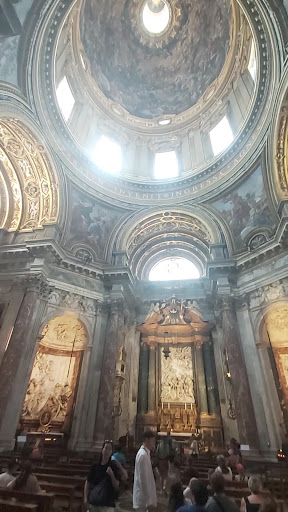
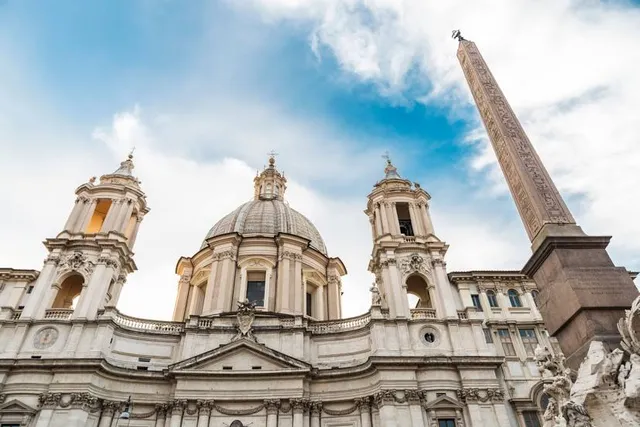
Sant'Agnese in Agone is a 17th-century Baroque church in Rome, Italy. It faces onto the Piazza Navona, one of the main urban spaces in the historic centre of the city and the site where the Early Christian Saint Agnes was martyred in the ancient Stadium of Domitian.
Cultural
Accessibility
attractions: Piazza Navona, Fiumi Fountain, Pantheon, Chiostro del Bramante, Fountain of the Moro, Church of St. Louis of the French, Museo di Roma - Palazzo Braschi, Campo de' Fiori, Stadium of Domitian, Chiesa di Santa Maria della Pace, restaurants: Camillo a Piazza Navona, Cantina e Cucina, Ponte e Parione - Ristorante Piazza Navona, Mimì e Cocò, Saltimbocca ristorante, Osteria da Fortunata - Rinascimento, La Nuova Piazzetta Navona, cybo, Trentaquattro Roma • Navona, Terrazza Borromini, local businesses: Neptune Fountain, L'Artigianato, Lifestyle Suites Rome, Museo Nazionale Romano, Palazzo Altemps, Rung Arun Thai Massage Center, GRAZIA BIANCHI - Hair Spa Couture, Otherwise Bookshop, La Boutique del Limoncello Roma, Consulate General of Brazil, Manufactus Made In Italy
 Learn more insights from Wanderboat AI.
Phone
+39 06 6819 2134
Website
santagneseinagone.org
Open hoursSee all hours
Thu9 a.m. - 1 p.m., 3 - 7 p.m.Closed
Plan your stay

Pet-friendly Hotels in Rome
Find a cozy hotel nearby and make it a full experience.

Affordable Hotels in Rome
Find a cozy hotel nearby and make it a full experience.

The Coolest Hotels You Haven't Heard Of (Yet)
Find a cozy hotel nearby and make it a full experience.

Trending Stays Worth the Hype in Rome
Find a cozy hotel nearby and make it a full experience.
Reviews
Live events

Titanic - Un viaggio nel tempo
Fri, Feb 27 • 4:00 PM
Via Trionfale, 7400, Roma, 00136
View details
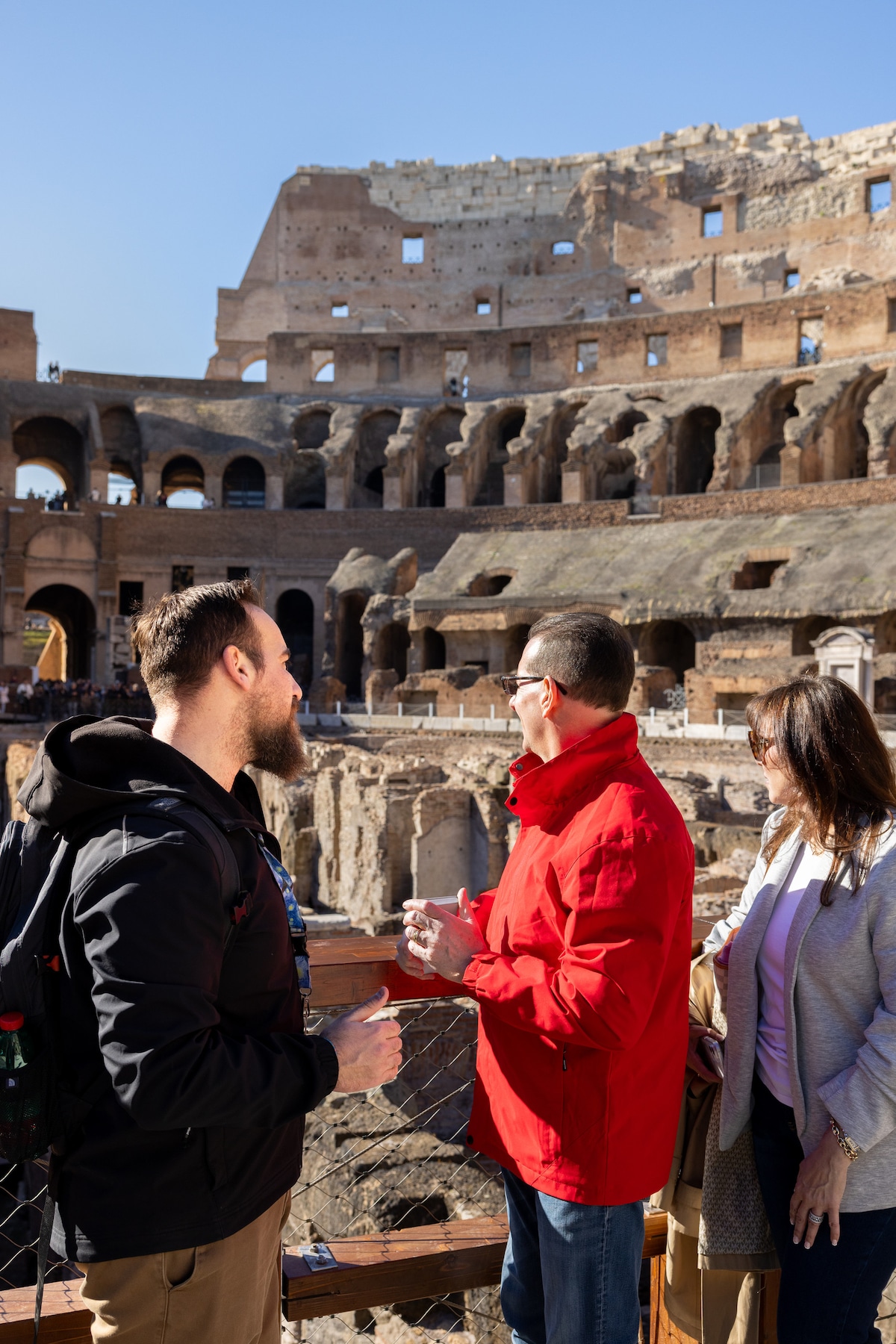
Step onto the arena floor at the Colosseum
Sat, Feb 28 • 11:30 AM
00184, Rome, Lazio, Italy
View details

Indian Film Festival - Bajirao Mastani
Fri, Feb 27 • 6:30 PM
43 Piazza della Repubblica #45 00184 Roma
View details
Nearby attractions of Sant'Agnese in Agone
Piazza Navona
Fiumi Fountain
Pantheon
Chiostro del Bramante
Fountain of the Moro
Church of St. Louis of the French
Museo di Roma - Palazzo Braschi
Campo de' Fiori
Stadium of Domitian
Chiesa di Santa Maria della Pace
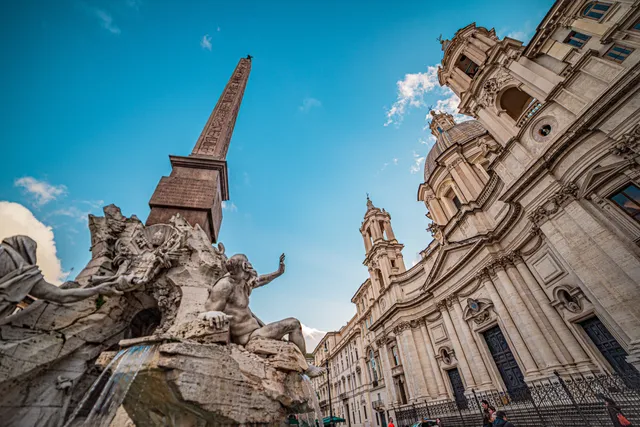
Piazza Navona
4.7
(64.9K)
Open until 12:00 AM
Click for details
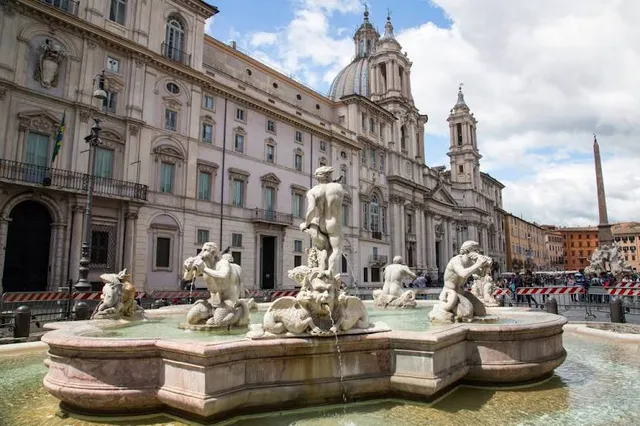
Fiumi Fountain
4.8
(5.4K)
Open until 12:00 AM
Click for details
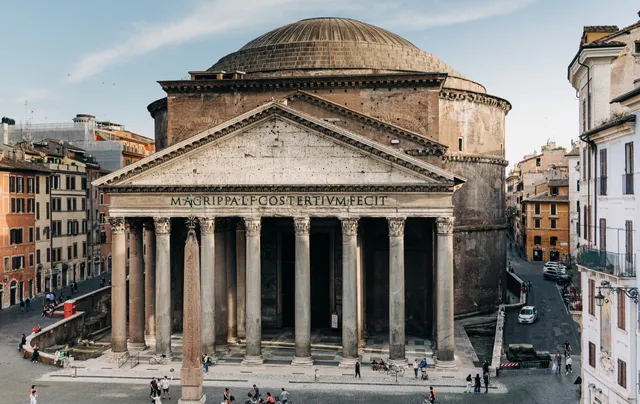
Pantheon
4.8
(78.1K)
Closed
Click for details
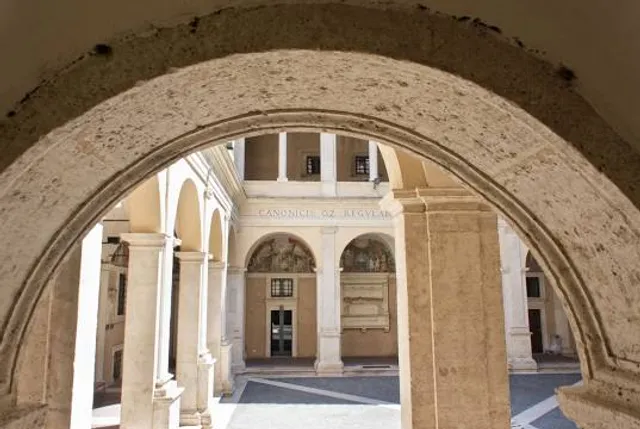
Chiostro del Bramante
4.5
(3.5K)
Closed
Click for details
Nearby restaurants of Sant'Agnese in Agone
Camillo a Piazza Navona
Cantina e Cucina
Ponte e Parione - Ristorante Piazza Navona
Mimì e Cocò
Saltimbocca ristorante
Osteria da Fortunata - Rinascimento
La Nuova Piazzetta Navona
cybo
Trentaquattro Roma • Navona
Terrazza Borromini
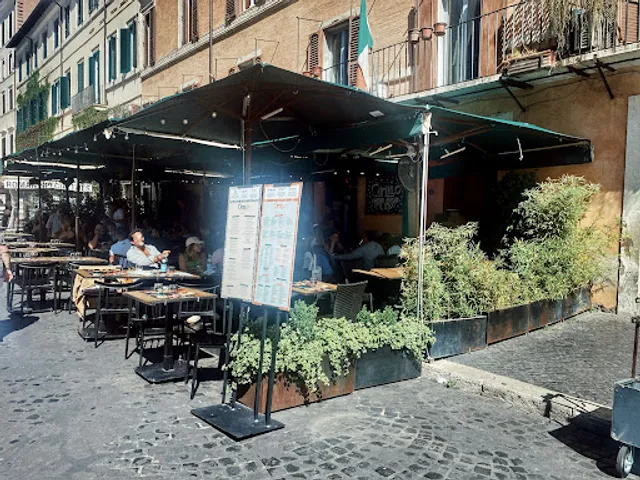
Camillo a Piazza Navona
4.8
(3.6K)
$$
Open until 12:00 AM
Click for details
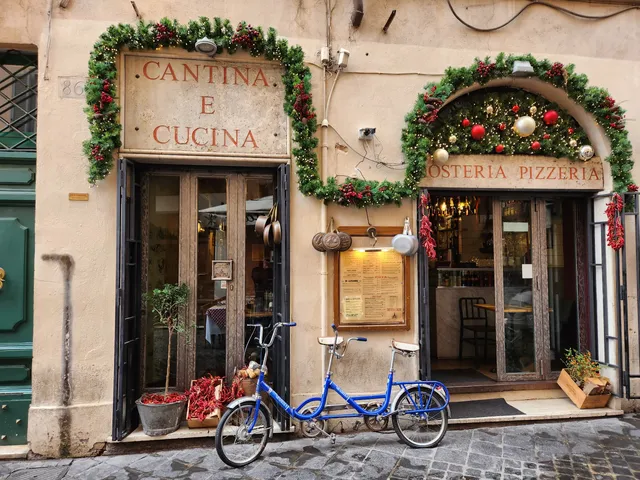
Cantina e Cucina
4.6
(6.4K)
$$
Open until 11:30 PM
Click for details
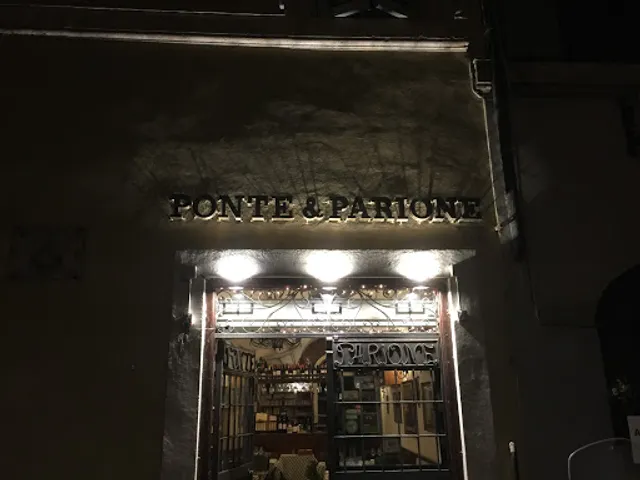
Ponte e Parione - Ristorante Piazza Navona
4.7
(2.1K)
Open until 11:30 PM
Click for details
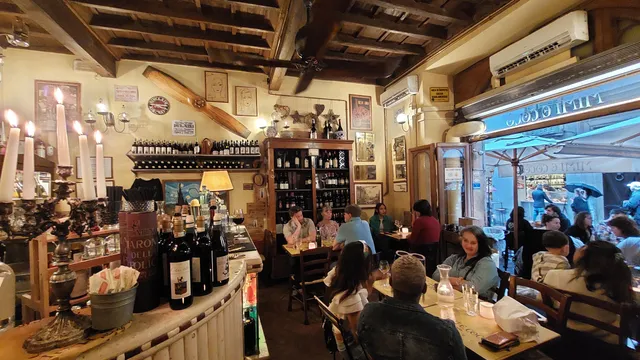
Mimì e Cocò
4.7
(4K)
Open until 12:30 AM
Click for details
Nearby local services of Sant'Agnese in Agone
Neptune Fountain
L'Artigianato
Lifestyle Suites Rome
Museo Nazionale Romano, Palazzo Altemps
Rung Arun Thai Massage Center
GRAZIA BIANCHI - Hair Spa Couture
Otherwise Bookshop
La Boutique del Limoncello Roma
Consulate General of Brazil
Manufactus Made In Italy
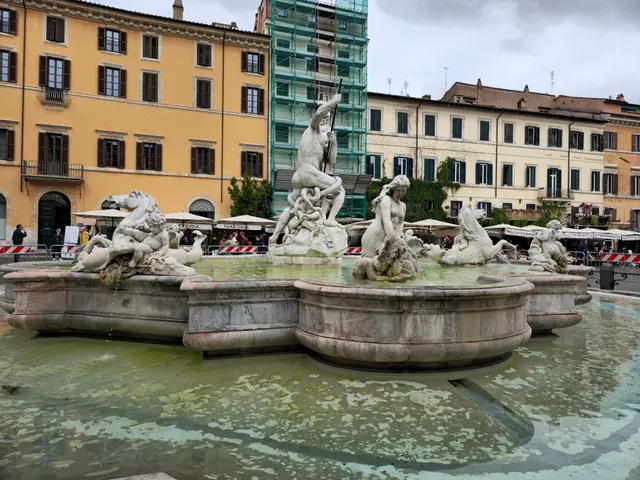
Neptune Fountain
4.8
(2.1K)
Click for details
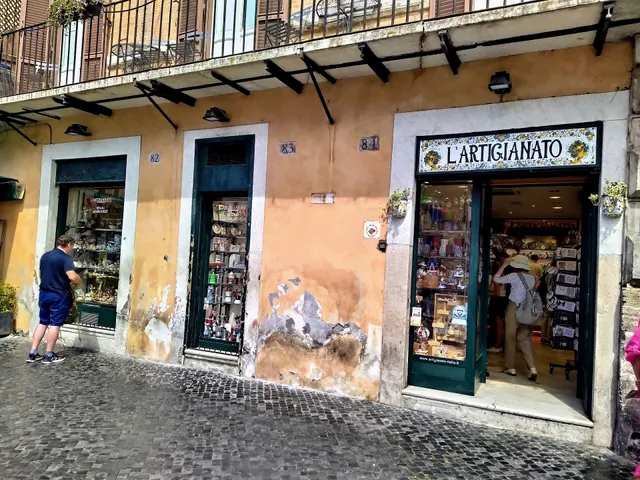
L'Artigianato
4.6
(166)
Click for details

Lifestyle Suites Rome
4.7
(117)
Click for details
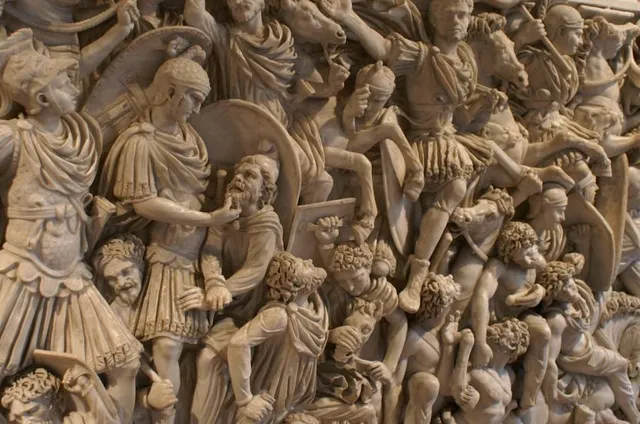
Museo Nazionale Romano, Palazzo Altemps
4.6
(1.6K)
Click for details


The hit list


Plan your trip with Wanderboat
Welcome to Wanderboat AI, your AI search for local Eats and Fun, designed to help you explore your city and the world with ease.
Powered by Wanderboat AI trip planner.