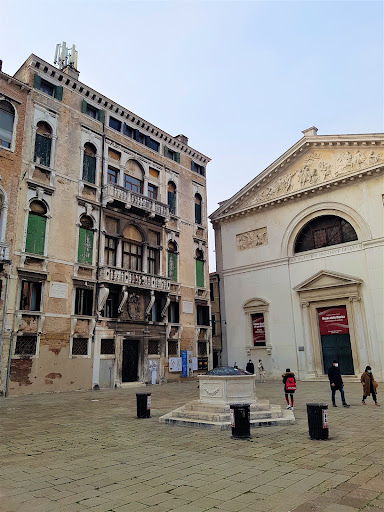
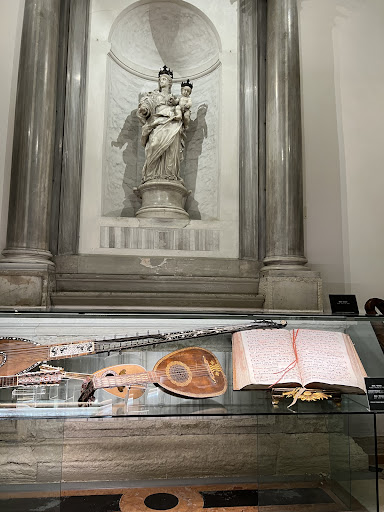
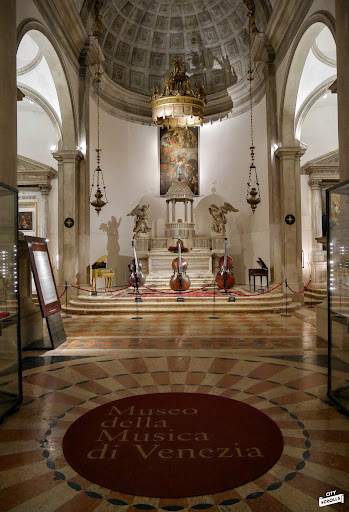
Museo della Musica di Venezia things to do, attractions, restaurants, events info and trip planning
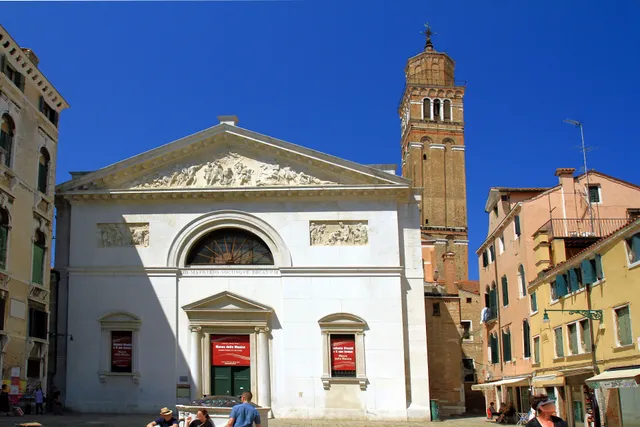
Basic Info
Museo della Musica di Venezia
Fondamenta Narisi, 2603, 30124 Venezia VE, Italy
4.4(206)
Closed


tickets
Save
spot
spot
Ratings & Description
Info
Cultural
Family friendly
Accessibility
attractions: Teatro La Fenice, Campo Santo Stefano, Palazzo Zaguri, St. Mary of the Lily Venice, Ponte dell'Accademia, Venice Free Tours La Bussola, Peggy Guggenheim Collection, Campo San Maurizio, Bel-Air Fine Art, Palazzo Contarini del Bovolo, restaurants: Beccafico Guna Restaurant, Terrazza Aperol - Venezia, Tavernetta San Maurizio, Ristorante Le Café, Ristorante Sant'Angelo, Bar Redentore, Gelateria Paolin dal 1760, Bacaro e Trattoria da Fiore, Da Mario di Masiero Anna Lisa, Pizzeria Ristorante Al Vaporetto, local businesses: Église San Maurizio, Do Fradei Barbershop, Poli Grappa, Christian's relaxing gondola rides, UnderSkin, Bounce Luggage Storage - Palazzo Zaguri, Mercatino dell'Antiquariato Campo San Maurizio, Ve.N.I.Ce. Immobiliare Cera S.R.L, St. Mark's Square, Lori Nails
 Learn more insights from Wanderboat AI.
Phone
+39 041 241 1840
Website
museodellamusica.com
Open hoursSee all hours
Fri10 a.m. - 1 p.m., 2 - 7 p.m.Closed
Plan your stay

Pet-friendly Hotels in Venice
Find a cozy hotel nearby and make it a full experience.

Affordable Hotels in Venice
Find a cozy hotel nearby and make it a full experience.

The Coolest Hotels You Haven't Heard Of (Yet)
Find a cozy hotel nearby and make it a full experience.

Trending Stays Worth the Hype in Venice
Find a cozy hotel nearby and make it a full experience.
Reviews
Live events

OGNI MERCOLEDI ANDA VENICE HOSTEL - FREE ENTRY
Wed, Mar 4 • 9:00 PM
10 Via Ortigara 30171 Mestre
View details
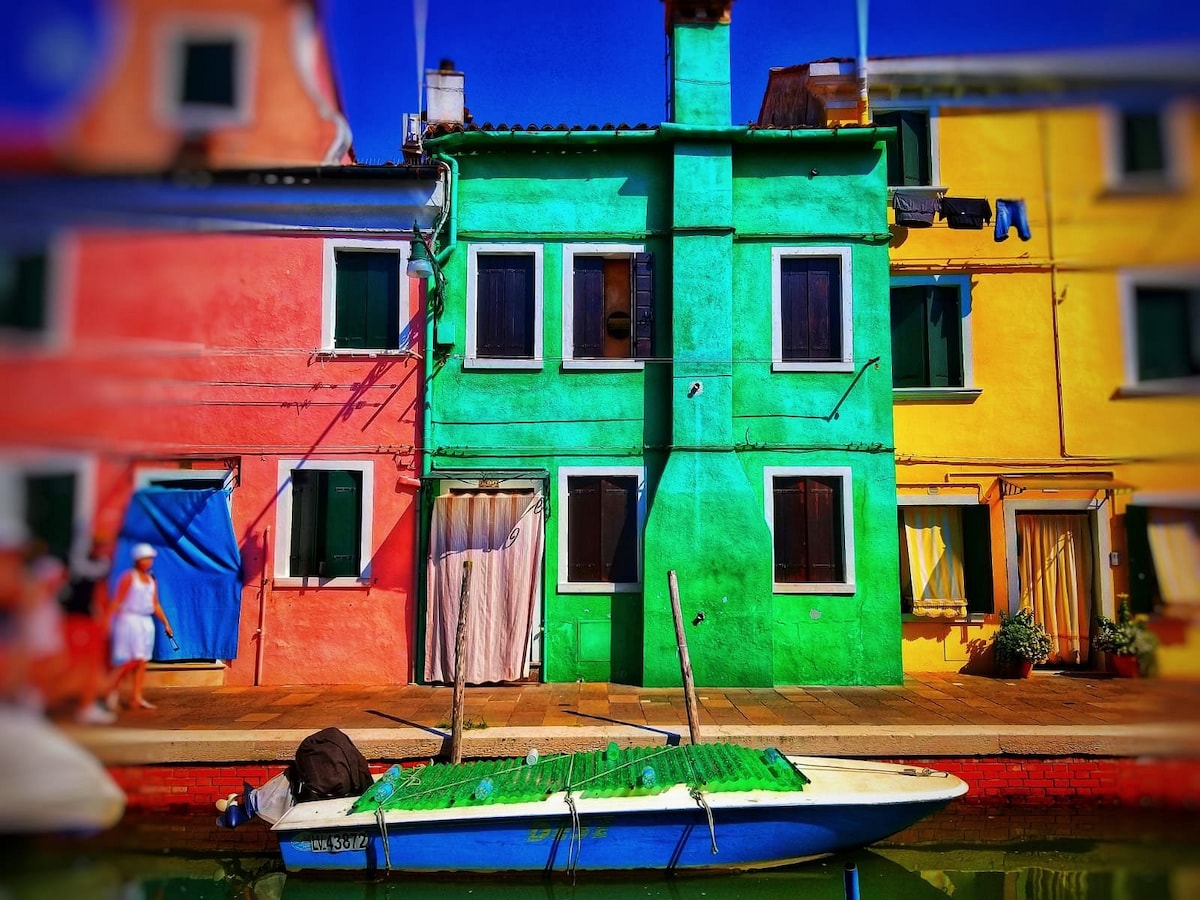
Murano Burano Torcello with a Local
Mon, Mar 2 • 9:00 AM
N/A 30100, Venice, Veneto, Italy
View details
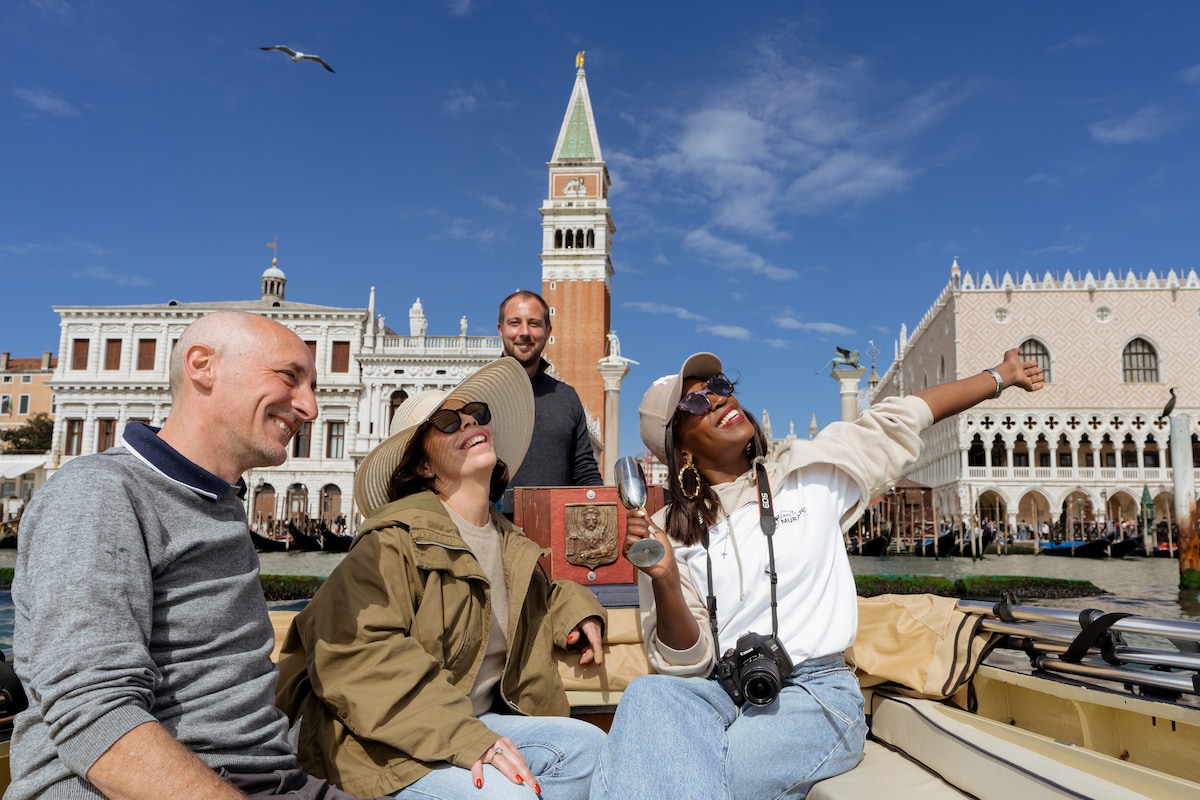
See the beauty of Venice
Sat, Feb 28 • 1:00 PM
30121, Venice, Veneto, Italy
View details
Nearby attractions of Museo della Musica di Venezia
Teatro La Fenice
Campo Santo Stefano
Palazzo Zaguri
St. Mary of the Lily Venice
Ponte dell'Accademia
Venice Free Tours La Bussola
Peggy Guggenheim Collection
Campo San Maurizio
Bel-Air Fine Art
Palazzo Contarini del Bovolo
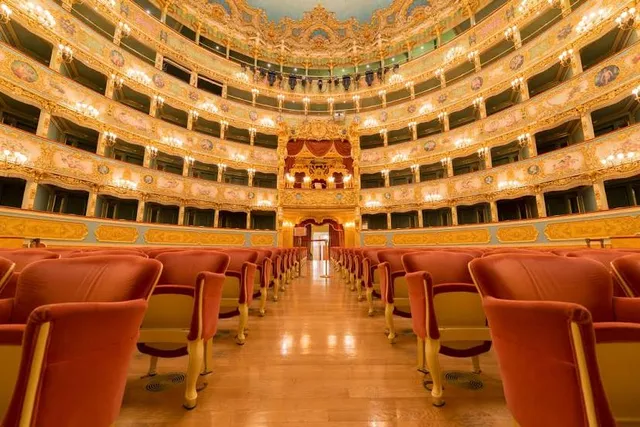
Teatro La Fenice
4.7
(6.2K)
Open 24 hours
Click for details
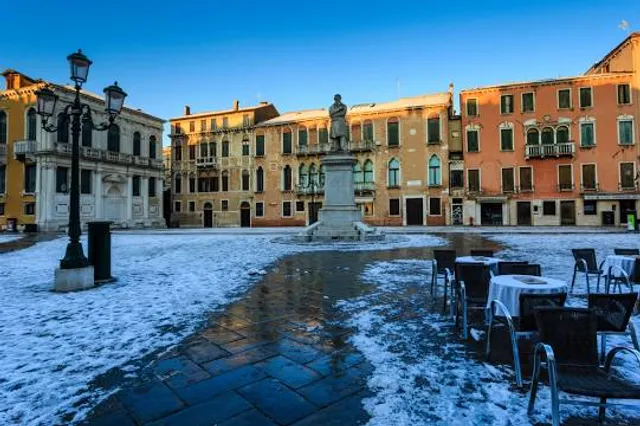
Campo Santo Stefano
4.4
(1.3K)
Open until 12:00 AM
Click for details
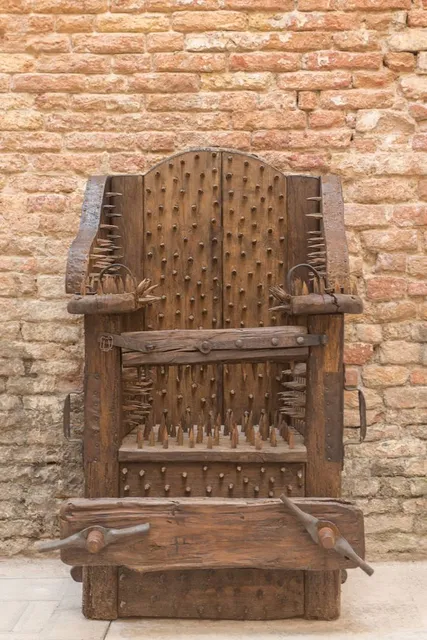
Palazzo Zaguri
4.2
(855)
Open 24 hours
Click for details
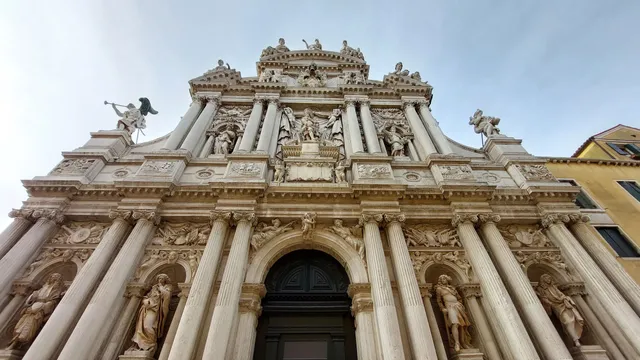
St. Mary of the Lily Venice
4.7
(1.3K)
Closed
Click for details
Nearby restaurants of Museo della Musica di Venezia
Beccafico Guna Restaurant
Terrazza Aperol - Venezia
Tavernetta San Maurizio
Ristorante Le Café
Ristorante Sant'Angelo
Bar Redentore
Gelateria Paolin dal 1760
Bacaro e Trattoria da Fiore
Da Mario di Masiero Anna Lisa
Pizzeria Ristorante Al Vaporetto
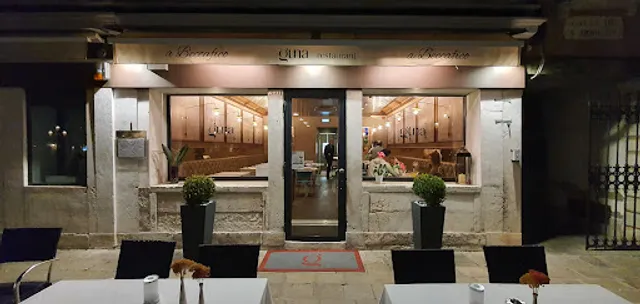
Beccafico Guna Restaurant
4.6
(1.3K)
Open until 11:00 PM
Click for details
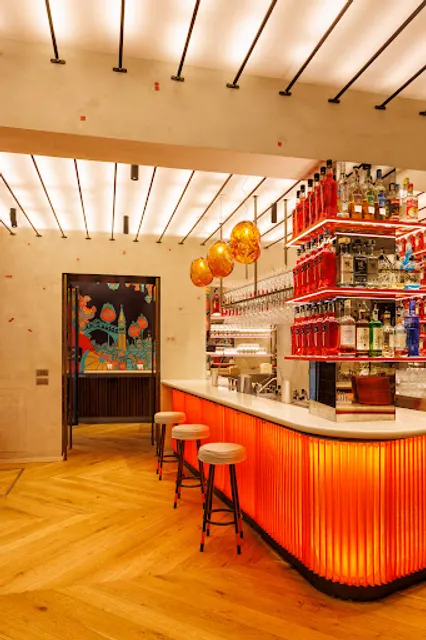
Terrazza Aperol - Venezia
4.5
(935)
Open until 10:00 PM
Click for details
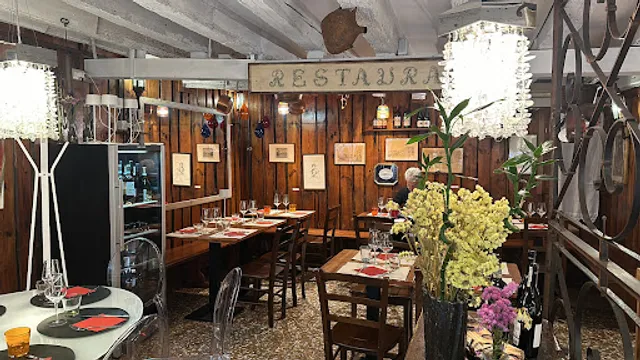
Tavernetta San Maurizio
4.3
(541)
Open until 10:30 PM
Click for details

Ristorante Le Café
3.9
(791)
Open until 10:00 PM
Click for details
Nearby local services of Museo della Musica di Venezia
Église San Maurizio
Do Fradei Barbershop
Poli Grappa
Christian's relaxing gondola rides
UnderSkin
Bounce Luggage Storage - Palazzo Zaguri
Mercatino dell'Antiquariato Campo San Maurizio
Ve.N.I.Ce. Immobiliare Cera S.R.L
St. Mark's Square
Lori Nails

Église San Maurizio
4.5
(148)
Click for details

Do Fradei Barbershop
4.9
(331)
Click for details

Poli Grappa
4.6
(106)
Click for details
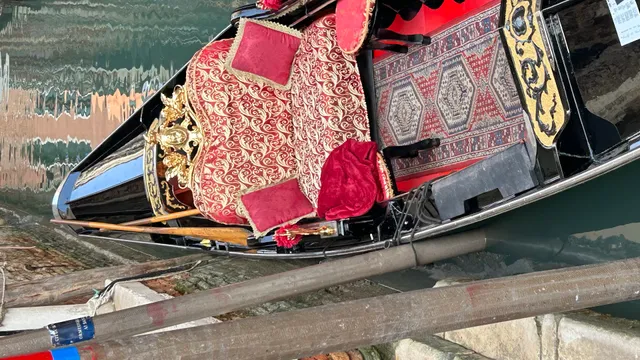
Christian's relaxing gondola rides
4.7
(118)
Click for details