Punta della Dogana - Pinault Collection things to do, attractions, restaurants, events info and trip planning
Basic Info
Punta della Dogana - Pinault Collection
Dorsoduro, 2, 30123 Venezia VE, Italy
4.6(1.3K)
Open 24 hours


tickets
Save
spot
spot
Ratings & Description
Info
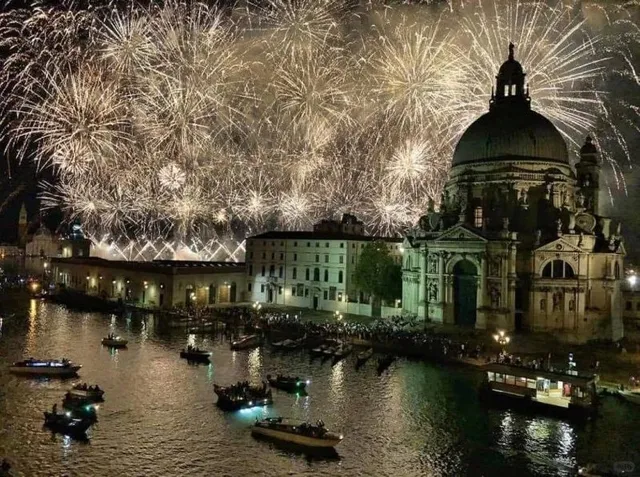
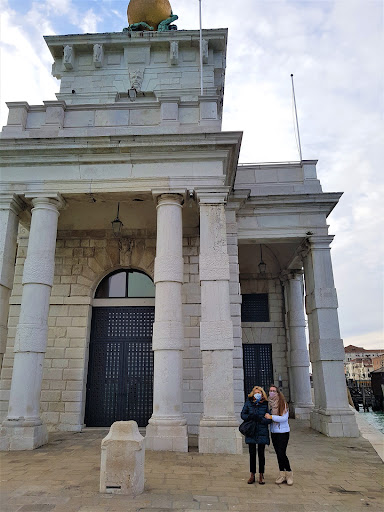
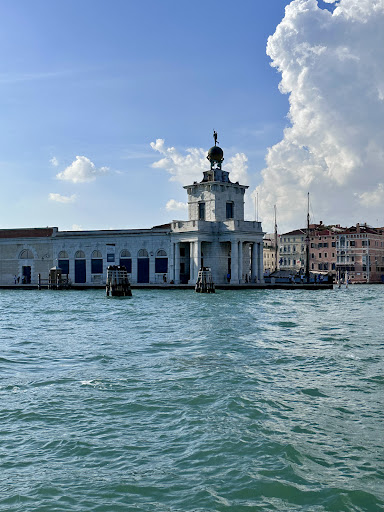
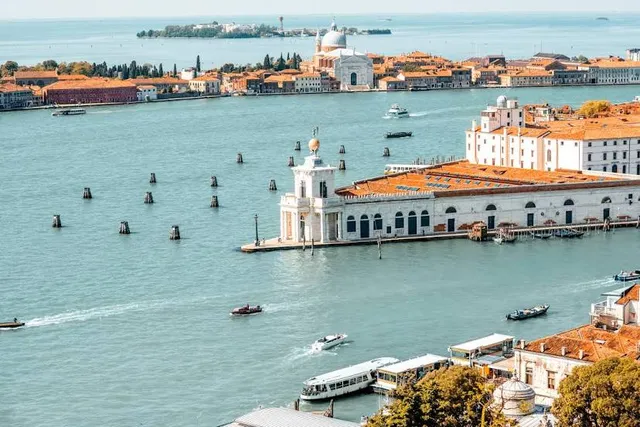
Punta della Dogana is an art museum in one of Venice's old customs buildings, the Dogana da Mar. It also refers to the triangular area of Venice where the Grand Canal meets the Giudecca Canal, and its ...
Cultural
Accessibility
attractions: Basilica di Santa Maria della Salute, Piazza San Marco, Doge's Palace, Giardini Reali, Teatro La Fenice, St Mark's Campanile, Peggy Guggenheim Collection, Museo Correr, Saint Mark's Basilica, Chiesa Parrocchiale di San Moisè, restaurants: Harry's Bar, Gio's, Ombra del Leone, Caffè Florian, پیتزایی, Ristorante Lineadombra, illy Caffè, Al Grill, Restaurant La caravella, Hard Rock Cafe, local businesses: St. Mark's Square, Biblioteca Nazionale Marciana, Louis Vuitton Venice, Parish Church of Saint Moisè( Venice), Cartier, Ateliers, Zara, Gucci - Venezia, National Archeological Museum, Tiffany & Co.
 Learn more insights from Wanderboat AI.
Phone
+39 041 240 1308
Website
pinaultcollection.com
Plan your stay

Pet-friendly Hotels in Venice
Find a cozy hotel nearby and make it a full experience.

Affordable Hotels in Venice
Find a cozy hotel nearby and make it a full experience.

The Coolest Hotels You Haven't Heard Of (Yet)
Find a cozy hotel nearby and make it a full experience.

Trending Stays Worth the Hype in Venice
Find a cozy hotel nearby and make it a full experience.
Reviews
Live events

OGNI MERCOLEDI ANDA VENICE HOSTEL - FREE ENTRY
Wed, Mar 4 • 9:00 PM
10 Via Ortigara 30171 Mestre
View details
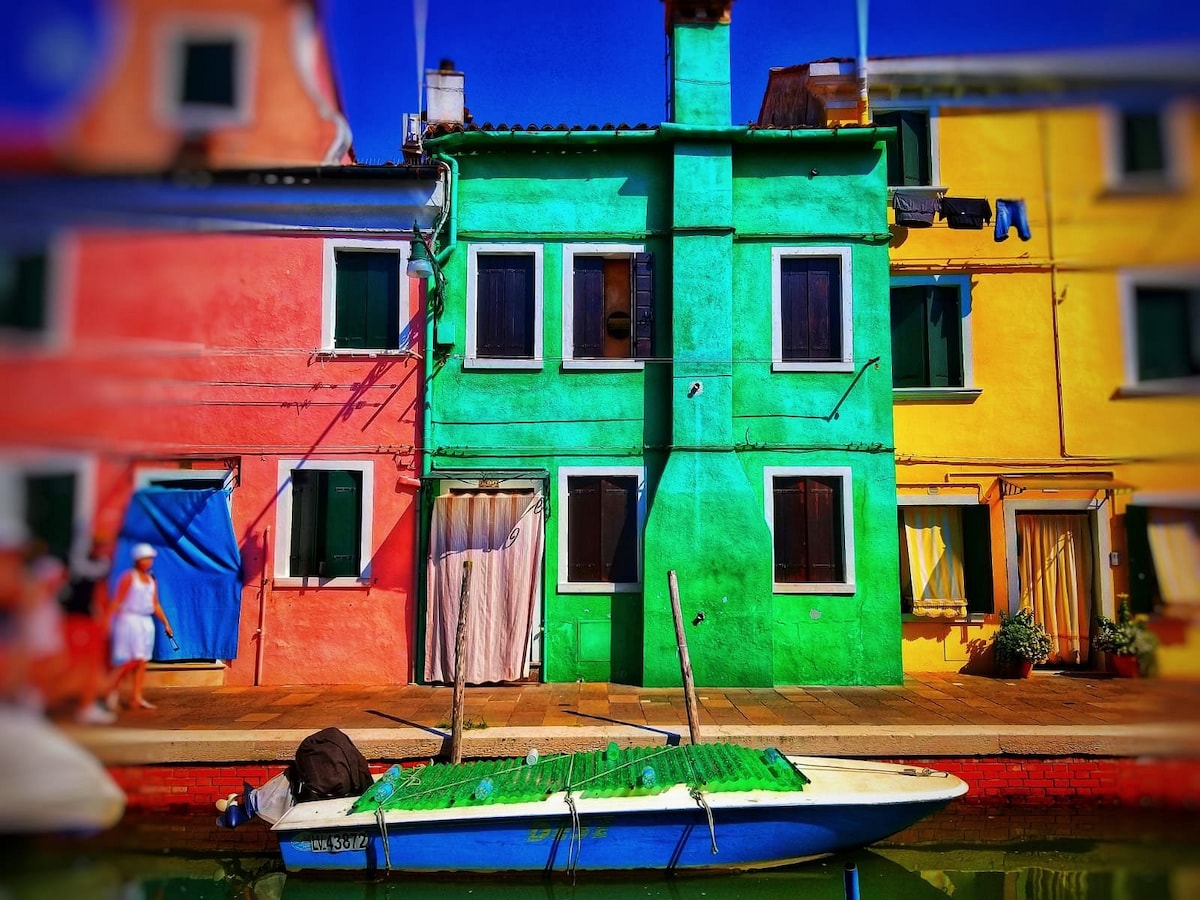
Murano Burano Torcello with a Local
Mon, Mar 2 • 9:00 AM
N/A 30100, Venice, Veneto, Italy
View details
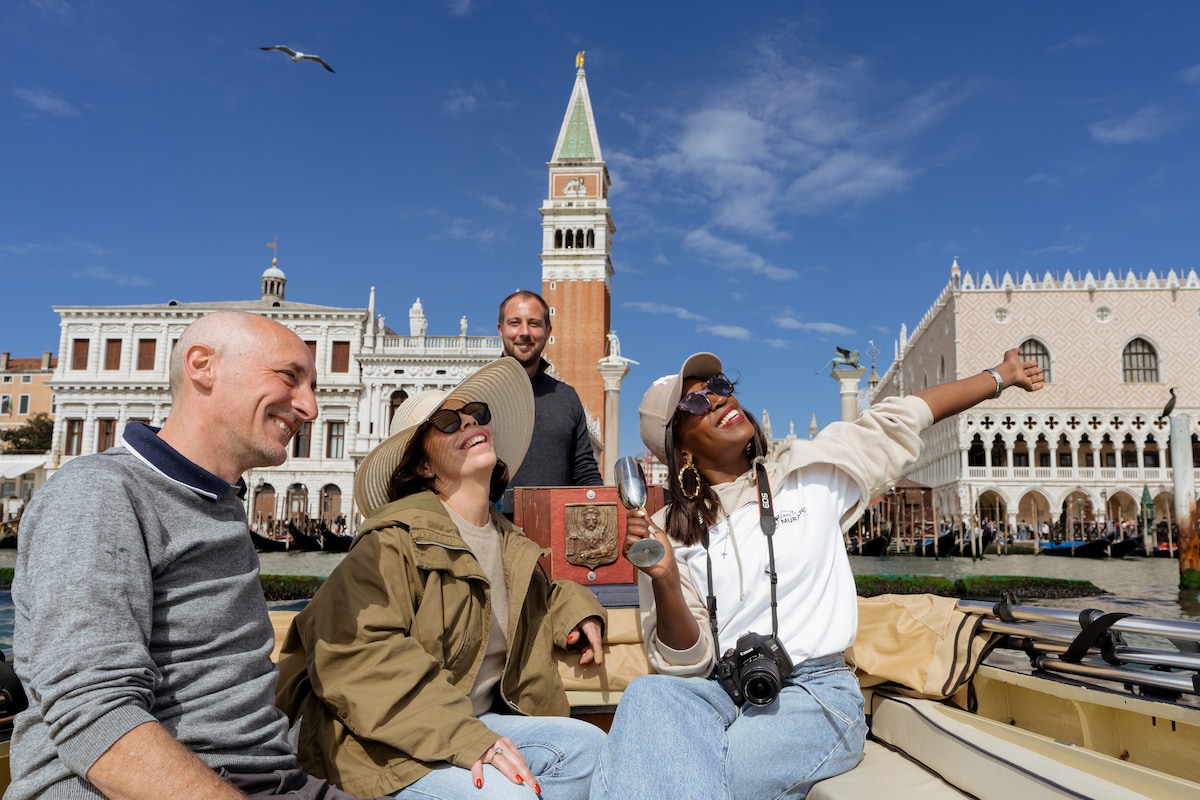
See the beauty of Venice
Fri, Feb 27 • 1:00 PM
30121, Venice, Veneto, Italy
View details
Nearby attractions of Punta della Dogana - Pinault Collection
Basilica di Santa Maria della Salute
Piazza San Marco
Doge's Palace
Giardini Reali
Teatro La Fenice
St Mark's Campanile
Peggy Guggenheim Collection
Museo Correr
Saint Mark's Basilica
Chiesa Parrocchiale di San Moisè
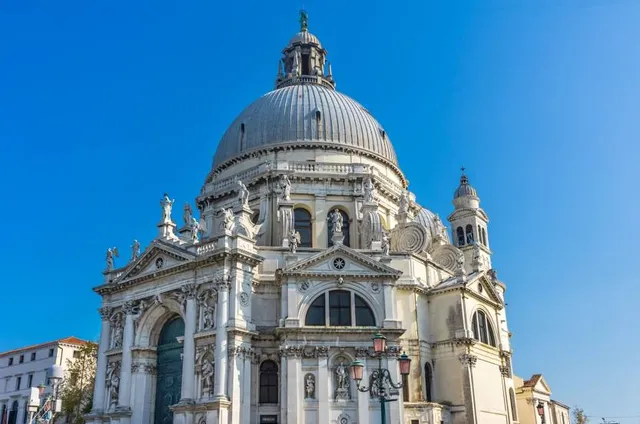
Basilica di Santa Maria della Salute
4.7
(5.4K)
Closed
Click for details
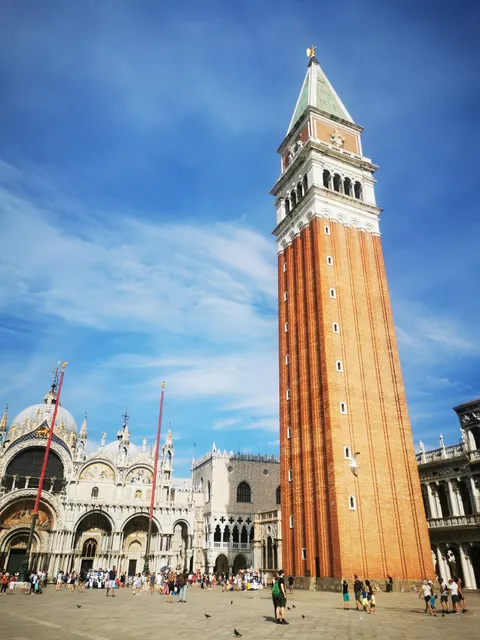
Piazza San Marco
4.7
(57.3K)
Open 24 hours
Click for details
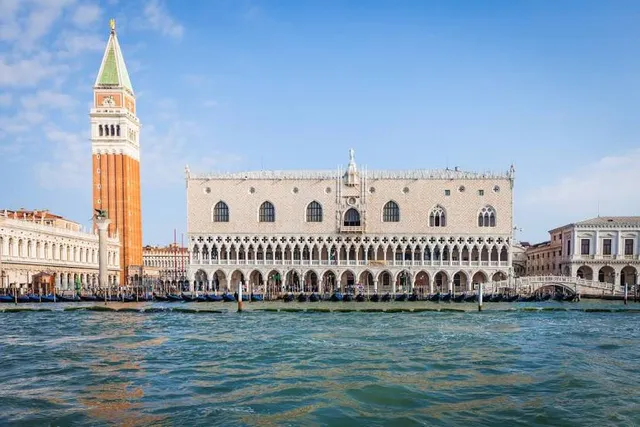
Doge's Palace
4.7
(13.2K)
Open until 10:00 PM
Click for details

Giardini Reali
4.5
(1.1K)
Open until 5:00 PM
Click for details
Nearby restaurants of Punta della Dogana - Pinault Collection
Harry's Bar
Gio's
Ombra del Leone
Caffè Florian
پیتزایی
Ristorante Lineadombra
illy Caffè
Al Grill
Restaurant La caravella
Hard Rock Cafe
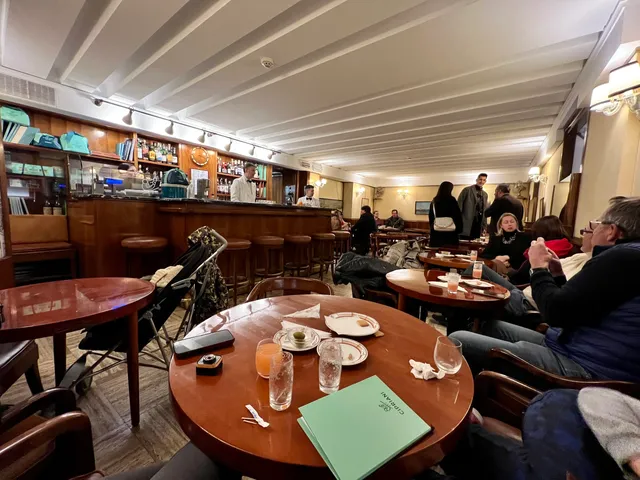
Harry's Bar
3.6
(1.8K)
$$$$
Open until 11:00 PM
Click for details
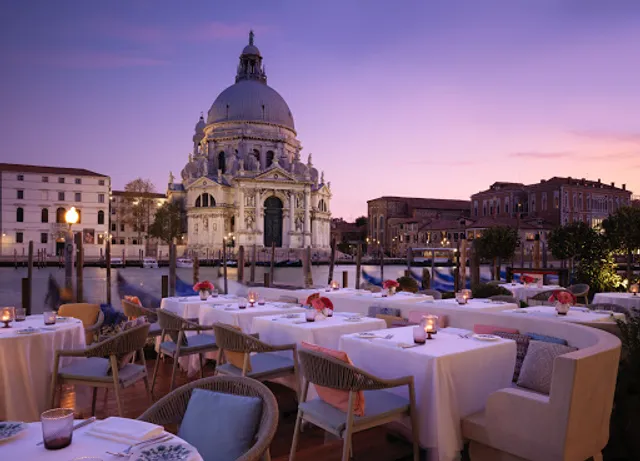
Gio's
4.5
(343)
Closed
Click for details
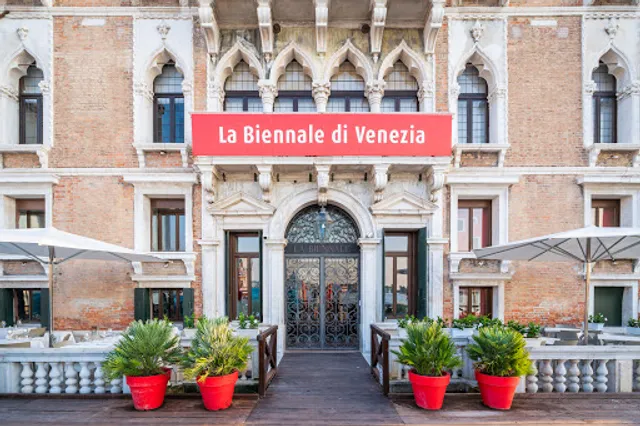
Ombra del Leone
4.1
(244)
Open until 11:00 PM
Click for details
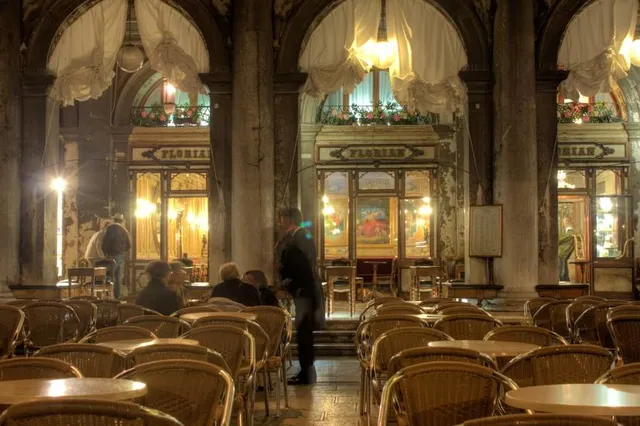
Caffè Florian
3.9
(3K)
Open until 11:00 PM
Click for details
Nearby local services of Punta della Dogana - Pinault Collection
St. Mark's Square
Biblioteca Nazionale Marciana
Louis Vuitton Venice
Parish Church of Saint Moisè( Venice)
Cartier
Ateliers
Zara
Gucci - Venezia
National Archeological Museum
Tiffany & Co.
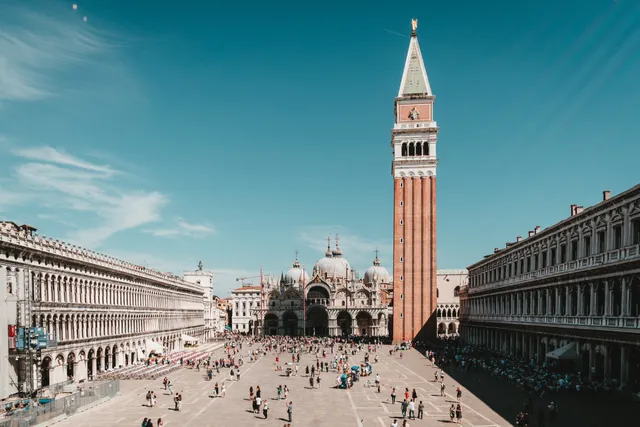
St. Mark's Square
4.7
(52.9K)
Click for details
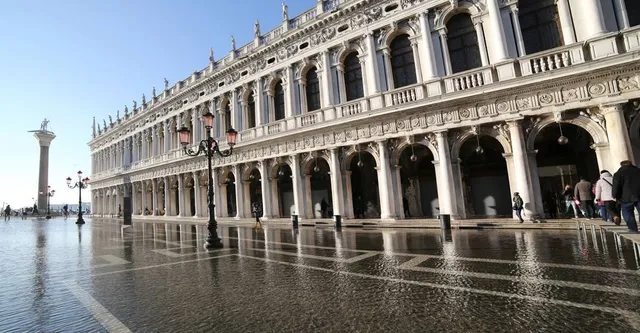
Biblioteca Nazionale Marciana
4.1
(3K)
Click for details
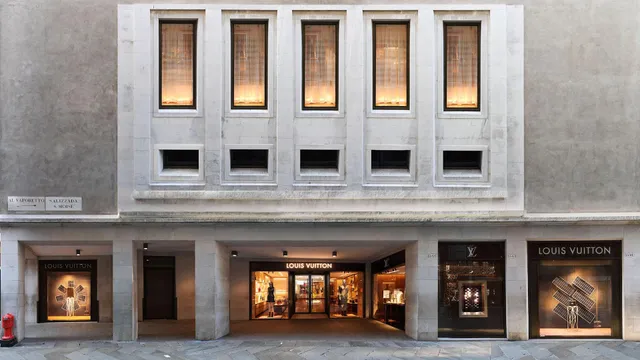
Louis Vuitton Venice
4.2
(554)
Click for details
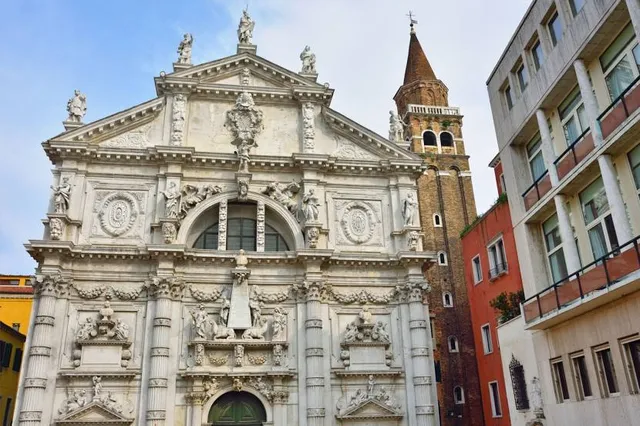
Parish Church of Saint Moisè( Venice)
4.6
(402)
Click for details