Museo Archeologico al Teatro Romano things to do, attractions, restaurants, events info and trip planning
Basic Info
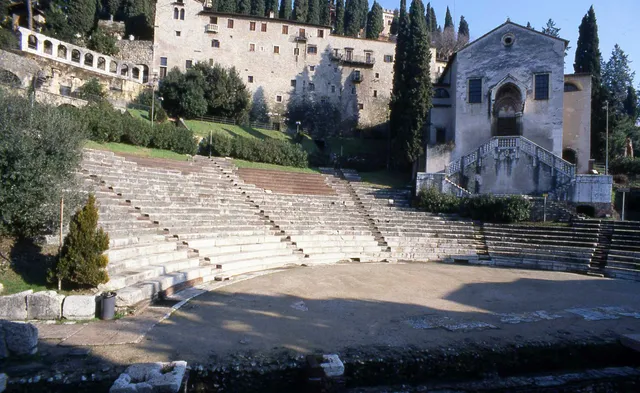
Museo Archeologico al Teatro Romano
Rigaste Redentore, 2, 37129 Verona VR, Italy
4.5(2K)
Open until 12:00 AM


tickets
Save
spot
spot
Ratings & Description
Info
Cultural
Entertainment
Scenic
Family friendly
Accessibility
attractions: Ponte Pietra, Castel San Pietro, Funicolare di Castel San Pietro, Basilica di Santa Anastasia, Punto panoramico, Cattedrale di Santa Maria Matricolare, Juliet’s House, San Giovanni in Valle, Piazza delle Erbe, Piazza dei Signori, restaurants: Ristorante Redentore, Re Teodorico, Cappa Café, Terrazza Bar al Ponte, Alcova del Frate, Focacceria Genovese, BUNS, Gelateria Ponte Pietra Verona, Osteria Ponte Pietra Ristorante, Ai Mascheroni Ristorante Osteria, local businesses: Teatro romano de Verona, Piazzale Castel S. Pietro, Igreja dos Santos Ciro e Líbera, Osteria Bastian Contrario, Piazza Sant'anastasia, 4, Parcheggio Castel S.Pietro punto panoramico, Lo Scarabocchio Di Cestari Arrigo, Chiesa di Santo Stefano, Interrato dell'Acqua Morta, 66, Gelateria Ballini
 Learn more insights from Wanderboat AI.
Phone
+39 045 800 0360
Website
comune.verona.it
Open hoursSee all hours
Tue10 AM - 6 PMOpen
Plan your stay

Pet-friendly Hotels in Verona
Find a cozy hotel nearby and make it a full experience.

Affordable Hotels in Verona
Find a cozy hotel nearby and make it a full experience.

The Coolest Hotels You Haven't Heard Of (Yet)
Find a cozy hotel nearby and make it a full experience.

Trending Stays Worth the Hype in Verona
Find a cozy hotel nearby and make it a full experience.
Reviews
Live events

Gelato making Class in Verona
Tue, Feb 24 • 3:30 PM
37122, Verona, Veneto, Italy
View details
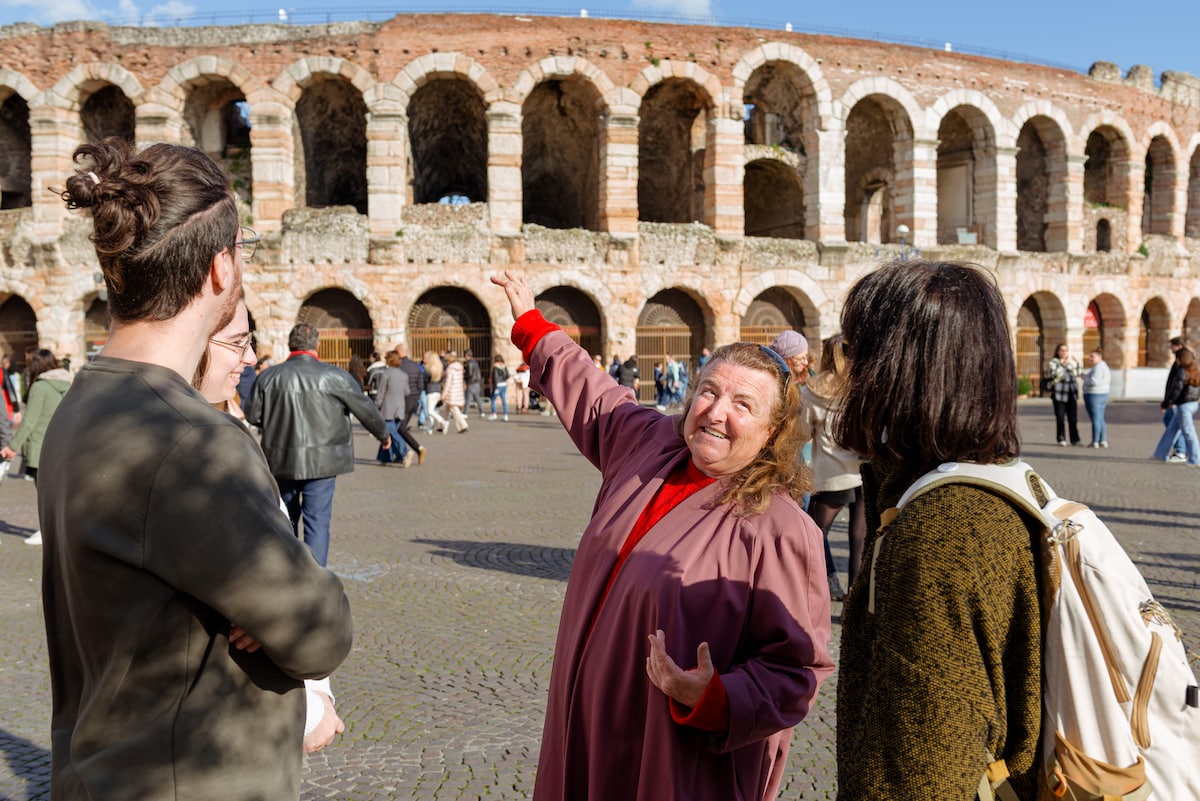
Live the true history of Verona
Wed, Feb 25 • 1:30 PM
37121, Verona, Veneto, Italy
View details
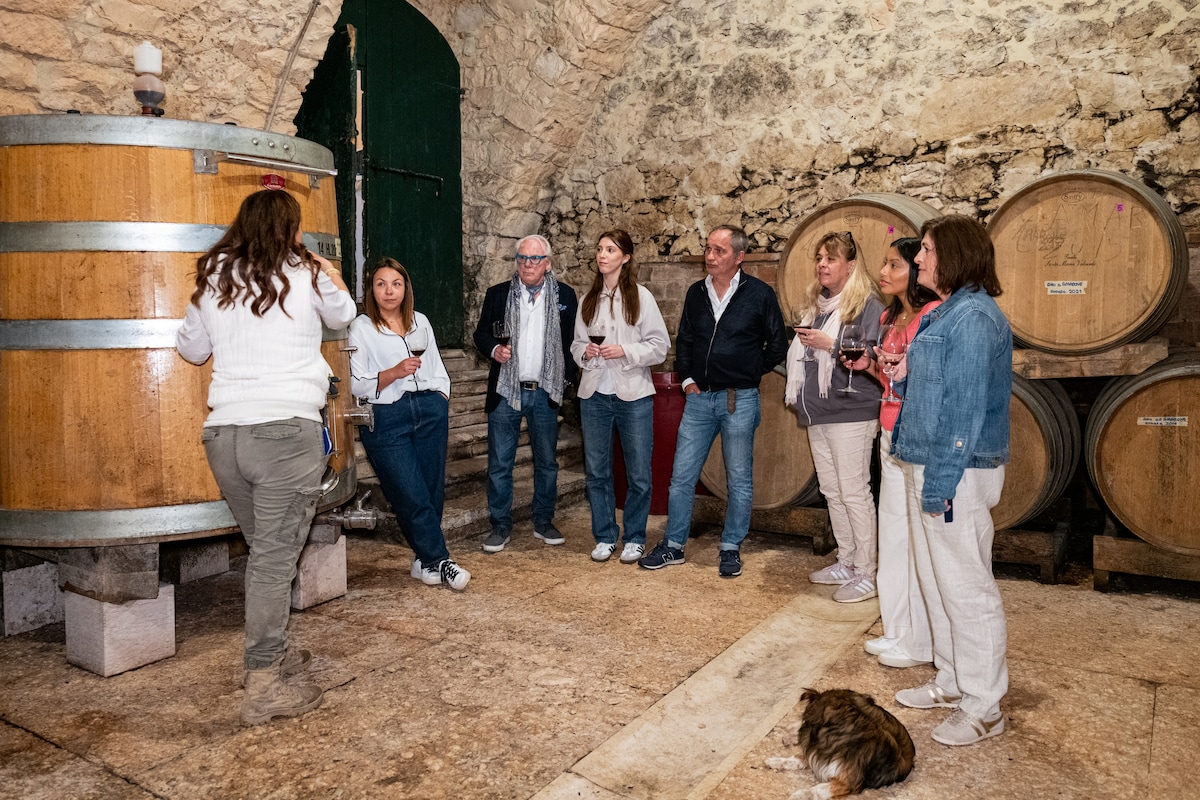
Discover Valpolicella: vineyards and wine
Wed, Feb 25 • 10:30 AM
37020, Marano di Valpolicella, Veneto, Italy
View details
Nearby attractions of Museo Archeologico al Teatro Romano
Ponte Pietra
Castel San Pietro
Funicolare di Castel San Pietro
Basilica di Santa Anastasia
Punto panoramico
Cattedrale di Santa Maria Matricolare
Juliet’s House
San Giovanni in Valle
Piazza delle Erbe
Piazza dei Signori
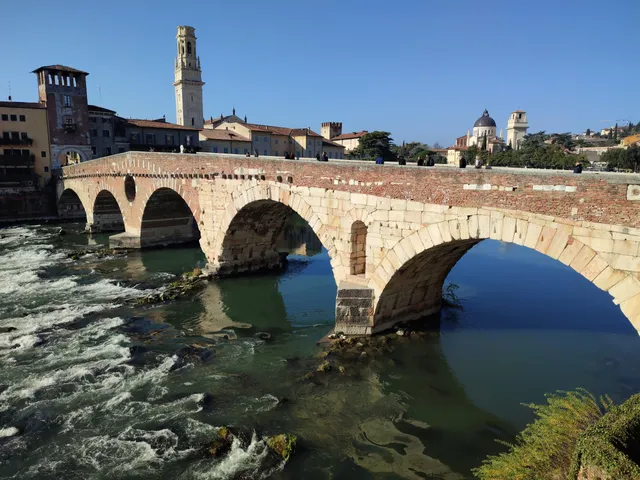
Ponte Pietra
4.7
(6.7K)
Open until 12:00 AM
Click for details
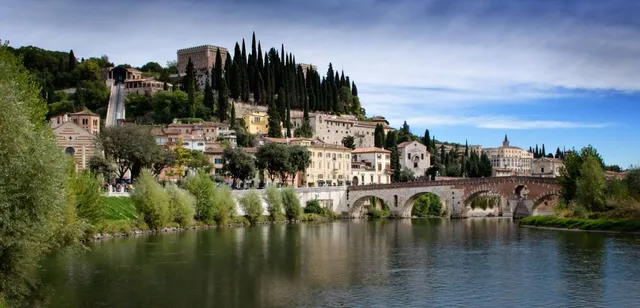
Castel San Pietro
4.7
(3.7K)
Closed
Click for details
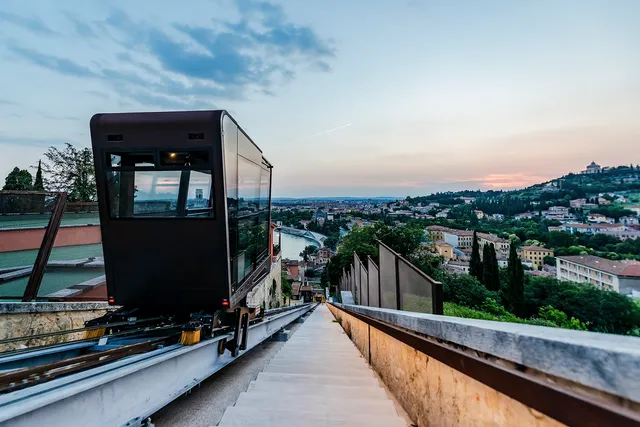
Funicolare di Castel San Pietro
4.5
(1.4K)
Open until 5:00 PM
Click for details
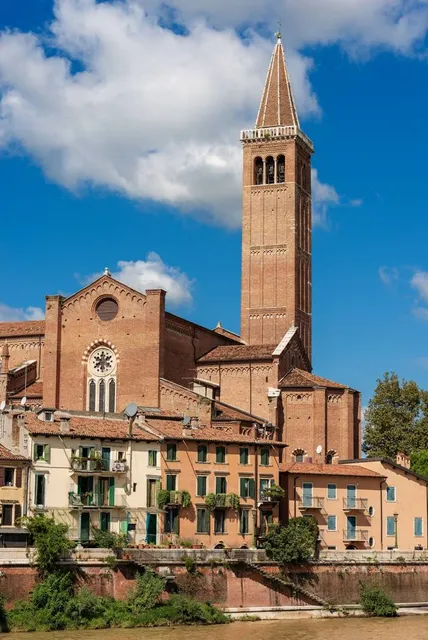
Basilica di Santa Anastasia
4.7
(2.5K)
Open until 5:00 PM
Click for details
Nearby restaurants of Museo Archeologico al Teatro Romano
Ristorante Redentore
Re Teodorico
Cappa Café
Terrazza Bar al Ponte
Alcova del Frate
Focacceria Genovese
BUNS
Gelateria Ponte Pietra Verona
Osteria Ponte Pietra Ristorante
Ai Mascheroni Ristorante Osteria

Ristorante Redentore
4.2
(562)
Open until 12:00 AM
Click for details
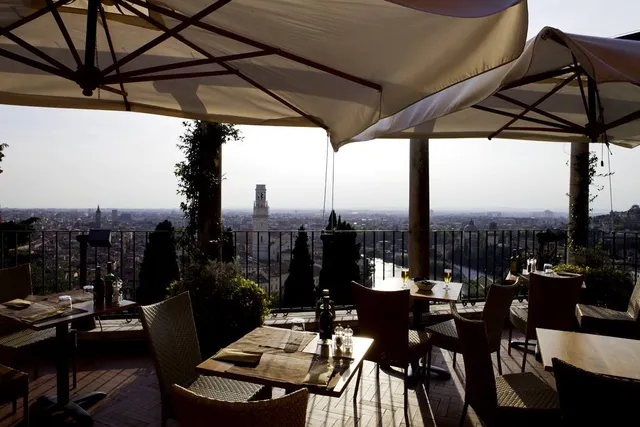
Re Teodorico
4.3
(1.6K)
$$
Open until 12:00 AM
Click for details
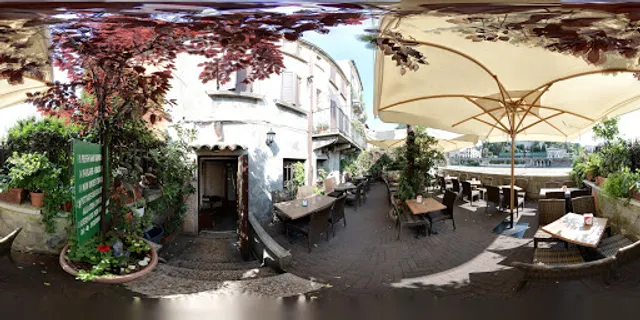
Cappa Café
4.2
(1.3K)
Open until 1:00 AM
Click for details
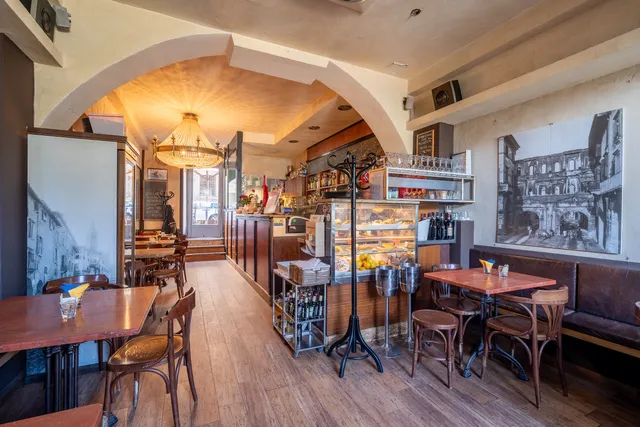
Terrazza Bar al Ponte
4.4
(1.1K)
Open until 3:00 AM
Click for details
Nearby local services of Museo Archeologico al Teatro Romano
Teatro romano de Verona
Piazzale Castel S. Pietro
Igreja dos Santos Ciro e Líbera
Osteria Bastian Contrario
Piazza Sant'anastasia, 4
Parcheggio Castel S.Pietro punto panoramico
Lo Scarabocchio Di Cestari Arrigo
Chiesa di Santo Stefano
Interrato dell'Acqua Morta, 66
Gelateria Ballini
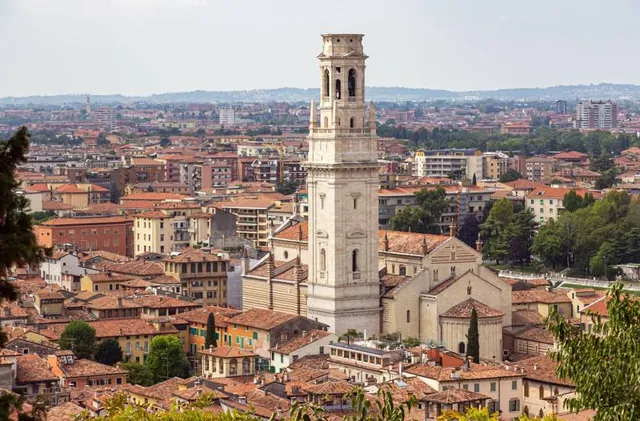
Teatro romano de Verona
4.5
(1.8K)
Click for details
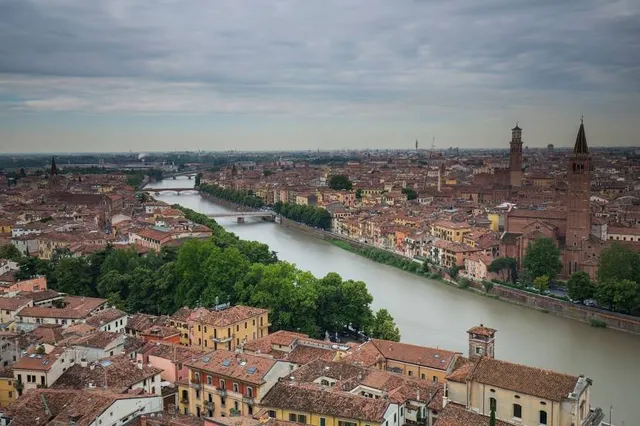
Piazzale Castel S. Pietro
4.9
(102)
Click for details
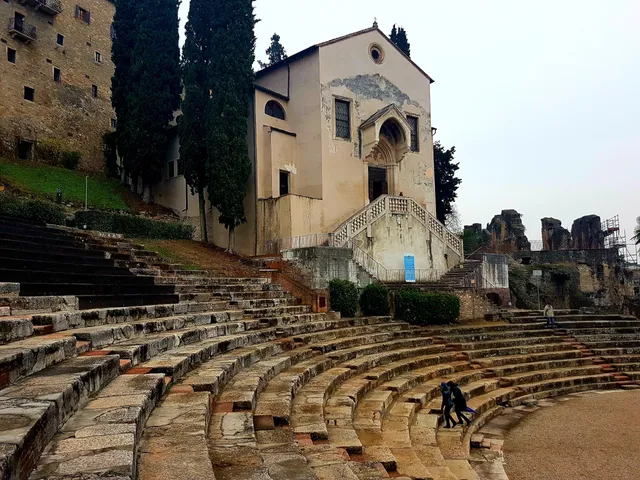
Igreja dos Santos Ciro e Líbera
4.5
(28)
Click for details

Osteria Bastian Contrario
4.2
(210)
Click for details