HTML SitemapExplore
logo
Find Things to DoFind The Best Restaurants

Stone Wall Air Raid Damage — Attraction in Osaka

Name
Stone Wall Air Raid Damage
Description
Nearby attractions
Osaka Castle
1-1 Osakajo, Chuo Ward, Osaka, 540-0002, Japan
Osaka Castle Park
1-1 Osakajo, Chuo Ward, Osaka, 540-0002, Japan
Osaka Castle Main Tower (Osaka Castle Museum)
1-1 Osakajo, Chuo Ward, Osaka, 540-0002, Japan
Nishinomaru Garden - Osaka Castle
2 Osakajo, Chuo Ward, Osaka, 540-0002, Japan
Osaka Castle’s Plum Grove
2 Osakajo, Chuo Ward, Osaka, 540-0002, Japan
Gokuraku-bashi Bridge
1 Osakajo, Chuo Ward, Osaka, 540-0002, Japan
Toyotomi Hideyori & Yododono Suicide Location
1 Osakajo, Chuo Ward, Osaka, 540-0002, Japan
Zannen-ishi
1-1 Osakajo, Chuo Ward, Osaka, 540-0002, Japan
Kimmeisui Well Roof
1-1 Osakajo, Chuo Ward, Osaka, 540-0002, Japan
Kakushi-kuruwa Bailey
1-1 Osakajo, Chuo Ward, Osaka, 540-0002, Japan
Nearby restaurants
BLUE BIRDS ROOF TOP TERRACE
Japan, 〒540-0002 Osaka, Chuo Ward, Osakajo, 1−1 MIRAIZA OSAKA-JO内 ROOFTOP
crossfield with TERRACE LOUNGE
Japan, 〒540-0002 Osaka, Chuo Ward, Osakajo, 1−1 MIRAIZA OSAKA-JO内 2階
The Konamon Bar Rikyu
Japan, 〒540-0002 Osaka, Chuo Ward, Osakajo, 1−1 MIRAIZA OSAKA-JO1階
Osaka Geihinkan
2 Osakajo, Chuo Ward, Osaka, 540-0002, Japan
Restaurant RASPBERRY with MOON BAR
Japan, 〒540-0002 Osaka, Chuo Ward, Osakajo, 1−1 MIRAIZA OSAKA-JO内 3階
Suwaki Kouraku, Chuka-soba Osakajo
Japan, 〒540-0002 Osaka, Chuo Ward, Osakajo, 3−1 Osaka Castle Park, 内 JO-TERRACE OSAKA E TERRACE 2F
Dan Le Ciel
Japan, 〒534-0025 Osaka, Miyakojima Ward, Katamachi, 1 Chome−7−19 都島フレールビル
Italian Dining Natura
Japan, 〒540-0002 Osaka, Chuo Ward, Osakajo, 3−1−B TERRE-a-S 103
goodspoon
Japan, 〒540-0002 Osaka, Chuo Ward, Osakajo, 3−1 ジョーテラス大阪 2F
Dynamic Kitchen & Bar SUN OBP Twin Tower
Japan, 〒540-0001 Osaka, Chuo Ward, Shiromi, 2 Chome−1−61 ツイン21MIDタワ 38F
Related posts
Keywords
Stone Wall Air Raid Damage tourism.Stone Wall Air Raid Damage hotels.Stone Wall Air Raid Damage bed and breakfast. flights to Stone Wall Air Raid Damage.Stone Wall Air Raid Damage attractions.Stone Wall Air Raid Damage restaurants.Stone Wall Air Raid Damage travel.Stone Wall Air Raid Damage travel guide.Stone Wall Air Raid Damage travel blog.Stone Wall Air Raid Damage pictures.Stone Wall Air Raid Damage photos.Stone Wall Air Raid Damage travel tips.Stone Wall Air Raid Damage maps.Stone Wall Air Raid Damage things to do.
Stone Wall Air Raid Damage things to do, attractions, restaurants, events info and trip planning
Stone Wall Air Raid Damage
JapanOsaka PrefectureOsakaStone Wall Air Raid Damage

Basic Info

Stone Wall Air Raid Damage

1-1 Osakajo, Chuo Ward, Osaka, 540-0002, Japan
4.5(14)
Open 24 hours
Save
spot

Ratings & Description

Info

Cultural
attractions: Osaka Castle, Osaka Castle Park, Osaka Castle Main Tower (Osaka Castle Museum), Nishinomaru Garden - Osaka Castle, Osaka Castle’s Plum Grove, Gokuraku-bashi Bridge, Toyotomi Hideyori & Yododono Suicide Location, Zannen-ishi, Kimmeisui Well Roof, Kakushi-kuruwa Bailey, restaurants: BLUE BIRDS ROOF TOP TERRACE, crossfield with TERRACE LOUNGE, The Konamon Bar Rikyu, Osaka Geihinkan, Restaurant RASPBERRY with MOON BAR, Suwaki Kouraku, Chuka-soba Osakajo, Dan Le Ciel, Italian Dining Natura, goodspoon, Dynamic Kitchen & Bar SUN OBP Twin Tower
logoLearn more insights from Wanderboat AI.
Website
osakacastlepark.jp

Plan your stay

hotel
Pet-friendly Hotels in Osaka
Find a cozy hotel nearby and make it a full experience.

hotel
Affordable Hotels in Osaka
Find a cozy hotel nearby and make it a full experience.

hotel
The Coolest Hotels You Haven't Heard Of (Yet)
Find a cozy hotel nearby and make it a full experience.

hotel
Trending Stays Worth the Hype in Osaka
Find a cozy hotel nearby and make it a full experience.

Reviews

Nearby attractions of Stone Wall Air Raid Damage

Osaka Castle

Osaka Castle Park

Osaka Castle Main Tower (Osaka Castle Museum)

Nishinomaru Garden - Osaka Castle

Osaka Castle’s Plum Grove

Gokuraku-bashi Bridge

Toyotomi Hideyori & Yododono Suicide Location

Zannen-ishi

Kimmeisui Well Roof

Kakushi-kuruwa Bailey
Osaka Castle

Osaka Castle

4.4

(30.8K)

Open 24 hours
Click for details
Osaka Castle Park

Osaka Castle Park

4.4

(17.9K)

Open 24 hours
Click for details
Osaka Castle Main Tower (Osaka Castle Museum)

Osaka Castle Main Tower (Osaka Castle Museum)

4.5

(2.4K)

Open 24 hours
Click for details
Nishinomaru Garden - Osaka Castle

Nishinomaru Garden - Osaka Castle

4.2

(1.1K)

Open 24 hours
Click for details

Things to do nearby

Osaka Shinsekai/Dotombori Walking Tour
Fri, Dec 5 • 6:00 PM
556-0003, Osaka, Osaka, Japan
View details
Hotspots & Hidden Gems of Osaka with Local Snack
Fri, Dec 5 • 6:30 PM
542-0076, Osaka, Osaka, Japan
View details
Nara Park and Hidden Gems Walking Tour
Sat, Dec 6 • 9:30 AM
630-8214, Nara, Nara, Japan
View details

Nearby restaurants of Stone Wall Air Raid Damage

BLUE BIRDS ROOF TOP TERRACE

crossfield with TERRACE LOUNGE

The Konamon Bar Rikyu

Osaka Geihinkan

Restaurant RASPBERRY with MOON BAR

Suwaki Kouraku, Chuka-soba Osakajo

Dan Le Ciel

Italian Dining Natura

goodspoon

Dynamic Kitchen & Bar SUN OBP Twin Tower

BLUE BIRDS ROOF TOP TERRACE

BLUE BIRDS ROOF TOP TERRACE

3.2

(257)

$$

Click for details
crossfield with TERRACE LOUNGE

crossfield with TERRACE LOUNGE

4.1

(194)

$$

Click for details
The Konamon Bar Rikyu

The Konamon Bar Rikyu

3.3

(136)

Click for details
Osaka Geihinkan

Osaka Geihinkan

4.1

(138)

Click for details
Get the Appoverlay
Get the AppOne tap to find yournext favorite spots!
Wanderboat LogoWanderboat

Your everyday Al companion for getaway ideas

CompanyAbout Us
InformationAI Trip PlannerSitemap
SocialXInstagramTiktokLinkedin
LegalTerms of ServicePrivacy Policy

Get the app

© 2025 Wanderboat. All rights reserved.
logo

Posts

Azmi MahamadAzmi Mahamad
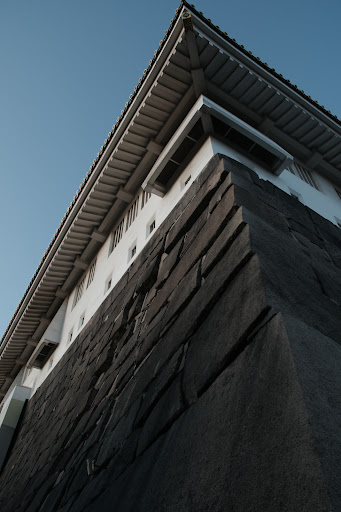
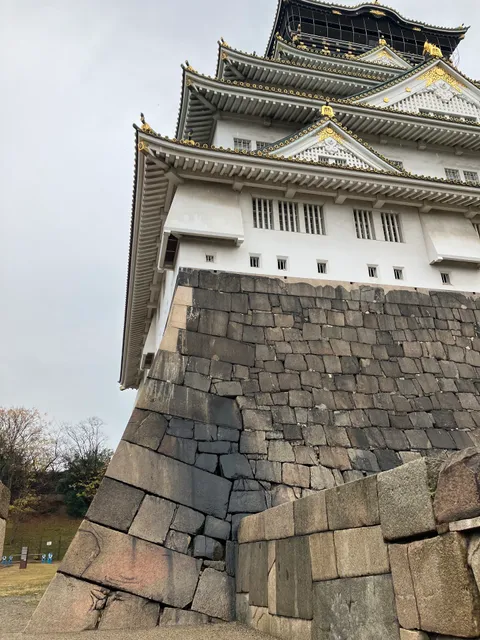
Where Edo-Era Strategy Meets the Scars of Modern War After leaving the main tower of Osaka Castle on a grey, rain-slicked afternoon of 11 August 2025, I wandered northward toward Yamazato-guchi Demasugata. The drizzle had settled into a fine mist, beading on the castle’s massive granite blocks, drawing out their deep, weathered hues. This square, once a strategic passage connecting the Honmaru (Inner Bailey) to Yamazato-maru Bailey, was no simple walkway — it was a Tokugawa-era defensive trap, a protruding masugata designed to expose intruders to crossfire before they could breach the heart of the castle. Even in the quiet of the rain, its intent was clear: a place where geometry served as both invitation and warning. From here, my steps brought me to a stark reminder that Osaka Castle is not merely a monument to samurai strategy, but also a silent witness to the violence of the 20th century. On 14 August 1945 — just one day before Japan’s surrender — the United States launched its final air raid on Osaka. The target was the munitions factories surrounding the castle, but one of the bombs, weighing a ton, fell beside the main tower on the northeastern side. The shockwave did not topple the Tenshukaku thanks to the concrete and steel supports added during its 1931 reconstruction, yet the stone wall at its base absorbed the force — and still bears the wounds. Standing before it now, I could see exactly what the plaque described. Large granite blocks, once perfectly aligned in Tokugawa precision, have shifted like teeth jarred loose by a blow. Some lean imperceptibly forward, others jut at awkward angles, creating gaps wide enough for moss and stubborn plants to take root. A deep diagonal buckle runs upward through the lower courses, a frozen ripple in stone caused by the bomb’s impact. Dark vertical stains streak the granite, rainwater tracing over eighty years of weathering, while the misaligned joints betray the violence of that single moment. The damage is not patched or hidden. It has been stabilised, yes, but left visible — a deliberate choice so that the stones themselves can speak. Here, two histories converge: the calculated architectural defenses of the Edo period and the raw, unplanned fracture lines of modern warfare. In the stillness of the rain, the wall seemed almost to breathe, holding centuries of vigilance, survival, and memory in its silent mass.
Ahmed “Hómēros” Al-RahbiAhmed “Hómēros” Al-Rahbi
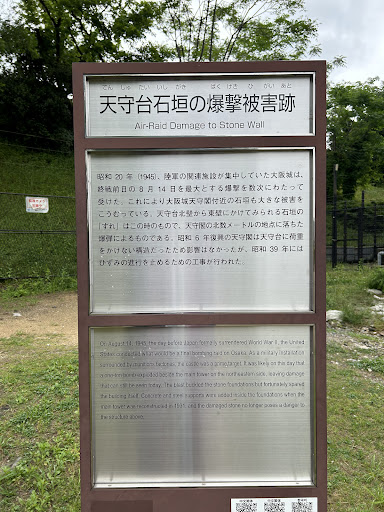
Air-Raid Damage to Stone Wall (Site of Air-Raid Damage to the Castle’s Stone Wall) Translated Japanese Text: In Shōwa 20 (1945), Osaka Castle housed many facilities related to the Japanese Army. Towards the end of the war, the castle was subjected to a series of heavy air raids, culminating on August 14, 1945—the very day before the end of the war. As a result, the stone walls surrounding the castle’s main keep (Tenshukaku) suffered significant damage. Among these, the “displacement” or “shift” of stones visible along the northeastern wall is the result of a bomb that fell several meters north of the keep. It is worth noting that the keep, which had been reconstructed in Shōwa 6 (1931), was built in a way that placed no direct load on the stone foundations. Therefore, the structure itself was not affected by the blast. However, the problem of displaced stones in the foundation persisted, and in Shōwa 39 (1964), repair work was carried out to prevent further cracks and slippage. ⸻ Analysis 1. Historical Context: The plaque documents the American bombing of Osaka in August 1945, part of the intensive air raids on Japanese cities before the official surrender on August 15, 1945. 2. Impact on the Castle: • The bombing caused damage mainly to the stone walls, not to the keep itself, thanks to the modern construction techniques used during its 1931 reconstruction. • The displacement of stones still visible today is a direct trace of that raid. 3. Significance of the Plaque: • It shows that even historical landmarks were not spared from the war, even if they were not direct military targets. • It also reflects the importance of postwar restoration, as Japan continued to repair and preserve these cultural symbols during its national reconstruction efforts. 4. Message: The plaque is not just a technical explanation but a living historical testimony that connects the past (war) to the present (peace), reminding visitors of the horrors of war and the importance of preserving cultural heritage.
Junk TK_Junk TK_
前大戦時、ここ大阪城には旧陸軍関連施設が多かったため、大戦末期には空襲を何度も受けたそうです。 ここでは、米軍爆撃機が投下した1トン爆弾が至近で炸裂し、その衝撃で石垣がずれてしまったとのこと。 確かに、城壁が凹んでいるように見える箇所があります。
See more posts
See more posts
hotel
Find your stay

Pet-friendly Hotels in Osaka

Find a cozy hotel nearby and make it a full experience.

Where Edo-Era Strategy Meets the Scars of Modern War After leaving the main tower of Osaka Castle on a grey, rain-slicked afternoon of 11 August 2025, I wandered northward toward Yamazato-guchi Demasugata. The drizzle had settled into a fine mist, beading on the castle’s massive granite blocks, drawing out their deep, weathered hues. This square, once a strategic passage connecting the Honmaru (Inner Bailey) to Yamazato-maru Bailey, was no simple walkway — it was a Tokugawa-era defensive trap, a protruding masugata designed to expose intruders to crossfire before they could breach the heart of the castle. Even in the quiet of the rain, its intent was clear: a place where geometry served as both invitation and warning. From here, my steps brought me to a stark reminder that Osaka Castle is not merely a monument to samurai strategy, but also a silent witness to the violence of the 20th century. On 14 August 1945 — just one day before Japan’s surrender — the United States launched its final air raid on Osaka. The target was the munitions factories surrounding the castle, but one of the bombs, weighing a ton, fell beside the main tower on the northeastern side. The shockwave did not topple the Tenshukaku thanks to the concrete and steel supports added during its 1931 reconstruction, yet the stone wall at its base absorbed the force — and still bears the wounds. Standing before it now, I could see exactly what the plaque described. Large granite blocks, once perfectly aligned in Tokugawa precision, have shifted like teeth jarred loose by a blow. Some lean imperceptibly forward, others jut at awkward angles, creating gaps wide enough for moss and stubborn plants to take root. A deep diagonal buckle runs upward through the lower courses, a frozen ripple in stone caused by the bomb’s impact. Dark vertical stains streak the granite, rainwater tracing over eighty years of weathering, while the misaligned joints betray the violence of that single moment. The damage is not patched or hidden. It has been stabilised, yes, but left visible — a deliberate choice so that the stones themselves can speak. Here, two histories converge: the calculated architectural defenses of the Edo period and the raw, unplanned fracture lines of modern warfare. In the stillness of the rain, the wall seemed almost to breathe, holding centuries of vigilance, survival, and memory in its silent mass.
Azmi Mahamad

Azmi Mahamad

hotel
Find your stay

Affordable Hotels in Osaka

Find a cozy hotel nearby and make it a full experience.

Get the Appoverlay
Get the AppOne tap to find yournext favorite spots!
Air-Raid Damage to Stone Wall (Site of Air-Raid Damage to the Castle’s Stone Wall) Translated Japanese Text: In Shōwa 20 (1945), Osaka Castle housed many facilities related to the Japanese Army. Towards the end of the war, the castle was subjected to a series of heavy air raids, culminating on August 14, 1945—the very day before the end of the war. As a result, the stone walls surrounding the castle’s main keep (Tenshukaku) suffered significant damage. Among these, the “displacement” or “shift” of stones visible along the northeastern wall is the result of a bomb that fell several meters north of the keep. It is worth noting that the keep, which had been reconstructed in Shōwa 6 (1931), was built in a way that placed no direct load on the stone foundations. Therefore, the structure itself was not affected by the blast. However, the problem of displaced stones in the foundation persisted, and in Shōwa 39 (1964), repair work was carried out to prevent further cracks and slippage. ⸻ Analysis 1. Historical Context: The plaque documents the American bombing of Osaka in August 1945, part of the intensive air raids on Japanese cities before the official surrender on August 15, 1945. 2. Impact on the Castle: • The bombing caused damage mainly to the stone walls, not to the keep itself, thanks to the modern construction techniques used during its 1931 reconstruction. • The displacement of stones still visible today is a direct trace of that raid. 3. Significance of the Plaque: • It shows that even historical landmarks were not spared from the war, even if they were not direct military targets. • It also reflects the importance of postwar restoration, as Japan continued to repair and preserve these cultural symbols during its national reconstruction efforts. 4. Message: The plaque is not just a technical explanation but a living historical testimony that connects the past (war) to the present (peace), reminding visitors of the horrors of war and the importance of preserving cultural heritage.
Ahmed “Hómēros” Al-Rahbi

Ahmed “Hómēros” Al-Rahbi

hotel
Find your stay

The Coolest Hotels You Haven't Heard Of (Yet)

Find a cozy hotel nearby and make it a full experience.

hotel
Find your stay

Trending Stays Worth the Hype in Osaka

Find a cozy hotel nearby and make it a full experience.

前大戦時、ここ大阪城には旧陸軍関連施設が多かったため、大戦末期には空襲を何度も受けたそうです。 ここでは、米軍爆撃機が投下した1トン爆弾が至近で炸裂し、その衝撃で石垣がずれてしまったとのこと。 確かに、城壁が凹んでいるように見える箇所があります。
Junk TK_

Junk TK_

See more posts
See more posts

Reviews of Stone Wall Air Raid Damage

4.5
(14)
avatar
5.0
16w

Where Edo-Era Strategy Meets the Scars of Modern War

After leaving the main tower of Osaka Castle on a grey, rain-slicked afternoon of 11 August 2025, I wandered northward toward Yamazato-guchi Demasugata. The drizzle had settled into a fine mist, beading on the castle’s massive granite blocks, drawing out their deep, weathered hues. This square, once a strategic passage connecting the Honmaru (Inner Bailey) to Yamazato-maru Bailey, was no simple walkway — it was a Tokugawa-era defensive trap, a protruding masugata designed to expose intruders to crossfire before they could breach the heart of the castle. Even in the quiet of the rain, its intent was clear: a place where geometry served as both invitation and warning.

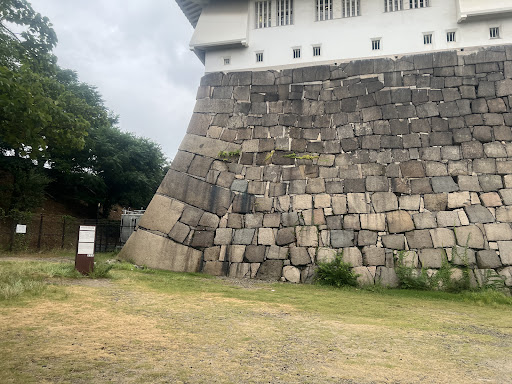
From here, my steps brought me to a stark reminder that Osaka Castle is not merely a monument to samurai strategy, but also a silent witness to the violence of the 20th century. On 14 August 1945 — just one day before Japan’s surrender — the United States launched its final air raid on Osaka. The target was the munitions factories surrounding the castle, but one of the bombs, weighing a ton, fell beside the main tower on the northeastern side. The shockwave did not topple the Tenshukaku thanks to the concrete and steel supports added during its 1931 reconstruction, yet the stone wall at its base absorbed the force — and still bears the wounds.

Standing before it now, I could see exactly what the plaque described. Large granite blocks, once perfectly aligned in Tokugawa precision, have shifted like teeth jarred loose by a blow. Some lean imperceptibly forward, others jut at awkward angles, creating gaps wide enough for moss and stubborn plants to take root. A deep diagonal buckle runs upward through the lower courses, a frozen ripple in stone caused by the bomb’s impact. Dark vertical stains streak the granite, rainwater tracing over eighty years of weathering, while the misaligned joints betray the violence of that single moment.

The damage is not patched or hidden. It has been stabilised, yes, but left visible — a deliberate choice so that the stones themselves can speak. Here, two histories converge: the calculated architectural defenses of the Edo period and the raw, unplanned fracture lines of modern warfare. In the stillness of the rain, the wall seemed almost to breathe, holding centuries of vigilance, survival, and memory in its...

   Read more
avatar
5.0
10w

Air-Raid Damage to Stone Wall (Site of Air-Raid Damage to the Castle’s Stone Wall)

Translated Japanese Text:

In Shōwa 20 (1945), Osaka Castle housed many facilities related to the Japanese Army. Towards the end of the war, the castle was subjected to a series of heavy air raids, culminating on August 14, 1945—the very day before the end of the war.

As a result, the stone walls surrounding the castle’s main keep (Tenshukaku) suffered significant damage. Among these, the “displacement” or “shift” of stones visible along the northeastern wall is the result of a bomb that fell several meters north of the keep.

It is worth noting that the keep, which had been reconstructed in Shōwa 6 (1931), was built in a way that placed no direct load on the stone foundations. Therefore, the structure itself was not affected by the blast. However, the problem of displaced stones in the foundation persisted, and in Shōwa 39 (1964), repair work was carried out to prevent further cracks and slippage.

⸻

Analysis Historical Context: The plaque documents the American bombing of Osaka in August 1945, part of the intensive air raids on Japanese cities before the official surrender on August 15, 1945. Impact on the Castle: • The bombing caused damage mainly to the stone walls, not to the keep itself, thanks to the modern construction techniques used during its 1931 reconstruction. • The displacement of stones still visible today is a direct trace of that raid. Significance of the Plaque: • It shows that even historical landmarks were not spared from the war, even if they were not direct military targets. • It also reflects the importance of postwar restoration, as Japan continued to repair and preserve these cultural symbols during its national reconstruction efforts. Message: The plaque is not just a technical explanation but a living historical testimony that connects the past (war) to the present (peace), reminding visitors of the horrors of war and the importance of preserving...

   Read more
avatar
4.0
2y

前大戦時、ここ大阪城には旧陸軍関連施設が多かったため、大戦末期には空襲を何度も受けたそうです。 ここでは、米軍爆撃機が投下した1トン爆弾が至近で炸裂し、その衝撃で石垣がずれてしまったとのこと。 確かに、城壁が凹んでいるよう...

   Read more
Page 1 of 4
Previous
Next