Kabuki-za things to do, attractions, restaurants, events info and trip planning
Basic Info
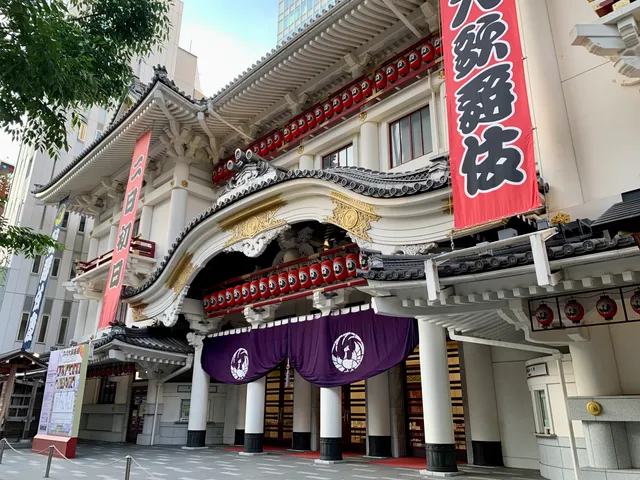
Kabuki-za
4 Chome-12-15 Ginza, Chuo City, Tokyo 104-0061, Japan
4.3(4.1K)
Open 24 hours
Save
spot
spot
Ratings & Description
Info
Kabuki-za in Ginza is the principal theater in Tokyo for the traditional kabuki drama form.
Cultural
Entertainment
Accessibility
attractions: Kabuki Inari Shrine, Shinbashi Enbujo Theatre, ART AQUARIUM MUSEUM, Tsukijigawa Ginza Park, Kabukiza Gallery & Kabukiza Hall, Mitsukoshi Ginza Terrace, Gallery Seizan, Ginza Canon Gallery, MRX Demon King's Sunday - Immersive Escape Game, Oji Hall, restaurants: Kissa You Ginza, ZEN PUNK MATCHA Tokyo Ginza, Kushikatsu Tanaka Higashiginza, Ginza Nair's Restaurant, MATCHA CAFE & STUDIO GINZA, Hidakaya Higashi-Ginza shop, Hidakaya Higashi-Ginza shop, Glitch Coffee and Roasters GINZA, Yakiniku no Meimon Tendan Ginza, Jugetsudo Tea Shop & Cafe, local businesses: KABUKIZA TOWER, GINZA SIX, OHARA PEARL TOKYO(オハラパール)銀座本店, Higashi-ginza Sta., Matsuya Ginza, 銀座やまう, ALTRA TOKYO GINZA, NPC 24 H GINZA KABUKIZA Parking Lot, Nissan Crossing, Sony Showroom/Sony Store Ginza
 Learn more insights from Wanderboat AI.
Phone
+81 3-3545-6800
Website
kabuki-za.co.jp
Plan your stay

Pet-friendly Hotels in Tokyo
Find a cozy hotel nearby and make it a full experience.

Affordable Hotels in Tokyo
Find a cozy hotel nearby and make it a full experience.

The Coolest Hotels You Haven't Heard Of (Yet)
Find a cozy hotel nearby and make it a full experience.

Trending Stays Worth the Hype in Tokyo
Find a cozy hotel nearby and make it a full experience.
Reviews
Live events
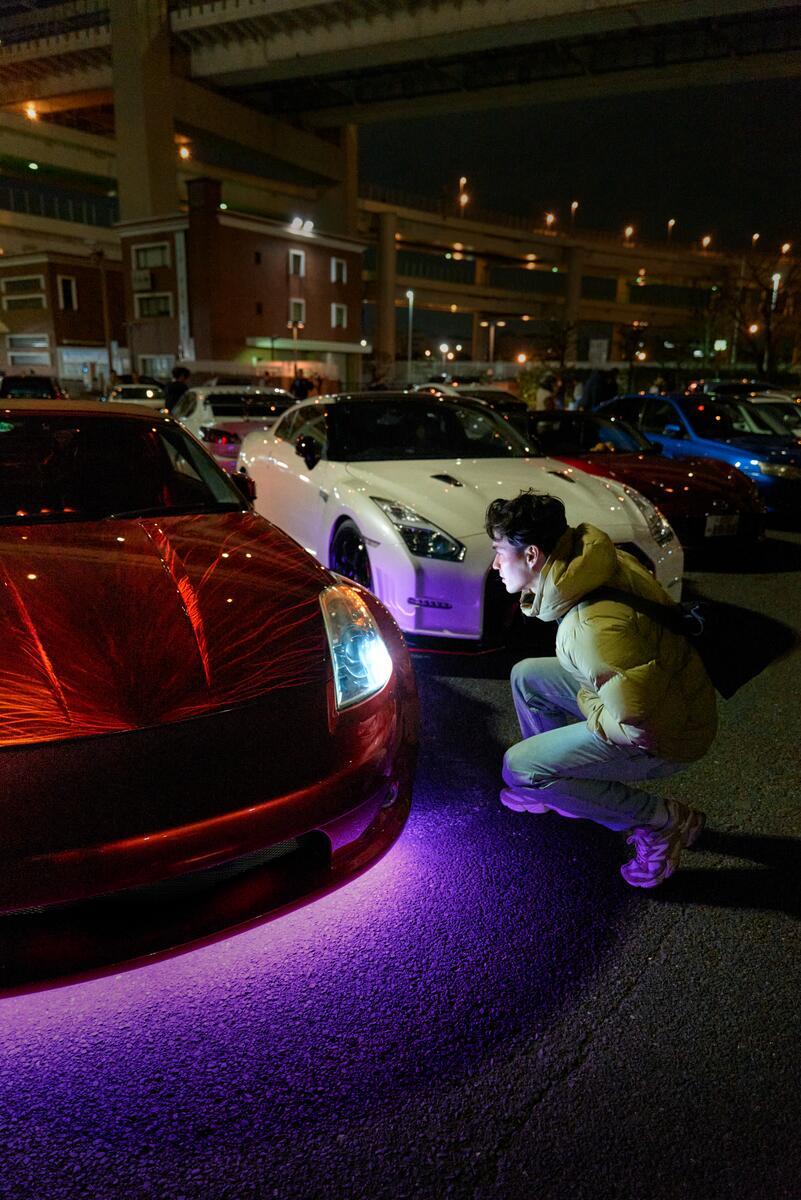
Drive Tokyo’s car culture in a Nissan Skyline
Fri, Feb 27 • 5:30 PM
150-0047, Tokyo Prefecture, Shibuya, Japan
View details
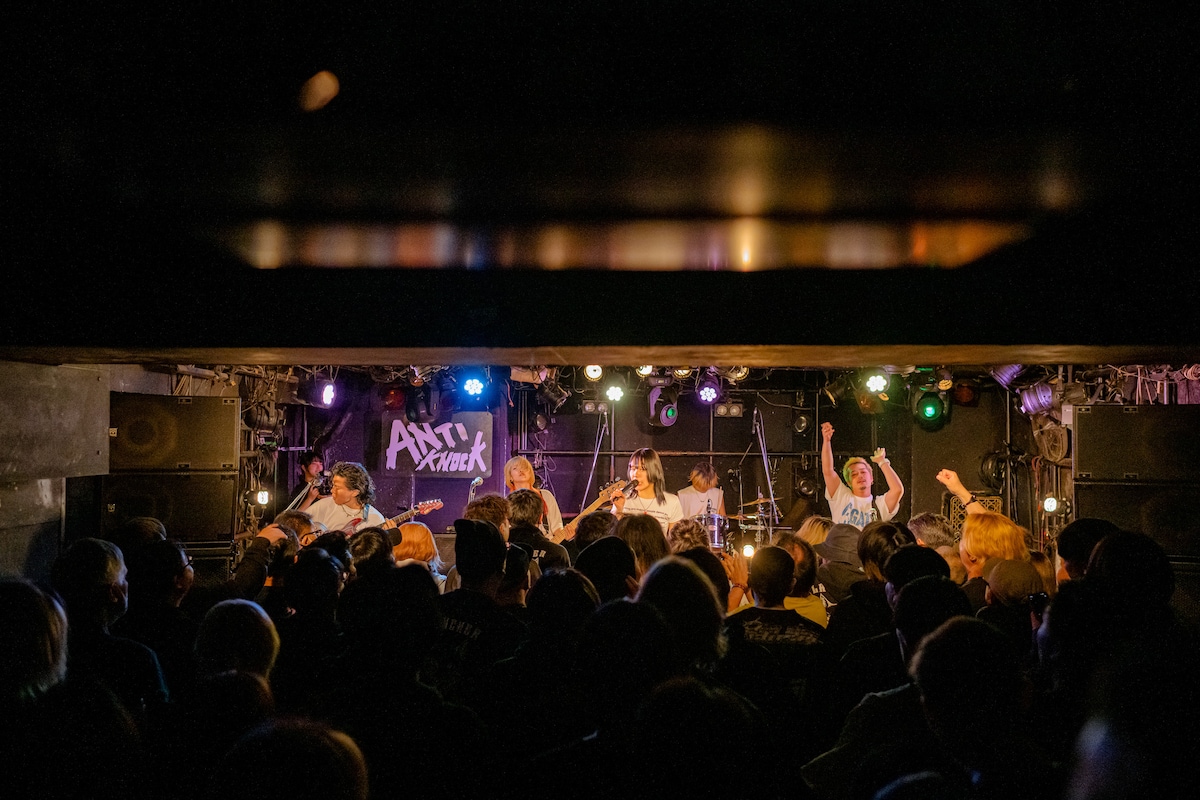
Explore Tokyo’s music scene with an insider
Sun, Mar 1 • 5:00 PM
150-0043, Tokyo Prefecture, Shibuya, Japan
View details
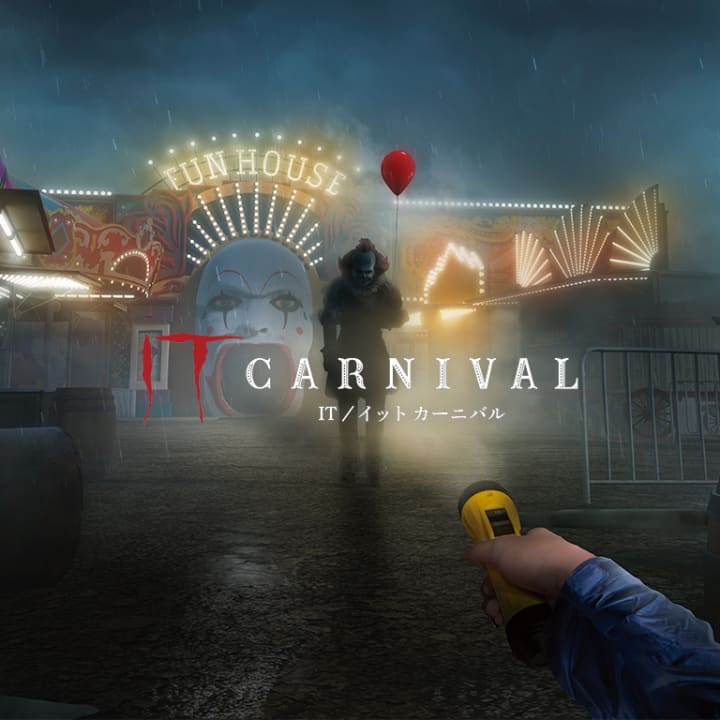
TYFFONIUM 新宿:IT/イット カーニバル
Thu, Feb 26 • 10:20 AM
東京都新宿区西新宿2-2-1 京王プラザホテル 南館2F (2-chōme-2-1 Nishishinjuku, Shinjuku City), 160-8330
View details
Nearby attractions of Kabuki-za
Kabuki Inari Shrine
Shinbashi Enbujo Theatre
ART AQUARIUM MUSEUM
Tsukijigawa Ginza Park
Kabukiza Gallery & Kabukiza Hall
Mitsukoshi Ginza Terrace
Gallery Seizan
Ginza Canon Gallery
MRX Demon King's Sunday - Immersive Escape Game
Oji Hall
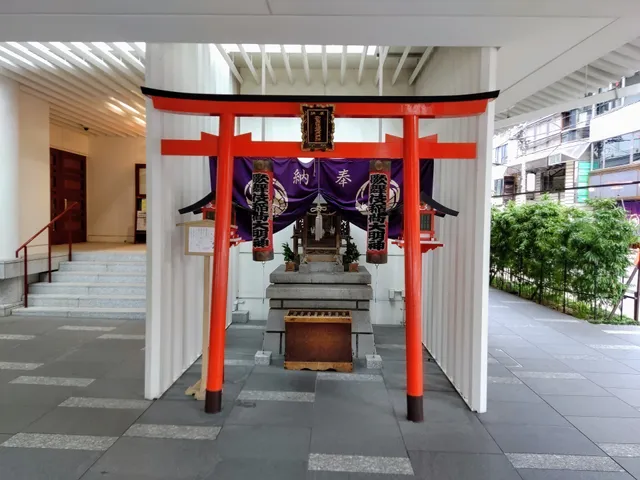
Kabuki Inari Shrine
3.9
(96)
Closed
Click for details
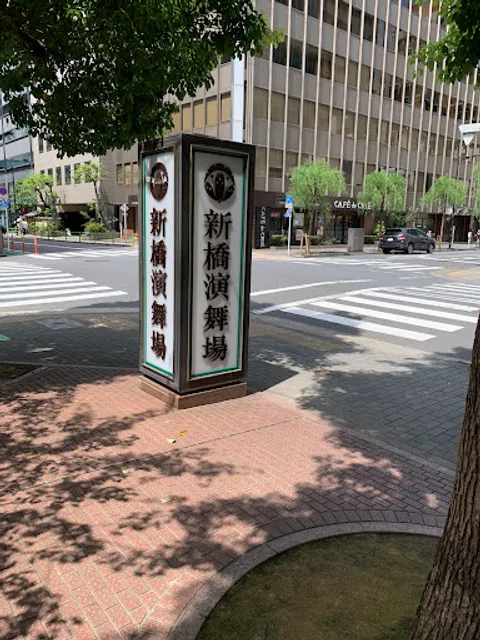
Shinbashi Enbujo Theatre
4.1
(1.8K)
Open 24 hours
Click for details
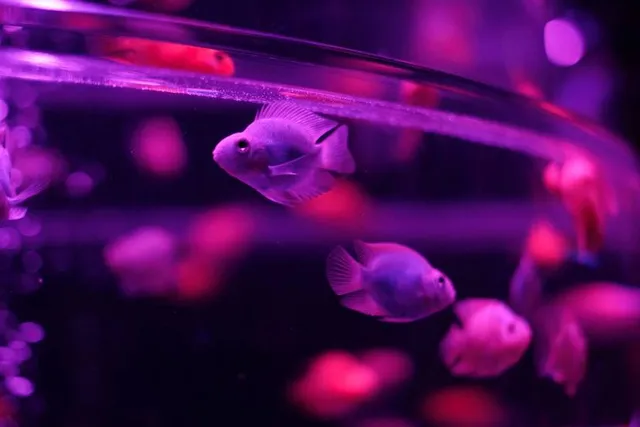
ART AQUARIUM MUSEUM
4.1
(2.2K)
Closed
Click for details
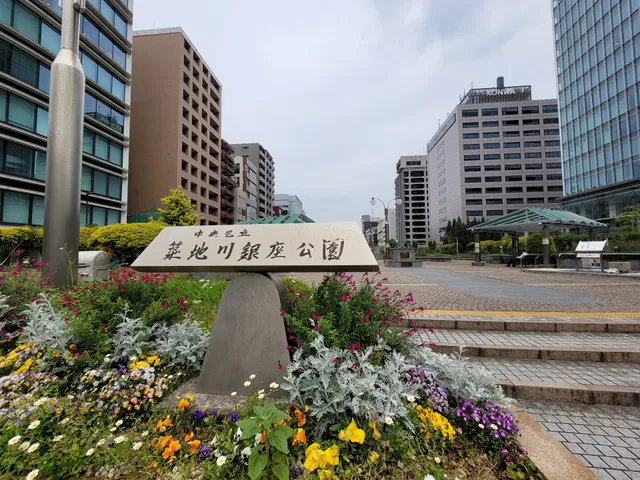
Tsukijigawa Ginza Park
3.7
(195)
Open until 12:00 AM
Click for details
Nearby restaurants of Kabuki-za
Kissa You Ginza
ZEN PUNK MATCHA Tokyo Ginza
Kushikatsu Tanaka Higashiginza
Ginza Nair's Restaurant
MATCHA CAFE & STUDIO GINZA
Hidakaya Higashi-Ginza shop
Hidakaya Higashi-Ginza shop
Glitch Coffee and Roasters GINZA
Yakiniku no Meimon Tendan Ginza
Jugetsudo Tea Shop & Cafe
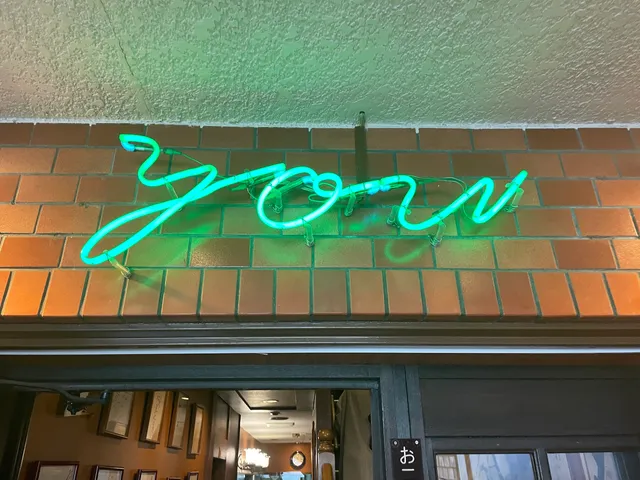
Kissa You Ginza
4.0
(918)
Open until 12:00 AM
Click for details

ZEN PUNK MATCHA Tokyo Ginza
4.9
(33)
Closed
Click for details

Kushikatsu Tanaka Higashiginza
4.7
(1.3K)
Closed
Click for details
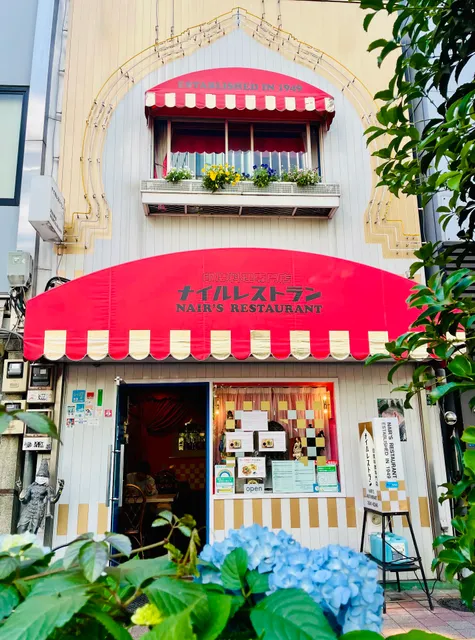
Ginza Nair's Restaurant
4.1
(1.1K)
$
Closed
Click for details
Nearby local services of Kabuki-za
KABUKIZA TOWER
GINZA SIX
OHARA PEARL TOKYO(オハラパール)銀座本店
Higashi-ginza Sta.
Matsuya Ginza
銀座やまう
ALTRA TOKYO GINZA
NPC 24 H GINZA KABUKIZA Parking Lot
Nissan Crossing
Sony Showroom/Sony Store Ginza
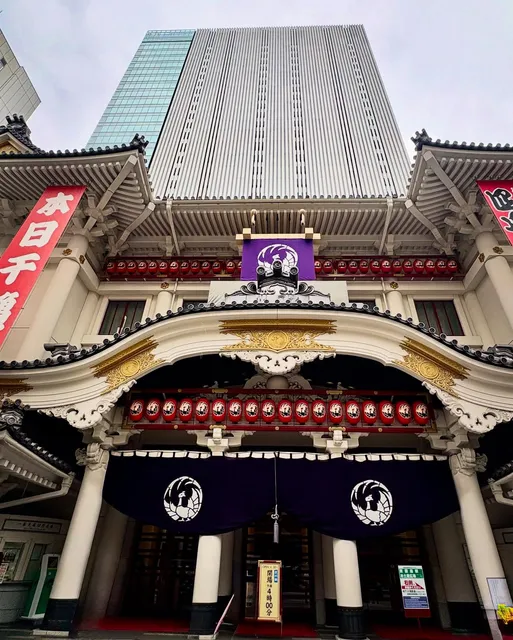
KABUKIZA TOWER
4.2
(962)
Click for details
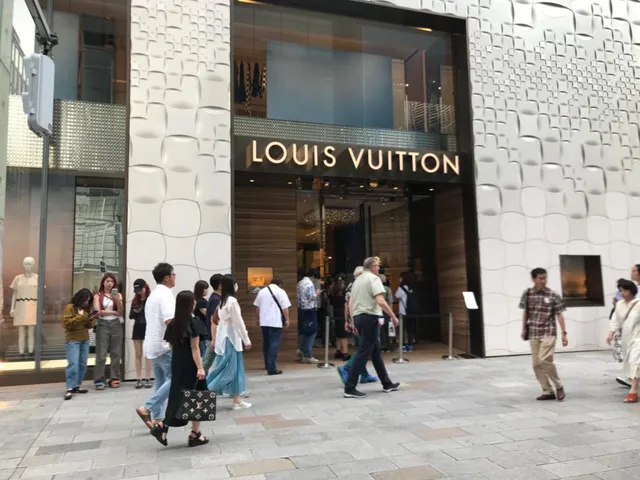
GINZA SIX
4.0
(9.2K)
Click for details
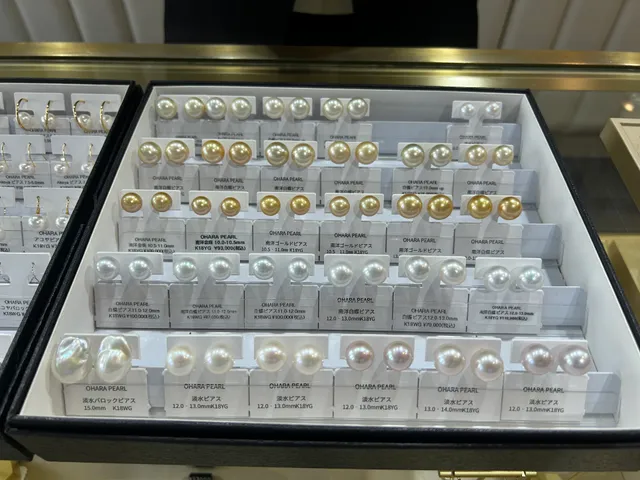
OHARA PEARL TOKYO(オハラパール)銀座本店
5.0
(136)
Click for details
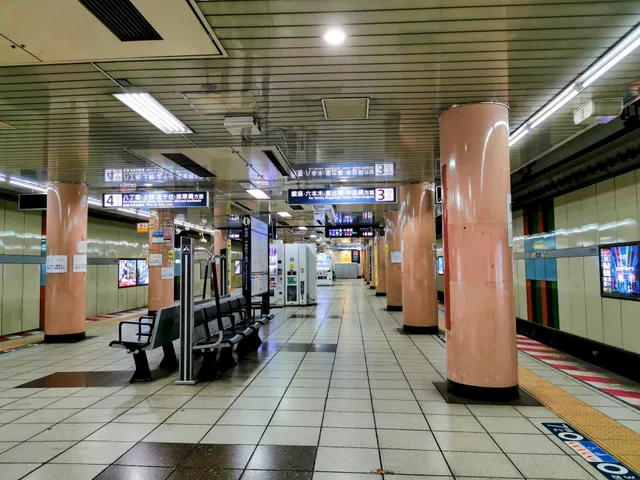
Higashi-ginza Sta.
3.5
(199)
Click for details