HTML SitemapExplore
logo
Find Things to DoFind The Best Restaurants

National Showa Memorial Museum — Attraction in Tokyo

Name
National Showa Memorial Museum
Description
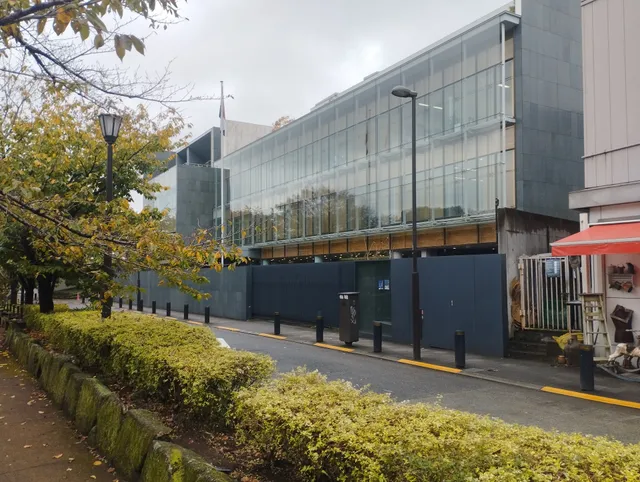
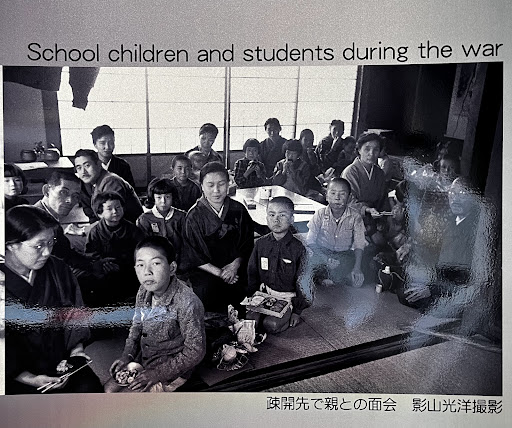
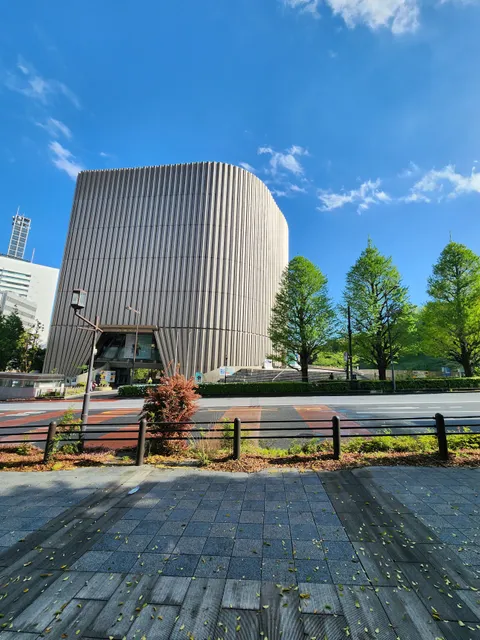
The National Showa Memorial Museum is a national museum in Chiyoda, Tokyo, Japan, managed by the Ministry of Health, Labour and Welfare. The museum is commonly referred to as the "Showakan" and primarily displays items illustrating the lifestyles of the Japanese people during and after World War II.
Nearby attractions
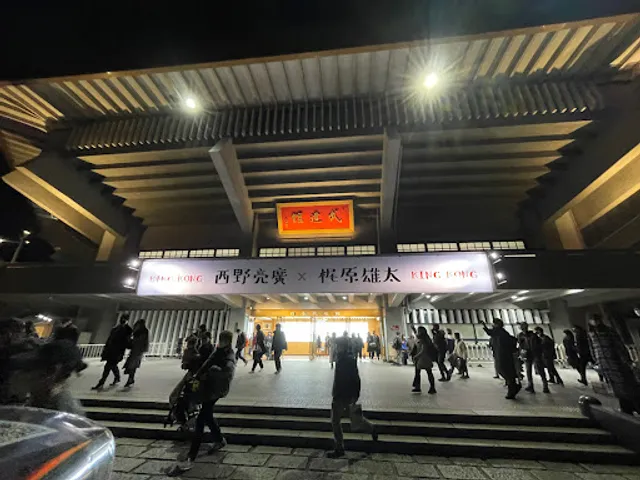
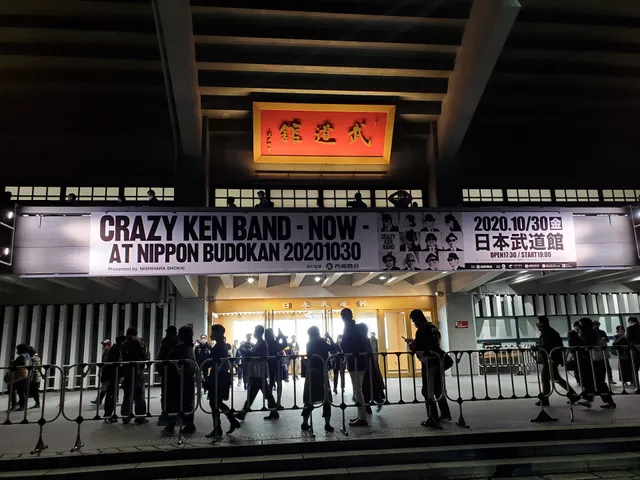
Nippon Budokan
2-3 Kitanomarukoen, Chiyoda City, Tokyo 102-8321, Japan
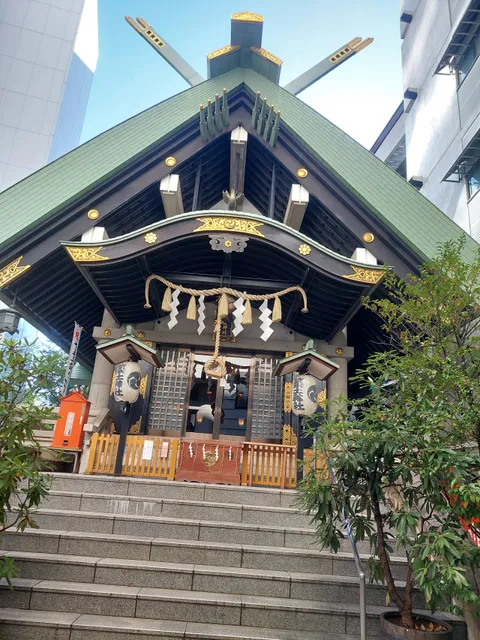
Tsukudo Shrine
1 Chome-14-21 Kudankita, Chiyoda City, Tokyo 102-0073, Japan
Kita-no-maru Park
1-1 Kitanomarukoen, Chiyoda City, Tokyo 102-0091, Japan
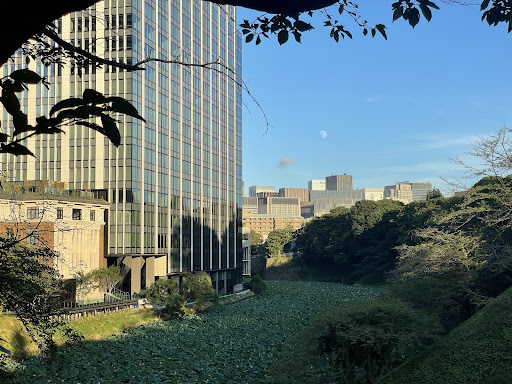
Tayasu-mon Gate
2-5 Kitanomarukoen, Chiyoda City, Tokyo 102-0091, Japan
Shōkei-kan
Japan, 〒102-0073 Tokyo, Chiyoda City, Kudankita, 1 Chome−11−5 Greenoak Kudan, 2階
Kudanzaka Park
2 Chome-2-18 Kudanminami, Chiyoda City, Tokyo 102-0074, Japan
Science and Technology Museum
2-1 Kitanomarukoen, Chiyoda City, Tokyo 102-0091, Japan
Chiyoda City Tourism Association
Japan, 〒102-0074 Tokyo, Chiyoda City, Kudanminami, 1 Chome−6−17 千代田会館
Shimizumon Gate
1-1 Kitanomarukoen, Chiyoda City, Tokyo 102-0091, Japan
Yasukuni-jinja Shrine
3 Chome-1-1 Kudankita, Chiyoda City, Tokyo 102-0073, Japan
Nearby restaurants
Royal Host Kudanshita
Japan, 〒102-0073 Tokyo, Chiyoda City, Kudankita, 1 Chome−13−12 北の丸スクエア 1F
Kudanshita Torifuku
Japan, 〒102-0073 Tokyo, Chiyoda City, Kudankita, 1 Chome−3−4 九段清新ビル 1~2F
Warayakiya Kudanshita
Japan, 〒102-0073 Tokyo, Chiyoda City, Kudankita, 1 Chome−3−5 九段第2清新ビル 1~2F
Chūkasoba Senmon Tanaka Sobaten Kudanshita
Japan, 〒102-0073 Tokyo, Chiyoda City, Kudankita, 1 Chome−4−4 伊東ビル 1階
McDonald's Kudanshita
Japan, 〒102-0073 Tokyo, Chiyoda City, Kudankita, 1 Chome−2−2 グランドメゾン九段
Versailles No Buta Kudanshita
Japan, 〒102-0073 Tokyo, Chiyoda City, Kudankita, 1 Chome−2−7 フローレンス九段 1~3F
Yunrinbo Kudan
Japan, 〒102-0073 Tokyo, Chiyoda City, Kudankita, 1 Chome−5−5 東建ニューハイツ九段
Piemon
Japan, 〒102-0073 Tokyo, Chiyoda City, Kudankita, 1 Chome−4−4 伊東ビル 2F
Hidakaya
1 Chome-3-1 Kudankita, Chiyoda City, Tokyo 102-0073, Japan
Kitchen Jiro
Japan, 〒102-0073 Tokyo, Chiyoda City, Kudankita, 1 Chome−5−5 東建ニューハイツ九段 1F
Nearby hotels
Keio Presso Inn Kudanshita
1 Chome-7-1 Kudankita, Chiyoda City, Tokyo 102-0073, Japan
APA Hotel Tokyo Kudanshita
1 Chome-4-7 Iidabashi, Chiyoda City, Tokyo 102-0072, Japan
Hotel Villa Fontaine Tokyo Kudanshita
2 Chome-4-4 Nishikanda, 千代田区 Chiyoda City, Tokyo 101-0065, Japan
Book Hotel Jimbocho
2 Chome-5-13 Kanda Jinbocho, Chiyoda City, Tokyo 101-0051, Japan
APA Hotel Iidabashi Station South
3 Chome-1-4 Iidabashi, Chiyoda City, Tokyo 102-0072, Japan
APA Hotel Iidabashi-Ekimae
3 Chome-4-6 Iidabashi, Chiyoda City, Tokyo 102-0072, Japan
Hotel Niwa Tokyo
Japan, 〒101-0061 Tokyo, Chiyoda City, Misakicho, 1 Chome−1−16 1F
9h nine hours Suidobashi
3 Chome-10-1 Misakicho, Chiyoda City, Tokyo 101-0061, Japan
Hotel Villa Fontaine Jimbocho
Japan, 〒101-0051 Tokyo, Chiyoda City, Kanda Jinbocho, 1 Chome−30
Tokyo Dome Hotel
1 Chome-3-61 Koraku, Bunkyo City, Tokyo 112-8562, Japan
Related posts
Keywords
National Showa Memorial Museum tourism.National Showa Memorial Museum hotels.National Showa Memorial Museum bed and breakfast. flights to National Showa Memorial Museum.National Showa Memorial Museum attractions.National Showa Memorial Museum restaurants.National Showa Memorial Museum travel.National Showa Memorial Museum travel guide.National Showa Memorial Museum travel blog.National Showa Memorial Museum pictures.National Showa Memorial Museum photos.National Showa Memorial Museum travel tips.National Showa Memorial Museum maps.National Showa Memorial Museum things to do.
National Showa Memorial Museum things to do, attractions, restaurants, events info and trip planning
National Showa Memorial Museum
JapanTokyoNational Showa Memorial Museum

Basic Info

National Showa Memorial Museum

1 Chome-6-1 Kudanminami, Chiyoda City, Tokyo 102-0074, Japan
4.0(635)
Closed
Save
spot

Ratings & Description

Info

The National Showa Memorial Museum is a national museum in Chiyoda, Tokyo, Japan, managed by the Ministry of Health, Labour and Welfare. The museum is commonly referred to as the "Showakan" and primarily displays items illustrating the lifestyles of the Japanese people during and after World War II.

Cultural
Accessibility
Family friendly
attractions: Nippon Budokan, Tsukudo Shrine, Kita-no-maru Park, Tayasu-mon Gate, Shōkei-kan, Kudanzaka Park, Science and Technology Museum, Chiyoda City Tourism Association, Shimizumon Gate, Yasukuni-jinja Shrine, restaurants: Royal Host Kudanshita, Kudanshita Torifuku, Warayakiya Kudanshita, Chūkasoba Senmon Tanaka Sobaten Kudanshita, McDonald's Kudanshita, Versailles No Buta Kudanshita, Yunrinbo Kudan, Piemon, Hidakaya, Kitchen Jiro
logoLearn more insights from Wanderboat AI.
Phone
+81 3-3222-2577
Website
showakan.go.jp
Open hoursSee all hours
Tue10 AM - 5:30 PMClosed

Plan your stay

hotel
Pet-friendly Hotels in Tokyo
Find a cozy hotel nearby and make it a full experience.

hotel
Affordable Hotels in Tokyo
Find a cozy hotel nearby and make it a full experience.

hotel
The Coolest Hotels You Haven't Heard Of (Yet)
Find a cozy hotel nearby and make it a full experience.

hotel
Trending Stays Worth the Hype in Tokyo
Find a cozy hotel nearby and make it a full experience.

Reviews

Nearby attractions of National Showa Memorial Museum

Nippon Budokan

Tsukudo Shrine

Kita-no-maru Park

Tayasu-mon Gate

Shōkei-kan

Kudanzaka Park

Science and Technology Museum

Chiyoda City Tourism Association

Shimizumon Gate

Yasukuni-jinja Shrine

Nippon Budokan

Nippon Budokan

4.4

(2.5K)

Open 24 hours
Click for details
Tsukudo Shrine

Tsukudo Shrine

4.0

(279)

Open until 12:00 AM
Click for details
Kita-no-maru Park

Kita-no-maru Park

4.2

(1.6K)

Open 24 hours
Click for details
Tayasu-mon Gate

Tayasu-mon Gate

4.3

(170)

Open 24 hours
Click for details

Things to do nearby

Toshi Experience World’s largest fish market tour
Tue, Dec 9 • 12:00 PM
135-0061, Tokyo Prefecture, Koto City, Japan
View details
Eat/drink like A Local-Taverns&Ramen in Tokyo Ueno
Tue, Dec 9 • 7:00 PM
110-0005, Tokyo Prefecture, Taito City, Japan
View details
Shinjuku Izakaya Tour with an Expert
Tue, Dec 9 • 5:00 PM
160-0023, Tokyo Prefecture, Shinjuku City, Japan
View details

Nearby restaurants of National Showa Memorial Museum

Royal Host Kudanshita

Kudanshita Torifuku

Warayakiya Kudanshita

Chūkasoba Senmon Tanaka Sobaten Kudanshita

McDonald's Kudanshita

Versailles No Buta Kudanshita

Yunrinbo Kudan

Piemon

Hidakaya

Kitchen Jiro

Royal Host Kudanshita

Royal Host Kudanshita

3.5

(364)

Click for details
Kudanshita Torifuku

Kudanshita Torifuku

3.9

(310)

$$

Click for details
Warayakiya Kudanshita

Warayakiya Kudanshita

4.2

(275)

$$

Click for details
Chūkasoba Senmon Tanaka Sobaten Kudanshita

Chūkasoba Senmon Tanaka Sobaten Kudanshita

4.0

(404)

Click for details
Get the Appoverlay
Get the AppOne tap to find yournext favorite spots!
Wanderboat LogoWanderboat

Your everyday Al companion for getaway ideas

CompanyAbout Us
InformationAI Trip PlannerSitemap
SocialXInstagramTiktokLinkedin
LegalTerms of ServicePrivacy Policy

Get the app

© 2025 Wanderboat. All rights reserved.
logo

Reviews of National Showa Memorial Museum

4.0
(635)
avatar
2.0
28w

The National Showa Memorial Museum presents itself as a historical record of Japan’s Showa era, but a closer look reveals glaring gaps—and a highly selective narrative. Nearly all the exhibit text is in Japanese, with only a few major points translated into English. At first, this seems like a simple language accessibility issue. But when you translate the Japanese content, a more intentional pattern emerges.

The museum devotes a significant portion of space to post-war resilience, emphasizing the suffering of Japanese citizens during and after the war—particularly at the hands of American bombing and nuclear devastation. While that history absolutely matters, what’s noticeably missing is any serious acknowledgment of Japan’s own role in World War II atrocities or the deep trauma inflicted on its neighboring countries. There is no real engagement with responsibility or reflection, and certainly no space for dialogue.

Instead, the museum shifts quickly into nostalgia—half the exhibits are dedicated to retro appliances, TVs, radios, and cultural ephemera. The message? “We suffered, then we rebuilt, and now we make cool stuff.” It’s less a museum about the full complexity of the Showa era and more a curated story of victimhood and national pride.

The physical environment outside reinforces this mood. The area feels traditional, nationalistic, and unwelcoming. As a Westerner, I was eyed with suspicion by passing office workers and felt the cold presence of stationed police officers—none of whom were overtly hostile, but the energy was unmistakably exclusionary.

In 2024, nearly 90 years after many of these events, it’s disheartening to see such a powerful institution still shaping public memory through omission. This is not a museum that invites reflection—it reinforces denial, and positions history as a tool of cultural superiority rather than...

   Read more
avatar
4.0
9y

Designed by Kikutake Kiyonori, National Showa Memorial Museum was completed in 1999 and it is commonly referred to as the “Showakan”. It is a national museum and it primarily displays items illustrating the lifestyles of the Japanese people, especially by the families of the war victims, during and after World War II (the Shōwa period in the Japanese calendar), providing younger people with an opportunity to learn about this era of Japanese history. Apparently the museum is a sort of response to strong lobbying of the Japan War-Bereaved Families Association, whose headquarters are in the adjacent Kudan Hall. The museum was completely renovated in 2013. The first section – one entire floor – is devoted to life during wartime, with sections covering conscription, life under government control, food rationing, changes in the education system, and preparations for urban air raids. On the second floor the post-war period is the focus, with an eye on economic hardship followed by gradual recovery. Rice cookers, washing machines, radios and black-and-white TV sets hint at Japan’s future as a manufacturing power later in...

   Read more
avatar
5.0
1y

Spend 1.5 hrs on the 6th and 7th floors. The fee is 400yen. Most signage is Japanese, but google translate and photos made exhibits comprehensive. Great place for WW2 history buffs.

I was struck at how the Japanese people suffered before and after the war (as aggressors). Sad. I learned about the war from a Japanese perspective.

The announcement to the Japanese people from the imperial government surprised me. “It was certainly not our intention to eliminate the sovereignty of other countries…” Wow. To say that after years of occupying other Asian countries? Interesting denial of facts. (My grandparents were imprisoned and their property stolen, but hey - the imperial government denied it. Then, the government withdrew pension payments to Japanese widows too!) Wow.

Today’s Japan is really amazing considering the war devastation and loss. Time healed a lot of wounds. ❤️ Peace is always a better solution. People suffer consequences of...

   Read more
Page 1 of 7
Previous
Next

Posts

Kimi & LucyKimi & Lucy
Spend 1.5 hrs on the 6th and 7th floors. The fee is 400yen. Most signage is Japanese, but google translate and photos made exhibits comprehensive. Great place for WW2 history buffs. I was struck at how the Japanese people suffered before and after the war (as aggressors). Sad. I learned about the war from a Japanese perspective. The announcement to the Japanese people from the imperial government surprised me. “It was certainly not our intention to eliminate the sovereignty of other countries…” Wow. To say that after years of occupying other Asian countries? Interesting denial of facts. (My grandparents were imprisoned and their property stolen, but hey - the imperial government denied it. Then, the government withdrew pension payments to Japanese widows too!) Wow. Today’s Japan is really amazing considering the war devastation and loss. Time healed a lot of wounds. ❤️ Peace is always a better solution. People suffer consequences of big government.
Krzysztof NosekKrzysztof Nosek
A truly shaking experience. The museum very plastically tells the whole story of the sufferings of Japanese families on the era of the militarism and later during the wars. There’s detailed, interactive info on the 2.5M of soldiers fallen on a hundred of WW2 fronts and on the ongoing efforts to exhume and honor their remains. The exhibition is generally very rational and critical against the war; but still, the atrocities committed by the Japanese troops are never mentioned here. This is the source of the controversy surrounding this museum. It’s fully in Japanese (no English except in a downloaded app, apparently not targeted at us foreigners) and, what is the worst, they forbid to take photos (apparently due to the copyrights of the presented photographs, which often belong to Americans). = -1 star
MariaMaria
Great museum on the daily life of ordinary Japanese people before, during, and after World War II. Although you can download the audio guide app in English, most of the exhibits are in Japanese. Admission costs 300 yen and is free on Showa Day (April 29). We took about 2 hours to visit the permanent exhibition (7th and 6th floor), but unfortunately we did not have enough time to visit the other floors. If you want to see everything, I recommend visiting early in the morning. Beware you cannot enter the building from 13:30 to 14:00 due to disinfection.
See more posts
See more posts
hotel
Find your stay

Pet-friendly Hotels in Tokyo

Find a cozy hotel nearby and make it a full experience.

Spend 1.5 hrs on the 6th and 7th floors. The fee is 400yen. Most signage is Japanese, but google translate and photos made exhibits comprehensive. Great place for WW2 history buffs. I was struck at how the Japanese people suffered before and after the war (as aggressors). Sad. I learned about the war from a Japanese perspective. The announcement to the Japanese people from the imperial government surprised me. “It was certainly not our intention to eliminate the sovereignty of other countries…” Wow. To say that after years of occupying other Asian countries? Interesting denial of facts. (My grandparents were imprisoned and their property stolen, but hey - the imperial government denied it. Then, the government withdrew pension payments to Japanese widows too!) Wow. Today’s Japan is really amazing considering the war devastation and loss. Time healed a lot of wounds. ❤️ Peace is always a better solution. People suffer consequences of big government.
Kimi & Lucy

Kimi & Lucy

hotel
Find your stay

Affordable Hotels in Tokyo

Find a cozy hotel nearby and make it a full experience.

Get the Appoverlay
Get the AppOne tap to find yournext favorite spots!
A truly shaking experience. The museum very plastically tells the whole story of the sufferings of Japanese families on the era of the militarism and later during the wars. There’s detailed, interactive info on the 2.5M of soldiers fallen on a hundred of WW2 fronts and on the ongoing efforts to exhume and honor their remains. The exhibition is generally very rational and critical against the war; but still, the atrocities committed by the Japanese troops are never mentioned here. This is the source of the controversy surrounding this museum. It’s fully in Japanese (no English except in a downloaded app, apparently not targeted at us foreigners) and, what is the worst, they forbid to take photos (apparently due to the copyrights of the presented photographs, which often belong to Americans). = -1 star
Krzysztof Nosek

Krzysztof Nosek

hotel
Find your stay

The Coolest Hotels You Haven't Heard Of (Yet)

Find a cozy hotel nearby and make it a full experience.

hotel
Find your stay

Trending Stays Worth the Hype in Tokyo

Find a cozy hotel nearby and make it a full experience.

Great museum on the daily life of ordinary Japanese people before, during, and after World War II. Although you can download the audio guide app in English, most of the exhibits are in Japanese. Admission costs 300 yen and is free on Showa Day (April 29). We took about 2 hours to visit the permanent exhibition (7th and 6th floor), but unfortunately we did not have enough time to visit the other floors. If you want to see everything, I recommend visiting early in the morning. Beware you cannot enter the building from 13:30 to 14:00 due to disinfection.
Maria

Maria

See more posts
See more posts