Gaddhi Baithak things to do, attractions, restaurants, events info and trip planning
Basic Info
Gaddhi Baithak
P834+HMW, Kathmandu 44600, Nepal
4.5(129)
Closed
Save
spot
spot
Ratings & Description
Info
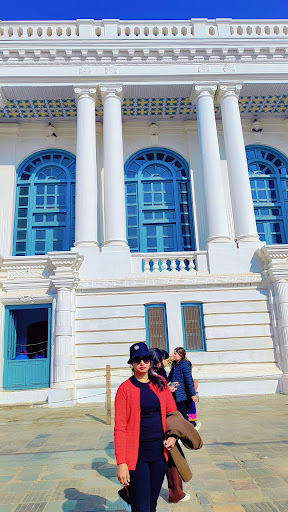
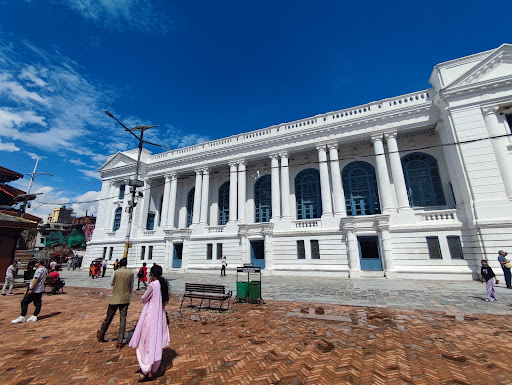
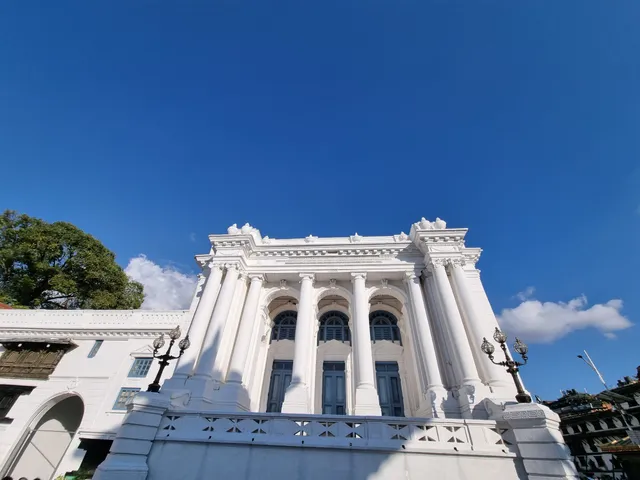
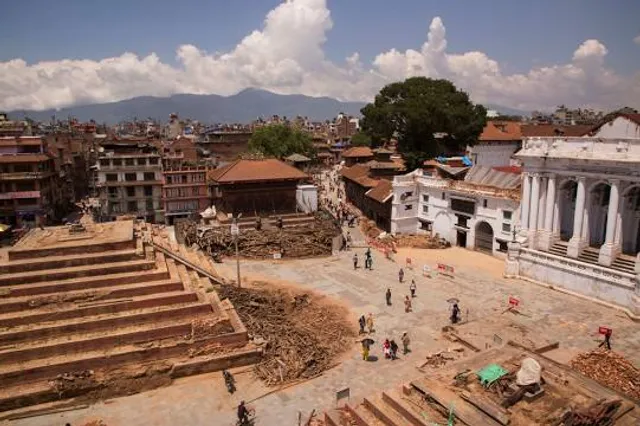
Gaddi Baithak is a neoclassical palace in Kathmandu Durbar Square. It was built by Chandra Shumsher Jang Bahadur Rana in 1908, and it was used for to coronations and to welcome head of states from other countries.
Cultural
Scenic
Family friendly
attractions: Kathmandu Durbar Square, Kathmandu Durbar Square, Shree Kaal Bhairav Temple, Hanuman Dhoka, Kumari Ghar, Kasthamandap, Nasal Chowk, अशोक विनायक मन्दिर (Maru Ganesh Temple), Taleju Bhawani Temple, Maju Dega Temple, restaurants: Himalayan Java Coffee- Basantapur, Vishram Cafe, The Himalayan Cafe, Aunty's Sekuwa Corner, Dak-Galbi Korean House, Revolution Cafe, Yomari Cafe Garden-Restaurant, Secret Hookah Lounge, Newa Ghasa - Basantapur, Vault Restro and Bar, local businesses: Kasthamandap, Lyaaku Pa:sa:, Bishal Bazar - Super Market, Maju Dega, Freak St, Khatmandu durbar square market, Tip Top Tailors, Marwari Bhojnalaya, Juddha Barun Yantra Karyalaya, Today's febric house
 Learn more insights from Wanderboat AI.
Phone
+977 980-8640370
Open hoursSee all hours
Wed10 AM - 5 PMClosed
Plan your stay

Pet-friendly Hotels in Kathmandu Metropolitan City
Find a cozy hotel nearby and make it a full experience.

Affordable Hotels in Kathmandu Metropolitan City
Find a cozy hotel nearby and make it a full experience.

The Coolest Hotels You Haven't Heard Of (Yet)
Find a cozy hotel nearby and make it a full experience.

Trending Stays Worth the Hype in Kathmandu Metropolitan City
Find a cozy hotel nearby and make it a full experience.
Reviews
Live events
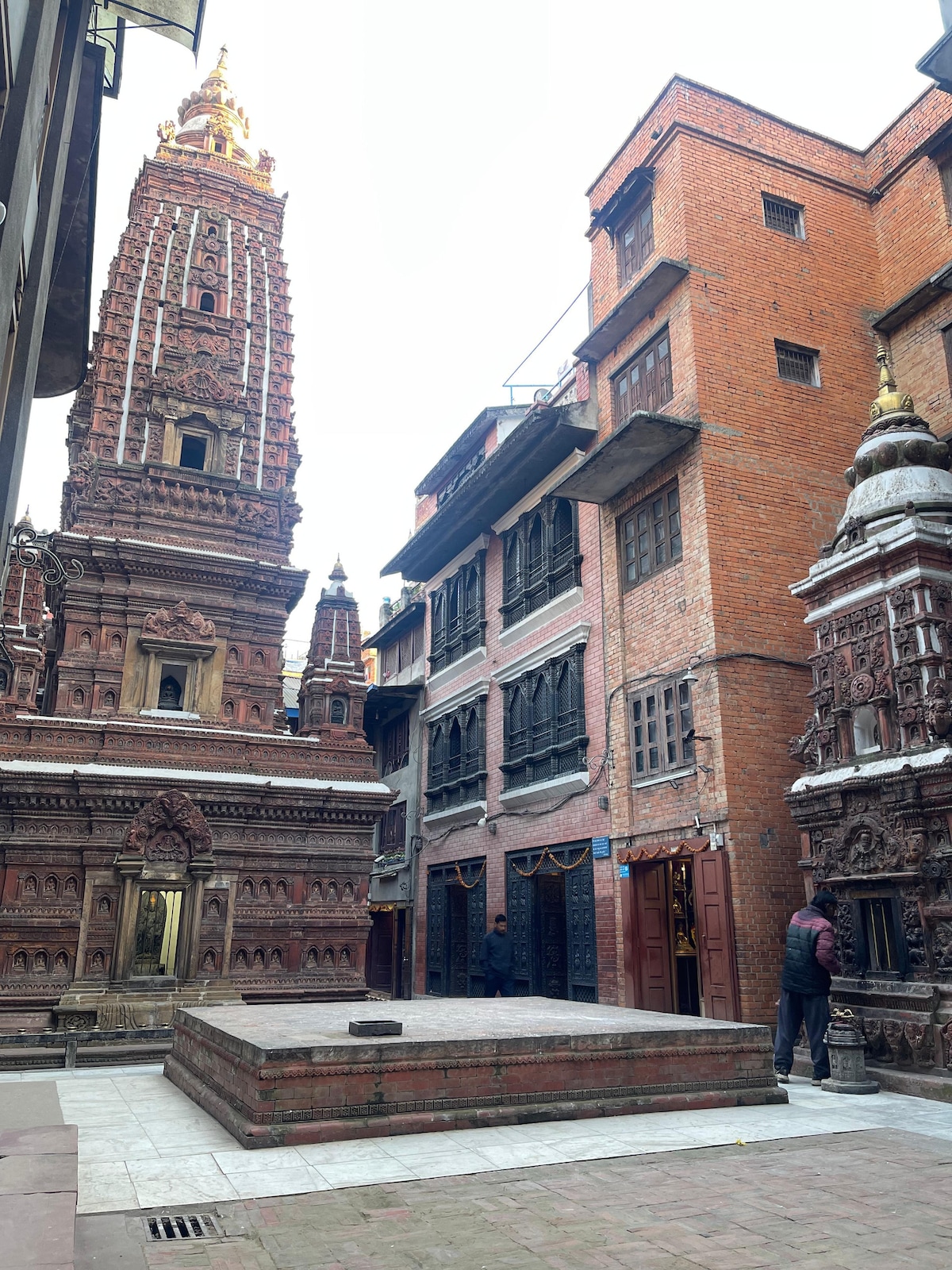
Secrets Of Old Patan City - with a local
Thu, Feb 26 • 7:30 AM
Lalitpur, Bagmati Province 44600, Nepal
View details
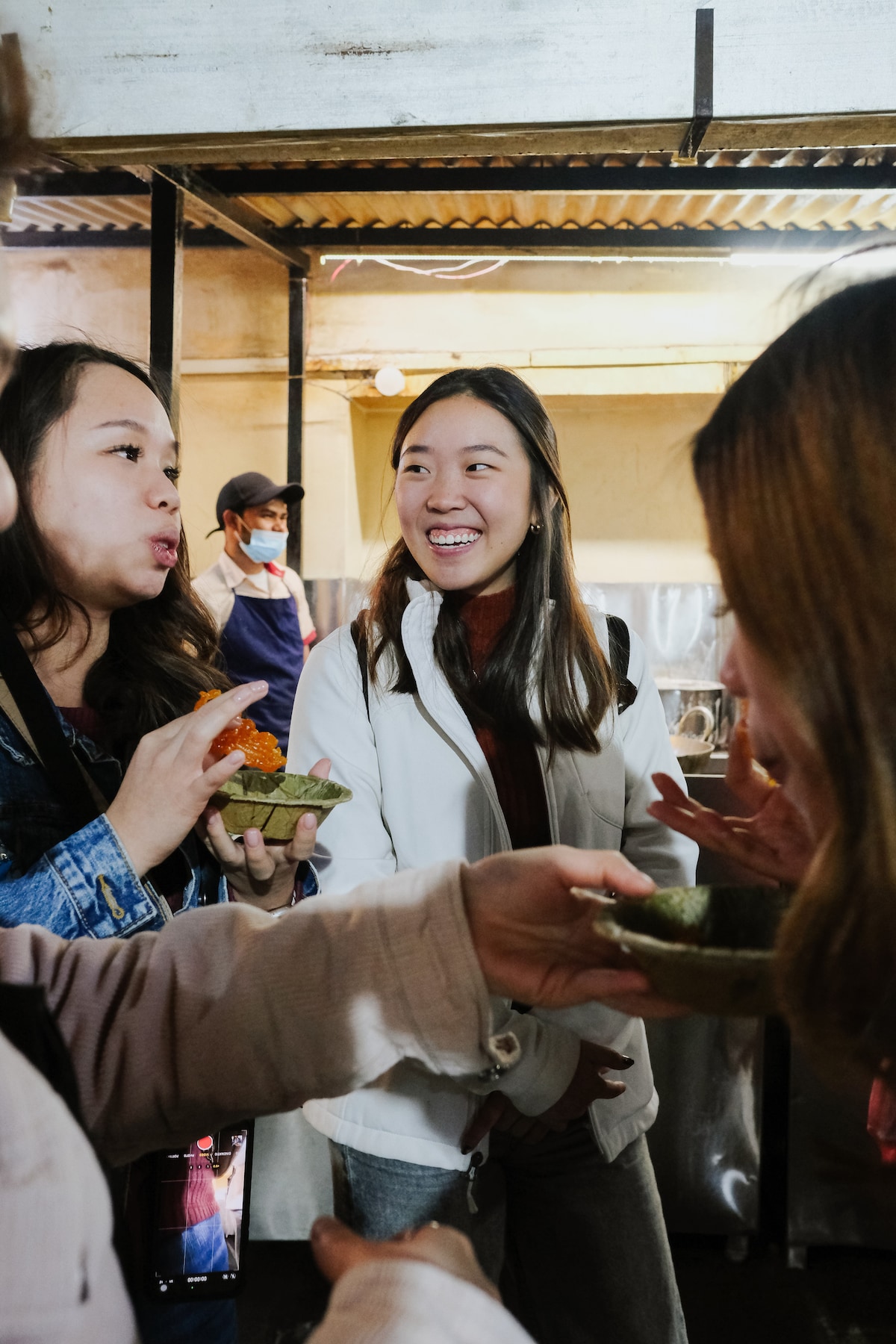
Explore hidden Nepali eateries
Wed, Feb 25 • 2:30 PM
Kathmandu, Bagmati Province 44600, Nepal
View details
Nearby attractions of Gaddhi Baithak
Kathmandu Durbar Square
Kathmandu Durbar Square
Shree Kaal Bhairav Temple
Hanuman Dhoka
Kumari Ghar
Kasthamandap
Nasal Chowk
अशोक विनायक मन्दिर (Maru Ganesh Temple)
Taleju Bhawani Temple
Maju Dega Temple
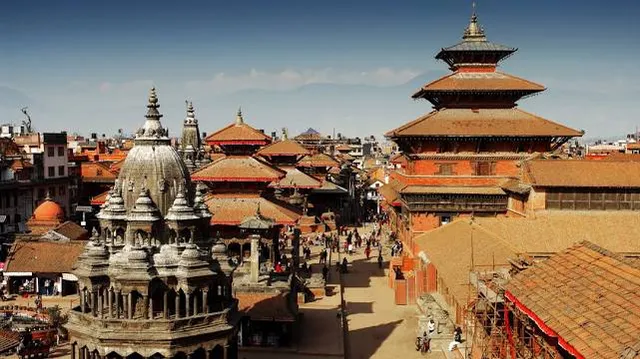
Kathmandu Durbar Square
4.5
(14.1K)
Closed
Click for details
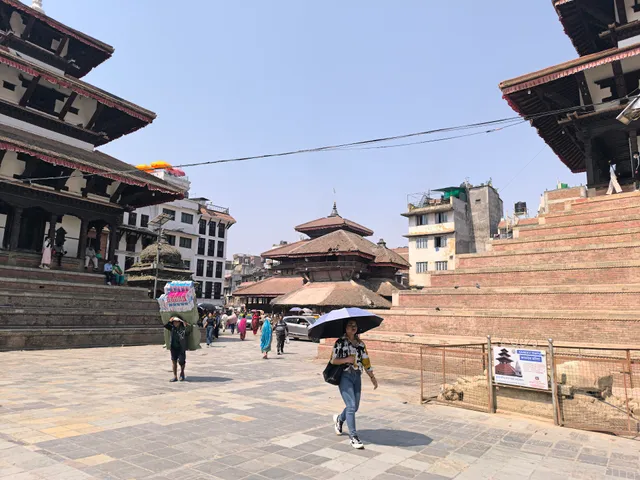
Kathmandu Durbar Square
4.5
(13.5K)
Closed
Click for details
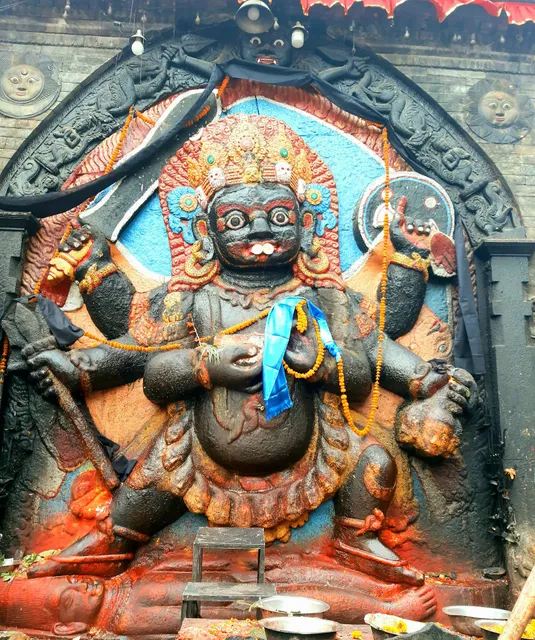
Shree Kaal Bhairav Temple
4.7
(1.1K)
Open until 12:00 AM
Click for details
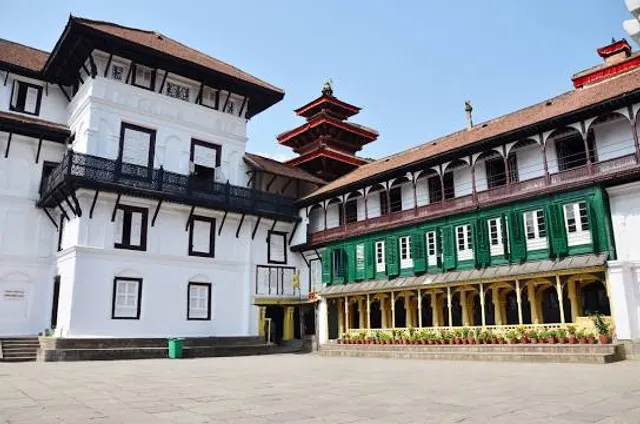
Hanuman Dhoka
4.5
(685)
Closed
Click for details
Nearby restaurants of Gaddhi Baithak
Himalayan Java Coffee- Basantapur
Vishram Cafe
The Himalayan Cafe
Aunty's Sekuwa Corner
Dak-Galbi Korean House
Revolution Cafe
Yomari Cafe Garden-Restaurant
Secret Hookah Lounge
Newa Ghasa - Basantapur
Vault Restro and Bar
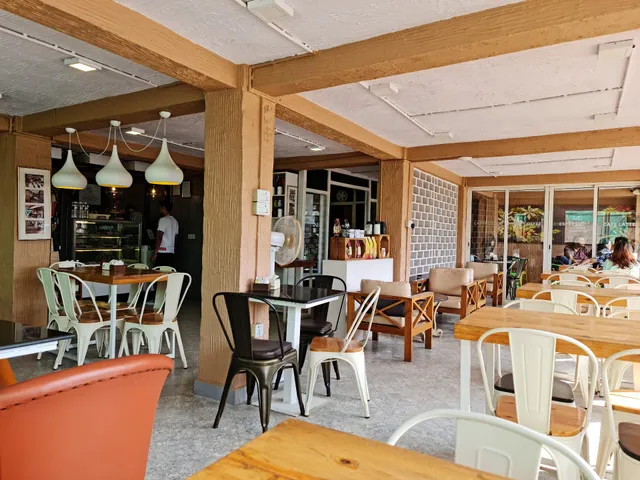
Himalayan Java Coffee- Basantapur
4.1
(369)
Open until 9:00 PM
Click for details

Vishram Cafe
3.8
(107)
Closed
Click for details
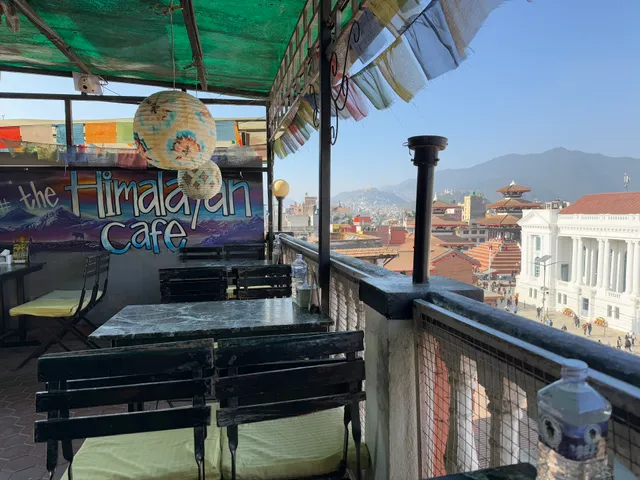
The Himalayan Cafe
4.3
(63)
Closed
Click for details
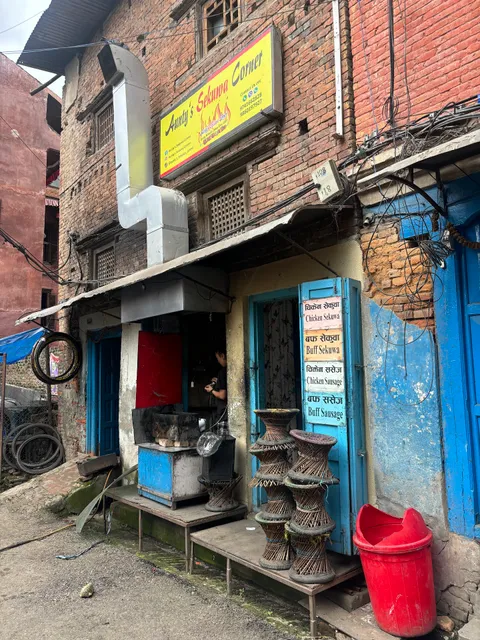
Aunty's Sekuwa Corner
4.0
(71)
Closed
Click for details
Nearby local services of Gaddhi Baithak
Kasthamandap
Lyaaku Pa:sa:
Bishal Bazar - Super Market
Maju Dega
Freak St
Khatmandu durbar square market
Tip Top Tailors
Marwari Bhojnalaya
Juddha Barun Yantra Karyalaya
Today's febric house
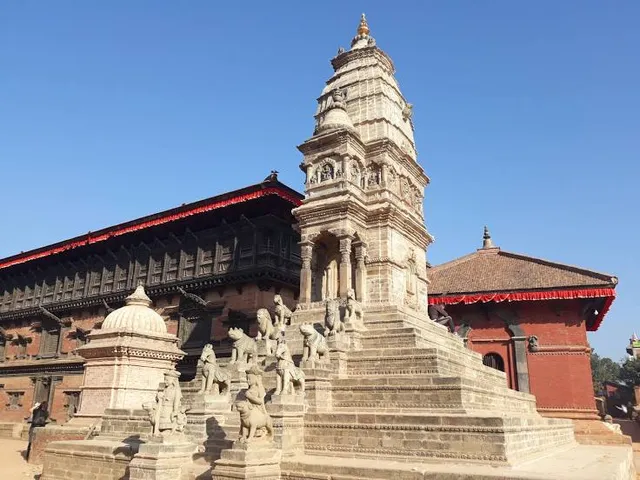
Kasthamandap
4.6
(433)
Click for details
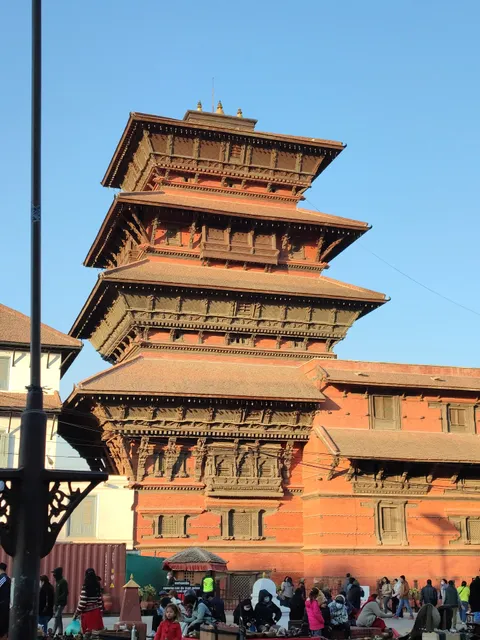
Lyaaku Pa:sa:
4.6
(154)
Click for details
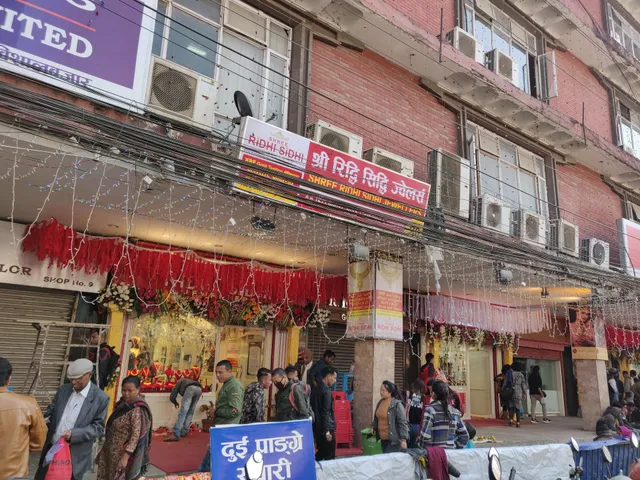
Bishal Bazar - Super Market
3.7
(1.4K)
Click for details
Maju Dega
4.2
(24)
Click for details