Zuiderkerk things to do, attractions, restaurants, events info and trip planning
Basic Info
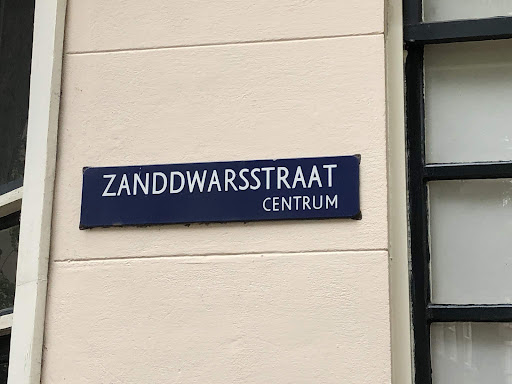
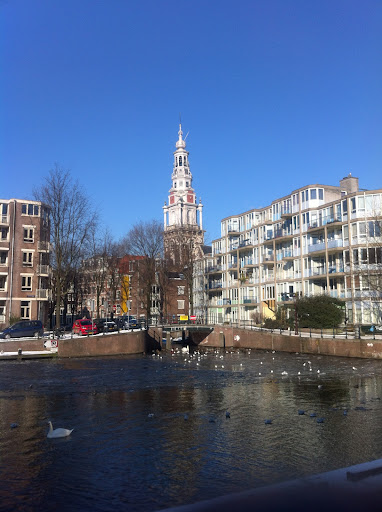
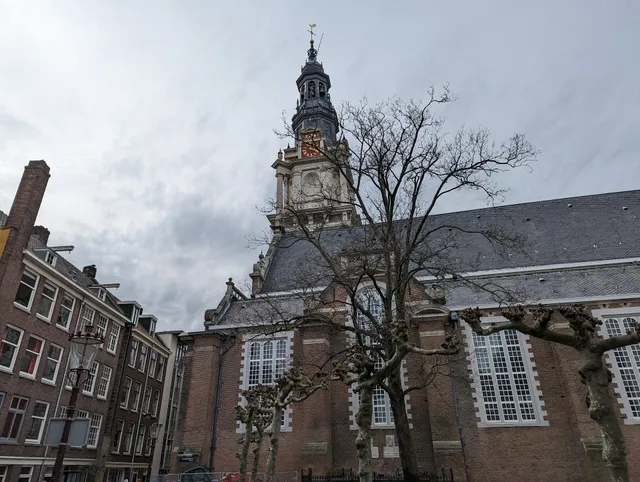
Zuiderkerk
Zuiderkerkhof 72, 1011 HJ Amsterdam, Netherlands
4.5(518)
Open until 12:00 AM
Save
spot
spot
Ratings & Description
Info
Cultural
Entertainment
Accessibility
Family friendly
attractions: Rembrandt House Museum, Hash Marihuana & Hemp Museum in Amsterdam, Red Light Secrets Museum, Dermadonna Custom Tattoos, Compagnietheater, Huis de Pinto, Amsterdam Boat Trips, National Opera & Ballet, Casa Rosso, Tim Cantor Galleries B.V., restaurants: Lagom Amsterdam, San Diego Restaurant, De Engelbewaarder, Raan Phad Thai, Cafe Stopera, De Sluyswacht, Cafe Tisfris, Rembrandt Corner, Samrat Indian restaurant, Ristorante papa Carlo, local businesses: museum Rembrandthuis, Smoke Boat Amsterdam, Coffeeshop Bagheera, Amazing Oriental Amsterdam, Vishandel Tel, The Bulldog The First Coffeeshop, Stadsloket Centre, House of Gassan, Albert Heijn, Rederij Friendship
 Learn more insights from Wanderboat AI.
Phone
+31 20 308 0399
Website
zuiderkerkamsterdam.nl
Open hoursSee all hours
ThuOpen 24 hoursOpen
Plan your stay

Pet-friendly Hotels in Amsterdam
Find a cozy hotel nearby and make it a full experience.

Affordable Hotels in Amsterdam
Find a cozy hotel nearby and make it a full experience.

The Coolest Hotels You Haven't Heard Of (Yet)
Find a cozy hotel nearby and make it a full experience.

Trending Stays Worth the Hype in Amsterdam
Find a cozy hotel nearby and make it a full experience.
Reviews
Live events
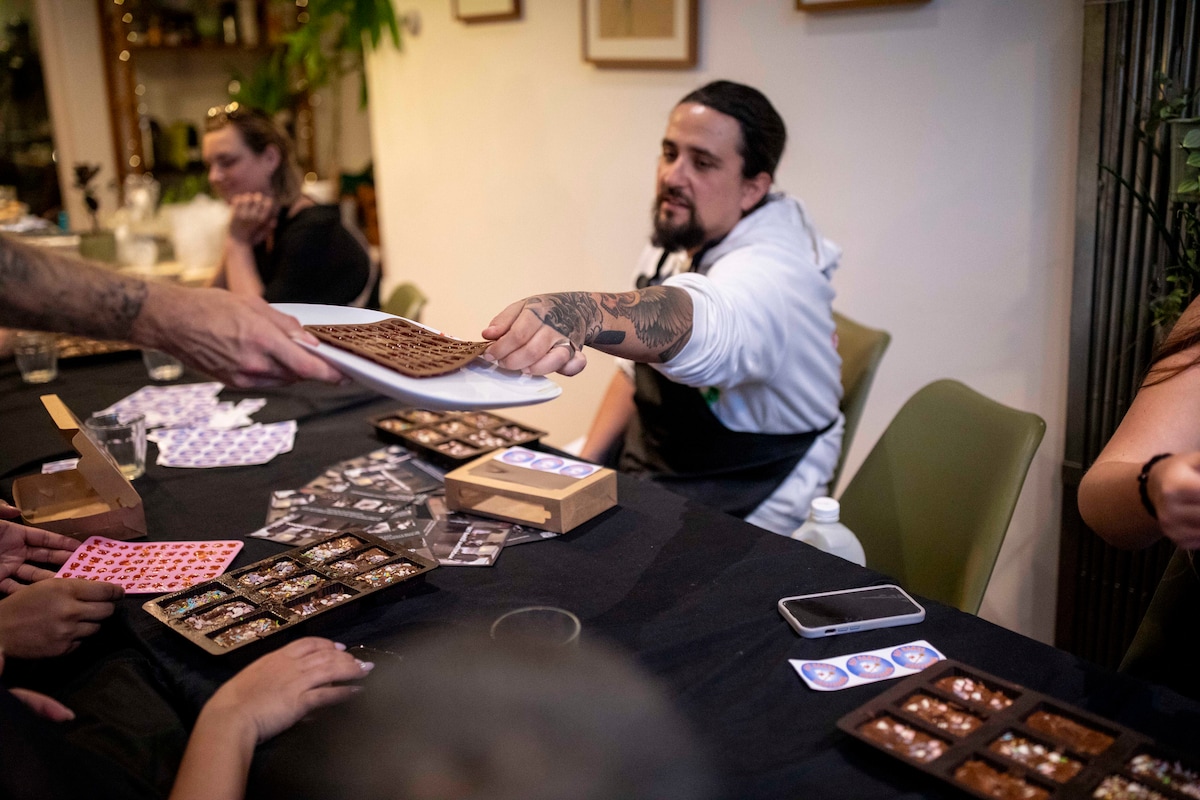
Make edibles in Amsterdam with Get Baked Amsterdam
Mon, Mar 2 • 1:30 PM
1052 HL, Amsterdam, Netherlands
View details

Cruise Amsterdam’s canals with onboard snacks
Thu, Feb 26 • 10:00 AM
1016 EK, Amsterdam, Netherlands
View details

Prehistoric Planet: Dinosaurs – De meeslepende voorstelling
Mon, Mar 2 • 11:00 AM
Pazzanistraat 37, Amsterdam, 1014 DB
View details
Nearby attractions of Zuiderkerk
Rembrandt House Museum
Hash Marihuana & Hemp Museum in Amsterdam
Red Light Secrets Museum
Dermadonna Custom Tattoos
Compagnietheater
Huis de Pinto
Amsterdam Boat Trips
National Opera & Ballet
Casa Rosso
Tim Cantor Galleries B.V.
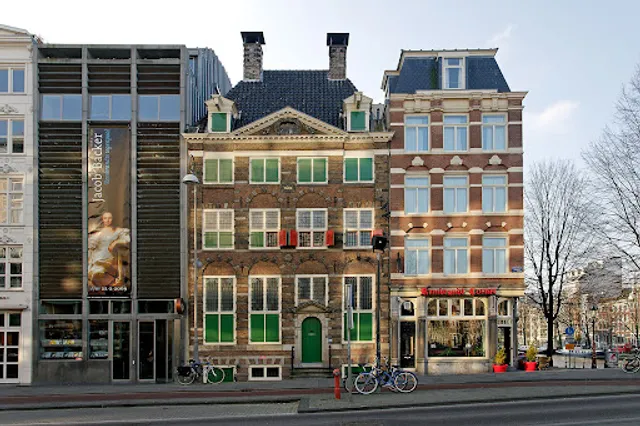
Rembrandt House Museum
4.5
(5.8K)
Closed
Click for details
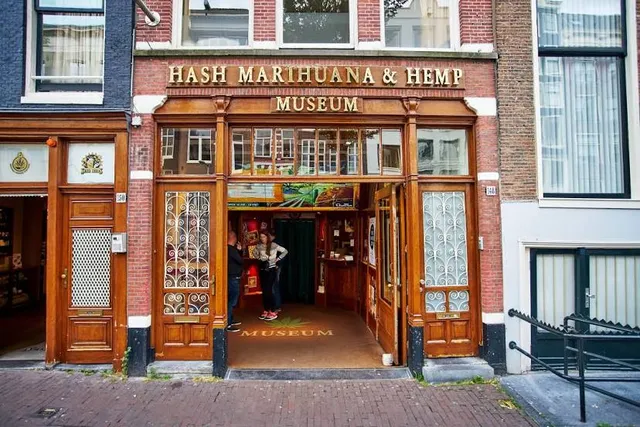
Hash Marihuana & Hemp Museum in Amsterdam
4.3
(2.1K)
Closed
Click for details
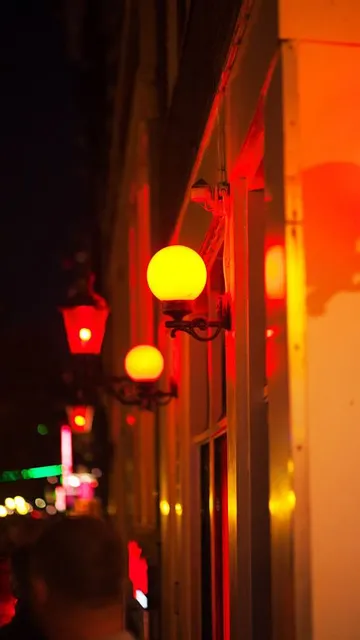
Red Light Secrets Museum
4.2
(8.1K)
Closed
Click for details

Dermadonna Custom Tattoos
4.8
(215)
Closed
Click for details
Nearby restaurants of Zuiderkerk
Lagom Amsterdam
San Diego Restaurant
De Engelbewaarder
Raan Phad Thai
Cafe Stopera
De Sluyswacht
Cafe Tisfris
Rembrandt Corner
Samrat Indian restaurant
Ristorante papa Carlo
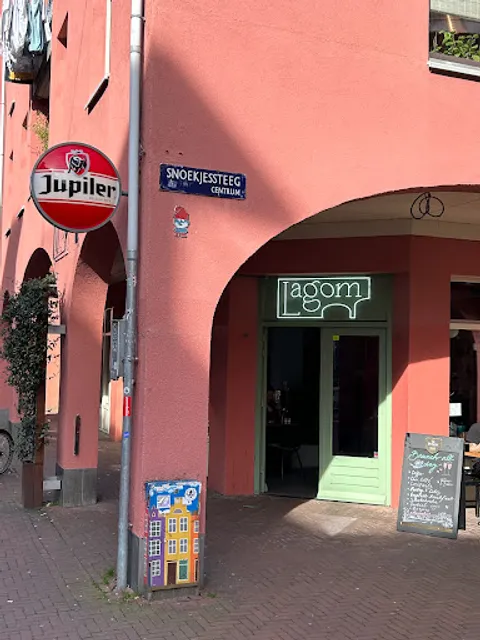
Lagom Amsterdam
4.4
(753)
$
Closed
Click for details
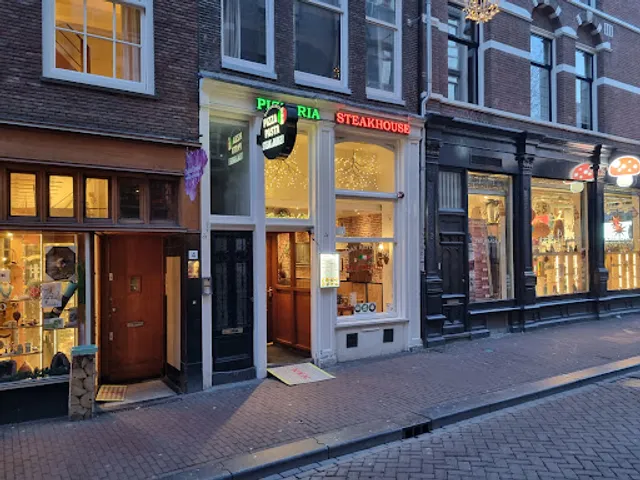
San Diego Restaurant
4.3
(651)
Closed
Click for details
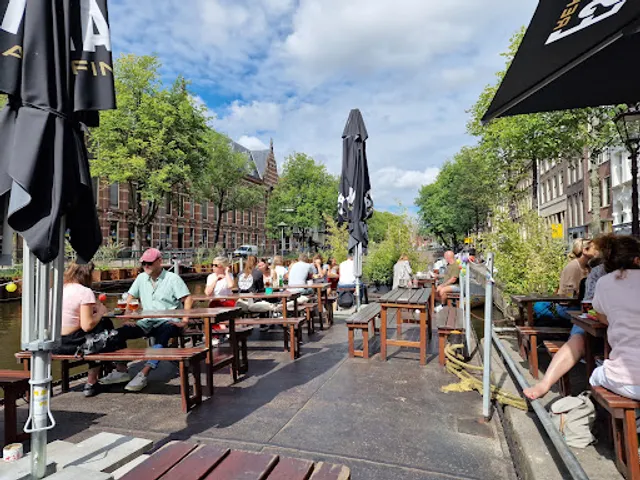
De Engelbewaarder
4.4
(551)
Closed
Click for details

Raan Phad Thai
4.7
(396)
$$
Closed
Click for details
Nearby local services of Zuiderkerk
museum Rembrandthuis
Smoke Boat Amsterdam
Coffeeshop Bagheera
Amazing Oriental Amsterdam
Vishandel Tel
The Bulldog The First Coffeeshop
Stadsloket Centre
House of Gassan
Albert Heijn
Rederij Friendship
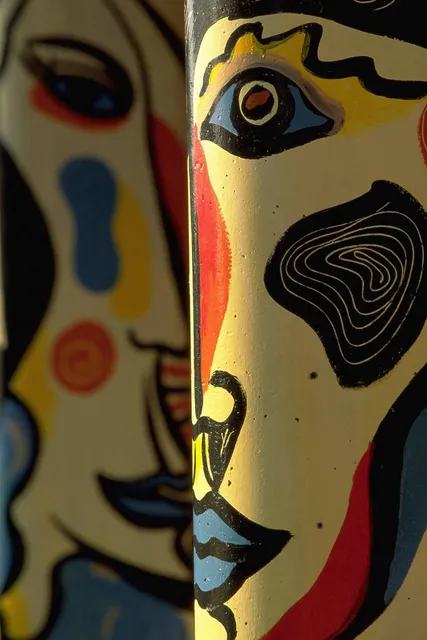
museum Rembrandthuis
4.5
(4.9K)
Click for details
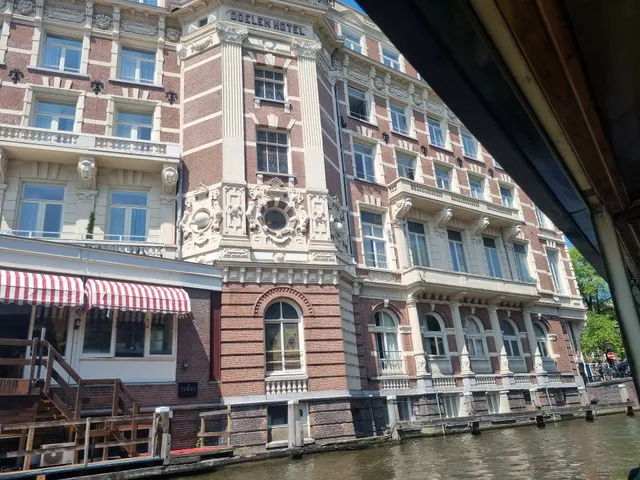
Smoke Boat Amsterdam
4.6
(906)
Click for details
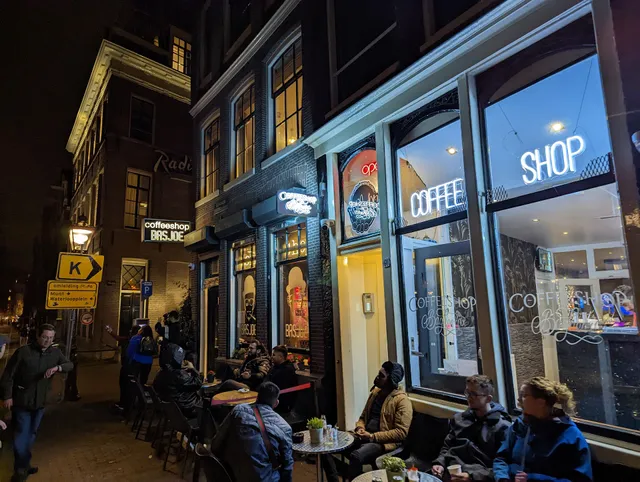
Coffeeshop Bagheera
4.5
(495)
Click for details
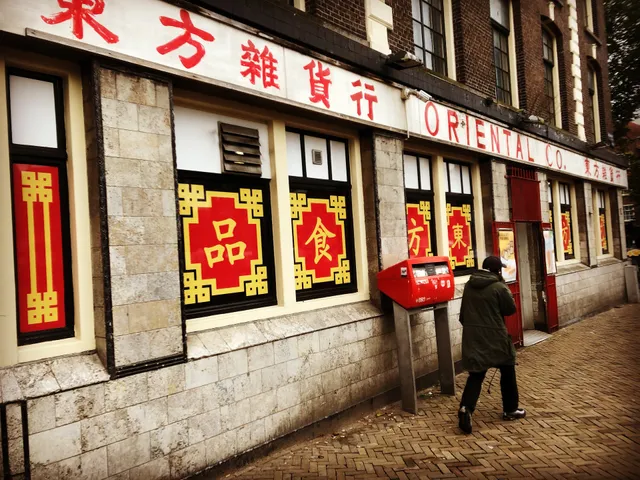
Amazing Oriental Amsterdam
4.3
(496)
Click for details