Auckland Art Gallery things to do, attractions, restaurants, events info and trip planning
Basic Info
Auckland Art Gallery
Wellesley Street East, Auckland Central, Auckland 1010, New Zealand
4.6(2.8K)
Closed
Save
spot
spot
Ratings & Description
Info
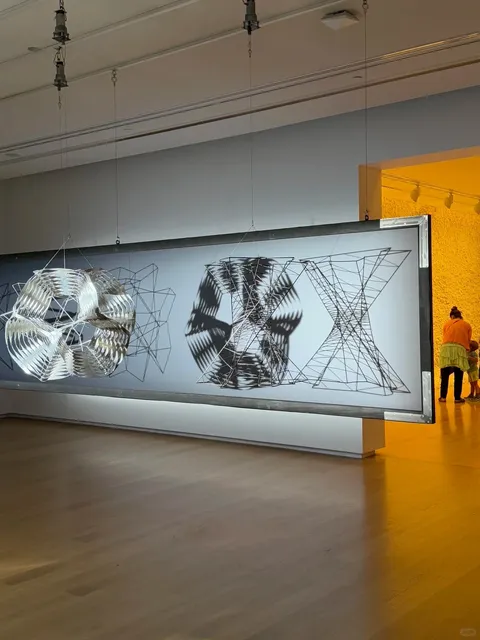
Auckland Art Gallery Toi o Tāmaki is the principal public gallery in Auckland, New Zealand. It has the most extensive collection of national and international art in New Zealand and frequently hosts travelling international exhibitions.
Cultural
Accessibility
attractions: Albert Park, The Civic, Central City Library, Great Escape (now Escape HQ Auckland Central), Aotea Square, Gow Langsford Gallery, Odyssey Sensory Maze Auckland, Escapade NZ, Auckland University of Technology, Sky Tower, restaurants: Gong cha (Lorne Street), Chom Na Thai Food, Eden Noodles, Nol Bu Ne Restaurant, Sumthin Dumplin Lorne, Honey Cafe CBD, Remedy Coffee, McDonald's Queen Street, Kompass Coffee, Saigon Chill, local businesses: Academy Cinemas, Newland House 28 Lorne Street, Event Cinemas Queen Street, Sky World Indoor Entertainment, JIN+JEN Hair Salon, Escape Masters Auckland CBD, Daiso Japan, CityFitness Queen St, Anytime Fitness Lorne Street, Woolworths Metro Auckland Victoria Street West
 Learn more insights from Wanderboat AI.
Phone
+64 9 379 1349
Website
aucklandartgallery.com
Open hoursSee all hours
Tue10 AM - 5 PMClosed
Plan your stay

Pet-friendly Hotels in Waitematā
Find a cozy hotel nearby and make it a full experience.

Affordable Hotels in Waitematā
Find a cozy hotel nearby and make it a full experience.

The Coolest Hotels You Haven't Heard Of (Yet)
Find a cozy hotel nearby and make it a full experience.

Trending Stays Worth the Hype in Waitematā
Find a cozy hotel nearby and make it a full experience.
Reviews
Live events
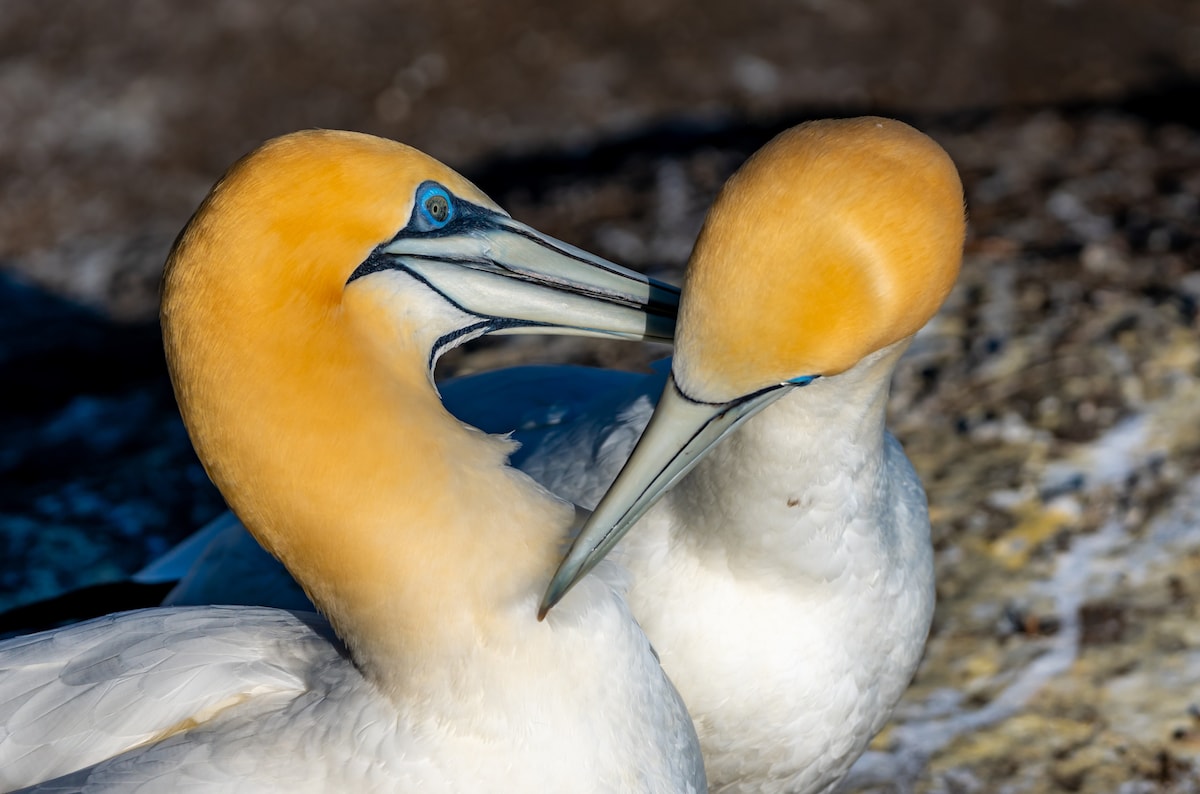
Aucklands Wild West Coast Black Sand Beaches Tour
Mon, Feb 23 • 11:00 PM
SkyCity Hotel Auckland, 1010, New Zealand
View details
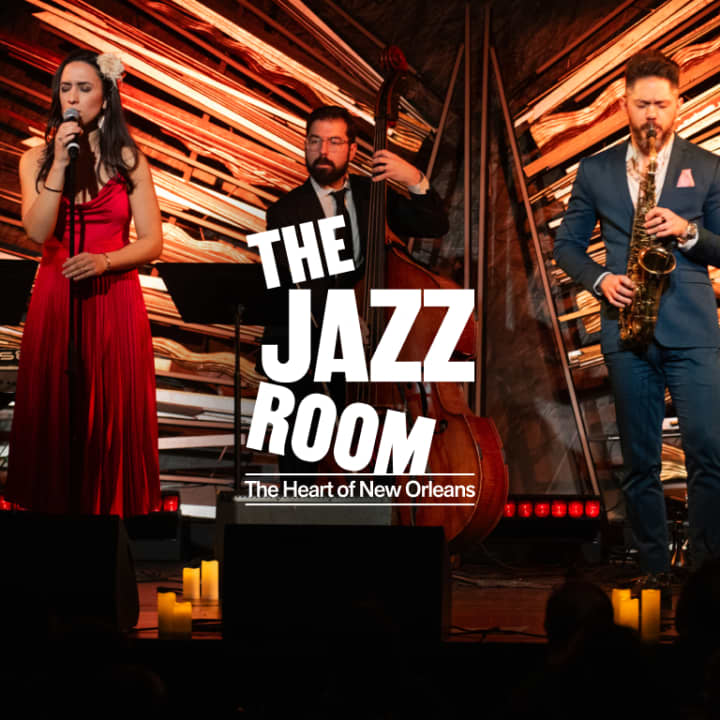
The Jazz Room: A Journey to the Heart of New Orleans
Sat, Feb 28 • 5:00 AM
20 Saint Georges Road, Avondale, Auckland, 0600
View details
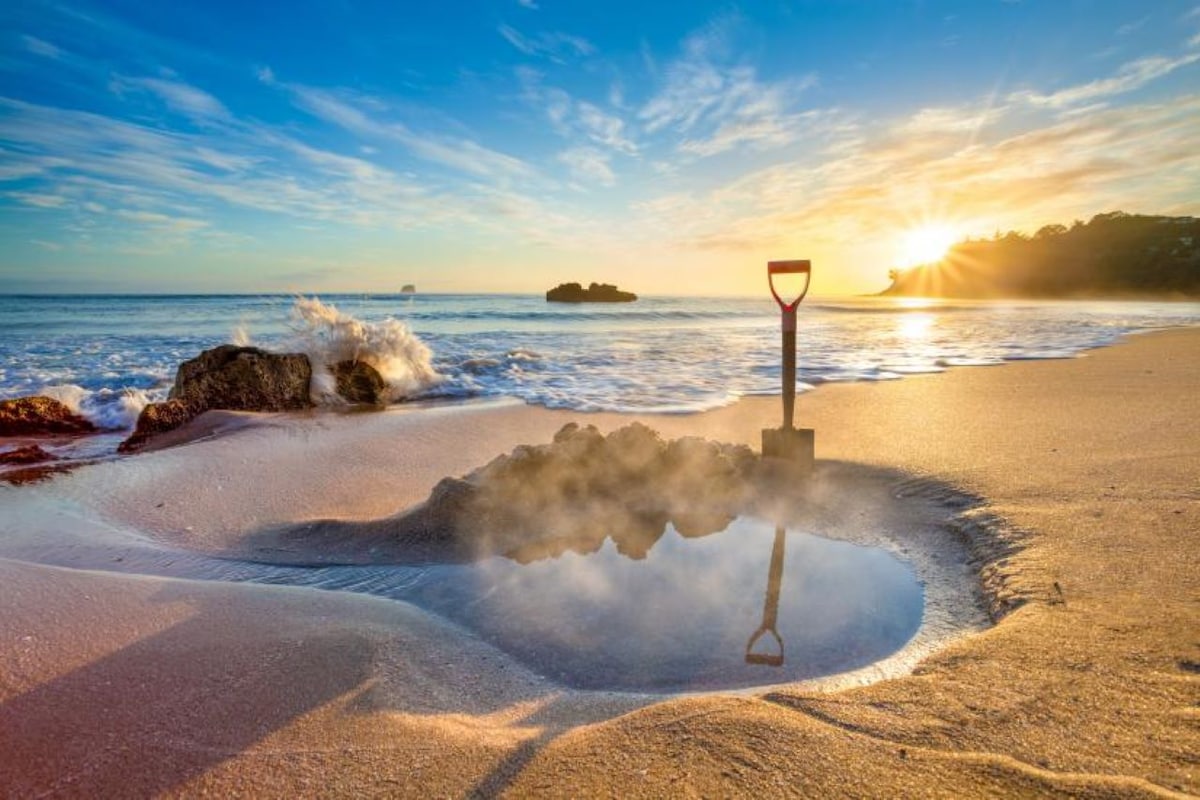
Cathedral Cove, Hot Water Beach & Coromandel Tour
Wed, Feb 25 • 5:30 PM
Auckland, 1010, New Zealand
View details
Nearby attractions of Auckland Art Gallery
Albert Park
The Civic
Central City Library
Great Escape (now Escape HQ Auckland Central)
Aotea Square
Gow Langsford Gallery
Odyssey Sensory Maze Auckland
Escapade NZ
Auckland University of Technology
Sky Tower
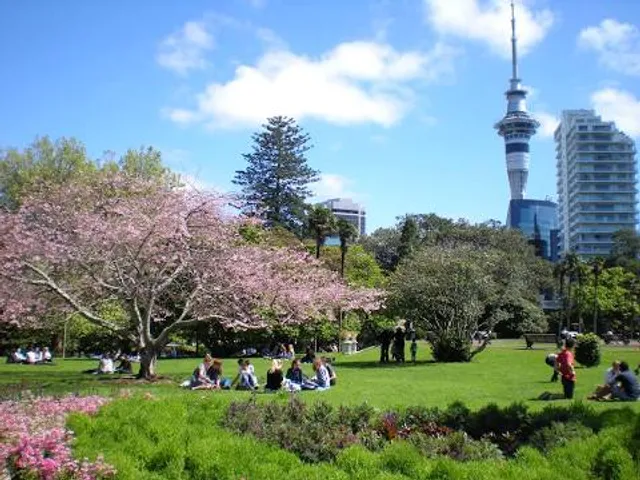
Albert Park
4.6
(2.1K)
Open until 12:00 AM
Click for details
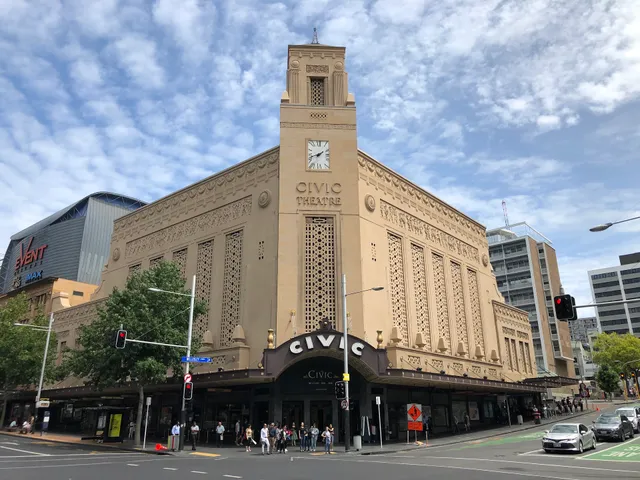
The Civic
4.7
(1.7K)
Open 24 hours
Click for details
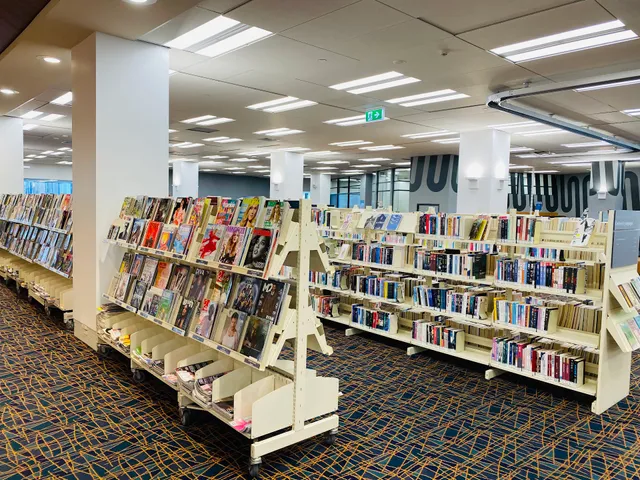
Central City Library
4.6
(365)
Open until 8:00 PM
Click for details
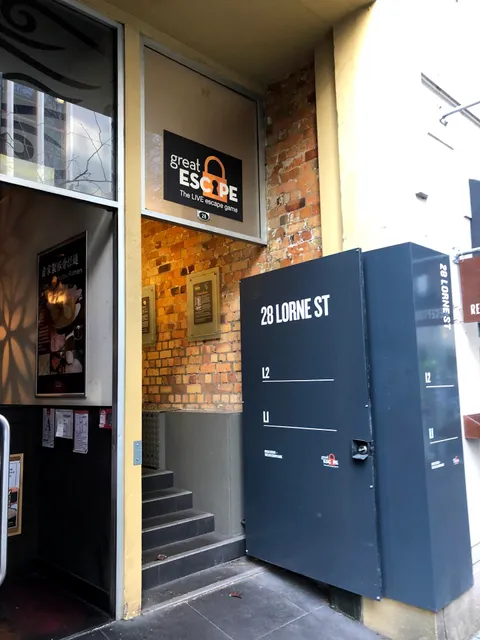
Great Escape (now Escape HQ Auckland Central)
4.7
(360)
Open until 12:00 AM
Click for details
Nearby restaurants of Auckland Art Gallery
Gong cha (Lorne Street)
Chom Na Thai Food
Eden Noodles
Nol Bu Ne Restaurant
Sumthin Dumplin Lorne
Honey Cafe CBD
Remedy Coffee
McDonald's Queen Street
Kompass Coffee
Saigon Chill
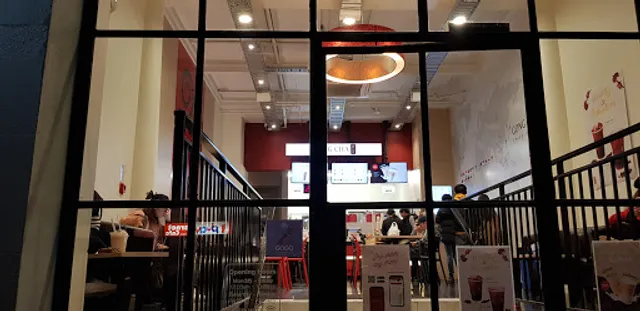
Gong cha (Lorne Street)
4.3
(455)
$
Open until 10:00 PM
Click for details
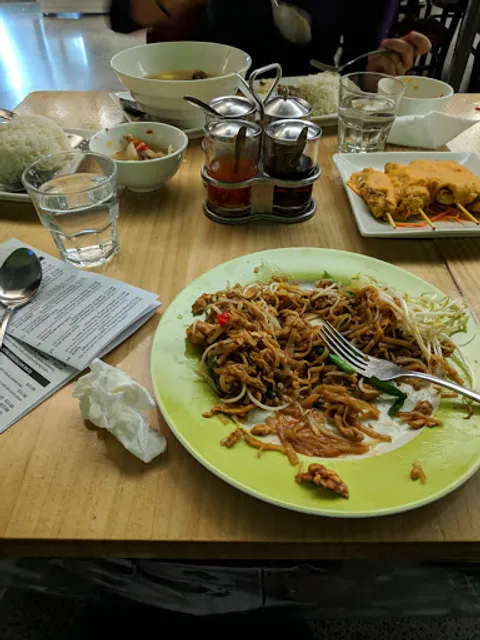
Chom Na Thai Food
4.4
(297)
$
Open until 9:00 PM
Click for details
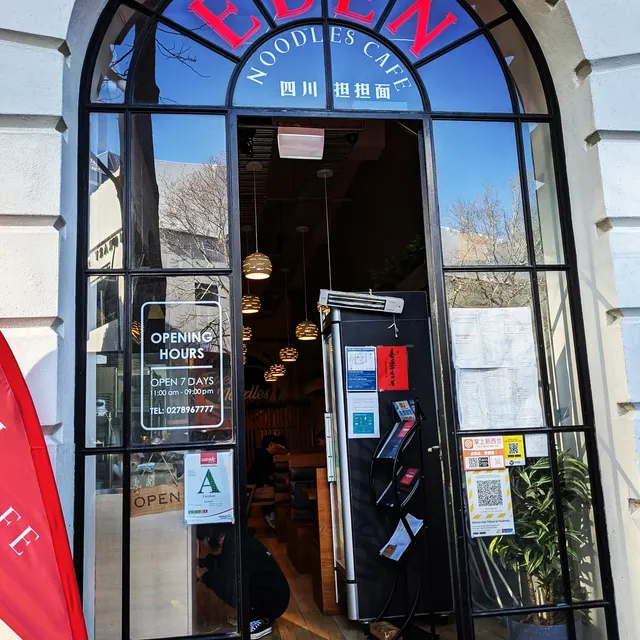
Eden Noodles
4.4
(220)
Open until 9:00 PM
Click for details
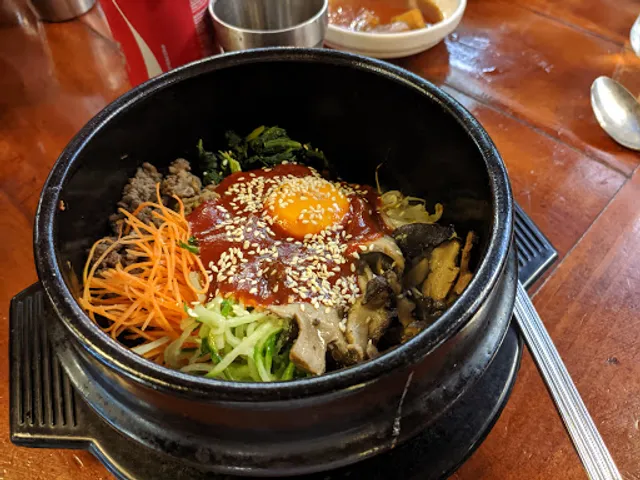
Nol Bu Ne Restaurant
4.1
(367)
$
Open until 9:00 PM
Click for details
Nearby local services of Auckland Art Gallery
Academy Cinemas
Newland House 28 Lorne Street
Event Cinemas Queen Street
Sky World Indoor Entertainment
JIN+JEN Hair Salon
Escape Masters Auckland CBD
Daiso Japan
CityFitness Queen St
Anytime Fitness Lorne Street
Woolworths Metro Auckland Victoria Street West
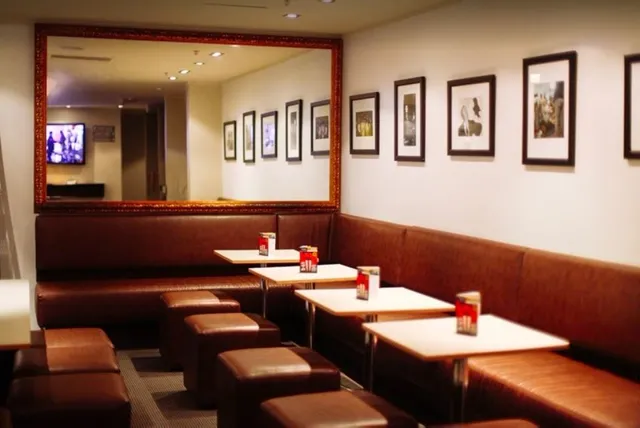
Academy Cinemas
4.6
(379)
Click for details
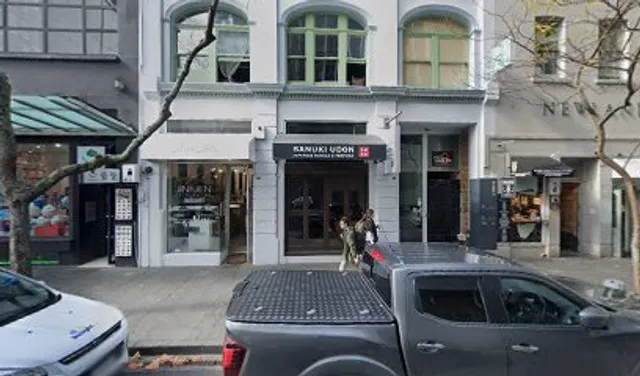
Newland House 28 Lorne Street
4.7
(352)
Click for details
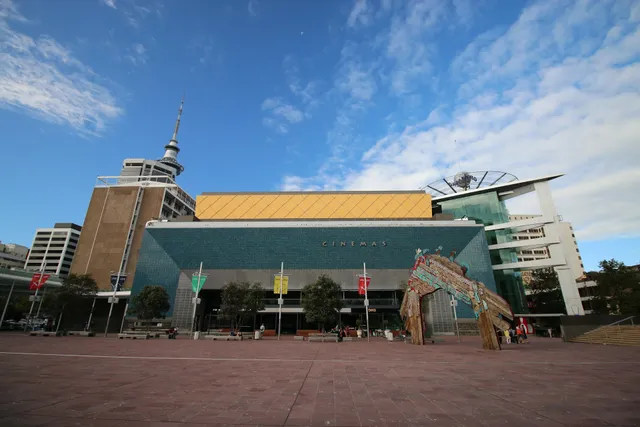
Event Cinemas Queen Street
4.2
(1.7K)
Click for details
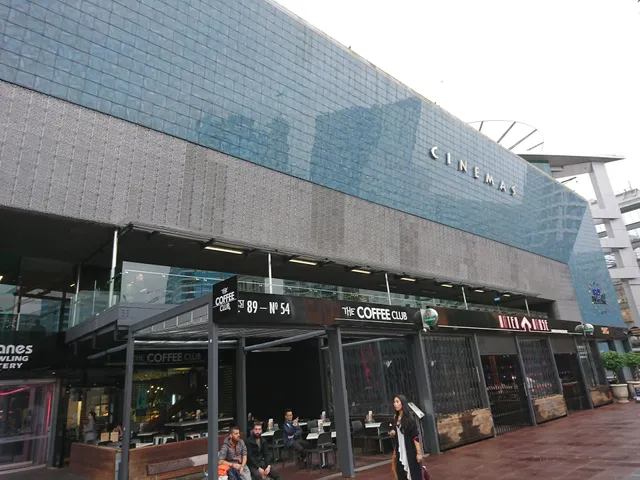
Sky World Indoor Entertainment
4.0
(1.7K)
Click for details