Santa Catalina Monastery things to do, attractions, restaurants, events info and trip planning
Basic Info
Santa Catalina Monastery
Santa Catalina 301, Arequipa 04001, Peru
4.7(4K)
Open until 5:00 PM


tickets
Save
spot
spot
Ratings & Description
Info
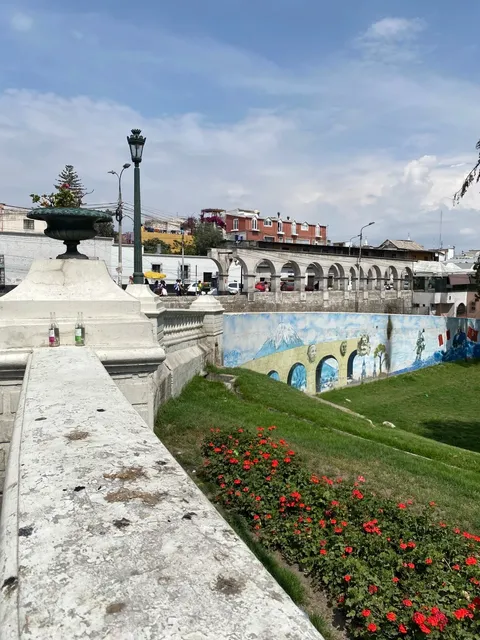
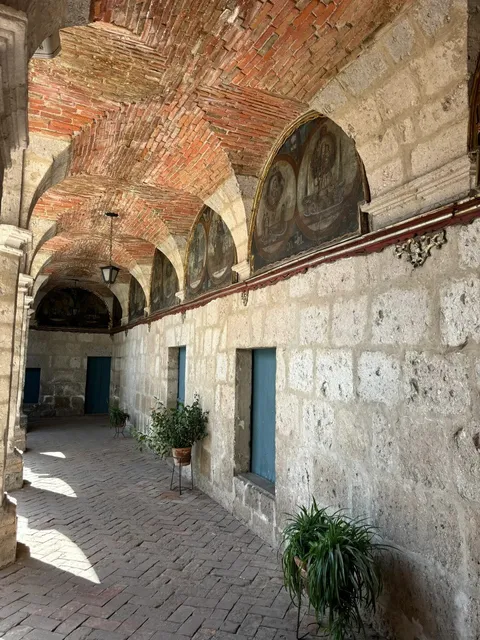
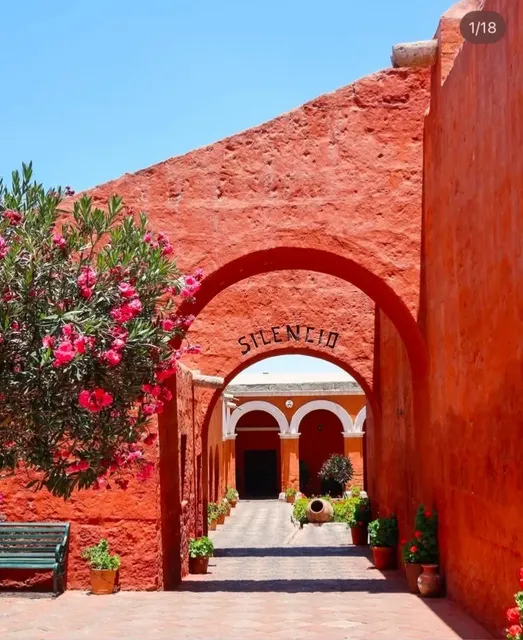
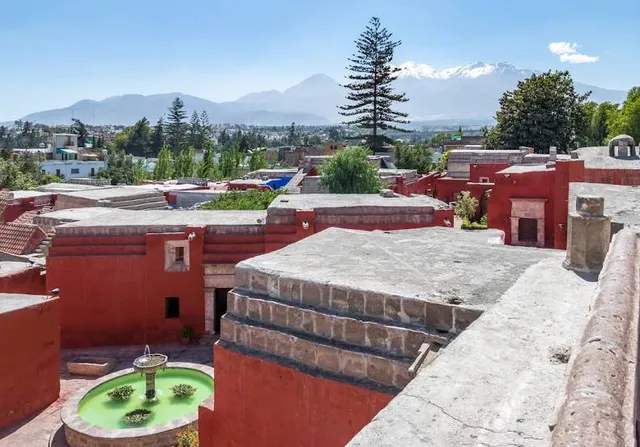
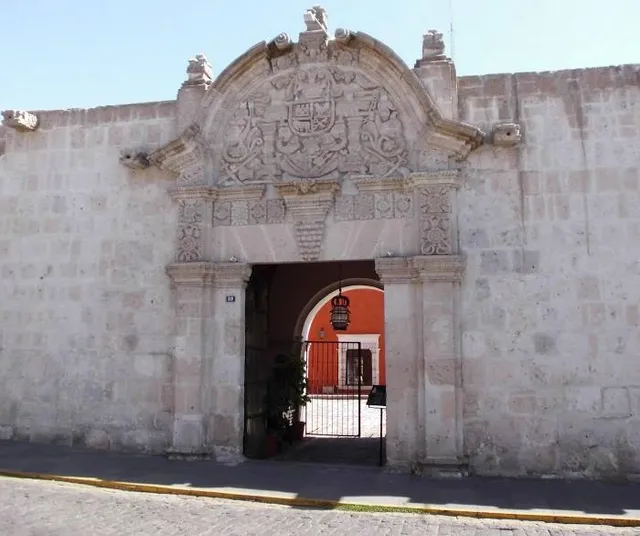
The Monastery of Santa Catalina de Siena is a large monastery of the Dominican Second Order, located in Arequipa, Peru. This is part of the UNESCO World Heritage Site "Historical Centre of the City of Arequipa".
Cultural
Accessibility
attractions: Plaza de Armas Arequipa, Basilica Cathedral of Arequipa, Templo de San Agustín, Fundo El Fierro, Guillermo Zegarra Meneses Municipal Historical Museum, Mundo Alpaca, Cathedral Museum, Cloisters of The Company, Museo Santuarios Andinos, Casona Tristan del Pozo, restaurants: Chicha por Gaston Acurio, 13 Monjas, Las Gringas Pizza, Chaqchao Chocolates, Tanta, Qochamama, Crepísimo Creperie, Zig Zag, Mi Kcao Chocolates y Cafe Rooftop ☕ (Ring the Bell), Lokanta Restaurante Arequipa, local businesses: Trek The Colca, Calle Moral 318 Cercado - Arequipa, Archbishopric of Arequipa, ColcaTrek, Bolognesi Bridge, Comete Esta Aqp, Mercado San Camilo, Casa Goyeneche
 Learn more insights from Wanderboat AI.
Phone
+51 54 221213
Website
santacatalina.org.pe
Open hoursSee all hours
Sun9 a.m. - 5 p.m.Open
Plan your stay

Pet-friendly Hotels in Arequipa
Find a cozy hotel nearby and make it a full experience.

Affordable Hotels in Arequipa
Find a cozy hotel nearby and make it a full experience.

The Coolest Hotels You Haven't Heard Of (Yet)
Find a cozy hotel nearby and make it a full experience.

Trending Stays Worth the Hype in Arequipa
Find a cozy hotel nearby and make it a full experience.
Reviews
Live events
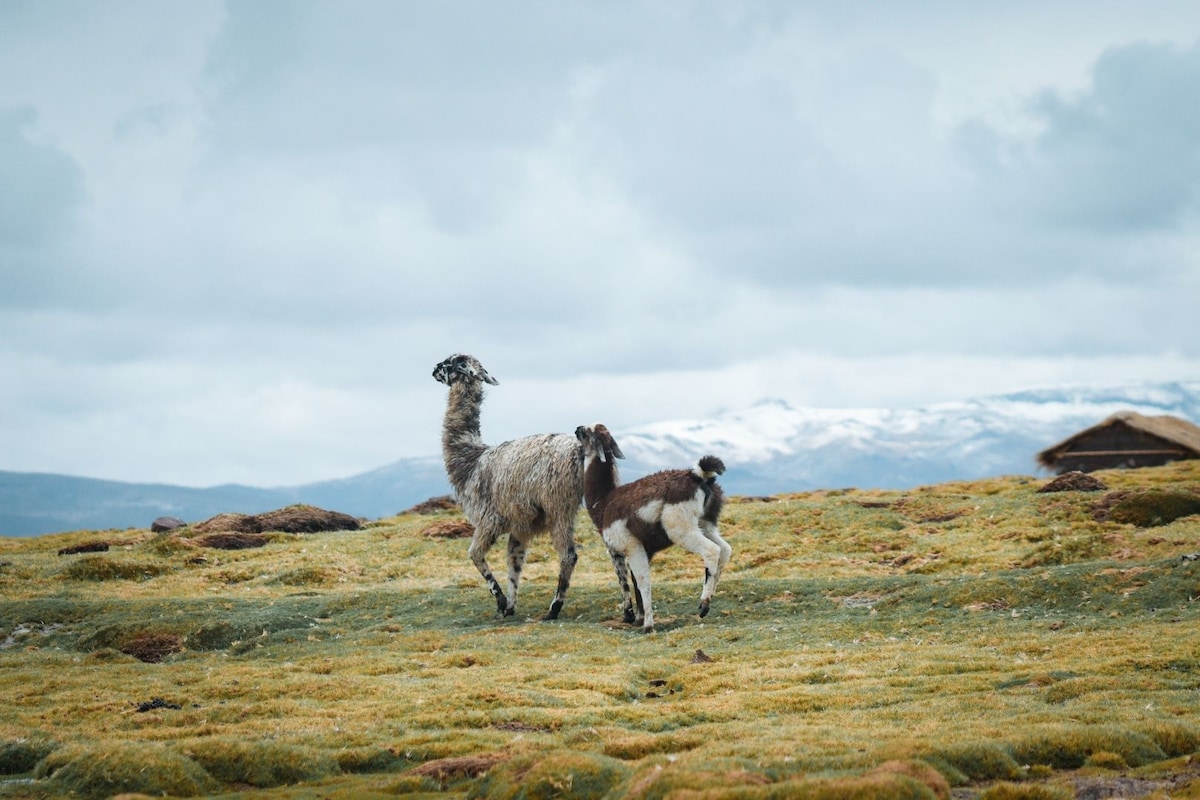
Explore Andean wildlife & volcano views
Mon, Feb 23 • 3:30 AM
Arequipa, 04000, Arequipa, Peru
View details
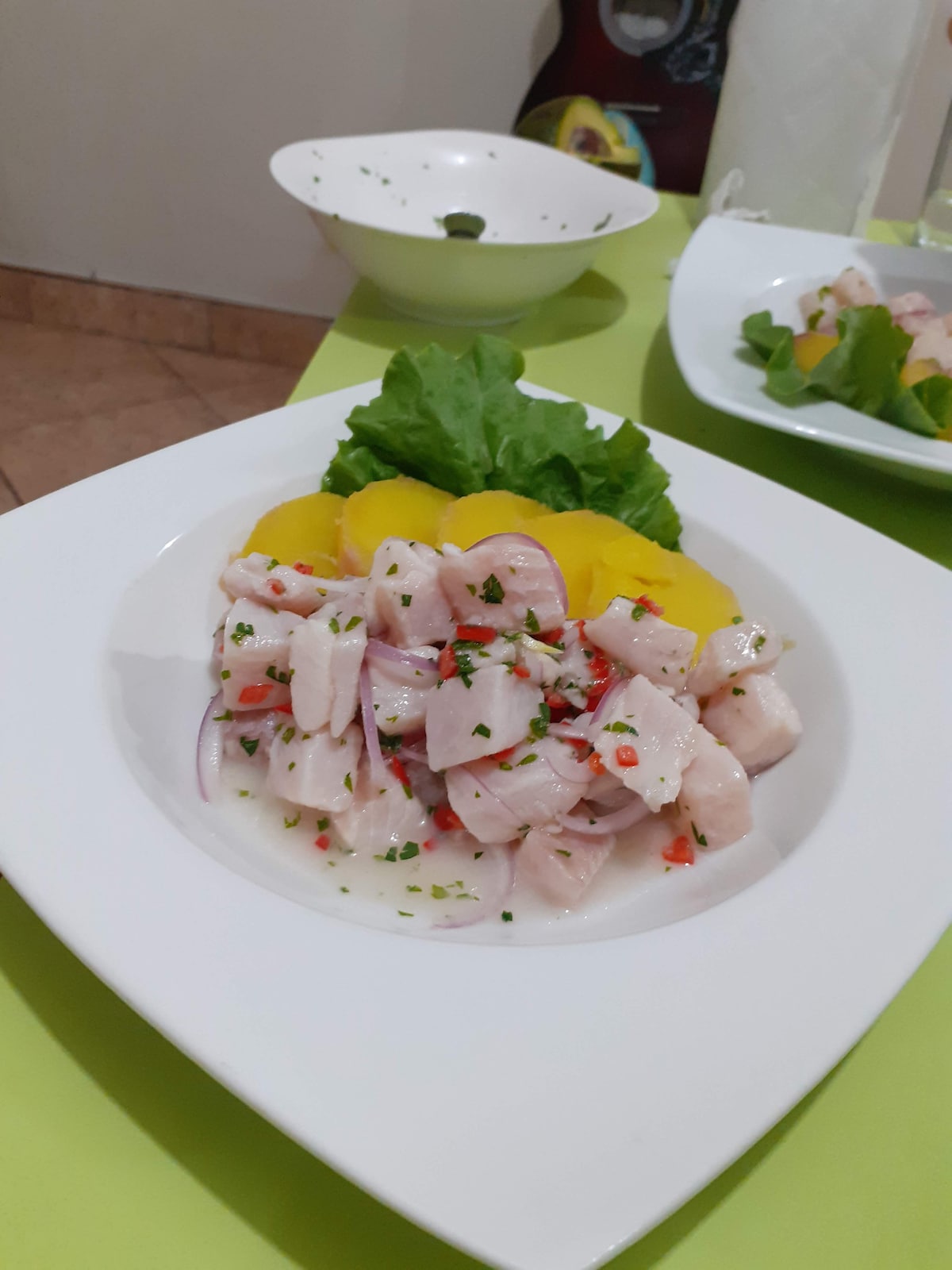
Peruvian cooking class in Arequipa
Sun, Feb 22 • 2:30 PM
Arequipa, 04017, Arequipa, Peru
View details
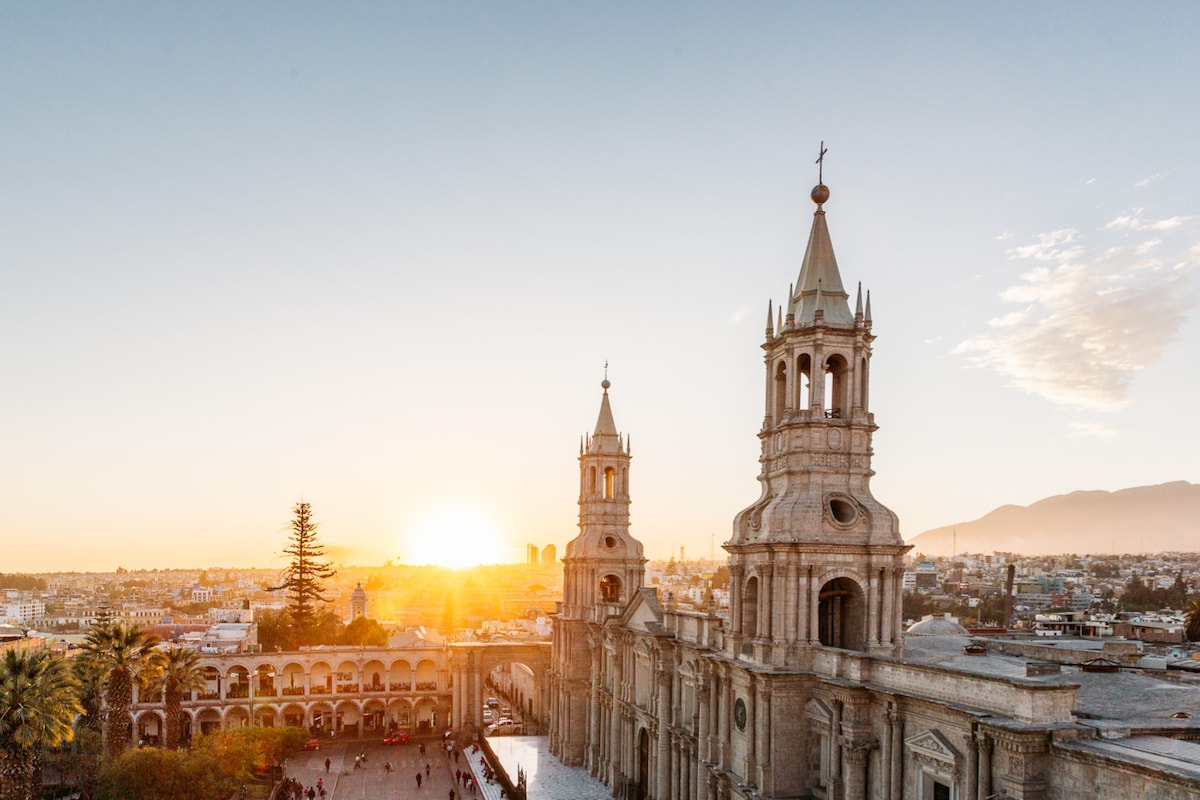
Take photos at the golden hour and learn about legends
Sun, Feb 22 • 2:30 PM
Arequipa, 04001, Arequipa, Peru
View details
Nearby attractions of Santa Catalina Monastery
Plaza de Armas Arequipa
Basilica Cathedral of Arequipa
Templo de San Agustín
Fundo El Fierro
Guillermo Zegarra Meneses Municipal Historical Museum
Mundo Alpaca
Cathedral Museum
Cloisters of The Company
Museo Santuarios Andinos
Casona Tristan del Pozo

Plaza de Armas Arequipa
4.7
(18.6K)
Open until 12:00 AM
Click for details
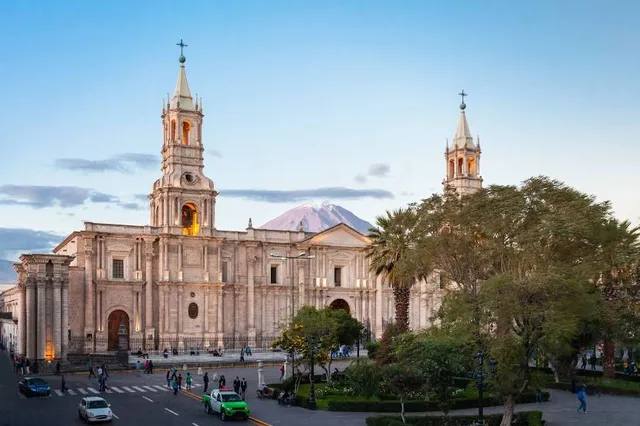
Basilica Cathedral of Arequipa
4.7
(917)
Open until 12:00 AM
Click for details
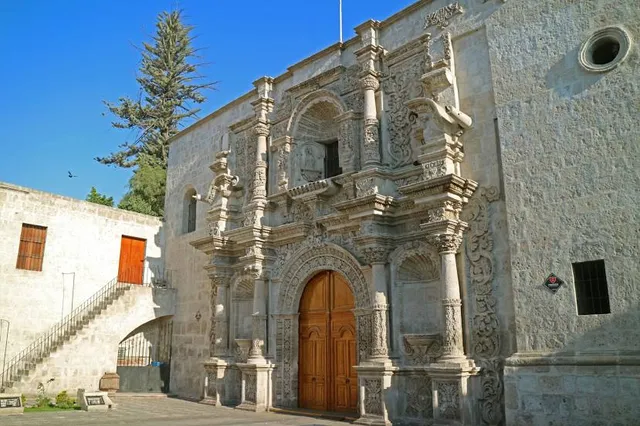
Templo de San Agustín
4.6
(531)
Closed
Click for details
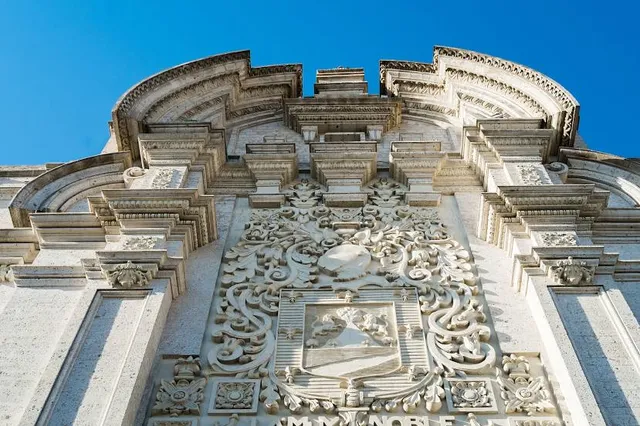
Fundo El Fierro
4.2
(439)
Open until 8:00 PM
Click for details
Nearby restaurants of Santa Catalina Monastery
Chicha por Gaston Acurio
13 Monjas
Las Gringas Pizza
Chaqchao Chocolates
Tanta
Qochamama
Crepísimo Creperie
Zig Zag
Mi Kcao Chocolates y Cafe Rooftop ☕ (Ring the Bell)
Lokanta Restaurante Arequipa
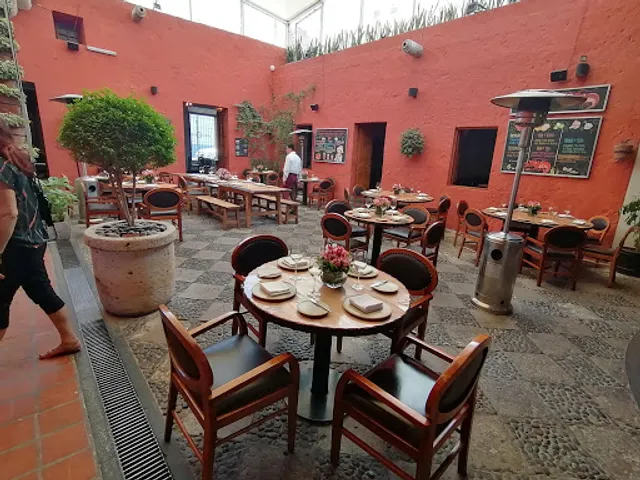
Chicha por Gaston Acurio
4.4
(1.6K)
$$$
Open until 5:00 PM
Click for details
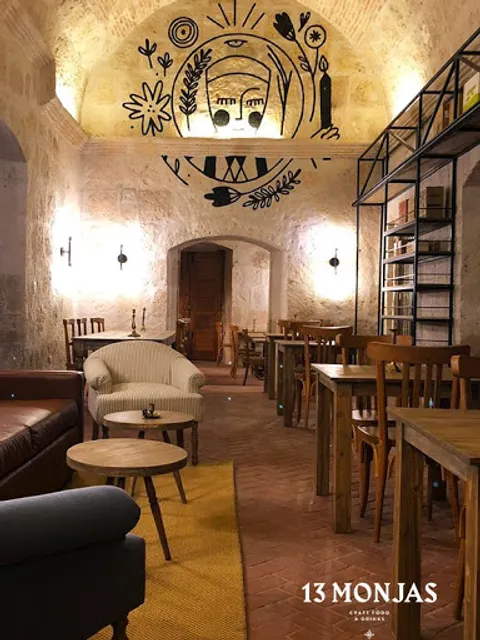
13 Monjas
4.4
(1.1K)
$$
Open until 11:30 PM
Click for details
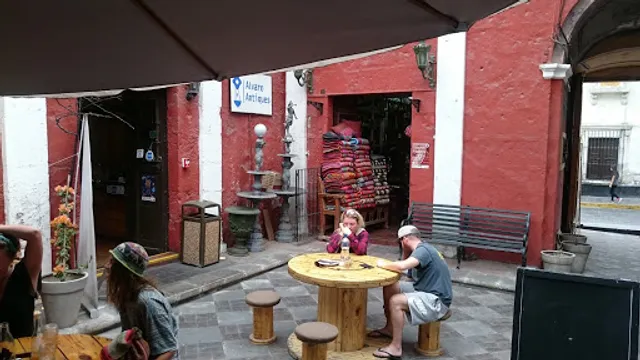
Las Gringas Pizza
4.4
(965)
Open until 11:00 PM
Click for details
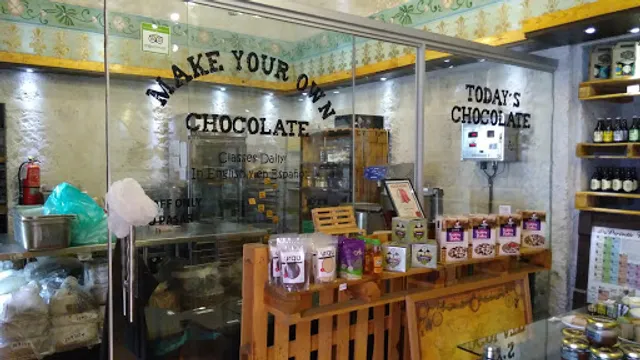
Chaqchao Chocolates
4.5
(924)
$$
Open until 11:30 PM
Click for details
Nearby local services of Santa Catalina Monastery
Trek The Colca
Calle Moral 318 Cercado - Arequipa
Archbishopric of Arequipa
ColcaTrek
Bolognesi Bridge
Comete Esta Aqp
Mercado San Camilo
Casa Goyeneche
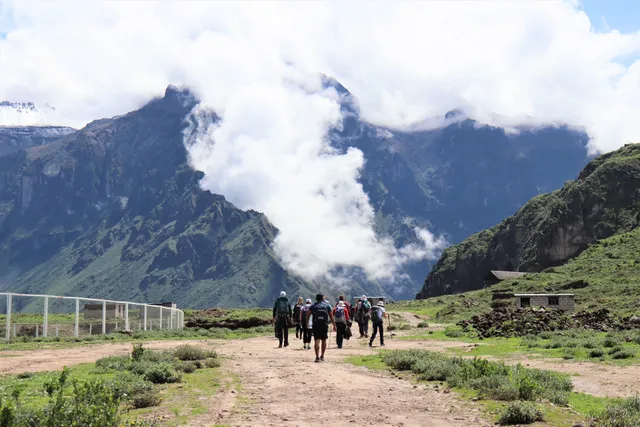
Trek The Colca
4.5
(52)
Click for details
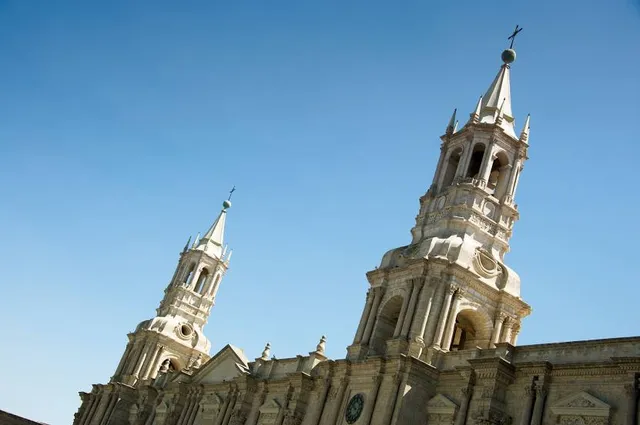
Calle Moral 318 Cercado - Arequipa
4.5
(51)
Click for details
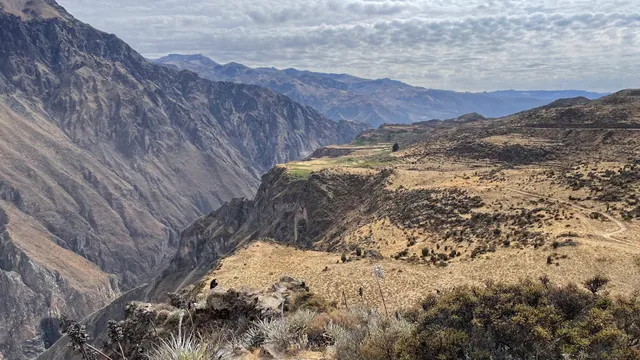
Archbishopric of Arequipa
4.0
(48)
Click for details
ColcaTrek
4.6
(42)
Click for details